What to Do in Beijing: 10 Must-Do Activities and Experiences

Beijing, the capital of China, is a city where millennia-old history meets dazzling modernity. Known for its iconic historic sites, vibrant neighborhoods, and local culture, Beijing offers a wealth of activities for curious travelers. Whether you plan a short visit or a longer stay, it is essential to make the most of every moment spent in this fascinating metropolis. You may be wondering what to do in Beijing to get the most out of your trip. Let us explore together the must-do experiences to live in this unique city.

1. Visit the Great Wall of China

Visiting the Great Wall of China is a must-do experience during a stay in Beijing, as this colossal construction stands as one of the world’s great wonders. The sections at Mutianyu, Badaling, or the Jinshanling stretch offer varying levels of difficulty and spectacular panoramas over the mountainous landscape to the southeast of the capital. For travelers seeking authenticity, hotels near the wall allow you to extend the experience right at the site. This Beijing visit can easily be combined with access via the Beijing Metro, and purchasing a metro ticket simplifies logistics for a structured itinerary.

2. Discover the Forbidden City and Tian’anmen Square

Discovering the Forbidden City and the Tian’anmen Square means stepping into the political and cultural heart of imperial times. This former residence of emperors, notably those of the Ming dynasty, including the Yongle Emperor, reflects the organization of power in the Empire of the Middle. Just a few steps away lies one of the world’s largest public squares, the setting for the flag-raising ceremony, the military parade on the National Day, and the Mausoleum of Mao Zedong, witness to the continuity between imperial history and modern history. The Gate of Heavenly Peace thus opens onto a journey of meaning, at the crossroads of history and power.

3. Explore the Temple of Heaven

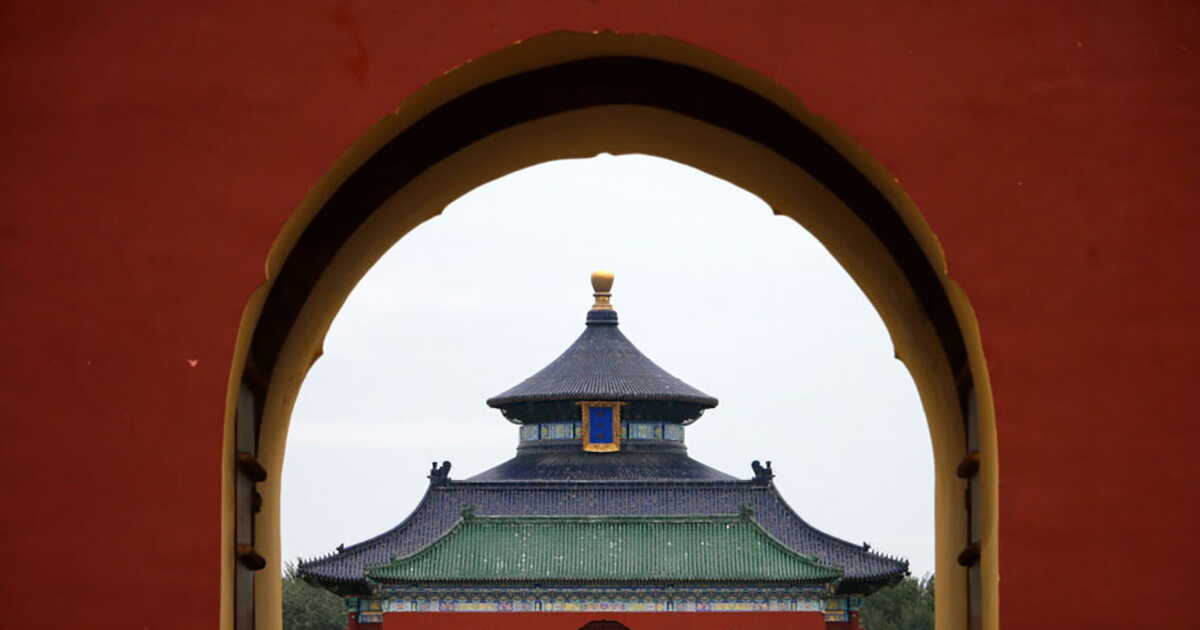
The Temple of Heaven is an essential spot for any Beijing visit, both for its symbolic significance and for its harmonious integration into the urban environment. A place of prayers for the bountiful harvests under the emperors of the Ming and Qing dynasties, this temple landmark offers a vast park ideal for practicing the tai-chi and for morning strolls. Recognized as a World Heritage Site, this wooden architecture, without nails or metal supports, reflects a metaphysical harmony between heaven and earth. Located in the center of Beijing, it is easily reachable by the metro lines, broadening access to this heritage wealth.

4. Stroll through the Hutongs

The hutongs of Beijing, especially the traditional Beijing hutongs, constitute a living heritage of the city’s ancient urban fabric. This network of intertwined lanes, dotted with siheyuan (courtyard houses), offers an ideal place to soak up the historical daily life of old Beijing. While some have been preserved, others have been transformed into cardboard-paste hutongs, more commercial than patrimonial. Exploring them on foot or by bike grants access to trendy neighborhoods and to beautiful spots still little known, perfect for a Beijing family visit.

5. Enjoy performances at the Lama Temple and the Summer Palace

The Lama Temple and the Summer Palace represent two distinct facets of spirituality and the Chinese way of life. The former, a premier site of Tibetan Buddhism, is renowned for its monumental statue and meditative atmosphere, while the latter embodies the imperial aesthetic in their summer retreats. The gardens of the Summer Palace, crossed by canals, are punctuated by refined pavilions and symbolic elements, making it a world apart from the urban bustle. These sites enrich a Beijing visit with their spiritual and artistic wealth.

6. Savor the Beijing Roast Duck

Sampling the Beijing roast duck in a restaurant that respects its tradition is to experience an culinary art codified since the Ming dynasties. This specialty, prepared according to a rigorous method, is enjoyed in thin slices, accompanied by pancakes, vegetables and hoisin sauce. To enjoy the best pricing, it is recommended to book in advance at hotels with rooms renowned for their gastronomy. This gastronomic appointment can be extended with a stroll through the trendy neighborhoods, where modernity and culinary traditions intersect.

7. Explore Beijing after nightfall

Exploring Beijing after nightfall reveals a bright, dense and lively city. The Wangfujing Street Night Market embodies this buzz, with quirky snacks and international signage. Not far away, the bars of Sanlitun or Beijing Opera concerts offer varied activities. A one-night hotel stay then becomes a practical option to extend this cultural immersion. The nighttime atmosphere of the capital provides a complementary facet to the Beijing visit, as rich as the daytime one.

8. Visit museums like the 798 Art Zone

The Beijing museums, such as the National Museum of China or the 798 Art District, offer a diversified perspective on the evolution of art and thought in the Empire of the Middle. In these places, one moves from millennial artworks to contemporary Chinese art, all within striking architectural settings. These spaces, at once symbols of knowledge and laboratories of ideas, form part of any Beijing visit aiming to understand the complexity of a metropolis with multiple faces.

9. Wangfujing Street: a flagship spot for visitors

Wangfujing Street represents one of the flagship spots for consumption and popular culture in Beijing. Located in the historic center, not far from the Forbidden City and the Gate of Heavenly Peace, it blends culinary traditions with commercial modernity. This district embodies a China in transition, where global brands intersect with street markets offering grilled insects and local delicacies. It is an ideal place to observe the contrasts of the Chinese world, between ancient harvest rituals and the contemporary rush toward modernization. In the evening, the lights of Wangfujing provide a unique spectacle, bearing witness to the city’s cultural vitality.

10. Beihai Park: an ideal place to discover Beijing differently

Located immediately adjacent to the Forbidden City, Beihai Park constitutes an ideal place to enjoy a more contemplative Beijing. Once reserved for the Yongle Emperor and the dignitaries of the Ming dynasty, it embodies a portion of the World Heritage. Today, it is a world apart, where locals and travelers mingle to practice the tai chi at sunrise or admire the sun on the water of the central lake. The park, rich in works of art and in symbols of the Empire of the Middle, stands as a cultural oasis in the center of Beijing, allowing a moment of pause between two historic visits or a military parade during the National Day.

Beijing, with its rich history and culture, offers a multitude of activities for every type of traveler. Whether you visit its historic monuments, discover its gastronomy, or explore its nightlife, each experience will enrich your understanding of this fascinating metropolis. By carefully planning your trip, you can fully enjoy all that Beijing has to offer and create memorable memories.

How much time is needed to visit Beijing ?

A visit to Beijing deserves a minimum of four to five days to grasp the historical, cultural, and architectural richness of the capital of the Middle Kingdom. Between the Forbidden City, the ancient residence of Ming dynasty emperors, Beijing’s traditional hutongs that tell the daily life of residents for centuries, and world-famous places like Tiananmen Square, the itineraries are dense and require time. To better plan your stay in Beijing, it is essential to consider the density of Beijing’s subway network and its lines, which provide easy access to trendy neighborhoods, the wall sections, and the Olympic Park, notably the Bird’s Nest stadium.

What to do in Beijing in the evening to extend the cultural discovery?

Evening exploration of Beijing reveals another dimension of the city, where modernity and traditions intersect. The lanes of the traditional hutongs take on a distinctive atmosphere after nightfall, and some places such as the Beijing Opera offer an immersive experience in intangible cultural heritage. The avenues like Wangfujing Street come alive with night markets and neon signs. You encounter as many tourists as locals, all eager to sample specialties, stroll, or simply watch the sunset over the squares. For a one-night hotel stay, several establishments offer rooms with views of central Beijing, ideal for a rendezvous between modernity and history.

What to do in Beijing when it rains? Cultural alternatives sheltering from time

Rainy days in Beijing can become ideal opportunities for indoor discovery. Numerous museums, including those dedicated to emperors and to Chinese art, help keep you connected to history. Mao Zedong’s Mausoleum on Tiananmen Square provides a glimpse into the memory of the People’s Republic. Galleries featuring artworks and handicrafts testify to the cultural diversity of Imperial China. Even the hutongs, often covered or sheltered, can be explored differently, between traditional hutongs and cardboard-hutong recreations, tourist reconstructions that raise questions about authenticity.

What to do at Beijing airport during a layover?

During a lengthy layover at Beijing Capital International Airport, several options allow turning the wait into a cultural opportunity. Express tours to central Beijing can be done via the Beijing Metro with a single metro ticket. For those staying within the airport complex, rest zones, exhibition spaces on Chinese dynasties, or tai chi practice areas offer a symbolic discovery of Chinese knowledge. Several nearby hotels provide day-use rooms at the best rates for a restorative break.

This article was drafted with the help of artificial intelligence, then corrected, expanded, and validated by the editors of the desk.
What to Do in Sweden: 5 Essential Activities and Experiences

Sweden, with its majestic natural expanses and its cities that blend modernity with tradition, attracts many visitors each year. Whether you are passionate about nature, culture, or gastronomy, this Scandinavian country has something to satisfy every whim. Let us dive into discovering activities and points of interest that deserve a place on your itinerary according to the season and the duration of your stay.

1. Exploring the cultural capitals

Stockholm

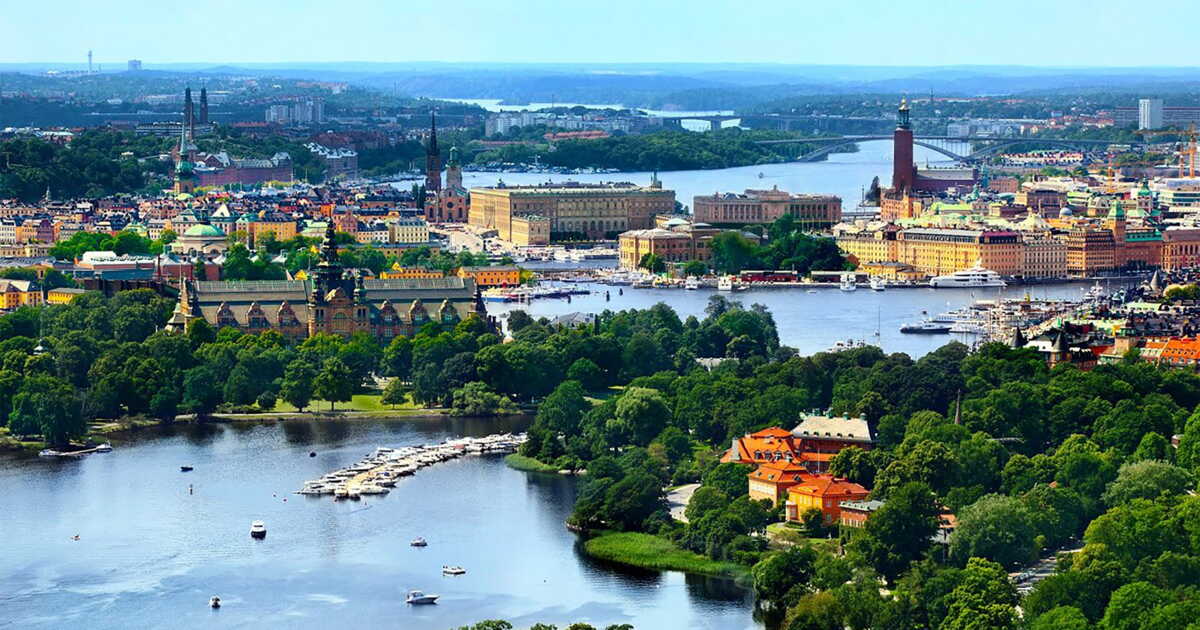
Stockholm, the Swedish capital, is a must-see. During your visit, don’t miss the historic district of Gamla Stan, with its cobbled streets and the Royal Palace. Museum lovers will be delighted with the Vasa Museum, home to a 17th‑century ship, or the ABBA Museum for an immersion into the world of the famous Swedish group. A stroll to Södermalm will plunge you into a trendy and alternative atmosphere.

Gothenburg

The second city of the country, Gothenburg will charm you with the Haga district and its cozy cafés. For an adrenaline rush, the amusement park Liseberg is a must, while art enthusiasts will appreciate the Gothenburg Museum of Art. Additionally, a trip to the west coast archipelago will allow you to discover wild and pristine landscapes.

2. Admire the natural wonders

The Swedish Lapland

The Swedish Lapland offers landscapes of unique beauty, ripe for unforgettable adventures. In winter, head out on an aurora borealis hunt in Abisko or stay at the Icehotel in Jukkasjärvi. Activities such as dog sledding or meeting reindeer are enriching experiences. During the summer, discover the phenomenon of the Midnight Sun.

The Archipelagos

The Swedish archipelagos are synonymous with tranquility and preserved nature. Whether around Stockholm or Gothenburg, each island holds treasures to explore. Rent a bicycle to wander charming fishing villages, swim in clear waters, or take part in a variety of water activities.

3. Seasonal activities to highlight

In winter

Sweden’s winter is ideal for activities such as skiing and skating. Do not miss the Christmas markets, lively and cozy, where you can sample local specialties. After a chilly day, warm up with a fika, a sociable moment around coffee and kanelbullar.

In summer

The summer season is perfect for enjoying the long days illuminated by the Midnight Sun. Take the opportunity to go hiking in national parks or explore the coasts by canoe. Festivals are also plentiful during this period, offering a glimpse into Swedish culture and music.

4. Cultural and gastronomic discoveries

Fika

Fika is more than a simple coffee break; it is an integral part of Swedish culture. Take advantage of this moment to savor a kanelbulle in one of the many local cafés. The culinary exploration continues with specialties such as meatballs, marinated salmon, and various seafood dishes.

Design

Sweden is renowned for its avant-garde design. Explore the shops and dedicated museums where minimalism is king. Each object is conceived to be as aesthetically pleasing as it is functional.

5. Practical tips for a successful trip

Safety and budget

Sweden is perceived as a safe country for visitors. Standard precautions apply as in any other tourist destination. Regarding budget, Sweden isn’t necessarily cheap. However, tips such as discounted transport cards and the option to cook for yourself can help reduce costs.

Transports et hébergements

The country, well served by train, air, and bus, makes it easy to move from one region to another. Accommodation options range from hostels to luxurious hotels, including traditional cottages.

In conclusion, Sweden offers a multitude of activities and places to discover, regardless of the season. This country harmoniously blends wild nature and urban culture, promising you a rich and diverse stay. Make sure to plan your trip with the seasons in mind to experience something aligned with your expectations.

What budget to plan for a trip to Sweden: anticipating the price of a stay in the Nordic landscapes

Planning a trip to Sweden involves taking into account a relatively high cost of living, especially in major cities like Stockholm, but several options allow you to discover Sweden at a lower cost. By opting for a road trip in Sweden, you can reduce transport expenses while accessing less touristy, nature-filled places.

Traveler reviews suggest options such as Sweden with Explora Project, which facilitate immersion at an affordable price. The cost of accommodations varies between city-center hotels and refuges in national parks, particularly in the northern Sweden. Public transport, including the railway and the ferry crossing, is well organized but long-distance train tickets should be booked in advance to benefit from good rates.

Plan an average daily budget of between 80 and 150 euros, depending on the level of comfort chosen, which remains a reasonable estimate to enjoy the beautiful landscapes of the Baltic Sea up to the Norwegian border, passing by canals such as the Göta Canal or the Trollhättan Canal.

What to do in Sweden with kids: ideas for activities suitable for the whole family

Exploring Sweden with children is a journey that is both educational and close to nature. From Stockholm to Kiruna, many must-see activities let you explore Sweden in the great outdoors while keeping young ones engaged.

The Natural History Museum in Stockholm, with its interactive exhibits, offers an educational immersion, while a picnic by a green space or a canal, such as at Kungsportplatsen, nicely rounds out the day. In the Abisko village, beyond the polar circle, children can observe the auroras or try cross-country skiing depending on the season.

The coastline or the colorful buildings of the old town enhance the visual appeal of the stay. For a quiet moment, accessible hiking trails allow you to explore the Royal Route or cultural highlights within a safe setting. Sweden, renowned for its emphasis on family well-being, emerges as a destination perfectly suited to the happiness of family travelers.

What to do in Sweden when it rains: cultural and sheltered options to favor

Even in case of heavy rain, Sweden offers numerous indoor alternatives, especially in its cultural capitals such as Stockholm or Gothenburg. When a trip to Sweden coincides with capricious weather, indoor points of interest become essential: Natural History Museum, the king’s official residence, art galleries, or exhibitions dedicated to Viking mythology.

In Gothenburg, the archipelago remains accessible via the Göta Canal, and indoor visits are possible there. A few days can also be spent exploring typical cafés, sampling local cuisine around the potato, or planning future itineraries, such as the Kungsleden trail, for more temperate days. In short, even in bad weather, discovering Sweden remains rich in structured experiences.

What to do in Sweden at Christmas: Nordic traditions and a fairy-tale atmosphere

Spending Christmas in Sweden lets you explore a deeply rooted aspect of Nordic culture, between fairy tales, warm lights, and ancient traditions. In Stockholm in winter, the old town lights up with understated decorations, and the Christmas markets offer handmade goods and gastronomic specialties.

In the north of Sweden, the Abisko village offers an ideal setting to observe the aurora borealis, while winter activities such as cross-country skiing or sleigh rides fill the snowy days. The season for ski passes coincides with manageable tourist traffic, making access to natural spaces easier.

It is also an opportunity to take the railway to Kiruna, where some of the world’s northernmost places reveal a unique polar experience. December thus offers a peaceful and intimate view of Sweden, between heritage and nature.

Road trip in Sweden: an ideal itinerary to explore nature, culture and the Scandinavian coasts

A road trip in Sweden is an excellent option to discover the country’s geographic wealth, from the Bohuslän coast to the far reaches of the polar circle. Starting from Stockholm, travelers can reach Gothenburg via the canals and the colorful buildings of the historic centers. Then head toward the Sarek National Park or the hiking trails of the Kungsleden, where the panoramic view of the northern hills stands out as one of the visitor’s top picks.

Every great outdoors, every canal or Öresund Bridge crossed, reinforces the Scandinavian core of a trip to Sweden. The ferry crossing between islands, the proximity to the Norwegian border, and the variety of possible activities (from picnicking to winter sports) guarantee an unforgettable experience, structured by the freedom of travel.

This article was drafted with the help of artificial intelligence, then corrected, supplemented, and validated by the editors of the desk.

What to Do in Hungary: 10 Unmissable Activities and Experiences

Located in the heart of Central Europe, Hungary is a destination rich in cultural and natural treasures. Known for its capital Budapest, often nicknamed the “Pearl of the Danube,” the country also offers numerous attractions beyond its major cities. Whether you are a history buff, a foodie, or a nature enthusiast, Hungary holds unforgettable experiences in store. In this article, let us dive together into the activities to discover in this fascinating country, with must-sees in Budapest but also suggestions for exploring beyond.

1. Explore Budapest’s thermal baths

Thermal baths are a symbol of Budapest, born from the region’s abundance of hot springs. Among the most famous, the Széchenyi Baths, located in City Park (Városliget), boast flamboyant architecture and several pools at varying temperatures. The Gellért Baths, meanwhile, celebrate Art Nouveau and are also highly popular. Enjoy a day of relaxation in these venues that combine wellness with cultural discovery.

2. Visit the capital’s historic sites

Budapest is brimming with monuments that bear witness to its rich and complex past. Don’t miss the Hungarian Parliament, a stunning neo-Gothic edifice overlooking the Danube. The Buda Castle and the Fisherman’s Bastion offer breathtaking panoramas of the city. The Matthias Church is another architectural gem to discover. These sites, among others, immerse you in Hungary’s history while presenting unbeatable views.

3. Discover Budapest’s cultural scene

The Hungarian capital is a dynamic cultural hub. For a glimpse into more recent history, the House of Terror Museum reveals dark chapters of the 20th century. Don’t miss a visit to the Central Market Hall for an insight into local gastronomy, and take a stroll along Andrássy Avenue, a UNESCO World Heritage Site that hosts many theaters and luxury boutiques.

4. Enjoy the lively nightlife

Budapest’s ruin bars offer a unique nocturnal experience. Housed in abandoned buildings, these eclectic bars, such as the famous Szimpla Kert, provide a relaxed atmosphere infused with music and art, perfect for meeting people from around the world. Budapest’s nightlife is vibrant and diverse, with options for every taste.

5. Escape to Lake Balaton

Beyond Budapest, Lake Balaton stands as a favored destination for locals and visitors alike. It is the largest lake in Central Europe, ideal for water activities or simply unwinding on its shores. Towns like Tihany and Balatonfüred are renowned for their scenic landscapes and wine-tasting opportunities, particularly with local varieties.

6. Taste traditional Hungarian dishes

Hungarian cuisine is rich and diverse, with distinctive flavors. The goulash, the national dish, is a spicy meat stew typically served with bread. Lángos, a kind of savory fried dough, is a must-try at local markets. You’ll also find pálinka, a traditional fruit brandy. These specialties add a culinary dimension to your journey.

7. Explore the Tokaj wine region

The Tokaj region in the northeast is famous for its sweet wine, often regarded as “the wine of kings.” A visit to Tokaj’s vineyards offers not only tastings of exceptional wines but also the chance to discover a wine landscape inscribed on the UNESCO World Heritage list. Guided tours take you through this renowned terroir.

8. Venture to Eger

The town of Eger, known for its medieval castle and thermal baths, is also the birthplace of the Bull’s Blood wine. Wander its Baroque streets, visit its wine cellars, and don’t miss the Eger Basilica, the second-largest in Hungary. It is a place that blends history, culture, and gastronomy.

9. Discover the Hungarian puszta

The puszta, or Great Hungarian Plain, is a unique ecosystem where folk traditions and natural scenery intertwine. In Hortobágy, you can witness equestrian performances and explore what the region has to offer most authentically. It’s an opportunity to discover local fauna and flora as well as pastoral traditions.

10. Stroll through the artistic village of Szentendre

Near Budapest, Szentendre is a picturesque village with a strong artistic charm. Its narrow lanes are lined with galleries, museums and artisan shops. It’s an ideal day trip, offering a calm and inspiring atmosphere at once.

In conclusion, Hungary is a land of many facets, where tradition and modernity coexist. Its varied attractions, ranging from Budapest’s architectural splendor to the honeyed charms of the Tokaj wine region, and the expansive puszta, guarantee a travel experience that is rich and diverse. Whether your stay is short or extended, this country offers limitless possibilities for discoveries and cultural enrichment.

Is life affordable in Hungary: an analysis of costs for an accessible stay

For a stay in Hungary, cost considerations are essential and the answer tends to be reassuring. Compared with other Central European countries, Hungary remains broadly affordable. Accommodation, dining and transportation offer good value, especially outside of Budapest. A unique experience like exploring the Balaton lake, nicknamed the Hungarian Sea, or a visit to the Museum of Pasta or to the Budapest History Museum can be arranged without breaking a modest budget. Visitors from around the world agree that Hungary provides a pleasant quality of life at a lower cost, particularly when comparing daily expenses with those of other European capitals. Traditional dishes such as fish soup are offered at very accessible prices, including in tourist districts. In short, Hungary is a must-stop for those seeking cultural discovery while staying mindful of the budget.

What are the risks in Hungary: a generally safe country for travelers

Hungary is regarded as a safe destination for tourists, including visitors from around the world. The risks are similar to those in any Central European country: petty theft in tourist areas, caution in transit or in crowded markets. Beautiful places such as the Buda Hills or the Chain Bridge can attract pickpockets. Museums, nature parks like the Hortobágy National Park, or the Aggtelek caves, listed as UNESCO World Heritage sites, require ordinary vigilance. The risks in Hungary relate more to misinterpretations of culture than to concrete threats. Visitors are invited to respect local customs and maintain standard vigilance, as they would in other European capitals.

What to do in Hungary in winter: a season rich in cultural and thermal discoveries

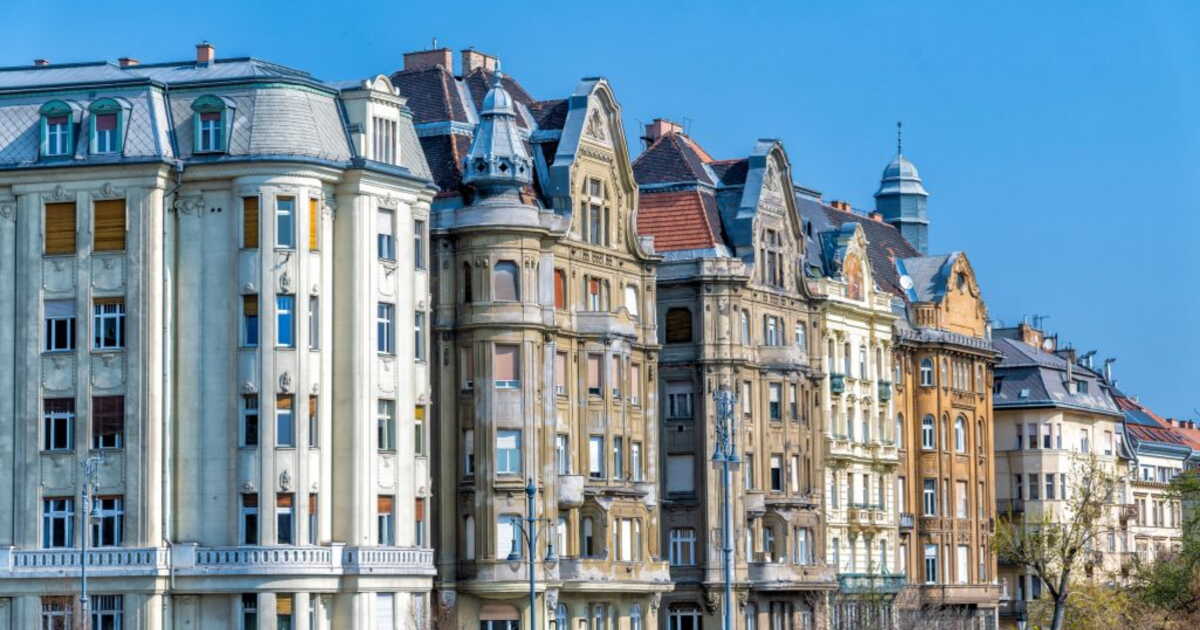
Spending the winter in Hungary offers a unique experience, blending traditions, warm baths, and the cosy atmosphere of historic towns. Budapest, dusted with snow, reveals another facet of its towers and 19th‑century buildings. The hot waters of the baths, such as Széchenyi or Gellért, attract thousands of visitors each year seeking relaxation. The Budapest History Museum or the numerous open-air museums allow continued exploration even on cold days. End-of-year celebrations add extra charm to the street corners animated by Christmas markets. It is also a good time to visit the Aggtelek caves or the city of Pécs in Hungary, less crowded but equally fascinating.

Which city to visit in Hungary: Pécs, a southwest jewel and cultural alternative to Budapest

Among the cities to visit in Hungary, Pécs deserves special attention. Located in the southwest of the country, this university town, marked by a rich Roman, medieval, and Ottoman history, charms with its tranquil atmosphere and heritage. The early Christian necropolis, listed as a World Heritage site, is one of its masterpieces. The city of Pécs is also renowned for its cultural life, with its museums, galleries, and a lively pedestrian center. In winter as in summer, it is a must‑stop for travelers seeking authenticity. Less frequented than the capital, Pécs offers another facet of Hungary, more intimate and just as fascinating.

Travel Hungary by train: a practical and scenic journey through the heart of the country

To discover Hungary by train, the rail network provides a comfortable and affordable option. It’s an excellent way to link major Hungarian cities such as Budapest, Pécs, Debrecen, or the shores of Lake Balaton. Traveling by rail allows you to enjoy landscapes from the northeast to the southwest, across plains, hills, and sometimes even thermal areas. Many lines offer frequent connections from Budapest, easing a car-free stay. It’s also an opportunity to immerse yourself in the cultural heritage and to benefit from spontaneous stops in villages or small towns rich in museums and traditions. For travelers from around the world, rail remains a practical, sustainable and immersive option.

Tourism and safety in Hungary: what you should know before you go

Tourism in Hungary does not present major dangers to travelers, but a few practical tips are worth considering. The country is stable, well connected, and its tourist infrastructures are well adapted, especially in Budapest and around Lake Balaton. Museums, national parks, thermal baths and beautiful places such as Hollókő or the Aggtelek caves, listed as UNESCO World Heritage sites, are open year-round and well managed. The risks are mainly related to ordinary vigilance in crowded areas. Each year, visitors increasingly rent a car to explore rural or isolated areas, particularly on roads near Hortobágy National Park. It is worth noting that Hungary remains a Central European country where unique cultural, natural and culinary experiences abound, provided they are approached with discernment.

This article was drafted with the help of artificial intelligence, then corrected, supplemented and validated by the editorial staff.