What to Do in Finland: 5 Unmissable Outings and Activities

Exploring Finland, a country of vast natural expanses, where each season brings its own slate of unique activities. Whether you’re a winter sports enthusiast, a lover of Scandinavian design, or curious to discover the local culture, Finland offers a range of experiences tailored to the climatic and seasonal opportunities. Learn how to maximize your stay with planning adapted to the different times of the year. What to do in Finland? Here is a detailed guide to discovering activities and outings across the seasons.

1. Finnish winter: Northern Lights and Lapland activities

Winter in Finland transforms the country into a magical corner of Northern Europe, where snow-covered landscapes stretch to the horizon under a unique polar light display. In Lapland, around the town of Rovaniemi, nature-focused areas across Finland take on a spectacular dimension, especially in national parks such as Pallas-Yllästunturi or near Levi Fell.

Long nights favor aurora watching, while days are marked by snowshoeing, snowmobiling, and campfires in the heart of a forest frozen in time. The thermometer can drop very low, but the tourism infrastructure ensures comfortable conditions, making winter a premier destination for an extraordinary weekend, blending iconic sights with immersion in a stunning natural environment.

2. Spring in Finland: awakening nature and hiking

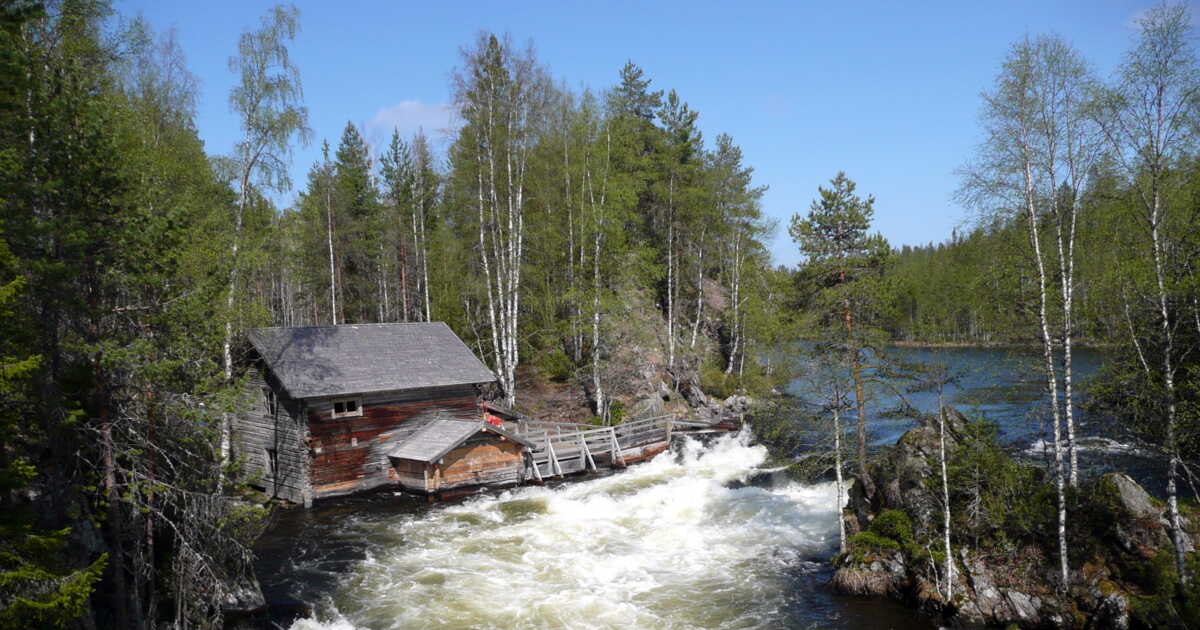
In spring, Finland reveals another facet of its landscapes, shaped by melting snow and the gradual return of life to rivers and forests. In the northeast of the country, the Oulanka River, whose flow carves spectacular gorges, becomes a reference point for hikers and photographers. National parks offer some of the best things to do in Finland: walking along the water’s edge, observing wildlife, and sharing a picnic against the backdrop of rejuvenated scenery. Tourist spots remain relatively uncrowded, making spring a perfect time to explore Finland with a more intimate atmosphere, conducive to a peaceful and structured discovery of the country.

3. Summer under the midnight sun: festivals and water activities

Finland’s summer is inseparable from white nights and endless sunsets, turning lake and coastal landscapes into living paintings. In the capital, architecture lovers appreciate the diversity of styles, while the islands of the Turku archipelago offer a string of tourist sites reachable by ferry. Further south, the Bengtskär lighthouse stands as a magical place facing the sea, ideal for admiring the subtle evening light. Canoeing, swimming, and simple meals based on local dairy products are part of the summer routine, making summer a favored season for travelers from around the world seeking a destination that blends nature, culture, and a relaxed way of life.

4. Autumn in Finland: vibrant colors and traditions

Autumn in Finland marks a strong visual and cultural transition, as forests don rich hues and religious sites and historic towns settle into a calmer rhythm. In Porvoo, the Porvoo River brushes past iconic wooden houses, while the characteristic wooden churches and the medieval cathedral attract visitors interested in religious and architectural heritage. This season is ideal for architecture and tradition enthusiasts who encounter tourist spots without overwhelming crowds. Autumn thus forms a coherent period for exploring Finland’s locales, balancing cultural heritage, local gastronomy, and changing landscapes within a setting conducive to an enriching weekend.

5. Finnish saunas: a timeless experience

Finally, regardless of the season, the Finnish sauna remains a central hub of social and cultural life, deeply rooted in the country’s identity. Found both in towns and deep in nature, often by a river or a lake, it ranks among the best things to experience during a stay. After the heat, some people join the cold water or simply enjoy the silence, facing the endless expanse of nature. This ritual, sometimes followed by a simple meal or a moment of sharing, embodies a balanced relationship with the body and the environment. The sauna is not merely equipment: it is a perfect place to understand Finland, its relationship to time, to the seasons, and to its most authentic places.

Finland is a destination rich in contrasts, where each season reveals unique treasures to discover. From the snow-covered vastness of Lapland to the bright nights of summer, through the vivid colors of autumn and the awakening of nature in spring, your stay in Finland will be an opportunity to experience varied and authentic moments. Plan your trip with seasonality in mind to fully enjoy what the country has to offer, both naturally and culturally.

What to do in Finland in winter? A season ripe for wonder and active exploration

Winter in Finland offers an exceptional setting for unique experiences. From the first snowfall, the country becomes a vast playground where dog sledding, snowshoeing, and snowmobile safaris shape the days. Beyond sports, the magic also occurs in Lapland villages, meeting Santa Claus, or during nocturnal observations of the northern lights. Traditional saunas, pillars of Finnish culture, allow for relaxation and immersion in local life. In winter, tourism in Finland becomes a lesson in nature and silence, combined with a deeply rooted Nordic lifestyle.

What to do in Finland with children? A country designed for family travel

Traveling in Finland with children proves particularly smooth thanks to child-friendly infrastructure and a range of activities designed for families. In Lapland, visiting the Santa Claus Village in Rovaniemi is a must, as are dog sled rides and encounters with reindeer. Farther south, interactive museums like Heureka in Vantaa or the Moominvalley Centre in Tampere combine learning with entertainment. In both summer and winter, Finland’s accessible and safe nature lets youngsters thrive outdoors among lakes, forests, and wooden cabins. Finland thus emerges as a destination that is soothing, educational, and exotic for families.

What to do in Finland in the evening? Between quiet nature, lively culture and Nordic relaxation

While Finnish evenings may seem calm, they carry a vibe unique to the Scandinavian pace. In cities like Helsinki or Turku, the cultural life takes the lead with concerts, exhibitions, or screenings in arthouse cinemas. In rural areas and in Lapland, the evening becomes a time for renewal: aurora watching, a dip in icy water followed by a traditional sauna, or a meal around a wood fire. Finns place great importance on the evening’s privacy, making it a moment for contemplation and reconnection with the elements. In Finland, night does not mean withdrawal, but an inner experience.

This article was written with the help of artificial intelligence, then corrected, expanded and validated by the editors of the newsroom.
What to Do in Sharm el-Sheikh: 8 Unmissable Outings and Activities

Situated on the southern coast of the Sinai Peninsula, Sharm el Sheikh is a renowned tourist destination famed for its fine-sand beaches, coral reefs, and proximity to the Sinai Desert. This Egyptian resort draws travelers from around the world seeking relaxation, adventure, and cultural discoveries. If you’re planning a visit to Sharm el Sheikh, you may be wondering which activities and outings are must-dos. Let’s explore together the many facets of this destination.

1. Diving and Snorkeling

Sharm el Sheikh, thanks to its strategic location on the Red Sea, serves as an ideal launch point for diving and boat excursions. Among the iconic sites are Ras Mohammed National Park, Tir an Island, and wrecks like the SS Thistlegorm, all of which are essentials to see. Whether you’re snorkeling or scuba diving, the waters of this region boast crystal-clear clarity and remarkable marine life. Additionally, you can join a boat trip to witness the natural beauty of the coral reefs up close.

For those who prefer observing from the surface, snorkeling is an excellent way to discover tropical fish and multicolored corals just a few meters from the shore. If you’re after a unique experience, a qualified guide can accompany you to explain the underwater fauna, giving you an immense chance to understand this ecosystem. Traveller reviews emphasize the importance of booking tickets in advance and ensuring that boat excursions adhere to environmental practices.

2. Desert Safari

A desert safari in Sharm el Sheikh is an unforgettable experience that blends adrenaline with immersion in the Sinai Desert’s climate. A quad or buggy ride lets you explore vibrant canyons and barren landscapes, while a camel ride takes you on a calmer and more authentic adventure. Many luxury resort complexes offer organized excursions to meet local artisans, and some include Bedouin dinners under the stars.

For those seeking a unique experience, a qualified guide can be the best way to discover this natural beauty while ensuring that entry fees and tickets are properly managed. The desert safari is also an opportunity to enjoy a spectacular sunset, delivering an incredible view of the landscape. This type of activity is a magical moment to share in a small group, with practical, step-by-step tips to fully enjoy the adventure while respecting the local wildlife.

3. Discovering Naama Bay

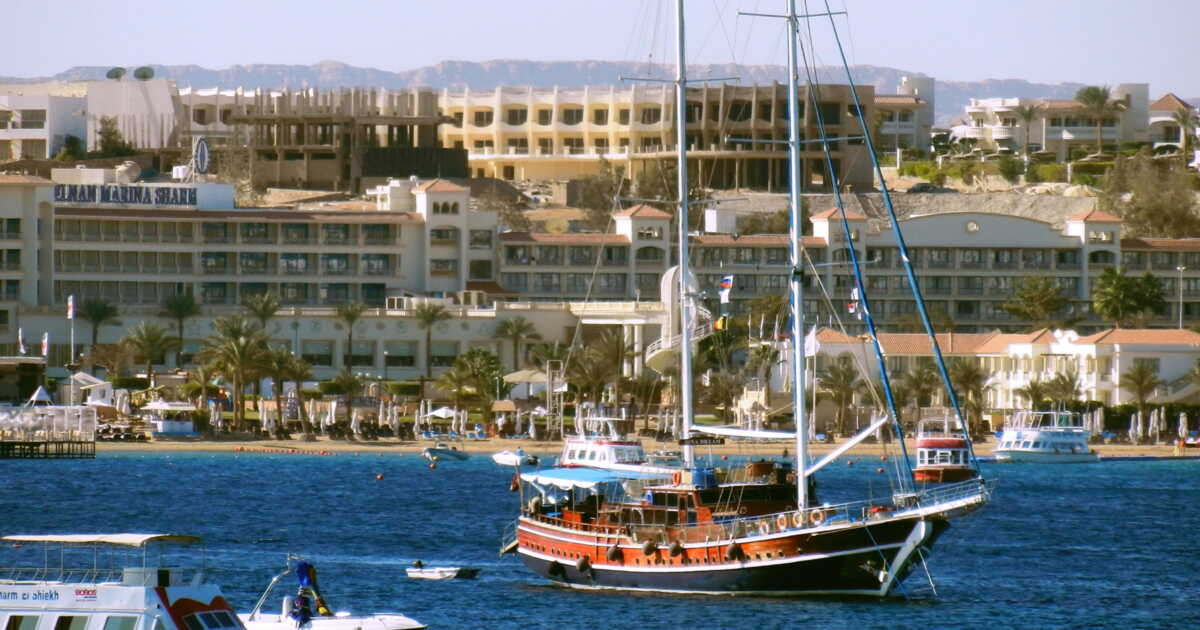
Naama Bay represents the vibrant heart of Sharm el Sheikh, a town where lively nightlife is complemented by a variety of bars and restaurants. By day, Naama Bay is the perfect place to unwind, enjoy the pleasant climate, and shop or stroll along the waterfront. It’s also an excellent area for boat trips to iconic sites such as the Blue Hole or Ras Mohamed Beach.

For those seeking a relaxed afternoon, the bay’s luxury resorts offer modern facilities and leisure activities. According to traveler reviews, the area is highly popular among those looking to combine relaxation with social activities, and friends’ tips often stress the need to book early to enjoy the nightlife.

4. A Visit to Soho Square

For a modern and lively experience, Soho Square in Sharm el Sheikh is a must-visit destination. This entertainment complex is much more than a shopping mall: it features dancing fountains, outdoor performances, and a variety of dining options. It’s the perfect spot for an evening with family or friends, especially after a desert excursion or a diving trip.

Visitors can also find practical tips in the accompanying guides to plan activities such as parasailing or boat rides around Tir an Islands. This site offers breathtaking views and a contemporary setting, ideal for those who want to enjoy a magical moment after exploring the city’s iconic sites.

5. Exploring the Old Market

The Old Market of Sharm el Sheikh, also known as Old Market, is a true cultural hub where visitors can wander through local souks and purchase handmade crafts while sampling local cuisine. The atmosphere is authentic and perfectly reflects Sharm’s spirit. It’s the ideal place to pick up souvenirs or regional specialties, such as spices or traditional fabrics.

Many traveler reviews highlight the chance to discover unique artisan items there. In addition to shopping, you can take a snack break at the numerous cafés lining the lanes, offering a more intimate experience of the desert climate and the city’s natural beauty. This market is also perfect for those seeking a distinctive experience, away from the usual tourist zones but still close to Naama Bay’s nightlife.

6. Excursion to Saint Catherine’s Monastery

An organized excursion to Saint Catherine Monastery, perched at the foot of Mount Sinai, offers a chance to combine adventure with spirituality. After climbing the mountain to witness the sunrise, visitors can explore one of the world’s oldest monasteries. This experience blends history, culture, and adventure in a full day, providing a great opportunity to grasp the region’s historical and religious depth.

Travelers can also enjoy one of the region’s ideal climates, where the morning cool contrasts with the hotter desert conditions in the afternoon. This boat or jeep excursion is often accompanied by tips on planning the ascent of Mount Sinai and enjoying the natural beauty of the region before returning to the bustle of Sharm el Sheikh.

7. Dolphin Watching

Watching dolphins off the coast of Sharm el Sheikh is a unique experience that lets you encounter these majestic creatures in their natural habitat. Boat trips are offered, often in small groups, to maximize sightings while adhering to good marine-observation practices. On board, you can marvel at the crystal-clear waters while enjoying stunning views of the coastline.

Travelers’ reviews highlight the beauty of these moments spent at the heart of the Red Sea, where you can discover incredible marine life in a pristine natural setting. Some organized excursions also offer the chance to get close to dolphins, while ensuring a respectful approach to these animals.

8. Cairo and Pyramids Tour

An organized excursion to Cairo from Sharm el Sheikh presents a unique opportunity to explore one of the ancient world’s seven wonders—the Pyramids of Giza. Although Cairo is some distance away, this full-day trip allows you to immerse yourself in the captivating history of ancient Egypt. Led by a qualified guide and an accompanying guide, visitors have the chance to explore emblematic sites such as the pyramids, the Sphinx, and other ancient treasures in an immersive atmosphere.

In conclusion, Sharm el Sheikh offers a diverse range of activities and discoveries, spanning marine exploration to desert adventures, not to mention the region’s rich cultural and historical wealth nearby. Each experience contributes to making this destination a memorable stop in Egypt.

What to Do in Sharm el Sheikh at Night?

The lively nightlife of Sharm el Sheikh offers a multitude of activities for every taste, with luxurious hotels presenting shows, bars and refined restaurants. The beach of Sharm el Sheikh and its surroundings transform into a genuine entertainment hub at night, offering options ranging from serene seaside strolls to starlit boat excursions. The best area to enjoy the nightlife is Naama Bay, where bars, clubs, and restaurants provide a relaxed atmosphere after a day in the sun.

What is the Best Time to Visit Sharm el Sheikh?

The prime season to visit Sharm el Sheikh runs roughly from October to April (perfect climate, 22-28°C), though spring (March to May) and autumn (September to November) also offer pleasant temperatures and lower crowds.

The desert climate in Sharm can make summers extremely hot, with temperatures well above 40°C, which can be a decisive factor for some travelers. Conversely, during the shoulder seasons, pleasant temperatures and an absence of extreme heat enable enjoying activities in Sharm el Sheikh such as diving, snorkeling, or a desert quad ride.

Sharm el Sheikh or Hurghada: Which Should You Choose?

Choosing between Sharm el Sheikh and Hurghada depends on your preferences. Sharm el Sheikh is renowned for its natural beauty, with landmarks like Ras Mohammed National Park, its exceptional underwater world, and beaches such as Shark’s Bay Beach. It also offers luxury resort complexes and a calmer environment, ideal for travelers seeking a stay focused on water activities or relaxation. Hurghada, by contrast, is more energetic with a buzzing nightlife and a wider range of boat excursions.

According to traveler reviews, if you’re seeking an organized trip to historic sites like the Cairo pyramids or Petra, Sharm el Sheikh could be the better choice thanks to its strong connections for these day tours. Both destinations have their advantages, but Sharm is often preferred for its diverse activities and a beach that appeals to diving enthusiasts.

This article was written with the help of artificial intelligence, then edited, expanded and validated by the publication’s journalists.

What to Do in Hungary: 10 Unmissable Activities and Experiences

Located in the heart of Central Europe, Hungary is a destination rich in cultural and natural treasures. Known for its capital Budapest, often nicknamed the “Pearl of the Danube,” the country also offers numerous attractions beyond its major cities. Whether you are a history buff, a foodie, or a nature enthusiast, Hungary holds unforgettable experiences in store. In this article, let us dive together into the activities to discover in this fascinating country, with must-sees in Budapest but also suggestions for exploring beyond.

1. Explore Budapest’s thermal baths

Thermal baths are a symbol of Budapest, born from the region’s abundance of hot springs. Among the most famous, the Széchenyi Baths, located in City Park (Városliget), boast flamboyant architecture and several pools at varying temperatures. The Gellért Baths, meanwhile, celebrate Art Nouveau and are also highly popular. Enjoy a day of relaxation in these venues that combine wellness with cultural discovery.

2. Visit the capital’s historic sites

Budapest is brimming with monuments that bear witness to its rich and complex past. Don’t miss the Hungarian Parliament, a stunning neo-Gothic edifice overlooking the Danube. The Buda Castle and the Fisherman’s Bastion offer breathtaking panoramas of the city. The Matthias Church is another architectural gem to discover. These sites, among others, immerse you in Hungary’s history while presenting unbeatable views.

3. Discover Budapest’s cultural scene

The Hungarian capital is a dynamic cultural hub. For a glimpse into more recent history, the House of Terror Museum reveals dark chapters of the 20th century. Don’t miss a visit to the Central Market Hall for an insight into local gastronomy, and take a stroll along Andrássy Avenue, a UNESCO World Heritage Site that hosts many theaters and luxury boutiques.

4. Enjoy the lively nightlife

Budapest’s ruin bars offer a unique nocturnal experience. Housed in abandoned buildings, these eclectic bars, such as the famous Szimpla Kert, provide a relaxed atmosphere infused with music and art, perfect for meeting people from around the world. Budapest’s nightlife is vibrant and diverse, with options for every taste.

5. Escape to Lake Balaton

Beyond Budapest, Lake Balaton stands as a favored destination for locals and visitors alike. It is the largest lake in Central Europe, ideal for water activities or simply unwinding on its shores. Towns like Tihany and Balatonfüred are renowned for their scenic landscapes and wine-tasting opportunities, particularly with local varieties.

6. Taste traditional Hungarian dishes

Hungarian cuisine is rich and diverse, with distinctive flavors. The goulash, the national dish, is a spicy meat stew typically served with bread. Lángos, a kind of savory fried dough, is a must-try at local markets. You’ll also find pálinka, a traditional fruit brandy. These specialties add a culinary dimension to your journey.

7. Explore the Tokaj wine region

The Tokaj region in the northeast is famous for its sweet wine, often regarded as “the wine of kings.” A visit to Tokaj’s vineyards offers not only tastings of exceptional wines but also the chance to discover a wine landscape inscribed on the UNESCO World Heritage list. Guided tours take you through this renowned terroir.

8. Venture to Eger

The town of Eger, known for its medieval castle and thermal baths, is also the birthplace of the Bull’s Blood wine. Wander its Baroque streets, visit its wine cellars, and don’t miss the Eger Basilica, the second-largest in Hungary. It is a place that blends history, culture, and gastronomy.

9. Discover the Hungarian puszta

The puszta, or Great Hungarian Plain, is a unique ecosystem where folk traditions and natural scenery intertwine. In Hortobágy, you can witness equestrian performances and explore what the region has to offer most authentically. It’s an opportunity to discover local fauna and flora as well as pastoral traditions.

10. Stroll through the artistic village of Szentendre

Near Budapest, Szentendre is a picturesque village with a strong artistic charm. Its narrow lanes are lined with galleries, museums and artisan shops. It’s an ideal day trip, offering a calm and inspiring atmosphere at once.

In conclusion, Hungary is a land of many facets, where tradition and modernity coexist. Its varied attractions, ranging from Budapest’s architectural splendor to the honeyed charms of the Tokaj wine region, and the expansive puszta, guarantee a travel experience that is rich and diverse. Whether your stay is short or extended, this country offers limitless possibilities for discoveries and cultural enrichment.

Is life affordable in Hungary: an analysis of costs for an accessible stay

For a stay in Hungary, cost considerations are essential and the answer tends to be reassuring. Compared with other Central European countries, Hungary remains broadly affordable. Accommodation, dining and transportation offer good value, especially outside of Budapest. A unique experience like exploring the Balaton lake, nicknamed the Hungarian Sea, or a visit to the Museum of Pasta or to the Budapest History Museum can be arranged without breaking a modest budget. Visitors from around the world agree that Hungary provides a pleasant quality of life at a lower cost, particularly when comparing daily expenses with those of other European capitals. Traditional dishes such as fish soup are offered at very accessible prices, including in tourist districts. In short, Hungary is a must-stop for those seeking cultural discovery while staying mindful of the budget.

What are the risks in Hungary: a generally safe country for travelers

Hungary is regarded as a safe destination for tourists, including visitors from around the world. The risks are similar to those in any Central European country: petty theft in tourist areas, caution in transit or in crowded markets. Beautiful places such as the Buda Hills or the Chain Bridge can attract pickpockets. Museums, nature parks like the Hortobágy National Park, or the Aggtelek caves, listed as UNESCO World Heritage sites, require ordinary vigilance. The risks in Hungary relate more to misinterpretations of culture than to concrete threats. Visitors are invited to respect local customs and maintain standard vigilance, as they would in other European capitals.

What to do in Hungary in winter: a season rich in cultural and thermal discoveries

Spending the winter in Hungary offers a unique experience, blending traditions, warm baths, and the cosy atmosphere of historic towns. Budapest, dusted with snow, reveals another facet of its towers and 19th‑century buildings. The hot waters of the baths, such as Széchenyi or Gellért, attract thousands of visitors each year seeking relaxation. The Budapest History Museum or the numerous open-air museums allow continued exploration even on cold days. End-of-year celebrations add extra charm to the street corners animated by Christmas markets. It is also a good time to visit the Aggtelek caves or the city of Pécs in Hungary, less crowded but equally fascinating.

Which city to visit in Hungary: Pécs, a southwest jewel and cultural alternative to Budapest

Among the cities to visit in Hungary, Pécs deserves special attention. Located in the southwest of the country, this university town, marked by a rich Roman, medieval, and Ottoman history, charms with its tranquil atmosphere and heritage. The early Christian necropolis, listed as a World Heritage site, is one of its masterpieces. The city of Pécs is also renowned for its cultural life, with its museums, galleries, and a lively pedestrian center. In winter as in summer, it is a must‑stop for travelers seeking authenticity. Less frequented than the capital, Pécs offers another facet of Hungary, more intimate and just as fascinating.

Travel Hungary by train: a practical and scenic journey through the heart of the country

To discover Hungary by train, the rail network provides a comfortable and affordable option. It’s an excellent way to link major Hungarian cities such as Budapest, Pécs, Debrecen, or the shores of Lake Balaton. Traveling by rail allows you to enjoy landscapes from the northeast to the southwest, across plains, hills, and sometimes even thermal areas. Many lines offer frequent connections from Budapest, easing a car-free stay. It’s also an opportunity to immerse yourself in the cultural heritage and to benefit from spontaneous stops in villages or small towns rich in museums and traditions. For travelers from around the world, rail remains a practical, sustainable and immersive option.

Tourism and safety in Hungary: what you should know before you go

Tourism in Hungary does not present major dangers to travelers, but a few practical tips are worth considering. The country is stable, well connected, and its tourist infrastructures are well adapted, especially in Budapest and around Lake Balaton. Museums, national parks, thermal baths and beautiful places such as Hollókő or the Aggtelek caves, listed as UNESCO World Heritage sites, are open year-round and well managed. The risks are mainly related to ordinary vigilance in crowded areas. Each year, visitors increasingly rent a car to explore rural or isolated areas, particularly on roads near Hortobágy National Park. It is worth noting that Hungary remains a Central European country where unique cultural, natural and culinary experiences abound, provided they are approached with discernment.

This article was drafted with the help of artificial intelligence, then corrected, supplemented and validated by the editorial staff.

What to Do in Patagonia: 5 Unmissable Activities and Outings

Nestled between Argentina and the Chili, Patagonia is a unique destination for nature and adventure lovers. With its majestic landscapes, blending mountains, glaciers, lakes and forests, it offers an exceptional setting for memorable excursions. While the beauty of this region is widely recognized, the main question for many remains: what to do in Patagonia? Let’s explore some of the must-do activities and outings to consider for your next trip.

1. Discovering Torres del Paine National Park

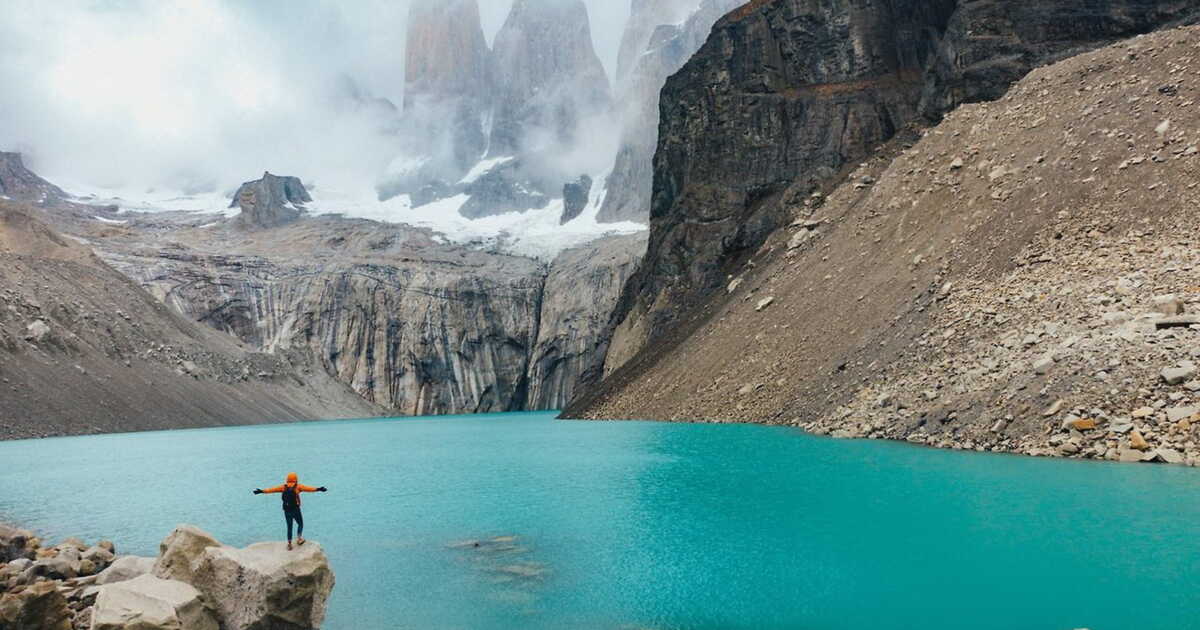
Located in the Chilean part of Patagonia, and right at the heart of the Chilean Side, this national park is a major stop for any Patagonia journey seeking to combine raw nature and adventure. The landscape blends towering granite towers reaching toward the sky, turquoise lakes bordered by Andean forests, spectacular glaciers, and remarkable biodiversity. In this lakes region, the iconic treks – notably the “W Trek” and the “O Trek” – offer vast panoramas: between mountains, ice and water, each step demands immersion in a setting of extraordinary beauty. As a seasoned guide for travelers, whether experienced or new, it is important to properly prepare this Patagonia trip: the weather here is often changeable and capricious, requiring appropriate gear and a good safety margin. Indeed, on the Chilean side, meteorological conditions can evolve very quickly and without warning, making this exceptional place a destination that blends fascination with vigilance.

2. Visit to the Perito Moreno Glacier in Argentina

During a Patagonia trip on the Argentine side, a visit to the Perito Moreno Glacier near the small town of El Calafate stands out as an unforgettable moment. This vast glacier, in perpetual motion, regularly sheds chunks of ice that break away and plunge into the lake. This glacial dynamic illustrates the scale of natural forces in this expansive southern region of Latin America. On site, several options await travelers: paved walkways invite you to various viewpoints over the ice, while boat excursions allow you to approach the glacial front as closely as possible. The surrounding nature reserve is a protected jewel that helps you gauge what pristine nature in Patagonia represents. As you travel through this kind of Patagonia journey, you realize that time seems to stretch differently: the air is crisp, the panoramas are vast, and the notion of the city loses its metropolitan character to become a gateway to the immensity.

3. Trekking in El Chaltén

The town of El Chaltén, nestled in the heart of Argentine Patagonia, is often hailed as the “trekking capital.” This base is ideal for a Patagonia journey focused on walking, exploration, and effort. The trails departing from this town lead toward legendary summits such as Mount Fitz Roy or Cerro Torre, located in the Argentine Lakes Region. The hikes vary from the simplest path to the longer and more demanding “Laguna de los Tres.” When planning this type of Patagonia trip, keep in mind that the weather on-site is highly changeable and the experience remains athletic. On this stretch of Patagonia, the Chilean side can also be considered via cross-border connections to encounter other panoramas. For travelers with a taste for adventure, El Chaltén is a perfect base to fully immerse in the glacial world, Andean forests, and crystal-clear lakes of the region.

4. Exploration of the Valdés Peninsula

Another facet of a Patagonia journey is the discovery of the Valdés Peninsula, on Argentina’s Atlantic coast, which leads us to wild nature with few urban settlements, yet rich in animal life. This area is a true nature reserve, renowned for observing southern right whales, orcas, seals, and penguin colonies: a spectacular immersion into deep Latin America. Weather is also a factor to consider for sea or coastal excursions, as meteorological and marine conditions can be harsh. This is therefore a Patagonia journey suited to travelers eager to explore rugged, less-visited nature, away from large cities, and to soak in a unique marine environment.

5. Journey along the Carretera Austral

For those who want to extend their Patagonia trip and reach the most remote areas of the Chilean side, the Carretera Austral road offers a long-haul experience at the heart of the Lake District. It winds through dense forests, deep fjords, mountains and glacial zones where ice blocks seem to have emerged from another time. This kind of itinerary allows travelers to leave beaten paths, depart from the usual towns, and confront the vastness, isolation, and constant changes of the weather. On this stretch of Patagonia, the notion of a nature reserve becomes fully meaningful: protected space, preserved fauna and flora, and a landscape in perpetual transformation. Even in the very heart of Latin America, the feeling of being at the edge of the world imposes itself with every turn of the road. The ice blocks punctuating the scenery recall the proximity to glaciers and mountain ranges of this extreme land.

The Patagonia is a land of adventure where every corner offers a chance to discover natural wonders. Whether hiking through national parks, admiring glaciers, or observing wildlife, the region offers multiple activities for a rewarding experience. Keeping these ideas in mind, you’re well equipped to plan a memorable trip to this South American region. Get ready to be dazzled by the diversity and unrivaled beauty of Patagonia.

What is the best time to visit Patagonia? Understanding the climate to travel smarter

Planning a Patagonia trip requires a good grasp of weather conditions. This region of Latin America, with its contrasting landscapes, is ideally visited between November and March, during the southern summer. It’s during this period that the weather is most favorable: days are long, temperatures milder, and natural reserves like those on the Chilean side are accessible. Travelers keen to discover the ice blocks of Los Glaciares National Park or hike in El Chaltén benefit from ideal conditions. Outside these months, Patagonian winds can make certain routes impractical. This seasonal choice is essential to fully enjoy the natural riches of this edge‑of‑the‑world region.

How many days do I need in Patagonia? Planning a balanced itinerary between nature and culture

A Patagonia trip deserves time to explore its vast expanses. A minimum of two weeks is recommended to appreciate the diversity of towns such as Puerto Madryn, the nature reserves, and the landscapes of the Chilean side. This sample itinerary includes stops in the Lake District around Nahuel Huapi Lake, hikes in El Chaltén, and an immersion in the wildlife of Punta Tombo. Travelers should also take into account travel time, often long between two points of interest. Whether you come for the ice blocks, wildlife watching, or breathtaking panoramas, careful planning is crucial. For a quicker overview, a one‑week version focused on a single side (Argentine or the Chilean side) remains possible but more limited.

What budget should you plan for a Patagonia trip? Anticipating costs for a worry‑free stay

Preparing your Patagonia budget is essential. Costs vary depending on the season, the accommodations chosen, and travel between locations. For two weeks, a Patagonia trip typically costs between €2,000 and €5,000 per person, depending on the level of comfort sought. This amount includes flights, overnight stays in towns such as Puerto Madryn, excursions to nature reserves, visits to Punta Tombo and the Lake District with Nahuel Huapi Lake, and meals. Trekking enthusiasts in El Chaltén or adventure on the Chilean side should also budget for internal transportation. Costs may be lower for independent travelers or higher for those opting for guided tours.

Where is Patagonia? An immersion into a legendary region of Latin America

Patagonia spans two Latin American countries: Argentina and Chile. This vast southern region of the continent offers landscapes of striking diversity. On the Chilean side, fjords, humid forests, and parks like Torres del Paine attract lovers of nature reserves. In Argentina, towns such as Puerto Madryn, a gateway to Punta Tombo, or El Chaltén, at the foot of Fitz Roy, are must‑sees. The Lake District, dominated by Nahuel Huapi Lake, is a natural jewel to discover. Between arid steppes and monumental glaciers, Patagonia fascinates all travelers in search of authenticity.

Traveling in Patagonia: what to plan before you go?

Traveling in Patagonia requires careful preparation. Beyond the weather and budget, it is important to plan your itinerary around interests: wildlife at Punta Tombo, hikes in El Chaltén, exploration of nature reserves, or the contemplation of Nahuel Huapi Lake. Travel time, access to distant towns, and the possible crossing to the Chilean side must be anticipated. Savvy travelers will thus be able to make the most of their Patagonia adventure, whether they explore Argentina or the Chilean side.

This article was drafted with the help of artificial intelligence, then corrected, supplemented, and validated by the editors of the newsroom.
Things to Do in Egypt: 10 Unmissable Activities and Outings

Summary


  • 1. Visit the Pyramids of Giza


  • 2. Explore the Egyptian Museum in Cairo


  • 3. Discover the Valley of the Kings in Luxor


  • 4. Enjoy a Nile cruise


  • 5. Dive into the waters of the Red Sea


  • 6. Explore the local markets


  • 7. Stroll in the White Desert


  • 8. Visit the Nubian village near Aswan


  • 9. Discover Cairo’s Coptic Quarter


  • 10. Family trip to Egypt: relaxation at Siwa Oasis


  • What budget to plan for 15 days in Egypt?


  • What to do in Egypt in 15 days?


  • How long does it take to visit Egypt?


  • What to do in Egypt with children?


  • What are the things not to do in Egypt during a trip?


  • What you should know before leaving for Egypt

As the cradle of one of the greatest civilizations in history, Egypt is not limited to its iconic monuments. Between Nile cruises, desert getaways, and encounters with preserved local cultures, the country invites you to multiply experiences beyond clichés.

1. Visit the Pyramids of Giza

Visiting the Giza plateau remains a cornerstone of a successful journey to Egypt. At this iconic site, you will encounter the famed Pyramid of Khufu, a monumental relic of a fascinating past, and one of the ancient world’s Wonders still standing today. The surrounding desert silence accentuates the grandeur of these stone giants, while the legendary Sphinx keeps watch, enigmatic and imposing. A guided tour offers the ideal option to deepen the historical scope — dynasties, construction techniques, religious symbolism — and to grasp the cultural dimension of the site. As you wander the sandy avenues, you hold in your hands a fragment of Egypt’s millennial history.

2. Explore the Egyptian Museum in Cairo

In the heart of the capital, the Egyptian Museum in Cairo is a must for anyone curious about archaeology and ancient art during a stay in Egypt. This institution houses an unparalleled wealth: ornate sarcophagi, statues, jewelry and funerary items, among which the pharaoh’s treasure stands out. Pushing open its doors, visitors dive into the daily life of the ancient Egyptians, their beliefs and their funerary rituals. Each case tells a story, each artifact bears the mark of ancient civilizations. It is the most comprehensive option to appreciate the country’s cultural evolution, from the old kingdoms through the Greco-Roman era.

3. Discover the Valley of the Kings in Luxor

In Luxor, the tomb of the ancient royalty awaits in the famous Valley of the Kings, a true archaeological treasure of Egypt. Carved into rock, these funerary chambers reveal colorful frescoes, hieroglyphs, and sacred objects intended to accompany the pharaohs in the afterlife. Exploring these tombs, visitors gain insight into the ancient rulers’ vision of death and eternity. Luxor offers a bridge between past and present, combining history, architecture, and spirituality, and allows one to grasp the continuity of a millennial heritage through time.

4. Enjoy a Nile cruise

Sailing along the sacred river is an incomparable way to discover Egypt from a different angle: a Nile cruise between Luxor and Aswan reveals varied landscapes, lush shores, peaceful villages and ancient temples perched by the water. For a more authentic immersion, a felucca ride — the traditional Egyptian sailboat — offers a more intimate setting, paced by the wind and the lapping of the water. This historic mode of transport combines comfort, calm, and history, and represents an ideal option to blend relaxation with cultural exploration. You literally sail through centuries of Egyptian history.

5. Dive into the waters of the Red Sea

For sea and marine life enthusiasts, the Red Sea is an indispensable natural jewel during a stay in Egypt. The crystal-clear waters of the coast, especially near Hurghada, offer spectacular coral reefs hosting a rich and colorful marine fauna. Whether you are a beginner or an experienced diver, underwater spots guarantee fascinating observations — multiform corals, tropical fish, and sometimes explorable wrecks — all bathed in exceptional underwater light. After the temples and ruins, this is the perfect option to discover a different face of Egypt, more aquatic and relaxing. A detour to Hurghada can be ideal to combine leisure, diving, and local immersion.

6. Explore the local markets

Strolling through the souks and markets of a city in Egypt, such as the center of Cairo, offers an immersive plunge into the daily life of Egyptians. Each stall overflows with artisanal treasures: spices, fabrics, jewelry, carved objects — authentic souvenirs from a country with millennia of history. Narrow streets, fragrant alleyways, and a lively atmosphere create a vibrant backdrop for feeling the local vibe. From Hurghada or the downtown, this exploration is an essential option for anyone looking to soak up popular culture and traditional commerce, away from the usual tourist circuits.

7. Stroll in the White Desert

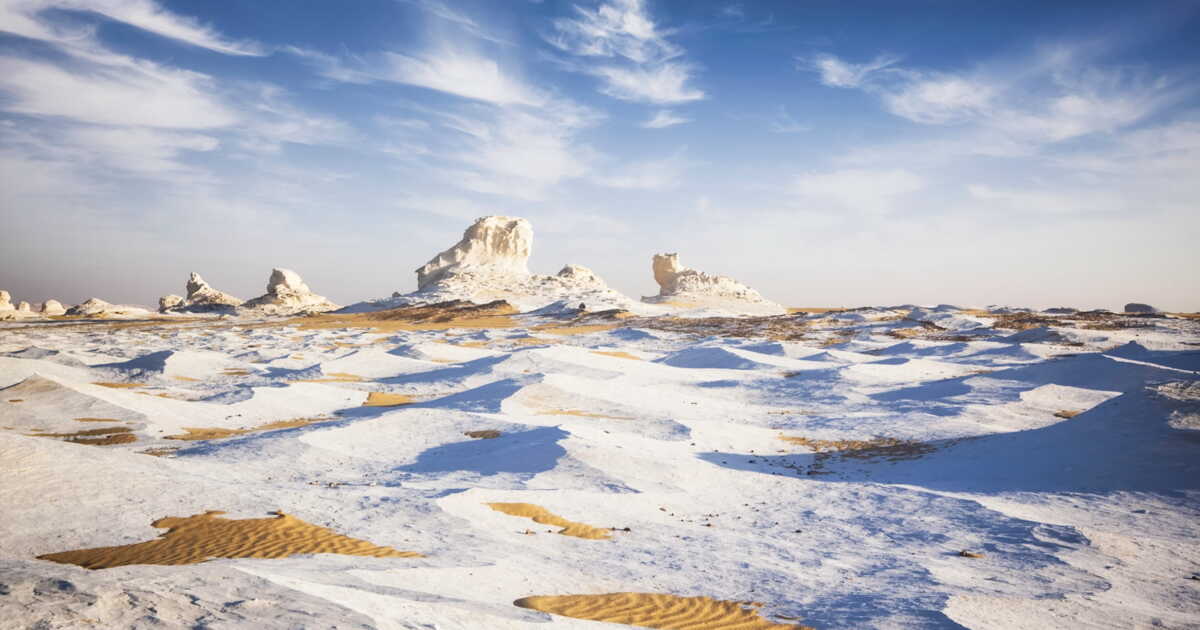
For travelers seeking a striking contrast to ancient cities, the White Desert offers a unique experience across the Egyptian landscape. Its whitish rock formations, sculpted by wind and time, create a nearly lunar panorama, a source of calm and solitude. Walking in this desert, under a starry sky or at dawn, is to discover the wild, raw, timeless Egypt. It is the ideal option for those who want to combine historical heritage with natural adventure, far from the bustle of major towns. This kind of excursion perfectly complements a journey through Egypt that blends monuments, sea, and desert.

8. Visit the Nubian village near Aswan

Near Aswan, a Nubian village makes a rewarding stop on a family trip to Egypt. Colorful houses, distinctive architecture, and a peaceful atmosphere contrast with urban frenzy. Boarding a Nile cruise gives access to this tranquil village, where residents, Egyptians of Nubian heritage, uphold ancient traditions of music, crafts and community life. This immersion fosters cultural sharing and respect for local roots, offering children and adults alike the chance to discover an authentic way of life, far from conventional tourist routes.

9. Discover Cairo’s Coptic Quarter

The Coptic Quarter of Cairo represents a pivotal chapter in the Christian history of Egypt. Wandering its ancient streets, you will discover historic churches, heritage buildings and a museum rich in liturgical objects and icons. This urban walk through the city of Cairo allows understanding the country’s religious and cultural diversity, a key measure of its multi-faceted identity. The Coptic Quarter reveals another facet of Egyptian heritage, less known but equally precious, and it constitutes a relevant option for history, architecture, and spirituality enthusiasts.

10. Family trip to Egypt: relaxation at Siwa Oasis

To end a stay in Egypt on a gentle note, the Siwa Oasis offers a peaceful haven away from the crowds. Nestled in the heart of the desert, this oasis provides freshwater springs, lush palm groves and a serene atmosphere — perfect for recharging after intensive visits to monuments or museums. Whether you want to stroll, savor the desert’s calm, or enjoy a pristine natural setting, Siwa embodies an ideal refuge for families and travelers seeking tranquility. You will find a harmonious balance between nature, local history and rest, in a distinct environment.

In conclusion, Egypt is a destination with multiple facets that captivates through the diversity of its landscapes and the richness of its history. Whether you come for monuments, adventure, or simply relaxation, every traveler will find something to suit them. For your next trip, consider delving deeper into local and historical cultures to further enrich your journey.

What budget to plan for 15 days in Egypt?

Planning a 15-day stay in Egypt requires careful budgeting, taking into account international flights, accommodation, meals, transport, and sightseeing. Accommodation can range from simple rooms to comfortable hotels, with costs varying by choice. Local transport (taxis, trains, cruises) and meals are generally affordable, making tourism in Egypt accessible. The tourist sites, excursions, and organized activities should also be included in the calculation. A balanced budget allows you to enjoy the stay fully without excess.

What to do in Egypt in 15 days?

A 15-day trip to Egypt allows combining sightseeing, historic heritage, and cultural cities. From Luxor to Aswan, including a Nile cruise, the itinerary can incorporate the Pyramids of Giza, the Cairo, or moments of relaxation in Hurghada. The route can also vary based on priorities: culture, nature, or beaches. This duration provides a good overview of the country and fits well for travelers looking to optimize their visit to Egypt.

How long does it take to visit Egypt?

The time needed to visit Egypt depends on expectations. A week allows seeing the highlights like the pyramids, Luxor, or a Nile cruise. But for a complete experience, 15 days remain ideal to explore the tourist towns, discover the desert, or spend a few days on the Red Sea. It’s a perfect balance to combine historical sites and relaxation while covering the country’s major classics of Egyptian tourism.

What to do in Egypt with children?

Traveling in Egypt with family is entirely feasible with a few adjustments. Children can enjoy the pyramids, felucca rides on the Nile, or visits tailored to their pace. Cities like Cairo, Luxor, or seaside resorts offer suitable options. To ensure family safety, it’s best to plan transportation in advance, choose reliable accommodations, and avoid certain less-touristy areas. It’s an enriching destination, both culturally and for shared adventure.

What are things not to do in Egypt during a trip?

During a trip to Egypt, some practices should be avoided to respect local customs and ensure a smooth experience. It is advised not to wear overly short or tight clothing, especially in public and religious places, out of respect for Egyptian culture. Public displays of affection are also better avoided.

Photographing military sites, police stations or people without permission can lead to penalties. Finally, it is advisable to negotiate prices tactfully, without aggression, especially in souks or with certain tour operators. Knowing these things not to do in Egypt helps you travel under good conditions, while avoiding cultural misunderstandings.

What you need to know before traveling to Egypt

Before planning a visit to Egypt, it is important to be well prepared. Entry formalities typically require a visa, easily obtained online or upon arrival. Given the often hot climate, it is recommended to pack light, covering clothing and to stay well hydrated. It is also essential to check peak tourist periods to tailor your itinerary accordingly.

The local currency is the Egyptian pound, and it’s advisable to have cash on hand for small purchases. Finally, since security is a concern for some, especially for family trips, consult official recommendations and favor well-organized tourist cities. These elements are key to a successful, calm, and enriching trip to Egypt.

This article was written with the help of artificial intelligence, then corrected, expanded, and validated by the editors of the staff.