What to Do in Bolivia: 7 Essential Activities and Outings

Nestled in the very heart of South America, Bolivia is a country that captivates with its varied landscapes and rich indigenous culture. From the striking Salar de Uyuni salt desert to the deep blue waters of the Lake Titicaca, every corner of the country offers a new adventure. For those wondering what to do in Bolivia, the range of activities and sites to visit is wide and captivating. Let us dive into an enriching account of the places and experiences this fascinating nation has to offer.

1. Discovery of Salar de Uyuni

The Salar de Uyuni is undoubtedly Bolivia’s most iconic site. It is the world’s largest salt flat, sprawling over more than 10,000 square kilometers. The most common way to reach it is to embark on a 4×4 excursion from Uyuni, traversing this surreal landscape that resembles a giant mirror after rain. Ultimate photo opportunities and endless reflections, this place is often described by travelers as an almost dreamlike experience. Take the opportunity to visit the Isla Incahuasi and Isla Pia Pia, which mark fascinating pauses in the heart of this expansive white plain.

2. Exploration of Lake Titicaca

Lake Titicaca, shared by Bolivia and Peru, is the highest navigable lake in the world. With its deep blue waters and the Andean mountains in the background, it provides a perfect backdrop for a serene getaway. From Copacabana, a picturesque lakeside town, embark on a boat to explore the Isla del Sol. This island, according to certain Inca legends, is the birthplace of the sun. Do not miss a short hike to its ancient ruins and to discover the life of local communities.

3. Discovering La Paz

La Paz, Bolivia’s administrative capital, sits in an Andean valley at more than 3,500 meters above sea level. One of the most effective ways to soak up this vertical panorama is to ride the Mi Teleférico cable car, which traverses the city in the air. On the ground, stroll through the Witches’ Market, where stalls teem with potions, talismans, and ritual objects. Not far away lies the Valley of the Moon, a geological landscape reminiscent of lunar expanses, perfect for a half-day escape.

4. Cultural Visit to Sucre

As the constitutional capital of Bolivia, Sucre is renowned for its well-preserved colonial architecture, often nicknamed the “White City.” UNESCO-listed, it captivates with its lime-white façades and cobbled streets. Visit the Casa de la Libertad, where the country’s declaration of independence was signed, and stroll through the botanical garden in the Bolívar Park for a natural pause.

5. Immersion in the Bolivian Amazon

Exploring the Bolivian Amazon, especially around Rurrenabaque, offers direct contact with tropical biodiversity. Organize an excursion into the pampas to observe caimans, pink river dolphins, and capybaras. For the adventurous, the surrounding jungles reveal epic treks, allowing you to grasp the nuances of this complex and rich forest.

6. Hiking in Sajama National Park

Sajama National Park is little known but promises breathtaking landscapes. Dominated by the spectacular Sajama volcano, the park is ideal for hiking and trekking, away from the beaten paths. Discover hot geysers and mysterious rock formations, as well as the local wildlife. The park also offers natural thermal baths, perfect for unwinding after a long day of trekking.

7. Time travel to Potosí

In Potosí, an ancient mining town perched above 4,000 meters, dive into Bolivia’s colonial history. The Cerro Rico dominates the cityscape and once fueled a large part of Spanish wealth. Visit the mines for a unique experience, but note that these tours can be intense. The baroque architecture of the city, with its churches and old haciendas, completes this journey into another era.

In conclusion, Bolivia is a destination rich in contrasts and varied experiences, blending spectacular natural landscapes with vibrant ancient cultures. Whether exploring salt deserts, navigating high-altitude lakes, or immersing oneself in the lively urban life, every traveler will find something to suit their tastes. As you explore the country, never forget to adopt a respectful approach toward local communities, thereby contributing to sustainable tourism that benefits everyone.

How many days does it take to visit Bolivia without missing the essentials?

A trip to Bolivia requires time to embrace the diversity of its landscapes, the richness of its Bolivian culture, and the scale of its geographic contrasts. Given the long journeys, the altitude in Bolivia (often above 3,500 meters), and sometimes limited infrastructure, a minimum of 12 to 15 days is recommended.

This timeframe allows you to cover the most emblematic itineraries: Lake Titicaca, the Cordillera Real, the historic center of Sucre, the cities of Bolivia like La Paz, and of course the vast Uyuni salt desert. Each day on the road is a day that shapes your journey, marked by a spectacular viewpoint or a meeting in a small village of the wild state. The country reveals itself slowly, at the pace of elevations, local markets, and travel guides who illuminate this unique territory.

Is Bolivia an expensive destination for travelers?

Bolivia remains one of the most affordable countries in South America, despite some localized increases. Tourism prices often drop according to the season, and the cost of this type of travel will largely depend on lodging, transport, and guiding choices.

In the cities of Bolivia, it is common to stay in comfortable hotels at a very accessible price. Intercity bus journeys, frequent and inexpensive, allow long distances to be covered, though the trip to Sucre can take longer than expected. Meals at markets or local restaurants are also very affordable.

However, some more technical activities, such as expeditions to the Laguna Colorada or toward natural pools in the north of Bolivia, can reach higher rates, especially if guided by a French-speaking or certified guide. Nevertheless, prices in Bolivia remain lower than those of neighboring countries for comparable services.

What to do in Bolivia in 2 weeks for a balanced itinerary?

Over two weeks, a well-structured stay in Bolivia can offer a dense and organized overview of the country. After a starting point in La Paz, often marked by a unique atmosphere blending urban chaos and Andean spirituality, head to Lake Titicaca. Then proceed to Sucre, with its mild climate, to explore its cathedral of Sucre, its religious buildings, and its UNESCO-listed historic center.

Continue toward the southeast direction, toward the vast Salar de Uyuni, the Laguna Colorada, and the Andean flamingos. The bus journey is long, but the landscapes offer a splendid view to the horizon. Also include a stop in the north of Bolivia, in the Rurrenabaque jungle, to discover lush vegetation, rare bird species such as colorful macaws, and to enjoy natural pools in a preserved environment. Each step becomes a beautiful discovery, to be savored with the help of a good guide.

Altitude in Bolivia: how to manage the effects of altitude on the body?

Altitude in Bolivia poses a real challenge for many travelers, especially during the initial days in La Paz or in the high-altitude region near Uyuni. At over 3,600 meters, the symptoms of altitude sickness can appear: headaches, shortness of breath, and fatigue. It is advisable to allow time for acclimatization, such as staying in a well-located hotel at the start and avoiding strenuous exertion during the first 48 hours.

Local coca infusions and the guidance of a guide can be valuable aids for this transition. Altitude also conditions the route to La Paz, the pace of treks, and how your body responds, which should be listened to carefully in order to enjoy a trip to Bolivia without major discomfort. A good travel guide will spell out these essential precautions for each month in Bolivia, depending on climate and chosen itineraries.

Traveling in Bolivia: what are the real dangers and precautions to take?

Traveling in Bolivia is generally safe, provided you adopt informed and respectful behavior. Some urban areas or remote zones require particular vigilance, but reliable travel guides and French-speaking guides on site offer effective supervision. Classic precautions include monitoring personal belongings, being cautious with night transports, and choosing recommended hotels through reliable platforms.

One major concern is often the Death Road near La Paz, famous for its vertiginous cliffs. While spectacular, this route should only be undertaken with certified operators. The same goes for certain regions in the north of Bolivia, where the wild state of the area requires careful organization. In short, Bolivia isn’t riskier than other South American destinations, provided you take the time to research, especially about the best months in Bolivia for each type of itinerary.

Road Trip in Bolivia: how to build an exceptional itinerary?

To craft an exceptional road trip in Bolivia, start from a simple idea: alternate highland atmospheres, characterful cities, and unreal landscapes, without chasing after miles. Begin in La Paz, the dizzying gateway, to acclimate, then head to the Lake Titicaca and Copacabana, where the route takes on a sacred dimension.

Descend to Sucre, elegant and bright, before reaching Potosí and its Cerro Rico, a raw memory of the country. The finale of the journey prepares itself: devote two to three days to the Salar d’Uyuni, the lagoons of the South Lípez, the geysers, the pink flamingos, and the freezing nights beneath the stars. The key? Plan reasonable stops, hire a 4×4 with a local driver, allow margins for altitude, weather, and road conditions, and then choose the season according to the experience you seek: mirror-like water or a sculpted salt desert. In Bolivia, the perfect itinerary is not the densest one, but the one that makes the vertigo turn into emotion.

This article was drafted with the help of artificial intelligence, then corrected, expanded, and validated by the journalists of the editorial team.

Things to Do in Algiers: 7 Essential Outings and Activities

The labyrinth of the old Casbah, the shaded lanes of the Jardin d’essai, the treasures of the Bardo Museum… White Algiers holds surprises in store. Discovering them, one by one, is a journey in its own right.

1. Strolling through the Casbah of Algiers

The Casbah of Algiers, listed as a UNESCO World Heritage site, stands as one of the Maghreb’s most significant historic urban ensembles, noteworthy for its spatial layout as well as its architectural and social value. This ancient quarter, perched on the hillsides above the medina, is characterized by a complex lattice of narrow alleys, vaulted passages, and tucked-away squares, bearing witness to Ottoman urban design and its adaptation to the terrain.

As you wander through the Casbah, you gain a tangible glimpse into Algiers’ Ottoman past, evidenced by traditional wooden-balcony houses, historic mosques such as the Ketchaoua Mosque, and small artisan workshops still in operation, preserving time-honored crafts. This district, though weathered by time, retains a rare urban coherence and offers an immersive experience within a living fabric where every turn reveals another facet of Algerian cultural heritage.

2. Admire the view from the Basilica of Notre-Dame d’Afrique

Overlooking the bay from the heights of Bologhine, the Basilica of Notre-Dame d’Afrique stands as one of Alger’s major architectural and spiritual landmarks, notable for its location and symbolic significance. Dedicated to the Virgin Mary, this basilica built in the 19th century in an eclectic Byzantine-inspired style is distinguished by its dome, its interior mosaics, and its ornate arcades, offering a rare example of Christian religious architecture integrated into the North African Mediterranean landscape.

From its forecourt, the panoramic view over the Bay of Algiers provides a privileged vantage point, reachable along a cliff-side road. The site remains an active place of worship and interfaith dialogue, attracting both worshippers and curious visitors eager to explore Algiers’ religious and historical heritage. It is advisable to check opening hours before a visit, as access is limited to specific times. The Basilica of Notre-Dame d’Afrique thus represents a must-stop to understand Algerian cultural and religious diversity within an exceptional architectural setting.

3. Unwind at the Hamma Botanical Garden

The Hamma Botanical Garden, located in the heart of Algiers, is one of the Mediterranean basin’s most important botanical gardens, renowned for its plant wealth, meticulously designed landscapes, and educational mission. Created in the 19th century, this park of more than 30 hectares is organized into thematic zones — French garden, English garden, rose garden, palm grove — enabling a structured exploration of local and exotic flora.

The shaded avenues, lined with rare species, provide a setting ideal for family strolls, while the rest areas allow for moments of rest in nature within the urban environment. The garden also houses a small zoo, enjoyed by children, enhancing its recreational dimension. Used by both locals and visitors, the Jardin d’Essai plays a central role in showcasing Algerian landscape heritage.

4. Discover the history at the National Public Museum of the Bardo

The National Public Museum of the Bardo, housed in an old Ottoman palace from the 18th century, is an essential stop for anyone wishing to deepen their understanding of Algeria’s ancient history. This museum is notable both for the richness of its archaeological collections and for the architectural quality of its building, tracing the major periods of human occupation on the territory—from prehistory to the Roman era—through the Numidian and Berber civilizations.

The exhibited objects — tools, ceramics, sculptures, inscriptions — allow a grasp of the diversity of cultural influences that have shaped the country over the centuries. The arrangement of the rooms emphasizes historical continuity while incorporating accessible educational supports. The Bardo Museum also hosts temporary exhibitions, often centered on specific themes or recent discoveries, offering a renewed perspective on Algerian heritage.

5. Walk along the seafront

The Corniche of Algiers constitutes a structuring coastal axis that connects the city center to the coastal districts, while providing privileged access to the Mediterranean Sea. This landscaped promenade, lined with palm trees and punctuated by clear viewpoints over the port, the bay and the surrounding hills, is especially appreciated in the late afternoon for its soft light and relaxed atmosphere. It accommodates a variety of uses, ranging from morning jogging to cycling, in a safe and open setting. The numerous cafés and kiosks along the route allow for a pause, notably over a mint tea, while watching the sunset over the sea, a moment particularly cherished by locals and visitors alike.

6. Teri Park, a Cultural Walk

Located a few kilometers from Algiers, Teri Park is a beloved spot during a stay in Algiers, offering a distinctive atmosphere where urban landscapes, historical memory, and carefully integrated plant life mingle. From this park laid out atop a cliff, the stunning view over the bay, the sea level, and the surrounding relief helps to understand the city’s strategic geography.

This place lies in the extension of Algiers’ historic district, near the old medina and its labyrinth of alleys, where emblematic Algerian buildings— hérités of the Regency of Algiers and French colonization—line the landscape. Not far away, the Grande Poste d’Alger, the Catholic Sacred Heart Cathedral, and Jamaa al-Jdid attest to the diversity of architectural influences, spanning from 17th-century structures to more recent constructions. Teri Park thus stands as an urban breathing space, revealing Algiers’ unique charm through a balanced dialogue between nature, heritage, and the country’s history.

7. The Martyr’s Memorial, symbol of the struggle for Algerian independence

Overlooking the capital from the heights of El Madania, the Martyr Memorial stands as one of Algeria’s most powerful emblematic buildings, dedicated to the struggle for independence and national memory. This contemporary architecture landmark, inaugurated in 1982, is distinguished by its three tall, palm-like structures that evoke majestic minarets, rising to several tens of meters in height. Their minaret-inspired form, both stylized and symbolic, reinforces the site’s solemn character.

At its base, statues of fighters recall the sacrifices made in the face of French occupation, linking the monument to the country’s history. Visible from many points across the city, this memorial masterpiece converses with other architectural gems like Ketchaoua Mosque with its tall minarets or works influenced by French architect Jean-Eugène Fromageau.

What to do in Algiers in 3 days? Exploring the capital of Algeria between history, sea, and living culture

The first day can begin with a visit to the Casbah, a UNESCO World Heritage site, followed by the Rais Palace and the National Museum of Fine Arts. The second day invites you to explore the seafront, with the Jardin d’Essai du Hamma, the harbor, and the famous Notre-Dame d’Afrique Basilica. Finally, a stroll through the colonial-era downtown and a detour to the Bardo Museum complete a full yet balanced itinerary. Three days are enough to grasp the complexity of Algiers, between memory, contrasts, and a Mediterranean outlook.

What to do in Algiers with family? A human-scale city between nature, culture, and relaxation

Algiers for families offers a setting conducive to relaxed tourism, combining green spaces with accessible cultural venues. The Jardin d’Essai du Hamma, a true botanical treasure, allows children to discover a variety of fauna and flora in a safe environment. The Antiquities Museum or the Fine Arts Museum offer routes tailored for young audiences. For a more playful approach, a stroll along the Corniche, an ice cream at Place des Martyrs, or a cable car excursion to Notre-Dame d’Afrique provide relaxing moments favored by families. Algiers, though dense, remains manageable with children, provided travel times are anticipated and a relaxed pace is chosen.

What to do in Algiers at night? A city that reveals its convivial night-time atmosphere

Even if Algiers by night remains quieter than some major Mediterranean capitals, it nevertheless offers an authentic nightlife. Seaside restaurants, notably along the Corniche or in Bab El Oued, provide pleasant settings to savor local cuisine, from grilled fish to Kabyle specialties.

Cafés in the historic center stay lively late into the night, and some cultural spaces, such as the Alger Opera or Art-house cinemas, offer regular programming. Finally, a nocturnal stroll along the port or through Hydra district allows one to appreciate another city atmosphere, calmer yet just as vibrant.

What to do in Algiers when it rains? Between museums, historic cafés, and cultural immersion

Even in the rain, Algiers retains a discreet elegance conducive to inner exploration. The Bardo Museum, housed in an Ottoman house, or the National Museum of Fine Arts, one of Africa’s most important, provide quality cultural shelter. History enthusiasts can turn to the Army Museum or the Antiquities Museum. Traditional cafés in the city center, such as Tantonville or Cafétéria Ruisseau, also allow immersion in local life while staying sheltered. Weather can thus become an opportunity to discover a more introspective Algiers—less seaside, but no less informative.

Algiers is a city that captivates with its historical heritage and varied landscapes. Whether you are a culture enthusiast, a nature lover, or drawn to breathtaking views, Algiers has something to satisfy every desire. As you explore the city, you will discover a unique blend of tradition and modernity that makes this place so distinctive.

This article was drafted with the help of artificial intelligence, then revised, expanded, and validated by the newsroom’s journalists.

What to Do in Hamburg: 7 Essential Outings and Activities

Located in the north of Germany, Hamburg is a metropolis—the second largest in the country—cut by the Elbe, which links it to the North Sea. This city with a rich historical heritage is also a cultural and artistic hub that offers a thousand and one attractions. With so many possibilities available, it can sometimes be difficult to navigate.

1. A Jaunt to Hamburg’s Port

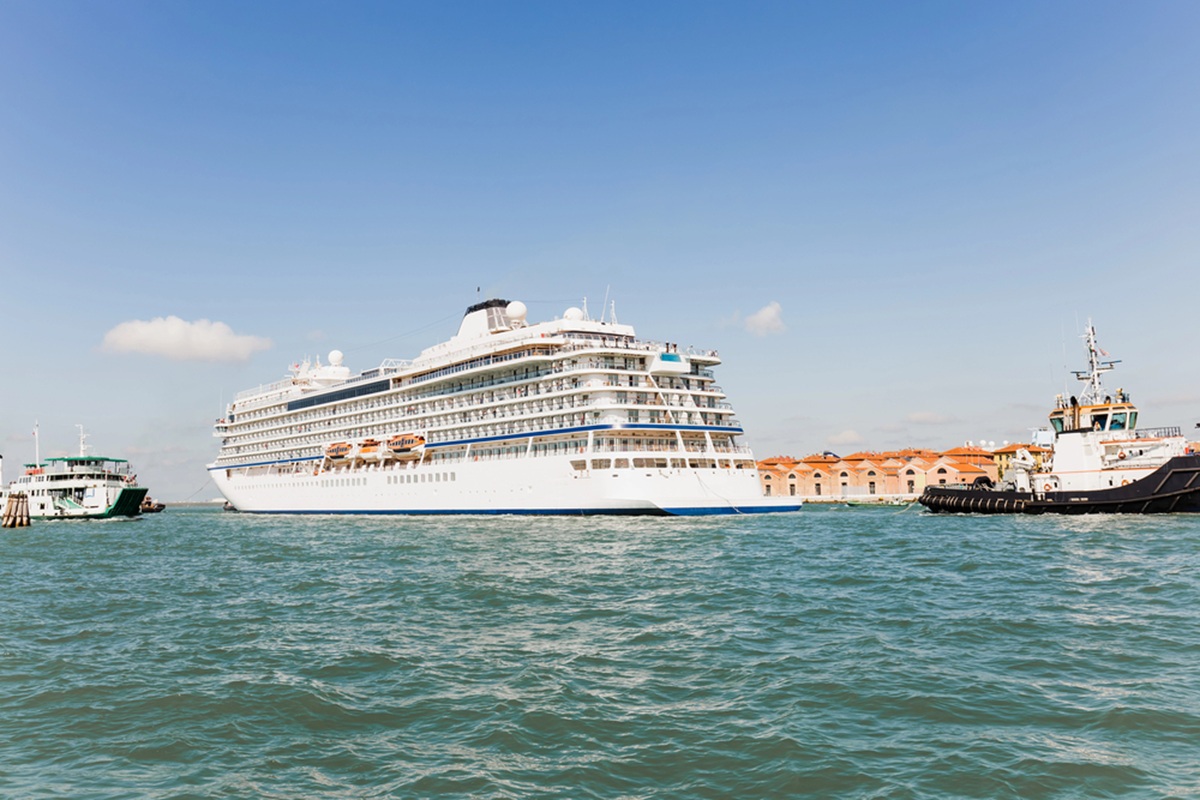
This gigantic maritime hub stands out for the intensity of its activity and the variety of ships that pass through daily, ranging from the imposing freight cargos to the elegant cruise ships. Embarking from this strategic port is to plunge into the bustling world of global maritime transport, to observe up close the logistical dynamics that drive world trade while enjoying a navigation experience like no other.

A cruise departing from a major port offers a privileged vantage point on this aquatic hive where technological modernity and maritime traditions mingle, forming a perpetual spectacle for fans of port industries, commercial geopolitics or simply grand journeys by sea.

2. Miniatur Wunderland, the Magic of the Small

Miniatur Wunderland, located in Hamburg, asserts itself as the world’s largest model rail network, offering an immersion in a miniature universe of remarkable precision. Each section faithfully reproduces landscapes, cities, and life scenes from various countries, animated by thousands of figurines, vehicles and automated trains moving in a day-night cycle.

Accessible to all audiences, this cultural attraction pleases families as much as enthusiasts of technical details, thanks to an interactive and evolving scenography. A visit to the Miniatur Wunderland is a pedagogical and playful experience, where attentive observation reveals the ingenuity of long-term work, celebrated for its ability to captivate visitors over time.

3. Strolling Through Planten un Blomen

Located in the heart of Hamburg, the Planten un Blomen park constitutes a real interlude of urban greenery, where nature coexists harmoniously with the city’s bustle. Renowned for its meticulously maintained botanical gardens, its water features and fountains, this historic park offers a setting ideal for relaxation, strolling, or discovery.

In summer, it becomes a cultural hotspot with outdoor concerts, activities for children and interactive installations, allowing visitors to enjoy a soothing environment without leaving the city center. The Planten un Blomen park thus embodies a form of neighborhood tourism, combining landscape heritage, accessibility and quality of experience in a city where nature is conceived as a public service in its own right.

4. A Time Travel to Speicherstadt

Listed on the UNESCO World Heritage List, the Speicherstadt stands as one of the world’s most notable port warehouses complexes, recognizable by its red-brick façades and its network of narrow canals spanned by many bridges. This emblematic Hamburg district, built between the late 19th and early 20th centuries, testifies to the city’s central role in international maritime commerce.

Today refurbished while retaining its historic character, it houses museums, galleries and cultural institutions, offering an ideal route for fans of industrial architecture, urban history or heritage strolls. Wandering through Speicherstadt is to explore a place where port memory blends with modernity, in a setting conducive to a rewarding and tranquil pedestrian discovery.

5. The Bustling Nights of Reeperbahn

The Reeperbahn district, located in Hamburg’s St. Pauli borough, asserts itself as the beating heart of Germany’s nightlife, renowned for its electric atmosphere and exceptionally dense entertainment options. Known for its clubs, lively bars, theatres and concert halls, it constitutes a magnet for night owls seeking a vibrant urban experience where popular culture, music and spectacle intertwine until the first light of day.

Far from the conventional routes, the Reeperbahn reflects the identity of a city where festivity is regarded as a vector of sociability and artistic expression. Whether you’re a fan of alternative scenes, a late-night wanderer, or simply curious to sense the pulse of a moving metropolis, this district stands as a must-see to experience Hamburg differently.

6. The Elbphilharmonie, an Architectural Boldness

Symbol of Hamburg’s architectural modernity, the Elbphilharmonie rises above the port like a cultural lighthouse, combining contemporary design, state-of-the-art acoustics and exceptional city and Elbe panoramas. Inaugurated in 2017 on the foundations of an old port warehouse, this iconic concert hall has become a reference venue for lovers of classical music and contemporary sound creation, attracting internationally renowned artists.

More than a venue for performances, the Elbphilharmonie embodies the aim of making Hamburg a center of artistic excellence accessible to all. Paired with a rich urban fabric that blends historic heritage, alternative scenes and relaxation spaces, it testifies to the dynamism of a metropolis clearly oriented toward the future. For travelers seeking meaningful cultural experiences, Hamburg stands out as a complete destination, combining urban adventure, a high-quality musical offering and a port city lifestyle.

What to Do in Hamburg in 3 Days? A Cultural and Urban Itinerary to Explore the City in Depth

Visiting Hamburg in three days allows one to grasp its cultural richness, the diversity of its districts, and its openness to water. The first day could be devoted to the Speicherstadt district, a UNESCO World Heritage site, and a boat tour of the port.

On the second day, the Sternschanze district, more alternative, invites immersion into local life, between galleries, thrift shops and independent cafés. Finally, a visit to the Elbphilharmonie and the International Maritime Museum closes the exploration. Three days are enough to grasp Hamburg’s complex identity, between Hanseatic rigor, architectural modernity and an emerging arts scene.

How Many Days to Visit Hamburg? Tailor Your Stay to Your Interests

Hamburg can be discovered in two to three days for travelers seeking an initial urban and cultural approach. This format allows visiting the essential sites: Speicherstadt, the Elbphilharmonie, the shores of the Alster and the St. Pauli district. However, for maritime history enthusiasts, specialized museums, or nightlife lovers, extending the stay to four or five days offers a steadier pace.

The richness of Hamburg’s neighborhoods, highly contrasted, invites a progressive discovery. Each area reveals a facet of the city, from the industrial port to the tranquil shores of the lakes. More than a fixed duration, it is the diversity of interests that should guide the time spent there.

What Is Hamburg’s Specialty? Between Northern Cuisine and Port Tradition

Hamburg’s gastronomy reflects its maritime roots and Nordic influences. Among local specialties, the Fischbrötchen, a small fish-filled sandwich (herring, mackerel, salmon), is enjoyed at markets or by the portside. Labskaus, a more rustic dish based on salted meat, beet and mashed potato, illustrates a culinary tradition linked to sailors’ lives. Historic breweries also offer craft beers paired with regional dishes. The city focuses on the quality of its local products, such as dark rye bread or seafood, and on the elegance of certain starred establishments. Eating in Hamburg means understanding its deep connection to the North Sea and its mercantile history.

What Unusual Activities to Do in Hamburg? Exploring the City Beyond the Classic Routes

For those wishing to get off the beaten path, Hamburg offers a range of unusual activities. A visit to the Miniatur Wunderland, the world’s largest miniature train network, lets you relive childhood memories in a spectacular setting. A canoe ride through the canals or a twilight cruise reveals another facet of the city.

Bunkers transformed into clubs, former warehouses turned into contemporary art spaces, or the Wilhelmsburg district’s alternative vibe offer quirky and immersive experiences. In Hamburg, the unusual often lies in the hybridization of industrial heritage and cultural innovation.

Tourism in Hamburg: Why the City Attracts Travelers in Search of Authenticity and Urban Culture

Tourism in Hamburg continues to grow, driven by a dense cultural offering, an open urban setting and a distinctive atmosphere. As Germany’s second-largest city, Hamburg blends economic dynamism and quality of life, inside a landscape shaped by water. The port, lakes, canals and parks provide a constant breath of relief within a varied urban fabric.

The city appeals to music lovers—thanks to its famous Elbphilharmonie—the architecture enthusiasts, or those who enjoy nightlife in the vibrant streets of Reeperbahn. It is also a destination prized for its confident identity, both rigorous and creative, where each neighborhood asserts its own style.

Which Hamburg Neighborhood Should You Explore First? A Panorama of the City’s Urban Vibes

Each Hamburg neighborhood has its own distinct personality. Speicherstadt impresses with its network of red-brick warehouses on stilts, a remnant of maritime commerce. Sternschanze attracts a young, creative crowd, with its cafés, independent galleries and its alternative atmosphere.

Eimsbüttel stands out for its quiet residential character, while St. Pauli preserves a legendary nightlife energy, between theatres, clubs and historic bars. HafenCity, currently undergoing transformation, embodies the city’s contemporary architectural ambitions. Exploring Hamburg means moving between these worlds which, each in their own way, contribute to the city’s plural identity in motion.

This article was written with the help of artificial intelligence, then corrected, completed and validated by the editors of the newsroom.

What to Do in Connemara: 5 Essential Outings and Activities

An iconic region in the west of Ireland, the Connemara is renowned for its wild, unspoiled landscapes, its rugged mountains, its enigmatic lakes, and its picturesque villages. It is a place where nature holds sway, offering visitors a wealth of varied activities and sights to discover. In the face of the immensity of this land with its authentic charms, the question often arises: what to do in the Connemara?

1. Visit the Connemara National Park

The Connemara National Park is a must-see for any visit to the region. Located near Letterfrack, this natural park spans over 2,957 hectares, encompassing mountains such as the Twelve Bens, moorlands, bogs, and forests. Hiking enthusiasts will find plenty to enjoy thanks to a variety of marked trails, ranging from easy strolls to the more demanding climb of Diamond Hill. This hike offers breathtaking panoramic views of the surrounding area, including glacial lakes and the quartzite mountains.

2. Discover Kylemore Abbey

Kylemore Abbey is a historic attraction set on the shores of Lough Pollacappul. Founded in the 19th century, this former private residence, now a Benedictine monastery, is renowned for its neo-Gothic architecture and Victorian gardens. A visit to the abbey offers a dive into Irish history, while the restored gardens provide a time-travel experience in a blooming and peaceful setting.

3. Explore the town of Clifden and the Sky Road

Clifden, often dubbed the capital of the Connemara, is a lively small town that serves as an ideal base for exploring the region. Clifden’s streets are lined with cafés, restaurants, and local craft shops. Nearby, the famous Sky Road offers a must-see scenic drive. This 16-km loop delivers spectacular views of the Atlantic Ocean and the surrounding islands, with vantage points perfect for photographers.

4. Venture into the Inagh Valley

The Inagh Valley is another natural jewel of the Connemara, celebrated for its wild beauty. This landscape, scattered with shimmering lakes and framed by imposing mountains, is perfect for car or bicycle rides. Visitors can also explore the area from Recess, a small village nestled in the heart of the valley, for an authentic and immersive experience in the Irish countryside.

5. Discover the lakes and landscapes of the Connemara

Connemara is studded with lakes and marshy landscapes that add to its unique magic. Among the notable lakes, Lough Corrib stands out for its size and its many islands, offering fishing and boating opportunities. Each lake has its own character, surrounded by legends and mysteries that spark the imagination. For a truly immersive experience, it is advisable to take the time to explore several of these picturesque sites.

Visiting the Connemara is to offer yourself a richly rewarding experience of discoveries and sensations at the heart of an authentic, preserved Ireland. Between breathtaking landscapes and a wealth of cultural and natural heritage, the Connemara stands out as a preferred destination for travelers seeking rejuvenation and authenticity. Whether you are a hiking enthusiast, a history buff, or in search of tranquility, this region will win you over with its many facets.

Where is the Connemara? Understanding the location of this emblematic region of western Ireland

The Connemara, an emblematic region of Western Ireland, sits in County Galway along the Wild Atlantic Way. Fronting the Atlantic Ocean, this Irish region stretches west of Galway city, to Clifden, often regarded as the natural gateway to the area.

A visit to the Connemara ideally begins at Maam Cross, a central crossing point that links the trails in the region, its valleys, the verdant hills, and the lakes of Connemara. It is here, between mountains and the sea, that a succession of small coves, beaches, villages with untouched charm, and exceptional hiking trails unfolds. This must-visit destination blends authenticity, preserved landscapes, and a strong cultural identity.

Where is the Connemara Lake? Locating the emblematic lakes of a water-shaped land

There is not a single “Connemara lake”, but a multitude of Connemara lakes spread across this Irish region. The most well-known is probably Lough Inagh, nestled in a spectacular valley at the foot of the Twelve Bens mountains. Not far from there, Lough Inagh Lodge provides an excellent lodging option for a Connemara stay close to nature.

These bodies of water, often bordered by trails offering stunning viewpoints, are accessible from a route starting in the village of Clifden, or via Maam Cross, a strategic crossroads of the national park. Discovering the Connemara through its lakes invites contemplation and a sense of slow travel in a region shaped by water, wind, and time.

How many lakes are there in Connemara? Exploring a watery mosaic at the heart of Galway County

Connemara is dotted with more lakes than one can easily count. It is estimated that there are several hundreds, of varying sizes, scattered in the valleys or perched on the green hills.

This dense water presence contributes to the extraordinary beauty of the places and shapes the must-do activities of Connemara, whether picnicking by crystal-clear waters, hiking, or engaging in water sports.

Among the most accessible are Lough Inagh, Lough Fee, and Lough Corrib, which marks the eastern boundary of Galway County. Taking in their sights naturally fits into any itinerary in Connemara, by car or on foot, and offers a panorama faithful to what Michel Sardou sang in his famous ballad about this land.

How long does it take to visit Connemara? Practical tips for a well-paced discovery

Planning the right amount of time to visit Connemara in Ireland depends on the pace you want and the activities you have in mind. A minimum of two to three days is recommended to explore the essentials between Maam Cross, Clifden, the Kingstown Peninsula, and the Aasleagh Falls.

For a truly memorable experience, a week-long stay in Connemara allows you to immerse yourself fully in this Irish region, alternating outdoor activities, cultural discoveries, and tasty breaks featuring local products.

A pre-departure itinerary, especially if you are departing from Galway or via Shannon Airport, remains the best option to efficiently organize your stops, integrating outstanding hiking trails and panoramic stops along narrow mountain roads.

What to do in Connemara when it’s raining? Discover this region in a different way even under the clouds

Even in the rain, exploring the Connemara remains possible and captivating. The climate of Connemara, variable and often changeable, is an integral part of the experience. In case of showers, several options await visitors: explore Clifden with its galleries, its Clifden Station House, or visit the National Park’s visitor centre. These stops provide deeper insight into the rich history of this Irish region.

The rain also highlights the contrast between Connemara’s lakes, moorlands, and green hills, offering dramatic sunsets as soon as the sky clears. For culture lovers, a guided tour through traditional villages or a pause in an old fishermen’s pub becomes authentic experiences. Connemara, if you’re up for an adventure, deserves to be explored even in damp weather.

This article was written with the help of artificial intelligence, then corrected, expanded, and validated by the editorial team.

What to Do in Mauritius: 8 Essential Activities and Outings

Mauritius, located in the Indian Ocean, attracts thousands of visitors each year thanks to its white-sand beaches, turquoise waters, and rich cultural heritage. Whether you’re an adventurer, a culture enthusiast, or simply seeking relaxation, Mauritius offers a multitude of activities to satisfy every craving. You’re wondering what to do on this paradise island? Here is a selection of experiences to discover during your stay in Mauritius.

1. Discover Mauritius’s beaches, from Flic en Flac Beach to Morne Brabant

Mauritius unfolds a mosaic of iconic beaches that structure any seaside experience during a stay in Mauritius, whether you’re in a fritting-out hotel or chasing coastal adventures. On the west coast, Flic en Flac captivates with its sunsets, calm waters, and proximity to several luxury hotels. Further south, Le Morne Brabant, a World Heritage site, offers a magnificent view over a turquoise lagoon, sheltered by a broad coral reef. This site, beloved by nature lovers, is also a starting point for parasailing excursions. To the east, Belle Mare attracts early risers for morning swims under the shade of the casuarinas, while Trou aux Biches stands out as an ideal place to discover coral reefs through snorkeling. Across the coastline, the diversity of landscapes is complemented by a range of island restaurants, prices in the Mauritian rupee, and hotel beaches designed for all kinds of occasions.

2. Venture to the islands and marine excursions such as Île aux Cerfs or Îlot Gabriel

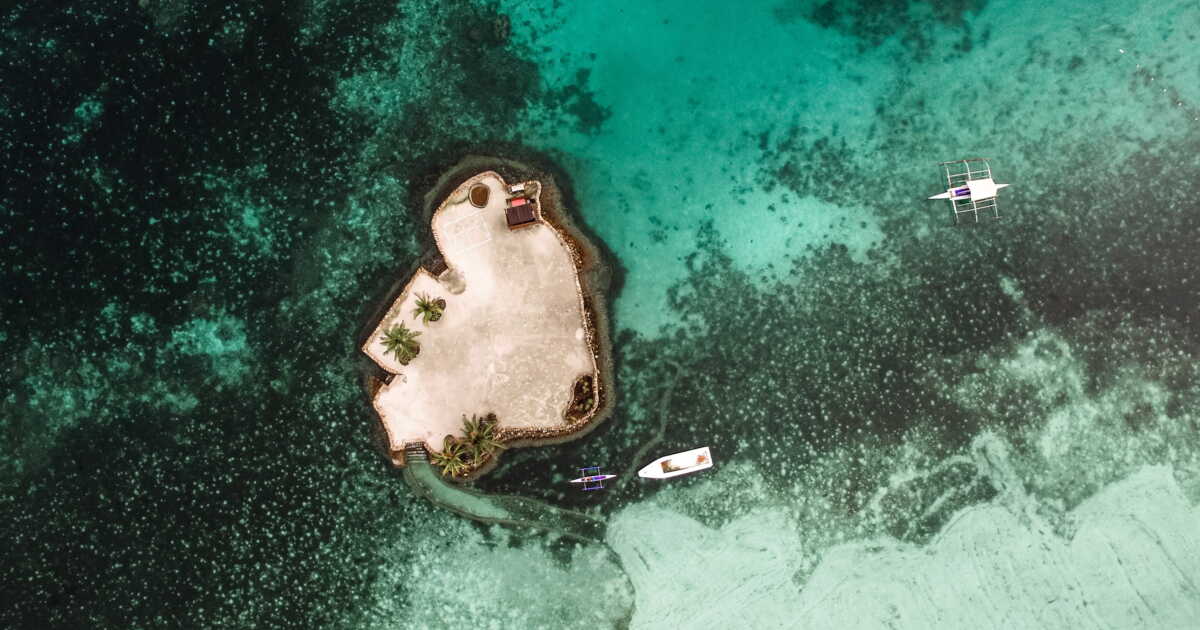
Venturing off the coast of Mauritius to encounter satellite islands such as Île aux Cerfs or Îlot Gabriel enriches a stay in Mauritius with unforgettable maritime excursions. These islets, located a few kilometres from the shore, reveal deserted beaches perfect for a picnic, dips in turquoise lagoons, and a variety of water activities. The Île aux Bénitiers offers dolphin-watching in their natural habitat, with the Morne Rock in the backdrop. For those who seek to avoid mass tourism, the northern islets like Coin de Mire provide immersion in protected zones, often designated as a nature reserve. These outings, commonly offered by hotels or local operators, are also an opportunity to discover marine fauna, chat with Mauritians, and enjoy a lunch prepared on site, in a simple and unpretentious setting. Prices vary according to the services provided but remain competitive, often lower than prices in France.

3. Explore natural and geological sites including the Black River Gorges National Park and the Seven Coloured Earths

The geographic heart of Maurice hides natural riches that any nature lover should explore. The Black River Gorges National Park is the island’s main ecological sanctuary, housing hiking trails, primary forests and endemic species. It affords a magnificent view of the green valleys and, from afar, the ocean. Not far away, the Seven Coloured Earths in Chamarel fascinates with dunes of ochre and violet sands formed by unique geological phenomena. Nearby, the Chamarel Falls and the Grand Bassin, a sacred Hindu lake, embody two other major stops of a Mauritius stay that blends nature, spirituality and contemplation. These sites, often included in the great deals offered by hotels, provide so many different ways to discover the island beyond its beaches.

4. Visit gardens and parks such as the Sir Seewoosagur Ramgoolam Botanical Garden

For visitors with a passion for flora and neatly curated landscapes, Mauritius offers several gardens and parks with high educational value. The Sir Seewoosagur Ramgoolam Botanical Garden, in Pamplemousses, houses rare species such as giant water lilies and double coconut palms. It is a flagship site of Mauritian culture, frequently recommended by travel blogs dedicated to the island. For a family outing, Casela World of Adventures offers a safari in a secure environment, with zip lines, quad rides and playful zones for children. These green spaces, often set within a lush sanctuary, are also suited for a picnic or a relaxed stroll. Well integrated into the tourism offering, they appeal to guests of luxury hotels as well as independent travelers seeking an ideal spot to unwind and marvel.

5. Discover Mauritius’s culture and history

The exploration of Mauritius’s culture and history begins with a visit to Port Louis, the administrative and cultural capital. The Central Market reveals the vitality of local exchanges, between stalls of spices, textiles and artisanal objects. Nearby, the Caudan Waterfront brings together restaurants, galleries and museums, including the Blue Penny Museum, dedicated to postal history and the island’s cartography. A stop at the Slave Memorial helps understand the historic importance of the slave trade in the island’s economic development, often tied to the sugar industry. To complement this, L’Aventure du Sucre, housed in an old sugar refinery, retraces the major steps of the colonial economy while highlighting Mauritian cuisine through a signature restaurant. These experiences, accessible at different price points, are also recommended for a special occasion or a cultural-rich stay, often overlooked in mass tourism circuits.

6. Explore L’Aventure du Sucre

L’Aventure du Sucre est bien plus qu’un musée : c’est un lieu de transmission, révélateur de l’histoire de Maurice à travers le prisme de la canne à sucre, élément fondateur de son économie et de sa culture. Installée dans une ancienne sucrerie restaurée, la visite permet de comprendre les enjeux historiques, sociaux et économiques liés à cette plante. On y évoque aussi le passé colonial et l’héritage des esclaves, le tout dans une scénographie immersive. Le site, adapté aux adultes comme aux enfants, propose également une boutique et un restaurant valorisant les produits locaux. Accessible en toute saison, ce lieu fait partie des bons plans culturels à ne pas manquer lors d’un séjour à Maurice.

7. La Vanille Nature Park

Situated in the southern part of Maurice, La Vanille Nature Park is an ideal spot for nature lovers looking to discover local wildlife in a preserved setting. Between giant tortoises, crocodiles, insectariums, and endemic species such as the pink pigeon, this park offers a rewarding experience for all ages. In the shade of filaos, the trails are suitable for family strolls and the park also features a small island restaurant. It’s an excellent outing for those who wish to break away from mass tourism and reconnect with a green haven, while supporting the preservation of species.

8. The 7 Waterfalls

The 7 waterfalls, also known as Tamarin Falls, provide visitors with a true opportunity to explore off the beaten paths. Located inland, this natural site is a hotspot for hiking, accessible via trails of varying levels. Each waterfall unveils a striking viewpoint over lush vegetation and natural pools. Accompanied by a guide, you can learn more about the local flora, often unfamiliar to travelers. This place embodies a wild, authentic Mauritius, preserved from mass tourism and ideal for a day of adventure away from the coastline.

Mauritius is a destination with multiple facets where every traveler will find their happiness. Between paradise beaches, maritime excursions, natural treasures, cultural visits, and adventure parks, there is no way to get bored. For those planning their trip, remember to consider the climate and local specifics to optimize your experience. By exploring these diverse activities, you will discover the island’s richness and diversity.

What to do in Mauritius in 10 days to discover all its facets?

A 10-day stay in Mauritius allows for a balanced discovery between seaside relaxation, cultural excursions, and natural exploration. From the west coast to the southern lands, each region offers a diversity of activities. Enjoy beaches lined with casuarinas, the coral reef, and tranquil lagoons for sessions of parasailing, kayaking or snorkeling. Plan a day in Port Louis to visit the Slave Memorial, bearing witness to the historical importance of the island. Hiking enthusiasts can venture to the 7 cascades or along the hiking trails of Black River Gorges National Park. For a special occasion, such as a honeymoon or anniversary, luxury hotels like the Constance Prince Maurice offer top-tier service, a private hotel beach and signature restaurants showcasing Mauritian cuisine. This 10-day format suits all occasions and provides a rich, comprehensive view of Mauritius.

How long should you spend in Mauritius according to your preferences?

The ideal duration of a stay in Mauritius depends on your interests, but a week remains the minimum to fully enjoy the island’s riches. For a trip focused on relaxation, a few days in a fritting-out hotel on the west coast are enough to take advantage of the coral reefs and turquoise lagoons. However, if you want to alternate nature-leaning experiences, like the Seven Coloured Earths or La Vanille Nature Park, with visits to major cultural sites such as L’Aventure du Sucre, a 10- to 12-day stay is recommended. The price in Mauritius, whether for hotels, meals or transport, remains competitive compared to prices in France, with better control thanks to the Mauritian rupee. Each travel style — family vacation, couple trip, or friends’ break — finds its own rhythm on this island with many faces.

What to do in Mauritius with family without giving up discovery?

Traveling to Mauritius with family is a precious opportunity to share activities that are both educational and fun. Children will enjoy a trip to La Vanille Nature Park, where they will meet the pink pigeon, giant tortoises and crocodiles in a green sanctuary. For a day of relaxation, the shallower beaches protected by the coral reef are ideal for swimming. Family-friendly hotels offer kids’ clubs and activities. The Tea Museum or L’Aventure du Sucre introduce younger visitors to Mauritian culture through playful and interactive routes. Mauritian cuisine, in island restaurants, is often accessible with child-friendly prices, broadening their palates. Whether staying in a luxury hotel or more modest accommodation, Mauritius provides a safe and stimulating environment for a family with children.

What to do in Mauritius when it rains: activities to explore differently

Even in the rain, Mauritius remains a destination to discover, far from mass tourism, thanks to its cultural riches and sheltered spaces. Museums like L’Aventure du Sucre, housed in former sugar factories, offer immersion in Mauritian history away from showers. A visit to the capital Port Louis allows exploring covered markets or the Slave Memorial, recounting the island’s historical importance in the Indian Ocean. Signature restaurants such as Kot Nou offer a convivial moment to enjoy Mauritian cuisine while staying dry. Hotels often provide indoor activities such as spas, cooking classes or tastings. These calmer days are also the perfect opportunity to reconnect with the island’s cultural dimension.

What to do in Mauritius by season: adapting your stay to the island’s cycles

In Mauritius, the seasons influence the type of stay but do not reduce the opportunities for discovery. From November to April, the hot and humid season favors diving and water sports thanks to calm and warm seas. It is also the best time to observe Mauritian culture during traditional celebrations. From May to October, the austral winter, cooler and drier, is ideal for hiking in natural parks or exploring the breezy coasts, especially to the north toward Cap Malheureux and its iconic red-roofed church. The pricing for Mauritius also varies by season: the off-season often offers good deals at luxury hotels, making places like the Constance Prince Maurice more accessible. Each season gives Mauritius a distinct face, to be chosen according to your expectations and desires.

This article was written with the help of artificial intelligence, then corrected, expanded and validated by the editors.

What to Do in Sweden: 5 Essential Activities and Experiences

Sweden, with its majestic natural expanses and its cities that blend modernity with tradition, attracts many visitors each year. Whether you are passionate about nature, culture, or gastronomy, this Scandinavian country has something to satisfy every whim. Let us dive into discovering activities and points of interest that deserve a place on your itinerary according to the season and the duration of your stay.

1. Exploring the cultural capitals

Stockholm

Stockholm, the Swedish capital, is a must-see. During your visit, don’t miss the historic district of Gamla Stan, with its cobbled streets and the Royal Palace. Museum lovers will be delighted with the Vasa Museum, home to a 17th‑century ship, or the ABBA Museum for an immersion into the world of the famous Swedish group. A stroll to Södermalm will plunge you into a trendy and alternative atmosphere.

Gothenburg

The second city of the country, Gothenburg will charm you with the Haga district and its cozy cafés. For an adrenaline rush, the amusement park Liseberg is a must, while art enthusiasts will appreciate the Gothenburg Museum of Art. Additionally, a trip to the west coast archipelago will allow you to discover wild and pristine landscapes.

2. Admire the natural wonders

The Swedish Lapland

The Swedish Lapland offers landscapes of unique beauty, ripe for unforgettable adventures. In winter, head out on an aurora borealis hunt in Abisko or stay at the Icehotel in Jukkasjärvi. Activities such as dog sledding or meeting reindeer are enriching experiences. During the summer, discover the phenomenon of the Midnight Sun.

The Archipelagos

The Swedish archipelagos are synonymous with tranquility and preserved nature. Whether around Stockholm or Gothenburg, each island holds treasures to explore. Rent a bicycle to wander charming fishing villages, swim in clear waters, or take part in a variety of water activities.

3. Seasonal activities to highlight

In winter

Sweden’s winter is ideal for activities such as skiing and skating. Do not miss the Christmas markets, lively and cozy, where you can sample local specialties. After a chilly day, warm up with a fika, a sociable moment around coffee and kanelbullar.

In summer

The summer season is perfect for enjoying the long days illuminated by the Midnight Sun. Take the opportunity to go hiking in national parks or explore the coasts by canoe. Festivals are also plentiful during this period, offering a glimpse into Swedish culture and music.

4. Cultural and gastronomic discoveries

Fika

Fika is more than a simple coffee break; it is an integral part of Swedish culture. Take advantage of this moment to savor a kanelbulle in one of the many local cafés. The culinary exploration continues with specialties such as meatballs, marinated salmon, and various seafood dishes.

Design

Sweden is renowned for its avant-garde design. Explore the shops and dedicated museums where minimalism is king. Each object is conceived to be as aesthetically pleasing as it is functional.

5. Practical tips for a successful trip

Safety and budget

Sweden is perceived as a safe country for visitors. Standard precautions apply as in any other tourist destination. Regarding budget, Sweden isn’t necessarily cheap. However, tips such as discounted transport cards and the option to cook for yourself can help reduce costs.

Transports et hébergements

The country, well served by train, air, and bus, makes it easy to move from one region to another. Accommodation options range from hostels to luxurious hotels, including traditional cottages.

In conclusion, Sweden offers a multitude of activities and places to discover, regardless of the season. This country harmoniously blends wild nature and urban culture, promising you a rich and diverse stay. Make sure to plan your trip with the seasons in mind to experience something aligned with your expectations.

What budget to plan for a trip to Sweden: anticipating the price of a stay in the Nordic landscapes

Planning a trip to Sweden involves taking into account a relatively high cost of living, especially in major cities like Stockholm, but several options allow you to discover Sweden at a lower cost. By opting for a road trip in Sweden, you can reduce transport expenses while accessing less touristy, nature-filled places.

Traveler reviews suggest options such as Sweden with Explora Project, which facilitate immersion at an affordable price. The cost of accommodations varies between city-center hotels and refuges in national parks, particularly in the northern Sweden. Public transport, including the railway and the ferry crossing, is well organized but long-distance train tickets should be booked in advance to benefit from good rates.

Plan an average daily budget of between 80 and 150 euros, depending on the level of comfort chosen, which remains a reasonable estimate to enjoy the beautiful landscapes of the Baltic Sea up to the Norwegian border, passing by canals such as the Göta Canal or the Trollhättan Canal.

What to do in Sweden with kids: ideas for activities suitable for the whole family

Exploring Sweden with children is a journey that is both educational and close to nature. From Stockholm to Kiruna, many must-see activities let you explore Sweden in the great outdoors while keeping young ones engaged.

The Natural History Museum in Stockholm, with its interactive exhibits, offers an educational immersion, while a picnic by a green space or a canal, such as at Kungsportplatsen, nicely rounds out the day. In the Abisko village, beyond the polar circle, children can observe the auroras or try cross-country skiing depending on the season.

The coastline or the colorful buildings of the old town enhance the visual appeal of the stay. For a quiet moment, accessible hiking trails allow you to explore the Royal Route or cultural highlights within a safe setting. Sweden, renowned for its emphasis on family well-being, emerges as a destination perfectly suited to the happiness of family travelers.

What to do in Sweden when it rains: cultural and sheltered options to favor

Even in case of heavy rain, Sweden offers numerous indoor alternatives, especially in its cultural capitals such as Stockholm or Gothenburg. When a trip to Sweden coincides with capricious weather, indoor points of interest become essential: Natural History Museum, the king’s official residence, art galleries, or exhibitions dedicated to Viking mythology.

In Gothenburg, the archipelago remains accessible via the Göta Canal, and indoor visits are possible there. A few days can also be spent exploring typical cafés, sampling local cuisine around the potato, or planning future itineraries, such as the Kungsleden trail, for more temperate days. In short, even in bad weather, discovering Sweden remains rich in structured experiences.

What to do in Sweden at Christmas: Nordic traditions and a fairy-tale atmosphere

Spending Christmas in Sweden lets you explore a deeply rooted aspect of Nordic culture, between fairy tales, warm lights, and ancient traditions. In Stockholm in winter, the old town lights up with understated decorations, and the Christmas markets offer handmade goods and gastronomic specialties.

In the north of Sweden, the Abisko village offers an ideal setting to observe the aurora borealis, while winter activities such as cross-country skiing or sleigh rides fill the snowy days. The season for ski passes coincides with manageable tourist traffic, making access to natural spaces easier.

It is also an opportunity to take the railway to Kiruna, where some of the world’s northernmost places reveal a unique polar experience. December thus offers a peaceful and intimate view of Sweden, between heritage and nature.

Road trip in Sweden: an ideal itinerary to explore nature, culture and the Scandinavian coasts

A road trip in Sweden is an excellent option to discover the country’s geographic wealth, from the Bohuslän coast to the far reaches of the polar circle. Starting from Stockholm, travelers can reach Gothenburg via the canals and the colorful buildings of the historic centers. Then head toward the Sarek National Park or the hiking trails of the Kungsleden, where the panoramic view of the northern hills stands out as one of the visitor’s top picks.

Every great outdoors, every canal or Öresund Bridge crossed, reinforces the Scandinavian core of a trip to Sweden. The ferry crossing between islands, the proximity to the Norwegian border, and the variety of possible activities (from picnicking to winter sports) guarantee an unforgettable experience, structured by the freedom of travel.

This article was drafted with the help of artificial intelligence, then corrected, supplemented, and validated by the editors of the desk.