
From the banks of the Leith, in Edinburgh, stairs ascend into the Murrayfield area (and its famous rugby stadium) toward two buildings housing the modern art museum, free for permanent collections.
In the first, Modern One, the second floor is reserved for stars of pop art, of cubism, of the Nabi painters…
It spans all styles of the 20th and the early 21st centuries. One can thus admire Picasso, Cézanne (« Baigneurs »), Magritte, Derain, a painting by the tapestry designer Jean Lurçat, works by the brilliant performer Bruce McLean and the colorist John Duncan Fergusson, both Scottish, or American photographers Diane Arbus and Robert Mapplethorpe.
On the other side of an artistic garden and the road, Modern Two, a former orphanage, hosts contemporary works donated by a Scottish patron (including a striking multi-meter-tall reproduction of Vulcan in the cafe) and high-quality temporary exhibitions.
In the first, Modern One, the second floor is reserved for stars of pop art, of cubism, of the Nabi painters…
It spans all styles of the 20th and the early 21st centuries. One can thus admire Picasso, Cézanne (« Baigneurs »), Magritte, Derain, a painting by the tapestry designer Jean Lurçat, works by the brilliant performer Bruce McLean and the colorist John Duncan Fergusson, both Scottish, or American photographers Diane Arbus and Robert Mapplethorpe.
On the other side of an artistic garden and the road, Modern Two, a former orphanage, hosts contemporary works donated by a Scottish patron (including a striking multi-meter-tall reproduction of Vulcan in the cafe) and high-quality temporary exhibitions.
The Burrell Collection
In Glasgow, this is arguably the most important art collection arising from a private bequest in Scotland.
Sir William Burrell, a Glasgow industrialist, made his fortune in shipbuilding and spent his life gathering artworks.
More than 10,000, so they say. His eclectic passion led him to own Impressionist paintings, ceramics, sculptures, and antique objects… all brighter than the next.
Upon his death, in 1958, he donated them to his city, which has displayed them since the 1980s in this renovated and design-forward museum, situated south of the Clyde River in Pollock Park.
Nurtured by this natural setting, the public is invited to discover Asian statuettes, remarkable Chinese and Iranian ceramics and a superb series of Impressionist paintings by Degas, Manet, Courbet (the splendid “Charity at Ornans”), Pissarro, Renoir, Corot, Daumier… as well as sculptures by Rodin and Camille Claudel.
If there is one museum to see in Glasgow, this is it!
Sir William Burrell, a Glasgow industrialist, made his fortune in shipbuilding and spent his life gathering artworks.
More than 10,000, so they say. His eclectic passion led him to own Impressionist paintings, ceramics, sculptures, and antique objects… all brighter than the next.
Upon his death, in 1958, he donated them to his city, which has displayed them since the 1980s in this renovated and design-forward museum, situated south of the Clyde River in Pollock Park.
Nurtured by this natural setting, the public is invited to discover Asian statuettes, remarkable Chinese and Iranian ceramics and a superb series of Impressionist paintings by Degas, Manet, Courbet (the splendid “Charity at Ornans”), Pissarro, Renoir, Corot, Daumier… as well as sculptures by Rodin and Camille Claudel.
If there is one museum to see in Glasgow, this is it!
Leith Valley
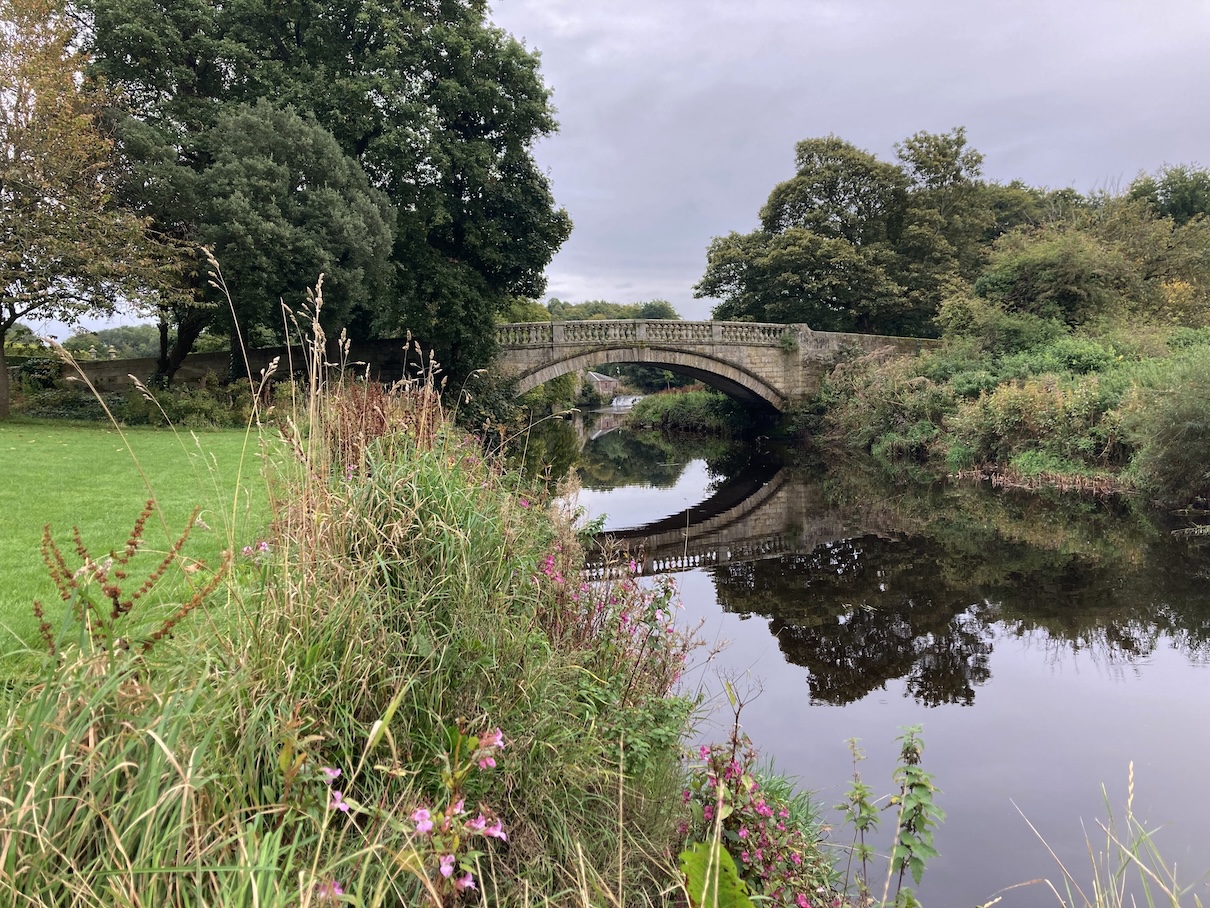
It is a curious impression that you feel while strolling along the banks of this Edinburgh urban valley.
You sometimes have to pinch yourself to believe it, as this pedestrian stroll along the small coastal river feels more like a countryside plunge. A tunnel of vegetation.
A damp, shaded riverside path. Here and there, herons. The sound of the city fades away… It’s hard to believe you are in Edinburgh.
Only the occasional bridges force the walker to step out of the riverbed to rediscover buildings and car traffic, and to convince themselves that they are indeed in the Scottish capital.
From the Haymarket district, you can walk 5 miles (8 km) to the mouth, along the Firth of Forth. The green corridor crosses Dean Village, now a boho neighborhood, offering water-front cottages with gardens, reaches the trendy residential district of Stockbridge, skirts the Royal Botanic Garden, and ends in Leith, the redeveloped former port quarter.
A breath of fresh air.
You sometimes have to pinch yourself to believe it, as this pedestrian stroll along the small coastal river feels more like a countryside plunge. A tunnel of vegetation.
A damp, shaded riverside path. Here and there, herons. The sound of the city fades away… It’s hard to believe you are in Edinburgh.
Only the occasional bridges force the walker to step out of the riverbed to rediscover buildings and car traffic, and to convince themselves that they are indeed in the Scottish capital.
From the Haymarket district, you can walk 5 miles (8 km) to the mouth, along the Firth of Forth. The green corridor crosses Dean Village, now a boho neighborhood, offering water-front cottages with gardens, reaches the trendy residential district of Stockbridge, skirts the Royal Botanic Garden, and ends in Leith, the redeveloped former port quarter.
A breath of fresh air.
Kelvingrove Park
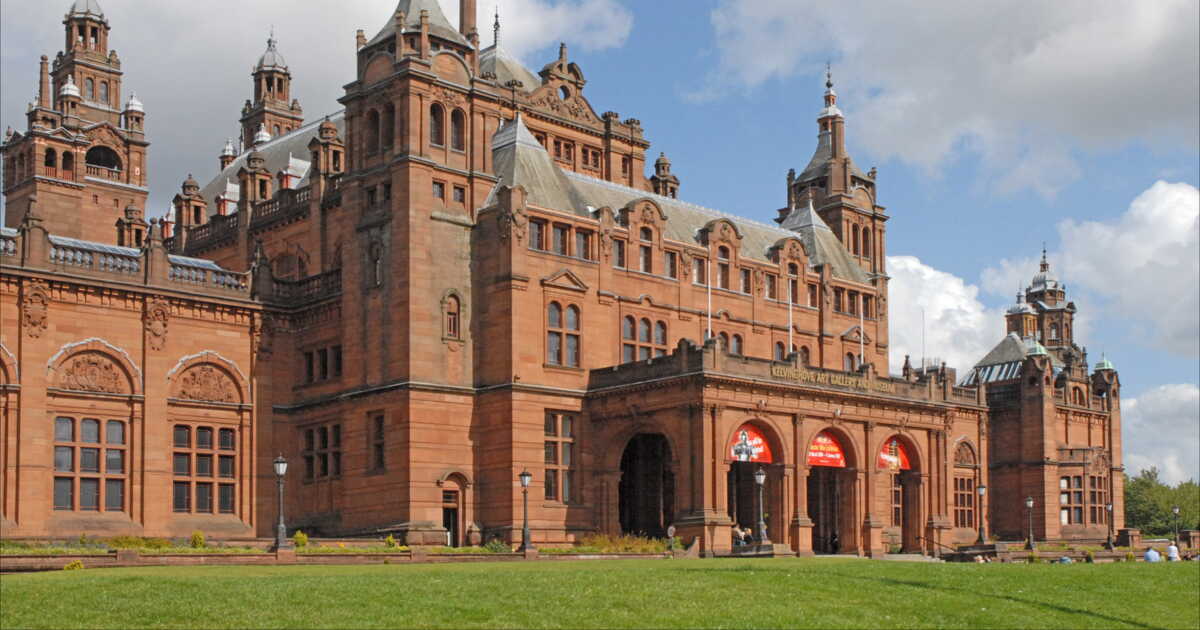
People come to visit the vast Kelvingrove Art Gallery and Museum and then stay to enjoy the greenery of the park that borders it.
Indeed, Kelvingrove Park is something of Glasgow’s green lung, right next to the city center. It is, without a doubt, the heart of the West End, the arts and university district.
On more than 30 hectares, this space crossed by the Kelvin River, a tributary of the Clyde, offers its tall trees, its lawns and its shaded avenues to walkers and joggers.
Children love teasing the gray squirrels, not very shy, that haunt this park. Very popular, Kelvingrove Park is also the “green campus” for students of the nearby university, who simply descend from their scholarly lecture rooms to lounge on the grass when the weather is nice.
At the end of September, the park hosts Big Feed, on Kelvin Way. A musical and culinary event, with concerts and a street-food offering.
Indeed, Kelvingrove Park is something of Glasgow’s green lung, right next to the city center. It is, without a doubt, the heart of the West End, the arts and university district.
On more than 30 hectares, this space crossed by the Kelvin River, a tributary of the Clyde, offers its tall trees, its lawns and its shaded avenues to walkers and joggers.
Children love teasing the gray squirrels, not very shy, that haunt this park. Very popular, Kelvingrove Park is also the “green campus” for students of the nearby university, who simply descend from their scholarly lecture rooms to lounge on the grass when the weather is nice.
At the end of September, the park hosts Big Feed, on Kelvin Way. A musical and culinary event, with concerts and a street-food offering.