The Middle East Reimagined: Abu Dhabi’s Culture, Art, and New Travel Experiences


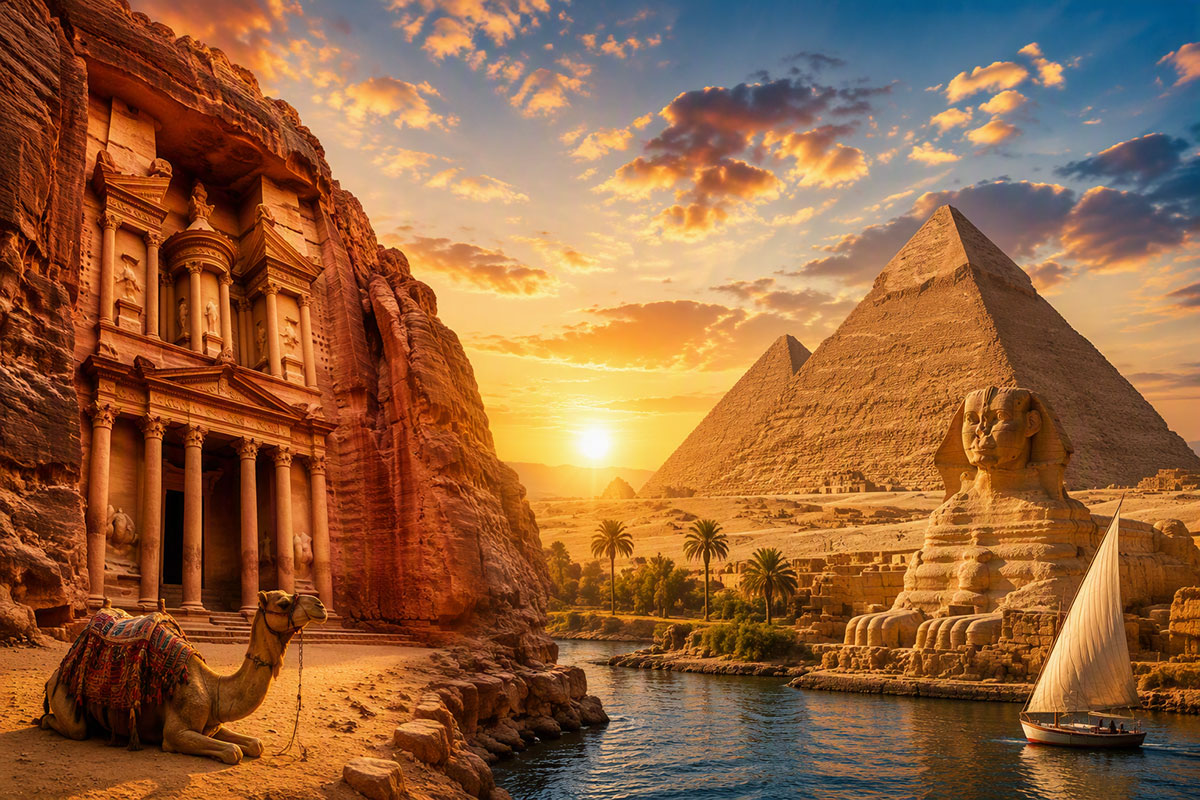
© Dakkak - Photo générée par IA

Hurtigruten


The Middle East is undergoing a transformation, offering travelers far more than a mere escape. Heritage, contemporary art, architecture, cuisine, and exclusive experiences are now at the heart of itineraries. In Abu Dhabi, the opening of the Guggenheim strengthens the emirate’s cultural appeal, while Saudi Arabia, Egypt, and Jordan are developing new ways to discover their history and landscapes. For tourism professionals, this evolution presents a tremendous opportunity to offer journeys that are more personalized, more immersive, and more centered on the experience.


Abu Dhabi: A New Cultural Milestone with the Guggenheim

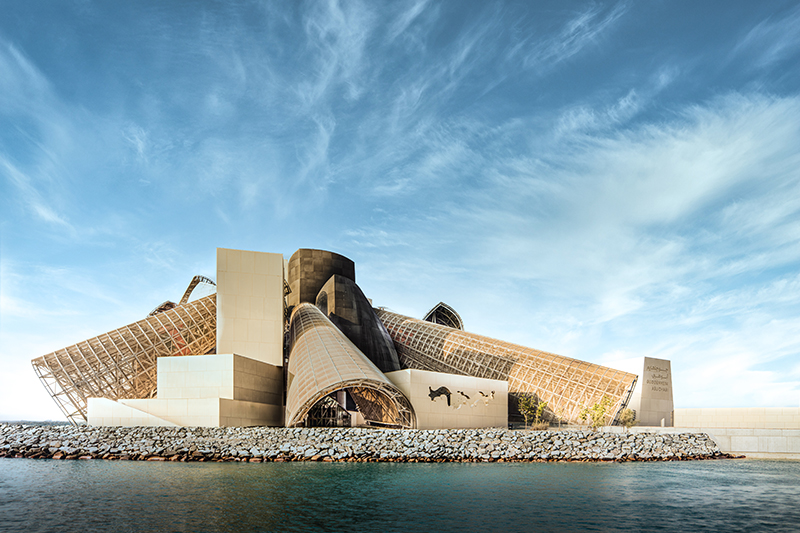
Long associated with its beaches, luxury hotels, and spectacular architecture, Abu Dhabi is increasingly asserting its identity as a cultural destination. The opening of Guggenheim Abu Dhabi, scheduled for December 11, 2026, marks a major new milestone in this transformation.

Installé sur l’île de Saadiyat, le musée imaginé par l’architecte Frank Gehry vient compléter un environnement culturel déjà exceptionnel, notamment avec le Louvre Abu Dhabi. Son arrivée offre une nouvelle raison de séjourner dans la capitale des Émirats arabes unis et ouvre de nouvelles possibilités pour les voyageurs intéressés par l’art, l’architecture et la culture contemporaine.

Pour les agences de voyages et les tour-opérateurs, cette évolution permet également de renouveler les programmes classiques. Abu Dhabi peut désormais se découvrir à travers des itinéraires mêlant patrimoine, culture, architecture, gastronomie, expériences exclusives et détente.

Cette nouvelle offre culturelle s’intègre naturellement dans des combinés avec Dubaï, permettant aux voyageurs de découvrir deux visages complémentaires des Émirats : une métropole internationale et dynamique d’un côté, une capitale culturelle et patrimoniale de l’autre.


Guggenheim Abu Dhabi © The Guggenheim


Destinations Emphasizing the Experience

The evolution is not limited to Abu Dhabi. Across the Middle East, travelers are now seeking experiences that go beyond traditional sightseeing.
In Saudi Arabia, AlUla perfectly illustrates this new approach. The dramatic landscapes, the archaeological site of Hegra, cultural experiences, and new hotel concepts enable particularly immersive stays.
Jordan remains a must-see with Petra, Wadi Rum, and the richness of its heritage. Yet the aim here, too, is to offer a more customized discovery: encounters with locals, gastronomic experiences, desert nights, private visits, or programs that combine culture and well-being.
In Egypt, the country’s immense historical wealth continues to attract travelers, while new experiences emerge. From Cairo to Luxor and Aswan, including Nile cruises and stays along the Red Sea, the destination allows for very different itineraries tailored to clients’ expectations.
The Middle East is thus becoming a region where customization, authenticity, and the quality of the experience are increasingly important.


Local Expertise, a Real Asset for Tourism Professionals

This shift in expectations reinforces the role of DMCs, which are becoming true partners for agencies and tour operators.
Dakkak DMC, a historic player in Middle East tourism since 1955, supports professionals in designing and delivering tailor-made programs across several destinations in the region.
From airport welcome to coordinating transfers, from hotel reservations to cultural visits, from private tours to group trips and MICE programs, the goal is to ensure smooth organization while preserving the flexibility to meet specific client requests.
This local expertise also enables the creation of programs that depart from traditional itineraries: meetings with local actors, private experiences, culturally guided visits by specialists, exclusive activities, or combinations of multiple destinations.
For a travel agency, collaborating with a local partner also means benefiting from concrete on-the-ground knowledge of the terrain, suppliers, logistical constraints, and the constant evolution of each destination.


Dakkak DMC: Assisting Agencies in a Middle East in Full Evolution

Present in several destinations across the region, Dakkak DMC helps tourism professionals design individual trips, group journeys, cultural circuits, incentives, and events.
In the United Arab Emirates, Egypt, Jordan, Saudi Arabia, and other Middle Eastern destinations, local teams work with agencies to build programs tailored to each client profile.
The arrival of new cultural attractions like Guggenheim Abu Dhabi perfectly illustrates this evolution. It enables new combinations and the reinvention of destinations already familiar to travelers.
For Dakkak DMC, the challenge is to continue anticipating these changes and to turn each novelty into an opportunity for tourism professionals.
The Middle East no longer merely tells its story: it is today writing a new page in the future of its tourism.


© Dakkak DMC


Edinburgh and Glasgow: Culture and Nature Showdown


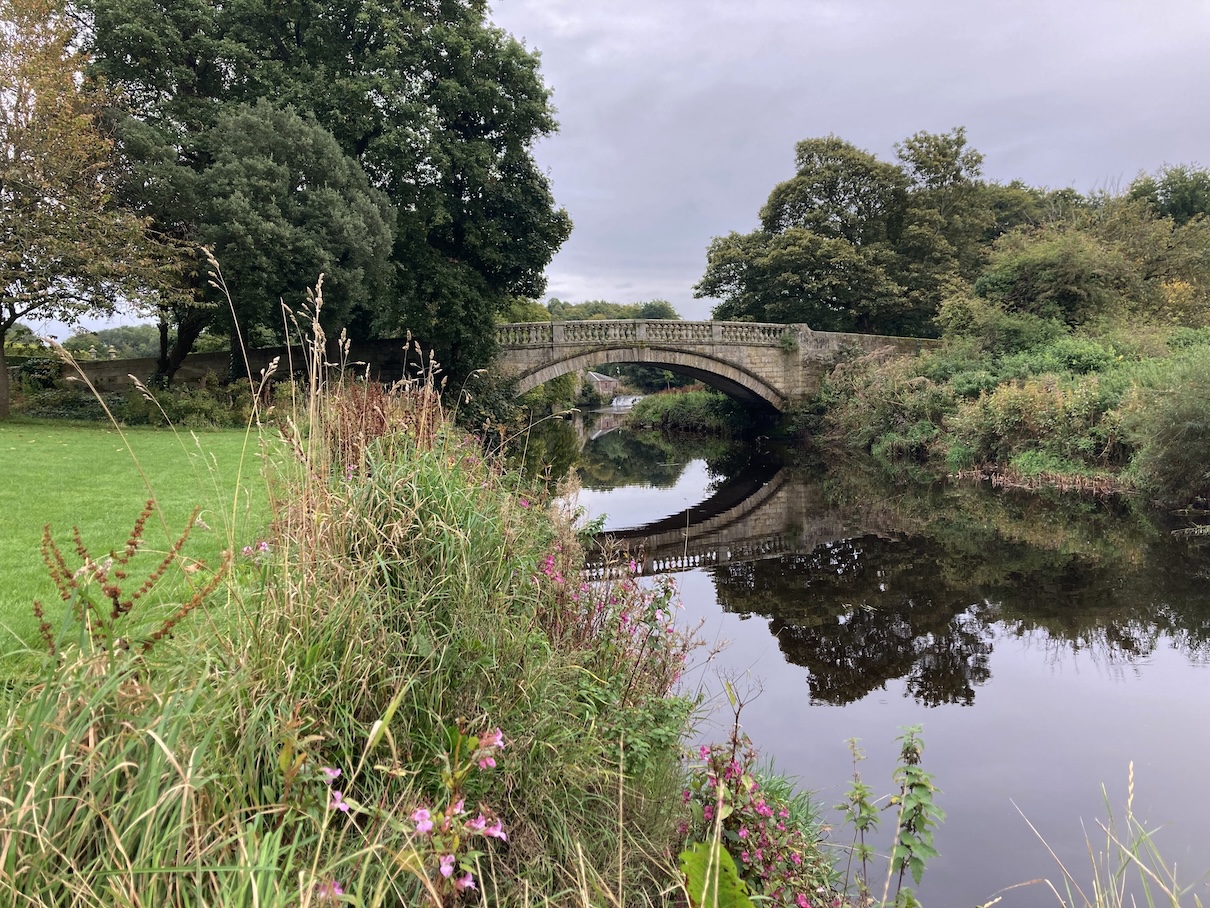
Édimbourg et Glasgow dévoilent deux visions complémentaires de l'Écosse - Photo : J.-F.R.

Hurtigruten


From the banks of the Leith, in Edinburgh, stairs ascend into the Murrayfield area (and its famous rugby stadium) toward two buildings housing the modern art museum, free for permanent collections.

In the first, Modern One, the second floor is reserved for stars of pop art, of cubism, of the Nabi painters…

It spans all styles of the 20th and the early 21st centuries. One can thus admire Picasso, Cézanne (« Baigneurs »), Magritte, Derain, a painting by the tapestry designer Jean Lurçat, works by the brilliant performer Bruce McLean and the colorist John Duncan Fergusson, both Scottish, or American photographers Diane Arbus and Robert Mapplethorpe.

On the other side of an artistic garden and the road, Modern Two, a former orphanage, hosts contemporary works donated by a Scottish patron (including a striking multi-meter-tall reproduction of Vulcan in the cafe) and high-quality temporary exhibitions.


The Burrell Collection

In Glasgow, this is arguably the most important art collection arising from a private bequest in Scotland.

Sir William Burrell, a Glasgow industrialist, made his fortune in shipbuilding and spent his life gathering artworks.

More than 10,000, so they say. His eclectic passion led him to own Impressionist paintings, ceramics, sculptures, and antique objects… all brighter than the next.

Upon his death, in 1958, he donated them to his city, which has displayed them since the 1980s in this renovated and design-forward museum, situated south of the Clyde River in Pollock Park.

Nurtured by this natural setting, the public is invited to discover Asian statuettes, remarkable Chinese and Iranian ceramics and a superb series of Impressionist paintings by Degas, Manet, Courbet (the splendid “Charity at Ornans”), Pissarro, Renoir, Corot, Daumier… as well as sculptures by Rodin and Camille Claudel.

If there is one museum to see in Glasgow, this is it!


Leith Valley

It is a curious impression that you feel while strolling along the banks of this Edinburgh urban valley.

You sometimes have to pinch yourself to believe it, as this pedestrian stroll along the small coastal river feels more like a countryside plunge. A tunnel of vegetation.

A damp, shaded riverside path. Here and there, herons. The sound of the city fades away… It’s hard to believe you are in Edinburgh.

Only the occasional bridges force the walker to step out of the riverbed to rediscover buildings and car traffic, and to convince themselves that they are indeed in the Scottish capital.

From the Haymarket district, you can walk 5 miles (8 km) to the mouth, along the Firth of Forth. The green corridor crosses Dean Village, now a boho neighborhood, offering water-front cottages with gardens, reaches the trendy residential district of Stockbridge, skirts the Royal Botanic Garden, and ends in Leith, the redeveloped former port quarter.

A breath of fresh air.


Kelvingrove Park

People come to visit the vast Kelvingrove Art Gallery and Museum and then stay to enjoy the greenery of the park that borders it.

Indeed, Kelvingrove Park is something of Glasgow’s green lung, right next to the city center. It is, without a doubt, the heart of the West End, the arts and university district.

On more than 30 hectares, this space crossed by the Kelvin River, a tributary of the Clyde, offers its tall trees, its lawns and its shaded avenues to walkers and joggers.

Children love teasing the gray squirrels, not very shy, that haunt this park. Very popular, Kelvingrove Park is also the “green campus” for students of the nearby university, who simply descend from their scholarly lecture rooms to lounge on the grass when the weather is nice.

At the end of September, the park hosts Big Feed, on Kelvin Way. A musical and culinary event, with concerts and a street-food offering.

Darwin: The Australian City Where the Outback, Aboriginal Culture, and Asia Meet

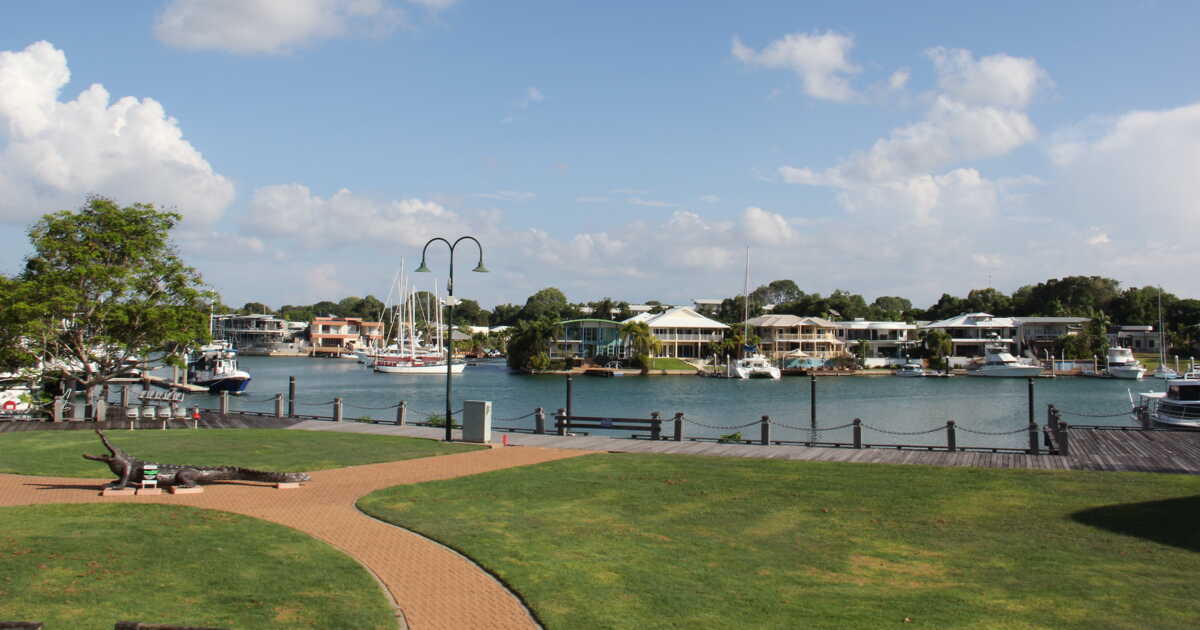
At the extreme north of Australia, Darwin doesn’t resemble any other capital city in the country. We discovered this city in the Northern Territory during a June report, in the heart of the dry season. Between Aboriginal heritage, influences from Asia, a turbulent history and wild nature on the city’s doorstep, Darwin has a character all its own. A destination deserving of time to linger.

Darwin is the capital of the Northern Territory, a vast region at the center and north of Australia that spans more than 1.4 million square kilometers. The city sits in the Top End, the territorial north, on the edge of the Timor Sea, close to Southeast Asia. It is even closer to Jakarta than to Canberra. With a little over 80,000 residents, Darwin has the scale of a mid-sized city rather than a major Australian capital.

Darwin, a Small Capital Marked by Its History

Its location gives it a tropical climate that largely shapes local life, altering how people live with the changing seasons. The dry season, from May to October, brings hot but pleasant days, little rainfall, and limited humidity. The wet season, from November to April, is characterized by intense heat, high humidity, heavy rains, and violent storms. But to understand Darwin, one must look further back. Long before Europeans arrived, the region was inhabited by the Larrakia, the “Saltwater People”, whose territory stretched around the port and coastline.

They maintained exchanges with neighboring peoples, such as the Tiwi, the Wagait, and the Wulna, while navigators from present-day Indonesia had been frequenting these shores for centuries. The European history of the town begins in the 19th century. In 1839, the HMS Beagle enters the port now called Darwin Harbour. Its commander, John Lort Stokes, christens it in honor of his former voyage companion Charles Darwin. The naturalist, however, never actually visited the region. Thirty years later, a European settlement is founded under the name Palmerston. Then the discovery of gold at Pine Creek in 1871 accelerates the city’s development.

Darwin also holds memory of two catastrophes that deeply shaped its history. On February 19, 1942, during World War II, Japanese forces bombarded the town, marking the first air attack on the Australian mainland. About 250 people were killed and several hundred more were wounded. Today, the Darwin Military Museum and several historic sites allow visitors to revisit this major chapter of Australian history.

Then, on the night of December 24–25, 1974, Cyclone Tracy wrecked the city. Much of it was destroyed and tens of thousands of residents had to be evacuated. The reconstruction that followed transformed Darwin and partly explains its current architecture, which is far newer than that of many other Australian cities. To discover this history, a guided tour can be particularly interesting. Darrel Trueman of Darwin Gourmet Tours offers itineraries dedicated to World War II, to gastronomy, and to street art.

A City Where Cultures Meet

Its history partly explains why Darwin is today one of the most multicultural cities in Australia. More than 60 nationalities and 70 different ethnic origins are represented here. This diversity is reflected in the restaurants, markets, and events that fill the year. It’s hard to grasp it better than by tasting laksa. This spicy Southeast Asian noodle soup has become a real institution in Darwin, to the point that the city dedicates an international festival to it every year. During the Darwin International Laksa Festival, restaurants, cafes, and other establishments compete over their own recipes, while locals vote for their favorite bowl.

But the most important cultural dimension is that of the First Nations peoples. The Northern Territory counts more than 100 Aboriginal languages and dialects. In Darwin, the Larrakia occupy a central place, but the city also serves as a gateway to the many cultures of the Top End. This cultural richness today translates into numerous transmission and revitalization projects. Artists, associations, communities and cultural institutions contribute to keeping languages, crafts, and traditional narratives alive.

The Museum and Art Gallery of the Northern Territory hosts the National Aboriginal and Torres Strait Islander Art Awards (NATSIAA), which highlight yearly the contemporary work of Aboriginal and Torres Strait Islander artists from the Torres Strait. The Larrakia Cultural Centre also aligns with this momentum. Its opening, announced for 2026, should allow the public to view Larrakia cultural objects that have recently been repatriated after being kept abroad for decades.

To go further, head to the Tiwi Islands. There you discover a culture different from that of the Larrakia, through a true immersion: traditional dance around the fire, presentations of history and traditions, an introduction to Tiwi motifs, encounters with artists, and a visit to a museum dedicated to the community’s history. An opportunity to better understand the impact of war on the Tiwi and the transformations their culture has undergone.

Another essential stop: Kakadu National Park, UNESCO World Heritage site for its natural and cultural riches. It’s a destination for its landscapes, wetlands and wildlife, but also for the history of the Aboriginal peoples who have inhabited these lands for thousands of years. The park shelters numerous rock art sites, including Ubirr and Burrungkuy (Nourlangie). To explore the sites with a guide, the CYAROUND agency and their guide Jack Tanner offer experiences that combine nature discovery with an understanding of First Nations culture.

From Sunset to the Bush, Experiences Not to Be Missed

Darwin can also be discovered through a multitude of experiences, sometimes surprising! Among the must-sees, the sunset at Mindil Beach is an institution. At day’s end, locals and tourists gather at the market just behind the beach to buy something to eat, then settle on the sand to watch the sun disappear on the horizon. And when the spectacle ends, everyone claps. Even when it rains, the Top End doesn’t stop. The wet season is notably the season for barramundi, the emblematic fish of northern Australia, at the heart of Million Dollar Fish, a competition held in the Northern Territory.

The idea is quite wild: some barramundis are specially tagged before being released, and the fishermen who manage to catch one can win up to one million Australian dollars. For those who want to approach the fish without going fishing, the Barramundi Experience NT offers a striking and entertaining encounter with large, rescued-from-farming individuals. Some exceed a meter in length and can even be caressed and fed by hand!

And for those who love genuinely quirky experiences, Darwin has another rather surprising specialty: the Heli Pub Crawl. Offered by Airborne Solutions, this helicopter/pub tour lets you reach several venues, some of them very isolated in the wild. Between drinks, the passengers fly over the coastline, the wetlands and the tropical landscapes.

The region can also be discovered through its agricultural production. The Northern Territory is Australia’s leading mango producer, accounting for about 52% of national production. In the region, harvest time brings festivals like the NT Mango Festival, featuring tastings, contests, and culinary preparations around the fruit. A tasty way to explore one of the Top End’s iconic products.

But perhaps the most striking thing is how easy it is to leave Darwin and find yourself in nature. Less than two hours by road from the city—or 45 minutes by helicopter—the Finniss River Lodge plunges visitors into a vast wild territory. Located on a sprawling cattle station, the lodge lets guests discover the life of an Australian outpost while getting to know the local wildlife.

Crocodiles, wallabies and birds populate the surroundings, while cattle are an integral part of the experience. At sunset, you can even enjoy an aperitif among particularly friendly cows! Far from a mere stopover, Darwin deserves to be lingered over before venturing further into the Top End.
Northern Albania: Culture and Modernity


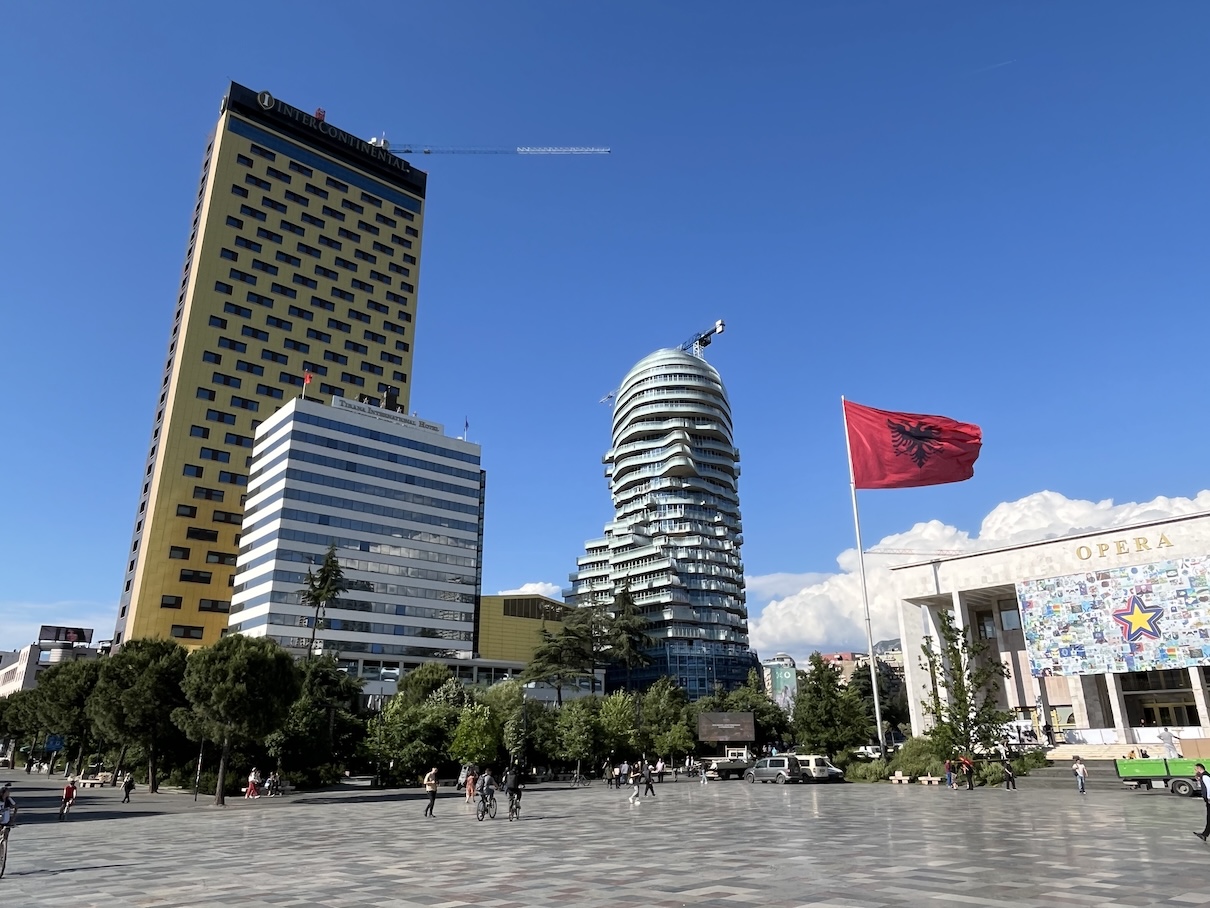
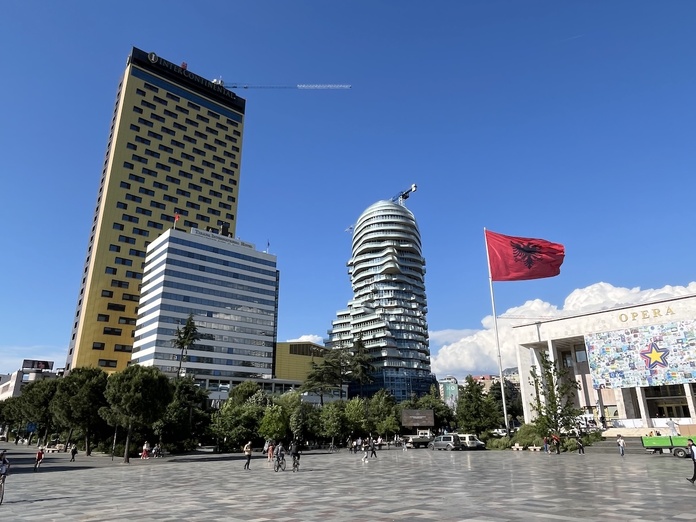
À Tirana, l'immeuble Tirana's Rock dessine le visage du héros national Skanderbeg - Photo JFR

CroisiEurope


Tirana and its 900,000 inhabitants, almost a third of the country’s population, is a diverse capital. In response to the modernist buildings of the 1930s and the postwar communist era, futuristic structures are meant to place the capital firmly in the 21st century.

The result is an eclectic architecture. In the center, the pedestrian square Skanderbeg, the national hero ubiquitous across the country, is represented here by a statue on horseback, embodying this ramshackle urbanism.

The National History Museum and its large 1980s façade mosaic, the Palace of Culture (1963), the Bank of Albania (1938) or the Et’hem Bey Mosque (late 18th century), sit alongside the new InterContinental hotel and the futuristic Tirana’s Rock tower, whose profile draws the face… of Skanderbeg.


House of Leaves, former headquarters of the secret police

The grim period of Enver Hoxha’s communist dictatorship is laid bare at the House of Leaves. The former headquarters of the Sigurimi, the “Albanian Stasi,” reveals the full arsenal of repression, surveillance, and propaganda implemented by the Albanian state at the height of its paranoia.

In the evening, one can enjoy the vibrancy and Albanian cuisine in one of the many bars and restaurants in the Pazari i Ri and Blloku districts, festive and Westernized.


Citadel of Kruja

Located about 40 kilometers north of the capital, the town of Kruja enchants with its amphitheater-like position on the mountainside. Its fortress is believed to be the birthplace of the hero Skanderbeg, who fiercely resisted the Ottomans in the 15th century.

Rebuilt in the 1980s, it houses a large museum dedicated to the warlord and offers a splendid view over the Adriatic. People also visit Kruja for the bazaar, where a few craftsmen still fashion, in the old way, leather shoes and felt hats.


Shkodra, fascinating national photography museum

80 kilometers further north lies Shkodra. This city of about 150,000 inhabitants, situated 30 kilometers from the Adriatic Sea, is bordered by its namesake lake, adjacent to Montenegro.

It offers a double appeal: firstly its Rozafa fortress, built in the 14th century by the Venetians, whose ruins crown a hilltop across 200 hectares, and secondly the pedestrian bustle of Idromeno and Gjuhadol streets, with their numerous café terraces. Here one also visits the fascinating Marubi National Photography Museum, named after the family that documented Albanian society across three generations.

At the same latitude as Tirana, Durrës is, like all ports, a complex and eclectic city. Albania’s second city, it carries traces of Greek, Roman, Byzantine, Angevin, Venetian, and Ottoman rule, and it has long been a terminus for caravan routes from the East.

It is therefore by exploring the archaeology that one discovers it, visiting the 15,000-seat Roman amphitheatre tucked into the city, the remnants of its walls, and the Archaeological Museum, a thorough synthesis of all these eras.


Crown Plaza Hotel in Durrës

In the midst of a tourist boom, the city, well connected to Italy and the port of Bari by numerous ferries, is set to welcome a marina soon as new hotels rise along the coast, such as the Crown Plaza, recently opened on the seafront.

Hanoi’s Lively Sidewalks Are Ending, Threatening Street Culture

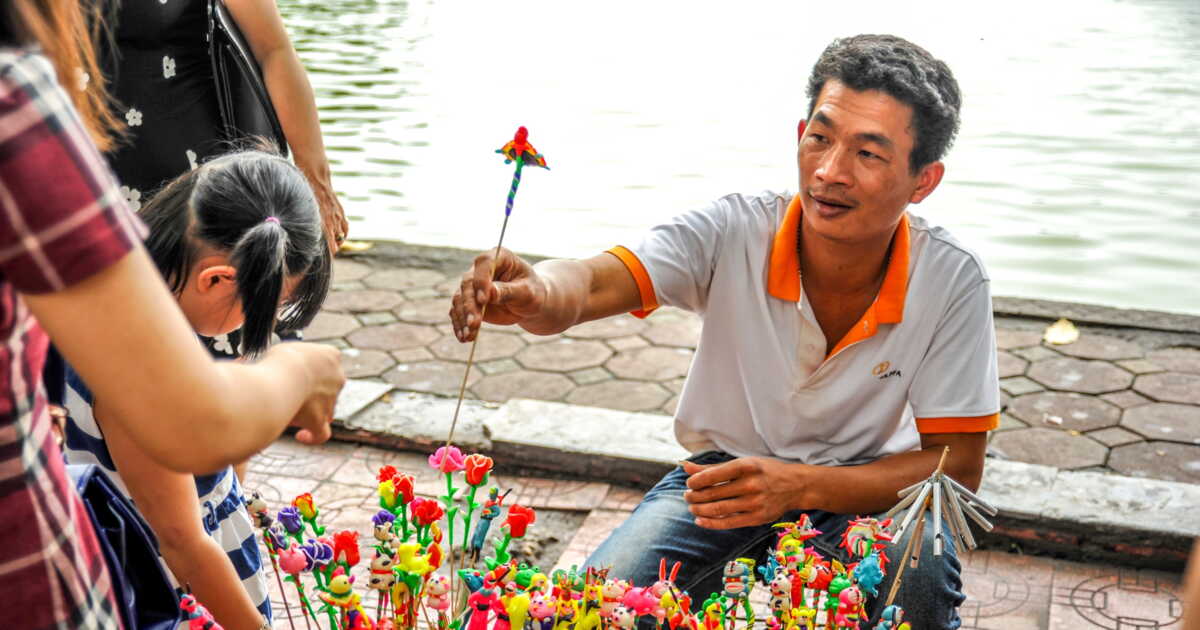
The sidewalks of Hanoi are crowded with street vendors, scooters, and customers perched on plastic stools, but the Vietnamese capital now aims to tidy them up, threatening this street culture beloved by tourists. While street vending has long been tolerated informally, fines are now being enforced and the municipality is considering doubling them.

Sidewalks in the authorities’ sights

“Without street vendors, Hanoi is no longer Hanoi. It’s a tradition”, says Nguyen Thi Hoan, 58, who previously sold flowers at the base of a tall downtown building. After ten years working on the same concrete slab, she was moved, along with fruit and vegetable sellers, to a less frequented vacant lot. Her turnover has been halved and the fifty-something says she doesn’t know “what else to do to make ends meet”.

Food, but also balloons, mechanics or hairdressers: you could generally find a bit of everything on Hanoi’s lively sidewalks. In recent years the Vietnamese capital has drawn a record number of tourists, and many enjoy sitting outside to sample street food, washed down with the local bia hoi beer.

“Small plastic stools, inexpensive but delicious noodles, Hanoi’s fresh beer”, summed up former American president Barack Obama as he recalled a 2016 meal with chef and television host Anthony Bourdain for a CNN program.

The two had eaten their bun cha (a pork-based specialty) inside a restaurant. But the episode was a genuine love letter to Hanoi’s sidewalks, where one can find everything from outdoor Zumba classes to the steaming carts of soup sellers.

This bustling activity has always come with drawbacks: traffic jams, noise, safety and hygiene concerns… issues that would no longer align with the development promoted across the country by the Communist leadership.

The Hanoi authorities want to bring order and cleanliness to this eight-million-strong city undergoing transformation. They had already run episodic campaigns to clear space on the sidewalks, but this time the efforts have intensified, with the installation of nearly 2,000 surveillance cameras to spot offenders.

Fines, cameras, and tougher checks

Street vendors face fines of 250,000 dongs (about 8 euros) and up to 6 million dongs (about 200 euros) for obstructing pedestrian flow. State media say the police have issued more than 3,000 fines since December, a figure the new plan aims to double, while considering allowing vendors to rent authorized sidewalk spaces.

A marketer working in the downtown area, Le Trung Chien says he “totally supports the municipality’s efforts to tidy up the sidewalks”. “I don’t like my city being in disarray, as it has always been”, he explains, tired of street vendors and scooters that sometimes force him to walk on the road to reach his bus stop.

For Tran Trung Van, a cafe manager, it instead means having to crowd more customers inside and turning away those who prefer to smoke outside. “A third of my customers want to sit on the sidewalk, especially on cool days, in the morning or evening”, he observes, claiming to have lost part of his clientele.

Dinh Tung, a office worker, regrets the moments spent with his colleagues at tables spilling onto the street. “I hope things return to normal soon”, he says. “Hanoi is not Hanoi unless you can drink iced tea on the sidewalk”.