Edinburgh and Glasgow: Culture and Nature Showdown


Édimbourg et Glasgow dévoilent deux visions complémentaires de l'Écosse - Photo : J.-F.R.

Hurtigruten


From the banks of the Leith, in Edinburgh, stairs ascend into the Murrayfield area (and its famous rugby stadium) toward two buildings housing the modern art museum, free for permanent collections.

In the first, Modern One, the second floor is reserved for stars of pop art, of cubism, of the Nabi painters…

It spans all styles of the 20th and the early 21st centuries. One can thus admire Picasso, Cézanne (« Baigneurs »), Magritte, Derain, a painting by the tapestry designer Jean Lurçat, works by the brilliant performer Bruce McLean and the colorist John Duncan Fergusson, both Scottish, or American photographers Diane Arbus and Robert Mapplethorpe.

On the other side of an artistic garden and the road, Modern Two, a former orphanage, hosts contemporary works donated by a Scottish patron (including a striking multi-meter-tall reproduction of Vulcan in the cafe) and high-quality temporary exhibitions.


The Burrell Collection

In Glasgow, this is arguably the most important art collection arising from a private bequest in Scotland.

Sir William Burrell, a Glasgow industrialist, made his fortune in shipbuilding and spent his life gathering artworks.

More than 10,000, so they say. His eclectic passion led him to own Impressionist paintings, ceramics, sculptures, and antique objects… all brighter than the next.

Upon his death, in 1958, he donated them to his city, which has displayed them since the 1980s in this renovated and design-forward museum, situated south of the Clyde River in Pollock Park.

Nurtured by this natural setting, the public is invited to discover Asian statuettes, remarkable Chinese and Iranian ceramics and a superb series of Impressionist paintings by Degas, Manet, Courbet (the splendid “Charity at Ornans”), Pissarro, Renoir, Corot, Daumier… as well as sculptures by Rodin and Camille Claudel.

If there is one museum to see in Glasgow, this is it!


Leith Valley

It is a curious impression that you feel while strolling along the banks of this Edinburgh urban valley.

You sometimes have to pinch yourself to believe it, as this pedestrian stroll along the small coastal river feels more like a countryside plunge. A tunnel of vegetation.

A damp, shaded riverside path. Here and there, herons. The sound of the city fades away… It’s hard to believe you are in Edinburgh.

Only the occasional bridges force the walker to step out of the riverbed to rediscover buildings and car traffic, and to convince themselves that they are indeed in the Scottish capital.

From the Haymarket district, you can walk 5 miles (8 km) to the mouth, along the Firth of Forth. The green corridor crosses Dean Village, now a boho neighborhood, offering water-front cottages with gardens, reaches the trendy residential district of Stockbridge, skirts the Royal Botanic Garden, and ends in Leith, the redeveloped former port quarter.

A breath of fresh air.


Kelvingrove Park

People come to visit the vast Kelvingrove Art Gallery and Museum and then stay to enjoy the greenery of the park that borders it.

Indeed, Kelvingrove Park is something of Glasgow’s green lung, right next to the city center. It is, without a doubt, the heart of the West End, the arts and university district.

On more than 30 hectares, this space crossed by the Kelvin River, a tributary of the Clyde, offers its tall trees, its lawns and its shaded avenues to walkers and joggers.

Children love teasing the gray squirrels, not very shy, that haunt this park. Very popular, Kelvingrove Park is also the “green campus” for students of the nearby university, who simply descend from their scholarly lecture rooms to lounge on the grass when the weather is nice.

At the end of September, the park hosts Big Feed, on Kelvin Way. A musical and culinary event, with concerts and a street-food offering.

Three Cycling Getaways Along the Loire: Castles, Canals, and Wild Nature

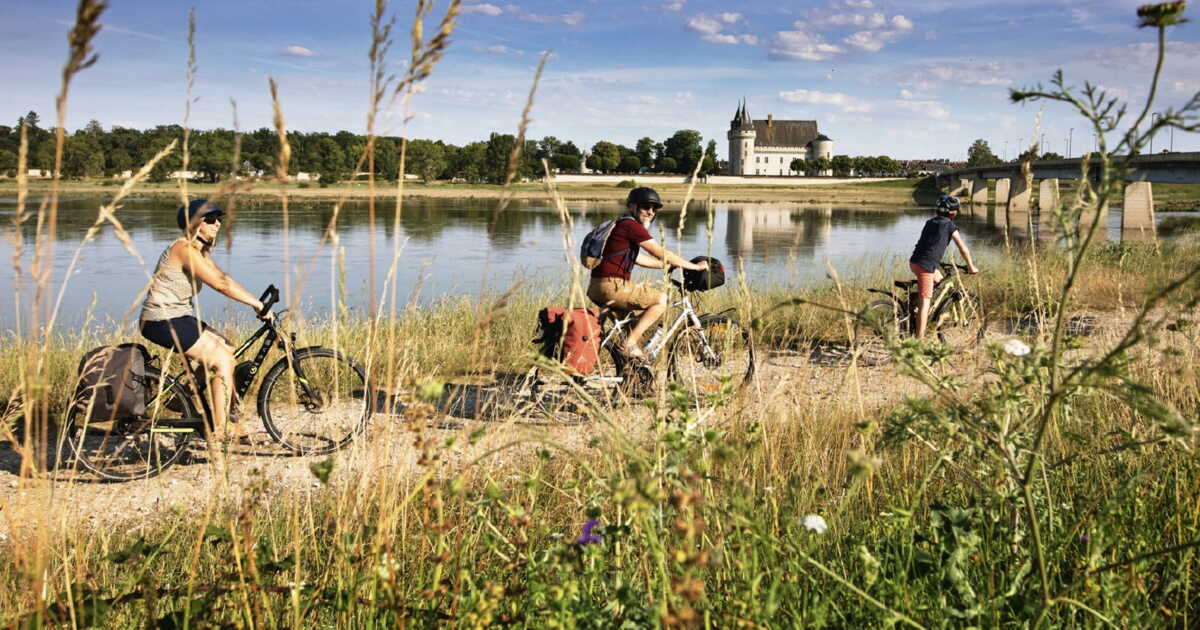
By bicycle, the Loire slows down its pace. The royal river offers a playground of strikingly diverse character: here, the majestic silhouettes of Chambord and Sully-sur-Loire recall the grandeur of Renaissance castles; there, the locks, canal bridges, and towpaths tell another story, that of river navigation. Further south, the Loire and the Allier reveal a wilder face, with sandbanks, forests, and nature reserves.

From Blois to Chambord: a bike visit to the most royal of estates

A fairly short itinerary, where the Loire dresses in its finest attire. Leaving the Blois train station, you simply let yourself drift to reach the river. We follow it westward, then quickly branch toward Chailles and the Russy forest, which we traverse along a shaded avenue to Cellettes, on the Beuvron river. This village boasts a total of… 18 castles and manor houses! The Beauregard estate, famous for its Gallery of the Illustrious with 327 portraits of historical figures, is open to visits.

I Tested Huttopia Domaine du Lac: A Nature Campsite Right on the Water at Lac d’Aiguebelette


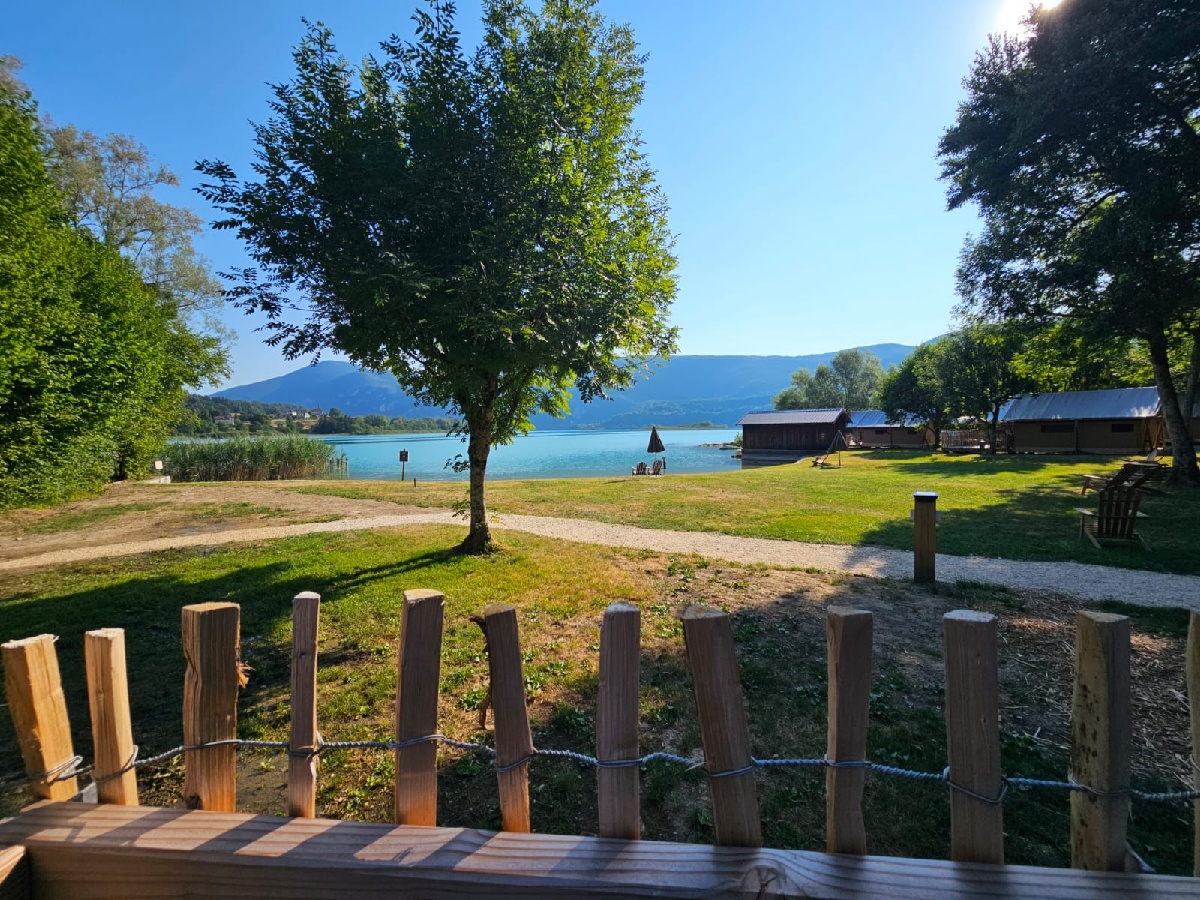
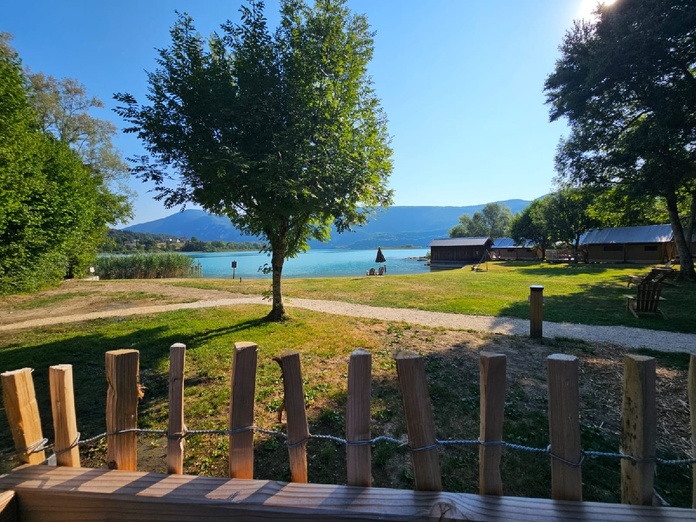
La vue sur la plage du Domaine du Lac tôt le matin depuis la terrasse d'une tente Bois & Toile - Photo CE

Costa Rica


It only takes a few minutes to understand why Huttopia chose to settle on the shores of Lake Aiguebelette, at Lepin-Le-Lac.

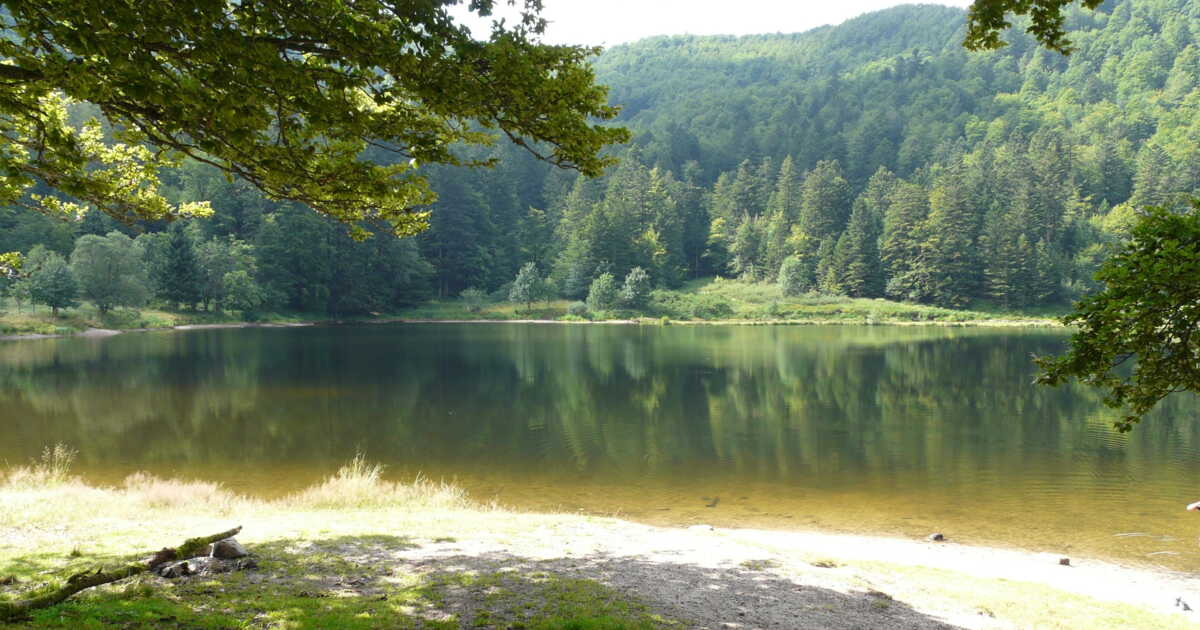
Surrounded by mountains and forests, the Domaine du Lac enjoys a privileged location with direct access to a small beach and the turquoise waters of the lake. An ideal setting for families as well as nature lovers.

From the moment you arrive, you’ll notice that cars stay at the entrance of the domain. A large parking lot allows you to park your vehicle before reaching your accommodation on foot.

Have you come equipped with a paddleboard, an inflatable kayak… and your many suitcases? Fear not, small wheeled carts are provided to easily transport luggage and gear to the accommodations.

A choice that immediately reinforces the sense of calm. Children move about in complete safety and the absence of cars contributes fully to the peaceful atmosphere of the site.


Tents, Chalets, and Hotel Lodges


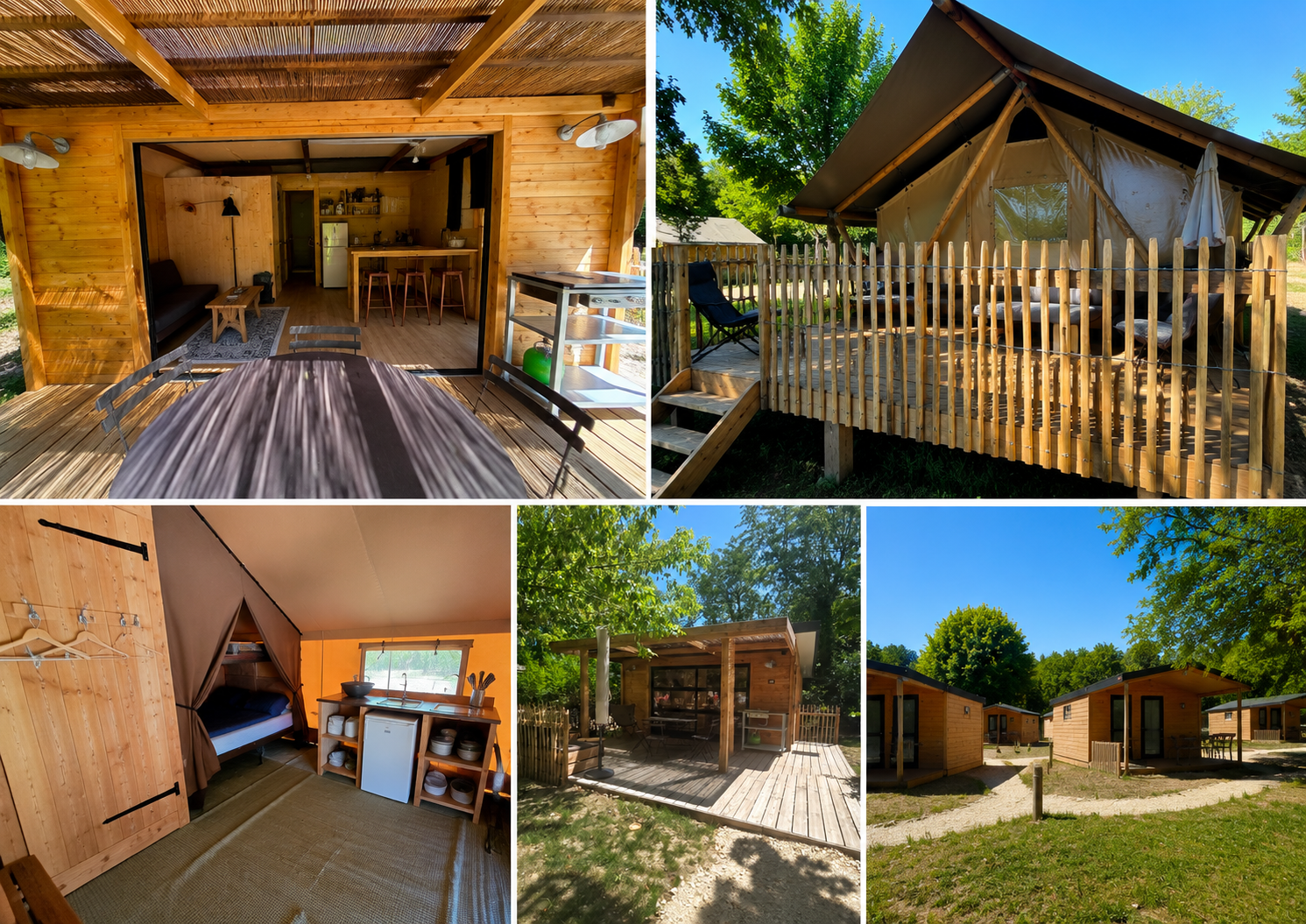
Chalet Toronto Plus et Tente Bois & Toile, ainsi que les lodges hôteliers en bas à droite sur la photo - Photos CE

The Domaine du Lac offers several categories of accommodations: the famous Huttopia Toile & Bois tents and wooden chalets (two categories available: Toronto Plus 35 m² and Acadia Plus 27 m²).

New hotel lodges (air-conditioned) also complete the offering, not to mention the 13 air-conditioned rooms of the Maison Ronde, the domain’s new 3-star hotel.

We stayed in a family Toile & Bois tent that can accommodate up to five people. It offers real comfort: two bedrooms, consisting of two double beds, one of which has an additional bunk bed, allowing a whole family to stay. The chalets offer the same capacity. The bedding proved comfortable and the nights remained pleasant despite the high heat of our stay.

The living area includes a kitchenette with refrigerator, sink, crockery, and everything you need to cook. A table allows dining indoors, while outside a large wooden terrace hosts a second table, a garden lounge, as well as a plancha and the cooking area.

Their size allows full enjoyment of outdoor life throughout the day. The furniture, made in France, blends perfectly with the natural spirit of the domain.

The only small drawback: there is no wardrobe for clothes. Only a large lockable chest allows storing bags, clothes, and items you want to shield: think tablets or other computers. Because obviously, the tents cannot be locked.

Electrical outlets are not in short supply, several portable lamps can be distributed inside the tent or outside, and an extension cord and multi-outlet are even provided, a practical detail.

Breakfast in the shade on this lakeside terrace (for those with the view) allows you to start the day in complete serenity. Obviously, in a canvas tent, you might be woken a bit early by neighboring children, eager to greet the ducks that take advantage of the calm to come near the small beach.

From around 10 a.m., it gradually fills up until the end of the afternoon. Some even take the opportunity to have lunch on the grass in the shade of the tall trees.


Life Inside the Tent During Heatwaves

Our stay took place during a heatwave. Daytime temperatures easily exceeded 35°C, and, as with any canvas accommodation, it became difficult to stay indoors during the hottest hours.

Our tent was equipped with a ceiling fan, a first for the brand, complemented by two portable fans. A welcome initiative that significantly improves comfort, even if, during the peaks of heat, the best refuge remains the shade of the numerous trees that blanket the domain… or the refreshing waters of the lake located just a few meters away.

Not all tents offer the same equipment. Some tents do not have private bathrooms or toilets and use the communal facilities. It is therefore advisable to choose your accommodation carefully at the time of booking. On the other hand, some border directly on the lake! You will practically have your feet in the water. And that is a real plus!

Philippe Bossanne, president and co-founder of Huttopia, reminded during the inauguration that Huttopia’s philosophy remains to prioritize the outdoors over generalized air conditioning.

Nevertheless, by developing these hotel lodges on the site, Huttopia now offers the possibility of an air-conditioned accommodation.


The Round House, the Heart of the Domain


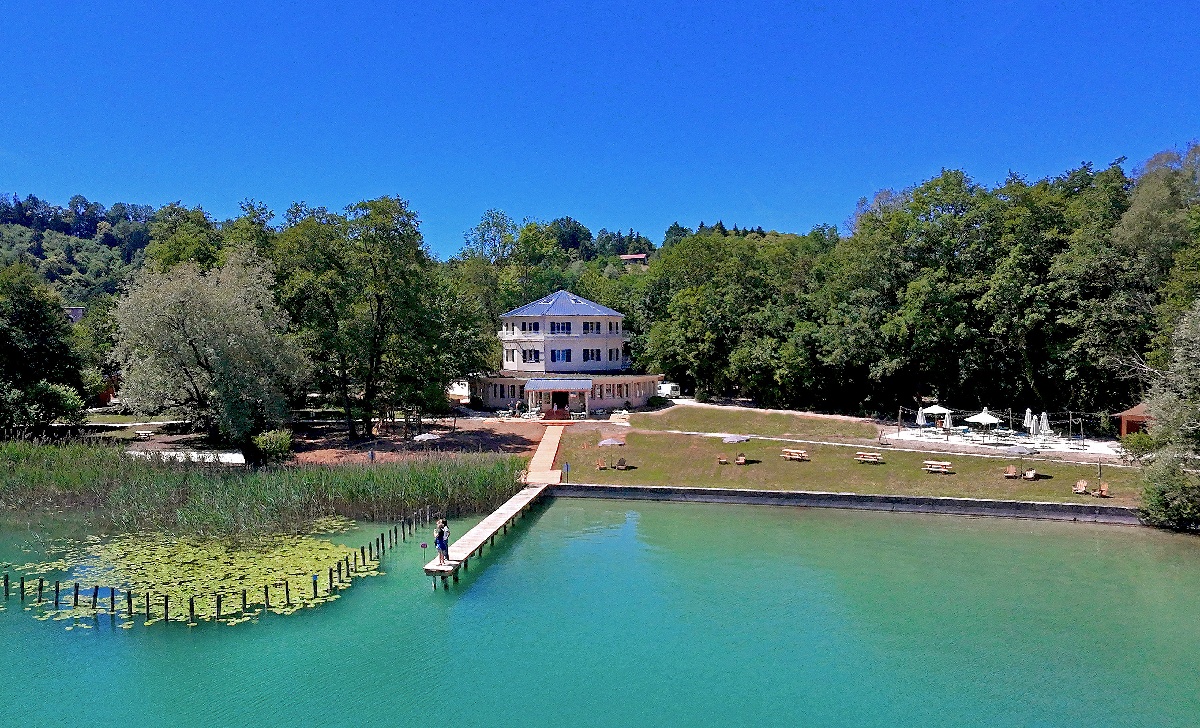
La Maison Ronde véritable lieu de vie du site - Photo Huttopia

Impossible de manquer la Maison Ronde. Entièrement rénové, cet ancien hôtel accueille aujourd’hui la réception du domaine ainsi qu’un hôtel 3 étoiles de 13 chambres climatisées.

C’est également le véritable lieu de vie du site. Les vacanciers viennent y récupérer les clés de leur hébergement, demander des conseils sur les activités à découvrir autour du lac ou simplement profiter d’un moment de détente. C’est ici aussi que les vacanciers peuvent commander pains et viennoiseries pour le petit-déjeuner du lendemain.

L’intérieur est particulièrement réussi. De grands espaces offrent une vue panoramique sur le lac d’Aiguebelette. On peut s’y installer pour boire un café, lire, jouer au baby-foot ou partager quelques jeux de société. Une petite épicerie de dépannage permet également d’acheter quelques produits locaux ou les indispensables du quotidien sans quitter le domaine.

À l’extérieur, le jardin, les fauteuils relax en bois et les pontons invitent à la contemplation.


Amenities and Activities


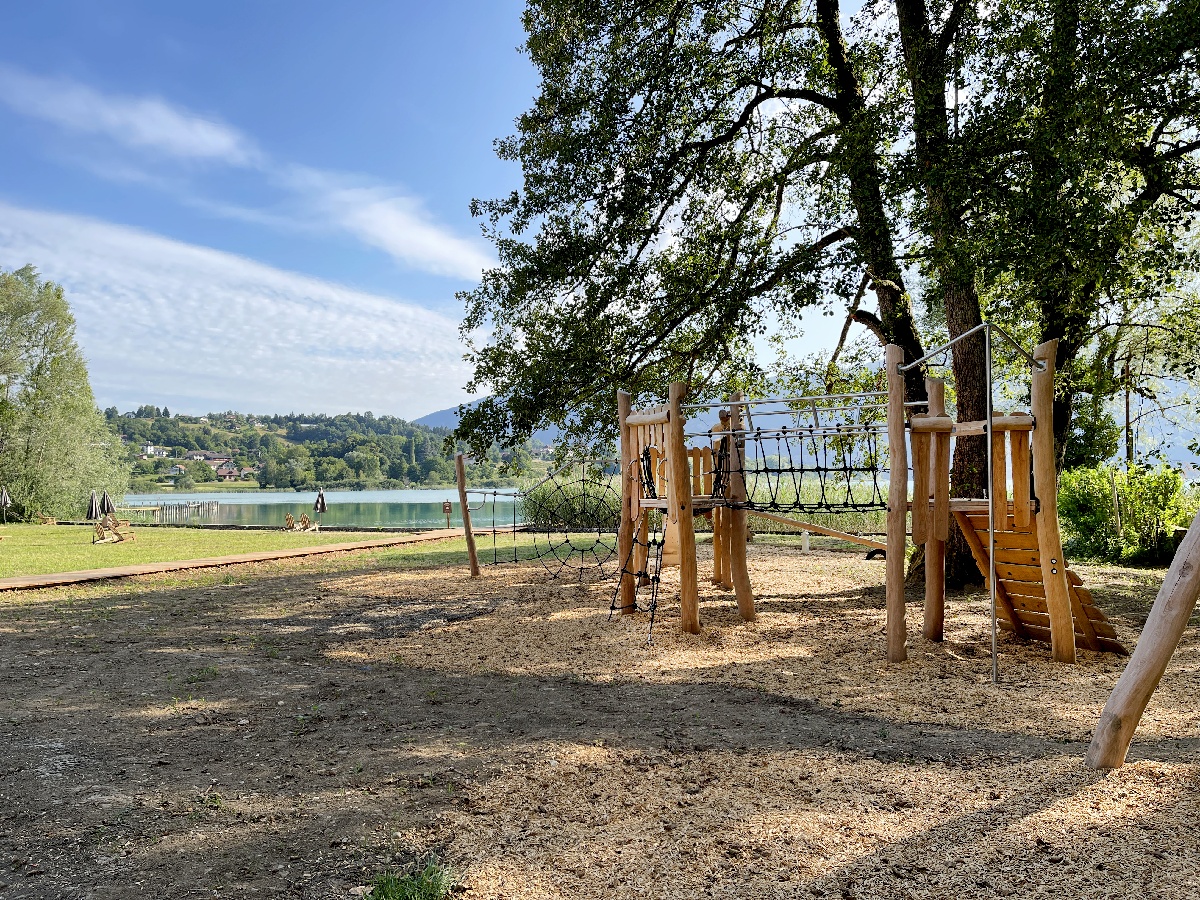
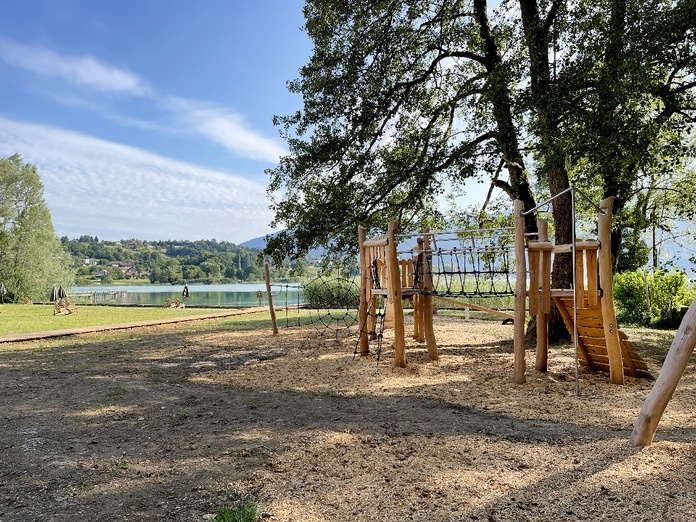
Les jeux pour enfants situés dans un espace ombragé - Photo Huttopia

Several facilities are freely accessible during the stay.

Children enjoy a shaded play area while the more athletic guests have a football pitch, a volleyball court, a pétanque court, a ping-pong table, foosball, and a dedicated space for cornhole, this skill game from North America.

But the true star remains, of course, Lake Aiguebelette. Thanks to its direct access, it’s impossible to resist a swim after a day of hiking or simply to cool off during hot spells.

Kayaks can be rented directly on site. But many visitors arrived with their own paddleboards. Access to the lake is a real plus, knowing that the beaches around Lake Aiguebelette are not free.

During our stay, many families with children were able to enjoy swimming on the grassy beach. Just a couple of steps, and your feet are in the water.


Huttopia Domaine du Lac: Rates

Kyushu, Japan: A Nature Haven to Find Peace Away from the Crowds

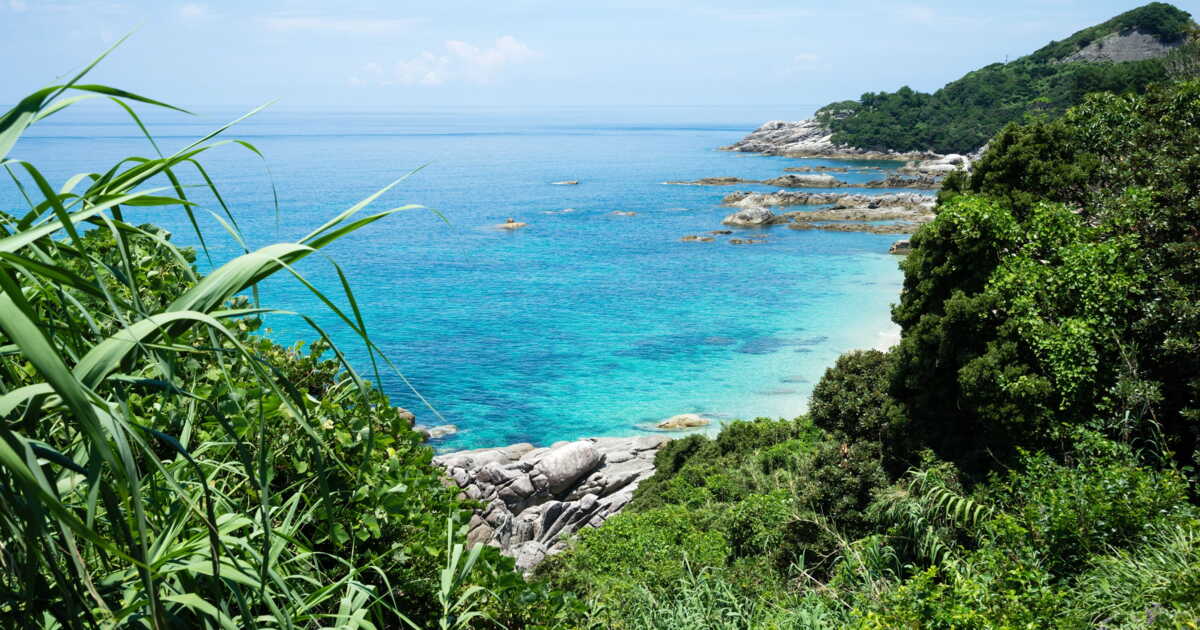
In Fukuoka, the main city of Kyūshū, a kite-shaped, large island far to the south of Japan, one strolls along the canals and through the quiet temple alleys bordered by blooming hydrangeas. One takes the bus to bathe at one of the numerous sandy beaches facing the Korea Strait, or to pick amaou (the queen of the local strawberries) in the surrounding farms. One orders an iced coffee on a terrace – a rarity in Japan. And in the evening, one sits down at the micro-counter of a yatai, that kind of ambulant restaurant once widespread across the country, of which the city is now the last bastion.

A Sweetness Born in the South

Fukuoka, home to 1.6 million inhabitants, shares many traits with other Japanese megacities: the same climate-controlled malls, the same glass-and-steel buildings, the same flurries of salarymen rushing at the giant star of the intersections. Yet there is something different here. A particular ease of living, a kind of southern hedonism that invites you to slow down. A feeling you do not experience anywhere else in Japan.

The impression grows as one explores the rest of this island the size of a French region. Volcanoes cloaked in azaleas, vast cedar forests, soothing hot springs: Kyūshū cultivates a lifestyle that is more relaxed and nature-oriented than Honshū, its bustling and highly urban neighbor. Around Fukuoka, a theatre-like amphitheatre of mountains glitters at the city’s edge. It is visible from every building, as soon as one reaches the tenth floor. A foretaste of the vast spaces the island has to offer. To dive into them, head to Hakata Station, the great rail hub where Shinkansen (the TGV) from the north arrive. From here, all of Kyūshū is accessible via a network of around thirty lines and 2,500 km of tracks. The moment you gulp down a tonkotsu ramen (noodles in pork-bone broth), slide, full and content, into a train, and watch another Japan roll by behind the window. First stop: the Yame region, one of the cradles of Japanese tea.

From Yame to Arita

A Campaign in a Cup of Tea

“Hô-hokekyo !”, cries the uguisu, the Japanese nightingale, as if to warn Mrs. Fumiko that visitors are entering her garden. Lace apron and smartphone in hand, the hostess awaits us with a firm footing anyway. “Call me Grandma Fumi, says the septuagenarian through her translation app. Today, we will prepare dago soup.” For the rest, Fumichan relies on gestures. She guides unfamiliar tubers into our fingers, grips our wrist to ensure the knife is held properly. She has us slice the gobo (burdock) and the daikon radish; loosen miso into broth, drop in dumplings; pour the rice washed three times into the hakama, a cast-iron pot fueled by wood. And while all this steams and smokes, she sits with us on the porch to chat.

The rain hammering the tiles finally wakes the frogs. A misty cotton-like veil rises from the mountains, disguising the cypress-topped pompoms as steam-breath broccoli, while bowls carry the herbal scent of shincha, the new tea. “I started welcoming tourists twenty years ago, explains our host. At first, Japanese who wanted to rediscover rural life. Then Koreans, Taiwanese, Chinese. In recent years, I’ve seen more and more Americans, and even Europeans!” Although accessible by train and then bus from Fukuoka, the village of Hoshino, with its trout streams and terraced rice fields, is far from having a place on the world tourism atlas. Yame, 60,000 inhabitants, 30 km away, is somewhat better known: it is one of the most prestigious centers of green tea production in Japan. One stops there in a traditional house, three tatami rooms, with neighbors including a deserted Shinto shrine, a sacred camphor tree, and a neighborhood restaurant.

The Delicate Art of Arita

The next day, heading west, we go toward Arita, cradle of Japanese porcelain. In the 16th century, the discovery of a kaolin deposit—the clay that forms this precious ceramic—changed the town’s fate, and it began exporting white-and-blue tableware to Europe via Nagasaki’s Dutch trading post. Sakaida Kakiemon, the fifteenth in line, continues the craft of master ceramicist in one of the town’s oldest kilns, founded by his ancestor around 1640. “The Kakiemon clan developed its own style and techniques, such as nigoshide, a milky-white porcelain that is very difficult to fire”, explains Takami Ishii, who leads us through the workshop. He then takes us to the tea house and seats us opposite the garden to taste a red bean pastry in a porcelain piece adorned with a trompe-l’œil kaki. The wind rises, softening the cloud-pruned trees and the wild cedars into a single rustle.

On the Way to Shimbara

Gas in the Water

In Kyūshū, the grand affair is the onsen, natural hot springs. Located just west of a zone where two tectonic plates converge, the island experiences intense geological activity, even by Japan’s famously turbulent standards. This tremendous underground boil brings thousands of hot springs to the surface. In Beppu, on the northeast coast, there are 3,000, or about 10% of the national total! Rather than join this spa town, one of the region’s few tourist hotspots, we head south. A train and then a bus from Fukuoka take us to Ureshino-onsen, renowned for its alkaline waters, which presents a deliciously nostalgic charm. The Siebold no Yu, its public bath topped with orange tiles, has the look of a Bavarian church mingled with Taishō Romance, the Japanese Belle Époque style. Around it, a string of ryokan (traditional inns) offers all the ways to take the waters, from the rotenburo, outdoor bath, to that odd establishment where you steep like a tea bag in giant cups.

The Infernos of Unzen

Leaving the fog of the saunas behind, we board a bus at Isahaya Station, the last big town before Nagasaki. Two sleepy schoolgirls, quiet elderly folks, a couple of Australians and their big backpacks… The vehicle is nearly empty as it climbs toward Shimabara Peninsula. After a stop along the Tachibana Bay coast, at Obama-onsen, another spa town where baths are taken with towels featuring the image of the American president (the naming coincidence is purely accidental), the bus winds up a hairpin road and deposits us in the middle of a field of fumaroles. “Welcome to Unzen-onsen!” exclaims Emanuele Carloni amid the smells of rotten eggs. In Japan, we call this jigoku, after the Buddhist hells. The guide, from Bologna, Italy, points to plumes of gas escaping from rocks yellowed by sulfur, rimmed by bubbling pools. When you know that during early 17th-century persecutions Christians were thrown here, the term takes on another connotation.

After we pass through the doors of hell, the Italian guides us along the paths of paradise, to the heart of a grove of cherry trees where, carved into the rock, the blissful face of a Buddha meditates. Then up the slopes of Mount Unzen, responsible for these malignant emanations. Covered in the cherub-pink of wild azaleas, the lava dome gleams like a celestial vision. After a night beside a jade-colored lake, we descend by bus to Shimabara, a town lulled by the heat of late May. Under the indifferent gaze of a master, middle schoolers sketch in their drawing pads the town’s grand white castle and the dragonflies that hover around its moat. Others swing baseball bats or wander the samurai district, greeting processions of koi in the clear-water channels. An ordinary Sunday in the shadow of the volcano.

From Kumamoto to Aso

The Little Caldera Train

Dressed in black-and-white like a dalmatian, with panoramic carriages: the beast waiting on the platform at Kumamoto Station, the western coast’s great city, is one of Japan’s many “special trains” of which the country is proud. These sightseeing cars are a fantastic way to see the country at leisure. With its mascot, Kuro, a mischievous mutt who peeks out from doors to curtains to the ball-pit in the kids’ car, the Aso Boy covers the 49.9 km to its terminus in exactly 1 hour 30 minutes. So be it. We sit in front of a matcha in the lead car, watching watermelon fields and the first rises of the island’s center roll by. After a few kilometers of gentle ascent, the train enters a gap in the caldera of Aso. Formed by eruptions between 300,000 and 80,000 years ago, this colossal crater hosts one of the country’s most active volcanic complexes. The subterranean risks (in 2016, a quake here claimed dozens of victims) do not stop nearly 50,000 people from living there and farming their fields and rice paddies, the train weaving through them.

On the Kumamoto station’s platform, Nathalie Chauveau waits beneath the bronze statue of a One Piece pirate — Eiichiro Oda, the author of the celebrated manga, has just arrived from Kumamoto. Rather than sprinting with tourist coaches toward the volcanic dome, the guide proposes exploring by bicycle the rolling hills around the caldera, like Auvergnat uplands that moor along the caldera’s rim. “They’re covered with pastures that have existed for millennia and that the inhabitants continue to maintain,” she says, as the wheels of our mountain bikes slip on the soft grass. Married to a native of Aso, the Belgian guide herself shares the duty, like all locals, to clear each winter by fire one of the patches where sheep, cows, and horses graze, to prevent it from being overtaken by trees and bamboos. As evening falls, we find ourselves almost alone on the road up toward the volcano. Access to the crater and its acidic lake is impossible at the moment, too dangerous. No matter. The real treasure is around us, in this apple-green carpet undulating beneath the hooves of equines, and in the mosaic of rice paddies that, at the bottom of the caldera, reflects the sky like the lens of a telescope.

Around Kagoshima

The Ash and the Fireflies

A crescent-shaped bay guarded by a volcano, shaded boulevards of palm trees, and hot nights where sweaty strollers swallow smoky eggplants on wood-fire, grilled octopuses, and all the sea’s imaginable fruits. Kagoshima, the southern capital, has not robbed itself of its nickname “Naples of the Orient.” At dawn, along Napolidori (“Naples Avenue,” the two cities having been twinned since 1960), partygoers in suits sleepily drink their shakōshū in the street, the sweet potato liquor that the region is a major producer of. If you look closer, their shirts, like the street’s cobbles, bear a fine gray film blown into clouds by taxi wheels. Those are the ashes Sakurajima, the local Vesuvius, has spewed all night and that settle on the city, stinging the eyes of passersby.

On a ferry that takes fifteen minutes to reach the island where the volcano rises, one understands, in the black plume that crowns it, that the giant isn’t in a good mood today. “The alert level is 3 out of 5, with a prohibition on approaching the crater. That sounds impressive, but it’s far from the great eruption of January 11, 1914, when fiery clouds devastated the entire landscape!” assures Rento Oshikawa, persuading us to hop onto a bike and go a little closer. A native of the volcanic island, the guide wants to show both faces. To the east, a stark, mineral landscape, scored with ancient lava flows. To the west, the lushness of forests inhabited by birds and of greenhouses where giant radishes and komikan, a tiny mandarin, grow.

Samurai and Fireflies

But let’s leave Sakurajima to its moods and seek a touch of coolness. From Kagoshima’s central station, one can easily multiply excursions into the surrounding countryside. Taking another small wooden-trimmed train that heads to Ibusuki, a spa town famous for its warm sand baths, its mangoes, and its katsuobushi (smoked and dried bonito). Or boarding a bus to Chiran, the former fief of the Shimazu clan, the warrior family that once ruled the region. In the samurai district, a warm drizzle lifts scents of lilies and damp straw. There one wanders alone, along straight avenues flanked by hedges trimmed at right angles and gateways opening onto zen gardens. Further on, a wooden house turned museum recalls that Chiran was during World War II the main launch base for kamikazes. It is here that Madame Torihama served their last meals to these boys barely twenty years old, who had been given a rapid, yet sufficient training to take off but not to land. At nightfall, rather than yielding to the noisy lights of the izakaya (neighborhood bars), one prefers the calm of a stroll by a brook. In the dark, a slight vibration: a swarm of hotaru (fireflies) flitting branch to branch makes the undergrowth flicker with tiny lanterns.

On Yakushima Island

The Gorge of Misty Water

Sprinkled with a motif of a flying fish, the hydrofoil speeds from dawn toward Yakushima, an island about a hundred kilometers south of Kagoshima. Less than two hours later, one lands in a tropical humid pocket of Japan that feels a bit apart. A near-perfect circle, the proverbial humidity (they say it rains here 35 days a month), mountains housing a biodiversity unique to the country, including the oldest cedar trees, 150 bird species, 16 mammals, including four endemics, like the yakushima deer sika… “Two sea turtles also come to lay eggs on our shores: the green turtle and the hawksbill. For the latter, Nagata Beach is the main nesting site in the North Pacific”, details Hirofumi Ueda of the local NGO Umigame Kan, which works toward a harmonious coexistence between tourists and marine life.

But the attraction here is not sunbathing on the sand. The main draw is the thick forests at the island’s center and their primal sylvan atmosphere. Rescued from mass clear-cutting in the 1970s, they inspired Hayao Miyazaki’s scenery for his film Princess Mononoke. They also host a multitude of hiking trails. The best known leads to Jōmon Sugi, a venerable cedar believed to be between 2,000 and 7,000 years old. But many trekkers also head to Shiratani Unsuikyō (the “Gorge of the Misty Water”), high up on the island. After ten kilometers of bouncing along a road whose edge is peopled by unafraid macaques, a bus drops us where the asphalt ends and the trails begin. There we progress sometimes on wooden platforms, other times on stone and root paths. The gnarled trunks of the sugi (cedars), the vines clinging to the branches, the boulder-strewn ravines: all are shrouded in moss, forming a verdant taffeta in infinite hues. At the end of a final ascent, a granite block juts out of the vegetation and reveals, at our feet, an impenetrable jungle. One must pull from one’s bag the onigiri (rice ball wrapped in seaweed) carried along to break bread and remind oneself that yes, we are indeed in Japan.

The Volcano Islands, Unhurried

Get around without a car

By train: besides the very efficient Shinkansen (the TGV) linking Fukuoka to Nagasaki and Kagoshima, there is a solid network of regional trains. And about ten themed tourist lines. JR Kyūshū, the company that runs almost the entire rail network on the island, offers passes that let you board all these trains at will. jrKyūshū.co.jp/english

By bus: on this mountainous island there is always a small bus to reach places where the rails do not go. If you’re not in a hurry (the journey takes time, with many stops), they’re an excellent way to see the country at low cost. For etiquette: board at the back, and when you disembark, you free yourself from the price of your trip. Bring change!

By boat: to cross a body of sea or to reach an island, this is sometimes the best, even the only, solution. For short journeys, choose regular and inexpensive ferries. For longer crossings, other options are better, notably the hydrofoil, toward Yakushima.

Getting there

The Japanese carrier ANA offers daily flights between Paris and Tokyo and easy connections to Fukuoka Airport, one of the closest to a city center in the world. The best way to begin exploring without wasting time. Paris–Fukuoka flights from 1,200 euros, ana.co.jp/fr

Make the most of your trip

The right partner: for more than twenty years, the agency Les Maisons du Voyage has been assisting GEO in its reports. Their intimate knowledge of the terrain made this Kyūshū exploration possible. Workshops on Arita porcelain, the Aso caldera, Chiran’s samurai houses, Unzen’s fumaroles… Their Japan specialists can tailor a route following our reporter’s steps. A rail-based itinerary with three nights in a ryokan to explore southern Japan at your own pace. Circuit of 15 days and 13 nights, from 3890 €. 0140519515 maisonsduvoyage.com

Before you go: for practical advice or general information on how to travel in Japan, the Nippon Tourist Board site is a goldmine. japan.travel/fr/fr/

Local guides

– Fukuoka. Based in Hakata, the local Freya agency offers guided tours and activities throughout Fukuoka Prefecture.

– Unzen. For a guided “hells” visit, ideas for things to do in the area, or lodging options, contact the local tourism office.

– Aso. The French-speaking guide Nathalie Chauveau will guide you through the caldera’s must-sees and secret places.

– Kagoshima. To venture along the slopes of Sakurajima and discover the island’s many facets, opt for an electric bicycle tour guided by Rento Oshikawa

Directory of addresses

– In Hoshino-mura. Local cooking courses and homestays—courtesy of the charming Fumi-chan. A wonderful way to discover rural Japan.

– In Yame. More than a hotel, Rita offers stays in traditional, comfortable homes, with a key handed to you on arrival.

– In Unzen. For a night in a ryokan with traditional kaiseki dinner and hot baths in volcanic waters, choose this institution by a pretty lake, close to the town’s main sights.

➤ Article appeared in GEO HS magazine No. 134, “Great Escapes at a Slow Pace,” August-September 2026.

➤ Do you love GEO? Then to miss nothing, discover our subscription plans to receive GEO at home every month with ease.
Gorillas, Elephants, and Wild Nature: An Exceptional Congo Safari

At the heart of the Congo Basin, one of the planet’s largest intact tropical forests, many regions still elude the attention of travelers. In the eastern part of the Republic of the Congo (not to be confused with the DRC), Odzala-Kokoua National Park unfolds a mosaic of ecosystems where dense forests give way to swamps, savannas, and rivers. Founded in 1935, it ranks among Africa’s oldest national parks and shelters an outstanding biodiversity.

To explore this natural sanctuary, we followed the itinerary proposed by Kamba Africa through the agency Privileges Voyages, designed for very small groups, traveling through three lodges with distinct atmospheres: Ngaga, Lango, and Mboko. These three camps are the only privately owned tourist concessions allowed inside the national park. Created to minimize the impact on this exceptional environment, the stays also help finance research and conservation programs conducted with scientists and local communities.

During several days, we explored these wild landscapes alongside trackers and guides, discovering iconic fauna—from plains gorillas to forest elephants—within a territory where tourism remains closely linked to nature protection.

Ngaga, in the intimacy of the Western lowland gorillas

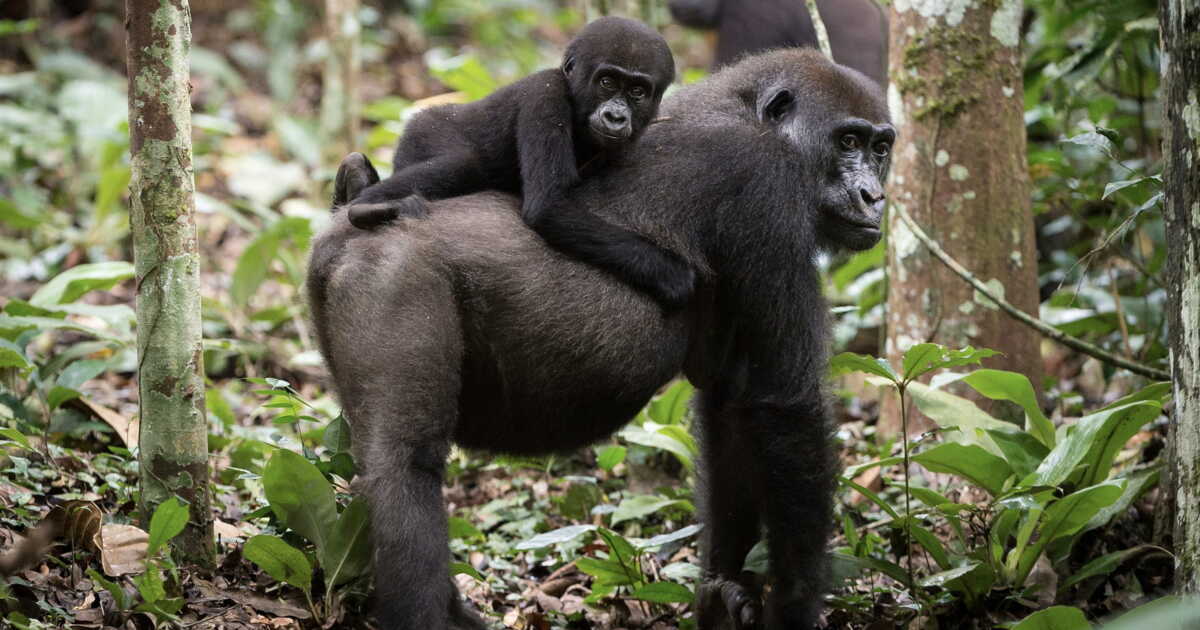
It is at the end of a dirt road, after several hours’ drive from a small airstrip, that Ngaga emerges into the heart of the forest. The lodge comprises just six comfortable wooden bungalows scattered beneath the canopy, spaced far enough to feel as if you are alone in the world. From the terrace of the main pavilion, the sounds of the forest replace any sense of human presence: birdsong or the rustle of leaves mark the days, while monkeys sometimes cross the treetops above the visitors. It is also the only one of the three lodges entirely devoted to observing the Western lowland gorillas.

This lodge grew from a meeting between scientific research and conservation. At its origin lies the research station established at Ngaga by primatologist Magdalena Bermejo, who has studied for years the populations of Western lowland gorillas in the region. On discovering this work, Sabine Plattner, founder of Kamba Africa, chose to support the research and to transform the former scientific camp into a lodge that allows visitors to approach these great apes while financing conservation efforts, research, and support for local communities.

At Ngaga, the main objective is therefore clear: to follow the Western lowland gorillas on two treks. Guided by local trackers who know every corner of the forest, visitors move slowly beneath the trees, searching for signs left by the animals. A broken branch, tracks on the ground, or remnants of a meal can reveal their passage.

Here, the encounter is made possible through a long habituation process carried out over several years by scientists and trackers. The three gorilla families that visitors may observe have gradually learned to tolerate human presence, without their behavior being altered. This approach allows gorilla studies while minimizing disruption.

“This is probably the most privileged place for Western lowland gorillas”, explains Nicolas Lenz, a 32-year-old French naturalist guide. The stand of marantaceae surrounding Ngaga provides a particularly favorable habitat. These abundant plants supply much of their diet with leaves, fruits, and mineral-rich roots. They also offer ideal sites for building their nests each night. This abundance partly explains the high gorilla density observed in this area, with up to five individuals per square kilometer according to estimates.

To approach them, trackers use a surprising method developed by Magdalena Bermejo. They wield pruning shears to cut leaves as they move through the vegetation. This cue lets the gorillas understand that a peaceful presence is approaching, helping prevent them from being startled by a group that might suddenly burst into their environment. A gentler alternative to machete use, which helps preserve the calm of animals long threatened by hunting.

View this post on Instagram

Lango, the realm of baïs and forest elephants

A radical shift in atmosphere as you reach Lango. Here, the forest opens up to reveal a vast mosaic of landscapes: open swamps, flooded forests, savannas, and dry forest patches.

The arrival sets the tone. After a kayak crossing and a trek through tropical forest and swamps, the six spectacular bungalows rise on stilts along the vast baï (a large swampy clearing rich in minerals located at the heart of Africa’s Central African rainforest), which has earned the site its fame. Connected by wooden walkways, they overlook this flooded clearing where animals come daily to feed, offering an exceptional window onto wildlife. From the restaurant or the lodge terrace, it is not uncommon to observe forest elephants, buffaloes, sitatungas, and numerous birds, sometimes just a few tens of meters from the guests.

One of the standout experiences offered here is the baï walk: a trek through water, sometimes up to the waist, in the heart of the wetlands. An activity unusual for a classic African safari where observation usually happens from a vehicle. Here, guests walk through the marshes on foot, guided by the rangers, to understand how this unique ecosystem functions.

“The lodge sits at the heart of a mosaic of connected habitats”, explains Nicolas Lenz. These connections are ensured in particular by the famous “elephant boulevards”, trails carved over the years by the repeated passage of pachyderms. These corridors clear the vegetation and enable other species to access certain zones.

Forest elephants are the masters of the place. Odzala-Kokoua National Park is said to shelter between 10,000 and 12,000 of them. Their presence literally shapes the landscape, as they disperse seeds, modify vegetation, and create passages used by other animals. To begin with, the numerous forest buffalos frequent open areas, while the red river pigs (bush pigs) play a crucial role in the ecosystem by turning over soils and aiding the decomposition of resources.

With luck, visitors may also glimpse the bongo, a large antelope particularly suited to swampy terrains. “It’s one of the most colorful antelopes in the world, and the largest and heaviest of all African forest antelopes, yet extremely difficult to spot”, notes the guide.

Bird lovers are not left out: the park is home to between 400 and 500 species, including the Gabonese gray parrot, long a victim of international trafficking due to its remarkable mimicry and communicative abilities.

Mboko, between river, forest, and unexpected encounters

Final stop of the journey: Mboko. Located at the crossroads of savanna and forest, along a tributary of the Lékoli River, it offers a unique setting to discover the park’s varied landscapes. The lodge provides comfortable wooden-and-fabric tents with a view of the river. From the main pavilion facing the savanna, guests can again enjoy close proximity to wildlife, with hyenas sometimes visible from the terrace.

Here, water becomes the connective thread of exploration. Indeed, from Mboko depart kayaking and boat excursions, a tranquil way to observe the landscapes and the abundant wildlife from a different vantage point.

The river also holds surprises. In certain areas, forest hippos seek refuge in small pools right in the heart of the forest. “When conditions are favorable, you can go to the riverbank and watch them”, says Nicolas Lenz. It’s a rare scene because, unlike their river-dwelling cousins, these hippos spend a significant portion of time in a forest environment.

At Mboko, some observations require mainly patience. Chimpanzees frequent the lodge’s surroundings, but spotting them is another story. Much more agile than gorillas, they race through the forest, avoiding human presence. Guides listen for their vocalizations to anticipate their movements, with no guarantee of joining them before they vanish into the dense undergrowth.

The forest also shelters species whose discretion is their best defense. This is the case of the African golden cat, a feline so elusive that even guides rarely see it. “Their biology is to remain unseen”, sums up Nicolas Lenz. Otters also inhabit the park’s rivers, but their appearances remain equally unpredictable.

Across Ngaga, Lango, and Mboko, Kamba Africa thus offers three entry doors to the same territory: the Congo Basin. An exploration that reveals how, in this still-preserved corner of Central Africa, travel is less about ticking off a list of animals and more about learning to observe an entire ecosystem.

Informations pratiques

Gorilla Safari by Kamba in the Republic of the Congo

  • 10 days / 8 nights
  • Flights Paris / Brazzaville / Paris in economy class
  • Brazzaville / Mboko / Brazzaville by private plane
  • 8 nights’ accommodation: 1 night at Hilton Brazzaville, 3 nights at Ngaga Lodge, 2 nights at Lango Lodge, and 2 nights at Mboko Lodge
  • Park entries and 2 gorilla permits per person
  • All activities: cruise at Mboko Camp, kayak safari, daily guided hikes, meeting with communities…
  • Meals and drinks (wines, beers, and spirits)
  • All ground transfers between airports and lodges
  • Guided visit of Brazzaville before boarding the plane
  • Airport assistance

Informations et réservation :

Privilèges Voyages

46 avenue Marceau – 75008 Paris

01 47 20 04 76

Unprecedented Underground Nature Reserve Will Soon Protect Ariège’s Treasures

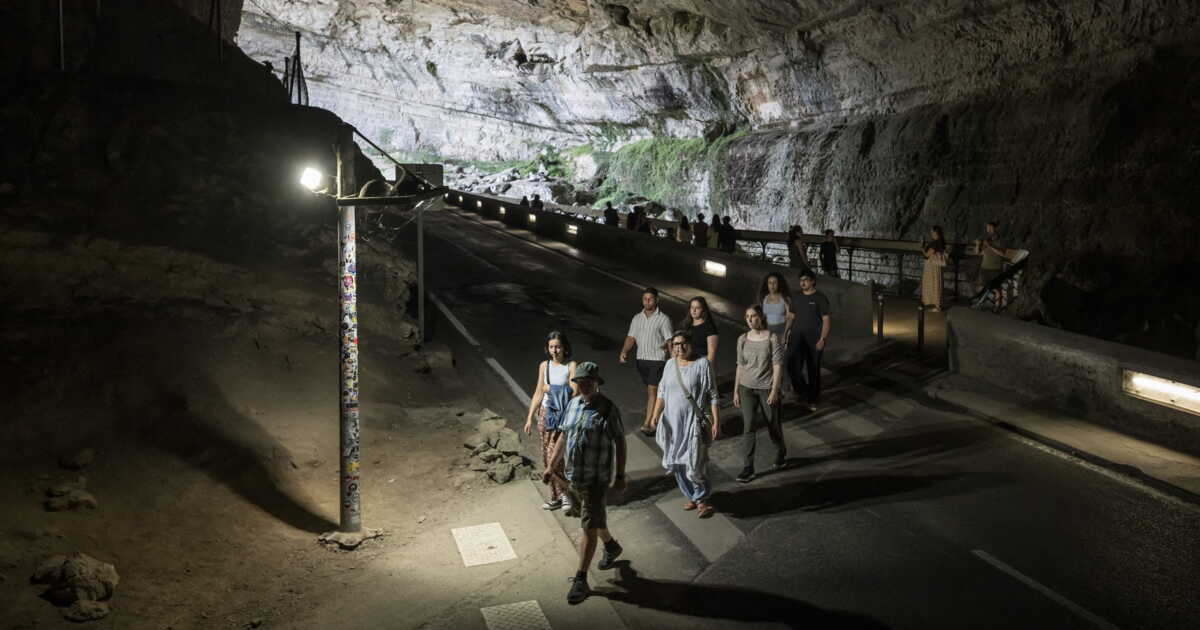
An unprecedented underground national nature reserve, bringing together around thirty caves, is set to be created in the Pyrenean department of Ariège by 2027 to better protect these caverns, showcase them, and facilitate research there.

The project, conceived in the early 2000s, was relaunched in 2019 as part of the national strategy for protected areas, which mainly aims to classify “30% of the national territory under protection,” the prefecture notes.

A reserve to protect and reveal an exceptional underground heritage

The objective of this forthcoming Ariège Underground National Nature Reserve will be to “valorize and protect” the department’s “cavernous wealth”, which is stated to be “not sufficiently showcased”, explains to the AFP the sub-prefect in charge of the file, Sophie Pauzat. The project should also allow the public to gain a better understanding of these 29 caves, spread across 32 communes and “which are known only to specialists, particularly scientists and speleologists”, she says, adding that “If used well, it could have an attraction effect to make Ariège known.”

Among the sites involved is the emblematic Mas d’Azil cave, “exceptional from a geological standpoint as it is absolutely monumental”, described on site by Anne-Sophie Gimeno, head of caves at the Ariège Service for the Exploitation of Tourist Sites (Sesta). “It’s a force of nature”, whose main gallery “stretches to about 420 meters” and which shows traces of human occupation “between 40,000 years and 14,000 years before today”, she notes. Explored starting in 1887 and classified as a Historic Monument in 1942, this cave has become an Ariège attraction, drawing tens of thousands of visitors each year.

Between local concerns and major scientific stakes

The mayor of Mas d’Azil, Raymond Berdou, who says he hopes to raise the annual visitor count to 50,000 thanks to the reserve, nevertheless expresses concern. “This is a project that the State wanted to push fairly quickly (…) with, in my view, a lack of consultation”, says the mayor, who also serves as vice-president of the department in charge of culture. He worries especially about the “significant constraints” that incorporating the caves into this reserve could place on surrounding activities, such as bungee jumping or fireworks in relation to the cave in his commune. These fears led the departmental council to issue an unfavorable opinion during the public inquiry.

“Existing activities will continue to take place”, reassures Ms. Pauzat. “What often scares people is thinking, ‘we create reserves and then we won’t be able to do anything.’ It’s much more nuanced than that.” The reserve will also aim to support scientific research, for example in the Moulis cave-laboratory, set up by the CNRS in 1954, where researchers try to “understand how cavernicolous species manage to adapt to this particularly harsh environment due to the constant darkness”, details Olivier Guillaume, CNRS research engineer and technical director of the station.

Global warming is felt even underground

The caves of Ariège thus shelter bats, amphibians such as the calotriton, as well as insects or spiders. “Underground biodiversity is rather poorly known”, notes the researcher, and the reserve “will provide an ideal framework to develop educational activities, to better explain to the public the challenges of conserving subterranean species”, he says. In Moulis, researchers are also studying how, in the face of climate disruption, some species “are in the process of colonizing the underground environment”, which is becoming a kind of “refuge habitat”, describes Mr. Guillaume.

Même sous terre, où les températures varient peu au cours de l’année, le réchauffement se fait sentir “en particulier en ce qui concerne la disponibilité de la ressource en eau”, cruciale pour certaines espèces souterraines “très fragiles face aux changements de leur environnement”.

Après un avis favorable de la commission d’enquête publique en novembre 2025, le projet doit désormais être soumis pour avis consultatif à la Commission départementale de la nature des sites et des paysages, puis au Conseil national de la protection de la nature, et enfin au Conseil d’État, avant publication du décret au Journal officiel, “le plus rapidement possible au cours de l’année 2027”, selon Mme Pauzat.

Why Is the Vosges Tourism Boom Starting to Harm Nature?

“The massif is gradually being transformed into an amusement park!” On the summits of the Vosges, the influx of tourists worries environmental NGOs and threatens in places the quiet of protected wildlife, even if their visits are also a boon for the region. On this Sunday at the end of July, atop the Markstein massif swept by a cool wind, Dominique Humbert-Beretti points to the object of her ire: the large rail-mounted toboggan installed at more than 1,200 metres altitude.

This kind of equipment robs the Vosges of their naturalness, of their biodiversity and of their beauty, simply put, according to the head of the SOS Massif des Vosges association. Especially since the end of the Covid pandemic, the region has seen a rush of vacationers seeking nature destinations, mainly from the Grand Est, Île-de-France and Hauts-de-France, as well as from Germany, Belgium and the Netherlands.

Mass Tourism: Iconic Sites Under Pressure

“We host more than four million overnight stays each year, and when you add family or friends visiting, we approach ten million overnight stays; it’s a major lever at the economic level,” stressed last June the president of the Vosges Department Council, François Vannson. Tourism revenue represents nearly one billion euros. “In these times, one does not spit it out.”

But success has its downsides, when the famous Route des Crêtes is overwhelmed by sports cars, motorcycles, or lined with long queues of motor homes, and sites struggle to channel the flow of visitors. As for the Tendon waterfalls, which attract 120,000 to 130,000 visitors per year, i.e. almost twice as many as before Covid, the mayor Gérard Clément assures. Since 2024, the tourist offices have removed this site from their brochures to curb the influx.

When you are part of the instagrammable sites, that means you have little control, notes the mayor of the Hautes-Vosges commune of about 500 inhabitants. Besides the parking near the waterfall, he cites damage from foot traffic on the trails and by crowding. A visitation that is further amplified “by periods of intense heat”, when city-dwellers from Strasbourg, Colmar or Mulhouse come to breathe for the weekend.

Animals, collateral damage?

Wildlife also suffers. Not far away, in front of the Housseramont state forest, Louis-Michel Nageleisen speaks of a “continuous disturbance” of fauna. The culprits? “Blueberry and mushroom pickers, trail runners, or guides leading mountain excursions”, who do not always respect quiet zones for owls, lynx and other great capercaillies, laments the vice-president of the NGO Oiseaux-Nature.

The award-winning documentary “Le chant des forêts” by Vincent Munier, an ode to the Vosges’ wild nature, has also inspired image-hunting vocations, he tells AFP. These goings and comings can hinder the reproduction of species, in spring for birds, then in autumn for the deer, he warns.

New Solutions to Limit Tourism’s Impact

With the lack of snow linked to climate warming, ski resorts are turning to summer facilities – sleds, mountain-bike trails, or other group activities. The sector must develop a “quality tourism,” aimed at families, analyzes the president of the departmental council.

“We have a lot of people in the summer, it’s normal and fortunately because it’s what also keeps the territory alive,” notes Blandine Jonard, deputy director of the Gérardmer tourism office. And thanks to visitor counters installed since 2022 at the sites favored, the office can advise tourists in real time and offer an alternative when the place they aim for is saturated, she points out.

At Tendon’s little waterfall, things are going to change: from 2027, visitors will be able to park only in parking areas outside the site, from which they can reach it after a short hike. No more “two or three selfies or photos, then back into the car, and off”, says the mayor. All that is sought is “a somewhat gentler tourism, a bit more discovery, a quieter experience.”

Keyless Hotel in Los Cabos Invites Travelers to Embrace Nature

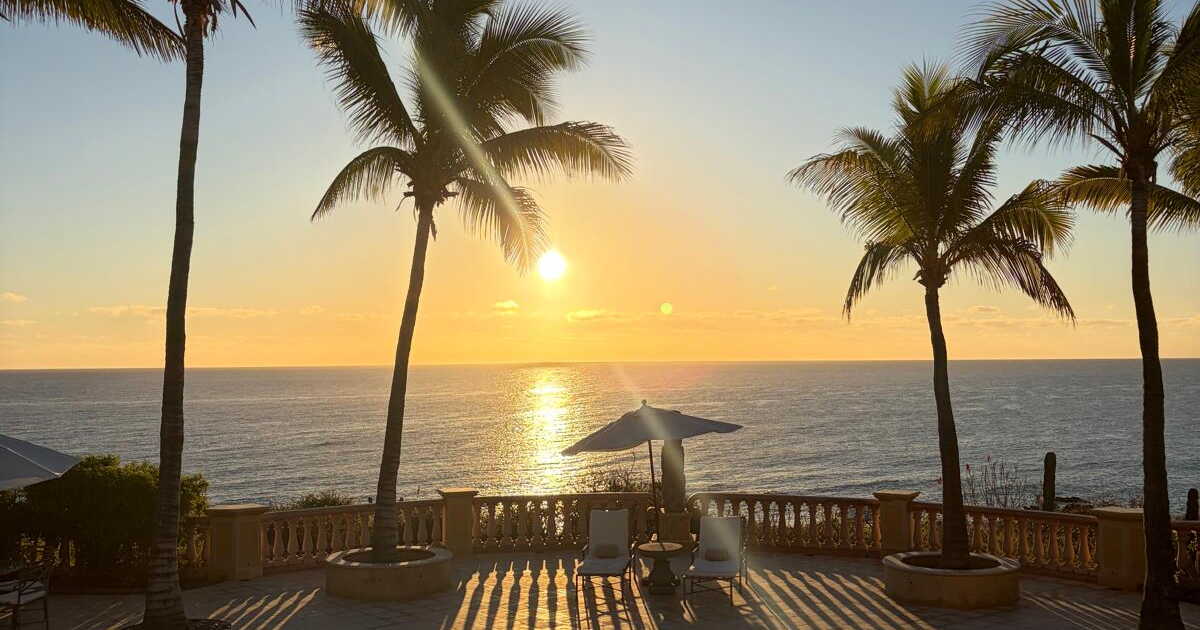
And you, could you sleep in a hotel room with no lock? In the Los Cabos region, on the wild coastline of Baja California, that is the experience offered by La Valise hotel. During a report conducted in February this year in Mexico, we discovered this discreet address tucked between desert and turquoise sea, far from the large resort complexes of Cabo San Lucas. Beyond its striking concept, the establishment also serves as a gateway to another facet of the Mexican state: wilder, more pristine and deeply oriented toward nature.

In Los Cabos, an unusual hotel amid nature

Lost between the desert and the Sea of Cortez, La Valise Los Cabos hardly resembles the properties that have built the region’s tourist reputation. The hotel, whose small buildings draw inspiration from Mexican haciendas and Mediterranean villas, comprises only nine rooms spread over a vast plot bordered by the sea, amid cacti and the dry vegetation characteristic of the East Cape.

Rwanda: Between Majestic Nature and Inspiring Encounters with Karibuni


A Small Country with Big Emotions

© Unsplash - Fabiana Rizzi

CroisiEurope


Easy to travel through, Rwanda allows a wide variety of experiences to be packed into just a few days. Quality infrastructure and reasonable travel times make it easy to combine nature, encounters, and adventure.

Kigali often serves as the first stop on the journey. Modern, green, and buzzing, the capital impresses with its cleanliness and a serene atmosphere. Between art galleries, trendy cafés, colorful markets, and the genocide memorial, the city offers a strong cultural immersion that is essential to understanding the country’s history and resilience.

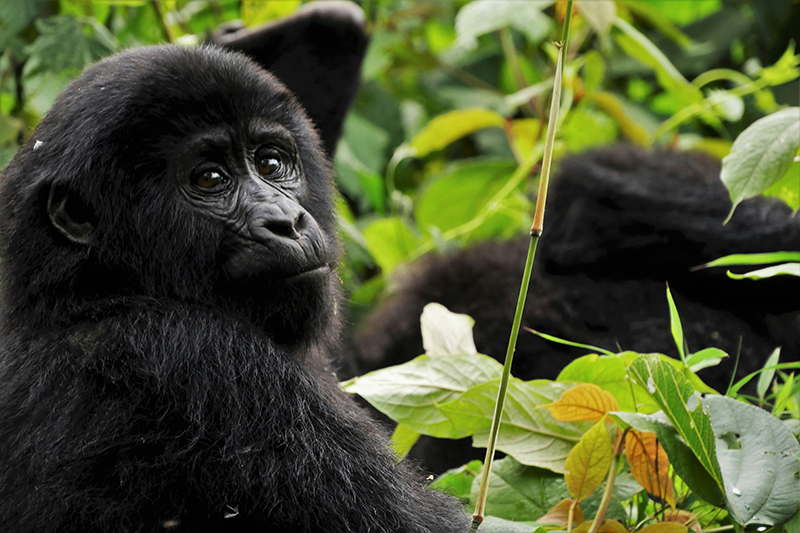
In the northwest, the Virunga mountains draw travelers seeking rare thrills. It is here, in Volcanoes National Park, that the famed mountain gorillas live. Trekking through the humid forest allows you to reach these emblematic families in their natural habitat. An intense, silent, and deeply moving moment.

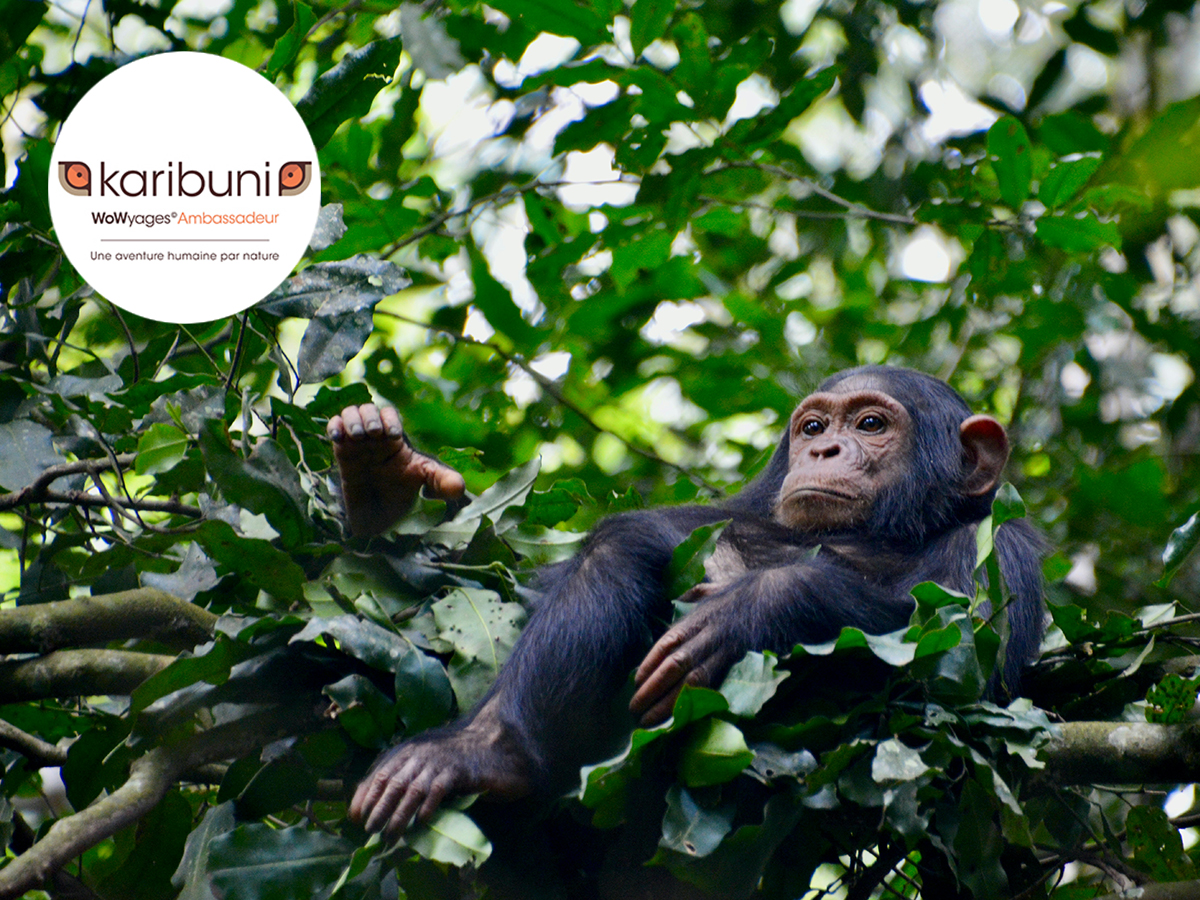
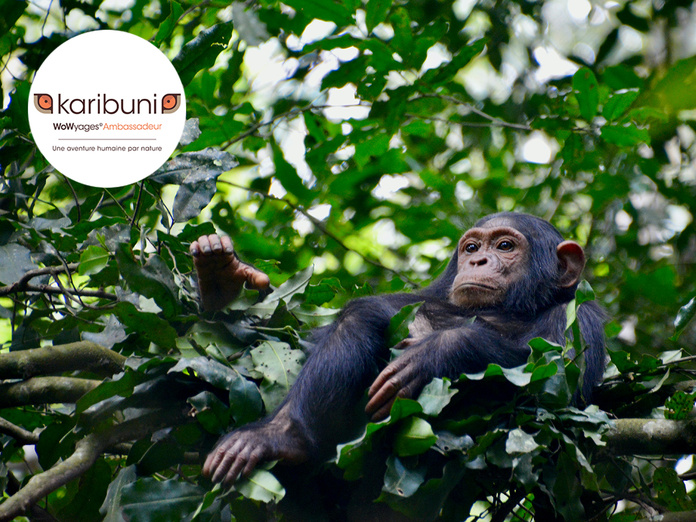
Further south, Nyungwe Forest reveals another face of Rwanda. This primeval forest ranks among Africa’s oldest and harbors remarkable biodiversity. One can observe chimpanzees, colobus monkeys, and endemic birds amid lush vegetation crisscrossed by suspended bridges and scenic trails.

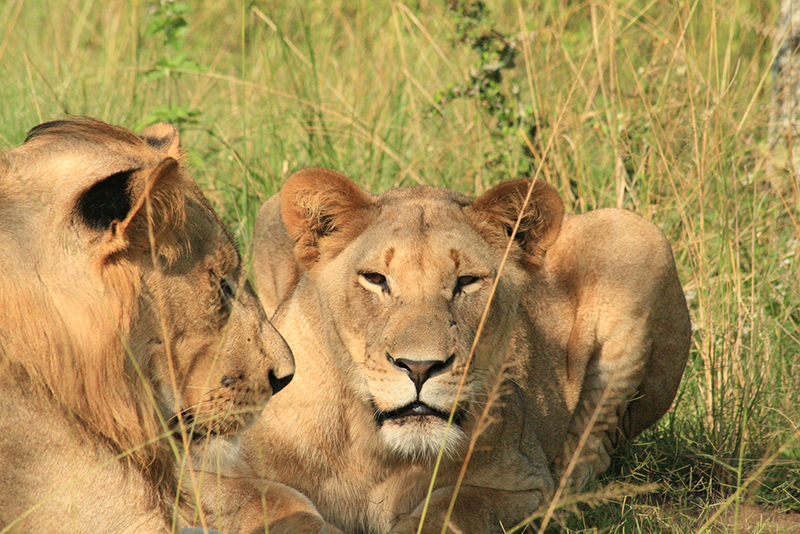
To the east, the ambiance changes completely. Akagera National Park offers a safari experience amid savannas, lakes, and rolling hills. Lions, elephants, giraffes, zebras, and rhinoceroses now roam within a restored ecosystem.

Finally, the shores of Lake Kivu invite a slower pace. Between coffee plantations, tranquil villages, and sunsets over calm waters, this region adds a soft, contemplative interlude to the trip.

Rwanda can be explored on its own or in combination with Uganda, Kenya, or Tanzania. It appeals just as much to nature lovers as to travelers seeking exclusive, meaningful experiences.


Encounter with Mountain Gorillas

Impossible to talk about Rwanda without mentioning the mountain gorillas. This unique experience worldwide stands as one of the most powerful moments of an African journey.

The trek starts early in the morning in Volcanoes National Park. After a briefing from rangers, small groups slip into a dense forest, among giant ferns, bamboo, and volcanic landscapes veiled in mist. The walk may last from one to several hours, depending on the location of the gorilla families.

Then comes the long-awaited moment: the encounter.

Just a few meters away, the gorillas move freely in their natural habitat. The youngsters play, the mothers watch over their offspring, while the impressive silverback observes visitors with calm. Silence falls almost naturally, as the moment feels almost unreal.

Far more than a simple wildlife sighting, this experience also raises awareness about protecting a species long threatened. Thanks to conservation programs and ecotourism, gorilla populations have progressively increased in recent years.

For travelers wishing to extend the experience, it is also possible to meet the golden monkeys or to ascend Mount Bisoke, famous for its spectacular crater lake.


© Max Christian - Unsplash


Kigali, a Creative and Inspiring Capital

Often regarded as one of Africa’s most pleasant capitals, Kigali truly deserves a dedicated visit.

Built on several green hills, the city blends modernity, culture, and a relaxed quality of life. Its peaceful atmosphere contrasts with the creative energy that pervades its neighborhoods.

Art lovers will discover a thriving cultural scene through contemporary galleries, designer studios, and spaces dedicated to local crafts. Markets plunge visitors into daily Rwandan life, with colorful fabrics, spices, and local specialties.

The Kigali Genocide Memorial is also a essential stop. This memorial, with sensitivity, recounts the history of the 1994 Tutsi genocide and illuminates the country’s path of reconstruction.

In the evenings, Kigali reveals a convivial and refined vibe. Contemporary restaurants, rooftops, and elegant cafés reflect Rwanda’s renewed energy.


Intimate Safaris in Akagera National Park

In the east of the country, Akagera National Park offers a safari experience still relatively free from the crowds.

Long fragile, this park has undergone a remarkable revival thanks to major conservation programs. Today, it again hosts the Big Five in landscapes blending savannas, marshes, and lakes.

The safaris unfold in a more intimate atmosphere than in other large African reserves. Elephants, buffaloes, giraffes, hippos, crocodiles, and a rich diversity of birds can be observed.

Boat trips on Lake Ihema offer another perspective on the local fauna, especially at sunset when hippos slowly surface from the water.


© Karibuni


Nyungwe, Immersion in the Heart of a Primary Forest

In the southwest of Rwanda, Nyungwe National Park immerses travelers in one of Africa’s oldest tropical forests.

This vast canopy hosts exceptional biodiversity with thirteen primate species, hundreds of birds, and impressive flora.

Hikes allow exploration of mist-veiled trails where the calls of chimpanzees and colobus monkeys echo. The experience becomes even more spectacular with the canopy walk, a suspended walkway above the forest offering vertigo-inducing panoramas.

Nyungwe is also favored for its profoundly calming atmosphere. Between tea plantations, hidden waterfalls, and rural villages, this region offers a gentler, more contemplative immersion.


A Destination Committed to the Future


THE ANECDOTES CORNER

– Mountain gorillas share about 98% of their DNA with humans.

– Each year, Rwanda celebrates the birth of gorilla babies with a ceremony called “Kwita Izina,” inspired by an ancient Rwandan tradition.

– Umuganda is a monthly national community service practice: the last Saturday of each month, Rwandans come together to clean and maintain their neighborhoods. A tradition that helps make Kigali one of Africa’s cleanest cities.

– Rwanda is the first country in the world to have a female majority in parliament — a national pride and a model of inclusive governance lauded globally.


Rwanda, entre nature majestueuse et rencontres inspirantes avec Karibuni

Jean-François Turroc

Commercial Director

+ 33 1 47 51 04 03

+ 33 6 28 56 75 54

[email protected]

Website: Karibuni
>> Karibuni in the DESTIMAG Directory


Île-de-France: How Wild Foraging Reconnects City Dwellers with Nature

An inexperienced eye might dismiss it as a plain nettle. Not at all! “It’s a magnificent purple dead-nettle. Once cooked, it has a subtle taste of spinach and mushroom. A delight!” exclaims Christophe de Hody, our guide, waving a plant speckled with violet blossoms. Gathered around the bearded quadra in a khaki jacket, about twenty people nod in agreement, focused. Each scribbles in their little notebook, pulls out their smartphone, the botanist’s loupe. We are not in the countryside, nor in the mountains… But just a few hundred meters from the Paris ring road, at the Bois de Vincennes.

But what could possibly push all these people to rise on a Sunday to play amateur foragers, when others go for a jog or walk their dog? “I think the primary motivation of all these people is to regain direct contact with nature”, replies Christophe de Hody. For fourteen years, the founder of the Chemin de la Nature and his colleagues have ridden the wave by offering year‑round walks and courses “in Île-de-France, but also in many regions of the hexagon as well as in Switzerland”. “I signed up after watching his videos”, whispers Alison, 35. This short-haired brunette came all the way from Brussels.

The naturopath, herbalist and field botanist has also become an influencer