A Micronation Run by Churchill, Mandela and Gandhi: AI Edition
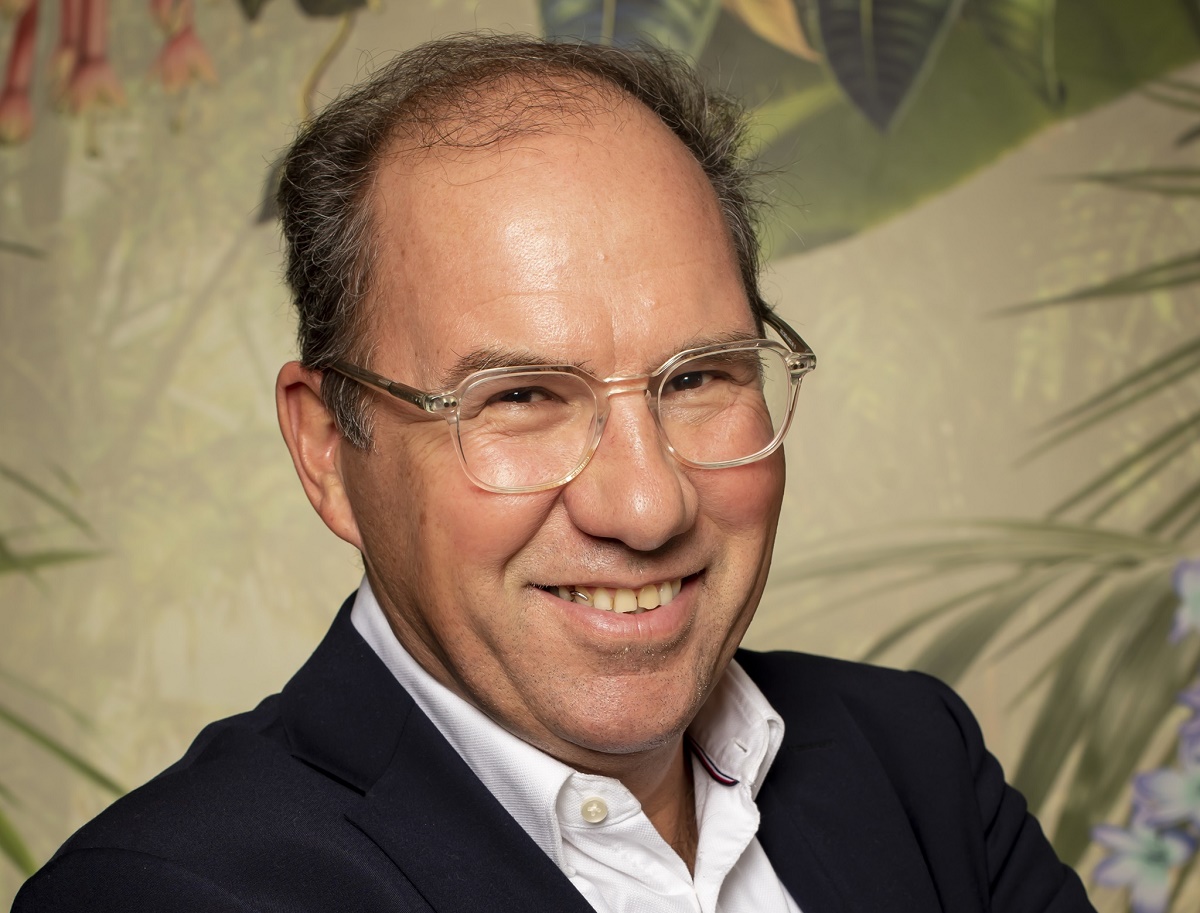
Dan Thomson’s idea sounds like something straight out of a science fiction novel. In 2025, the entrepreneur says he secured rights to lease and develop an island in the Philippine archipelago near Coron Island. He renames it Sensay Island, after his company, and announces the creation of a micronation administered by a council composed of artificial intelligences modeled after historical figures such as Winston Churchill, Nelson Mandela, Eleanor Roosevelt, and Mohandas Karamchand Gandhi.
The stated objective: to test a form of governance that is, according to its founder, freed from personal interests and traditional political influences. When CNN asked what could go wrong in such a project, Thomson himself spoke with a hint of humor about the most extreme scenario: “If this AI were to start arming itself and attack neighboring islands, that would be a very bad situation”, he says. He quickly adds: “I think it’s extremely unlikely”.
For now, the experiment remains largely virtual. According to Emily Keogh, the project’s communications adviser, the island currently has only one permanent inhabitant, a caretaker responsible for maintenance. But Thomson says he has already encountered unexpected enthusiasm. “I think we’ve ended up with about 12,000 people registered and interested in becoming residents, which was far more than we expected.”
The island could, in the long term, host several villas mainly aimed at tourists from Palawan’s various islands, known for its diving spots and tropical scenery. “We probably have room for around 30 villas on the island. It isn’t huge, but it isn’t nothing”, explains Thomson.
A Democratic Promise That Leaves Experts Extremely Skeptical
On paper, Sensay Island envisions a participatory system. Future “e-residents,” with a program slated to launch in 2027, will be able to submit proposals to the island’s virtual leaders, the founder explains. “You will be able to submit proposals, and then the council made up of the artificial intelligences will review them and discuss them.” The digital avatars will present their arguments before voting, while humans will be responsible for implementing the decisions reached.
But this pledge of a more objective governance, supposedly free from traditional political interests, does not convince everyone. Alondra Nelson, a senior research fellow at the University of Oxford, was asked by CNN about Sensay Island’s claim that a private company could create a more democratic political system using artificial intelligence. Her answer is unequivocal: “Yes, I think that claim is absolutely ridiculous.”
Nelson notes that recent examples show technologies that are often unpredictable. “There are already many situations in which AI worsens problems, or produces just as bad outcomes”, she argues.
Even Thomson concedes that the experiment could lead to unforeseen situations if future residents propose controversial historical figures to join this virtual government. The founder insists that, as a social experiment, he would not impose principled limits on candidacies. “If we end up with Stalin at the head of the government, alongside Mussolini, Hitler or Genghis Khan… then this will be the result of this social experiment, and that is how it will end“, he states.
For Thomson, the primary danger would ultimately not arise from machines but from humans themselves. “Honestly, I don’t know what could happen. It’s precisely what I find fascinating to discover”, he concludes.