The brand Destination by Hyatt strengthens its presence in Greece with the opening of the Parian Chronicle Hotel Paros.
Co-developed with the management company SWOT Hospitality, this new contemporary establishment of 50 rooms is set on the island of Paros, in the heart of the Cyclades archipelago.
This project marks the first insular presence for this particular brand, whose global network now comprises 25 hotels and complexes operating in about ten countries.
This new opening comes amid strong growth for the national travel market, which recorded nearly 38 million visitors during the 2025 season.
Located in Kampos village, near Parikia airport and port, the hotel targets travelers aged 13 and older.
“ We are delighted to celebrate the brand’s first opening on a Greek island,” said Manuel Melenchón, Managing Director EMEA South at Hyatt, in a press release.
A private accommodation offering complemented by local dining services
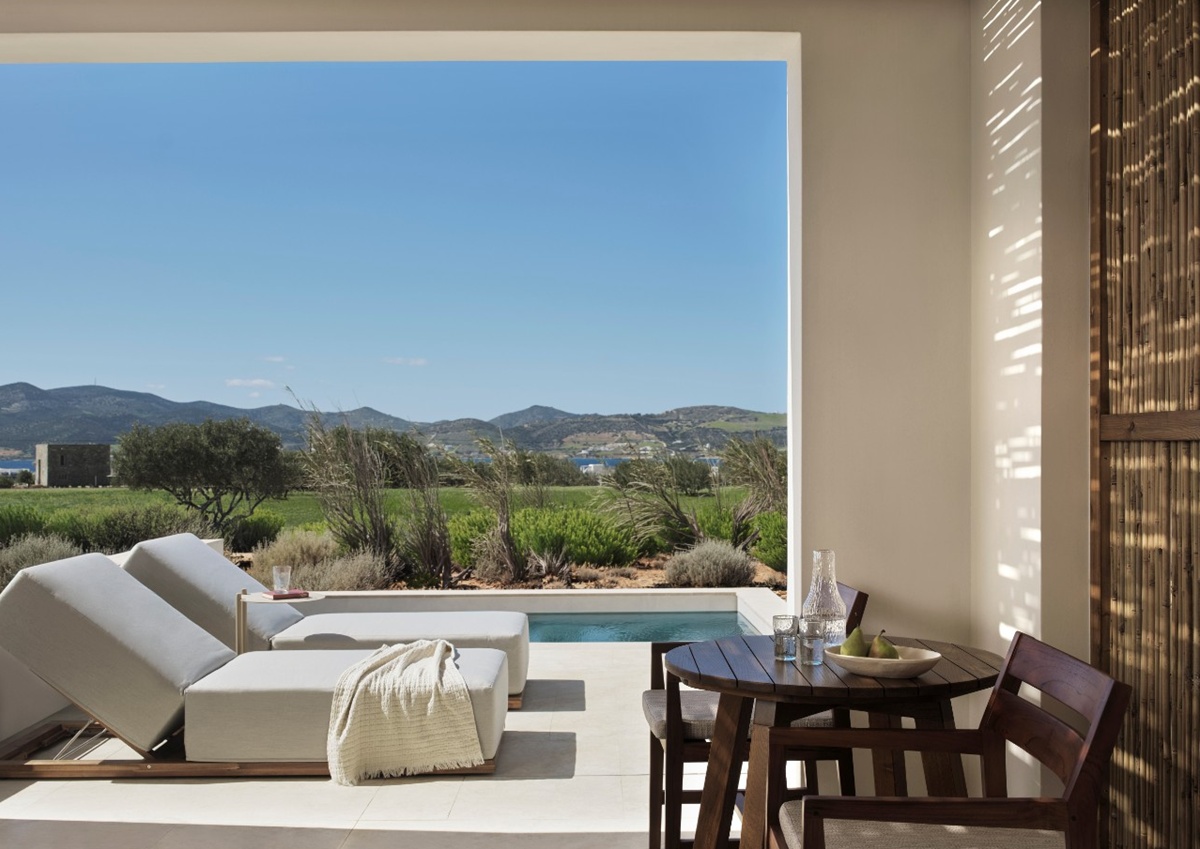
The design of the accommodations, entrusted to the architectural firm Makridis Associates, uses natural materials such as stone, wood, and linen to echo the Cycladic architectural tradition.
Across the total of 50 rooms and suites, ranging in size from 30 to 42 square meters, 39 units feature a private swimming pool, while the others benefit from an outdoor jacuzzi installed on private terraces or patios.
The catering aspect revolves around the signature restaurant NAAO, which structures its menus around the island’s artisanal and agricultural productions.
The lunch service, dubbed The Parian Table, highlights seasonal dishes to be shared, while the dinner offerings rely on regional culinary techniques such as curing, sun-drying, and grilling, accompanied by a selection of wines from the archipelago.
Spa facilities and activities centered on island craftsmanship
The resort complex includes a 120 square meter wellness hub, centered around the Nipson Spa.
This area houses a fitness center, two non-gender-specific saunas, a double treatment room, and relaxation lounges.
The treatment protocols and body therapies offered at the facility draw on the therapeutic methods of ancient Greece.
In addition to these wellness facilities and the large outdoor pool, the property offers a program of cultural excursions, with discovery routes through traditional villages and regular encounters with Paros’ winemakers and artisans.
To read: Hyatt announces three new openings in Italy
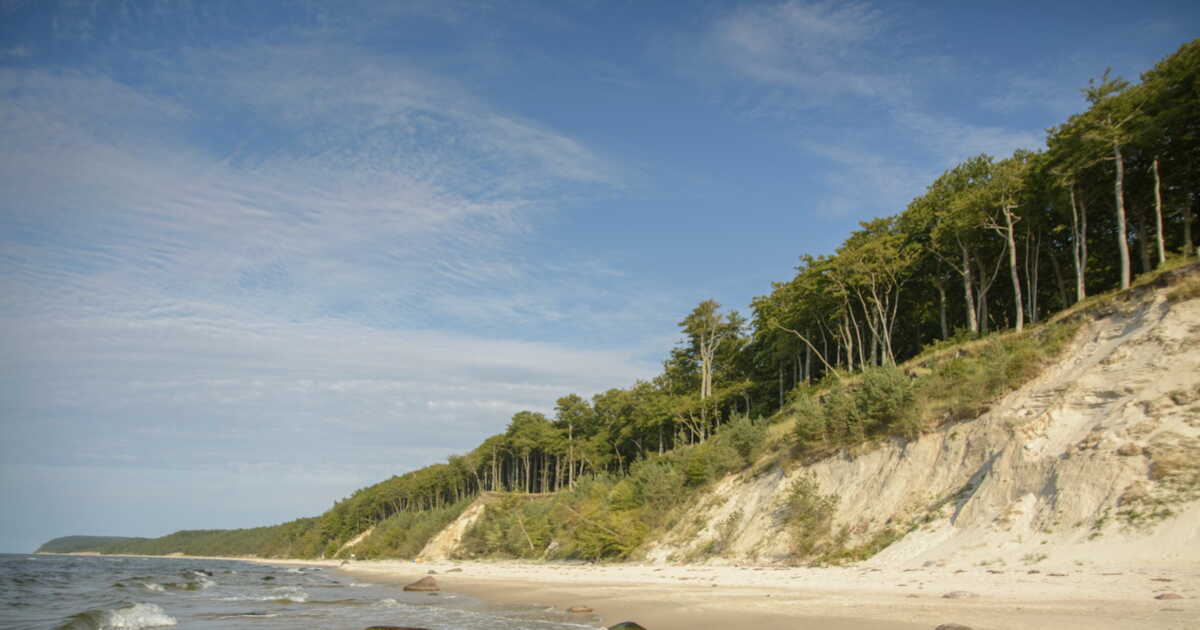
At first glance, Wolin Island, along the Polish Baltic coast, seems like a peaceful holiday destination. Its white-sand beaches, dunes, and beech and pine forests draw numerous visitors each summer who come to enjoy the coastline.
But beneath this preserved nature lies a vast military complex built during the Nazi era, later transformed during the Cold War into a command center for the Polish Army. Today open to the public, it reveals itself through an underground tour that lets visitors enter an old military town almost frozen in time.
Bunkers Secretly Built by the Nazis
To reach Wolin Underground City, you must penetrate the forest on Wolin Island. A few military vehicles and missile components displayed among the trees announce the site’s singular character. But the essence lies underground. The complex was built between 1936 and 1939, at a time when Nazi Germany was strengthening its military defenses. It was part of two coastal batteries named Goeben and Vineta. The latter consisted of four bunkers equipped with rotating cannons, to which were added command facilities, ammunition storage, and support installations.
Construction proceeded secretly, at a time when the Treaty of Versailles prohibited Germany from rearming after World War I. Despite the resources devoted to its construction, the fortress did not witness the battles for which it had been designed. “As the front of World War II advanced rapidly, this region remained very calm during the war, and the Nazis transformed the entire complex into a naval school”, explains Kacper Stachula, the site’s guide, to CNN.
In 1945, German troops tried to destroy the installations before retreating. They blew up the munitions, but a large part of the bunkers remained intact. After the war, the Soviets recovered some of the equipment and metal components, while locals subsequently looted the abandoned facilities. “No one knew what to do with this place after the war”, says Kacper Stachula.
The Cold War changed the situation. After the Warsaw Pact’s formation in 1955, Poland prepared, among other things, a scenario for invading Denmark in case of conflict with NATO. The former German bunkers, isolated in the forest and protected by their subterranean position, made an ideal site for a command center. The Polish army modernized them in 1955, then again in 1965, linking the five bunkers with new tunnels.
A Dive into the Cold War Beneath the Forest
The result is today particularly spectacular to visit. The complex comprises nearly 1.6 kilometers of tunnels and was divided into five security zones. It could function as a fully autonomous base, with dormitories, a kitchen, a canteen, an infirmary, water reserves, and technical rooms. The guided tour allows visitors to traverse these largely preserved spaces. Inside, it stays around 10 °C year-round. The old telephone standards, radios, communication networks, typewriters, and military equipment are all still in place.
In some rooms, mannequins placed in front of the equipment recreate the atmosphere of the command center. The itinerary notably leads to the war room, one of the most impressive areas of the complex. Tactical maps and computer equipment remain visible there, as well as a red telephone. This setting mainly helps to understand the strategic importance the site held during the Cold War, pitting the United States against the USSR.
Since these bunkers were contemplated for plans that could have radically altered the conflict in Europe, “The idea was to deploy tactical nuclear warheads in Danish ports and in western Germany to breach NATO defenses, then to proceed with a larger-scale offensive”, explains Kacper Stachula. The scenario thus envisaged the use of tactical nuclear weapons against NATO forces before a broader offensive into Western Europe.
The red telephone was never used to signal such an attack. The complex nonetheless holds another part of its mystery: when the Germans left in 1945, some tunnels were sealed behind thick concrete walls. Some underground sections remain unexplored.
With around 3,000 visitors per month according to the Polish Tourism Organization, Wolin Underground City has become a genuine tourist curiosity. Its proximity to the island’s beaches makes the outing particularly unusual: after enjoying the Baltic shoreline, one simply steps into the forest to discover, beneath your feet, a military site where Nazi Germany, the Polish Army, and Cold War nuclear strategies have followed one another.
From mist-clad mountains to ancient salt wells, passing by safaris for wildlife viewing and contemporary art, this immersive experience reveals the stories, flavors, and inhabitants that make these two destinations truly unforgettable. Throughout the journey, travelers will encounter authentic local traditions, breathtaking landscapes, and enriching encounters that go far beyond the ordinary.
The journey begins in Chiang Mai, the historic city in the north of the country, where ancient temples, bustling markets, and the rich heritage of the Lanna culture set the tone for the adventure ahead. Explore the lively Warorot Market and wander the old town aboard a samlor, the traditional rickshaw, uncovering architectural treasures such as Wat Chedi Luang. One of the trip’s highlights is the ascent to the revered temple of Doi Suthep, perched above the city and offering a breathtaking panoramic view over the valley below.
Leaving the city, the itinerary continues through lesser-known cultural gems of northern Thailand, Phrae and Nan, where life slows down and authentic traditions come to life. Take part in a hands-on indigo dye workshop, visit tranquil shrines and teak temples beautifully preserved, and stroll through historic towns where wooden palaces and centuries-old frescoes tell the story of ancient kingdoms.
The journey then travels deeper into the mountains of Nan Province, where winding, scenic roads lead to panoramic viewpoints and secluded villages. In Bo Klua, old mountain salt mines — still active today — offer a fascinating glimpse into a centuries-old local industry, while the picturesque village of Sapan invites travelers to pause amid lush forests, rolling hills, and peaceful valley landscapes.
One of the highlights of this section is a stay at Visama Explorer Nan, an intimate ecolodge and cultural haven tucked away in the heart of the mountains. Here, travelers can slow the pace, connect with local communities, and fully immerse themselves in the tranquil rhythms of northern Thailand.
The adventure then takes a dramatic turn upon arriving in Sri Lanka, beginning with the wild landscapes of Wilpattu National Park. Staying in an elegant tented-lodge in the midst of nature, travelers embark on full-day safaris through one of the island’s best-preserved reserves. Renowned for its natural lakes and dense jungle, Wilpattu is home to elusive leopards, Asian elephants, sloth bears, crocodiles, and an extraordinary variety of birds.
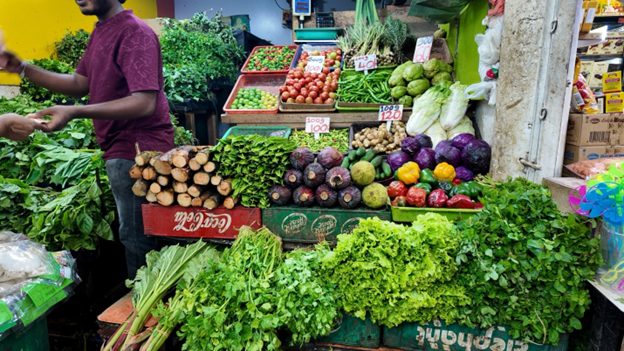
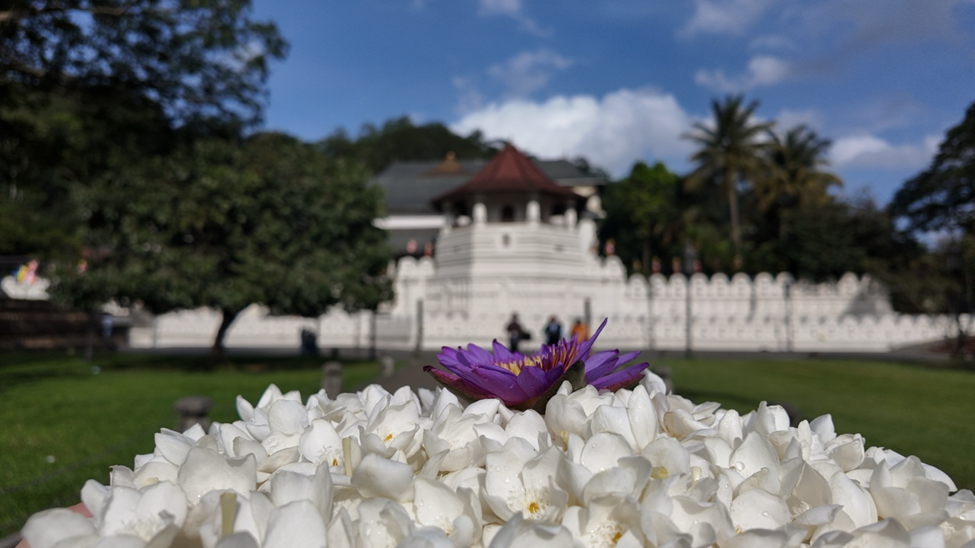
From wilderness to culture, the journey continues to Kandy, the historic capital perched in the hills. Explore lively local markets, stroll along the picturesque lake, and visit the revered Temple of the Tooth Relic, one of the world’s most sacred Buddhist sites. Engaging cultural encounters bring this destination to life, whether learning traditional Sri Lankan cuisine with a local family, sampling regional sweets, or discovering the graceful rhythms of Kandyan dance with a local maestro.
The final chapter unfolds in the cosmopolitan city of Colombo, where Sri Lanka’s many cultures mingle. Discover the city through the eyes of a local artist, exploring contemporary art galleries, vibrant street art, and emerging digital creations that reflect the island’s evolving creative scene. The journey culminates with an unforgettable culinary finale: a refined tasting menu that masterfully blends Sri Lankan spices with international techniques, creating a memorable celebration of the island’s flavors and culinary heritage.
From sacred temples and mountain villages to wildlife safaris, to artistic expression and exceptional cuisine, “Mountain Salt and Island Spice Across Thailand and Sri Lanka” is far more than a simple trip: it is an invitation to discover two extraordinary destinations through authentic connections, shared traditions, and unforgettable moments.
For more information, visit khiri.com or contact us at [email protected]. We look forward to meeting you and helping you craft enriching journeys across Asia. > Khiri Travel Laos in the DESTIMAG Directory
> Khiri Travel Sri Lanka in the DESTIMAG Directory
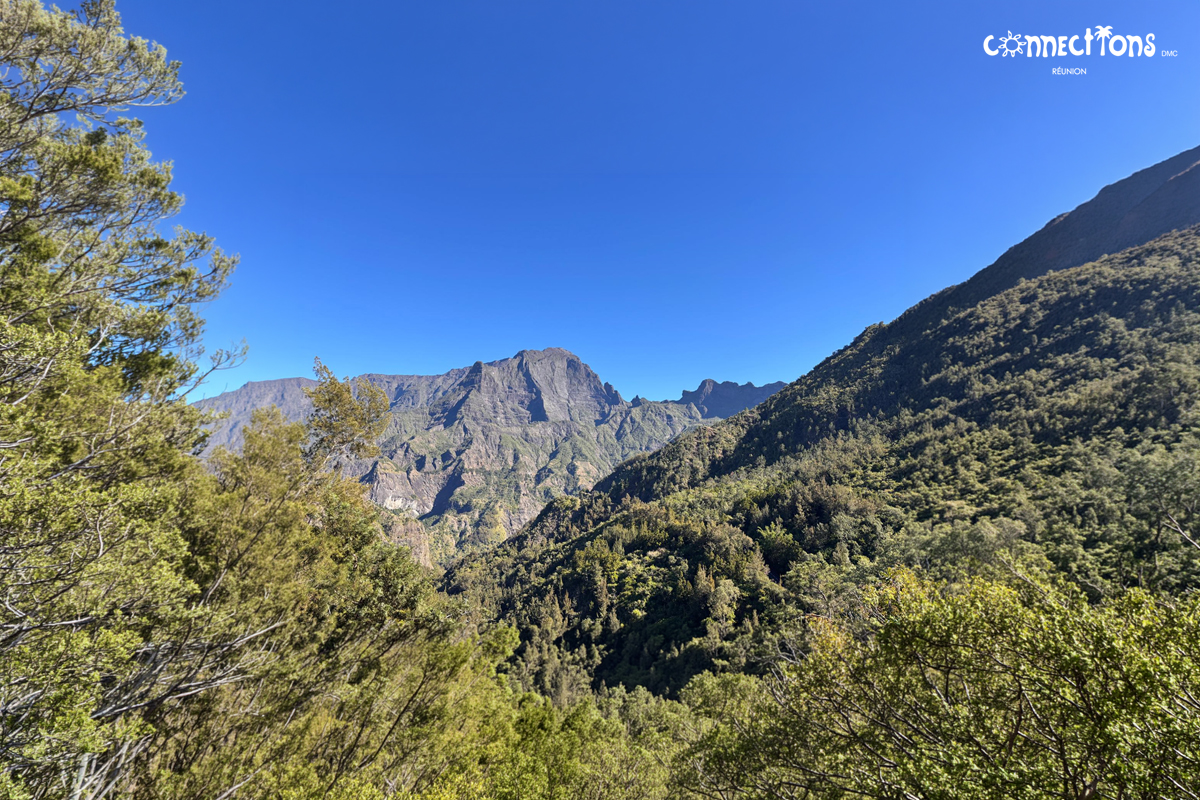
On Réunion Island, travelers no longer aim to merely check off a list of iconic sites. They seek genuine immersion: encounters with local producers, guided hikes led by passionate guides, and a discovery of Creole traditions… This is, at least, what most requests received by Connections Réunion indicate. Whether it’s an individual stay, a group, or a GIR, the era of simple photo stops is behind us; the focus now is on practicing an immersive form of tourism. International clients have understood this well. It underscores the value of an inbound operator offering its expertise and knowledge of providers to guarantee a stay that is rich and tangible.
A Destination with Multiple Parameters
Indeed, meeting this expectation can only be achieved by relying on a trusted network of partners, built over time on an island rich in resources but also facing challenges. From cirques, high plateaus, coastline, plains and volcanoes, travel times, access conditions and capacity vary significantly from one area to another, making it difficult to design a coherent and realistic itinerary without a deep knowledge of the terrain; a factor all the more decisive for group travel, where logistics, transfer times and coordination of providers must be precisely calibrated.
To this geographical complexity, weather that can change in just a few hours and disrupt a program adds another layer. With more than 200 microclimates, La Réunion is a destination that requires adapting to weather that can sometimes swing entirely in a short span.
A local presence allows anticipating these contingencies and responding instantly with suitable contingency measures, without compromising the client’s experience. This support, provided by our team throughout the operation, before, during and after the stay, guarantees the quality of every service and secures the entire journey. Thanks to the unfailing adaptability of our local guides, each traveler feels accompanied, guided and safe. The guides, passionate about their island, are often so engaging that travelers end up wanting to stay in touch with them even after departure. This expertise becomes a real added value that only a Réunion-based incoming operator, intimately familiar with its specifics and players, and able to deliver, can provide.
A Rich Network of Contacts
On Connections Réunion, this expertise translates concretely into a rich and diversified network of contacts, built over the years with the island’s players: coach companies or VTC for transfers and group circuits, warm restaurants and guest houses for authentic culinary experiences, local service providers such as 4×4 excursions, or visits to distilleries, museums and vanilla plantations illustrating Réunion’s history and know-how, as well as a broad range of accommodations from luxury hotels to charming, discreet addresses.
This expanded network enables crafting, for every request, several tailor-made stay proposals capable of serving both an individual leisure trip and a group or GIR with specific needs.
Relying on Connections Réunion is therefore no longer merely an operational choice: it is a real differentiator and a reassurance lever for stays that live up to travelers’ expectations and the reputation of the professionals who offer them.
Present in Réunion… but not only!
While the actors of Connections Réunion operate from their island, it is not uncommon for some to travel directly to mainland France and Europe, especially for trade shows. This was notably the case at ITB in Berlin, from March 3 to 5, where Aline Chan-Tien and Matthieu Ranaivoson, respectively Managing Director and Head of the G.I.R. service, ventured to meet numerous Tour Operators.
We can also mention PURE International, held on March 12 in Paris, bringing together more than 250 MICE offers from several destinations, including Réunion, represented by Lionel Guiance and Éric Cousyn, respectively Head of the Groups Service and Commercial Representative for Groups and MICE based in mainland France.
For the rest of 2026 events, come meet the Connections Réunion team at the CRT – Ile de la Réunion stand, from September 15 to 17, 2026 inclusive. Aline Chan-Tien will be joined by Murielle Fontaine, Production Manager, and Éric Cousyn.
Nestled in the heart of Indonesia, Java is a vibrant island that blends tradition and modernity. It is a popular destination for travelers seeking history, adventure, and a sense of novelty.
1. Discover the Borobudur Temple
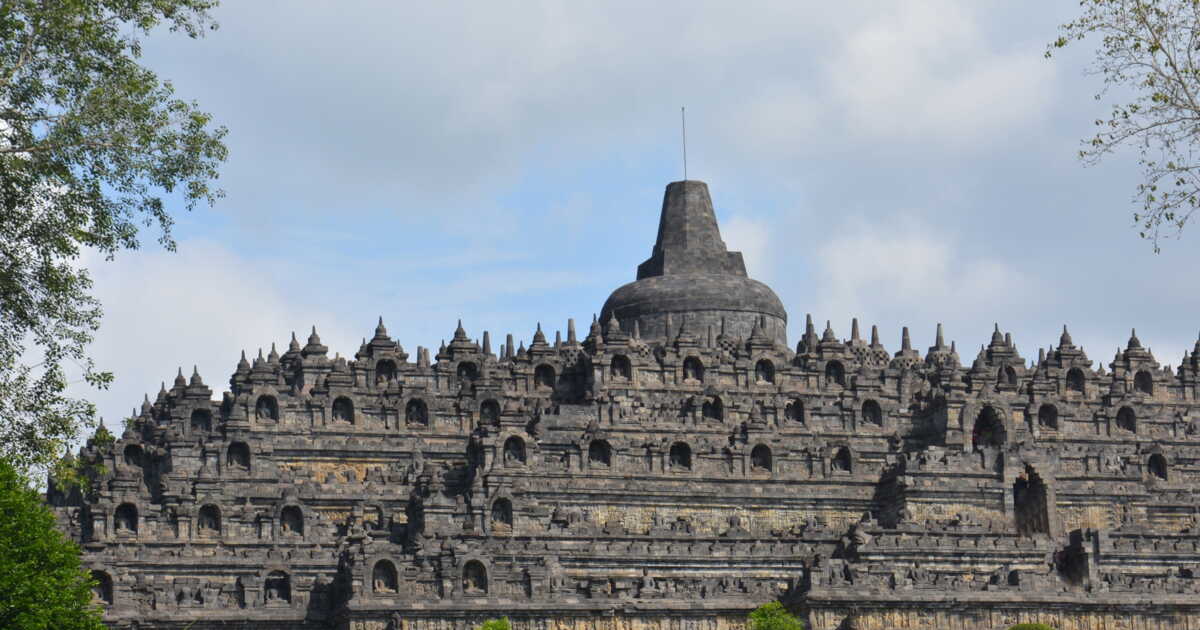
The Borobudur Temple, located on the Island of Java, stands as one of the most emblematic Buddhist heritage sites in Indonesia. Classified as a World Heritage Site, this monument is a perfect starting point for a stay on Java. The sunrise over the stupas, during the dry season, offers a rare moment of quiet contemplation.
The spiral ascent to the summit allows visitors to behold a series of bas-reliefs recounting the life of the Buddha, revealing the architectural ingenuity of the era. For a traveler in search of culture, this visit is essential on Java, combining spirituality, scenery and deep historical significance.
2. Explore the Prambanan Temple
The Prambanan Temple, another jewel of the Island of Java, illustrates the influence of Hinduism within the region. This 9th-century complex, a World Heritage site, perfectly complements the visit to the Borobudur Temple, offering a double reading of the religious influences on the island. Notable cultural activities at the site include classical dance performances that bring to life the stories carved in stone.
It is advisable to arrange this visit with a guide, allowing for a better understanding of architectural and mythological details. The journey between Borobudur and Prambanan can be organized in a day, but requires good time management. Prambanan is a key piece of Java’s cultural puzzle, revealing the tensions and harmonies between the island’s various spiritualities.
3. Stroll through Yogyakarta
Yogyakarta stands as the cultural capital of the Island of Java, blending living heritage, traditional urban planning, and a thriving artistic scene. A stroll through its streets means diving into immersion in Javanese culture, with playful market activities, street food, batik workshops, and historical museums. The Sultan’s Palace and the Taman Sari complex are major landmarks, and the surrounding neighborhoods provide a glimpse into the old urban planning that shaped the city.
The bustling markets and the historic lanes of the old town extend this authentic urban experience. Easily accessible by train, Yogyakarta is an ideal starting point to reach the major sites of Java, while enjoying a human-scale urban atmosphere.
4. Hike Mount Bromo
Mount Bromo, in the eastern part of the Island of Java, remains a flagship stop for travelers seeking spectacular landscapes and outdoor activities. A nighttime ascent is a common practice to reach a vantage point at sunrise. From the ridge, the view of the sea of sand and Mount Semeru, Java’s highest peak, creates a breathtaking panorama.
Local guides provide effective supervision during this hike, which can be chilly depending on the season. The journey to Bromo often takes several hours from Malang or Yogyakarta, but the experience justifies the effort. For a traveler seeking to combine nature, physical activity, and visible seismic activity, this excursion stands as a reference.
5. Awe at Kawah Ijen
Kawah Ijen, located to the east of Mount Bromo, is famous for its rare phenomenon: blue flames produced by sulfurous gas. A nighttime ascent is necessary to observe this natural spectacle before dawn. Once at the summit, a viewpoint overlooks a turquoise acidic lake at the heart of the crater, an impressive testament to the volcanic activity in the region.
Beyond the natural aspect, meeting sulfur miners who work under extreme conditions provides a strong human perspective. Kawah Ijen is among Java’s must-see experiences, blending geological discovery, visual emotion, and social awareness.
6. Stay on the Dieng Plateau on Java
The Dieng volcanic complex, perched at 2,000 meters above sea level on the Dieng Plateau, offers a striking contrast to the wetter zones of the Island of Java. This region, marked by its cool climate and rugged topography, provides a palette of varied activities: colorful lakes, fumaroles, and ancient Hindu temples.
Time spent here is synonymous with rest, gentle hikes, and landscape observation. From the city of Yogyakarta, it is possible to arrange a trip to this remote area. For travelers wishing to get away from the crowds, Dieng represents a perfect spot, often absent from standard itineraries but rich in interesting cultural activities and natural wonders.
7. Enjoy the Tumpak Sewu waterfalls
The Tumpak Sewu Falls, located near Malang, illustrate the diversity of Java’s national parks and natural areas. Access to this site often requires a long journey, followed by a steep descent into the gorge, but the arrival spectacle justifies the effort. The water bursts forth in multiple curtains along the rock faces, creating a lush natural amphitheater.
The rugged terrain demands sturdy footwear, constant caution, and sometimes the assistance of a local guide. For those combining urban sightseeing with nature, Tumpak Sewu offers a strong contrast to volcanic landscapes or the colorful villages of Malang. This site deserves its place among the must-see spots for nature enthusiasts.
8. Visit Solo (Surakarta)
The city of Solo (Surakarta) stands out as a discreet yet valuable alternative to Yogyakarta for exploring the culture of the Island of Java. Less crowded, it allows for in-depth discovery of local historic centers, with traditional markets, royal palaces, and batik workshops.
The city is also involved in several social initiatives, such as slum upgrading and the enhancement of historic districts. Solo makes an excellent base for travelers wishing to avoid the crowds, benefit from local specialist guides, and immerse themselves in a living cultural fabric.
9. Discover Bandung
Around Bandung, the itinerary offers exploration between geology, lush landscapes, and rural culture. Located in western Java, this city is a practical starting point for various cultural sites and national parks, along routes connecting well-served towns. The exploration often combines stops at tea plantations, volcanic areas, and hot springs — an ideal opportunity to combine engaging cultural activities with natural discovery.
Bandung, despite its urban character, provides quick access to the mountains, with a mild climate suitable for gentle hikes during the dry season. It thus fits into a broader travel logic, coherent for those wishing to traverse Java in a thematic and progressive manner.
10. Savor Javanese Cuisine
Javanese cuisine is an essential component of the local experience. In cities such as Yogyakarta, Malang, or Solo, markets are often opportunities to sample a multitude of traditional dishes: nasi goreng, satay, fried tempeh, and sticky rice desserts. Traditional markets are hubs of life, commerce, and transmission, where a local guide can be invaluable in explaining recipes, ingredients, and their symbolism.
For many travelers, gastronomy becomes a through-line, linking Malang’s villages to Bandung’s streets or the rice terraces of the Dieng Plateau. Eating in these places is also a form of immersion in culture, discovering eating habits and the culinary ingenuity of Java’s inhabitants.
In conclusion, Java is a versatile island that will captivate travelers seeking adventure, culture, or rest. The opportunities for exploration are endless, whether you are traversing volcanoes, meditating in ancient temples, or simply wandering the lively streets of its iconic cities.
How long does it take to visit Java?
To discover the many facets of the island of Java, a stay of 10 days is most common. This duration allows combining visits to major cultural sites, such as the Borobudur temples, with exploring iconic cities such as Yogyakarta, known as Java’s cultural capital. Nature lovers can also plan trips to spectacular sites like the Tumpak Sewu waterfall or the region’s active volcanoes.
With less than a week, internal travel can be challenging, limiting immersion in the Javanese culture. For a balanced trip between heritage and nature, two weeks allow for an in-depth visit, from the island’s center to the far east at Kawah Ijen with its blue flames, or to peaceful villages in the west.
What to do in Java in 5 days?
In 5 days on the Isle of Java, the ideal is to concentrate your visit on one emblematic region. Yogyakarta makes for a perfect base: this vibrant city is rich in historical treasures, including the sultan’s palace and the Taman Sari site. Nearby, the Borobudur temples, World Heritage-listed, offer a fascinating plunge into Java’s Buddhist past.
To complete this cultural route, a side trip to the hills of Prambanan or the slopes of the Merapi Volcano, reachable in under an hour, allows you to discover the diversity of Javanese landscapes.
Towards the end of the trip, a excursion to Mount Bromo can be considered to experience the unique sunrise over a volcanic landscape, before catching a return flight. This itinerary, dense yet doable, offers an initial glimpse into the diversity of Java in Indonesia.
How to go from Java to Bali?
Reaching Bali from Java is a frequent step in an itinerary across Southeast Asia. Several options are available depending on your starting point on the Island of Java. The most common method is to take a ferry from Banyuwangi, at the eastern tip, after a possible visit to Kawah Ijen, famous for its blue flames. This voyage links Java to Gilimanuk on Bali’s western coast. Domestic flights are also possible from the cities of Yogyakarta, Surabaya, or Jakarta.
This crossing between two major islands allows for varying atmospheres: after exploring the cradle of Javanese civilization with its temples, volcanoes, and inland landscapes, Bali offers a more coastal and spiritual continuation. The Mount Bromo volcano, located in the eastern part of the island, can also be included for a spectacular pause between Java and Bali, reinforcing the itinerant and comprehensive nature of the circuit.
Visiting Java with family, what to do?
Family travel on the Island of Java offers a good balance between education, gentle adventure, and wonder. A visit to Yogyakarta, a lively and accessible hub, lets children discover Javanese history through landmarks such as the sultan’s palace, the Taman Sari complex, and shadow theater performances.
Approximately an hour by road, the Borobudur Temple, a grand Buddhist World Heritage monument, impresses with its scale and finely carved bas-reliefs. For families who love nature, the Tumpak Sewu waterfalls offer a striking spectacle in a preserved environment.
More adventurous souls may consider spending a night around the volcano Mount Bromo or the Kawah Ijen, provided children are properly supervised. These experiences, though more intense, leave a lasting imprint on young travelers. Visiting Java with family amounts to combining cultural discovery with gentle thrills, in an environment where hospitality and diversity prevail.
This article was written with the help of artificial intelligence, then revised, expanded, and validated by the editors of the newsroom.
Après treize années de fermeture, Double Island s’apprête à changer de dimension.
Le groupe familial australien Morris Group a remporté l’appel d’offres lancé par le gouvernement du Queensland pour exploiter cette île située au large de Palm Cove, à une trentaine de kilomètres de Cairns.
L’entreprise prévoit d’investir 40 millions de dollars australiens dans la relance touristique du site, avec un projet combinant excursion à la journée, infrastructures de loisirs et hôtellerie haut de gamme.
An initial public opening planned for 2027
Ancien resort insulaire parmi les plus réputés d’Australie, Double Island doit d’abord renouer avec une clientèle de proximité et les visiteurs de passage dans le Tropical North Queensland.
La première phase du projet prévoit la construction d’un nouveau ponton ainsi que l’ouverture d’un bar-restaurant de plage. Cet espace accessible au public doit accueillir ses premiers visiteurs en décembre 2027.
Le groupe Morris souhaite faire de l’île une destination d’excursion à part entière, accessible aussi bien aux habitants de la région qu’aux touristes. Des sentiers de randonnée doivent également être aménagés afin de valoriser l’environnement naturel de l’île.
“Nous voulions nous assurer que chaque étape de ce projet soit bien accueillie par la communauté locale“, explique Chris Morris, dirigeant du groupe.
L’accès à la journée constitue ainsi la première étape de la stratégie de relance de Double Island, avant le développement d’une offre d’hébergement plus exclusive.
24 villas de luxe à l’horizon 2029
La seconde phase du projet doit être consacrée à la Double Island Lodge, dont l’ouverture est annoncée pour 2029.
Le futur resort comprendra 24 villas de luxe, réparties sur six secteurs de plage. L’établissement intégrera également une piscine, un spa, une salle de fitness et un Sunset Bar situé entre les deux collines de l’île.
Un restaurant-boutique cinq étoiles de 100 couverts doit compléter l’offre. Outre les clients de l’hôtel, il pourra accueillir des mariages et des conférences.
Avec cette offre, Morris Group entend positionner Double Island sur le marché du tourisme haut de gamme, en ciblant à la fois les voyageurs australiens et la clientèle internationale.
“La Double Island Lodge sera un hébergement de luxe sans équivalent dans la région“, affirme Chris Morris, qui veut en faire une nouvelle référence touristique pour le Queensland.
Un projet intégré au développement touristique de la région de Cairns
La stratégie d’accès constitue un autre volet important de l’investissement. Le nouveau ponton doit permettre l’accueil d’opérateurs d’excursions maritimes, tandis que la flotte de Morris Nautical pourra également être mobilisée pour assurer les transferts.
Le groupe prévoit notamment d’utiliser trois superyachts de luxe stationnés à Cairns. Depuis Palm Cove, la traversée devrait durer environ 20 minutes.
Un héliport doit également être aménagé sur l’île. Il permettra d’organiser des transferts directs depuis le continent, mais aussi des vols panoramiques au-dessus de la Grande Barrière de corail.
Double Island entend ainsi s’inscrire dans l’écosystème touristique déjà développé autour de Cairns et du Tropical North Queensland, où plusieurs îles proposent des expériences complémentaires, de l’excursion à la journée au séjour en resort de luxe.
Pour le Queensland, la réhabilitation de Double Island représente également un enjeu de valorisation d’un site touristique emblématique resté fermé pendant plus d’une décennie.
Publié par Amelia Brille Rédactrice TourMaG.com Voir tous les articles d’Amélia Brille
Off the coast of Rio de Janeiro, a private island encircled by turquoise waters is currently seeking a new owner. Behind this spectacular sale lies the story of a place shaped by a controversial figure in aesthetic medicine, frequented by celebrities and marked by an architecture that evokes the world of espionage cinema. Named Pitanguy Island, this property of nearly 30 hectares ranks among the most expensive private islands on the market today.
An island shaped by Brazil’s pioneer of cosmetic surgery
Named Pitanguy Island, this island off the coast of Rio de Janeiro derives its name from Dr. Ivo Pitanguy, one of the world’s best-known Brazilian plastic surgeons. Considered a pioneer of the Brazilian Butt Lift (BBL), he dedicated part of his life to turning this island territory into a private haven. The doctor, who died in 2016 at the age of 93, used the island as a residence reserved for his family, close friends, and a select group of invited guests. Since his passing, his family is said to have continued maintaining the property, which has now been put up for sale for $100 million, or about €86 million.
According to Beauchamp Estates, several international figures have stayed on the island over the years. Among them are actors Tom Cruise and Katie Holmes, singer Frank Sinatra, and former U.S. President Jimmy Carter. Beyond its celebrity history, Pitanguy Island stands out for the layouts crafted by its former owner. He built six modernist-style bungalows and nine suites, while preserving significant natural spaces.
The estate today features a swimming pool, three private beaches, a forest traversed by trails, natural freshwater springs, and a natural aquarium. Sports enthusiasts can also enjoy a tennis court, while several golf-cart-type vehicles allow for easy circulation around the island. Access to the estate is facilitated by a marina capable of accommodating large vessels, a heliport, and a private 400-meter airstrip. It can be reached by boat, helicopter, or airplane.
View this post on Instagram
A tropical landscape with James Bond vibes
The island’s distinctive character also lies in its architecture. The buildings showcase white façades, rounded walls, and large glass expanses opening onto the ocean and the tropical gardens. A modernist style that echoes some iconic Brazilian structures of the 20th century. According to Beauchamp Estates, the whole ensemble is also said to have been partly inspired by Francisco Scaramanga’s lair in the James Bond film The Man with the Golden Gun, released in 1974 with Roger Moore in the role of the British secret agent.
Yet the island could still evolve. The future owner might consider new constructions, subject to obtaining the necessary authorizations from the local municipality and the Brazilian Navy. A plan envisions adding a residence of about 2,790 square meters in the eastern part of the island. According to Beauchamp Estates, this expansion could lift the property’s value to as much as $135 million, about €116 million. Other transformations could also be possible, such as renovating or reconstructing the existing buildings, and modernizing the heliport, the airstrip, and the marina.
Pitanguy Island, an ultra-private refuge
Gary Hersham, founding and managing director of Beauchamp Estates, describes the island as “an exceptional property” that “also offers extraordinary potential”. He adds that “the island could remain an exceptional private retreat for a discerning multimillionaire or billionaire, or be transformed, subject to urban planning permissions, into an ultra-exclusive hotel complex of the Necker Island type, with world-class five-star facilities”.
Kay Louise Smith, a specialist broker at Beauchamp Estates, believes that “Pitanguy Island is one of the most exclusive private islands in the world, offering a James Bond-inspired hideout with remarkable modernist-style bungalows and suites, exceptional amenities, and a prestigious celebrity history”.
With its private beaches, extraordinary facilities, and James Bond-style architecture, Pitanguy Island demonstrates how far the transformation of an island territory can go into a private retreat. Beyond its spectacular setting, this island, one of the most expensive in the world, also testifies to the enduring appeal that these exceptional places hold for the wealthiest, who seek properties that become increasingly rare and exclusive.
“One can travel not to flee from oneself, which is impossible, but to find oneself.”
— Jean Grenier, The Islands (1933, Gallimard)
Have you ever tried to guess the destination of other travelers at an airport? Arriving a little early to check my bags, I sat beside another passenger. In her hands, a copy of Victor Hugo’s Contemplations. A collection the poet wrote in part during his exile on the island of Guernsey, where he settled in 1855. But Guernsey was for me only a stepping stone toward another Anglo-Norman island. The smallest and most discreet of the archipelago: Herm.
Sixty inhabitants, a world apart
Located just twenty minutes by boat from its famous neighbor, Herm island covers only 3.2 km². But it possesses everything one might expect from a British community. “A school, a pub and a church”, jokes John Singer, who has been the leaseholder of Herm since 2008. For although Herm belongs to the Bailiwick of Guernsey, its day-to-day administration is delegated to a leaseholder charged with preserving the island and ensuring its operation. In the 1930s, this role was held by the British writer Compton Mackenzie, who after World War II was succeeded by the Wood family. It is to them that Herm owes its opening to visitors and the development of its first tourist infrastructures.
A mission that John Singer and his wife Julia pursue with a passion, never tiring of the island’s wonders. “It is a place of exceptional natural beauty, conducive to reflection and tranquillity,” they observe. To attract new travelers, the island administration has in recent years developed an offering that blends wine-tasting weekends, yoga retreats, and artist residencies.
But what strikes you upon arriving at Herm is the stillness. The absence of cars, light pollution, and noise offers a welcome disconnect. After leaving Paris and the heat, arriving on the island is a genuine breath of fresh air. I am not alone on the ferry, we are even “unusually numerous”, confides an island resident. It’s because an event is being prepared. Twice a year, in June and September, Herm hosts Six Fest, a festival blending gastronomy, live music, and craft beers at the Mermaid Tavern, the island’s pub.
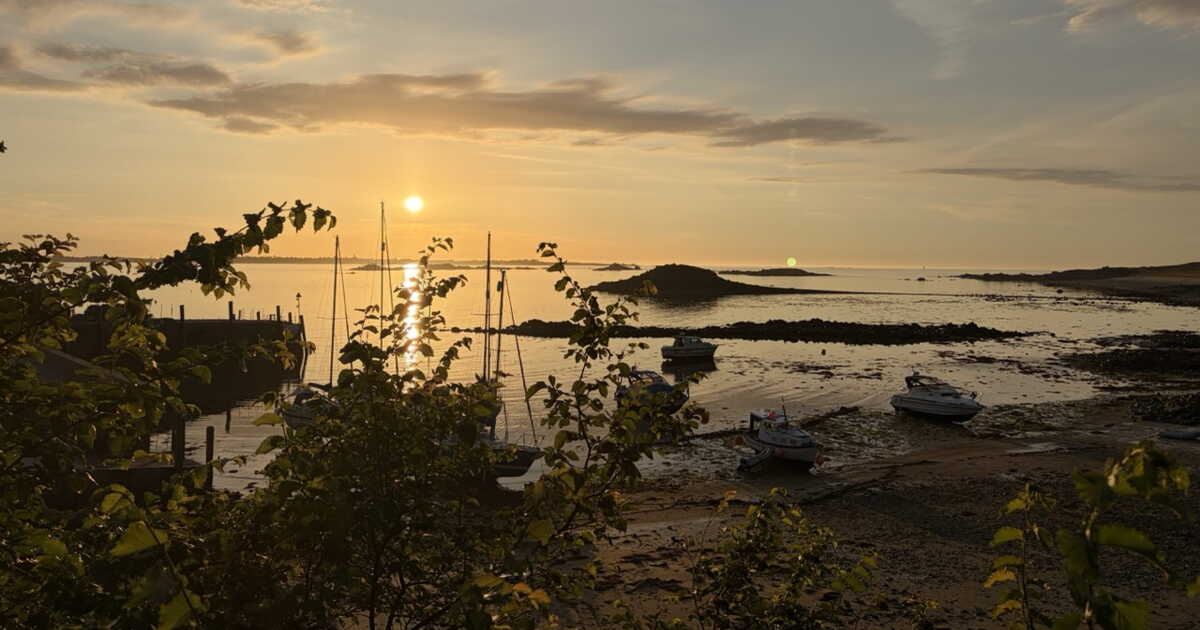
After this festive pause, I head down toward the harbor for my first Herm sunset. A small girl, whom I surmise to be one of the six pupils at the local school, suddenly appears behind me. She knows, she says, the island’s best spot to watch the sun disappear. It is right there, in front of the White House Hotel, the island’s sole hotel. A cinematic view of the sea, with Guernsey in the background. By the time I turn to thank her, she has already vanished. As the sun sinks, the sky becomes spectacular and leaves me with the impression of standing before a living Turner painting.
Herm, a mosaic of landscapes
Despite its modest size, Herm boasts an astonishing variety of landscapes: an English moorland worthy of a Brontë sisters novel, fairy-tale woods, white-sand beaches bordering turquoise waters, and a wild coast of dunes and rocks. Two to three hours are enough to walk around the island, a little longer if you opt for small inland excursions: to watch ongoing archaeological digs (led by a team of archaeologists from Durham University and Rennes, who are exploring the island’s Neolithic past), to pause before the island’s movingly small cemetery, or to visit St Tugual’s Chapel, dating from the 11th century.
Yet Herm mainly invites you to slow down, eyes and lungs wide open. Each of its seven beaches bears a distinct atmosphere. For reading with the sea in view, head to Oyster Point, on the island’s western coast. A beach ideal for visitors seeking tranquillity. As for Shell Beach, located at Alderney Point, this stretch of golden sand extends to the island’s northernmost tip and is a family favorite. But, as with everywhere on Herm, there is room for everyone. Children build sandcastles after a scoop at the beach café, teenagers explore the rocks, and the more sporty set off kayaking along the coast.
And for those who worry about the water’s chill, head to the western coast beaches such as Fisherman’s Beach or Bear’s Beach. A resident told me that the water there is slightly warmer.
The Art of Slowing Down
Many visitors come to Herm for just a day. Yet the island deserves a longer stay. To live like a local, staying in one of the island’s cottages is a distinct experience. We live to the rhythm of the tides and watch the last boats drift back toward Guernsey, free to extend the evening without looking at the clock. The calm and the silence deepen still further, as the lights gradually go out in the village.
The best gift you can give yourself when visiting Herm is to do nothing at all. You come to the island to take your time, to stop running, and to give your thoughts more room. You fill your day with little, but with the feeling, as the sun casts its last rays, that your heart is full.
Discover Herm
Getting there : By plane from Paris, a direct flight to Guernsey with Aurigny Air Services, then a boat to Herm with Travel Trident. You can also reach Guernsey by boat from Saint-Malo.
Where to stay : The island is small but offers a nice variety of accommodations. You can stay at the charming White House Hotel, in one of the island’s cottages, or in one of the campsite’s tents.
Where to eat: For lunch or dinner, you will have the choice between the restaurant The Conservatory, which offers upscale cuisine based on local products, the Mermaid Tavern for hearty pub dishes and The Ship Inn, which offers brasserie-style cuisine. Finally, if you stay in one of the island’s cottages, you will find everything you need to prepare your meals at the island’s grocery store.
One activity : A two-hour kayak trip with Outdoor Guernsey to circumnavigate the island with a guide. You might be lucky enough to spot Atlantic puffins, numerous seabirds, dolphins and seals.
Whether you are a devotee of water sports, a hiking aficionado, or passionate about cultural discovery, Mayotte has everything to surprise you. In this article, we explore the various activities to undertake on the island, while taking into account practical and safety aspects for a successful stay.
1. Lagoon Discovery: Diving and Snorkeling
Exploring the magnificent lagoon of Mayotte, renowned for its water-based activities, reveals the richness of the underwater world of this Indian Ocean destination in its own right. This trip to Mayotte attracts diving and snorkeling enthusiasts with the chance to explore one of the world’s largest lagoons, guarded by an exceptional coral barrier.
Accessible from the Marcel Henry International Airport or via direct flights from Paris with Air Austral, Mayotte is easily reachable, allowing visits to iconic sites such as the Passe en S, famed for manta rays and colorful reefs. Whether it’s your first visit or a longer stay in Mayotte, observing marine turtles and multicolored corals is a must, illustrating Mayotte’s reputation as one of the most beautiful destinations in the ocean for diving.
2. Hike to Mount Choungui
The Mount Choungui hike, an emblematic peak of the island, represents a must-do experience to discover a unique facet of Mayotte and enjoy superb postcard views of the island and its lagoon. The start of the hike takes place early in the morning to benefit from the cool temperatures and fully appreciate the ascent to 594 meters, traversing a preserved natural habitat. Once at the summit, the panoramic view reveals the splendor of Mayotte’s rainbow landscape, making it a great excursion idea to include in any trip to Mayotte or short hike on the island.
3. Excursion to White Sand Islet
The excursion to the White Sand Islet, accessible only at low tide in the southern Mayotte, offers a visit to a white sandy beach surrounded by beautiful marine scenery. This site, a true postcard of the Mozambique Channel, provides a relaxing break for a picnic, swimming, or a snorkeling session, enriching the stay in Mayotte.
The exploration of this islet is undertaken by boat from the Mamoudzou port, a route recommended to discover the island’s natural diversity and to experience one of the most beautiful destinations in the Indian Ocean.
4. Cultural Visit to Mamoudzou
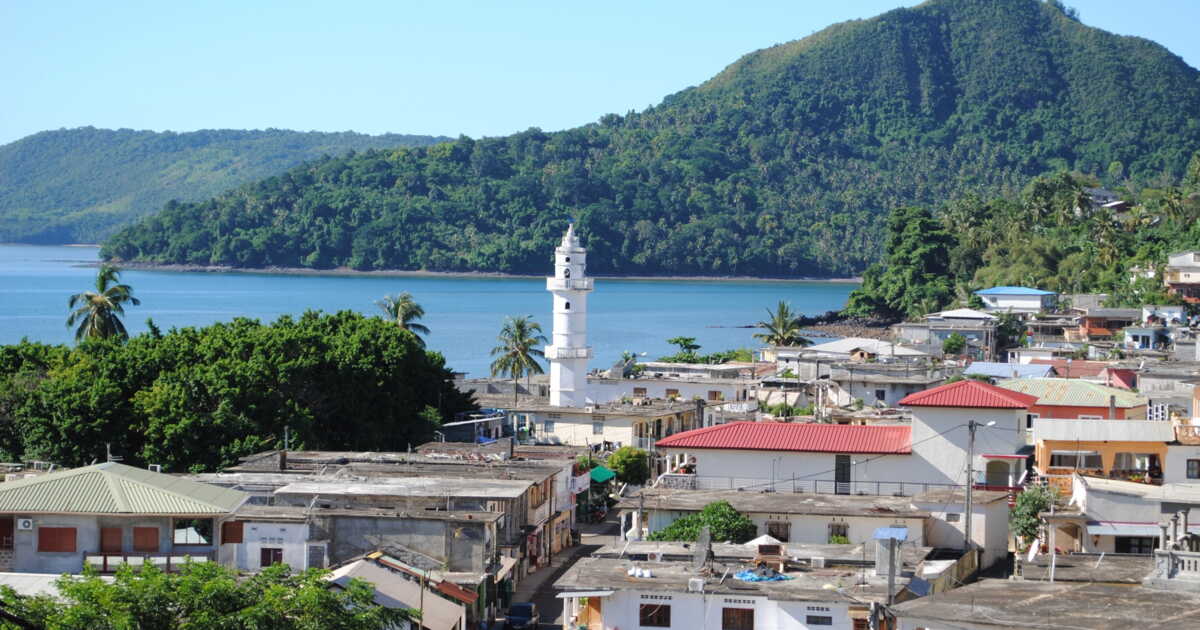
A cultural visit to Mamoudzou, the capital of Mayotte, is essential to better understand local life and the influences shaping this French department. As you stroll through the city center and its market, visitors discover the ylang-ylang, spices, tropical fruits, and Mahoran crafts, while restaurants and cafés invite you to sample culinary specialties such as mataba. This immersion into the daily life of residents provides a concrete glimpse into the island’s bustle, highlighting the cultural and economic dynamism of the port of Mamoudzou.
5. Exploration of Dziani Lake
The exploration of Dziani Lake, on the Petite Terre Island in Mayotte, constitutes a major stop for any stay in Mayotte. This volcanic-origin lake, whose turquoise shade shifts with the light, is bordered by endemic flora that attracts hiking and biodiversity enthusiasts. A circuit around the lake, accessible via a marked trail, allows you to observe the famous makis, emblematic lemurs of Mahoran fauna, and to enjoy the tranquility of a preserved natural site far from the bustle of the north of Mayotte.
6. Boat Trip for Dolphin and Whale Watching
Boat trips for dolphin and whale watching position Mayotte as a destination in its own right for cetacean enthusiasts. From July to October, the waters of the magnificent lagoon become the stage for unique spectacles, supervised by professionals committed to wildlife respect.
These activities, often departing from the Mayotte International Airport or the main ports, reinforce Mayotte’s reputation as a premier hub of nautical activity and the protection of the marine habitat of the Indian Ocean.
7. Hike to Saziley and N’Gouja Beach
The hike to Saziley and the N’Gouja beach allows for a blend of biodiversity discovery and seaside relaxation in a preserved environment. The Saziley Marine Park offers a trail where green turtles’ nesting can be observed along with long secluded beaches. The N’Gouja beach, famous for turtle encounters, completes this idyllic picture—perfect for hikers or travelers to Mayotte seeking authentic experiences.
8. Visit to the Dzaoudzi Centre
The visit to the Dzaoudzi centre, the former capital of Mayotte on Petite Terre, is a must for those seeking to discover historical vestiges and the tranquil atmosphere of this neighborhood. Between colonial heritage, Place de la République, and a panorama of the magnificent lagoon, Dzaoudzi offers a cultural interlude contrasting with the bustle of Mamoudzou, highlighting the richness of the island’s different facets of Mayotte and its historical development as a French department.
9. Circuit through Native Fauna and Flora
A circuit through native fauna and flora showcases Coconi botanical garden, ylang-ylang plantations, and the discovery of rare or endemic species. This approach to the Mahoran landscape, combining guided tours and birdwatching, illustrates the biodiversity of a unique natural habitat, reinforcing the island’s appeal for botany enthusiasts.
10. Relaxation at Sakouli Beach
The Sakouli Beach, located in the southeast, charms with the tranquility of its waters, ideal for a peaceful break after a day of water activities or hiking. Its setting invites rest and contemplation of the stunning views over the Indian Ocean, making it a fitting end to the day for visitors eager to explore the island’s varied landscapes, whether from a hotel room or a Coco Lodge Cocobeach room.
In discovering Mayotte, each visitor can immerse themselves in a rich natural and cultural heritage. Whether through its beaches, its natural sites, or its festive ambiance, the island offers a multitude of activities to please every taste. Be sure to respect natural sites and local traditions to contribute to the preservation of this delicate insular ecosystem.
Is Mayotte a tourist destination?
Mayotte deserves to be considered as a destination in its own right for travelers, and for several reasons. On one hand, its status as a French department and its integration into European air networks facilitate access and build confidence: the Mayotte International Airport (Dzaoudzi-Pamandzi International Airport) along with various airlines offer direct flights from Paris or minimal layovers, making travel from the mainland easier.
On the other hand, Mayotte boasts a magnificent lagoon, an exceptional coral barrier, and one of the richest underwater ecosystems in the Indian Ocean: the archipelago is surrounded by one of the world’s largest enclosed lagoons.
Moreover, the destination captivates with its postcard-perfect landscapes: white sand, turquoise lagoon, lush vegetation, placing it among the favorite destinations for the French seeking “elsewhere” off the beaten paths. It is therefore indeed a tourist destination, though different from typical beach mass destinations: local life, hiking, islets, nautical activities, and preserved nature make for a travel experience that is more engaged, more authentic. The fact that the island remains relatively sparsely touristed reinforces this sense of an island apart.”
In conclusion, Mayotte can be regarded as a genuine tourist destination, blending comfort, accessibility, and extraordinary nature, while offering a sense of escape in the Indian Ocean.
What is the best time to visit Mayotte?
To organize a worry-free stay in Mayotte and fully enjoy the climate, it is important to choose the best time to go to Mayotte. The climate is typically maritime tropical, with a dry season from May to October and a rainy season from November to April.
The dry season – May to October – is the most favorable for outdoor activities, walking, hiking, swimming, and water sports: temperatures remain mild, rainfall is minimal, and humidity is lower. If you want to benefit from cheaper flight prices, more hotel rooms available, and a calmer ambiance, this window is ideal.
However, for those whose plans include marine wildlife watching – notably whales – some sources indicate that the period between July and November can present interesting opportunities, despite more frequent rain.
Thus, if your goal is a nature-focused Mayotte trip—lagoon, boat, sun—prioritize May to October. Conversely, to enjoy softer prices or a different atmosphere, November to April can also work, with a slight trade-off on weather conditions.
What is the current situation in Mayotte for a traveler?
Understanding the situation in Mayotte is essential for any traveler eager to discover this destination in its own right in the Indian Ocean. This French department located in the Mozambique Channel, between Madagascar and the African continent, presents a unique facet of Mayotte: balancing insularity, natural riches, and socio-economic challenges. Mayotte’s reputation is often marked by the structural challenges of island life, but that does not prevent the archipelago from being a destination full of contrasts, where postcard landscapes, vibrant local life, and exceptional biodiversity coexist.
To prepare a trip to Mayotte, it is advisable to stay informed about local news, particularly regarding safety or access to certain areas. French authorities regularly update recommendations, notably via the site of the Ministry of Europe and Foreign Affairs. On the ground, the breathtaking views, hikes to Mont Choungui, the Moya Beach, nautical activities, and cultural visits (such as the MUMA Mayotte Museum or the Coconi Botanical Garden) offer a rewarding stay in Mayotte, provided you arrive well prepared.
This article was drafted with the help of artificial intelligence, then corrected, expanded and validated by the newsroom journalists.
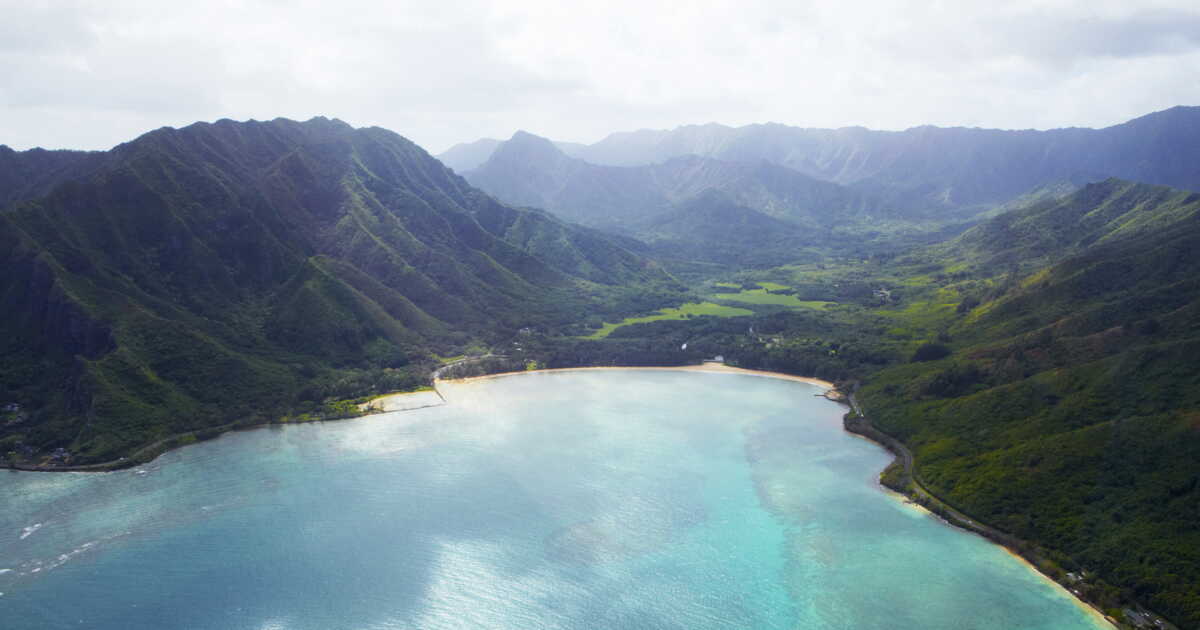
Hawaii, this enchanting archipelago in the Pacific Ocean, is one of the fifty states of the United States. Made up of several volcanic islands, Hawaii is known for its tropical climate, its rich blend of Polynesian and American cultures, and its diverse landscapes ranging from powdery white-sand beaches to active volcanoes. For those planning a trip to Hawaii, the central question is often: what to do once you arrive? This article offers a detailed panorama of the must-see activities to discover at the heart of this archipelago.
1. Explore Oahu and Its Iconic Attractions
Oahu, often considered Hawaii’s gateway, presents a unique blend of urban life and idyllic beaches. Begin your day in Honolulu, the lively capital, by visiting the historic site of Pearl Harbor. Then head to Waikiki Beach for a surfing session or simply to soak up the sun. Do not miss the ascent of Diamond Head, a volcanic crater that offers a panoramic view of the island. For surfing enthusiasts, the North Shore is famed for its impressive waves, especially during the winter season.
2. Discover the Natural Beauty of Maui
The island of Maui, nicknamed the “Valley Isle,” is renowned for its breathtaking scenery. A must-see is the Hana Highway, winding along the island’s eastern coast and offering spectacular views of the ocean, waterfalls, and tropical forests. The sunrise from the summit of Haleakalā, a dormant volcano rising over 3,000 meters, is an unforgettable experience. Maui’s beaches are ideal for snorkeling, especially at Molokini Crater, a crescent-shaped diving site. During the winter months, don’t miss whale watching as humpback whales migrate through these waters.
3. Trek Kauai’s Trails
Kauai, often called the “Garden Isle,” dazzles with lush vegetation and preserved landscapes. Hiking enthusiasts will appreciate the trails along the Na Pali Coast, accessible only by foot, boat, or helicopter, offering jaw-dropping views of the towering cliffs. The Waimea Canyon, nicknamed the “Grand Canyon of the Pacific,” is another must for its striking panoramas. For a full immersion in nature, explore the island’s dense forests and hidden waterfalls.
4. Discover Hawaii Island’s Volcanoes and Diverse Landscapes
Big Island, or the Island of Hawaii, is famous for its active volcanoes. Visit the Hawaii Volcanoes National Park to observe Kilauea, one of the most active volcanoes in the world. Mauna Kea, a dormant volcano, is the island’s highest point and offers a unique opportunity to observe the stars thanks to the numerous observatories perched at its summit. For a different experience, explore the black-sand or green-sand beaches born from volcanic activity. Also enjoy the Kona region to taste the local coffee, renowned for its exceptional quality.
5. Immerse Yourself in Hawaiian Culture and History
Hawaii is not limited to its stunning landscapes; the archipelago also boasts a rich culture and history. Join a Luau, a traditional Hawaiian celebration, to discover local customs through dance, music, and cuisine. Visit traditional villages to better understand the Polynesian way of life. In Honolulu, the Bishop Museum and the Iolani Palace offer fascinating insights into the state’s history. Finally, take time to sample local specialties such as poke, a marinated raw fish dish, or tropical fruits.
In conclusion, Hawaii offers a multitude of varied activities that will satisfy all types of travelers, whether they are adventurers, beach lovers, culture enthusiasts, or nature lovers. Each island of the archipelago has its own identity and deserves to be explored. For visitors, it is an invitation to discover a place where the diversity of landscapes and experiences forms a harmonious and rich tableau.
Is Hawaii an Expensive Destination? Understanding the Cost of a Hawaii Stay
Hawaii is often perceived as a luxury destination, but with smart planning it is possible to fully enjoy its Waikiki beaches, sailing excursions, or hiking trails on Kauai’s stunning landscapes without breaking the bank. Key tips include booking in advance helicopter flights, accommodations in Hawaii, and boat excursions to explore the Napali Coast.
Fans of hiking and refreshing swimming can discover waterfalls, verdant cliffs, and protected areas such as the Honaunau National Historical Park at lower costs. Even incredible experiences like meeting a green sea turtle or discovering marine flora are accessible with a well-planned road trip in Hawaii. By following these budgeting tips and travel-smart advice, it is possible to enjoy the must-see places of Oahu and the Big Island without overspending.
Is Hawaii Worth It? An Unforgettable Experience in the Heart of the Pacific
Visiting Hawaii proves worthwhile at every moment thanks to its rich Hawaiian culture and its breathtaking landscapes. Between the Waikiki Beach, the green cliffs of the Napali Coast, and the Ho‘omaluhia Botanical Gardens on Oahu, travelers can combine trail hikes, short day trips, and half-day water activities.
The hula dance, flower leis, and visits to the official sites of the Hawaiian Island provide a total immersion in the local culture. Protected areas, viewpoints, and waterfalls guarantee an incredible experience, while hikers can enjoy accessible and safe trails. Hawaii blends perfect relaxation with adventure, making this American destination a place where every moment becomes memorable.
What is the Best Time to Visit Hawaii? Enjoy Ideal Weather for Your Activities
For an optimal stay in Hawaii, the best period depends on the activities you choose. The dry season, from April to October, is perfect for swimming, windsurfing, and sailing trips along the Napali Coast. The hiking areas on Kauai or Oahu are especially pleasant, and the marine life and green cliffs reveal themselves in all their splendor. Even during the rainy season, waterfalls and viewpoints remain accessible, and activities such as the hula dance or a visit to the Ho‘omaluhia Botanical Gardens offer rich experiences sheltered from the rain. Planning your road trip in Hawaii according to the weather conditions helps maximize the incredible experience of this island of Hawaii and enjoy all the must-see areas.
How Long Does It Take to Visit Hawaii? Optimize Your Stay to See It All
A stay in Hawaii can range from a few days to several weeks, depending on your pace and interests. To explore Oahu with the possibility of discovering Waikiki Beach, the Ho‘omaluhia Botanical Gardens, and the Honaunau National Historical Park, it is recommended to set aside at least five to seven days. Adding Kauai for its green cliffs and the Napali Coast, or the Big Island for its volcanic and cultural zones, requires several more days. Boat excursions, Hawaii road trips, and refreshing swimming activities should be planned to fully enjoy viewpoints, waterfalls, and marine life. Following these recommendations allows you to experience an incredible trip without rushing and to visit all the must-see spots of Oahu, Kauai, and the Big Island.
What to Do in Hawaii with Family? Activities for All Ages
Hawaii is ideal for a family getaway, offering activities for all ages. Children and adults can enjoy the refreshing swim at Waikiki Beach, the hiking trails across Kauai’s fascinating landscapes, or boat excursions along the Napali Coast.
The waterfalls, protected areas, and encounters with the green sea turtle are perfect for sparking the curiosity of younger travelers. Hawaiian culture unfolds through hula dancing, making flower leis, and visiting sites like the Honaunau National Historical Park. Even sailing excursions and helicopter tours are family-friendly, ensuring a safe and memorable road trip in Hawaii for everyone.
What to Do in Hawaii When It Rains? Indoor Activities and Rainy-Day Discoveries
Even in the rain, Hawaii offers numerous activities to make the most of your stay. The Ho‘omaluhia Botanical Gardens on Oahu allow you to explore tropical flora indoors, while cultural zones and museums provide a glimpse into Hawaiian culture. Short excursions to protected areas or visits to historic sites such as the Honaunau National Historical Park remain possible despite the weather. The hula dance, flower leis, and viewpoints accessible even in rain guarantee an incredible experience. By following essential tips and adapting activities, the rain in Hawaii becomes an opportunity to discover the Island of Hawaii from a different angle.
This article was drafted with the help of artificial intelligence, then corrected, expanded and validated by the journalists of the editorial staff.












 Publié par Amelia Brille