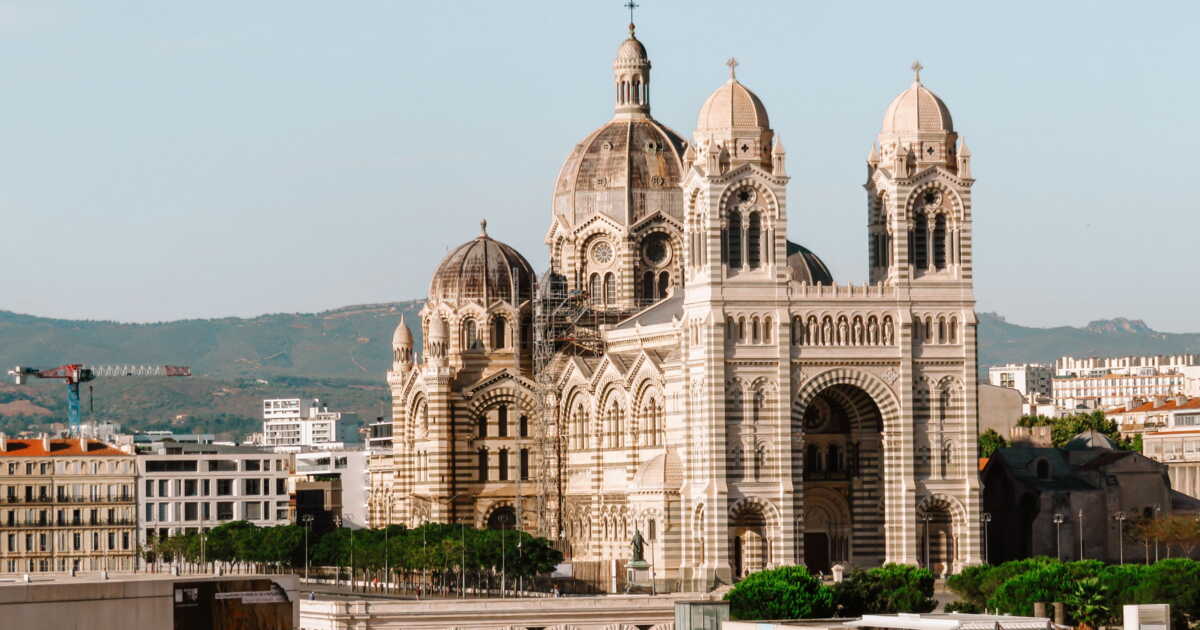
Vieux-Port, Notre-Dame-de-la-Garde, the Calanques… These iconic places form Marseille’s fame, now one of France’s most coveted destinations. Yet nothing suggested that the préfecture of the Provence-Alpes-C Côte d’Azur region would become such a tourist hotspot. As a travel expert recently explained in The Guardian, Marseille has long suffered from a multitude of stereotypes, notably the idea that it is a city where safety cannot be taken for granted.
To be frank, it is home to some of Europe’s most disadvantaged neighborhoods and drug trafficking is active in several of them. But these preconceptions now seem far removed from travelers’ concerns, as Marseille asserts itself as an essential tourist destination.
Proof of this is that a few months ago, Booking.com, the online platform that lets users book hotels, flights and cars, revealed that the Phocaean city had overtaken Paris and Nice to become the most searched destination by French users of the site. Likewise, foreign media outlets, such as The New York Times, which ran several pieces about Marseille, have helped to restore the city’s image and attract more international visitors.
Le surtourisme agace de plus en plus les Marseillais
Most of the time, the Marseillais take great pride in their city and do not hesitate to show it. Take the rapper Jul, who racks up over 10 million monthly listens on Spotify and frequently references the city where he grew up in his songs. Influencers, too, enjoy sharing the most photogenic corners of the Phocaean city. But since Marseille became a must-visit destination, locals lament the loss of their quiet life.
In June last year, residents of the Goudes, a picturesque fishing village on the outskirts of the city, took to the streets to protest. One of them explained that they felt overwhelmed by the number of visitors, feeling as though they were under house arrest. In Le Vallon des Auffes, another picturesque and highly frequented spot, locals have been opposing for weeks the opening of a sixth restaurant in the small harbor. Likewise, when swimming was banned at the busy Plage des Catalans at the start of the month because of a bacterial contamination, many residents pointed to over-tourism.
Residents also denounce an unprecedented rise in noise and waste, as well as price increases, which they attribute to a “excessive touristification.” The anti-Airbnb sentiment, often expressed through graffiti, has grown stronger in recent years. Meanwhile, campaigns against cruise ships are gaining momentum, while local elected officials remain divided on the issue.
Un tourisme qui s’est développé à vitesse grand V à Marseille
According to the Guardian expert, the problem mainly lies in the astonishing speed of this transformation. She explains that tourists began pouring in en masse in the summer of 2020, after several months of Covid-19 lockdowns. This surge in visitors was accompanied by rampant gentrification, driving up real estate prices and fueling residents’ resentment.
“It feels like we’ve blinked, and suddenly Marseille summers are defined by crowded beaches, vast and sprawling bars, endless queues for public transport, and streets overwhelmed by groups of tourists”, she wrote. However, tourism has not only produced negative effects; it has also helped create jobs and contributed to reducing the city’s high unemployment rate. This, though, calls for better management and tighter regulation.