Nestled between the Baltic Sea and Russia, Estonia is a land of contrasts where medieval history blends with cutting-edge technologies. Known for its varied natural landscapes and rich culture, Estonia attracts an increasing number of visitors each year. Whether you’re after outdoor adventures or cultural explorations, there’s always something to discover. So, what to do in Estonia? Here is a guide to the best activities to try.
1. Explore Tallinn Old Town
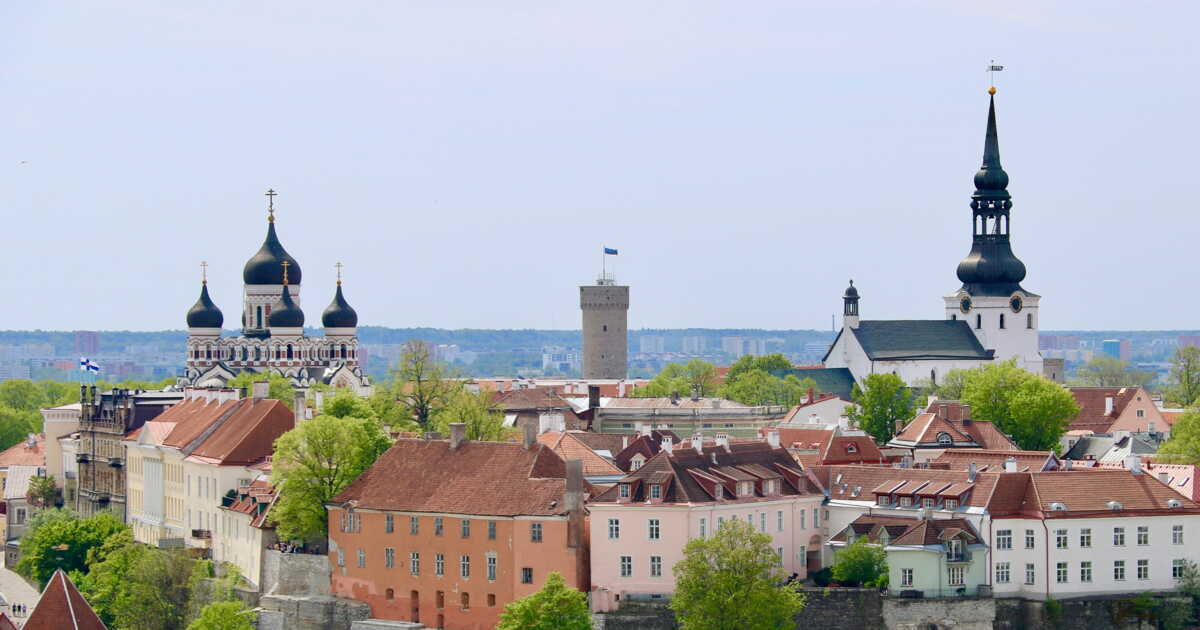
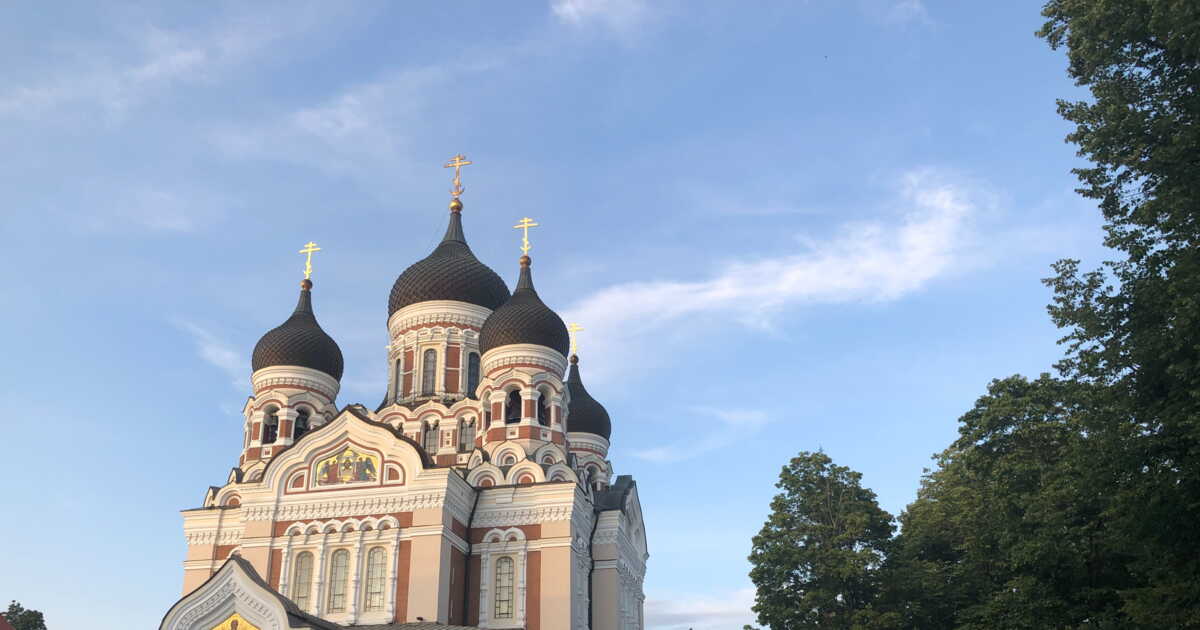
Exploring Tallinn‘s Old Town plunges you into the heart of Estonian history, in one of the best-preserved medieval ensembles in Northern Europe. A UNESCO World Heritage site, it captivates with its cobbled lanes, its ramparts and towers. From Toompea Castle, the seat of the Parliament, the viewpoints at Kohtuotsa and Patkuli offer a unique panorama of the Baltic Sea.
Every building tells a chapter of the past, between Scandinavian and German influences. This major cultural region of Estonia reveals itself on foot, by exploring Gothic churches, pastel façades, and historic cafés, to understand how Tallinn became the emblem of an identity that is both medieval and modern.
2. Visit the Kalamaja and Telliskivi district
Visiting the Kalamaja and Telliskivi districts allows you to grasp Tallinn’s contemporary transformation, where industrial heritage yields to urban creativity. Former working-class neighborhoods, Kalamaja has preserved its colorful wooden houses, typical of the region, while Telliskivi houses galleries, studios, and restaurants that reflect the country’s artistic vitality.
In these renovated former warehouses, Estonia in the throes of a cultural revival expresses itself through design, gastronomy, and music. A short walk from the old town, this area perfectly illustrates the dialogue between 19th-century heritage and the modern aspirations of a country oriented toward creation and innovation.
3. Discover Kadriorg Palace and Park
Discover Kadriorg Palace and Park means visiting a landmark of Estonian history. Built for Catherine I the Russian, this Baroque palace, surrounded by French-style gardens, bears witness to the imperial era and European influence on the territory. The park, vast and well-kept, invites a stroll, while the nearby Kumu Art Museum displays works tracing the evolution of local and international creation. This part of Tallinn reflects the richness of Estonian cultural heritage, between aristocratic architecture and contemporary artistic expression, in a tranquil setting where the Baltic Sea is never far away.
4. Explore Estonia’s landscapes in Lahemaa National Park
Exploring nature in Lahemaa National Park offers a valuable glimpse into Estonia’s northern face. Located to the east of Tallinn, this park protects a mosaic of forests, bogs (like Viru) and rugged coasts. Visitors can follow hiking trails, observe local wildlife, and discover historic manors that testify to Estonian rural life.
5. Discover history and culture in Tartu
Discovering history and culture in Tartu means visiting Estonia’s intellectual capital, at the crossroads of tradition and research. Located on the banks of the Emajõgi River, Tartu stands out for its university founded in the 17th century, and for cultural institutions such as the Estonian National Museum, dedicated to Estonian history and culture. In winter, the city takes on a hushed atmosphere, offering soft days punctuated by breaks in cafés and bookstores. This learned city, at the heart of the Tartu Region, provides a comprehensive view of Estonian identity: open, cultivated, and deeply rooted in its land.
6. Enjoy the beaches of Pärnu
Making the most of Pärnu’s beaches means discovering Estonia’s seaside facet. Considered the country’s summer capital, Pärnu attracts with its fine-sand beach that stretches along the Baltic Sea. Here, relaxation blends with sociability, between strolls along the waterfront, moments spent in a pub, and wellness treatments in the many spa establishments. The charm of Pärnu’s beach lies in the balance between leisure and serenity, in a preserved natural setting. The town center, with its colorful wooden houses, reflects the spirit of a region where the easygoing way of life accompanies every season.
7. Discover the Estonian islands
Discovering the Estonian islands lets you escape to the country’s most preserved territories. Accessible by ferry from the mainland, and then connected to its neighbor Muhu by a road causeway, Saaremaa Island houses Kuressaare Castle and its windmills, symbols of the largest island of Estonia. Further north, the Hiiumaa Island charms with its untouched nature, its operating old lighthouses and its soothing landscapes. Exploring Hiiumaa in winter offers a unique experience, between silence and raw beauty, while in summer, coastal hikes invite contemplation. These islands, true cultural regions, embody the intimate relationship Estonia maintains with the Baltic Sea, between isolation and authenticity.
8. Experience a traditional sauna
Experiencing a traditional sauna in Estonia means taking part in a fundamental daily-wellbeing practice of Nordic tradition. In the countryside or on the islands, the wood-fired saunas preserve an ancient ritual, symbolizing purification and sociability. Whether on the western coast, in Pärnu, on the Saaremaa Island, or in the forests of Soomaa Park, this experience offers a moment of absolute relaxation, in harmony with Estonian nature. The sauna, often associated with a rustic setting, illustrates the deep bond between inhabitants and their land, where warmth becomes a way to reconnect with what matters.
9. Participate in a local festival
Taking part in a local festival in Estonia helps to understand the country’s cultural vitality across its regions. Events like the Viljandi Folk Music Festival or Tallinn’s Öllesummer celebrate music, arts, and sociability. Visitors can meet art enthusiasts, discover traditional customs, and appreciate the richness of a modern Estonia that remains proud of its roots. These festivals are major cultural gatherings for exploring a country where artistic expression, memory, and celebration come together in one breath.
10. Tallinn KGB Museum: memory of a still-surveilled Estonia
The KGB Museum in Tallinn is one of the most singular places in Estonian tourism, offering a rare immersion into Estonian history during the Soviet era. Located in the former Viru Hotel, in the heart of the capital, this museum reveals the KGB’s surveillance methods, at a time when Estonia was under the control of the Soviet Union.
There you discover secret rooms, hidden listening equipment, and original documents illustrating the country’s strategic position within Northern Europe. This visit, which echoes frontier tensions visible from Narva Castle to the Baltic Sea, helps to understand the complexity of the national past. A true historic rendezvous, the KGB Museum stands as an essential stop for anyone wishing to visit Estonia with a cultural and memory-oriented approach.
In conclusion, Estonia is a destination rich in varied activities and discoveries, whether you’re exploring its medieval treasures, its natural landscapes, or its dynamic culture. Whether it’s a short break or a longer stay, there’s always something to discover in this unique Baltic country. Explore the seasons with activities suited to each, and immerse yourself in the Estonian experience.
What to absolutely see in Estonia? Between wild nature and medieval heritage
Discovering Estonia means roaming a territory where wild nature dialogues with preserved heritage. From Tallinn, with its Old Town encircled by ramparts and crowned by the Toompea Castle, to the fishing villages of the west coast, the country reveals a mosaic of cultural regions marked by history.
To the north, the Viru bog and the primeval forests of Lahemaa National Park invite contemplation, while to the south, Tartu, on the banks of the Emajõgi River, charms with its university atmosphere inherited from the 19th century. To the west, the Saaremaa and Hiiumaa islands recount Estonian history through their windmills, old lighthouses in operation, and beaches pounded by the Baltic Sea. Each of these places bears witness to an Estonia in the heart of Northern Europe, authentic and diverse.
Is it possible to visit Estonia in 3 days?
If three days feel short, a trip to Estonia within this timeframe can still cover the essentials, provided you plan your itinerary well. In about an hour’s drive from Tallinn, you reach striking natural spaces like Lahemaa National Park. In the capital, Tallinn’s Old Town, listed as a UNESCO World Heritage site, concentrates most of Estonia tourism, between museums, cobbled lanes and the medieval ramparts. For an urban escape, the route from Tallinn to Tartu, the country’s intellectual heart, or toward Pärnu, a seaside resort famed for its fine sand and great venues. In three days, you can thus feel the balance between culture, nature and well-being that characterizes Estonia in contemporary times.
Is Estonia a beautiful country? A harmony between history and landscapes
Yes, Estonia is a beautiful country in both geographic and cultural terms. Located in northeastern Europe, its strategic position between the Baltic Sea and the Nordic countries gives it a distinctive identity. The Soomaa hiking trails offer a glimpse of bogs, primary forests, and the famous fifth season, when the wetlands flood. In Pärnu, the summer capital, the fine-sand beach and wellness establishments attest to a serene way of living. In the northeast, Narva and the Ivangorod Fortress recall medieval heritage and the richness of Estonian history. Thus, the beauty of Estonia lies in this union between preserved nature and memory of the past.
Is it safe to travel in Estonia currently?
Estonia is today considered one of the safest countries in Northern Europe. Its tourist infrastructure is modern, public services are efficient, and travel conditions are particularly favorable. Visitors can move freely between the regions of Tartu, Pärnu or Saaremaa without difficulty. Even in winter, when temperatures drop, transportation remains reliable. Traveling in Estonia thus offers a serene experience, suitable for both art lovers and enthusiasts of wild nature. Estonia, located on the European continent, remains a safe and welcoming destination for all travelers.
This article was written with the help of artificial intelligence, then corrected, supplemented, and validated by the editors.