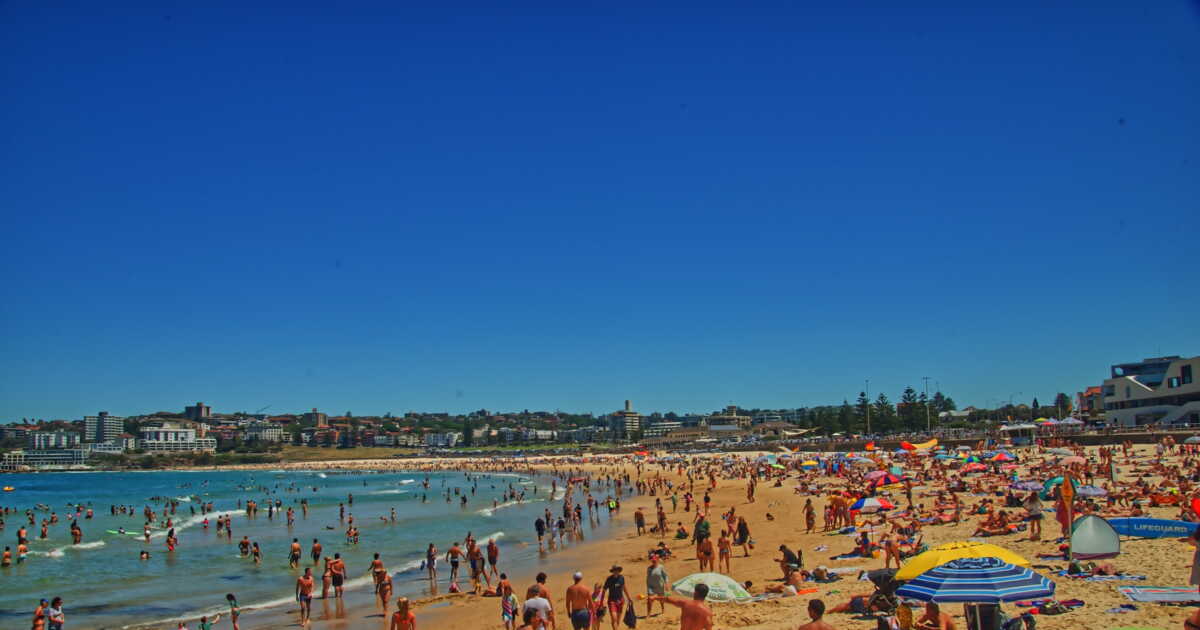
Crowded Beaches or Congested Streets: How New Technologies Help Tackle Overtourism

Tourists, kept informed in real time on their phones about whether the site they want to visit is crowded and urged to prefer another monument, the fight against overtourism could be steered by new technologies increasingly used by the sector. Since this summer, Parc du Marquenterre in the Baie de Somme, a major site for observing wild birds, has been predicting the expected attendance for the next 15 days, hour by hour, on its website.

“We have staff who have worked at the Park for many years and can say on Thursdays whether the weekend will be crowded or calm”, explained to AFP by François Goudeau, communications director for the Syndicat Mixte Baie de Somme. “But we didn’t know how to model this information. And we also wanted the public to be aware of this issue and to be able to postpone their visit or choose another site”, he adds. The new tool, which has run meteorological data and attendance through AI, has made it possible to identify peak visitation times throughout the year.

Anticipating Tourist Pressure

Cathy Sahuc, hailing from the aerospace sector, co-founded the startup Murmuration in the Toulouse region seven years ago. “We did a lot of work with satellites in our previous lives and we realized the impact of human activity on the environment, particularly tourism” she relates. To assess how many visitors a site can accommodate without excessive degradation, Murmuration, which notably uses satellite data, developed its own method based on environmental indicators: the health of vegetation, biodiversity, air quality, drought stress, to which is added a measure of tourist pressure.

“For a department, for example, we would say: ‘Here is the margin you still have to continue hosting people’. Or else ‘you’re at the limit, you must stop marketing or think about a better distribution’, emphasizes Cathy Sahuc. In the face of crowded streets, as in Barcelona, residents are calling for protective measures, such as mandatory reservations implemented in the calanques of Marseille. The Haute-Savoie prefecture has already put in place access-regulation measures to Mont-Blanc because of overtourism.

Encouraging Visitors to Change Their Destination

In Italy, in the Dolomites, some sites also experience high footfall, such as Tre Cime di Lavaredo, very popular on social networks. A regional native, Julian Palmarin, co-founded Touristinfo.ai, which helps sites better manage their flows. “AI unfortunately provides the most probable answer. If you ask what to do, it will send you three hours away to the most frequented site”, he tells AFP. The aim is to encourage visitors to change their destination or their timings before restrictions become necessary.

“The way we use it is by taking information from official sources, from destinations, and presenting it to the public in a way decided by the destination itself”, he specifies, for example guiding away from certain zones. Operators have access to a wealth of data: satellites, ticketing, parking, but also airline reservation records.

“You can see (…) when a traveler searches and when they finally books. This data allows destinations and travel players to anticipate, capture the traveler who is doing the search, and steer them with more attractive offers, or at other times”, details Evantia Giumba, France director of Amadeus, a leading tech player in air travel, present at the tourism professional fair IFTM, which concludes Thursday in Paris.

A Vital Lever for Some Sites

These tools could become a crucial lever for management. “It is vital for some sites that are increasingly degraded”, argues Cathy Sahuc, before adding: “The working tool of a tourism agency is the territory. If it is destroyed, there is no longer any economic activity”. “After this summer’s testing, we note that the public has not yet changed its behavior, but there is greater acceptability when there are waits, acknowledges François Goudeau. He notes that it is now essential to work “with all the prescribers, tourist offices, and hoteliers to guide their clients with good advice”.
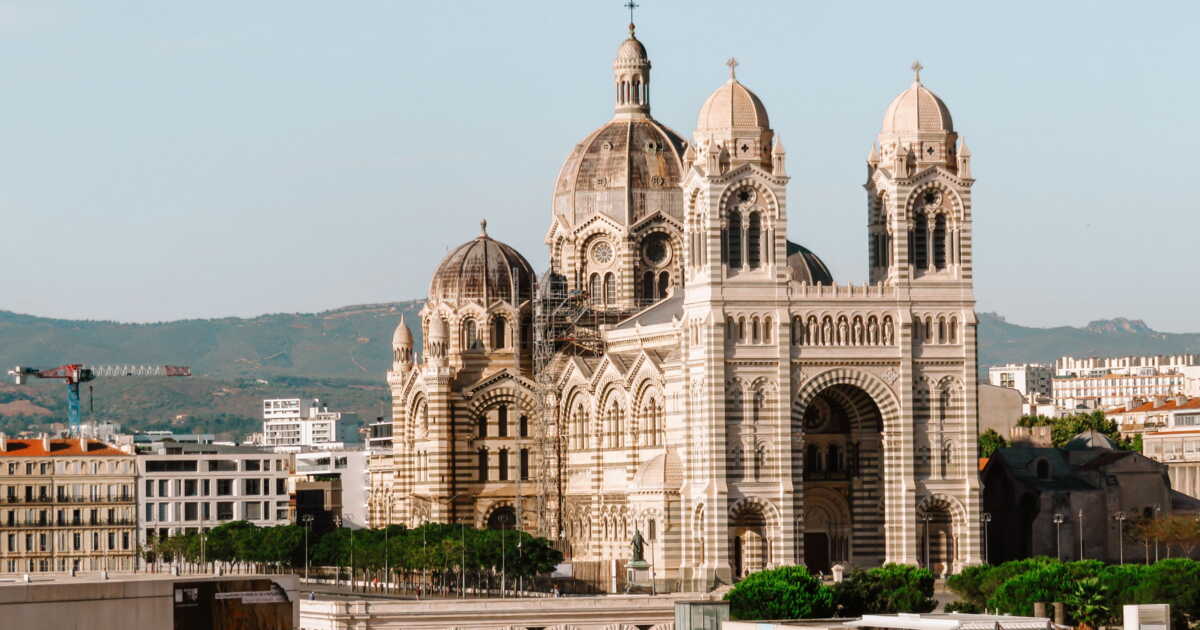
Marseille Struggles with Overtourism, Residents in Despair

Vieux-Port, Notre-Dame-de-la-Garde, the Calanques… These iconic places form Marseille’s fame, now one of France’s most coveted destinations. Yet nothing suggested that the préfecture of the Provence-Alpes-C Côte d’Azur region would become such a tourist hotspot. As a travel expert recently explained in The Guardian, Marseille has long suffered from a multitude of stereotypes, notably the idea that it is a city where safety cannot be taken for granted.

To be frank, it is home to some of Europe’s most disadvantaged neighborhoods and drug trafficking is active in several of them. But these preconceptions now seem far removed from travelers’ concerns, as Marseille asserts itself as an essential tourist destination.

Proof of this is that a few months ago, Booking.com, the online platform that lets users book hotels, flights and cars, revealed that the Phocaean city had overtaken Paris and Nice to become the most searched destination by French users of the site. Likewise, foreign media outlets, such as The New York Times, which ran several pieces about Marseille, have helped to restore the city’s image and attract more international visitors.

Le surtourisme agace de plus en plus les Marseillais

Most of the time, the Marseillais take great pride in their city and do not hesitate to show it. Take the rapper Jul, who racks up over 10 million monthly listens on Spotify and frequently references the city where he grew up in his songs. Influencers, too, enjoy sharing the most photogenic corners of the Phocaean city. But since Marseille became a must-visit destination, locals lament the loss of their quiet life.

In June last year, residents of the Goudes, a picturesque fishing village on the outskirts of the city, took to the streets to protest. One of them explained that they felt overwhelmed by the number of visitors, feeling as though they were under house arrest. In Le Vallon des Auffes, another picturesque and highly frequented spot, locals have been opposing for weeks the opening of a sixth restaurant in the small harbor. Likewise, when swimming was banned at the busy Plage des Catalans at the start of the month because of a bacterial contamination, many residents pointed to over-tourism.

Residents also denounce an unprecedented rise in noise and waste, as well as price increases, which they attribute to a “excessive touristification.” The anti-Airbnb sentiment, often expressed through graffiti, has grown stronger in recent years. Meanwhile, campaigns against cruise ships are gaining momentum, while local elected officials remain divided on the issue.

Un tourisme qui s’est développé à vitesse grand V à Marseille

According to the Guardian expert, the problem mainly lies in the astonishing speed of this transformation. She explains that tourists began pouring in en masse in the summer of 2020, after several months of Covid-19 lockdowns. This surge in visitors was accompanied by rampant gentrification, driving up real estate prices and fueling residents’ resentment.

“It feels like we’ve blinked, and suddenly Marseille summers are defined by crowded beaches, vast and sprawling bars, endless queues for public transport, and streets overwhelmed by groups of tourists”, she wrote. However, tourism has not only produced negative effects; it has also helped create jobs and contributed to reducing the city’s high unemployment rate. This, though, calls for better management and tighter regulation.

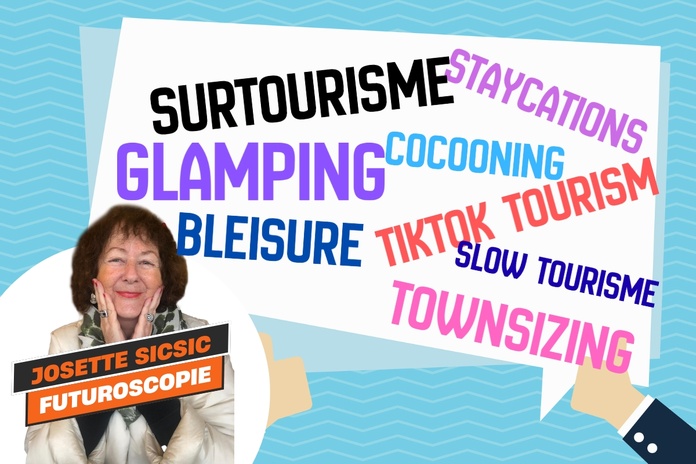
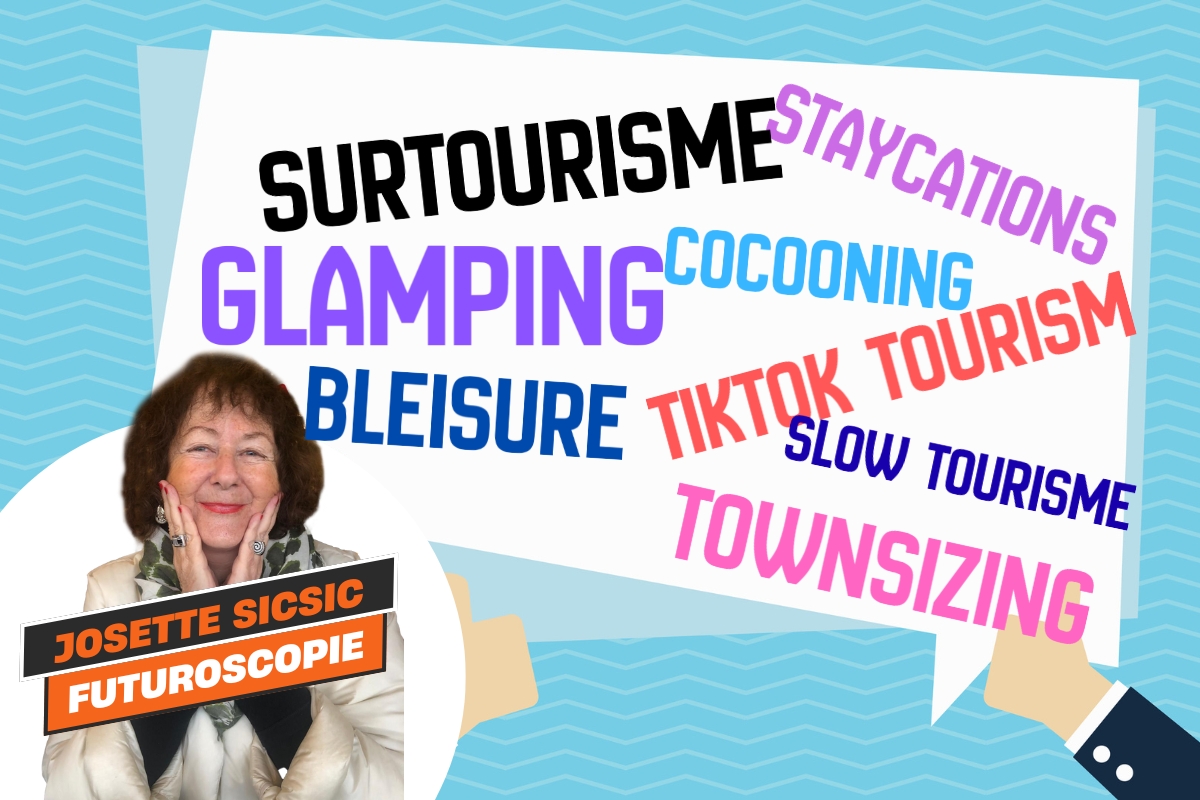
Cocooning, Overtourism, and Digital Nomads: Neologisms Shaping Foresight


Cocooning, surtourisme, digital nomads... les néologismes au service de la prospective ? - Depositphotos.com Auteur artursz

CroisiEurope


Among the champions of the genre, the term “cocooning” has taken the spotlight. It is all the more emblematic because, since its creation by Faith Popcorn’s forecasting firm (the brain reserve) in the 1990s, it has been understood across generations and has a knack for never going out of fashion.

It hardly fades, and this is reinforced by the Covid lockdowns, when a notion of “neo-cocooning” emerged. This represents a trend of retreating to one’s home that, at the same time, becomes multifunctional: work, entertainment, sport…

Another major success is the term “surtourism” or “hypertourism” denoting the negative impacts of tourism on territories and tourist sites. Repeated in unison, often exaggerated, this term even has its opposite: “undertourism”, which has not gained notoriety. And yet, “undertourism” exists indeed and is definitively more widespread than “surtourism”.

But it is less surprising, therefore less used by media seeking the spectacular.


Slow Tourism, Glamping… and Staycations!

Immense succès aussi pour le “slow tourism” born in Italy from the Slow Food movement which, as early as the 1980s, solidified a tendency to return to a slower life and tempo, especially in the realms of food, transport, and tourism.

Still widely used, this term marked a revolution that is undeniably lasting.

In another category, that of neologisms built around tourism styles, we find the “glamping”. A contraction of the words glamour and camping, signifying the emergence of luxury camping offerings. A real development, indeed progressing, deserving a specific label that has only one flaw: its sound.

The “couch-surfing”, describing a free way to travel from couch to couch, is also well recognized. Yet this activity is waning and tends to disappear.

The “staycations” are experiencing a committed trajectory? Less well understood, the compound term formed from stay (to stay) and cation (vacation) nonetheless constitutes a real trend, consisting of taking one’s holidays at home. It is not going to be reduced.

In the same vein, there are the “coolcations” which refer to budget-friendly vacations during heatwaves. A trend that will grow and will likely boost the appeal of Nordic destinations.


Traveller Styles

In the series of compound words describing vacation and traveler styles, “back packers” have been known for more than half a century. Often replaced in France by the term “routard”, they remain very present on roads worldwide. Denoting a travel accessory, they even precede “globe-trotters”. Another historical neologism.

New, thanks to Forbes magazine and its Global Nomad Index (as well as Skyscanner’s travel trends), the “Glomads” could this year gain some popularity. Signifying a highly connected population, traveling year-round with their laptops in hand, they do not differ greatly from the generation of “Digital natives” or “Digital nomads” identified by many destinations that consequently promote their welcome (Thailand, Canary Islands, Portugal).

In the same vein, the term “workation”—indicating the same mix of work and vacation—is more used by English speakers. It does not become popular in France, probably due to its awkward sound.

While the term “Bleisure”, though repeatedly mentioned by the media, does not take off either. Barely audible to Francophone ears, it fails to emphasize the combination of “business” with “leisure”. Yet the trend is there and will endure, especially as a well-established term is added: “remote workers”, i.e., teleworkers.

Another emergence is “JOMO” (Joy of Missing Out), describing individuals who proudly express their joy at skipping highly common experiences and activities. They stand in opposition to “FOMO” (Fear of Missing Out).


Some Developments in the Pipeline

Noting that nocturnal tourism has long constituted a large portion of the tourist offer (bars, nightclubs, concerts, parties…), the term “Noctourism” is trying to spread. For now, it still struggles to gain traction, but after-sunset experiences, notably those related to the sky, the stars, the northern lights, and full-moon nights, will develop. But beware, the “me mooning”—referring to those who want the full moon for themselves—gathers more and more followers.

The “Land snorkelling”, a recent trend describing a contemplative exploration of the landscape on the ground, just as one would snorkel in water (creative vocabulary used in 2025 travel trends), could also have a bright future. Just like “Micro-adventures”, which have always existed but needed a fresh twist!

The “Townsizing”, a tendency to choose smaller towns or communities as destinations rather than large metropolises, is also waiting in the wings to establish itself. But, more in Anglo-Saxon countries.

As for “Regenerative Tourism”, it has started a relatively bright career even though it hardly exists yet. An achievement that can be explained by a genuine traveler tendency not to degrade the environment and to practice sustainable tourism by picking up litter and leaving no traces of their passage. But who really does it? One might speak of “crypto trends”.

The “set jetting”, for its part, is undeniably in vogue. Denoting tourism practiced on film and TV shooting locations, it must be admitted that it is increasingly and very broadly media-covered.