


How to Get Around Martinique: Transportation Tips


© wirestock - Magnific

Attitude Hotels


Une île plus étendue qu’il n’y paraît

On the map, Martinique may look small. Yet reaching Grand-Rivière, at the very north, from Sainte-Anne, at the southern tip, easily takes several hours of driving.

The terrain is mountainous, the roads are winding, and traffic grows dense around Fort-de-France and Le Lamentin during rush hours. It’s wise to factor this in when planning your days.


The bus: economical but impractical for visitors

The public transportation network covers a good portion of the island, with urban lines around Fort-de-France and intercity routes linking the towns. Fares are modest, which makes it an appealing option in theory.

In practice, things are more complicated. Schedules can be irregular, the frequency drops significantly in the late afternoon and on Sundays, and some tourist sites, such as secluded beaches or trailheads, are poorly served. The network also routinely experiences disruptions, particularly during social movements. For a traveler with only a few days, these uncertainties can quickly waste valuable time.


The sea shuttles, a pleasant alternative

Between Fort-de-France and the Trois-Îlets coast, sea shuttles cross the bay several times a day. They stop at Pointe du Bout, Anse Mitan, and Anse à l’Ane. For guests staying in this area who want to spend a day in the capital, it’s a convenient option that avoids traffic jams and offers a nice view of the bay.

However, these connections remain limited to a few coastal points and do not enable exploring the rest of the island.


The taxi: convenient for occasional use, costly for daily travel

Taxis are available at Martinique Aimé Césaire International Airport, in Fort-de-France, and in the main tourist hubs. They are handy for a transfer on arrival or a single ride, for example after dining out.

However, fares climb quickly as distances grow. Relying on taxis as the island’s primary mode of transportation represents a significant expense, especially since availability is more limited in rural towns.


Cycling, scooters, and motorcycles: for seasoned riders only

Cycling might seem tempting under the Caribbean sun. Yet the heat, humidity, and hilly terrain make long rides exhausting. Moreover, roads are often narrow, with no shoulders or bike lanes, and traffic is heavy on the main arteries.

Scooters and motorcycles pose similar challenges. Tight bends, sometimes slick pavement after a tropical downpour, and comparatively fast local driving expose two-wheelers to real risks. These modes of transport are better suited to experienced residents than to transient visitors.
Mixing the options


November 5 Strike: SNCF, Airlines, and RATP Disruptions in Transportation


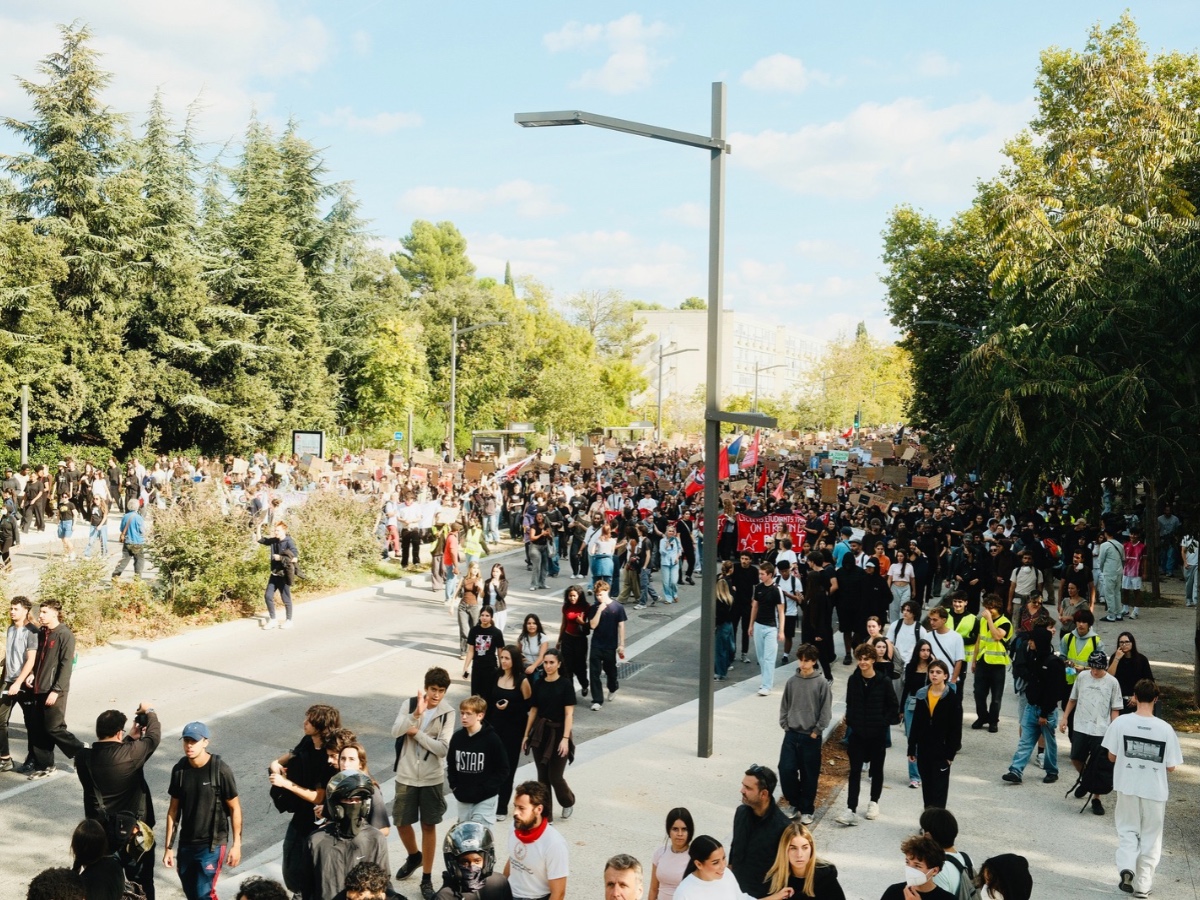
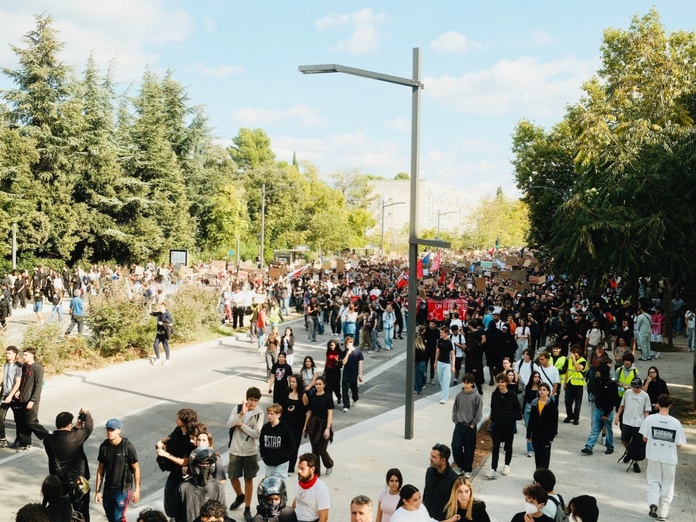
Après les manifestations du 17 octobre (photo ci-dessus), La CFDT, la CGT, Force ouvrière (FO), l’Unsa et la FSU appellent à une grève interprofessionnelle le jeudi 5 novembre - Photo NP

Attitude Hotels


Transportation workers are bracing for a day of mobilization.

The CFDT, the CGT, Force Ouvrière (FO), UNSA and the FSU are calling for an inter-professional strike on Thursday, November 5.

The unions demand a general increase in wages, the reversal of the civil service pay scale index (the point d’indice), the revaluation of pensions and the minimum wage, as well as resources for public services.

At the SNCF, the CGT-Cheminots, the UNSA-Ferroviary, SUD-Rail and the CFDT-Cheminots are calling on railway workers to strike.

At the heart of the four federations’ demands: open negotiations on living and working conditions; the implementation of a Employment policy ensuring that on every worksite staffing levels are sufficient; the preservation of the group’s social unity and of the rights and guarantees of railway workers, and the opening of real wage negotiations.


SNCF: disruptions to be expected on the rails?

Will the call be followed? A first indication of the impact on train traffic was published by SNCF on Tuesday, November 3 in the afternoon.

“As part of the national inter-professional social movement, SNCF Voyageurs train traffic on Thursday, November 5 will be slightly disrupted on TGV routes, and disrupted on Intercités, TER, and on the trains and RER in Île-de-France,” the company stated in a press release.

Line-by-line forecasts will be detailed on Wednesday, November 4. All customers of TGV and Intercités whose train is cancelled will be contacted again and will be able to benefit from exchanges or refunds without any charge for their ticket, the SNCF specified.

For reference, the movement takes place the day before the official TGV M journey between Paris-Gare de Lyon and Marseille Saint-Charles, on November 6.


In aviation, what impact?

The aviation sector is not immune to disruptions.

FO filed on October 29 a notice targeting the DGAC, ENAC, and BEA.

The USAC-CGT, the leading union of the DGAC, calls on the agents of the Direction Générale de l’Aviation Civile (DGAC) to join the mobilization. The same goes for SUD Aérien Solidaires and UNSA Aérien, who are calling for a strike on Thursday, November 5, 2026. Air traffic controllers taking part in the strike must declare themselves 48 hours before the movement.

Contacted by us, the DGAC specified that it has not requested any adjustment to flight programs from airlines for tomorrow.


RATP, RTM… what about the metro, buses and public transports?

In Paris, RATP has not filed any specific pre-notice for the metro, buses, or trams. Nevertheless, Île-de-France Mobilités announces disruptions on certain trains and RER services operated by Transilien SNCF on behalf of Île-de-France Mobilités.

If the service will be normal on the RER A and the K and V lines, only one train out of two will run north of the RER B line and two trains out of three in the southern part (no train changes at Gare du Nord).

One also expects one train out of two for the RER C and one train out of three between Creil and Corbeil-Essonnes; Goussainville and Melun;

Corbeil-Essonnes and Melun via Ris Orangis from 6:15 to 9:30 and then from 16:30 to 20:30 and Juvisy and Malesherbes.

Two trains out of three are planned on lines E, J, L and P (between Meaux and La Ferté-Milon; normal service on the rest of the line).

Finally, expect one train out of two on lines H, N, U and R (between Paris Gare de Lyon and Montargis; Paris Gare de Lyon and Montereau from 5:40 to 9:45 then 16:15 to 22:15; Melun and Montereau via Héricy from 6:00 to 9:30 then 16:30 to 20:00).

In Marseille, CGT-RTM called tram workers to strike for November 5.

RTM announces disruptions (slight in the Marseille metro, 70% of tramway service and 50% for buses) and an ordinary service for school transport, and invites travelers to anticipate their trips.