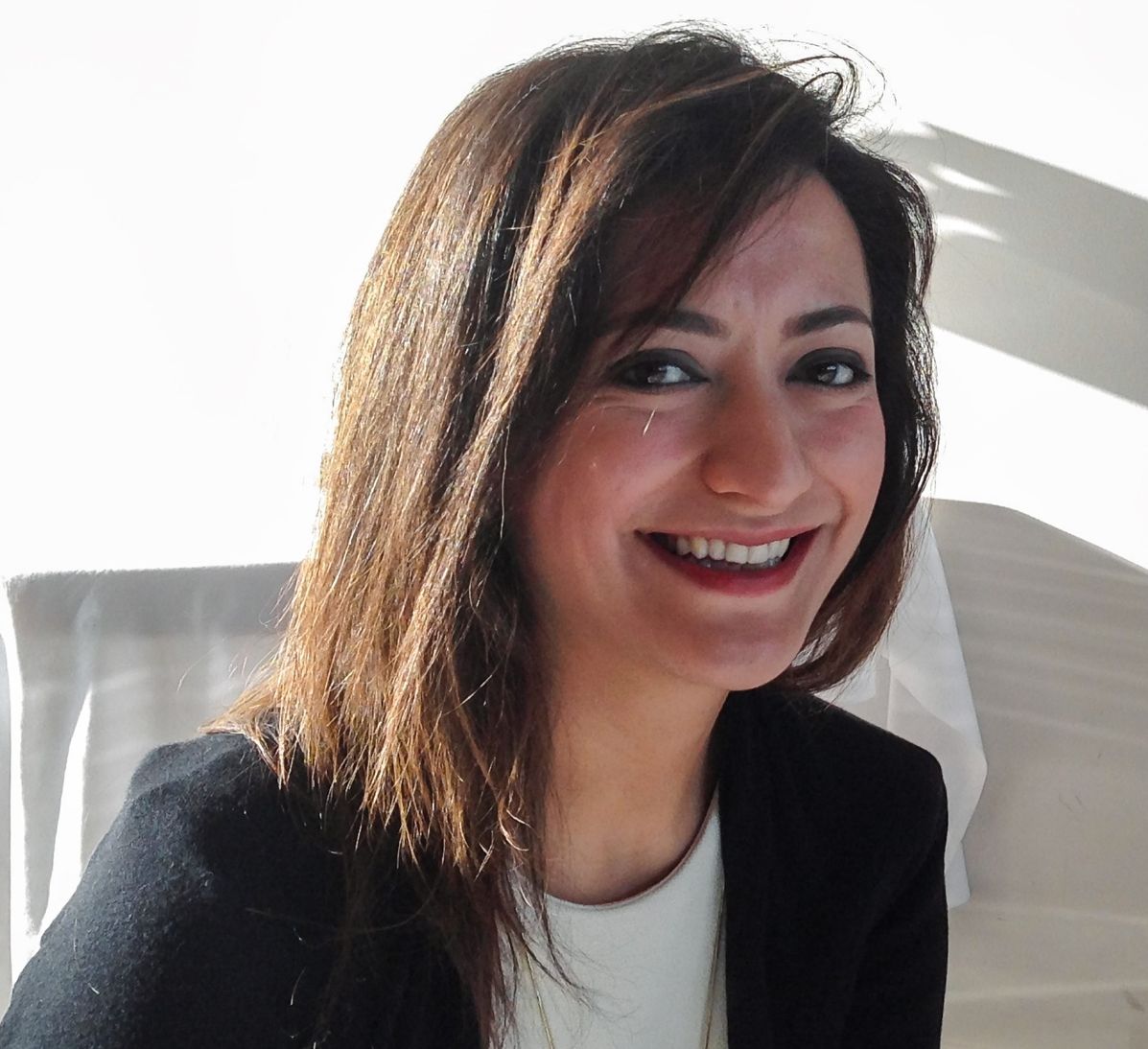
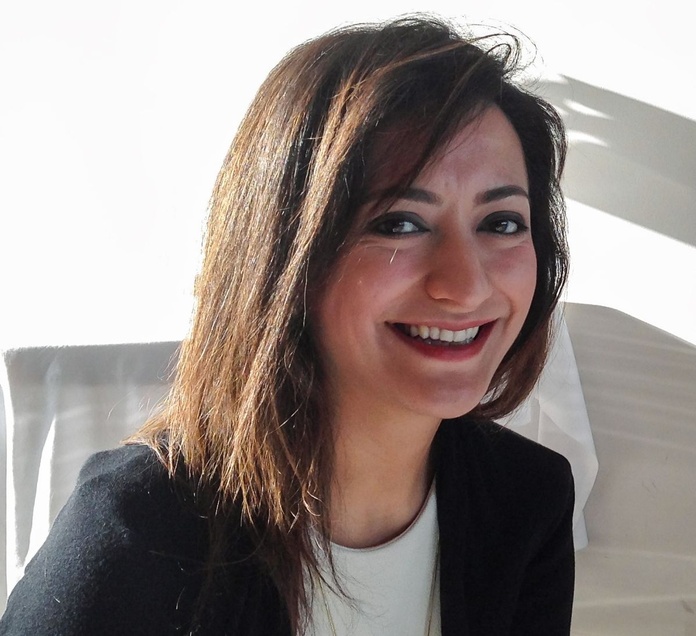

The world of tourism still knows how to rely on profiles that are not shaped by specialized schools. This is evidenced by Burcu Ozdemir, the new “face” of Turkey’s new tourism scene in Paris.
Not a novice, this forties-year-old had so far only touched the world of tourism indirectly.
Born in Ankara to a father who was an architect and a mother who was a civil servant, she chose at a very young age to study at the French high school in the Turkish capital. With her father’s support. Her mother, she would have preferred a course in English, considered “more promising for the future“.
With her baccalaureate in hand, once again despite her mother’s reservations, Burcu Ozdemir opted for archaeology studies. “For me, this choice felt quite natural”, she recalls. “Very young, I was very curious and passionate about history, she continues. And then, “during vacations, with my parents, we kept visiting archaeological sites”.
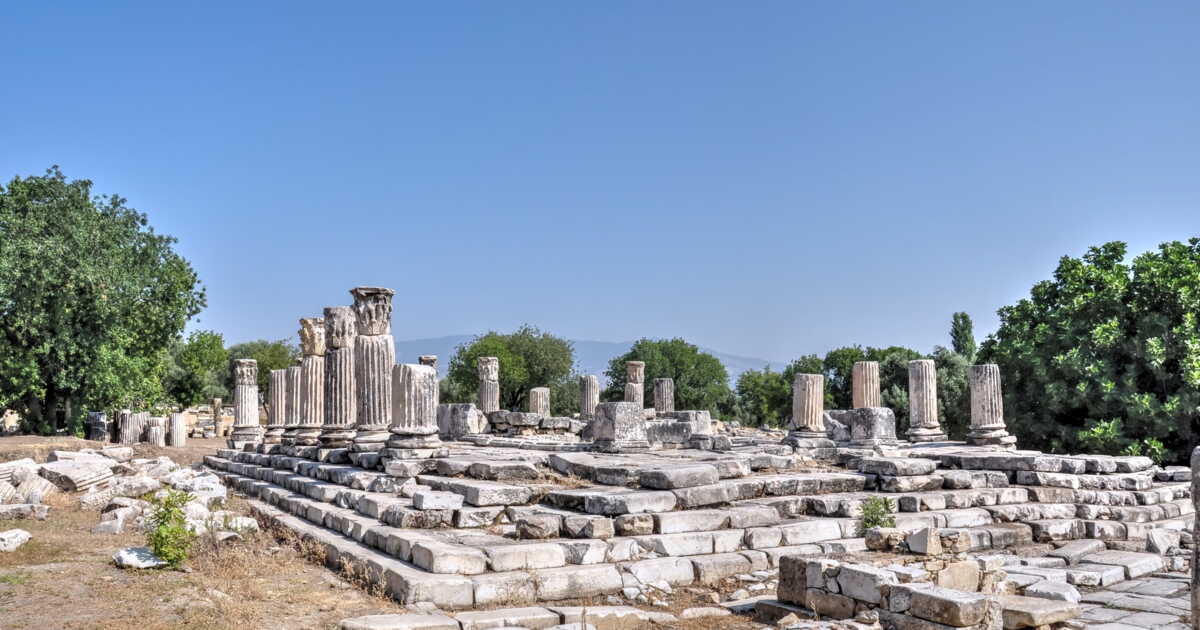
Turkey has no shortage of prestigious sites, many of which are UNESCO World Heritage-listed, such as Troy, Ephesus, Aphrodisias, Pergamon, Hierapolis and other ancient cities of myth…
Not a novice, this forties-year-old had so far only touched the world of tourism indirectly.
Born in Ankara to a father who was an architect and a mother who was a civil servant, she chose at a very young age to study at the French high school in the Turkish capital. With her father’s support. Her mother, she would have preferred a course in English, considered “more promising for the future“.
With her baccalaureate in hand, once again despite her mother’s reservations, Burcu Ozdemir opted for archaeology studies. “For me, this choice felt quite natural”, she recalls. “Very young, I was very curious and passionate about history, she continues. And then, “during vacations, with my parents, we kept visiting archaeological sites”.
Turkey has no shortage of prestigious sites, many of which are UNESCO World Heritage-listed, such as Troy, Ephesus, Aphrodisias, Pergamon, Hierapolis and other ancient cities of myth…
“Touching objects that are thousands of years old is fascinating”
To obtain her license, Burcu Ozdemir chose to specialize in the “classical period,” the true golden age of ancient Greece and Rome, whose testimonies abound on today’s Turkish soil.
Along the way, like all archaeology students, she took part in excavation digs for four consecutive summers. “The conditions were quite Spartan: we girls slept in dormitories, and, to avoid the heat, we had to head to the field very early.”
Nevertheless, she keeps only good memories of that experience. And her heart still races when she recalls the ancient cities of Arykanda (now in the Antalya province) and Magnesia (in the Aydın province), discovered at the time.
Once the degree was in hand, Burcu Ozdemir’s life took an unexpected turn. Just then, Turkey’s Ministry of Culture and Tourism opened a recruitment competition. Bingo!
At 23, while pursuing her Master’s and a thesis on the management of the Magnesia archaeological site, she joined the ministry’s unit responsible for excavations, then the group for special projects.
“It was an opportunity not to miss. The ministry does not often open positions through competitive exams”, she says. More importantly, it kept her in touch with the field. “Touching objects that are thousands of years old is fascinating, she confides, acknowledging that you must “be passionate to bring the past back to life and make it speak”.
Along the way, like all archaeology students, she took part in excavation digs for four consecutive summers. “The conditions were quite Spartan: we girls slept in dormitories, and, to avoid the heat, we had to head to the field very early.”
Nevertheless, she keeps only good memories of that experience. And her heart still races when she recalls the ancient cities of Arykanda (now in the Antalya province) and Magnesia (in the Aydın province), discovered at the time.
Once the degree was in hand, Burcu Ozdemir’s life took an unexpected turn. Just then, Turkey’s Ministry of Culture and Tourism opened a recruitment competition. Bingo!
At 23, while pursuing her Master’s and a thesis on the management of the Magnesia archaeological site, she joined the ministry’s unit responsible for excavations, then the group for special projects.
“It was an opportunity not to miss. The ministry does not often open positions through competitive exams”, she says. More importantly, it kept her in touch with the field. “Touching objects that are thousands of years old is fascinating, she confides, acknowledging that you must “be passionate to bring the past back to life and make it speak”.
“I loved everything I did!”
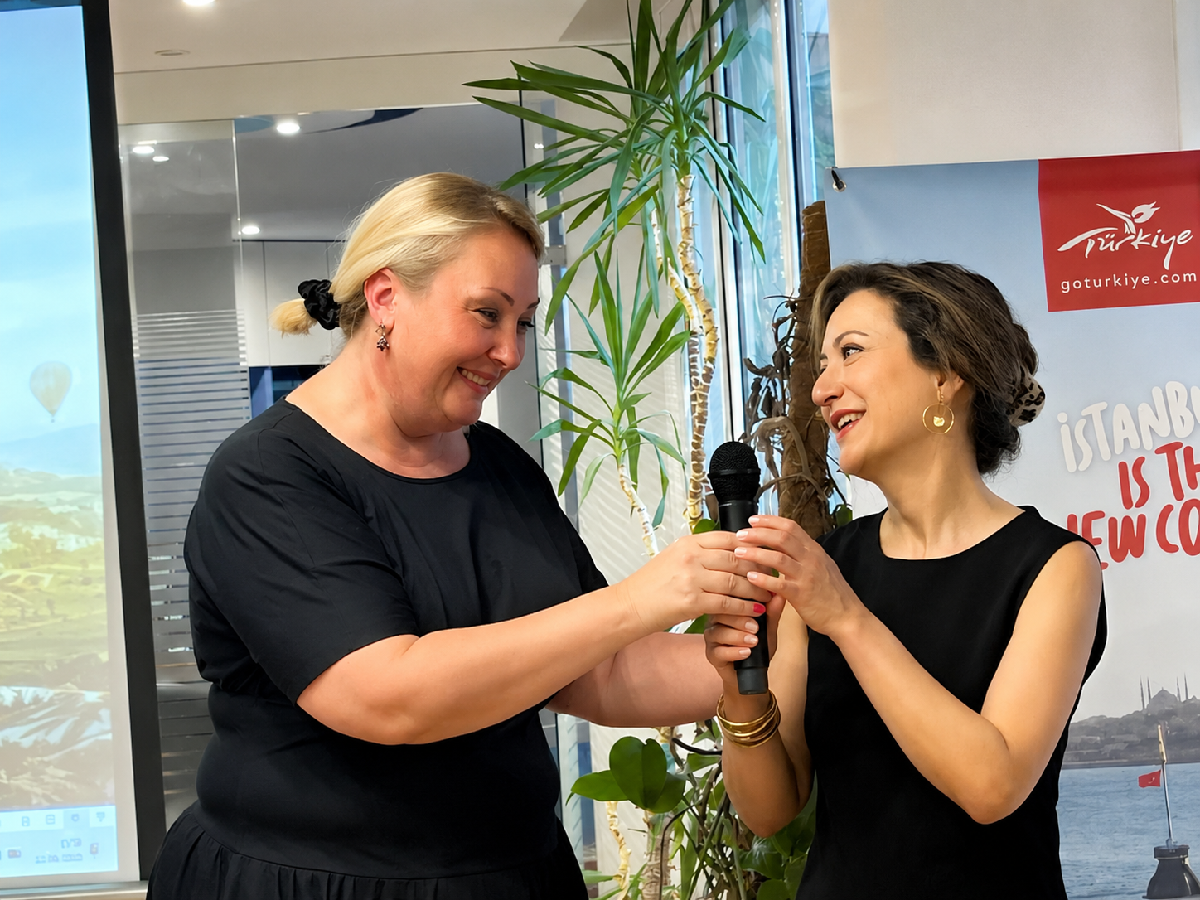
It was then at UNESCO, in Paris, that her passion found expression for six years, at the World Heritage Centre, responsible for monitoring sites listed in Europe.
Her assignments then carried her to Lithuania, Le Havre, Sweden, Lyon… Undoubtedly, her grasp of administrative machinery helped her in this role, at the crossroads of culture and diplomacy.
Back in Turkey during the Covid period, Burcu Ozdemir led the Unit for Combating the Trafficking of Cultural Property Abroad.
“I loved everything I did there!”, she exclaims. “I worked with experts, with Interpol, with the judiciary… Diplomacy was often required. In the end, we succeeded in bringing back many stolen works to Turkey.”
And she mentions twelve bronze statues recovered from private collections in the United States, where they had ended up after being stolen from Bourbon (an ancient site near Izmir) in the 1960s.
Her assignments then carried her to Lithuania, Le Havre, Sweden, Lyon… Undoubtedly, her grasp of administrative machinery helped her in this role, at the crossroads of culture and diplomacy.
Back in Turkey during the Covid period, Burcu Ozdemir led the Unit for Combating the Trafficking of Cultural Property Abroad.
“I loved everything I did there!”, she exclaims. “I worked with experts, with Interpol, with the judiciary… Diplomacy was often required. In the end, we succeeded in bringing back many stolen works to Turkey.”
And she mentions twelve bronze statues recovered from private collections in the United States, where they had ended up after being stolen from Bourbon (an ancient site near Izmir) in the 1960s.
“Autumn is ideal for visiting Turkey”
Missions still somewhat distant from tourism? “Not that much!” retorts Burcu Ozdemir, who, at UNESCO, had also worked on sustainable tourism. Moreover, as the new head of the “Culture and Information Service” at the Turkish embassy in Paris, she is tasked with promoting both the country’s tourism, cultural richness and heritage.
“It is very important to know your country and its culture well to persuade tour operators to program our destination”, she asserts.
Yet, on July 3, the SETO (Union of Tour Operators) announced an 18% drop in bookings in Turkey for that summer due to the war in the Middle East. Since then, Burcu Ozdemir counters, bookings have begun to rise again. Many are now made at the last minute.
“History and culture are fundamental elements to attract the French to Turkey”, she adds, describing herself as someone who wants to advocate for tourism that is more cultural, more qualitative.
“Autumn is ideal for discovering Turkey, the climate is milder”, she insists. Burcu Ozdemir hopes to persuade tour operators and travel agencies to participate in an “event” she is inviting them to, on the sidelines of the IFTM, in mid-September.
“The wealth of Turkey’s tourism offering will greatly assist me”, she concludes. After listing coastal areas, gastronomy, rafting, skiing, hiking, climbing, and culture, Burcu Ozdemir mentions, unsurprisingly, archaeological sites.
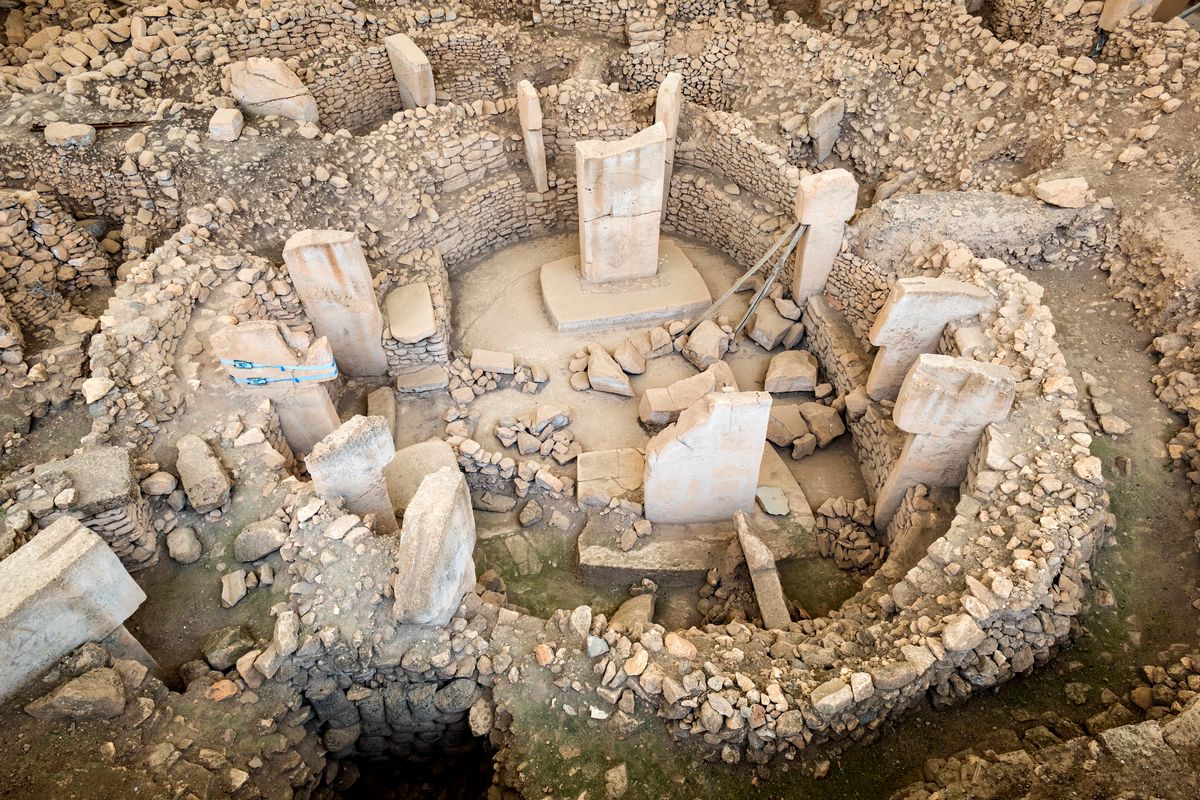
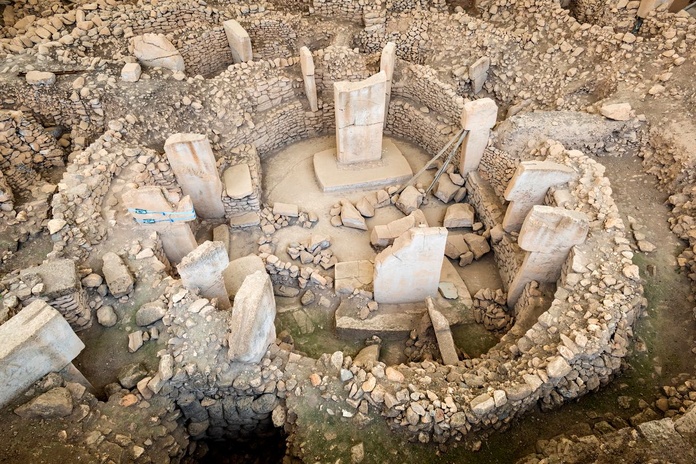
In particular Göbekli Tepe, a Neolithic site where one of the oldest temples of humanity was found. Turkey certainly has more surprises in store for us!
“It is very important to know your country and its culture well to persuade tour operators to program our destination”, she asserts.
Yet, on July 3, the SETO (Union of Tour Operators) announced an 18% drop in bookings in Turkey for that summer due to the war in the Middle East. Since then, Burcu Ozdemir counters, bookings have begun to rise again. Many are now made at the last minute.
“History and culture are fundamental elements to attract the French to Turkey”, she adds, describing herself as someone who wants to advocate for tourism that is more cultural, more qualitative.
“Autumn is ideal for discovering Turkey, the climate is milder”, she insists. Burcu Ozdemir hopes to persuade tour operators and travel agencies to participate in an “event” she is inviting them to, on the sidelines of the IFTM, in mid-September.
“The wealth of Turkey’s tourism offering will greatly assist me”, she concludes. After listing coastal areas, gastronomy, rafting, skiing, hiking, climbing, and culture, Burcu Ozdemir mentions, unsurprisingly, archaeological sites.
In particular Göbekli Tepe, a Neolithic site where one of the oldest temples of humanity was found. Turkey certainly has more surprises in store for us!
 Publié par Paula Boyer Responsable rubrique LuxuryTravelMaG – TourMaG.com
 Voir tous les articles de Paula Boyer


Ajoutez TourMaG à votre flux Google Actualités