Every summer, the highest Chinese leaders almost completely disappear from the public scene for about ten days. Far from the luxurious destinations favored by many heads of state, they retreat to a modest seaside town in the northeast of China. Behind this discreet tradition lies a place steeped in history, closely linked to the Communist power for more than 70 years. Between state secrecy, political heritage, and popular tourism, Beidaihe remains a unique symbol of how the Chinese regime operates.
An ordinary seaside resort turned the power’s summer refuge
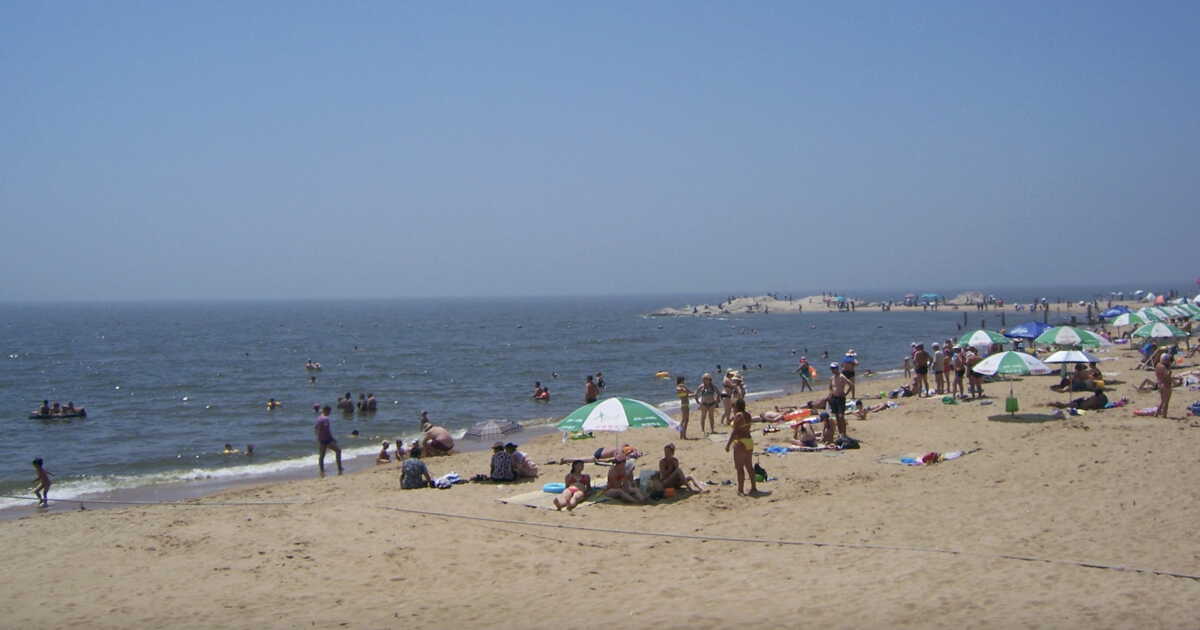
At first glance, Beidaihe has nothing of an elite destination. Located about 300 kilometers east of Beijing, this coastal town features sandy beaches, seafood restaurants, and Soviet-inspired villas. Each year, nearly 50 million Chinese tourists stay there, while around 50,000 Russian visitors also come to enjoy its coastline.
But, every summer, the scenery changes quietly. From July onward, security measures tighten at the station in anticipation of the leaders’ arrival. Drones are banned, private boat excursions are suspended, and hot-air balloon flights are no longer allowed. It is usually at the beginning of August that the top Chinese officials, including Xi Jinping, withdraw from the public arena for 10 to 14 days, unless there is a national emergency.
For historian Rana Mitter, interviewed by CNN, this choice is far from trivial. “They do not want to give the impression that they are going to a luxurious place where corruption could be possible”, he explains. According to him, “going to a very traditional and fairly modest station is a good way to symbolize this, whereas going to a five-star hotel in Hainan or to an international Caribbean complex would not have the same effect”.
Cette tradition remonte à 1953, lorsque Mao Zedong, fondateur de la République populaire de Chine en 1949, choisit Beidaihe comme résidence de travail estivale pour les dirigeants communistes. À l’époque, la proximité avec Pékin et l’absence de climatisation dans la capitale rendaient la station particulièrement attractive durant les fortes chaleurs.
A place steeped in history where secrecy remains the rule
Mais Beidaihe n’est pas seulement une destination de vacances. Plusieurs décisions majeures de l’histoire chinoise y ont été prises. En 1958, Mao Zedong y lance notamment les orientations qui conduiront au Grand Bond en avant, une politique économique dont les conséquences provoqueront une famine ayant coûté la vie à des millions de personnes.
Après une interruption durant la Révolution culturelle, les séjours estivaux reprennent après sa mort en 1976. Deng Xiaoping, successeur entre 1978 et 1989, y passe régulièrement ses vacances en famille et ouvre progressivement la station aux touristes étrangers dans les années 1980, alors que la Chine cherche à attirer des devises.
Sous Xi Jinping, le fonctionnement de ces retraites est devenu encore plus opaque. Rana Mitter observe ainsi que “l’époque de Xi Jinping est beaucoup plus mystérieuse, comme beaucoup de choses sous Xi Jinping. Nous ne savons pas vraiment, mais il semble qu’il y ait un consensus selon lequel des réunions se tiennent chaque année”, explique-t-il à CNN.
Le mystère qui entoure Beidaihe intrigue depuis longtemps les observateurs étrangers. Le journaliste allemand Johnny Erling, qui a couvert la Chine pendant près de quarante ans, résume cette fascination en déclarant à CNN : “La politique chinoise est une grande boîte noire et Beidaihe est l’un des noms symboliques de cette réalité. Parce que personne ne sait exactement ce qui s’y passe réellement, mais tout le monde pense savoir quelque chose”.
Au fil de ses visites, il raconte avoir été régulièrement surveillé par les autorités. “La police savait que j’allais venir grâce à mes réservations d’hôtel et aux appels téléphoniques que j’avais passés… ils me demandaient de ne pas y aller… et j’y allais”, affirme-t-il. Lors d’un déplacement en 2018, il remarque même que “la police était déjà sur la plage, faisant semblant de se baigner”.
Aujourd’hui, l’influence politique de Beidaihe semble moins importante qu’autrefois. Pourtant, la station continue d’alimenter les spéculations autour des réunions informelles des dirigeants chinois. Derrière son apparence de simple destination familiale, ce morceau du littoral reste l’un des lieux les plus emblématiques – et les plus secrets – du pouvoir en Chine.