
In the May 2026 press review overview for the week starting June 1, 2026:
Global tourism continues to grow despite geopolitical tensions
Bali: the “taxi war” makes life harder for tourists
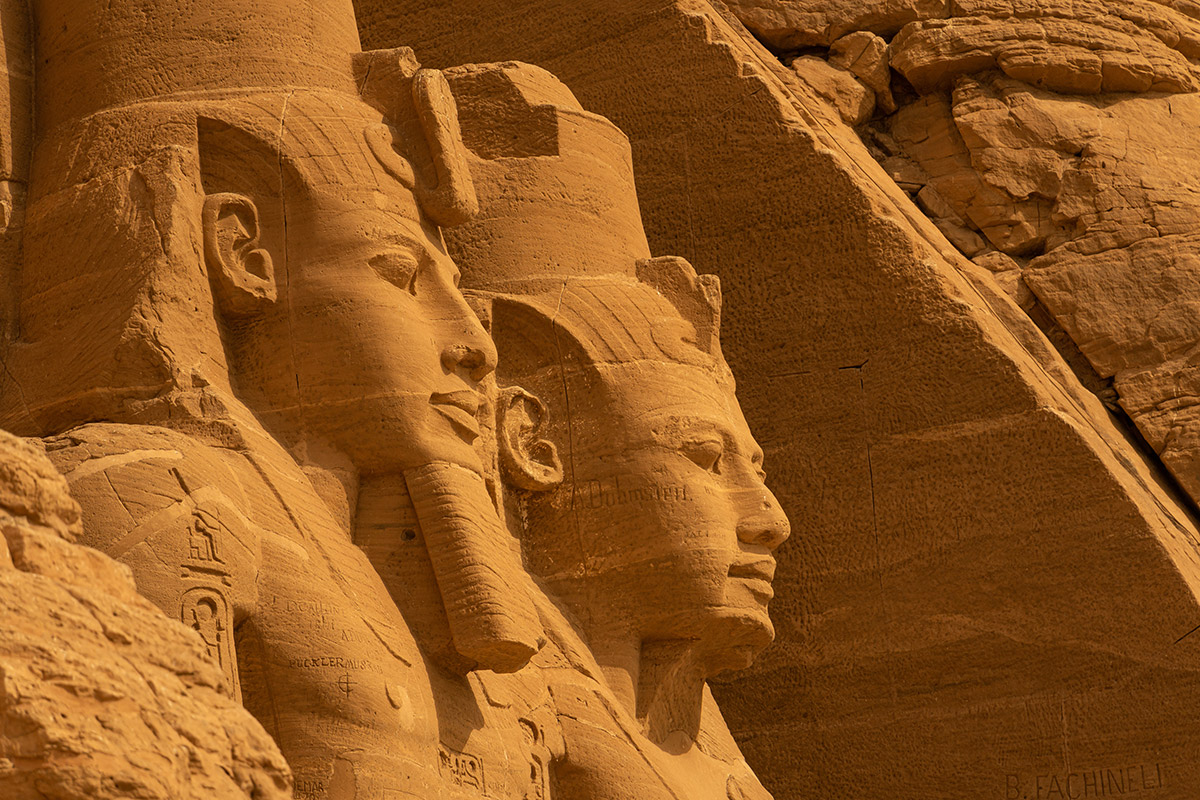
Egypt: tourism keeps advancing strongly in 2026
Madrid bets on tourism intelligence to manage its growth
United States: international flight prices are starting to come down
Cuba: major Spanish hotel groups retreat under American pressure
Tokyo: Shibuya now fines for street littering
A new 1,300 km railway line will connect Germany to the Ukrainian border
Hotels see an edge over booking platforms thanks to AI
Oddity! Off to “hell”: the 666 bus to Hel makes a grand return to Poland
Global tourism remains on the rise despite geopolitical tensions
International travel grew by 2% in the first quarter of 2026, totaling around 307 million travelers worldwide, according to UNWTO.


Although the year began with solid momentum, the conflict in the Middle East slowed growth in March, triggering flight disruptions, higher oil prices and increased transport costs.
Europe and Africa posted the strongest results, while the Middle East saw a steep drop in arrivals (-14%).
Facing geopolitical uncertainty and rising travel costs, experts suggest tourists may favor closer destinations and seek better value for money. Despite these challenges, the industry continues to show global resilience.
Read more on untourism.int
Bali: the “taxi war” complicates life for tourists
In Bali, a long-standing conflict pits ride-hailing drivers using apps like Grab against the banjar, village councils that regulate traditional taxi activity. As a result, in some areas, VTC drivers refuse to pick up customers for fear of intimidation or assault.
Tourists are left with no option but to use local taxis, which are often much more expensive, with fares set by the banjar. According to the South China Morning Post, a large portion of the fare goes to these village councils. This situation also reflects growing economic tensions on the island as tourism slows in 2026.
More to read on the South China Morning Post site
Egypt: tourism continues its strong growth in 2026
Egypt welcomed 6.1 million tourists from January to April 2026, a 7% increase compared with the same period in 2025.
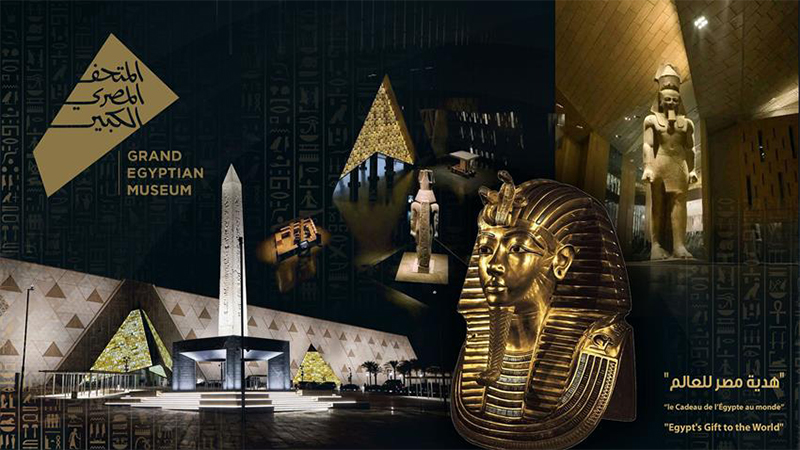
The country’s success is partly explained by the opening of the Grand Egyptian Museum in Cairo, the appeal of the Red Sea coastal resorts, and prices deemed competitive by international travelers.
Backed by substantial international promotion, Egypt now targets an ambitious goal: to reach 30 million visitors per year by 2030.
An article from traveldailynews.com
United States: international flight prices are starting to come down
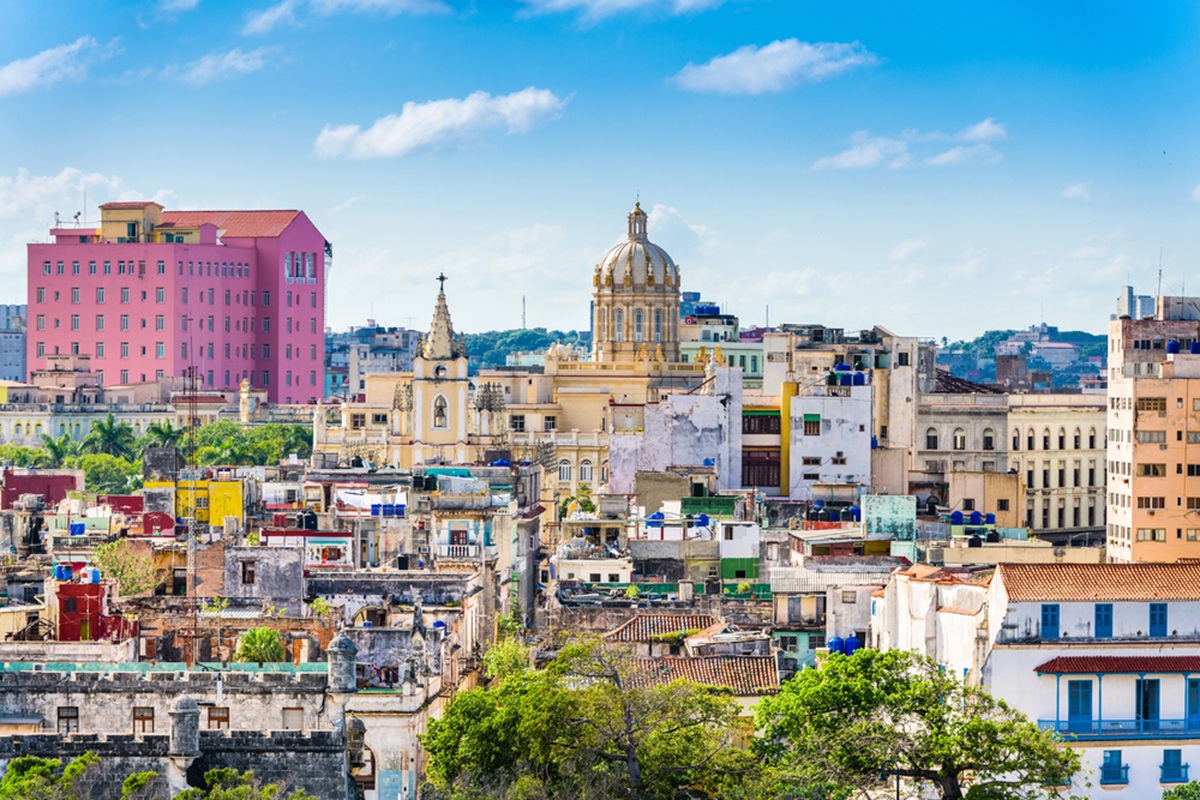
Cuba: major Spanish hotel groups retreat under American pressure
The Spanish groups Meliá and Iberostar have announced the closure of a large portion of their hotel activities in Cuba, in response to the sanctions imposed by the Trump administration.
This withdrawal comes amid a grave tourism crisis in Cuba. The country recorded nearly a 56% drop in tourist arrivals at the start of 2026, while several airlines have reduced or suspended flights to the island.
An article from euronews.com
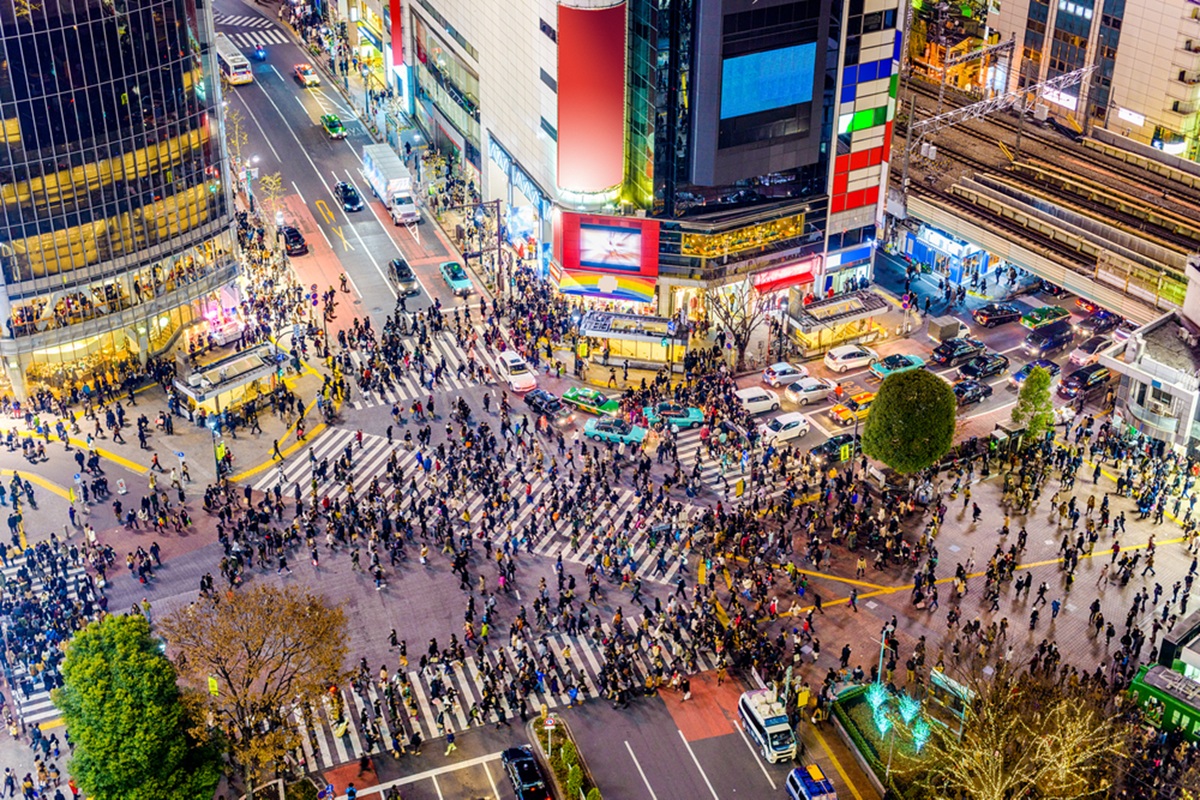
Tokyo: Shibuya now fines for street littering
The Shibuya ward, at the heart of Tokyo, has begun imposing fines on people who discard waste in public spaces. Since June 1, 2026, offenders face a 2,000-yen fine (about $12.50) as part of a campaign to curb illegal dumping.
Authorities say the problem has worsened with rising tourist numbers and street-level consumption around Shibuya’s busy railway hubs. Around fifty officers will patrol to issue fines. Meanwhile, take-away food and beverage shops must now provide trash bins for customers.
Read on nhk.or.jp
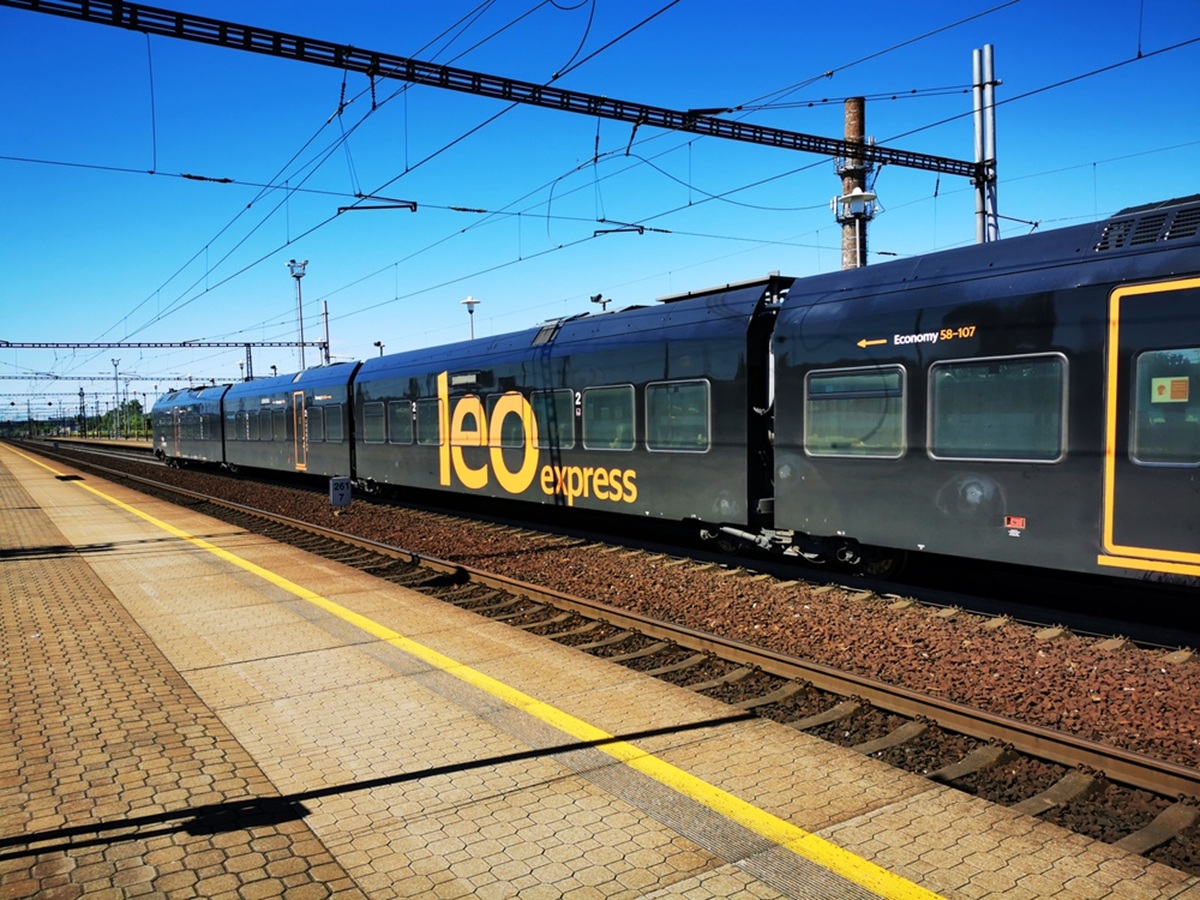
A new 1,300 km railway line will connect Germany to the Ukrainian border
The Czech company Leo Express will launch on June 25, 2026 a new direct rail link of more than 1,300 kilometers, one of the longest in Europe.
The train will connect the Polish city of Przemyśl, near the Ukrainian border, with Frankfurt and its airport, passing through Krakow, Prague, Dresden and Leipzig.
This daily line aims to strengthen links between Western and Eastern Europe while facilitating access to Ukraine.
Passengers will have on board Wi‑Fi, power outlets, air conditioning and dining services on this nearly 19‑hour night ride.
An article from euronews.com
Hotels see an edge over booking platforms thanks to AI
At the IHIF hotel conference in New York, several analysts highlighted that hotel groups could leverage artificial intelligence more effectively than online travel agencies (OTAs).
According to Barclays, hotels enjoy a major advantage thanks to their loyalty programs, their customer data, and the strength of their brands — areas where AI could boost personalization and customer relations.
Even though excitement around AI remains measured in the hotel industry, professionals already see significant potential to improve operational efficiency and commercial performance. Analysts, however, caution that the real impact of AI on traveler spending and the hotel sector is still in its early stages.
A Skift.com briefing
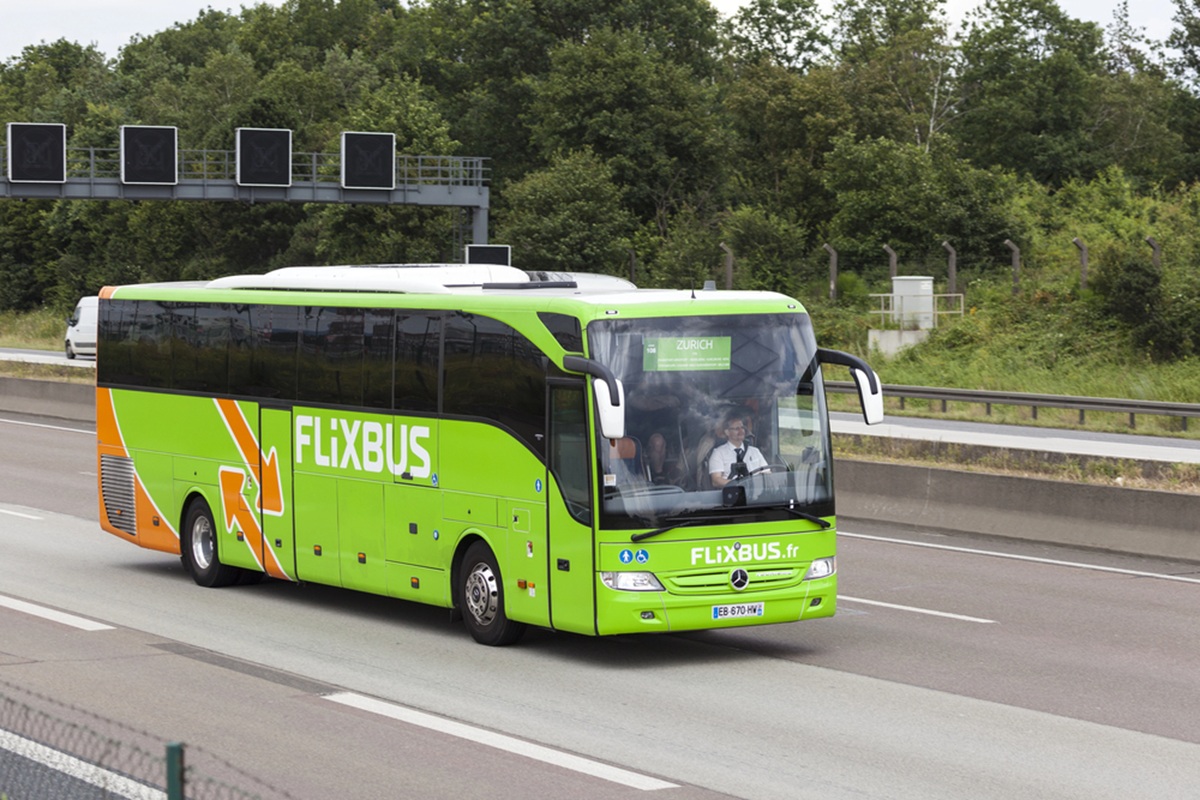
Insolite ! Off to “hell”: FlixBus brings back the 666 bus to Hel, Poland
Good news for travelers who enjoy dark humor and unusual selfies: the legendary bus route 666 to the seaside town of Hel, Poland returns this summer thanks to FlixBus. This link of more than 1,300 km will connect Krakow to the Hel Peninsula on the Baltic coast, passing through Warsaw and several popular vacation stops.
Known for years as “the bus to hell” due to the wordplay between Hel and hell, the route had become a real tourist and social media magnet.
Discontinued in 2023 after religious protests, bus 666 is revived today with an explicit wink from FlixBus, which bets on humor as much as on the appeal of this highly popular summer destination.
This 24th edition will bring together 130 sector leaders — tour operators, distributors, hoteliers, transporters, institutions, technology experts, insurers — around a market that alone concentrates a large share of the tourism industry’s current challenges. Post-crisis recovery, fierce competitive pressure, price wars, the role of air travel, evolving customer expectations, and the weight of geopolitical context: Egypt today concentrates many of the questions professionals are asking.
As the sector must learn to move forward in an increasingly unstable environment, the choice of Egypt takes on its full significance. For the destination, what is at stake is not merely a grand travel narrative, but a practical demonstration of what it takes today to restart momentum, refine a positioning, and adapt a tourism model to a shifting context.
A destination that blends heritage and transformation
Egypt stands as a benchmark in international tourism. Few destinations concentrate such a density of heritage, culture, and symbolic significance. Millennia-old sites along the Nile’s banks and the Red Sea’s coastal resorts make the country a premier choice for many travelers.
Today, the destination no longer rests solely on its heritage: it has embarked on a profound transformation of its tourism model. It must both capitalize on its fundamentals and meet new expectations that are increasingly demanding: quality of experience, clarity of the offering, smoothness of itineraries, and diversification of products.
In 2024, it already reached a record with 15.78 million visitors. In 2025, it pushed further, welcoming nearly 19 million tourists, a 21% year-over-year rise, exceeding even the goals announced a few months earlier by the authorities.
These figures position Egypt as a genuine case study. First, because they illustrate an exceptional rebound capacity after years marked by crises. Second, because they show that the recovery does not rely on a single engine. Charter traffic to Egyptian destinations rose by 32% in 2025. The country’s archaeological sites and museums, excluding NMEC and the Grand Egyptian Museum, welcomed 18.6 million visitors, a 33.5% increase year over year.
Led by the Egyptian Ministry of Tourism and Antiquities, this evolution rests on several structural axes: modernization of infrastructure, upgrading of the offer, diversification of experiences, and strategic repositioning on the international stage. The full opening of the Grand Egyptian Museum fits this logic: a country seeking to reaffirm its place on the international tourism stage by renewing how it tells its story and how visitors experience it.
This dynamic must also be read in a context of intense competition. Egypt operates in markets where comparisons with Turkey, Tunisia, Morocco, or Greece are immediate, and where the value-for-money proposition is decisive again. In the French market, the destination rose 26% in Orchestra’s August 2025 index, driven in particular by a lower average spend. Once again, the message is clear: the recovery exists, but it is also built through commercial, pricing, and distribution battles.
A coordinated mobilization of the destination’s actors
The arrival of the 2026 Pioneers Forum fits within a collective momentum driven by several key players in the sector, whose roles deserve closer scrutiny.
The Egyptian Ministry of Tourism and Antiquities occupies a central place. This is not merely institutional support, but a true strategic actor. Behind the 2025 results lies a political will to strengthen the country’s attractiveness, accelerate investments, expand hotel capacity, and better structure the tourism offering. The ministry thus carries a long-term vision, aiming to continue elevating the destination in the years ahead.
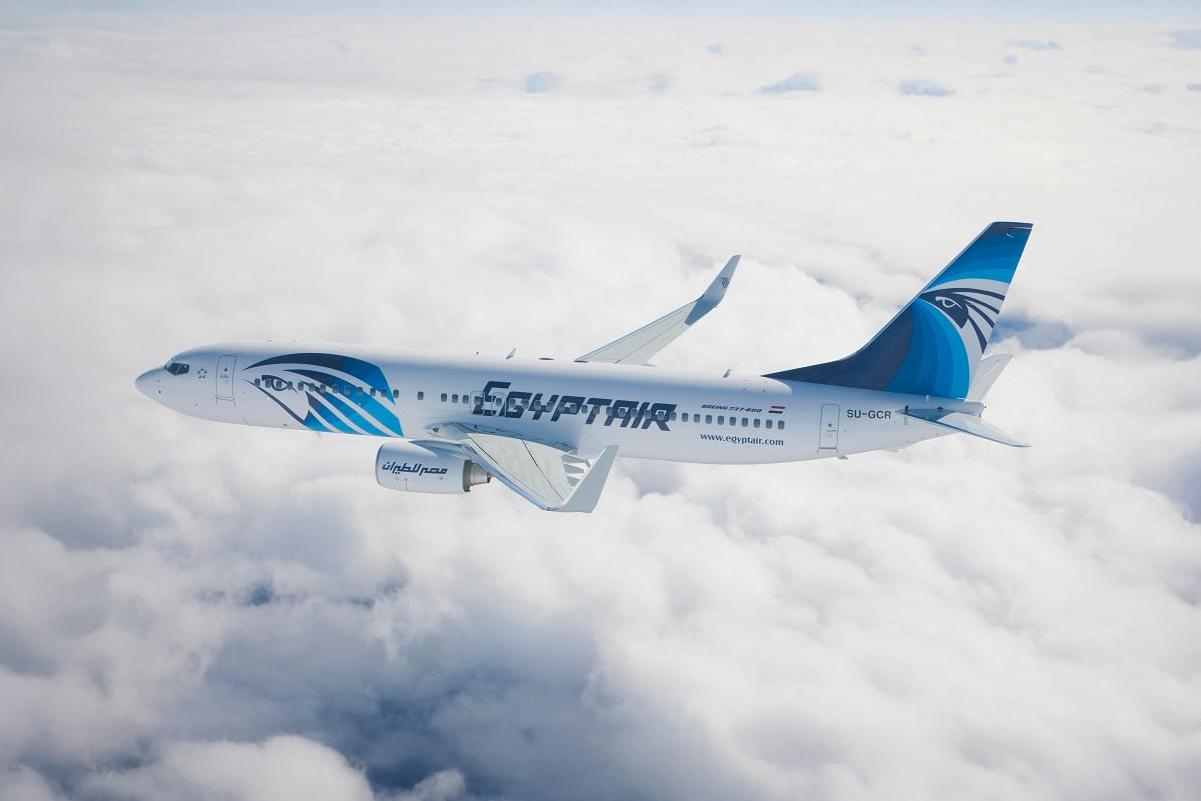
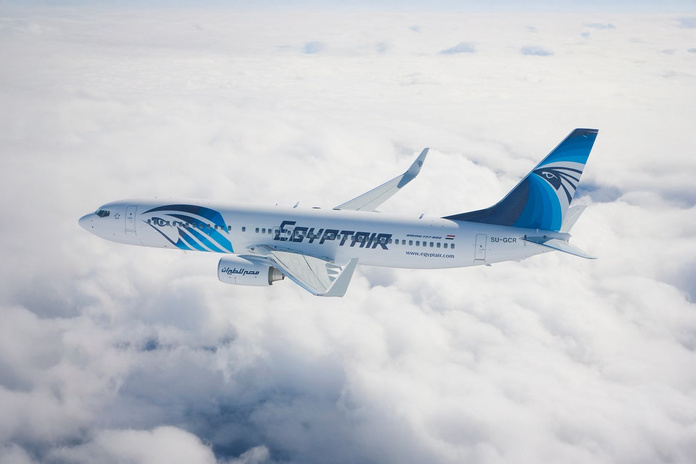
EgyptAir, as the national carrier, represents a central challenge for any tourism destination: accessibility. In a market where air travel directly shapes flows, competitiveness, and the ability to sustain volumes, its role is decisive.
Travel Evasion, Egypt specialist, provides essential operational expertise. Its on-the-ground knowledge helps reveal the destination’s diversity beyond rhetoric. Travel Evasion is committed to showcasing the country’s variety through itineraries that weave culture, cruises, and seaside experiences. It’s this type of expertise that helps reveal a destination beyond clichés and makes it legible for both professionals and travelers.
The coordination of these actors also illustrates a fundamental shift in the industry: a destination’s performance relies less on mere renown and more on the quality of coordination among institutions, carriers, and operators. Egypt thus offers a particularly compelling example of a collective approach to building tourism competitiveness.
Rethinking models in an uncertain context
The 2026 theme, “steering the uncertain”, will find a particularly relevant echo in Egypt.
In tourism, steering the uncertain means continuing to plan, sell, invest, reassure, and arbitrate even as parameters can evolve very quickly: geopolitical tensions, perceived safety concerns, economic fluctuations, demand shifts, dependence on aviation, price pressures, changes in buying behavior, and the rising influence of technologies like artificial intelligence.
Egypt crystallizes precisely these challenges. The destination has demonstrated a genuine ability to restart its tourism momentum, win back markets, and rebuild its appeal. Yet it remains exposed to the factors that today drive the sector’s fragility: a sensitive regional context, strong price competition, reliance on connectivity, and an image that external factors can rapidly affect.
That is why it constitutes a particularly fitting case for the Pioneers: Egypt does not merely endure uncertainty, it engages with it. It adjusts its offer, strengthens its infrastructure, improves accessibility, invests in new markers of desirability, and tries to transform vulnerability into adaptability. This trajectory speaks to actors far beyond the Egyptian case, because it raises a question that all tourism players face today: how to decide when not everything depends on you?
Observing how a destination like Egypt progresses in this complexity provides the 130 leaders present with material for reflection on their own practices, their models, their leeway, and their management tools.
We are eager to welcome the Pioneers back for this new edition, which promises to be ambitious, inspiring, and deeply connected to the sector’s realities.
There are only a few spots left for general attendees.
In a region where destinations open and close at the pace of crises, Egypt stands out as an exception. Year after year, the country continues to welcome travelers from around the world, propelled by an undeniable asset: 5,000 years of history, an archaeological heritage of incomparable richness, and a capacity for renewal that keeps the destination at the heart of current events.
In 2025, Egypt welcomed nearly 19 million tourists, a rise of 21% compared to the previous year. This performance places the country well above the global average for sector growth. The stated goal: 30 million visitors by 2030.
An Unparalleled Guardian of Heritage
Rare are the countries that unite under one authority the promotion of tourism and the preservation of archaeological heritage. Egypt took the step in 2019, merging its Ministry of Tourism and Antiquities into a single entity. An architecture built on a simple fact: in Egypt, heritage and tourism are inseparable. Every archaeological discovery becomes a world event. Every surge of visitors raises questions of conservation. Steering one without the other has never been an option.
The Ministry’s mission thus covers the entire chain: national tourism strategy, supervision of excavations and restoration, museum oversight, regulation of the hotel sector, promotion of the destination on international markets. A scope that makes this institution one of the most integrated public tourism actors in the world.
A Living Heritage That Continues to Reveal Itself
What distinguishes Egypt from most heritage destinations is that its heritage is not static. It continually renews itself. In 2020, the unearthing of more than 100 intact sarcophagi at Saqqara, dating back 2,500 years, made headlines worldwide. In 2021, the discovery of the “lost golden city” of Luxor was described by some Egyptologists as the most important find since Tutankhamun’s tomb in 1922. In 2023, new excavations at Saqqara revealed tombs adorned with remarkably well-preserved paintings.
These discoveries are not the product of chance. They result from a proactive policy by the Ministry, which has relaunched and structured excavation programs across the country, in collaboration with international archaeological missions. This ongoing flow fuels global interest in Egypt and keeps the destination in the media spotlight. For tourism professionals, this effect is tangible: every major discovery triggers a rise in online searches, press articles, and public interest. Archaeology functions here as an organic promotional tool, unmatched in the sector.
It is this ability to continually renew itself that makes Egypt a destination apart. Where other heritage destinations rely on a stock of attractions, Egypt keeps discovering itself.
The Grand Egyptian Museum: A New Major Asset
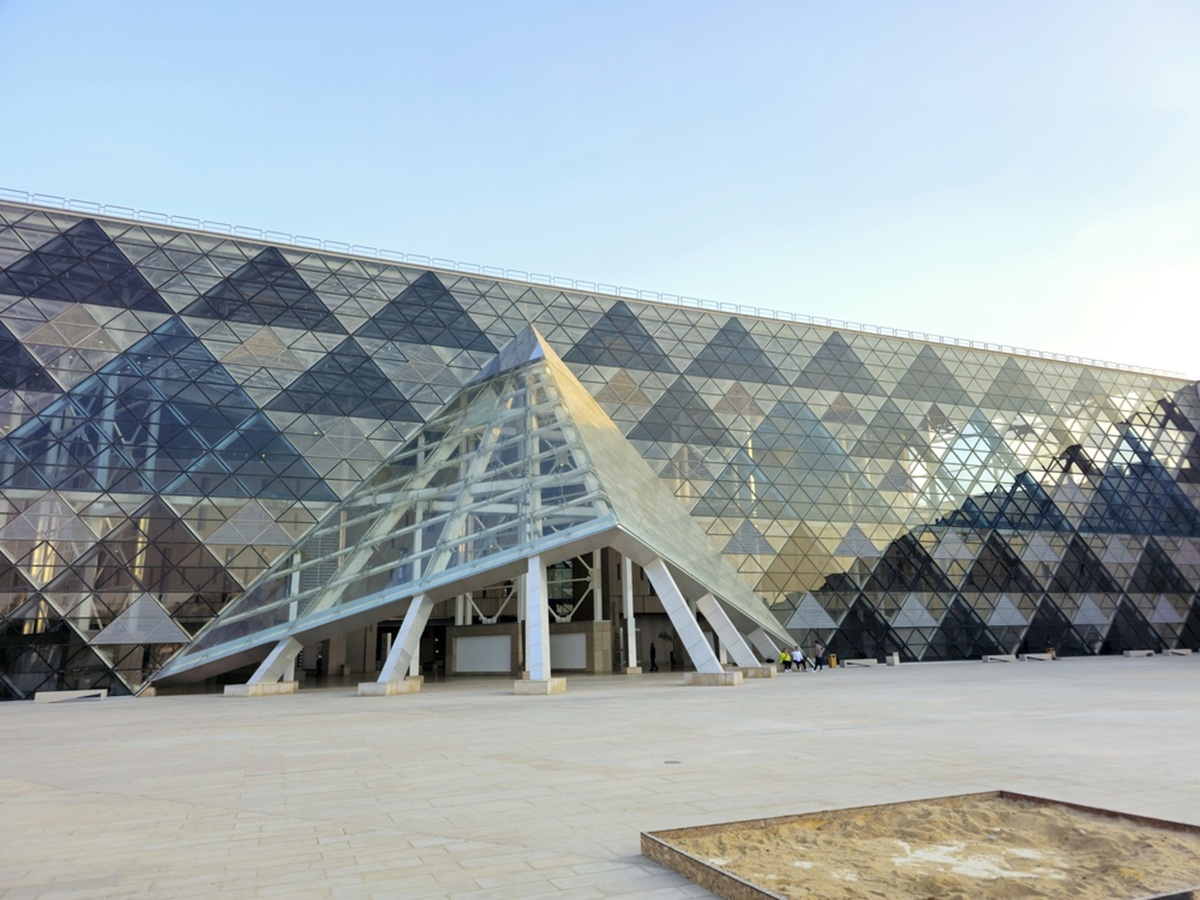
The Grand Egyptian Museum is the centerpiece of this strategy. Located two kilometers from the Pyramids of Giza with a direct view of the plateau, it is the largest archaeological museum in the world, dedicated to a single civilization. The entire treasure of Tutankhamun, more than 57,000 objects, is gathered there for the first time in one place after having been dispersed for a century. Since its opening, the GEM has attracted nearly 500,000 visitors in a single month.
For a tour operator planning Egypt, the GEM concretely changes the product. It transforms the classic half-day “pyramids + Sphinx” into a full-day experience with high added value. It enables themed itineraries that deepen the stay. And it creates an internationally renowned cultural entry point that repositions Cairo alongside museums such as the Louvre or the British Museum.
A Diversifying Offering
Beyond its pharaonic heritage, Egypt broadens its palette. The Red Sea coast continues to upscale for seaside and diving experiences, with occupancy rates exceeding 90% in peak season. New destinations are emerging and greatly enriching programming possibilities: the Fayoum Oasis for travelers seeking nature and authenticity, Siwa for its unique character at the gates of the Libyan desert, Alexandria for its Mediterranean heritage. The coastal city of New Alamein has established itself as a major new hub, with a dramatic rise in charter traffic.
This diversification enables professionals to craft stays that combine ancient culture, seaside, adventure, and discovery, all in one destination reachable in 4 hours 30 minutes from Paris. For agencies and tour operators, it’s a strong argument: Egypt is not a single-product destination; it is a country with multiple entry points, capable of meeting a wide range of expectations.
Founded in 1932, EGYPTAIR is one of the oldest airlines in the world. For more than nine decades, it has carried a clear mission: to ensure Egypt’s international connectivity and to support the development of a destination at the crossroads of history, culture, and the major dynamics of today’s tourism.
In EGYPTAIR’s name, it is a genuine honor to welcome you to Egypt — a land where history and the future meet, where travel is far more than just a move from one place to another: it is discoveries.
For more than nine decades, EGYPTAIR has carried the spirit of Egypt across the skies. We have linked continents, cultures, and communities, ensuring that Egypt remains not only a destination but a global crossroads.
Today, as the travel industry evolves, EGYPTAIR stands at the forefront of the major global trends. We are adopting a sustainability-minded approach, modernizing our fleet, and investing in digital innovation to meet the expectations of tomorrow’s travelers. We are expanding our connectivity network, linking Africa, Europe, the Middle East and beyond, so that Egypt stays within reach of the world.
Yet our mission goes further. We are proud to be the gateway to Egypt’s treasures — from the timeless monuments of Cairo and Luxor to the vibrant shores of the Red Sea. Each flight we operate is not just a journey; it is an invitation to discover Egypt’s culture, heritage, and hospitality.
The Pioneer Forum embodies the same vision as ours: to deepen knowledge, create opportunities, and anticipate the future of travel. Together, we shape a more connected, more sustainable, and more inspiring industry.
EGYPTAIR is not only Egypt’s national carrier; we are the ambassador of Egypt in the skies. And as you gather here to explore, learn, and build, know that EGYPTAIR will continue to carry this mission: welcoming the world to Egypt.
Un réseau pensé pour ouvrir l’Égypte au monde
The Cairo hub stands as a major geographic crossroads, located at the meeting point of Africa, Europe, and the Middle East. From this platform, EGYPTAIR operates a network of over 70 destinations across four continents, with a fleet of around 70 aircraft including the A350-900, Boeing 787 Dreamliner, B737 MAX 8, and the new-generation Airbus A320neo. The airline’s membership in Star Alliance extends this reach even further, offering travelers a wide array of connections and seamless service on a global scale.
For French tourism professionals, the offering is both concrete and competitive. EGYPTAIR operates up to 10 direct weekly flights between Paris-CDG and Cairo, with daily departures. With a flight time of about 4 hours and 30 minutes, Egypt proves to be a mid-range destination that is easily planable.
Once in Cairo, the domestic network takes over and connects the hub to Egypt’s key tourist destinations: Luxor, Aswan, Hurghada, and Sharm el-Sheikh. This integration between international flights and domestic coverage enables tour operators and travel agencies to build combined cultural and beach itineraries on a single network, simplifying both scheduling and ticketing.
In total, the Cairo hub serves more than 75 destinations across about fifty countries, with many connection opportunities via partner airlines and a consistent level of service worldwide.
Egypt is entering a new era. The Grand Egyptian Museum (GEM), at the foot of the Giza pyramids, is now the largest archaeological museum in the world — a major asset for the cultural segment. The Red Sea coastline continues to develop its high-end resort and diving offerings. New destinations are gaining visibility: Fayoum Oasis, Siwa, and El-Alamein, each offering options for travelers seeking authenticity and experiences less standardized.
This diversification calls for a parallel evolution of the airline network. For EGYPTAIR, the challenge is to adjust frequencies, develop new routes, and improve access to under-served areas, in line with Egypt’s national tourism strategy. The results speak for themselves: in 2025, Egypt reached a symbolic milestone with a historic record of international visitors, confirming the destination’s renewed appeal.
It is in this context that EGYPTAIR joins the Pioneer Forum 2026 as an official partner. The theme chosen for this edition, “Navigating Through Uncertainty,” naturally resonates with the experience of a national carrier that, for 94 years, has operated at the heart of a shifting geography and continually adapts its operations to guarantee Egypt’s connectivity with the rest of the world.
Thank you, and welcome aboard the journey of discovery.
10. Family trip to Egypt: relaxation at Siwa Oasis
What budget to plan for 15 days in Egypt?
What to do in Egypt in 15 days?
How long does it take to visit Egypt?
What to do in Egypt with children?
What are the things not to do in Egypt during a trip?
What you should know before leaving for Egypt
As the cradle of one of the greatest civilizations in history, Egypt is not limited to its iconic monuments. Between Nile cruises, desert getaways, and encounters with preserved local cultures, the country invites you to multiply experiences beyond clichés.
1. Visit the Pyramids of Giza
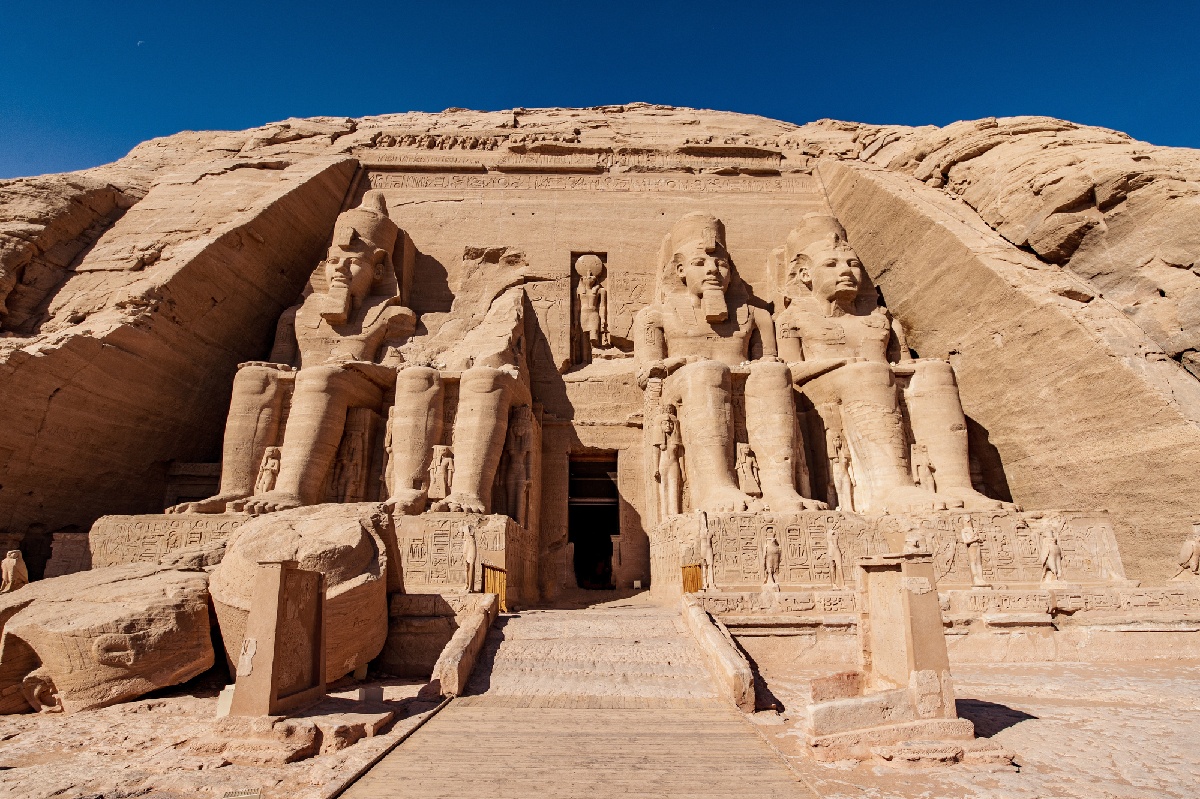
Visiting the Giza plateau remains a cornerstone of a successful journey to Egypt. At this iconic site, you will encounter the famed Pyramid of Khufu, a monumental relic of a fascinating past, and one of the ancient world’s Wonders still standing today. The surrounding desert silence accentuates the grandeur of these stone giants, while the legendary Sphinx keeps watch, enigmatic and imposing. A guided tour offers the ideal option to deepen the historical scope — dynasties, construction techniques, religious symbolism — and to grasp the cultural dimension of the site. As you wander the sandy avenues, you hold in your hands a fragment of Egypt’s millennial history.
2. Explore the Egyptian Museum in Cairo
In the heart of the capital, the Egyptian Museum in Cairo is a must for anyone curious about archaeology and ancient art during a stay in Egypt. This institution houses an unparalleled wealth: ornate sarcophagi, statues, jewelry and funerary items, among which the pharaoh’s treasure stands out. Pushing open its doors, visitors dive into the daily life of the ancient Egyptians, their beliefs and their funerary rituals. Each case tells a story, each artifact bears the mark of ancient civilizations. It is the most comprehensive option to appreciate the country’s cultural evolution, from the old kingdoms through the Greco-Roman era.
3. Discover the Valley of the Kings in Luxor
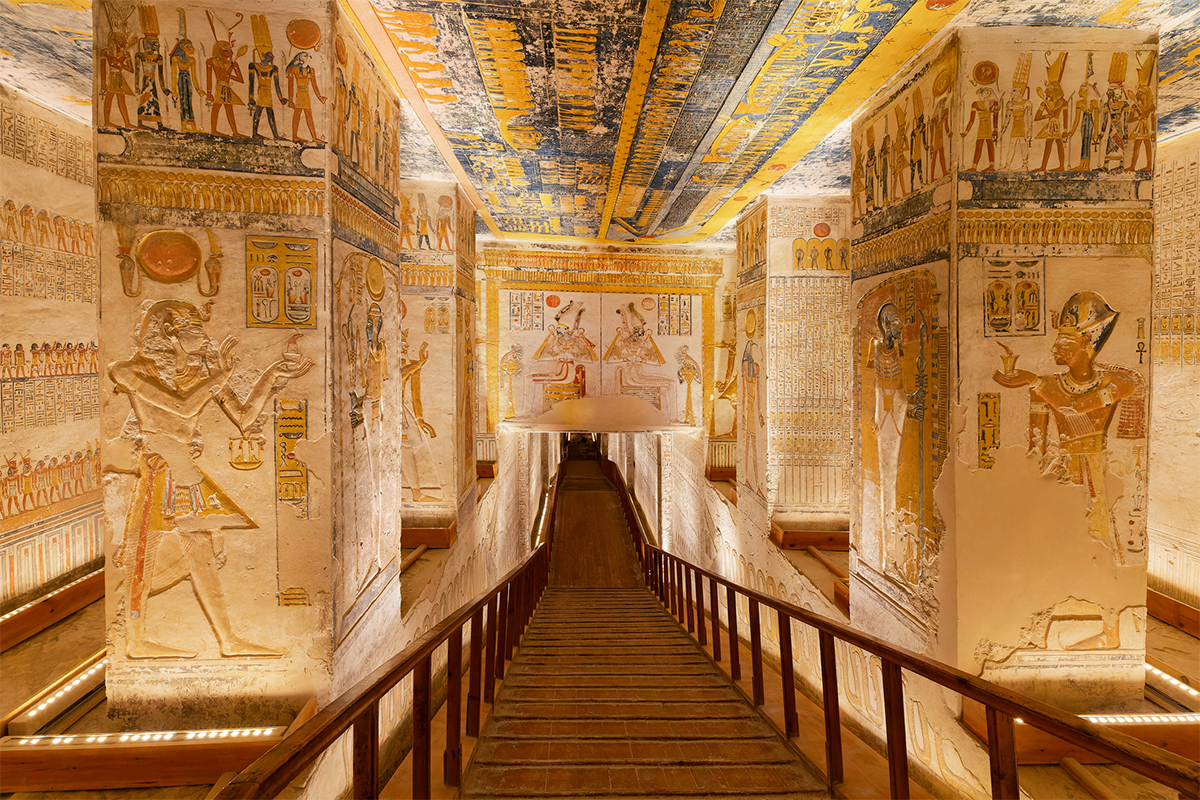
In Luxor, the tomb of the ancient royalty awaits in the famous Valley of the Kings, a true archaeological treasure of Egypt. Carved into rock, these funerary chambers reveal colorful frescoes, hieroglyphs, and sacred objects intended to accompany the pharaohs in the afterlife. Exploring these tombs, visitors gain insight into the ancient rulers’ vision of death and eternity. Luxor offers a bridge between past and present, combining history, architecture, and spirituality, and allows one to grasp the continuity of a millennial heritage through time.
4. Enjoy a Nile cruise
Sailing along the sacred river is an incomparable way to discover Egypt from a different angle: a Nile cruise between Luxor and Aswan reveals varied landscapes, lush shores, peaceful villages and ancient temples perched by the water. For a more authentic immersion, a felucca ride — the traditional Egyptian sailboat — offers a more intimate setting, paced by the wind and the lapping of the water. This historic mode of transport combines comfort, calm, and history, and represents an ideal option to blend relaxation with cultural exploration. You literally sail through centuries of Egyptian history.
5. Dive into the waters of the Red Sea
For sea and marine life enthusiasts, the Red Sea is an indispensable natural jewel during a stay in Egypt. The crystal-clear waters of the coast, especially near Hurghada, offer spectacular coral reefs hosting a rich and colorful marine fauna. Whether you are a beginner or an experienced diver, underwater spots guarantee fascinating observations — multiform corals, tropical fish, and sometimes explorable wrecks — all bathed in exceptional underwater light. After the temples and ruins, this is the perfect option to discover a different face of Egypt, more aquatic and relaxing. A detour to Hurghada can be ideal to combine leisure, diving, and local immersion.
6. Explore the local markets
Strolling through the souks and markets of a city in Egypt, such as the center of Cairo, offers an immersive plunge into the daily life of Egyptians. Each stall overflows with artisanal treasures: spices, fabrics, jewelry, carved objects — authentic souvenirs from a country with millennia of history. Narrow streets, fragrant alleyways, and a lively atmosphere create a vibrant backdrop for feeling the local vibe. From Hurghada or the downtown, this exploration is an essential option for anyone looking to soak up popular culture and traditional commerce, away from the usual tourist circuits.
7. Stroll in the White Desert
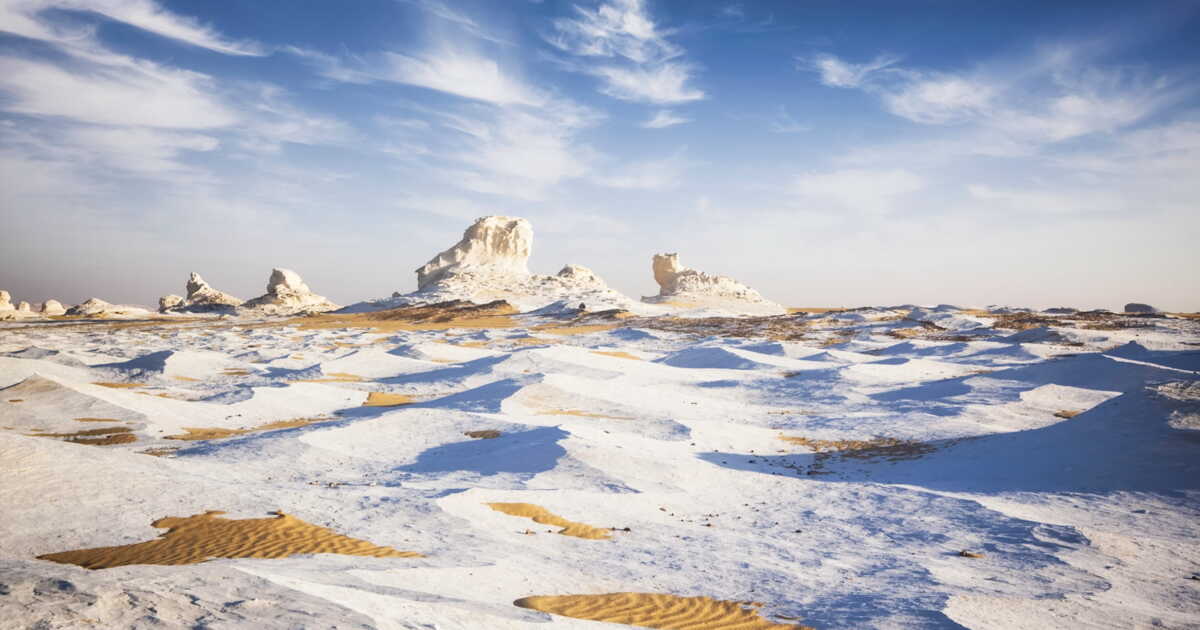
For travelers seeking a striking contrast to ancient cities, the White Desert offers a unique experience across the Egyptian landscape. Its whitish rock formations, sculpted by wind and time, create a nearly lunar panorama, a source of calm and solitude. Walking in this desert, under a starry sky or at dawn, is to discover the wild, raw, timeless Egypt. It is the ideal option for those who want to combine historical heritage with natural adventure, far from the bustle of major towns. This kind of excursion perfectly complements a journey through Egypt that blends monuments, sea, and desert.
8. Visit the Nubian village near Aswan
Near Aswan, a Nubian village makes a rewarding stop on a family trip to Egypt. Colorful houses, distinctive architecture, and a peaceful atmosphere contrast with urban frenzy. Boarding a Nile cruise gives access to this tranquil village, where residents, Egyptians of Nubian heritage, uphold ancient traditions of music, crafts and community life. This immersion fosters cultural sharing and respect for local roots, offering children and adults alike the chance to discover an authentic way of life, far from conventional tourist routes.
9. Discover Cairo’s Coptic Quarter
The Coptic Quarter of Cairo represents a pivotal chapter in the Christian history of Egypt. Wandering its ancient streets, you will discover historic churches, heritage buildings and a museum rich in liturgical objects and icons. This urban walk through the city of Cairo allows understanding the country’s religious and cultural diversity, a key measure of its multi-faceted identity. The Coptic Quarter reveals another facet of Egyptian heritage, less known but equally precious, and it constitutes a relevant option for history, architecture, and spirituality enthusiasts.
10. Family trip to Egypt: relaxation at Siwa Oasis
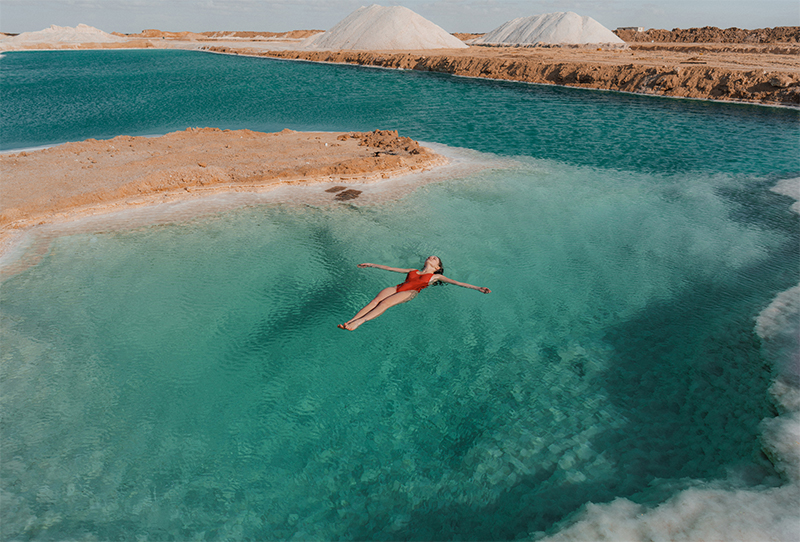
To end a stay in Egypt on a gentle note, the Siwa Oasis offers a peaceful haven away from the crowds. Nestled in the heart of the desert, this oasis provides freshwater springs, lush palm groves and a serene atmosphere — perfect for recharging after intensive visits to monuments or museums. Whether you want to stroll, savor the desert’s calm, or enjoy a pristine natural setting, Siwa embodies an ideal refuge for families and travelers seeking tranquility. You will find a harmonious balance between nature, local history and rest, in a distinct environment.
In conclusion, Egypt is a destination with multiple facets that captivates through the diversity of its landscapes and the richness of its history. Whether you come for monuments, adventure, or simply relaxation, every traveler will find something to suit them. For your next trip, consider delving deeper into local and historical cultures to further enrich your journey.
What budget to plan for 15 days in Egypt?
Planning a 15-day stay in Egypt requires careful budgeting, taking into account international flights, accommodation, meals, transport, and sightseeing. Accommodation can range from simple rooms to comfortable hotels, with costs varying by choice. Local transport (taxis, trains, cruises) and meals are generally affordable, making tourism in Egypt accessible. The tourist sites, excursions, and organized activities should also be included in the calculation. A balanced budget allows you to enjoy the stay fully without excess.
What to do in Egypt in 15 days?
A 15-day trip to Egypt allows combining sightseeing, historic heritage, and cultural cities. From Luxor to Aswan, including a Nile cruise, the itinerary can incorporate the Pyramids of Giza, the Cairo, or moments of relaxation in Hurghada. The route can also vary based on priorities: culture, nature, or beaches. This duration provides a good overview of the country and fits well for travelers looking to optimize their visit to Egypt.
How long does it take to visit Egypt?
The time needed to visit Egypt depends on expectations. A week allows seeing the highlights like the pyramids, Luxor, or a Nile cruise. But for a complete experience, 15 days remain ideal to explore the tourist towns, discover the desert, or spend a few days on the Red Sea. It’s a perfect balance to combine historical sites and relaxation while covering the country’s major classics of Egyptian tourism.
What to do in Egypt with children?
Traveling in Egypt with family is entirely feasible with a few adjustments. Children can enjoy the pyramids, felucca rides on the Nile, or visits tailored to their pace. Cities like Cairo, Luxor, or seaside resorts offer suitable options. To ensure family safety, it’s best to plan transportation in advance, choose reliable accommodations, and avoid certain less-touristy areas. It’s an enriching destination, both culturally and for shared adventure.
What are things not to do in Egypt during a trip?
During a trip to Egypt, some practices should be avoided to respect local customs and ensure a smooth experience. It is advised not to wear overly short or tight clothing, especially in public and religious places, out of respect for Egyptian culture. Public displays of affection are also better avoided.
Photographing military sites, police stations or people without permission can lead to penalties. Finally, it is advisable to negotiate prices tactfully, without aggression, especially in souks or with certain tour operators. Knowing these things not to do in Egypt helps you travel under good conditions, while avoiding cultural misunderstandings.
What you need to know before traveling to Egypt
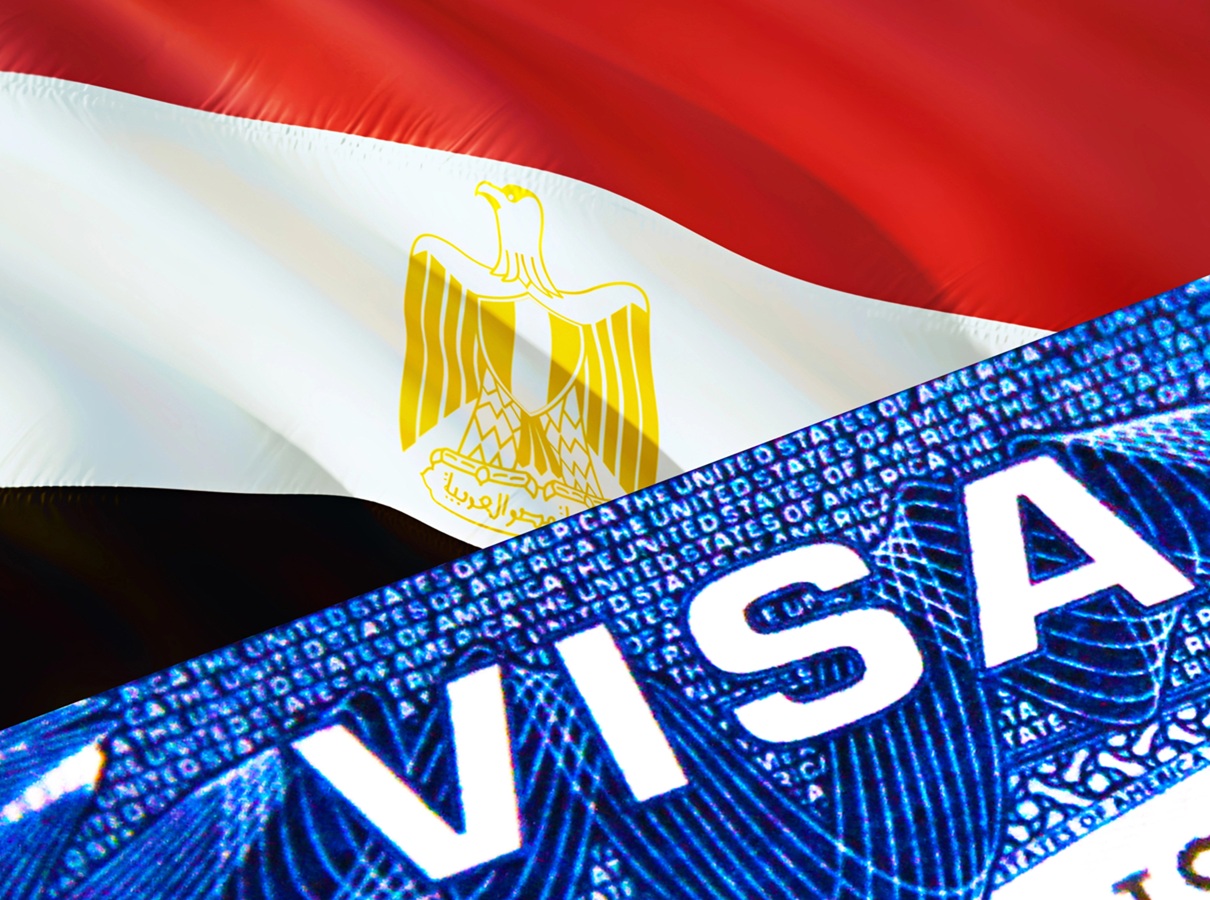
Before planning a visit to Egypt, it is important to be well prepared. Entry formalities typically require a visa, easily obtained online or upon arrival. Given the often hot climate, it is recommended to pack light, covering clothing and to stay well hydrated. It is also essential to check peak tourist periods to tailor your itinerary accordingly.
The local currency is the Egyptian pound, and it’s advisable to have cash on hand for small purchases. Finally, since security is a concern for some, especially for family trips, consult official recommendations and favor well-organized tourist cities. These elements are key to a successful, calm, and enriching trip to Egypt.
This article was written with the help of artificial intelligence, then corrected, expanded, and validated by the editors of the staff.