George Sand’s Berry Fief
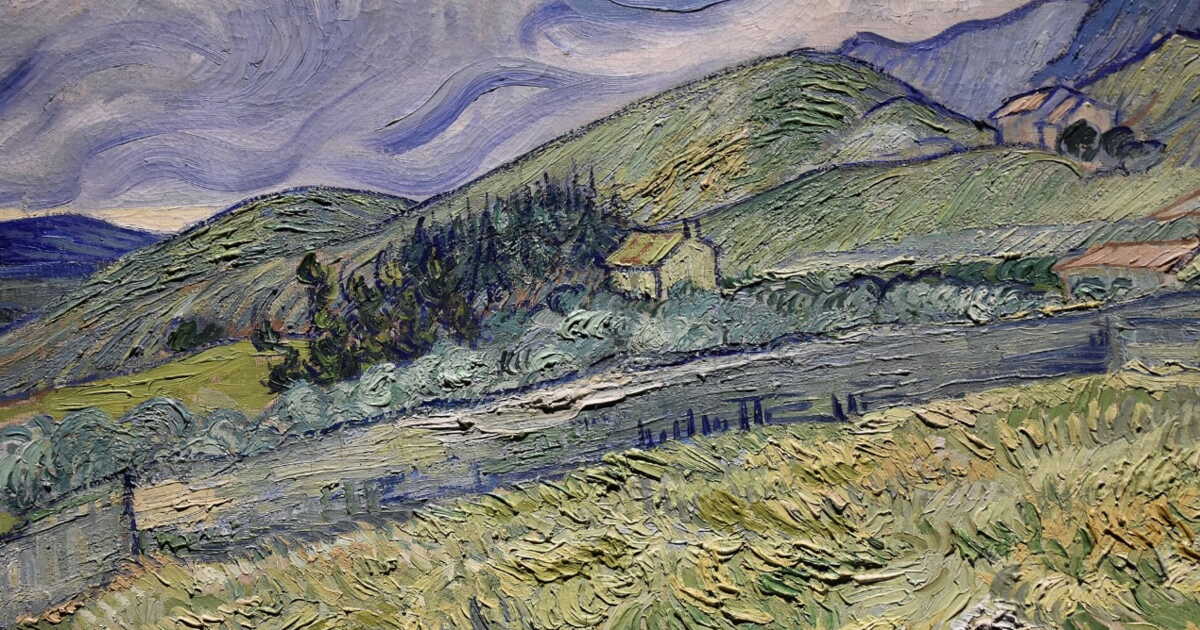
Entrusted at the age of four to her grandmother who lived on the Nohant-Vic estate (in the southern Berry), the author of The Devil’s Pool and Little Fadette maintained a lifelong, deep attachment to this land. Drawing generously from local legends and the rural world, she made it, more than a mere backdrop, a living character that never reveals itself better than along the path.
Itinerary : among the many options, we mention the GRP, which, over 185 kilometers, links the main sites of the novel The Masters of the Bell-Ringers. For day trips, plenty of trails to explore on pays-george-sand.com
To note : this year marks the 150th anniversary of the author’s death, with numerous events anticipated in her beloved region. A source of inspiration for some outings! georgesand2026.com
The Ardennes of the Accursed Poets
Rimbaud and Verlaine may have met in bohemian Paris of 1871, but they shared a common ground: the Ardennes, this region of low mountains and hedgerows straddling France and Belgium. The former was born there, in Charleville-Mézières. The latter had his roots there on his paternal side. Many places have preserved the vivid memory of these two locals.
Itinerary : the hamlet of Roche, where Rimbaud wrote A Season in Hell, the inn at Juniville, where Verlaine finished Wisdom… A 300-km cross-border route connects the main sites associated with the two poets.
Note : to plan day hikes along this route, visit visitardenne.com
Lamartine and the Mâconnais
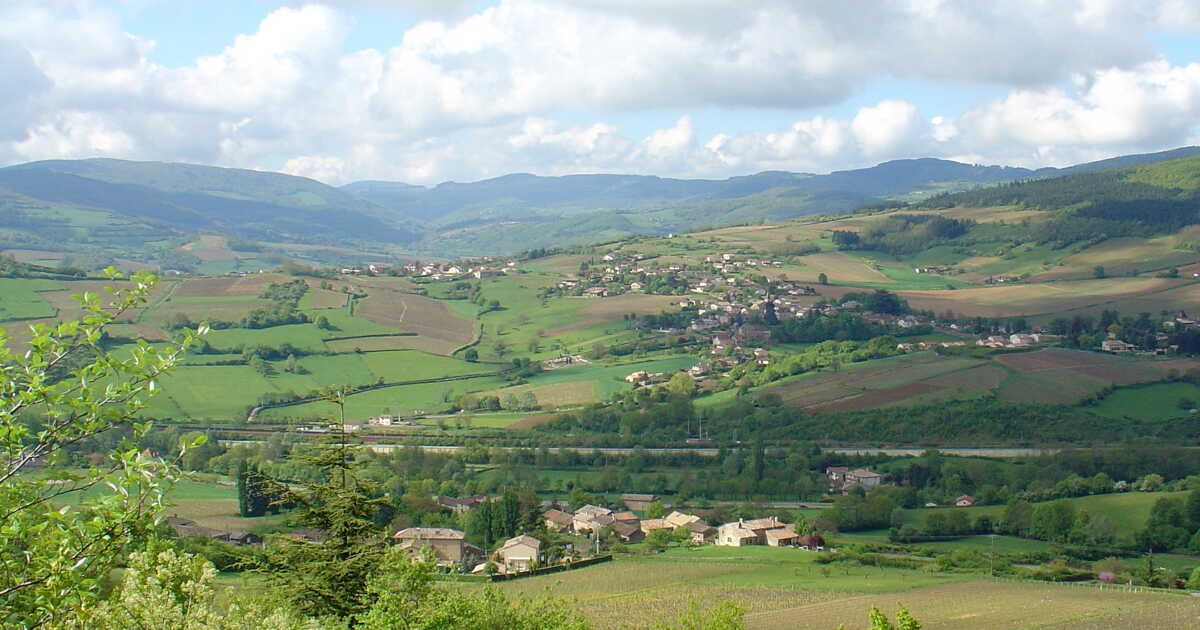
Born in Mâcon in 1790 and buried, in 1869, in Saint-Point, another commune in Saône-et-Loire, the novelist and poet maintained all his life his attachment to this southern slice of Burgundy, with its “murmuring streams” and its “hills crowned with vines.” It is through observing this landscape that he forged his Romantic lyricism.
Itinerary : from Mâcon to Milly, where his childhood home lies, a 50-km route allows following the writer on a journey through the Lamartinien Valley.
Note : several ideas for hikes, marked on foot or by bike, on macon-tourisme.com
➤ Article published in GEO HS magazine no. 133, “France, our favorite summer strolls,” June-July 2026.
➤ If you love GEO? Then to miss nothing, discover our subscription plans to receive GEO at home every month with ease.