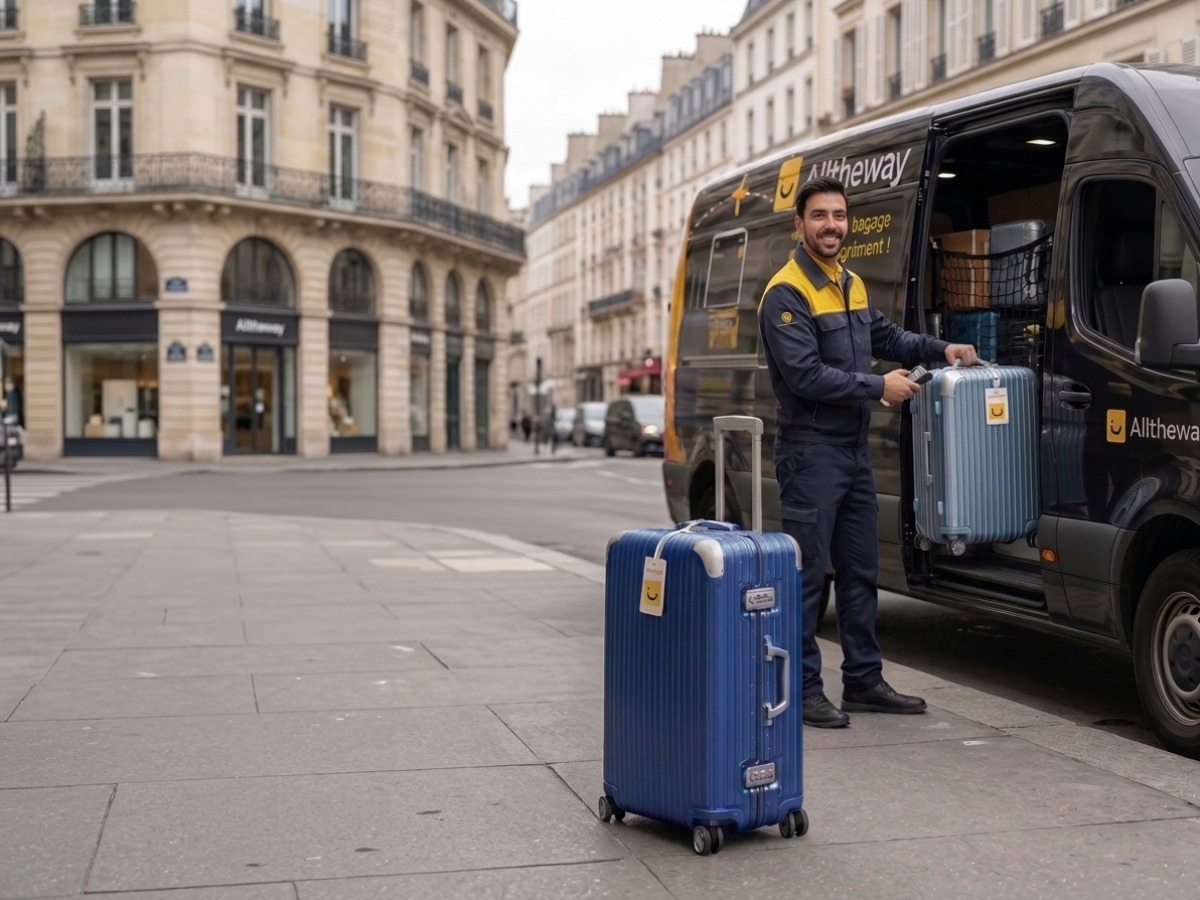
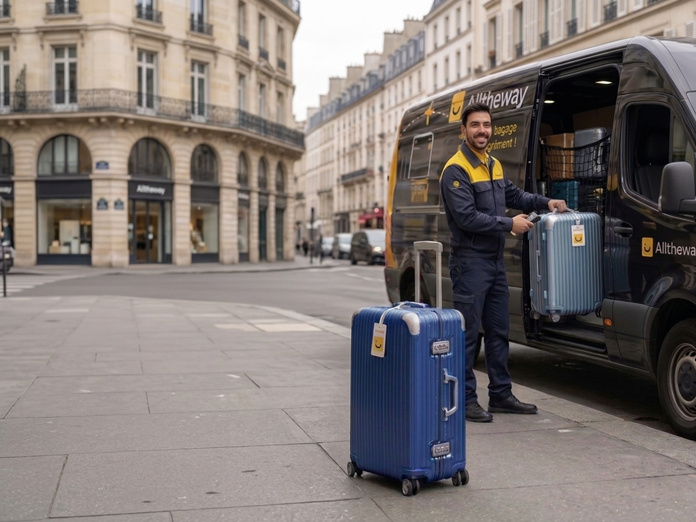


Alltheway étend ses services pour le B2B.
La start-up propose déjà, l’enregistrement des bagages à domicile, à l’hôtel ou au bureau pour les vols du groupe Air France-KLM au départ de Paris-Orly et de Paris-Charles-de-Gaulle.
Le service comprend également la livraison des bagages à l’arrivée et des transferts entre les hôtels parisiens et la gare du Nord pour les voyageurs Eurostar et grandes lignes.
Désormais, l’entreprise veut aller chercher de nouveaux partenaires. Dans le MICE, Alltheway propose de collecter les bagages des participants à leur domicile ou à l’hôtel, puis de les livrer sur le lieu de l’événement ou directement en chambre. Pour les croisières, les bagages peuvent être acheminés jusqu’au terminal d’embarquement, puis transférés vers l’aéroport ou le domicile après le débarquement.
Des services adaptés aux voyages en groupe
Dans les séjours au ski, la solution prévoit la livraison des bagages et des équipements directement en station.
L’entreprise souhaite ainsi faciliter l’organisation des déplacements collectifs et permettre aux professionnels d’intégrer une prestation supplémentaire à leurs programmes.
Elle annonce reverser 10 % de commission chaque mois, à partir de 25 bagages traités. Selon Alltheway, le montant moyen associé à un groupe type de 25 personnes se situe entre 400 et 500 euros. Les partenaires disposent par ailleurs, d’un outil de réservation B2B, d’un suivi en temps réel et d’une facturation centralisée.
« Nous voulons que chaque agence, chaque DMC, chaque croisiériste puisse dire à ses clients : partez les mains libres, on s’occupe du reste », explique Émilie Gazeau, CEO d’Alltheway.


 To form its opinion, the Mediation relied on Article 17 of the Montreal Convention of May 28, 1999, which provides that the air carrier is liable for damages resulting from loss, delay or damage to checked baggage while in its custody.
