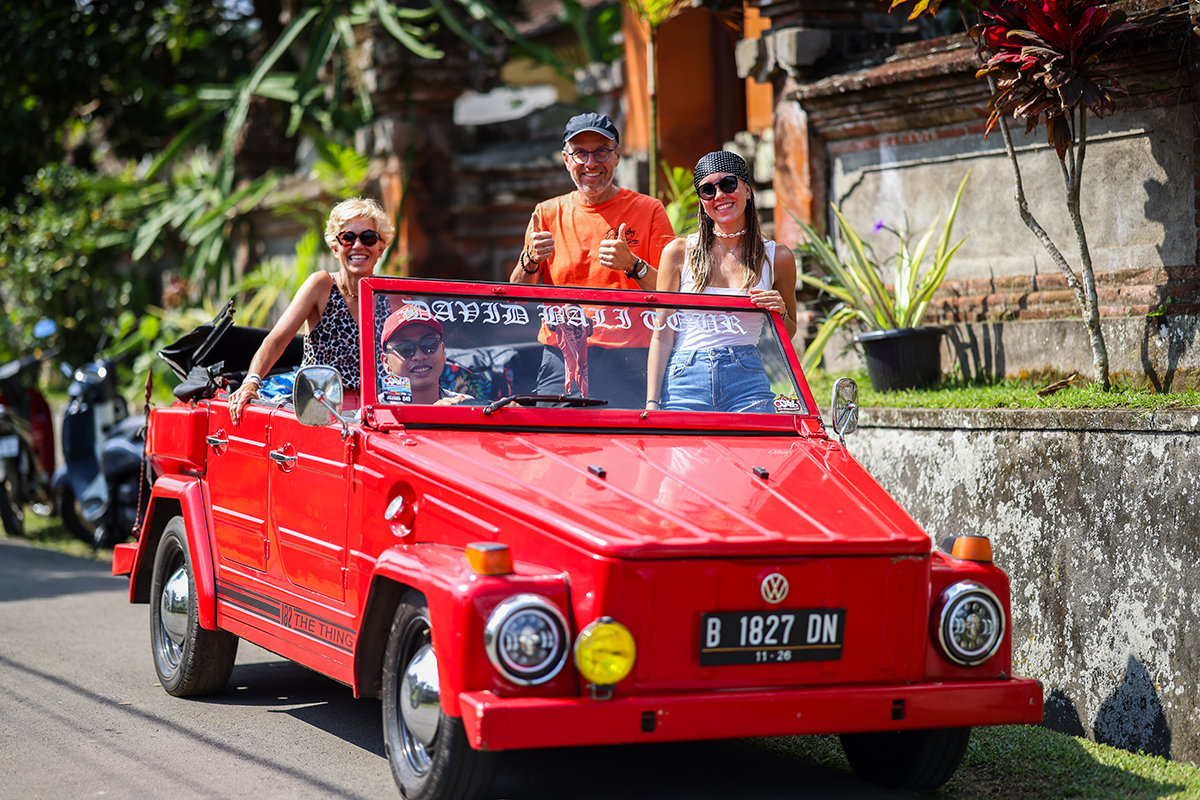
From ‘kid-friendly’ to ‘family-friendly’
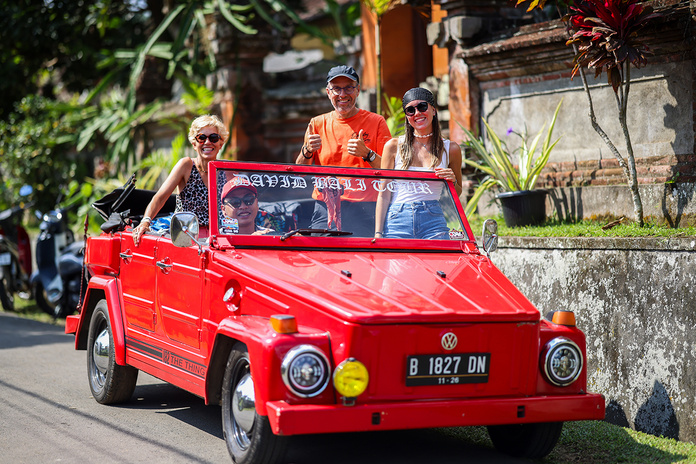

The distinction may seem subtle, yet it reshapes how a stay is designed. A product labeled as “kid-friendly” primarily answers the specific needs of children. The “family-friendly” concept encompasses them and pushes further: it aims to craft programs that captivate and involve both parents and children at once.
It isn’t about replacing the “kid-friendly” approach, but about weaving it into a broader framework. A pool, a family-friendly hotel, or services tailored for kids remain important—they form the comfort baseline families expect. But they don’t automatically guarantee distinction anymore.
The question shifts from “Is this suitable for children?” to “Will parents and children want to experience it together?”
This evolution represents a real challenge for agencies and tour operators. It invites evolution not only in product development but also in selling points: beyond comfort levels and facilities, one must be able to tell what the family will actually do and share during the trip.
Not just keeping kids busy, but giving them a real place
The shift also changes the child’s role during the trip.
It’s no longer enough to merely plan an activity to occupy them while adults explore. The child becomes an active participant in discovery: getting hands-on in a workshop, learning a local craft, spotting wildlife in its natural setting, or exploring a city through a game.
This approach also lets parents view the destination differently. Travel becomes less a sequence of must-see sites and more a program built around discoveries accessible to several generations.
For professionals, this evolution opens a space for differentiation. In a market where many offers claim to be “family-friendly,” the ability to provide genuinely original experiences tailored to different ages becomes a standalone selling point.
It’s no longer enough to merely plan an activity to occupy them while adults explore. The child becomes an active participant in discovery: getting hands-on in a workshop, learning a local craft, spotting wildlife in its natural setting, or exploring a city through a game.
This approach also lets parents view the destination differently. Travel becomes less a sequence of must-see sites and more a program built around discoveries accessible to several generations.
For professionals, this evolution opens a space for differentiation. In a market where many offers claim to be “family-friendly,” the ability to provide genuinely original experiences tailored to different ages becomes a standalone selling point.
From Bali to Japan: when the offering embodies this evolution
This trend is becoming visible especially in how some destinations package experiences.
At Shanti Travel, for instance, this thinking led to the creation of a dedicated family-focused GIR in Bali. The lineup includes: an introduction to the art of pottery with a craftsman, a treasure hunt through the Ubud countryside, a catamaran excursion around Nusa Lembongan, and a sunset jeep ride at the foot of Mount Batur. Different formats, but a single objective: empower children to participate without turning the journey into a program built solely for them.
At Shanti Travel, for instance, this thinking led to the creation of a dedicated family-focused GIR in Bali. The lineup includes: an introduction to the art of pottery with a craftsman, a treasure hunt through the Ubud countryside, a catamaran excursion around Nusa Lembongan, and a sunset jeep ride at the foot of Mount Batur. Different formats, but a single objective: empower children to participate without turning the journey into a program built solely for them.
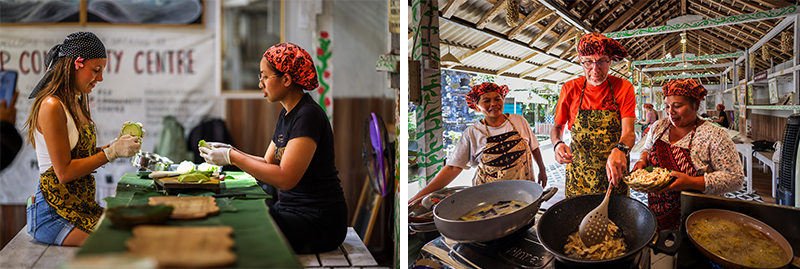
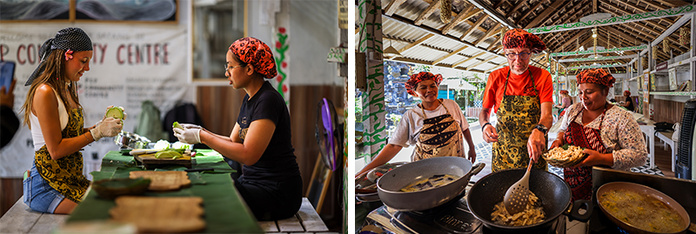
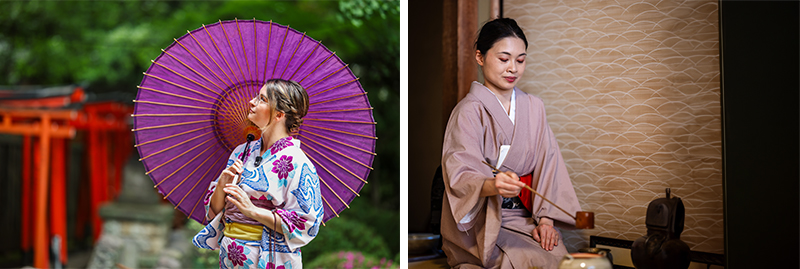
In Japan, experiences take a different shape: a sumo-themed dinner show, a manga workshop with a Japanese artist in Nakano, a kimono photoshoot, an origami workshop, or a glimpse into the world of samurai. Again, these are not “activities for children,” but offerings that children can enjoy alongside their parents.
For distributors, this type of content also provides a fresh sales angle: you’re no longer selling merely a destination or an itinerary, but the moments that will allow the family to recount the trip after they return.
For distributors, this type of content also provides a fresh sales angle: you’re no longer selling merely a destination or an itinerary, but the moments that will allow the family to recount the trip after they return.

Adventure, but in the right measure
The “family-friendly” approach also helps escape a binary view of family travel: on one side, a comfortable, highly structured stay, and on the other, an adventure reserved for experienced families.
Between them, there is a whole spectrum of possibilities. An accessible hike, a boat outing, a cycling excursion, or a night in an unconventional lodging can deliver real novelty without turning the trip into an obstacle course.
The professional’s job is to strike the right balance between discovery and comfort, taking into account the children’s ages as well as the parents’ desires.
Between them, there is a whole spectrum of possibilities. An accessible hike, a boat outing, a cycling excursion, or a night in an unconventional lodging can deliver real novelty without turning the trip into an obstacle course.
The professional’s job is to strike the right balance between discovery and comfort, taking into account the children’s ages as well as the parents’ desires.
Rethinking pace and priorities
Memory as the new criterion of success
In essence, shifting from “kid-friendly” to “family-friendly” reflects a broader evolution in how travel is conceived.
Families want to travel in good conditions, of course, but they also seek what everyday life doesn’t always allow: to discover, to learn, to marvel, and to share a different kind of pause.
For tourism professionals, the challenge is less about building trips where children don’t get bored and more about offering trips where every generation can find its place.
Because a few years down the line, a family is likely to remember less the hotel and more that tuk-tuk ride through the tea plantations, that harvest in the rice fields, that bicycle ride, or that night with a local host.
In other words: “family-friendly” isn’t just about tailoring the trip to children.
It means designing a journey that the whole family will want to experience.
Families want to travel in good conditions, of course, but they also seek what everyday life doesn’t always allow: to discover, to learn, to marvel, and to share a different kind of pause.
For tourism professionals, the challenge is less about building trips where children don’t get bored and more about offering trips where every generation can find its place.
Because a few years down the line, a family is likely to remember less the hotel and more that tuk-tuk ride through the tea plantations, that harvest in the rice fields, that bicycle ride, or that night with a local host.
In other words: “family-friendly” isn’t just about tailoring the trip to children.
It means designing a journey that the whole family will want to experience.


 |
 |
>> SHANTI TRAVEL in the DESTIMAG Directory


 Published by Amelia Brille