Maisons du Voyage Launches a Collection Dedicated to Gardens of the World


Les Maisons du Voyage présenteront leur nouvelle collection lors du salon Jardins, Jardin organisé à Paris du 27 au 31 mai 2026 - Photo : Les Maisons du Voyage

CroisiEurope


Les Maisons du Voyage enrichissent leur catalogue avec une nouvelle collection de voyages consacrés aux jardins du monde.

À travers cette nouvelle gamme, le tour-opérateur souhaite mettre en avant les jardins comme porte d’entrée culturelle des destinations.

Les circuits incluent notamment des rencontres avec des conservateurs, horticulteurs, jardiniers ou producteurs locaux afin de découvrir les savoir-faire et traditions liés à ces espaces.

Les Maisons du Voyage seront également présentes lors de la 20e édition du salon Jardins, Jardin organisée à Paris du 27 au 31 mai 2026.


Des circuits accompagnés par des spécialistes

Among the proposed itineraries is a trip to South Africa dedicated to the country’s private and botanical gardens, notably Kirstenbosch and Walter Sisulu.

The Japan is also among the highlighted destinations with a guided tour led by Denis-Marie Lahellec around the Japanese gardens in autumn, spanning Tokyo, Kyoto, Kanazawa or the island of Shikoku.

In Brazil, another trip will notably allow visitors to discover the gardens of Roberto Burle Marx and the Inhotim park in the company of landscape architect Alain Jounon.

Northern Italy completes this new collection with an itinerary around the gardens of Lake Maggiore and Lake Como, punctuated by visits to historic villas and palaces.

Fez Zellige: A Dive into the Fascinating World of a Moroccan Workshop

With each hard strike, a shard of enamel erupts before falling back onto the floor already covered by a fine white dust. The workshop resounds to the rhythm of hammer blows. Several Moroccan artisans, called maâlems, lean over dozens of small pieces of colored faience. “Everything is made by hand. We never use machines”, explains Mohammed Thifa, president of a Fez-based Craft Cooperative.

Clay, Earthenware and Kiln: The Stages of Building Moroccan Zellige

To create these faïences, the raw material lies a few meters away. In a corner of the workshop, blocks of gray clay wait to be transformed. This earth comes from Mount Zalagh, which overlooks Fez. No chemical products, the artisan assures. Only a natural clay renowned for its solidity.

Purple Gold Takes Over the World: Can It Dethrone Matcha?

In the Philippines, ube, the country’s emblematic yam, has become a highly strategic product. Highly valued for its softly vanilla-sweet flavor, its beautiful purple color, and its myriad virtues, it enchants consumers around the world, even supplanting the trend for matcha. In 2025, exports surpassed three million euros, more than twice the previous year, yet this clear success hides a serious problem. Production no longer keeps pace with demand as enthusiasm continues to rise.

“Our harvest is no longer enough. We are asked for two tons per month. How could we supply such volumes?”, summarizes producer Esmeraldo Maligsa to the South China Morning Post, Tuesday, June 30.

A lack of resources and development assistance

Rich in fiber and antioxidants, this root is found in smoothies, coffees, jams, pastries, or even ice creams in many countries. The main export markets are Canada, the Middle East and several Asian countries, but the United States, South Korea and Europe are accelerating orders. Starbucks, among others, has launched its own ube drink in several outlets across the Atlantic as well as in the Old Continent. Gradually, this local specialty is turning into a high value-added agricultural product, while Philippine producers are not oblivious to the difficulties on the ground.

There, farming remains largely manual and processing infrastructure is still insufficient. “We need machines, backhoes”, explains Esmeraldo Maligsa, who notes that the hilly lands of the island of Bohol complicate their work. “We were given a motor cultivator, but it cannot climb the steep terrains… We turn the soil by hand, which takes time”, he adds, exhausted.

On Saturday, June 27, the Philippine government announced a plan to structure the sector, with common standards, investments and tools adapted to exports. “Supply and organization struggle to keep pace”, concedes Undersecretary for Agriculture, Philip Young.

A food product soon to be protected

The authorities also want to better protect the origin of ube from Bohol. This month, Manila filed a request for registration of a geographical indication (GI) for its production. This measure would allow to “officially recognize the qualities, the reputation and the cultural heritage of the ube ubi kinampay of Bohol, intrinsically linked to the geography, the soil, the climate and the province’s traditional agricultural practices”, according to the Philippine Intellectual Property Office, which notes a “purple gold rush”.

This recognition would also help protect this variety against imitations from abroad. Esmeraldo Maligsa asserts that “many try to imitate our ube, but no one manages to reproduce its aroma”.

Researchers, however, remind that the future of the sector will also depend on its ability to sustainably boost production. Ube remains vulnerable to diseases, to climate fluctuations and cannot be harvested year-round. For expert Marlon Tambis, it will be essential to develop other varieties and new cultivation methods. “Relying solely on kinampay will not be enough to solve shortages”, he says.

MSC World Asia Countdown Begins Ahead of Le Havre Christening


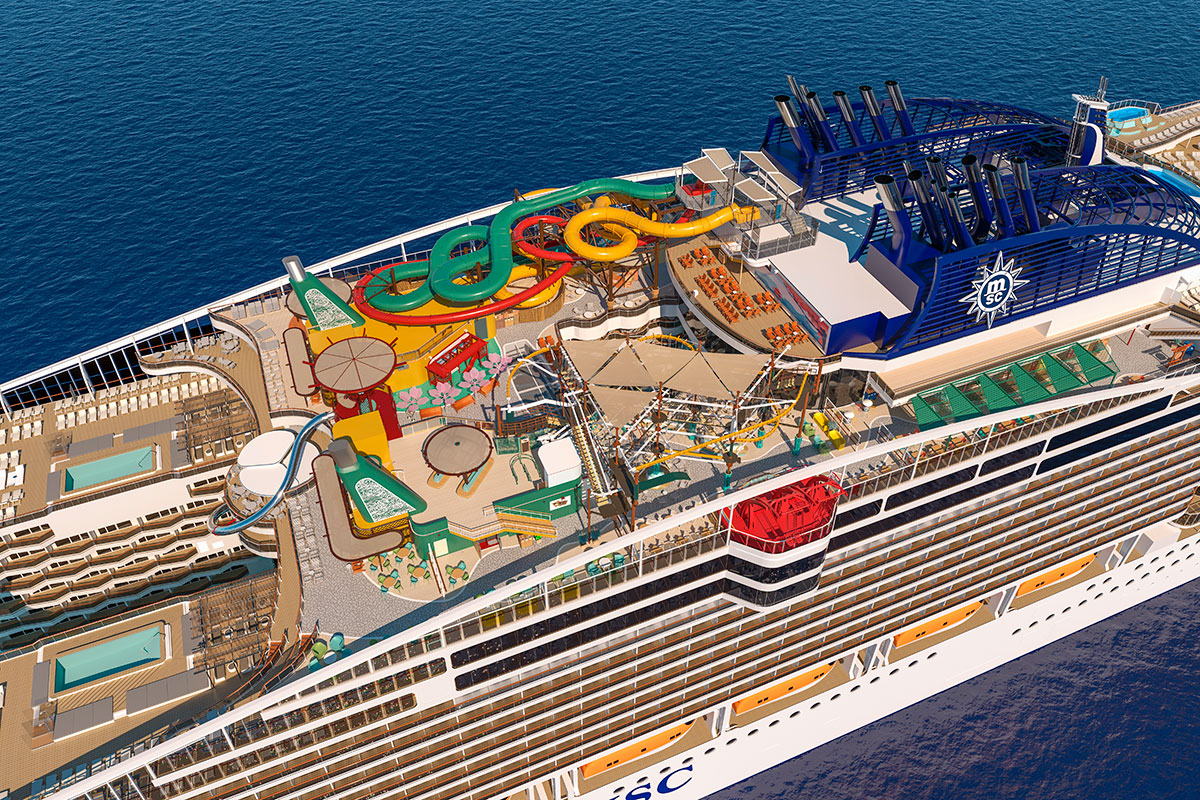
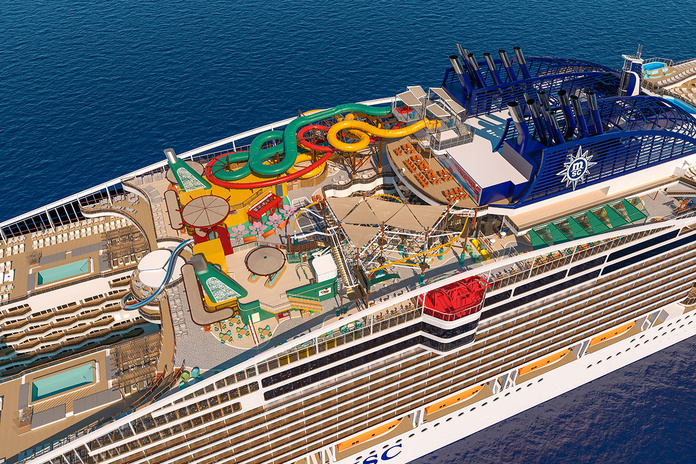
MSC World Asia, nouveau fleuron de MSC Croisières, entre dans sa phase finale de préparation - Depositphotos.com @DonyaNedomam

CroisiEurope


Six months before its inaugural voyage, MSC Cruises is stepping up its communications around its new flagship, the MSC World Asia.

The liner will be officially christened on November 28, 2026 in Le Havre, before kicking off its inaugural Mediterranean season on December 4. As the third unit of the World Class lineup, this next‑generation vessel underlines the company’s innovation strategy.

Inspired by Asian cultures in its design and ambience, it promises an experience blending entertainment, gastronomy and family leisure, while serving several major Mediterranean ports: Barcelona, Marseille, Messina, Civitavecchia (Rome), Naples and Valletta.

The christening in Le Havre will bring together international tourism players, the company’s partners and media for an evening that will be both traditional and modern. This choice also underscores the strategic importance of the French market for MSC Cruises.

Gianni Onorato, CEO of MSC Cruises, highlights the momentum of the World Class range: “Our ships are enjoying remarkable success… MSC World Asia marks a new milestone in this journey“, emphasizing continuous innovation and the enhancement of the passenger experience.

The ship’s command has been entrusted to Captain Paolo Benini, praised for his recent experience aboard the MSC Euribia and his leadership abilities.


Six flagship experiences

As its entry into service approaches, the company reveals six major attractions that will structure the onboard leisure offering:

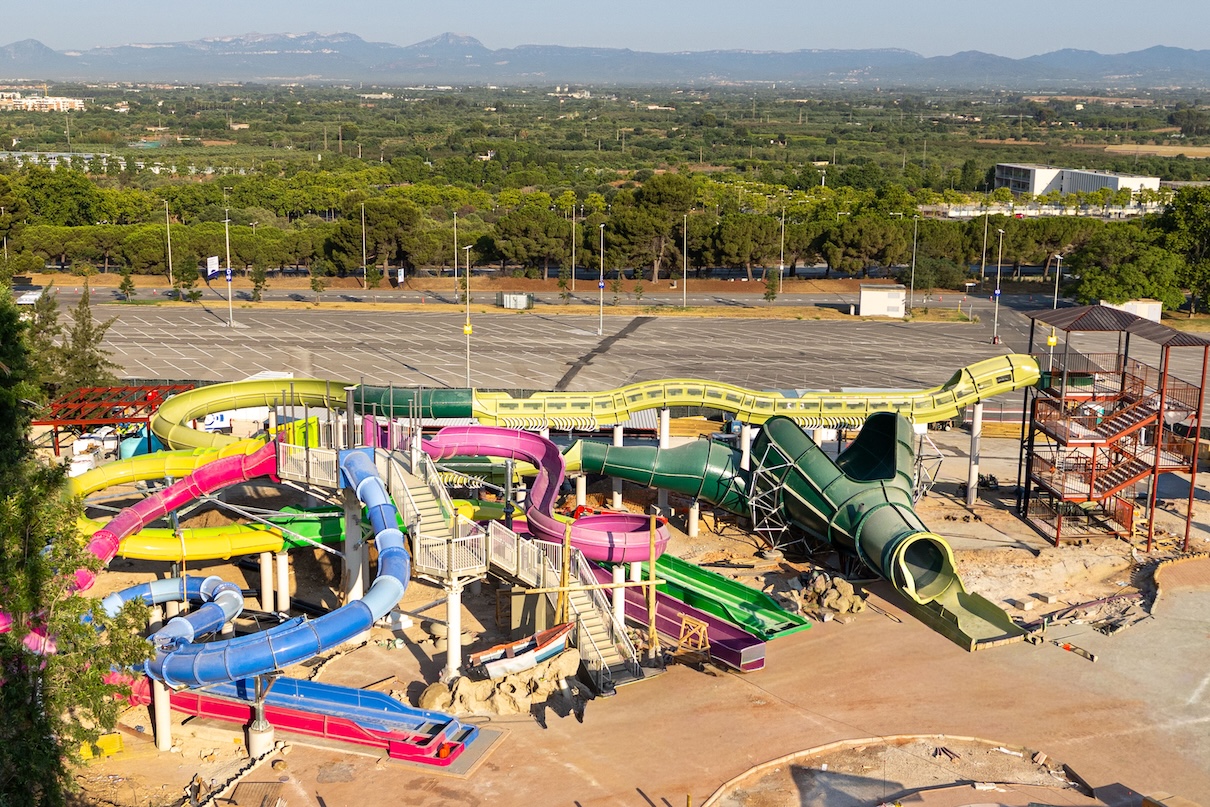
The ship will notably offer Cliffhanger, a swing suspended 50 meters above the sea, a first in Europe for the line.

It will also feature The Spiral @ Tree of Life, an 81.3-meter dry slide spanning 11 decks, designed as the ship’s signature attraction.

Thrill‑seekers will also enjoy Twin Racer and U Drop Waterslides, crafted for competition and spectacular drops.

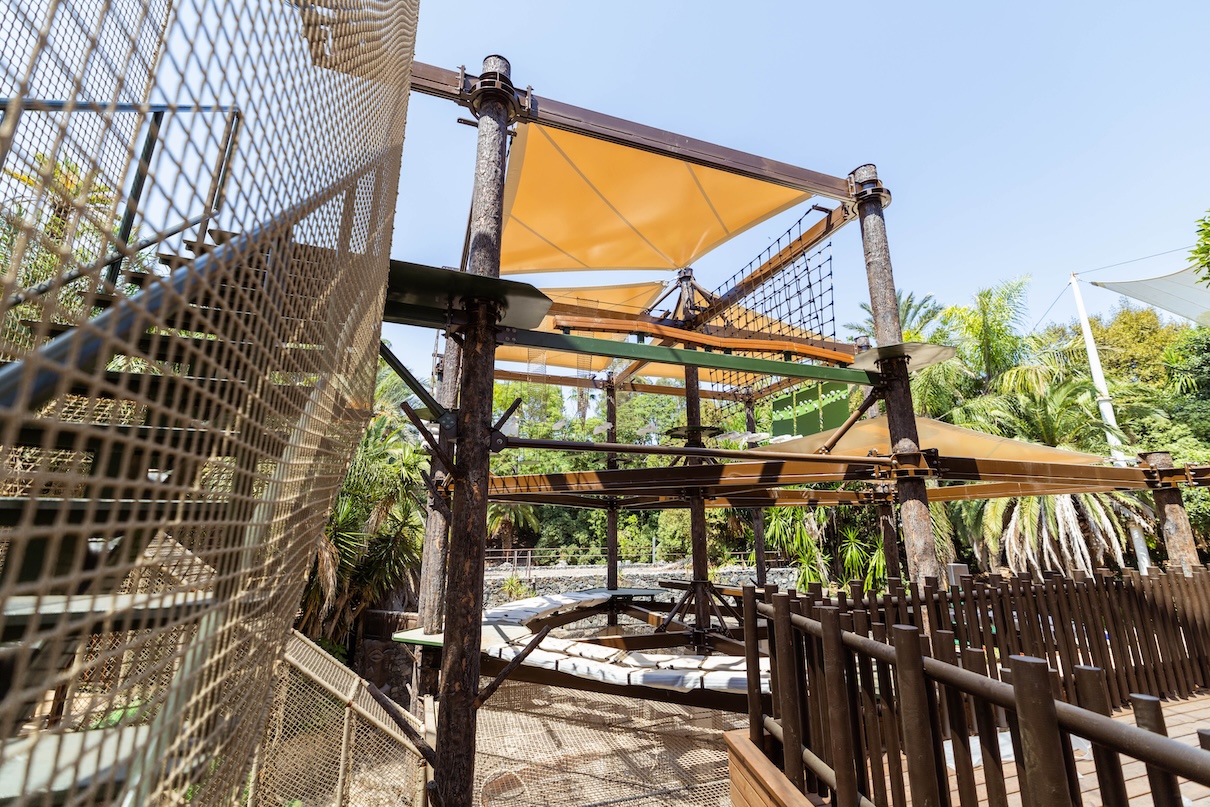
The experience continues with Adventure Trail High Ropes Course, a two‑level aerial course incorporating zip lines and balance challenges.

For immersive entertainment, the MSC Formula Racer simulator will allow guests to experience the Formula 1 world in virtual settings.

Finally, the MSC Luna Park Arena will offer a digital interactive space where the floor becomes an evolving playground for varied challenges and activities.


A strengthened dining and leisure offering

Beyond these novelties, the ship will position itself as a true floating resort. It will boast more than 40 bars, lounges and restaurants, seven swimming pools, thirteen hot tubs, as well as an entertainment lineup designed for all ages.

The design will also feature a collection of artworks inspired by Asia and the largest range of suites ever offered within the MSC Yacht Club concept.


Amelia Brille Published by Amelia Brille TourMaG.com Editor
See all articles by Amelia Brille

  • picto Linkedin
  • picto email
Add TourMaG to your Google News feed Google Actualités icône  

World Cup 2026: The Ultra-Rich’s Extravagant Spending

As millions of fans scramble to secure tickets for the 2026 FIFA World Cup through lottery systems and ever-changing price structures, a handful of privileged travelers live a reality that is radically different. For these ultra-wealthy wanderers, attending football’s grandest event isn’t just about a single match: it’s a tailor-made experience blending luxury hotels, private aviation, and exclusive access. Trips that can run into hundreds of thousands, or even millions, of dollars are already booked. A spectacular showcase of the widening gap surrounding the world’s major international sporting events.

Trips worth several hundred thousand dollars around the matches

For the wealthiest clients of luxury-focused agencies, the World Cup is often merely a pretext for a much broader journey. Football matches are woven into itineraries that combine sightseeing, high-end stays, and personalized experiences.

Jack Ezon, founder of Embark Beyond, explains in the Washington Post that the most requested itinerary is to chain several host cities of the tournament. “The most common is what I call the ‘triple threat’: go to Mexico for the opening, to Vancouver for the knockout stages, and finally to the July 19 final in New York,” he said.

According to Nicole Janoff, head of the leisure division at Magma Global, some clients dedicate between $250,000 and $500,000 (roughly €217,000 to €433,000) to their trip when traveling with family. The matches then become “the centerpiece, but not the sole reason for the journey”, she explained.

Hotels are also riding this wave of interest. In Miami, the St. Regis Bal Harbour offers a package priced at $187,000 (about €162,000) that includes two presidential suites, a private driver, massages, yacht excursions, and streamlined access to a World Cup match. By comparison, even without this exceptional offer, nightly rates start at $3,500 (roughly €3,000) for a premium room.

A British client of Scott Dunn has planned a 22-day United States trip around a match played in Dallas. Private tours, whale watching, national parks with dedicated guides, luxury ranches, and premium accommodations are on the agenda. The cost of hotels and excursions, excluding transport, already reaches about $130,000 (around €113,000).

Helicopters, private security and multi-million-dollar tickets

Beyond lodging, the ultra-wealthy primarily seek to avoid the constraints faced by other fans. Overcrowded airports, traffic jams, and long lines are among the inconveniences they prefer to sidestep. Jackie DeAntonis, head of private relations at Scott Dunn, sums up this philosophy: “They know that at their level, they can obtain the most prestigious tickets, a private helicopter transfer, and all-access VIP passes.”

Private-aviation firms anticipate a strong uptick in demand as well. Paul Malicki, CEO of Flapper, estimates activity could be tenfold around the final. At Amalfi Jets, a long-haul private flight between Europe and the United States costs on average $165,000 (about €143,000).

Once on the ground, some clients continue their pursuit of comfort with chauffeurs available around the clock. Others opt directly for helicopter transfers to dodge stadium-area traffic. In Boston, the Raffles hotel, for example, is marketing a package at $75,000 (about €65,000) that includes a private aerial transfer to Gillette Stadium.

Yet it is around the final, scheduled to take place in New Jersey on July 19, 2026, that spending reaches its zenith. Stuart McNeill, founder of Knightsbridge Circle, markets a package that includes front-row midfield seats and access to the trophy ceremony. The price listed for six people is $4 million (about €3.5 million).

Another extravagant example, the Mark hotel in Manhattan offers a package that lives up to its name, dubbed the “World Cup Extravaganza.” It includes four nights in a penthouse, additional rooms for staff, premium seats on the sideline for the final, and helicopter transfers. The bill comes to $1 million (about €867,000).

For some clients, football isn’t the sole motivation. As Erica Jackowitz, cofounder of Roman & Erica, notes, attending the World Cup has become “a true symbol of social status.” A trend that is gradually turning the world’s most-followed sporting event into a showcase of extreme luxury.

Thousands of Football Fans Denied U.S. Visas for World Cup

Who is the FIFA World Cup for? The question may seem surprising, yet it appears utterly legitimate just days before the launch of the 23rd edition of this flagship event in world football. This year, the matches will take place across three countries: Mexico, Canada and the United States. Millions of fans typically travel to watch the games in stadiums – in 2022, in Qatar, 3.4 million people attended the matches, according to FIFA. This year, Donald Trump’s immigration policy deprives thousands of people of the event.

BBC journalists gathered testimonies from several football supporters who did not obtain visas to the United States. As the World Cup kickoff on Thursday, June 11, 2026 approaches, thousands are barred from entering American soil. In many cases, it is the visa issuance restrictions set by Donald Trump that are to blame.

Citizens of these countries have no chance of attending the World Cup live

For supporters of the Haiti, Iran, Senegal, and Ivory Coast teams, all represented in this World Cup, a trip to the United States is almost impossible. Since his re-election, Donald Trump has issued travel bans or pushed for a reduction in the number of visas issued to these countries. “It’s a form of segregation that does not name itself,” says Julien Kouadio Adonis, a member of the Ivorian fans’ association.

European fans, meanwhile, will probably have no problem entering the territory. If they are nationals of one of the 42 countries worldwide that have an agreement with Washington to enter the United States without a visa, they only need to pay the 40-dollar ESTA travel authorization. No African country is on this list. And only three Middle Eastern countries are on it: Brunei, Israel and Qatar.

A World Cup among nationals from wealthy countries?

In countries where it is possible to apply for a visa to the United States, the criteria are particularly restrictive. Applicants are usually required to prove they have thousands of euros in their bank accounts and a return ticket to their country of origin. In May, the administration announced that a simple ticket to attend the matches would be enough to apply for a visa — instead of the usual cash deposits. But the announcement arrived far too late to meet the processing times of local embassies, and this despite the FIFA Pass principle, intended to speed up the process.

Finally, some foreign nationals have faced another problem: the absence of U.S. consulates or embassies in their country. Since they must undergo a prior interview to obtain a visa, this lack of diplomatic representation effectively prevents them from setting foot in the United States. This particularly affects Iraqi fans. Washington is usually represented in Baghdad, but it has suspended its consular activities since the beginning of the conflict with Iran, rendering it impossible to grant visas to local football fans. The Iranian team is nonetheless qualified for the competition for the second time in its history and the first time since 1986.

In some cases, foreign supporters can turn to matches held in Canada or Mexico, which are less restrictive. But even there, a portion of visas is refused and the issue of consular representation also arises. And that’s without mentioning the price of tickets for this World Cup. Due to dynamic pricing and resales, prices reach record highs. According to RMC Sport, the current record stands at 17,199 euros for the group-stage match between Spain and Uruguay.

Five Safest Destinations in the World

As tensions and wars multiply across various regions of the globe, many travelers now place particular emphasis on safety when choosing their next destination. A new international ranking from the Global Peace Index highlights countries where stability, trust, and quality of life remain exceptionally high. From the North Atlantic to the Swiss Alps, these five nations offer a reassuring environment for both residents and visitors. Here is why they rank among the world’s safest countries in 2026.

Continental countries where safety is part of daily life

Let’s begin with the continental nations. Ranking third, Switzerland climbs two places compared with the previous year. The country benefits from its historical neutrality, low crime rates, and a high level of trust among citizens. Cornelia Choe, based in Geneva, recalls recovering her wallet after losing it twice. “These are small moments, but they leave a lasting impression and create a sense of security that is priceless”, she told the BBC. With cities renowned for their quality of life, lakes, and Alpine peaks, Switzerland offers a particularly stable environment.

Slovenia, on the other hand, makes its entry into the global top five this year. Nestled between Italy, Austria, Hungary, and Croatia, this small European country attracts with its high level of safety and low military expenditures. Slovenians maintain a close bond with nature, whether in the Julian Alps, the forests that blanket much of the country, or turquoise rivers. “Slovenians attach great importance to community and spend a lot of time in nature, which, I believe, creates in us a sense of calm and stability”, explained Jerneja Zver, head of operations for Eastern Europe at the travel company Intrepid Travel, to the BBC. The capital Ljubljana, often cited among Europe’s most pleasant cities, epitomizes this balance between urban life and green spaces.

Islands that rank among the world’s safest destinations

Heading to island nations. And there, at the top of the Global Peace Index 2026, Iceland once again leads the way. A remarkable record for this Nordic country, which has held the top spot for 19 consecutive years. This island with a population of around 400,000 stands out for a very low crime rate, limited militarization, and strong social cohesion. For Oddný Arnarsdóttir, director of Visit Iceland, this situation is deeply rooted in the local culture. “Peace is all around us in Iceland, in the nature that surrounds us, but it is also a conscious choice anchored in our close-knit communities”, she told the BBC. Between volcanoes, glaciers, geothermal springs, and small villages scattered across spectacular landscapes, the country cultivates a particularly calm pace of life.

The second place is occupied by New Zealand. Located more than 1,500 kilometers from Australia, this island nation benefits from a geographical isolation that shields it from many international frictions. The country also ranks among the least militarized in the world. Warwick Woodley, founder of NZ Golden Visa, argues that this calm is reflected in daily life. “Most people hardly think about it there, which is probably the best indicator that it’s generally not a concern”, he told the BBC. Between the Fiordland fjords, rugged beaches, and the mountains of the South Island, nature is omnipresent and easily accessible.

Ireland completes the top five. The island nation records low violence levels and maintains a long-standing tradition of neutrality on the international stage. For Didi Ronan, founder of Native Hotel in County Cork, this hospitality culture has roots in the country’s history. “Ireland’s historical experience as a nation makes its people particularly aware of the dangers of prejudice and the importance of being generous and welcoming to others”, she told English media. From the Cliffs of Moher to the wilds of Donegal, and the colorful villages along the west coast, Ireland draws travelers seeking authenticity as well as serenity.

Despite their geographic and cultural differences, these five countries share several common traits: robust institutions, a high level of trust among citizens, a strong emphasis on nature, and a high quality of life. These advantages explain why they are today among the safest destinations in the world to travel to in 2026.

Top 10 countries in the Global Peace Index 2026

  1. Iceland
  2. New Zealand
  3. Switzerland
  4. Slovenia
  5. Ireland
  6. Austria
  7. Portugal
  8. Singapore
  9. Finland
  10. Japan

Pioneers Forum 2026: Penguin World Returns as Sponsor with SpeedMedia, Resaneo, and Quartier Libre


© Canva - Penguin World

Top of Travel


The Penguin World tourism group, based in Lyon, comprises three companies: SpeedMedia Services, Resaneo, and Quartier Libre. Collaborating with all three Penguin World entities means partnering with professionals dedicated to serving travel industry players.

SPEEDMEDIA: technology serving everyone

SpeedMedia, a travel software publisher for more than two decades, redefines the digital support for travel agencies, networks, and tour operators with a clear mission: turning technical complexity into immediate sales opportunities.


© Canva - Penguin World

The era of static showroom websites is over; today’s travelers demand fluency, immediacy, and reassurance. SpeedMedia rises to this challenge by delivering solutions that automate low-value-added tasks — checking availability, updating prices, handling deposits — so travel agents can focus on what matters most: guidance and sales. This efficacy rests on the strength of a single ecosystem, connecting in real time with more than 70 tour operators and an extensive network of air carriers.

This technological force enables professionals to reclaim control over their offerings through the Open Package (Flex). They can now assemble their own land-based services with global transport flows, while delegating the intricate management of air customer service. Each building block is designed to secure the customer journey and maximize conversion rates.

SpeedMedia’s ambition is to make this power accessible to all, from local agencies to large-scale e-commerce accounts.


RESANEO, transport now and always flight and train + hotel


© Canva - Penguin World

Resaneo is a 100% B2B online travel agency, specializing in booking transports (flights and trains), relied upon daily by more than 3,500 professionals for their ticketing needs. With the widest market offering, it provides access to more than 600 carriers (low-cost, regular, and charter airlines, and French and European rail operators).

A clean and intuitive site that simplifies transport reservations.

A differentiating offer with Travel Connect enabling travelers to depart from near their home and benefit from exclusive connections.

Resaneo also provides agents with a full rail offering in France (Oui SNCF, OuiGo, Trenitalia, Renfe) and across Europe for intercity journeys, e.g., Barcelona–Madrid, Vienna–Bratislava, Innsbruck–Milan, Basel–Munich, and more.

New: Since December 2025, in partnership with Teldar, Resaneo now offers a Worldwide Flight+Hotel and a Europe-wide Train+Hotel option.

And Resaneo also includes:

● Opportunities to access our offers in white label or via our APIs. You can present flights and trains in your own brand while relying on our support from pre- to post-sale.

● Free registration in just a few clicks, no subscription—you pay only for reservations.

● Accounting reporting and the possibility of account setup.

● And, Resaneo lets you manage your margins by configuring your own markup.

Finally, and this is no small point, Resaneo is powered by a team of accessible and passionate experts who drive a capable tool to deliver users the best possible booking experience.

Visit www.resaneo.com and let yourself be guided.


Quartier Libre with its classics and a host of new features


© Canva - Penguin World

Quartier Libre is a tour operator specializing in circuit trips around Celtic and Scandinavian cultures.

Iceland, Norway, Sweden, Ireland and Scotland have been our flagship destinations for over thirty years. We are nonetheless committed to deepening our expertise, strengthening our strengths, and staying aligned with contemporary challenges so that we offer products that are increasingly relevant to our clients.

The integration of Quartier Libre into the Penguin World group in 2019 re-energized our creation and commercialization processes. We work in synergy with other group members to offer a simple and efficient travel-booking experience: while Resaneo provides the full range of air availability with real-time pricing, SpeedMedia supplies users with a first-rate digital interface.

We also intend to preserve the proximity we have forged with our clients. Quartier Libre has established itself in the industry as a major regional player, enabling access to Northern Europe from many French cities and neighboring countries — Belgium, Luxembourg, Switzerland, and Spain. We emphasize developing varied proposals, both in form (guided tours, self-guided trips, or stays) and in substance (cultural and natural heritage discovery, playful and sport-filled activities, etc.), each with supervision and reassuring guarantees to meet the needs of every traveler type.

This year Quartier Libre innovated by launching a new production including a circuit in England or small groups of 18 in Ireland. Additionally, our multi-activity stays in Swedish Lapland are now offered with three flights per week.

Finally, our organization remains committed to addressing current issues. In the face of the climate emergency, we are developing numerous avenues to offer sustainable tourism that respects the environment. Whether prioritizing direct flights or train routes for pre- and post-journey connections, that is why we also offer our clients who wish to visit the Isles and Highlands of Scotland and our circuit in England to reach them by train from France or Belgium.

Moreover, our two Baltic circuits are train-based. Quartier Libre recognizes its responsibilities and strives to meet today’s legitimate expectations. So that travel leaves a lasting impact on the traveler… not only on the places they traverse.


Forum des Pionniers 2026 : Penguin World de nouveau parrain avec ses trois sociétés, SpeedMedia, Resaneo et Quartier Libre
Do not hesitate to contact Léa and her teams for any request. We offer demonstrations via screen sharing, conference calls, emails, meetings… we look forward to speaking with you:

• Email us: [email protected]

• Phone: + 33 (0)1 84 16 52 90

• Or on our site: https://www.speedmedia.fr

facebook linkedin


Barcelona: Antoni Gaudí’s World of Stone and Light

Summary


  • The Sagrada Família: between lost heritage and global triumph

  • An architect on the path to beatification

  • Gaudí’s spiritual turning point

  • “With him, nothing was left to chance”

  • Mosaic salamander

  • Fascinated by dragons

  • The art of experimentation

  • The spirit of the “Architect of God” lingers nearby


He could almost touch it by stretching out his arm. Ferran Tomàs, 65, lives in one of the buildings surrounding the Sagrada Família construction site, the Basilica of the Holy Family. The film producer, whose latest movie premiered on Netflix in February, climbs the stairs of the jointly owned building and makes his way to the roof terrace now and then to observe the progress of the work. Jovial, he opens a double-locked metal door, steps over the final step. Straight ahead, the monument rises, casting a heavy shadow over Ferran’s building on this sunny morning. From here, the four-armed monumental cross raised at the end of winter 2026 at the top of the church’s tallest tower, the Jesus Christ Tower, looks gigantic. Its balance seems precarious, above the luminous star crowning the Virgin Mary’s tower, the neighboring smaller one. When Ferran was born, the site had already begun in 1882 and was funded by donations. “When I was little, I used to come and play in the sand piles on the site,” he recalls. There was only the northeast façade, the Nativity, and the first little turrets symbolizing four of the twelve apostles.

Instead of following the builders’ usual sequence—foundations first, then walls, and finally the roof—the flamboyant modernist architect Antoni Gaudí opted to raise an entire façade first, in order to quickly give Barcelona residents a sense of the project he had in mind. A “teasing” aimed at attracting donations and securing financial support to continue this edifice commissioned by a devout Catholic bookseller, Josep Maria Bocabella i Verdaguer, who wanted it to be a “temple of expiation,” where believers could wipe away their sins in exchange for hard cash. “It was like a vertical film set, all flat, that left the Barcelonans utterly indifferent” says Ferran, who, for his part, finds these early structures of the religious building magnificent. The master designer did not see further. On June 10, 1926, Gaudí died after being struck by a tram, at almost 74 years old. The remainder of the basilica, largely built later after the 1992 Olympic Games hosted by the Catalan capital, leaves Ferran Tomàs doubtful: “The church that hordes of tourists come to photograph is very recent. It is not the work of Gaudí.”

The Sagrada Família: between lost heritage and global triumph

Indeed, a large portion of the architect’s plans, drawings and models disappeared in 1936, ten years after his demise, at the onset of the Spanish Civil War, when anti-clerical groups burned his workshop located in a small house adjoining the Holy Family. It is from fragments of models and especially photographs of these models, published earlier in various books, that plans interpreting Gaudí’s logic were redrawn in the 1940s. Today, the question still haunts Barcelonans: is the basilica, as it appears to us, in line with what its creator had imagined? No one dares to decide…

This Green Sand Beach Is One of Only Four in the World: Here’s Where to Find It

On the island of Hawaii, a beach captivates both geologists and travelers seeking extraordinary landscapes. The reason, its color… green! At first glance, its sand seems artificially dyed by its striking hue. Yet this spectacular setting is entirely natural. Located in the southern part of the Big Island, Papakōlea Beach is among the very few green-sand beaches known on the planet, an exceptional geological phenomenon that draws visitors from around the world each year.