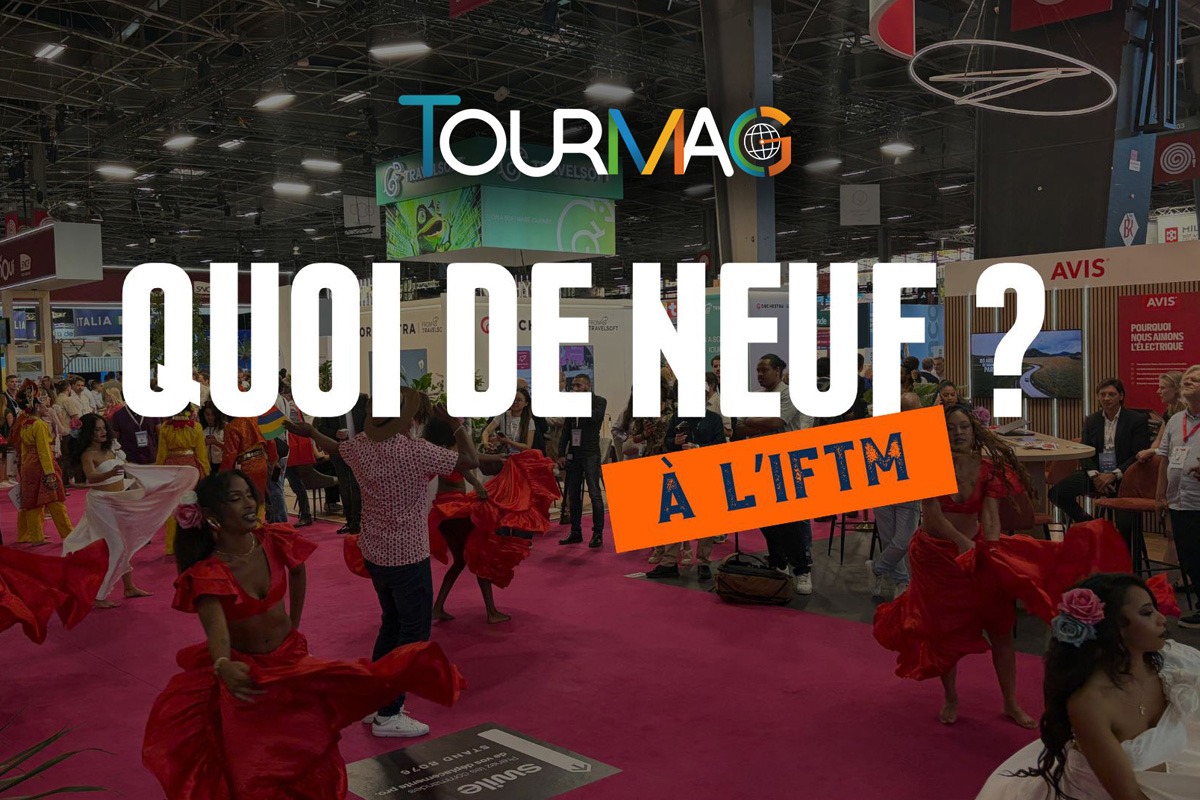


From September 15 to 17, 2026, IFTM, the major professional tourism event in France, gathered industry players in Paris for its 48th edition. On this occasion, TourMaG launched “What’s New?”, a new video format devoted to news and innovations spotted directly on the show.
After two initial episodes focused on the latest novelties, the final lap takes us through the aisles of IFTM. For this third day, TourMaG again spoke with professionals to discover their projects, their new products, and the developments announced for the coming months.
After two initial episodes focused on the latest novelties, the final lap takes us through the aisles of IFTM. For this third day, TourMaG again spoke with professionals to discover their projects, their new products, and the developments announced for the coming months.
“What’s New” at IFTM: Final Day
Video available on our social networks!
GVQ Canada Already Preparing for Winter 2028
For this final day, we head to Canada with a specialist in tailor-made journeys and tours across the destination. GVQ Canada presents the first innovations of the Winter 2028 collection, including especially exclusive offerings for certain nature-focused accommodations and unusual products. The company is also working on distributing departures more evenly throughout the year to highlight Canada as a four-season destination.
GVQ Canada also aims to strengthen “local” experiences, fostering encounters with residents, says Nadège Bourassé, sales representative.
GVQ Canada also aims to strengthen “local” experiences, fostering encounters with residents, says Nadège Bourassé, sales representative.
Digitrips Integrates Air France’s New Fares
On the aviation front, Digitrips, a specialist in travel distribution and online booking, revisits the integration of Air France’s new offers.
Nicolas Brumelot, co-founder and CEO of Digitrips, notes that the company is among the launch partners of Air France’s NDC API for leisure travel. Among the innovations presented are Air France’s new “Basic” fares, now incorporated into Digitrips’ usual feeds.
The stated goal is to “simplify professionals’ access to the airline’s new fares”, says the company’s co-founder.
Climats du Monde Launches MyTailor
At Climats du Monde, Olivia Calvin, the commercial director, takes advantage of IFTM to present MyTailor, a new online platform launched after several months of a soft opening during the summer.
The tool complements the tour operator’s B2B website and its bespoke travel service. It allows agencies to assemble their own itineraries, drawing on proposals and inspirations already conceived by Climats du Monde.
The platform is also expected to progressively expand with new destinations, “in order to move toward customization” says Olivia.