

New Caledonia has come a long way. Two years after the May 2024 riots, the destination had regained, by the end of July 2026, around 60% of its 2023 visitor numbers. The rebound even reaches 70% on the metropolitan market.
These figures are still distant from the 126,000 visitors welcomed in 2023. But they reassure the professionals of New Caledonia’s tourism industry in their reconquest strategy.
Present at the IFTM, Julie Laronde, chief executive of Nouvelle-Calédonie Tourisme, had come to meet French professionals and try to understand why the archipelago still does not enjoy the position it believes it deserves in the market.
The immediate challenge is to recreate desirability around a destination whose image was durably affected by the events of 2024.
« It’s a long-term job », acknowledges Julie Laronde. The head also emphasizes the collective dimension of this revival, with the aim of delivering a unified message between the institutions and the private sector of the territory.
Une nouvelle campagne à partir du 1er octobre
France is among the three priority markets for New Caledonia, alongside Australia and New Zealand.
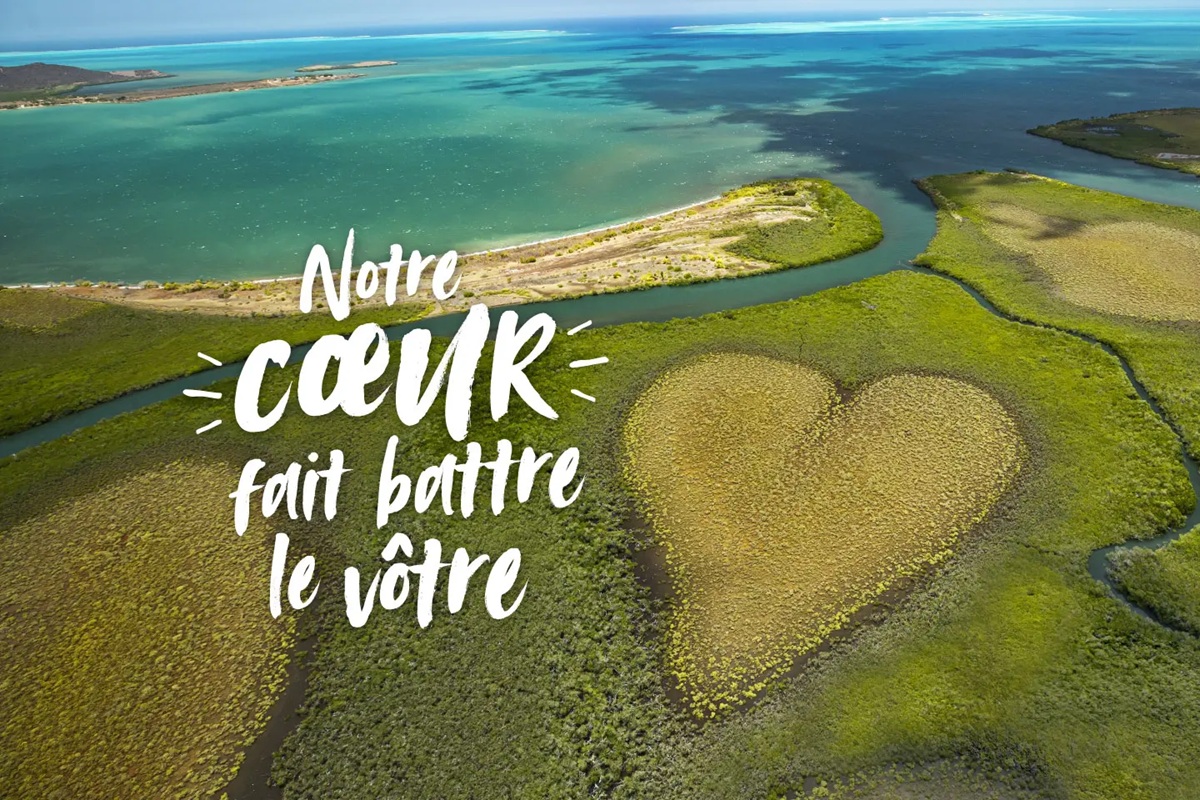
Pour consolider le retour de la clientèle métropolitaine, Nouvelle-Calédonie Tourisme lancera le 1er octobre 2026 la deuxième vague de sa campagne « Notre cœur fait battre le vôtre ».
Entièrement digitale, l’opération associera une campagne de notoriété à des offres commercialisées par des tour-opérateurs et à des ventes de prestations sèches.
Elle s’accompagnera cette fois d’un dispositif destiné à suivre plus précisément le parcours des internautes, de la découverte de la destination jusqu’aux clics vers les offres.
La campagne doit également profiter de l’amélioration de l’accessibilité aérienne. Aircalin relie Paris à Nouméa via Bangkok et doit dévoiler un tarif promotionnel le 1er octobre, au moment du lancement de l’opération.
La croisière cherche aussi à repartir
The revival hinges on cruise tourism as well. Created in 2025, the Club Croisière Nouvelle-Calédonie, of which Julie Laronde is vice-president, is working on the reopening of closed port calls and the development of new destinations in the archipelago.
The association is also preparing a five-year strategic plan. It aims to professionalize providers, support municipalities and implement an environmental charter as well as a quality label.
The ambition is twofold : better position New Caledonia among Pacific cruise destinations and ensure that the return of ships benefits the territories and their populations more.
 Publié par Laurent Guéna Journaliste – TourMaG.com
Voir tous les articles de Laurent Guéna


Ajoutez TourMaG à votre flux Google Actualités