

The tourist season had started off well in the Landes and Gironde.
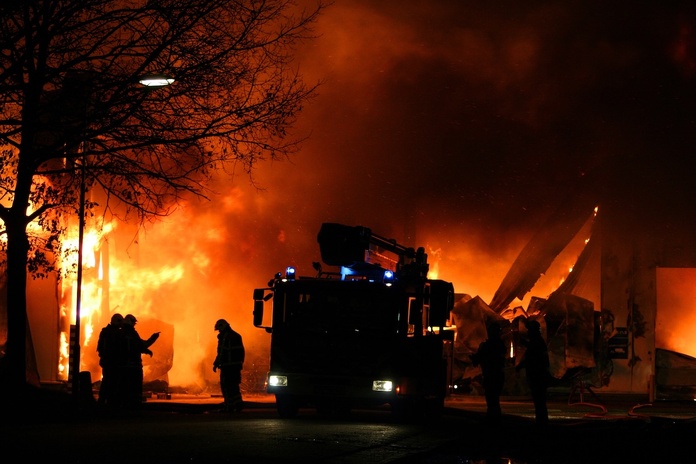
The fires in July and August abruptly reversed the trend, triggering evacuations, temporary closures and, above all, a wave of cancellations that far exceeded the areas directly affected.
The shortfall in revenue for the two departments is currently estimated at 60 million euros, according to initial estimates. In Gironde, tourism accounts for around 3.8 billion euros in annual economic impact and 40,000 jobs.
By August 20, the situation had however improved. “The season is not over“, reminds Christelle Chassagne, president of ADN Tourisme and of the Regional Tourism Committee of Nouvelle-Aquitaine. After dropping to 30-40 % at the start of August, attendance rose to between 60 and 80 % the following week.
It nonetheless remains 10 % below last year’s level for the same period.
The fires in July and August abruptly reversed the trend, triggering evacuations, temporary closures and, above all, a wave of cancellations that far exceeded the areas directly affected.
The shortfall in revenue for the two departments is currently estimated at 60 million euros, according to initial estimates. In Gironde, tourism accounts for around 3.8 billion euros in annual economic impact and 40,000 jobs.
By August 20, the situation had however improved. “The season is not over“, reminds Christelle Chassagne, president of ADN Tourisme and of the Regional Tourism Committee of Nouvelle-Aquitaine. After dropping to 30-40 % at the start of August, attendance rose to between 60 and 80 % the following week.
It nonetheless remains 10 % below last year’s level for the same period.
Un impact qui dépasse les zones directement touchée
The main issue for professionals now is that the image of the fires continues to weigh on areas that were not affected.
“It’s the ‘oil slick’ effect“, notes Nicolas Dayot, president of the National Federation of Outdoor Hotel Industry (FNHPA).
Out of caution or due to a lack of knowledge about local geography, some vacationers have lumped together all of Landes and Gironde into risk zones. Campgrounds that were spared have thus suffered a last-minute bookings freeze. Some foreign tourists even canceled stays in Dordogne for fear of smoke.
In the campsites directly affected by evacuations, the impact is even greater. With the exception of one establishment that suffered heavy damage and three others that experienced light destruction, losses are mainly tied to operations.
The FNHPA reports numerous cancellations and few postponements. The majority of vacationers who canceled their stays turned to other coastal destinations, from Charente-Maritime to Brittany via the Mediterranean.
For campsites, end-August occupancy rates remain highly variable, from 40 to 90 % depending on the establishment. Gironde appears more fragile than Landes and September remains uncertain, particularly for foreign clientele and off-season regulars.
“It’s the ‘oil slick’ effect“, notes Nicolas Dayot, president of the National Federation of Outdoor Hotel Industry (FNHPA).
Out of caution or due to a lack of knowledge about local geography, some vacationers have lumped together all of Landes and Gironde into risk zones. Campgrounds that were spared have thus suffered a last-minute bookings freeze. Some foreign tourists even canceled stays in Dordogne for fear of smoke.
In the campsites directly affected by evacuations, the impact is even greater. With the exception of one establishment that suffered heavy damage and three others that experienced light destruction, losses are mainly tied to operations.
The FNHPA reports numerous cancellations and few postponements. The majority of vacationers who canceled their stays turned to other coastal destinations, from Charente-Maritime to Brittany via the Mediterranean.
For campsites, end-August occupancy rates remain highly variable, from 40 to 90 % depending on the establishment. Gironde appears more fragile than Landes and September remains uncertain, particularly for foreign clientele and off-season regulars.
L’hôtellerie-restauration également en première ligne
Hotels, restaurants, cafes and nightlife venues have also suffered the consequences of this drop in attendance. By the end of July, the UMIH had alerted the government to the economic consequences of the fires and called for emergency measures for the professionals.
The organization was specifically requesting better coverage of operating losses by insurers, cash-flow solutions and broader access to partial activity (partial unemployment).
UMIH Gironde and UMIH Landes also launched a campaign titled “Do Not Abandon Us!”, intended to remind that establishments remain open and that the territories remain accessible.
The professional association also took part in talks with the government on emergency measures, stressing one point: beyond the directly damaged establishments, many professionals are experiencing a drop in activity due to cancellations and the perception of risk.
The organization was specifically requesting better coverage of operating losses by insurers, cash-flow solutions and broader access to partial activity (partial unemployment).
UMIH Gironde and UMIH Landes also launched a campaign titled “Do Not Abandon Us!”, intended to remind that establishments remain open and that the territories remain accessible.
The professional association also took part in talks with the government on emergency measures, stressing one point: beyond the directly damaged establishments, many professionals are experiencing a drop in activity due to cancellations and the perception of risk.
Atout France veut désormais convertir la confiance en réservations
To address this situation, the State, the Nouvelle-Aquitaine Region, the CRT and Atout France have strengthened the “Destination Landes-Gironde” program, endowed with 2 M€.
The first step was to reassure visitors and to restore precise information about the areas actually affected. “We needed to provide precise information, concrete details on the exact situation, which part of the territory was affected, which tourist sites were affected, and which were not as well“, explains Christian Mantei, president of Atout France.
Now, the agency wants to move to a second phase: bringing back tourists and, above all, encouraging bookings. “The goal is conversion and support for reservations“, sums up Christian Mantei. The campaign relies notably on social networks, testimonials from vacationers, influencers and co-marketing operations with booking platforms. Several European markets are targeted as a priority, notably the Germany, the Netherlands, Belgium and Spain, as well as the United Kingdom, Switzerland and the United States.
The early signs are encouraging: Atout France notes a positive shift in media tone on the main international markets during the week of August 15.
The first step was to reassure visitors and to restore precise information about the areas actually affected. “We needed to provide precise information, concrete details on the exact situation, which part of the territory was affected, which tourist sites were affected, and which were not as well“, explains Christian Mantei, president of Atout France.
Now, the agency wants to move to a second phase: bringing back tourists and, above all, encouraging bookings. “The goal is conversion and support for reservations“, sums up Christian Mantei. The campaign relies notably on social networks, testimonials from vacationers, influencers and co-marketing operations with booking platforms. Several European markets are targeted as a priority, notably the Germany, the Netherlands, Belgium and Spain, as well as the United Kingdom, Switzerland and the United States.
The early signs are encouraging: Atout France notes a positive shift in media tone on the main international markets during the week of August 15.
Un plan de 2 M€ et un fonds de garantie de 30 M€
Communication aside, this is only part of the response. The government has also announced a guarantee fund capable of mobilizing 30 M€ in loans to support affected businesses. For Nicolas Dayot, these measures are “positive and essential“, but they must be simple enough to allow professionals to access liquidity quickly.
The FNHPA also calls for the fund to take into account indirect economic damage, notably cancellations linked to the fear generated by the fires, and not only material damages.
This issue aligns with the requests made by UMIH, which has been calling for measures to sustain businesses facing operating losses even as their costs continue to accrue since the crisis began.
The communications plan also relies on a strong public-private leverage effect. Atout France indicates it has mobilized around €900,000 excluding tax, while several private partners including SNCF Connect, Voyages Privé, Expedia, Booking and Airbnb have joined the scheme.
The FNHPA also calls for the fund to take into account indirect economic damage, notably cancellations linked to the fear generated by the fires, and not only material damages.
This issue aligns with the requests made by UMIH, which has been calling for measures to sustain businesses facing operating losses even as their costs continue to accrue since the crisis began.
The communications plan also relies on a strong public-private leverage effect. Atout France indicates it has mobilized around €900,000 excluding tax, while several private partners including SNCF Connect, Voyages Privé, Expedia, Booking and Airbnb have joined the scheme.


 Publié par Amelia Brille