
Pour marquer les 25 ans de la marque Anantara, Minor Hotels dévoile son premier camp safari surélevé au bord du fleuve Kafue, en Zambie.
Intégralement alimenté à l’énergie solaire et bâti sur des plateformes en bois pour préserver les déplacements de la faune sauvage, cet établissement marie luxe contemporain et engagement écologique strict au sein du parc national de Kafue.
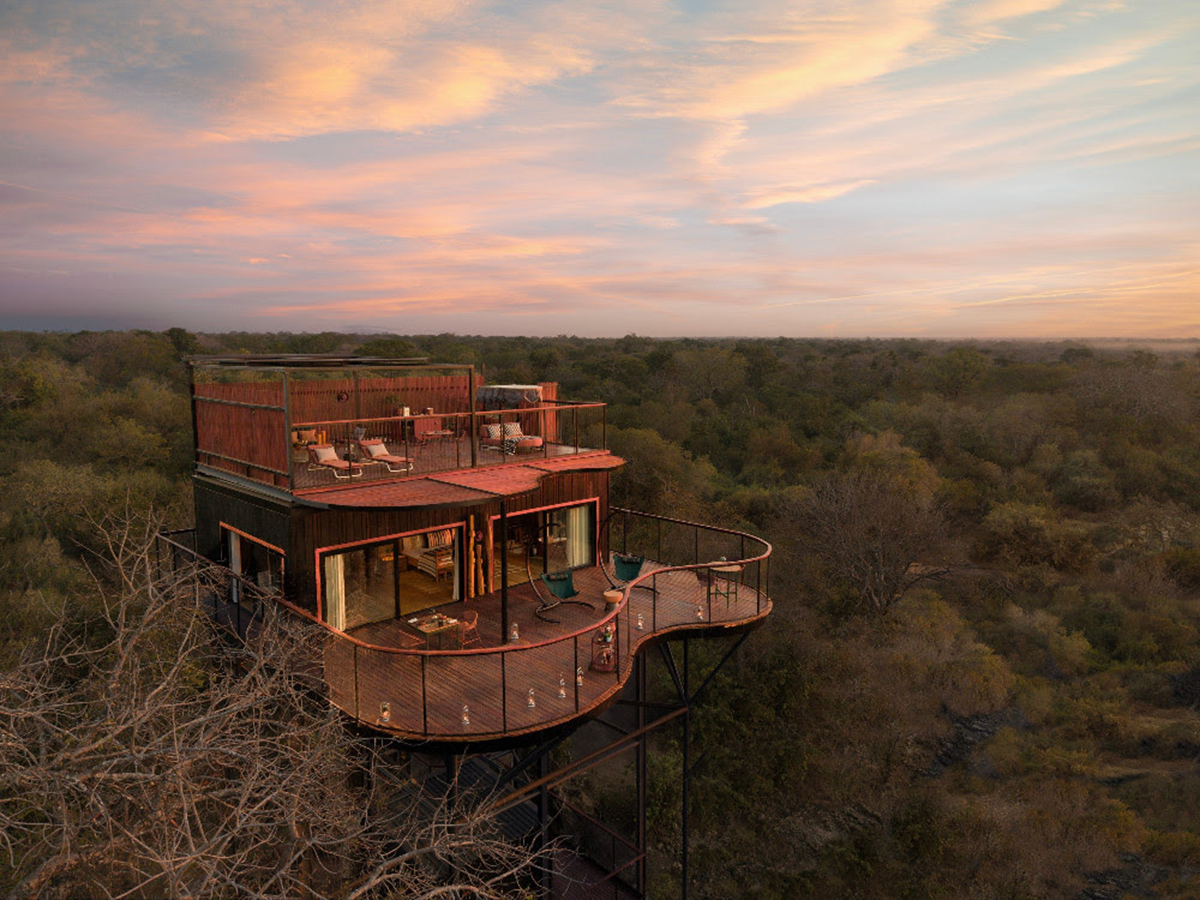
Positionné à plus de 3,5 mètres au-dessus du sol le long des berges du fleuve Kafue, le complexe a été pensé par le cabinet Meg Ralph Spaces pour minimiser son empreinte environnementale.
Fonctionnant sans plastique à usage unique, doté d’un système de purification d’eau sur site et d’un éclairage nocturne adapté à la faune, le camp intègre des structures préfabriquées permettant de préserver la végétation existante.
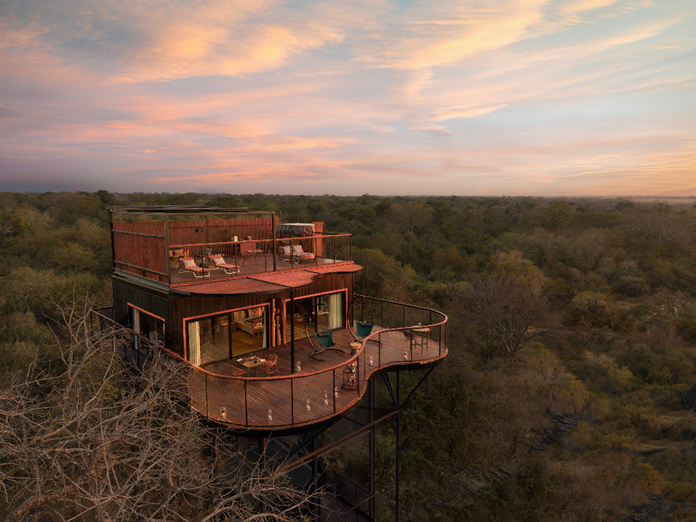
L’offre d’hébergement comprend notamment trois suites suspendues à plus de 14 mètres de hauteur, ainsi que des villas privées disposant de leurs propres piscines et espaces de bien-être.
Intégralement alimenté à l’énergie solaire et bâti sur des plateformes en bois pour préserver les déplacements de la faune sauvage, cet établissement marie luxe contemporain et engagement écologique strict au sein du parc national de Kafue.
Positionné à plus de 3,5 mètres au-dessus du sol le long des berges du fleuve Kafue, le complexe a été pensé par le cabinet Meg Ralph Spaces pour minimiser son empreinte environnementale.
Fonctionnant sans plastique à usage unique, doté d’un système de purification d’eau sur site et d’un éclairage nocturne adapté à la faune, le camp intègre des structures préfabriquées permettant de préserver la végétation existante.
L’offre d’hébergement comprend notamment trois suites suspendues à plus de 14 mètres de hauteur, ainsi que des villas privées disposant de leurs propres piscines et espaces de bien-être.
Une offre gastronomique et bien-être ancrée dans la nature
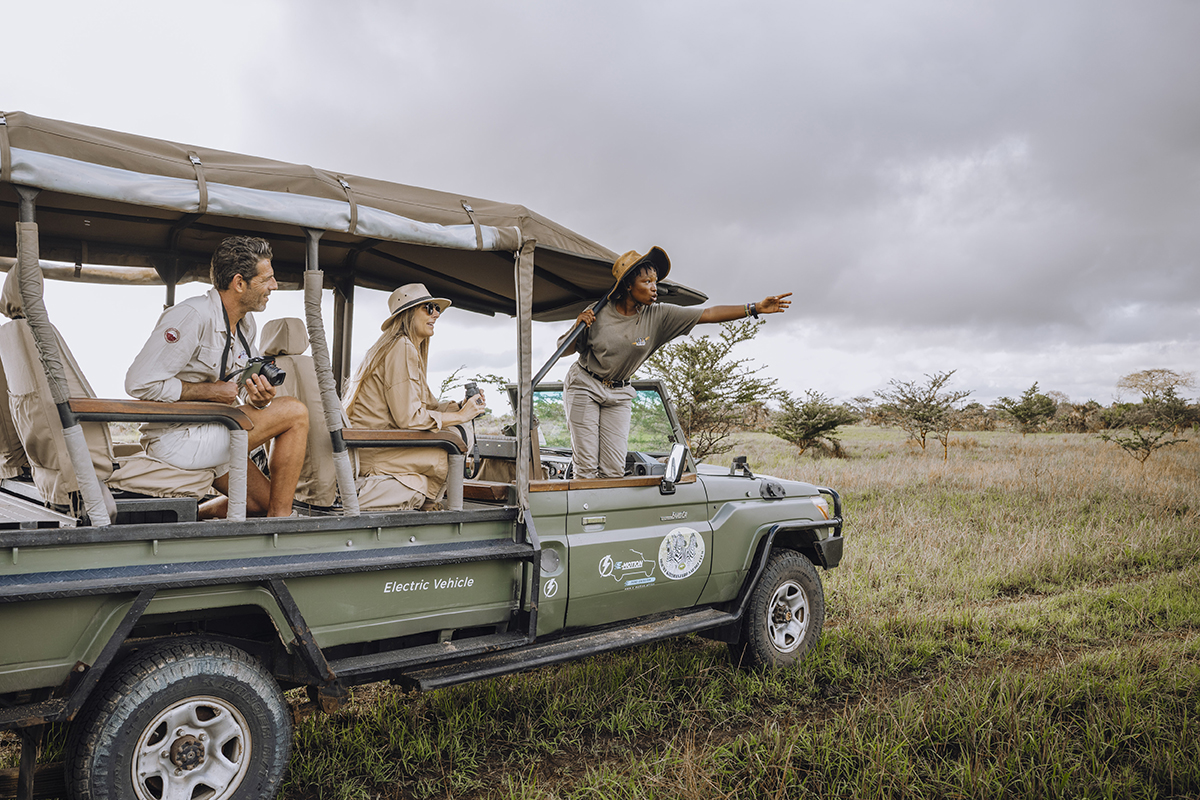
The experience offered to travelers revolves around terrestrial and aquatic activities, including 4×4 safaris, river excursions, guided hikes, and catch-and-release fishing.
On the dining front, the establishment showcases modern Zambian cuisine across its various spaces, complemented by a floating pontoon for meals on the water and immersive culinary workshops.
The wellness offering includes in-room treatments, private hammam spaces, as well as a floating fitness and yoga platform installed directly on the river.
Accessible by charter flights from Lusaka or Livingstone to the Chunga airstrip, or a four-hour drive from the capital, the camp represents a new showcase for sustainable and high-end tourism in Southern Africa.
Lire aussi : Hyatt débarque en Zambie avec le Hyatt Regency Lusaka The Pamodzi
On the dining front, the establishment showcases modern Zambian cuisine across its various spaces, complemented by a floating pontoon for meals on the water and immersive culinary workshops.
The wellness offering includes in-room treatments, private hammam spaces, as well as a floating fitness and yoga platform installed directly on the river.
Accessible by charter flights from Lusaka or Livingstone to the Chunga airstrip, or a four-hour drive from the capital, the camp represents a new showcase for sustainable and high-end tourism in Southern Africa.
Lire aussi : Hyatt débarque en Zambie avec le Hyatt Regency Lusaka The Pamodzi