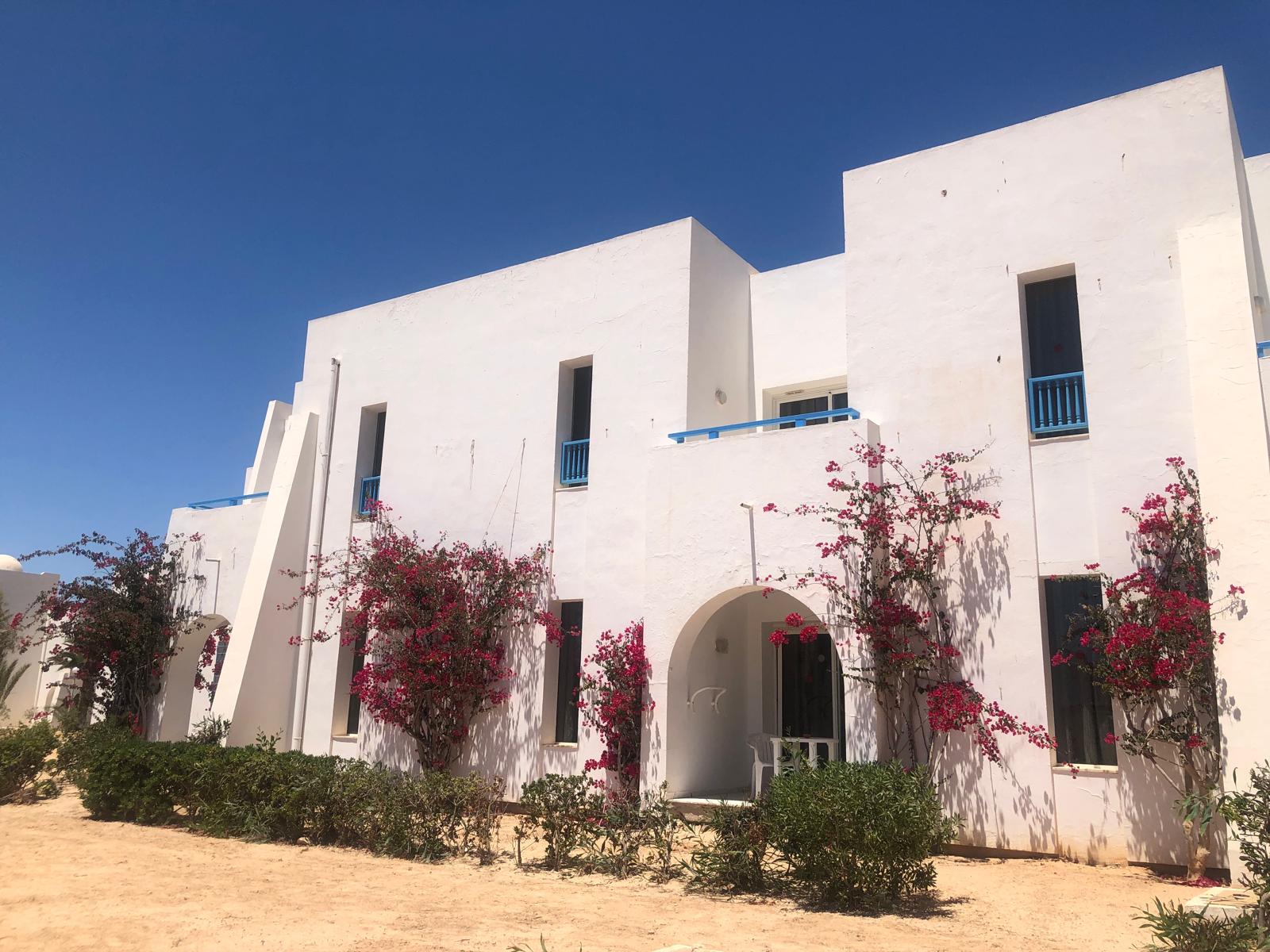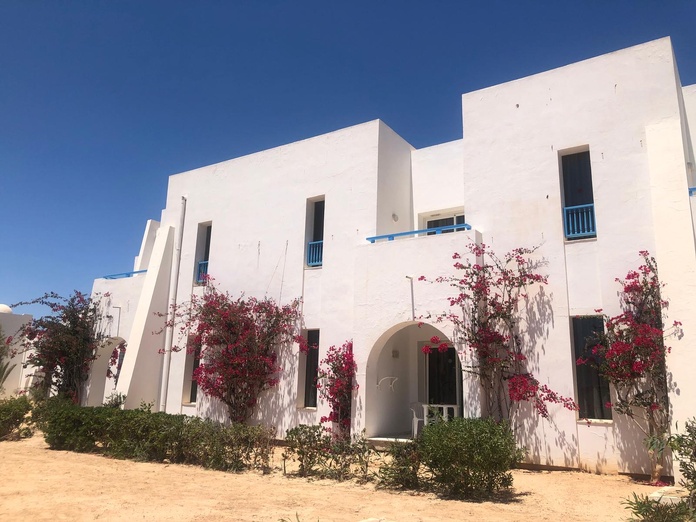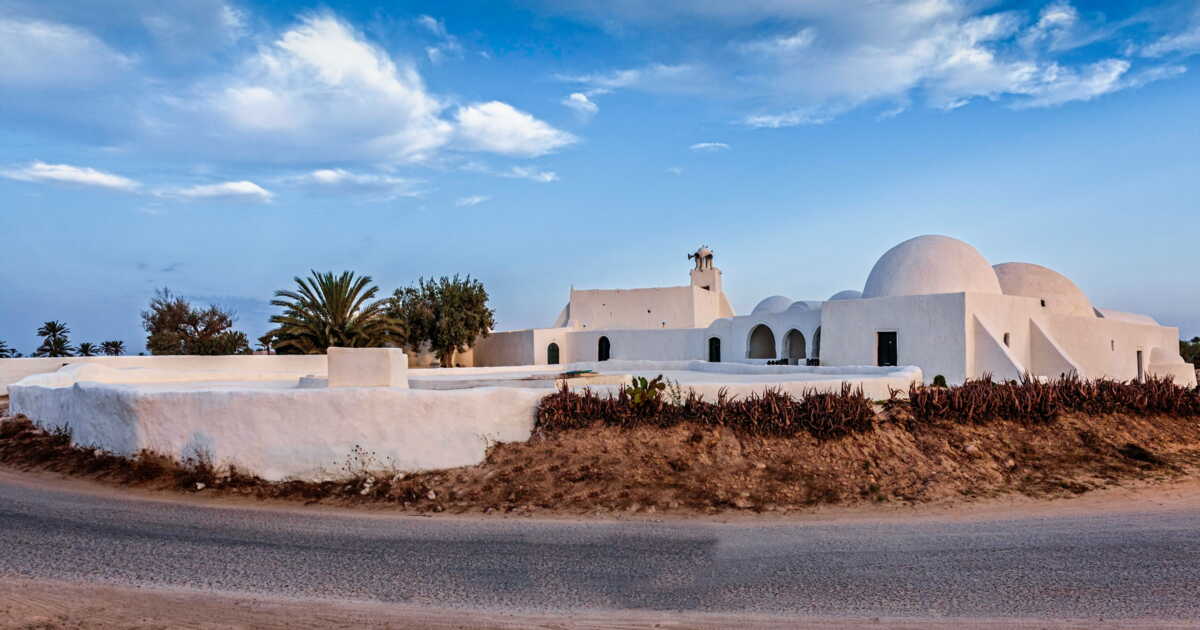
Djerba reveals itself as much through its landscapes as through the experiences it offers. From a stroll through the alleys of Houmt Souk to a desert excursion, through the works of Djerbahood or a pause in a traditional hammam, the Tunisian island multiplies the occasions to vary pleasures.
1. Strolling through Houmt Souk
Begin your discovery of Djerba by immersing yourself in the unique atmosphere of Houmt Souk, the capital and largest town on the island. This historic center is a true crossroads of local craftsmanship: handwoven textiles, pottery and traditional jewelry.
As you wander the narrow streets, you will mingle with traders, artisans, and residents and you will witness an authentic fish market, a living reflection of the island’s port life.
The charm of the cobbled lanes and sun-bleached façades bears witness to Djerba’s Mediterranean heritage. This first contact with the island sets a cultural and sensory rhythm, offering a faithful glimpse of the island’s living patrimony.
2. Visit the Ghriba Synagogue
In the center of the island, in the village of Erriadh, the Ghriba Synagogue stands as a historical and spiritual treasure. Its exterior white walls and blue-and-white tiles inside reveal a religious tradition of more than two millennia. Inside, ancient Torah scrolls are carefully preserved, symbols of a collective memory.
Visiting this place is also about understanding the coexistence of cultures and the customs of Djerba, testimonies of a past where diversity and tolerance lived daily. You can sense the influence of the local Tunisian cuisine and feel the cultural heritage of this land rooted between sea and land.
3. Discover the art at Djerbahood
In the same village, the project Djerbahood transforms Erriadh into a true open-air museum, blending tradition and modernity. More than 250 murals signed by international artists color the façades, creating an unprecedented visual spectacle on the island.
This contemporary street art dialogues with the whitewashed walls, the narrow alleys and the light of Djerba, enhancing the built heritage while injecting a new energy. For visitors, it is an immersion into a universe where urban art reinvents the island’s identity, a cultural enrichment that shows how Djerba can surprise with a modernized face without renouncing its roots.
4. Enjoy the beaches and nautical activities
The beaches of Djerba, notably Sidi‑Mahrez with golden sands, embody the island’s seaside dream. The fine sand, turquoise water and shallow bays create an ideal setting to unwind or have family fun. For thrill-seekers, water activities like jet-skiing bring a touch of adventure, while sunbathing invites pure relaxation. These beaches offer varied options between rest, swimming and sport, perfectly suited to a stay in Djerba that balances nature, sea and leisure.
5. Explore the Djerba Explore Park
The complex Djerba Explore is a must for families and those looking to blend culture, nature and discovery. Here you’ll find a well-appointed crocodile farm, where these fascinating reptiles can be observed safely, and the Museum Lalla Hadria, which houses an exceptional collection of Islamic art of international significance, rich in Arab-Berber and African heritage, reflecting Djerba’s position on Africa’s shores. This place embodies the island’s open spirit, highlighting fauna, heritage and memory, while remaining accessible and well-structured.
6. Venture into the desert on a guided excursion
For travelers seeking adventure, a trip off the island toward southwestern Tunisia offers a contrasting yet unforgettable experience. A 4×4 crossing, sometimes combined with a camel ride, leads to dunes, rocky plateaus and ancient Berber ksour.
This desert safari may include a stop at a hot spring or a contemplative pause beneath a starry sky. This type of itinerary broadens the horizon of your journey, blending nature, Berber culture and memories from a world different from the island world of Djerba.
7. Relax in a traditional hammam
After wandering, excursions or water activities, a moment of relaxation in a hammam or thalassotherapy center offers a welcome wellness moment. Back in Djerba, you can enjoy a traditional massage, a thermal treatment or a soothing bath.
This calm pause ideally concludes your stay in Djerba, prolonging the sensory experience in a peaceful setting. For travelers arriving from a trip on the Tunisian mainland, it is an opportunity to finish their stay on a note of serenity and comfort.
What to do in Djerba in winter? A season favorable to cultural discovery and island calm
Djerba in winter offers an interesting alternative to the peak summer season. The climate remains mild, allowing pleasant visits without the intense heat. It’s the perfect time to explore the island’s cultural heritage, notably the medina of Houmt Souk, artisan workshops or the Ghriba Synagogue. The beaches are less crowded, inviting walks.
Winter is also favorable for the local gastronomy, with seasonal products highlighted in markets and restaurants. Far from the hustle and bustle, the island of Djerba reveals a more authentic atmosphere, ideal for a stay focused on tranquility and discovery.
What to do in Djerba in the evening? Activities and outings to extend the island experience
The evening in Djerba shifts ambiance without becoming loud. A stroll along the seafront, the terraces of Houmt Souk or the restaurants of Midoun allow you to enjoy the nocturnal gentleness. Several establishments offer folk shows or dinners with traditional music.
For a more cultural approach, galleries or art centers open their doors in the evening. Finally, some hotels organize thematic entertainments. Tourism in Djerba also unfolds in a nocturnal version, where calm and conviviality prevail.
What to do in Djerba with family? Activities suited for young and old
Djerba with family is enjoyed through a wide variety of activities. The Djerba Explore Park, with its crocodile farm, is a popular outing for children. The beaches, calm and shallow, are suitable for safe swimming.
camel rides or horse-drawn carriage rides offer a playful moment, while market visits provide cultural immersion. Many accommodations offer family-friendly services (kids’ clubs, secure pools, animations). Across the island of Djerba, hospitality is warm and infrastructures are designed for multi-generational stays.
What to do in Djerba when it rains? Cultural alternatives and sheltered activities
Although rainfall remains rare, it can happen in Djerba. These days offer the opportunity to explore the island’s cultural wealth. The Guellala Museum, devoted to Djerbian heritage and traditions (including Tamazight culture), or a visit to the Ghriba Synagogue allow you to discover another face of the island, more introspective.
The artisan workshops, potters or weavers are also accessible and provide immersion in local know-how. Wellness centers, numerous on the island, offer a relaxing alternative in bad weather. So, even in rain, tourism in Djerba remains engaging.
What to do in Djerba as a couple?
Djerba, a uniquely charming island in southeastern Tunisia, appeals to couples seeking a balance between relaxation, cultural immersion and discovery. Whether you dream of strolling through welcoming lanes, alternating beach and visits, or experiencing original adventures, the island offers multiple possibilities. By visiting Djerba, you combine the comfort of a seaside stay with the richness of a historic and cultural heritage, ideal for sharing moments together, learning together, and creating lasting memories.
This article was written with the help of artificial intelligence, then corrected, supplemented and validated by the editors of the writing team.
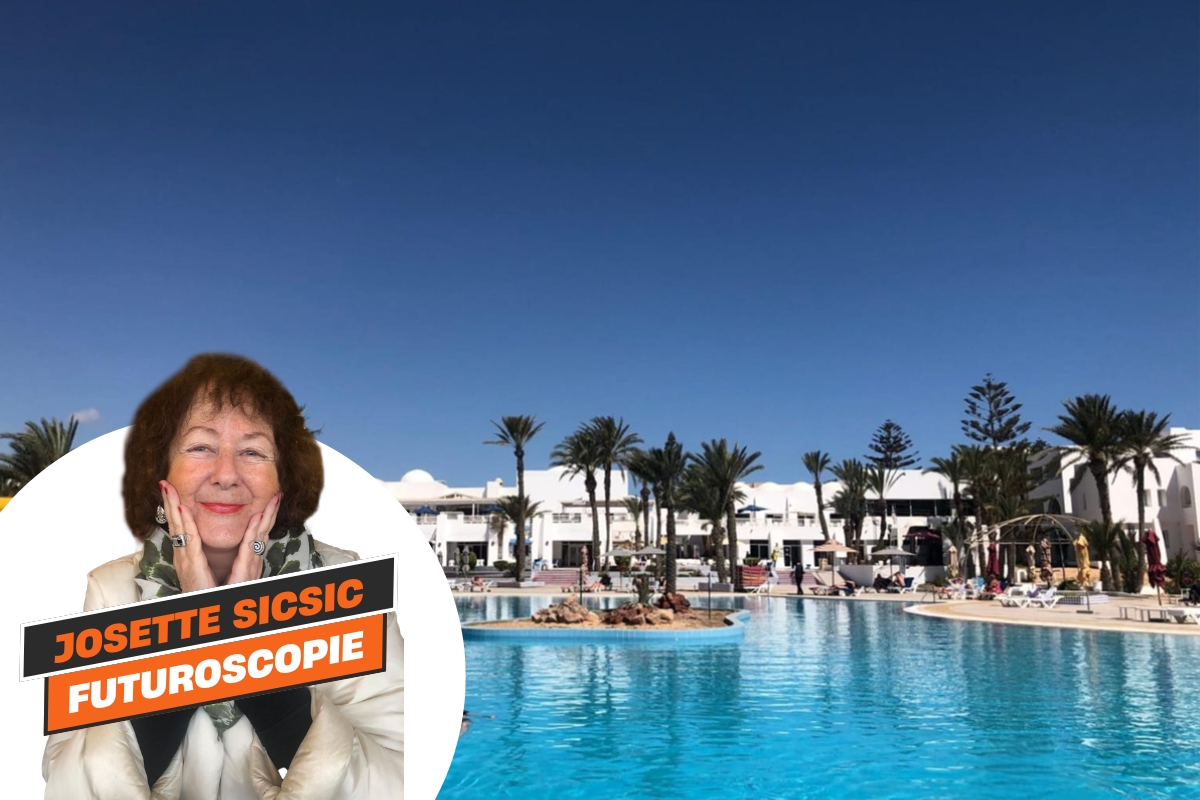
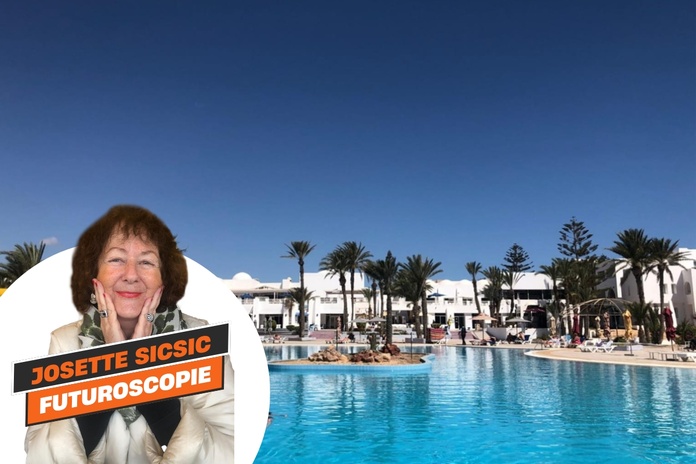




 Why so much optimism? Besides the quality of the accommodation stretched along a white beach, the hotel offers seven swimming pools with a stunning panorama, and all the sports and leisure facilities sought by children and parents.