

Laurent Abitbol (Selectour): Tailor-Made Travel and Upgrading to Premium Are Our Future


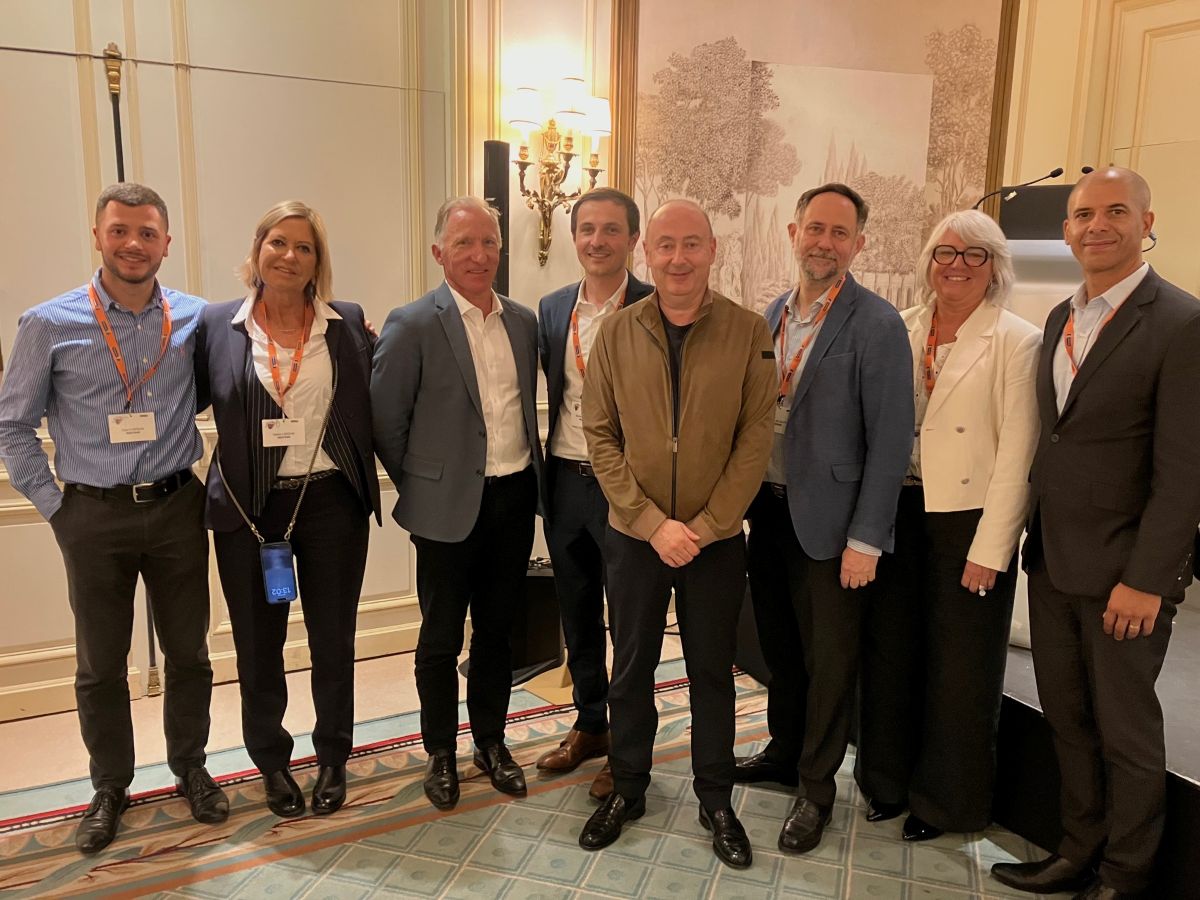
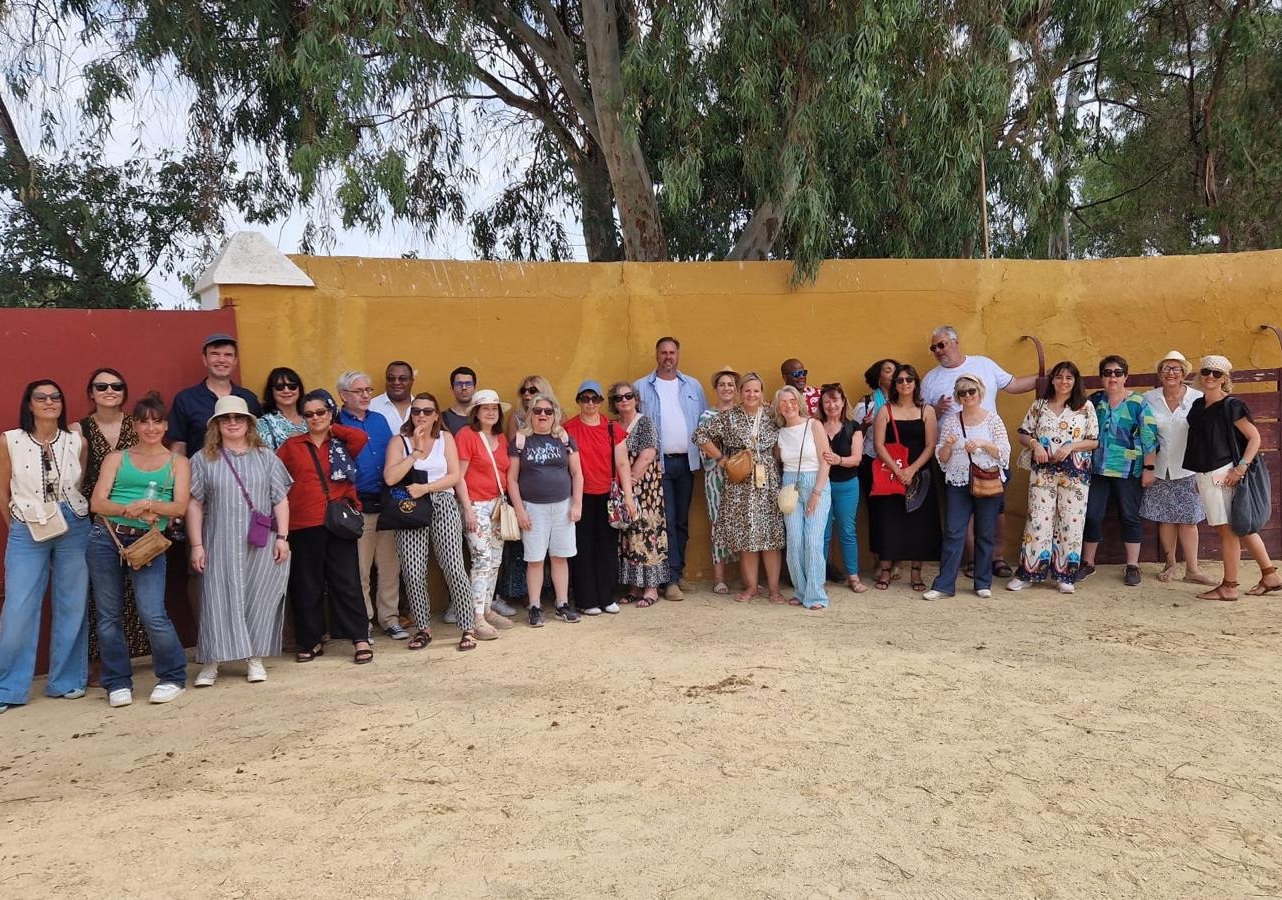
Laurent Abitbol, entouré d'une partie de l'équipe de Selectour - Photo: TB

CroisiEurope


After a lengthy hiatus, the Selectour Receptives Salon is being relaunched, with the intention of making it a fresh, annual gathering.

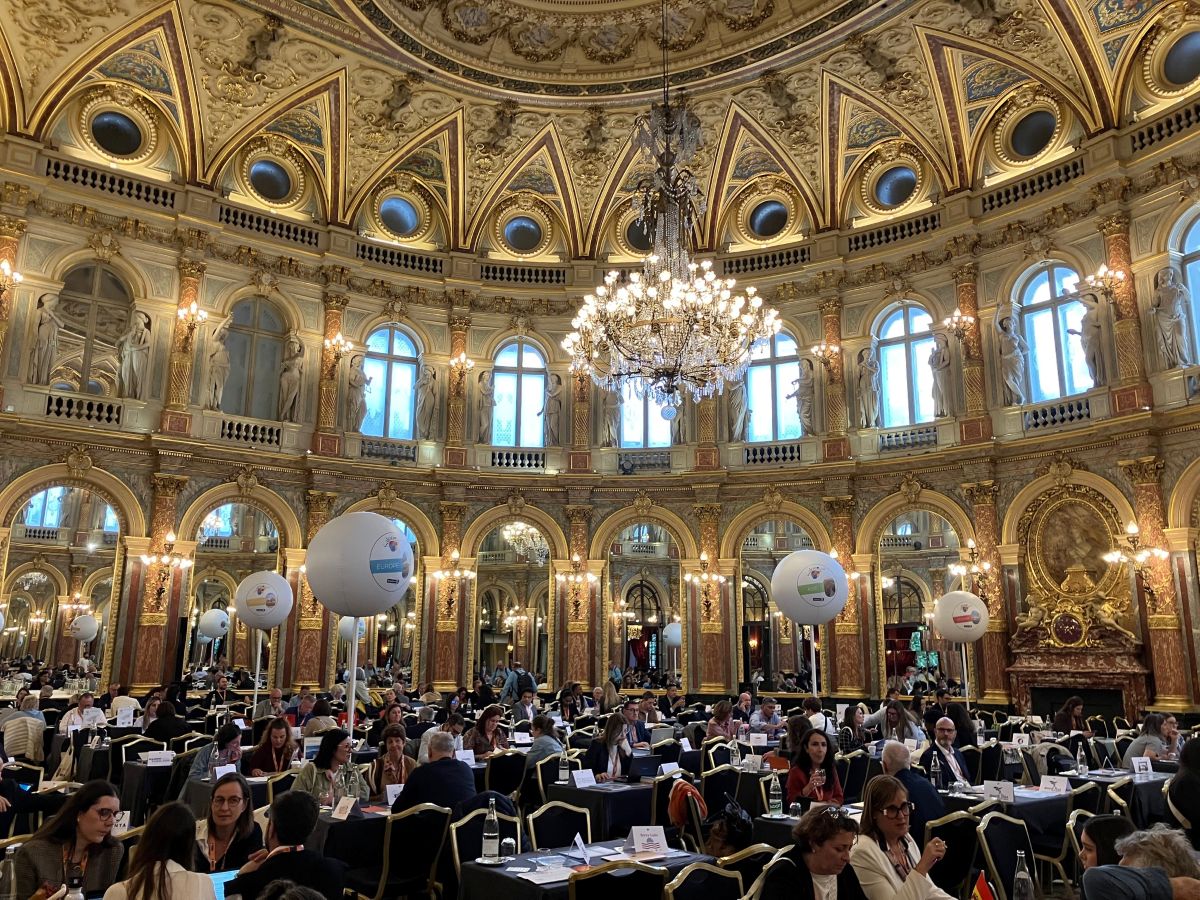
For the occasion, the hippocampus-branded network brought together 115 receptives from France and from around the world who are listed as members, along with 220 affiliated agencies, under the dome of the Intercontinental Hotel in Paris, on May 20, 2026.

In an environment shaped by the rising power of AI and the ever-stronger competition from online agencies, “custom travel and moving upmarket are our future,” stated Laurent Abitbol, the board’s president, in his opening remarks.

Tailor-made journeys are particularly appealing to agencies that typically enjoy an average margin of about 20%.

Also read : Laurent Abitbol: after the businessman, the politician?


Legal framework and liability under the microscope


Le workshop, sous la coupole de l'hôtel Intercontinental - Photo : TB

This Receptives Salon enabled attendees to take part in an information session on the legal framework (liability, sales contracts, etc.) governing tailor-made travel, the risks, points to watch, and best practices, followed by a round-table discussion and a giant workshop.

Assurever also presented its Protexio product. Priced at 1.99% of the travel cost, which allows agencies to insure against the risks of a tailor-made trip (cancellations, strikes, bad weather, natural disasters, supplier failures, etc.) and to safeguard their margin.

Also read : 2026: a year of structuring, commitment, and projection for Assurever


« It’s not an economic crisis, but a psychological one »

In 2025, Selectour recorded a turnover of €36 million with the receptives it lists, up 3.5% from 2024. From January through the end of April, growth reached 6%, totaling €11.5 million.

A positive trend that runs counter to the broader market. Tourism bookings within Selectour show a 24% decline for March, April, and May, mirroring the industry as a whole.

Every month, it slides a little further. It’s not an economic crisis, but a psychological one,” says Laurent Abitbol, who urges members to weather the storm as much as possible in the hope of a rebound, should the hypothetical reopening of the Strait of Hormuz occur.

The client wants to travel; it’s not a matter of price. Our enemy is the 24/7 information cycles. It’s a drug…” he adds.

He also takes the opportunity to advise TOs not to slash prices for the summer, for fear of muddying benchmarks and of losing the ability to sell at the right price in the coming years, but rather to reduce their capacities.


An expanded and improved receptive offer

Growth in receptives activity is linked to agencies that are increasingly receptive to the idea of building customized and differentiating products to meet client expectations, with full control over the offering.

It also depends on an expanded portfolio. For the 2026/2028 period, Selectour lists 137 foreign receptives and 13 French receptives (Selectour agencies that offer itineraries within France, such as Girardot Voyages in Burgundy).

Behind an apparent stability lies actually a scene with roughly thirty outgoing and as many incoming partners, with a goal to reference luxury specialists offering personalized or concierge services, as well as receptives deeply committed to sustainable and responsible tourism.


Polishing for the Hip Réceptif platform

The refreshed selection also enables Selectour to add new destinations (Albania, Germany, Bahamas, Dominican Republic, Nicaragua) and to strengthen its presence in Mauritius, Japan, and the United Kingdom. In total, 134 destinations are covered.

To boost efficiency, the offering is consolidated on the internal Hip Réceptif platform. Operational for ten years, it will receive a makeover at the end of May.

Beyond a new design, functionalities will be enhanced (agency feedback on receptives, training on destinations, visualizable route maps of itineraries, etc.).


In addition to the TO offerings

Centrale Voyages Lays the Foundation for Its Future Network of 20 Leisure Travel Agencies


Centrale Voyages rachète l’agence Agis Voyages à Montigny-le-Bretonneux - Depositphotos

CroisiEurope


It took two years for him to master his new universe and to feel truly fulfilled.

Early 2024, François Lévêque buys Centrale Voyages. His daily life, which he had imagined as a succession of dreams on distant shores and discoveries of foreign cultures, runs into the reality of being a business travel ticketing specialist.


He told us at the time that he was getting to grips with unfamiliar terms, infinitesimal margins and a vocation that he described as a “hard, very technical” job.

Two years later, the man who has entrepreneurship in his blood is finally able to breathe easy.

This profession wears me out, but I feel happy and fulfilled. I have finally put in place what I wanted, steered in a direction, and even if there is still much to learn, I feel good about it.

And last week, I had the immense honor of sharing breakfast with Jean-Noël Barrot,
the minister of Foreign Affairs, and to visit the Quai d’Orsay. An incredible experience
“, enthuses the man who, with Raphaël Torro, can proudly claim to be the tourism industry’s leading boss… at least in sheer size.

The industry and its networking open doors one would not expect. It also enables travel and, ultimately, preserves that explorer’s spirit and the big-child inside us all.

Above all, the sector remains a fantastic playground for entrepreneurs, starting with François Lévêque.


Acquisition of Centrale Voyages: “the bride is always a little more beautiful than reality”

As we noted, the group posted 2024 revenue of 33 million euros with 33 employees, and the long-term target remained 50 million.

This target hasn’t changed, but the path to it required going through a phase that would have discouraged many others.

When you take over a business, the bride is always a little more beautiful than reality.

And you always know there will be a rough patch afterward.
When the company is at 100, it slides to 90 or 80, during the restructuring, and customers and staff closely tied to the former owner may leave.

The mistake to avoid is waiting for that storm to pass and for everything to return to normal. We rolled up our sleeves
“, reinterprets the head of the company.

He then recruits a chief commercial officer, Christelle François, and Didier Caliari becomes the new business developer for the firm. Meanwhile, Valérie Jacomino, a long-time collaborator, takes on the role of chief executive of the group.

To read : Centrale Voyages expands its teams to “take off”

Once the rough patch was behind them and the teams were structured, Centrale Voyages was doing well and even managed to catch up on its backlog, about 15%, after the acquisition.

We are in a phase where we are signing a large number of contracts in business travel.

That’s a good dynamic, even if I must note that the margins are clearly lower than what I was told when I signed the acquisition. It’s not that I was deceived; it’s just that the market is on a downward slope, particularly due to digital players. On top of that, there is a very clear economic pressure in France
“, lays out the delighted owner.


Centrale Voyages: “My main challenge is to develop leisure”

Be it in business travel or civil society, the world has changed rapidly, within just two years.

AI was then merely a buzzword, Donald Trump wasn’t even certain he could run for the American presidency, and Jordan Bardella was still just a TikToker.

Back then, the profession and the companies had only one thing on their lips: CSR. Today, no one mentions it. The only words that bosses and decision-makers mouth are price and commission. Those are our only topics with our clients.

On this portion of the business travel, we are up and running. Now, my main challenge is to develop leisure
“, he notes with a genuine smile.

This latter activity is not entirely marginal, but it does not account for more than 15% of his volume and must gain substantial momentum very quickly.

The diversification of activity is vital, especially when crises stack up. Yet it is not as easy as it seems. In taking over Centrale Voyages, François Lévêque quickly realized that leisure and business travel were completely hermetic – two distinct worlds.

He discovers that people who love business ticketing, or those who love leisure, never do both. They remain specialists in one segment. So, to grow, he develops and structures his internal operation.

In terms of margin and cash flow, leisure is clearly more advantageous. Then, we will move into MICE, to have a three-legged stool on which to advance.

We are working on creating
a website. For the classic tourism segment, we had no online platform.

We will rectify this anomaly during the summer. And since early May, we have been active on social media, where we are supported by Virginie Faivet, he confides.

The aim is to generate leads for travel agents. Above all, François Lévêque realizes that to move quickly, external growth is indispensable.


Centrale Voyages takes over the Agis agency in Montigny-le-Bretonneux…


Centrale Voyages reprend l’agence Agis de Montigny-le-Bretonneux... - Crédit photo : Centrale Voyages

As a newcomer, acquisition offers flood in.

Some slip away, and, after speaking with other sector leaders, it is particularly tricky to sense the right deal.

At a regional EDV congress, as a joke, François Calvino announced in front of everyone that he would give away a point of sale for free to whoever wants it, because it costs him less to offer it than to close the agency.

In his premises, under his business benches in Montigny-le-Bretonneux, he had created an agency. This isn’t his passion and he never really dwelt on the subject to develop the affair.

We participated in a round table, we talked, we both work at Manor, the deal was concluded quickly
“, recounts the new owner without mincing words.

The Agis agency in Montigny-le-Bretonneux generates a business volume of 1.2 million euros per year. Centrale Voyages has acquired the business and one employee, but the structure is set to grow further. In fact, the first recruit is planned within two weeks.

Marketing operations will be launched and the storefront will be redesigned to revitalize the activity of this location.

Moreover, in a few weeks, another acquisition is expected to be fully completed, still within leisure. This time, the agency is somewhat larger, with four employees and nearly 3 million euros of autoproduced activity.

Other avenues are being explored, such as the purchase of a mini-network.

Margins are collapsing and the economic environment is rather negative… Nevertheless, I think it is precisely in these periods that one should strive to strengthen the business.

Moreover, we clearly see that the sector is at a crossroads, with many leaders nearing retirement without a buyer and sometimes preferring simply to close their sales points rather than selling them.

I am trying to take advantage of this to grow the tourism side of the group, while questioning the future of physical travel agencies
“, explains François Lévêque.


… another acquisition in sight, with the objective of owning between 15 and 20 agencies!

The aim is straightforward: beyond growing the company and reaching a turnover of 50 million euros, he also wants to give the group a sense of purpose and a future.

To that end, the leader appears to have a fairly clear plan of action.

I must expand my client portfolio, while pursuing a strategy of premiumising the products. I would like to build a leisure agency network of between 15 and 20 outlets.

My conviction from the start has been to seek people who have money, love travel, but don’t have much time to organise their holidays or don’t want to do it themselves.

These people are willing to pay for it. In return, they must receive an extraordinary service, with constant availability and total dedication
“, envisages Centrale Voyages’ chief.

Once this development is complete, in a few years, he will be able to breathe a little and set new objectives.

In the meantime, the battle is far from over. The new tourism player fights every file to stand out and secure the signatures needed to ensure the activity’s long-term viability.

My role, as an entrepreneur, is to grow the business commercially, bring in money so the shop keeps running. Then, it is to structure so that once the momentum is created, the group can run without you. This frees up time to start new projects, such as MICE, which will be the next major project, and to gain perspective. My dream is that, in five years, the company will be perfectly structured, it will grow on its own, that I will not be needed for any position and I can travel.
Until then, as I often say, I am happy and I follow the guidance of a close friend in the sector who told me: you will work like a dog, you will never be rich, but take the opportunity to explore the world and seize the chances to travel.

I have clearly decided to follow his good advice,
” concludes the leader.


Do Museums Have a Future, and Which One Will It Be? [ABO]


Les grands musées sont devenus en deux décennies les vitrines culturelles de destinations qui en étaient privées - DepositPhotos.com, quadrio

CroisiEurope


The Louvre’s recent missteps, brought to the attention of media around the world, bring back to the table the importance of these private, public, national, and municipal institutions that give a destination its fame and the delights of a broad audience comprised of tourists as well as local visitors.

An importance all the more evident since some institutions, like the largest museum that claims to be the Louvre, can falter.

Lootings raise questions about security. Strikes, the discomfort of indispensable staff who are often undertrained and underpaid, tarnish the image of the museum institution.

As for the abundance of crowds too often poorly managed, and the admission fees that can be prohibitively high, they constitute other problems common to the “stars” of the profession.

Thirty-two euros now for non-European visitors is a lot. Way too much! No discounts for seniors, which is unacceptable when our British neighbors or farther afield, in Brazil, offer seniors free admission!

And what about those over 26? They pay full price! Expensive, too expensive!


Audiences: Key Figures

56% of French people visited a museum, an exhibition, or a heritage site in 2024 (versus 51% in 2023) ;

– One in five French people took part in at least one free museum or heritage event in 2024, such as the European Heritage Days, the European Night of Museums, or Nuit Blanche;

– 65% of museum or heritage site visitors believe that Artificial Intelligence (AI) tools can be a valuable complement to traditional devices (labels, audio guides, screens, apps, etc.);

– the appeal of paid immersive experiences is confirmed: 14% of visitors say they have visited an exhibition with a paid immersive route at least once in their life (+5 points compared to the previous survey).

Sources: 2025 Museum and Heritage Audiences Barometer, conducted by Test and the Gece Institute.


The Bilbao Effect: The Tourism Showpiece

Nevertheless, highly visible and prominent in promotional campaigns, the great museums have become in two decades the cultural showcases of destinations that were previously deprived, and they continue to lure not only the public but also elected officials who aspire to turn their cities into a tourist capital.

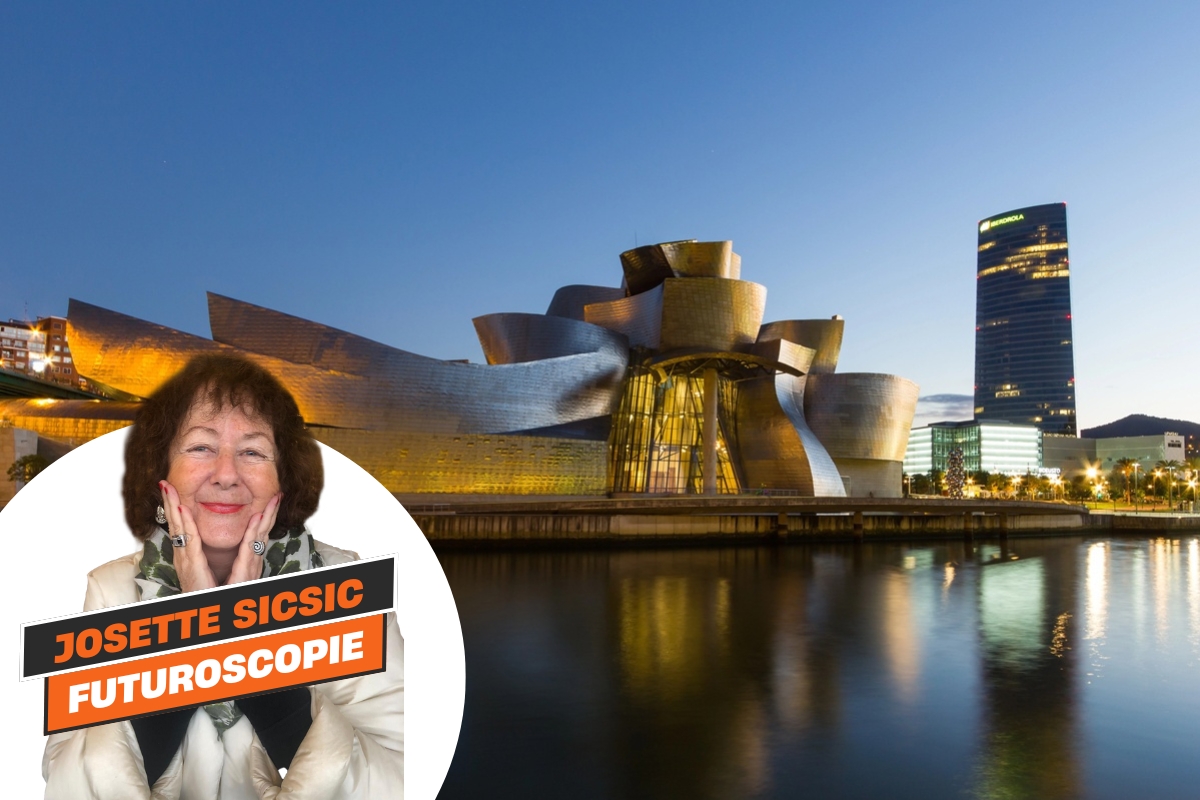
Whether we like it or not, the formidable silhouette of the Guggenheim Museum Bilbao designed by architect Frank Gehry has become so iconic that it sparked a architectural race with new entrants such as the Confluences in Lyon, the MUCEM in Marseille, the Louvre Abu Dhabi, the National Museum of Qatar in Doha by Jean Nouvel, and many others across Saudi Arabia, the USA, and China.

Having become a destination in its own right whose success remains undiminished, the museum has entered both tourist and local practices. Thus, about sixty national museums in France recorded 12 million visitors, a historic record.

The Louvre alone turns around 9 million entries. The museums of the city of Paris also progressed, drawing more than 5 million visitors.

These performances are likely to be surpassed thanks to more dynamic and effective strategies unveiled at the latest Museum Connections, featuring debates, roundtables, and various presentations. Too numerous to list, we will highlight a few.


The Museum for Everyone: A Living Space and Cultural Hub

The focus on accessibility for people with disabilities, a cornerstone for museums for decades, is the visible part of the progress made toward diverse audiences, and that is all to the good.

Moreover, the museum, once perceived as standoffish and closed to more popular crowds, has become a kind of lively place and cultural center for a city or a district.

Through animations, performances, creative workshops, conferences, trips, organized tours… the museum becomes even more attractive by offering an unmissable shop, well stocked with books, magazines, many of which are children’s titles. A smart way to foster loyalty.

As for cafés, tea rooms, and restaurants, they have made enough efforts to become genuine meeting spaces. Their design, menus, and even pricing make them competitive additions.


Museums and Health: A New Role with High Expectations


Spotlight on Museum Connections 2026

Claire de Longeaux, director of Museum Connections, is pleased.

For its thirtieth edition, the excellent fair, which took place on January 13 and 14, 2026, at the Paris Expo Porte de Versailles, progressed notably in the number of exhibitors — 404, of which 40% were international, including Chinese and American participants.

On the visitor side, the tally reached around 6,000 attendees, with 20% foreign participants. It must be said that the success is all the more deserved as the show asks the right questions at the right moments and provides relevant answers to professionals who have been a bit unsettled by ongoing innovations.

« It was a very friendly show, says the director, which facilitated exchanging experiences, especially in terms of welcoming audiences.

Public managers were numerous and eager to share with their peers ideas, strategies, and effective methods. The roundtables and debates were lively and engaging.

Unlike Sitem (International Museum Exhibition, ndlr), which is very oriented toward museum equipment, our show focuses on the visitor experience. Before, during, and after


The next edition is planned for January 12 and 13, 2027.


Josette Sicsic - DR

Journalist, consultant, lectrice, Josette Sicsic has been observing the shifts in the world for over 25 years to analyze their consequences for the tourism sector.

After developing Touriscopie for more than 20 years, she remains at the forefront of current affairs, decoding the present to forecast the future. On the site www.tourmag.com, in the Futuroscopie section, she publishes several times a week foresight and analytical articles.

Contact: 06 14 47 99 04

Email: [email protected]


Water Parks: A Mixed Future [ABO]


Alors qu'on dénombre 65 millions de visiteurs dans le monde, l’explosion des parcs aquatiques, notamment dans les régions désertiques, est-elle raisonnable ?  - DepositPhotos.com, timonko

CroisiEurope


Dream with us! There was a time when a stay in Marrakech was reserved for the few: in the Mamounia salons, at the casino for a festive evening, in the Palmeraie for a tennis match, near Jemaa el-Fna square to drink mint tea on a terrace, and even more so inside the Club Méditerranée’s walls…

A destination of elitist rank par excellence, Marrakech, the pink city, at the foot of the snow-capped Atlas Mountains, was a place that triggered fantasies…

But I’m talking about a era when the city counted only a handful of charming hotels, very few resorts, a few regular daily flights from Europe, a mellah, souks perfumed with spices and leather tanned and studded by artisans with millennial know-how…

In short! In Marrakech, one wandered under flamboyants and jacarandas in Guéliz, taking care to avoid little donkeys and yellow taxis that bobbed along in search of a client…

Different times, different customs and different motivations for a rare tourist whose numbers rose in spring, dimmed during summers that were too hot, or celebrated a New Year’s Eve around a true “pastilla” made with pigeon meat!

In 1980, Marrakech welcomed one to two million visitors.


Marrakech : a spectacular boom

What happened? Over the last ten years, it is clear that Morocco decided to accelerate its development in tourism.

Spotted by a jet set hungry for insider experiences, Marrakech, like the rest of the country, has allowed the proliferation of numerous luxury hotels and riads (mostly upscale) distributed by European tour operators to a growing clientele seeking rest, a mild winter climate, and the authenticity of the Cherifian Kingdom.

Spreading more and more, increasingly congested by relentless traffic and with the arrival of roughly 8 to 10 million visitors, the destination features a hotel stock that has exploded, rising from about 150 hotels to 2,000 today.

This has shifted the pink city from a high-end tourism image to a more mass-oriented tourism, drawn by a mosaic of more playful than cultural offers, nearer to a theme park than a patrimonial destination.

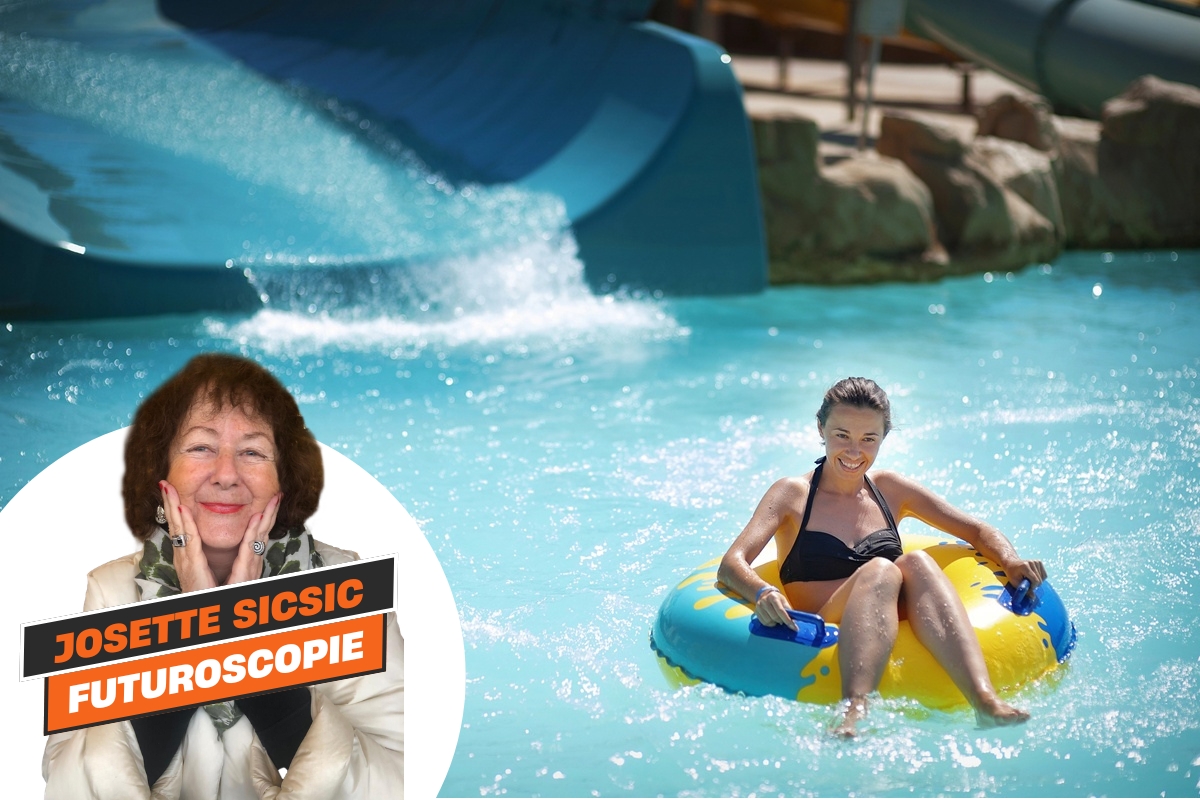
Among media mentions, a recent M6 program highlighted the surge of water parks as a genuine cash cow for families, with no fewer than 38 parks, about a dozen large ones, at all price points, with or without lodging, competing in imagination and technical prowess to diversify their entertainment offerings.

The mere slides were insufficient, as Oasiria, the largest of Marrakech’s parks, offers 58 slides across 8 pools – including a wave pool that makes it the largest in Africa.

With very affordable rates, these parks are also accessible through time-based entries (2 hours, for example 18 euros), with or without lodging, in 5-star accommodations or camping…

Yet, behind this undeniable commercial success that will likely keep Marrakech among the world’s most coveted destinations, lie grave environmental problems, notably the risk of water shortages.

According to a piece in the Moroccan daily Médias24, despite heavy winter rainfall, the levels of groundwater and dam water (especially around Marrakech) have not risen enough to look to the future with optimism.

Thus, Oasiria operates 7,500 cubic meters of water for its pools spread across ten hectares, representing a staggering 7.5 million liters of stored water, equivalent to several thousand days of domestic consumption for a Moroccan family.

In addition to the initial filling, one must also compensate for evaporation at 40°C, clean the filters, water the green spaces, launder linens, refresh the water, ensure air conditioning… and do the same for hundreds of hotel pools, villas, and ten major golf courses into which 10 million air travelers flow annually, i.e., 28,000 travelers per day spread across 90 to 100 flights daily.


The Market Reports study on the evolution of consumer demand for parks notes a 47% rise in family group attendance and a 29% increase in indoor hybrid facilities. We are looking at 65 million visitors worldwide across 1,200 parks!


On the Emirates side, activity is ramping up too

If the southern Moroccan jewel now delights families with children, the United Arab Emirates are not to be outdone.

Eager to expand and diversify their clientele, they anticipate 15 to 20 large water parks if one includes independent large water parks, those integrated into hotels and resorts, and grand aquatic tourist complexes.

In Dubai alone, Aquaventure Waterpark is regarded as one of the world’s largest water parks, boasting more than 100 attractions.

Wild Wadi Water Park, near the Burj Al Arab, Legoland Water Park, Jungle Bay Waterpark, Laguna Waterpark… draw a large share of regional, European, and Asian visitors thanks to a very family-friendly all-inclusive offering.

In Abu Dhabi, more cultural in tone, parks are fewer in number but Yas Waterworld, for instance, a vast 15-hectare park, offers more than 40 attractions.

In the other emirates, a few new attractions are also beginning to emerge. While Saudi Arabia has likewise positioned itself on this family, regional, and international market with an increasingly spectacular and costly array of entertainments—almost pharaonic.

Once again, the water challenge persists, but so does the question of women’s attendance that remains to be fully addressed.

Should we split aquatic space in two? Should we share opening hours by gender?

Given the country’s ambition to become one of the world’s largest destinations, it seems more openness is indeed underway.

But for water, desalination plants, wastewater recycling, and restrictions will not suffice for long. And again (as we can see today), the future is not decided and far from assured.


Europe does not hold back


In France, Aquascope sets the tone for the future

Named “Best water park in the world” by Thea Awards, during a prestigious ceremony in Hollywood, the Aquascope, located in the Futuroscope park, is organized into three domains, spread over a 6,000 m2 area.

It features wave pools, slide races, and eight impressive slides including the “Matrix”, a rafting ride aboard oversized tubes.

More than anything, combining the best of technology, the Aquascope, with its attraction “The Abyss of Light”, makes it possible to experience cinema while staying in the water and floating amid all kinds of water movements.


Worldwide, the USA and Asia-Pacific

With more than 1,200 water parks in operation globally, including 345 located in North America, the Asia-Pacific region has also witnessed the fastest expansion of water park developments, accounting for 38% of new openings between 2022 and 2024.

As for the pioneers—the United States—they are approaching saturation, boasting 117 outdoor water parks and 45 indoor water parks. Florida alone is home to 29 major parks, including Disney’s Typhoon Lagoon, which welcomed over 1.6 million visitors in 2023.

One could also mention Las Vegas, where casinos no longer suffice to keep the cash registers ringing. With an 8% drop in attendance, the gaming capital is also betting on water-based attractions.

But you still have to make the trip! Marrakech, as you may have gathered, remains far more accessible.

Until when? That is the question indeed. And once again, perhaps it would be wiser not to delay too long in recognizing the seriousness of the situation.


Next-generation attractions

To keep audiences coming back, manufacturers are rolling out next-generation attractions, such as intelligent slides with biometric monitoring and interactive customization of experiences.

In 2024, 14 models of water slides were equipped with integrated VR headsets. The combination of physical sensations and digital experiences boosted the popularity of the rides by 46%.

Wave-simulation pools using AI algorithms to calibrate models are now installed in 11 countries.

Lazy rivers with synchronized music and AR environments were launched by three companies between 2023 and 2024. ProSlide, for its part, unveiled six new hybrid rides combining vertical drops and wave motion

See the site: www.iaapa.org


Photo Josette Sicsic

Journalist, consultant, speaker, Josette Sicsic has been observing the changes in the world for over 25 years to analyze their impact on the tourism sector.

After developing Touriscopie for more than 20 years, she remains at the forefront of current affairs where she decodes the present to forecast the future. On the site www.tourmag.com, in the Futuroscopie section, she publishes several prospective and analytical articles each week.

Contact: 06 14 47 99 04

Email: [email protected]

Djerba the Beautiful, the Sweet, the Faithful: What’s the Future? [ABO]


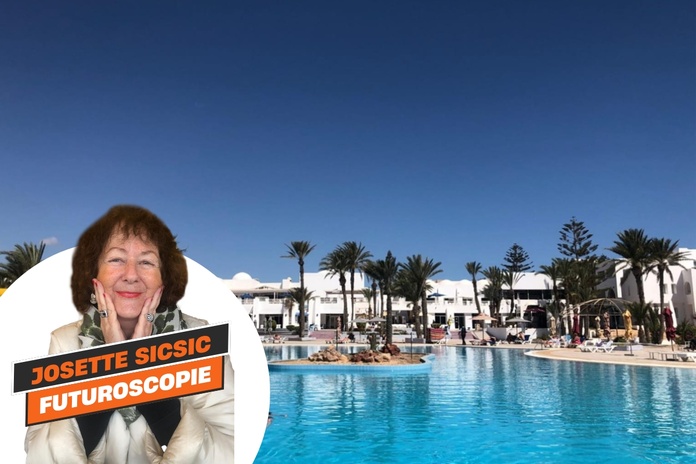
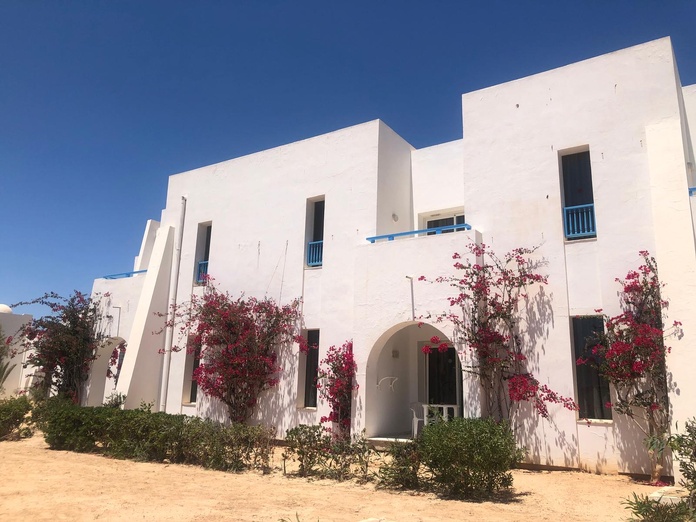
Djerba : la belle, la douce, la fidèle : quel avenir ? - photo JS

CroisiEurope


A recent article in Le Figaro forewarns. Tourism in Djerba, Tunisia is in a difficult state: “50 bookings per day instead of a hundred,” summarizes the director of the Royal Garden Palace, a five-star hotel. That figure is low and is, of course, alarming.

Moreover, this year there was hope for a 7 to 8% increase compared to 2025, which had performed notably well: “1.23 million tourists were hosted there, representing a 5% rise from the previous year and a 1.1% increase over the 2019 record,” explains to our colleague the regional delegate of the ONTT, the National Tourism Office.

For a destination whose tourism GDP hovers around 10% and where the sector employs roughly 400,000 to 500,000 people at all levels, it is true that a downturn in clientele, however modest, can be worrying.

Yet, for the lodging director of the 4-star El Mouradi Djerba Menzel, the mood is considerably different: “I am not optimistic,” confides the lively Tarek Afdhal: “I am very optimistic”!

And yet the hoteliers have a lot to do to fill the approximately 600 rooms of an establishment that was a pioneer in the 1970s on an island nearly devoid of any tourist development but which was chosen to become one of the jewels of the Maghreb.

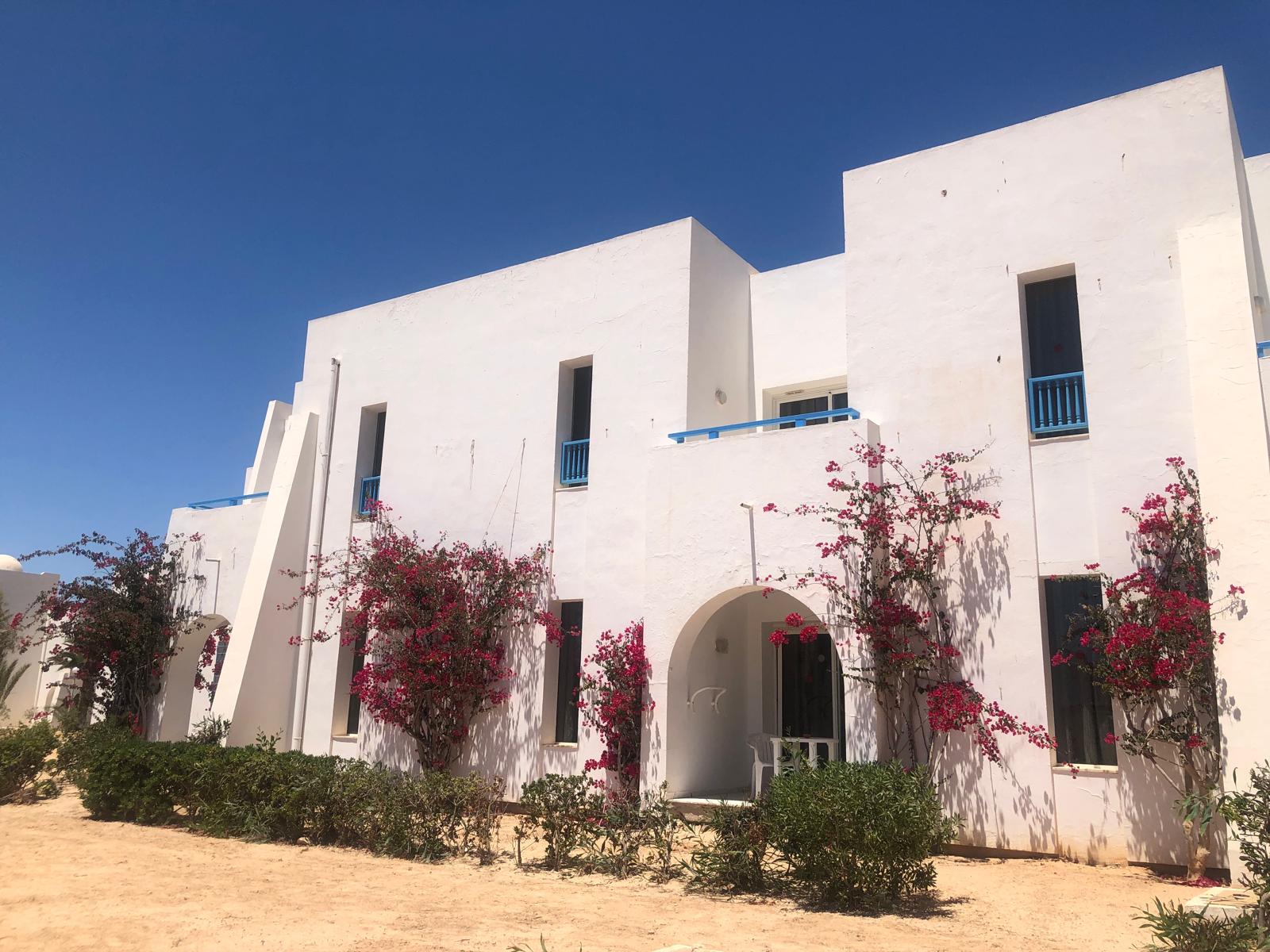
Sprawled across 33 hectares, the El Mouradi residences, respectful of the local architectural tradition (the menzel) are spaced enough to preserve the charm and calm of a hotel which, in high season, welcomes around 1500 vacationers, among whom the French account for about 30%.

Britons, Germans, Belgians but also Scandinavians or Poles complete another third, while the domestic Tunisian market seems fully thriving.

According to Tarek Afdhal, it makes up roughly 27% of the clientele. Within this group there are also many Libyans (often coming for treatment) and neighboring Algerians seeking the hotel quality that Algeria is far from providing.


An increasingly diverse offering


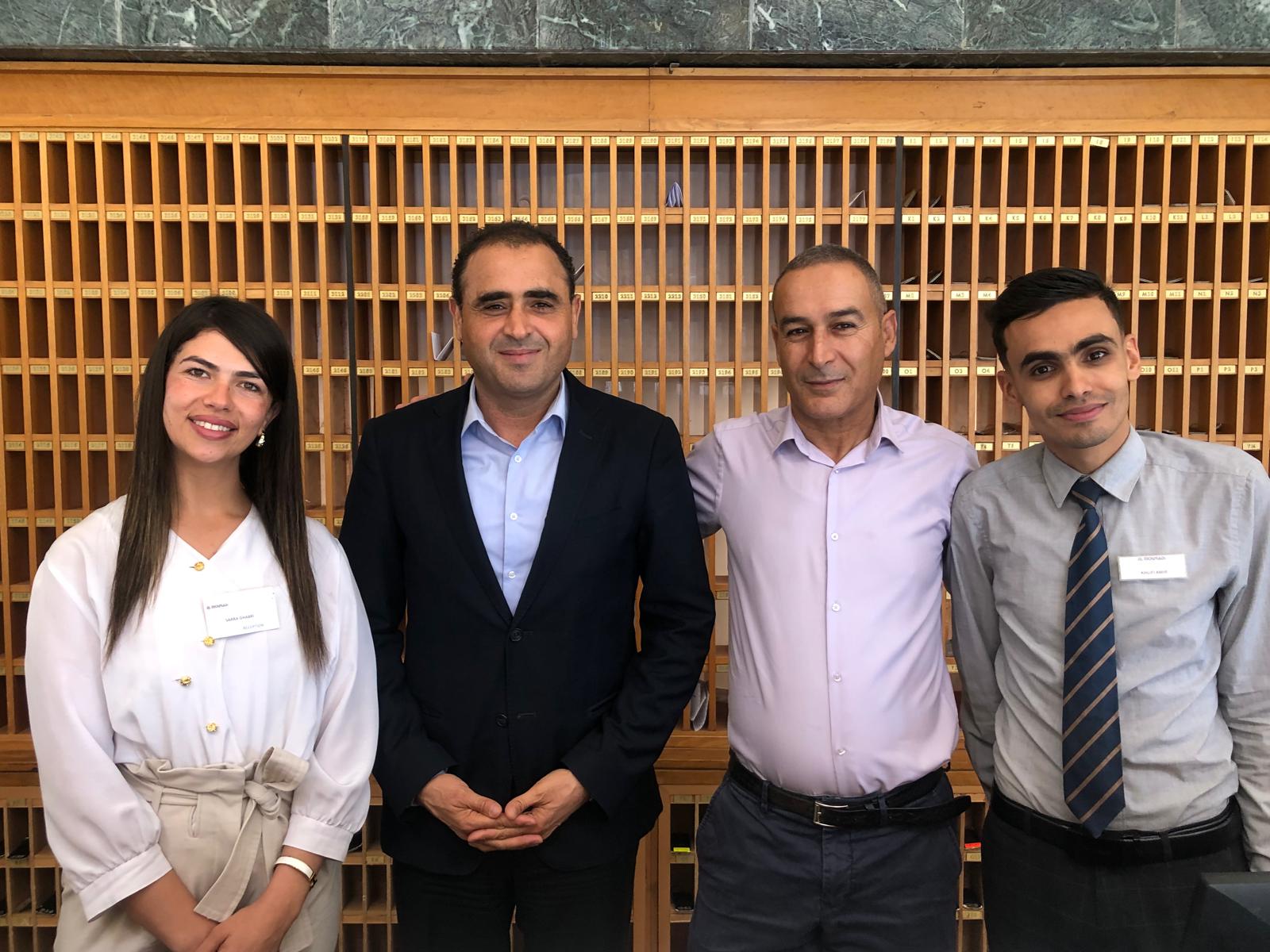
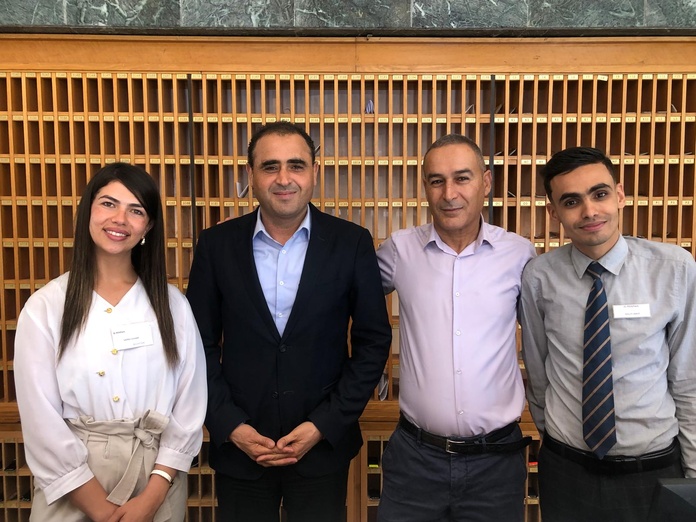
L'équipe de direction de l'hôtel El Mouradi Djerba Menzel. Tarek Afdhal deuxième personne en partant de la gauche - Photo JS

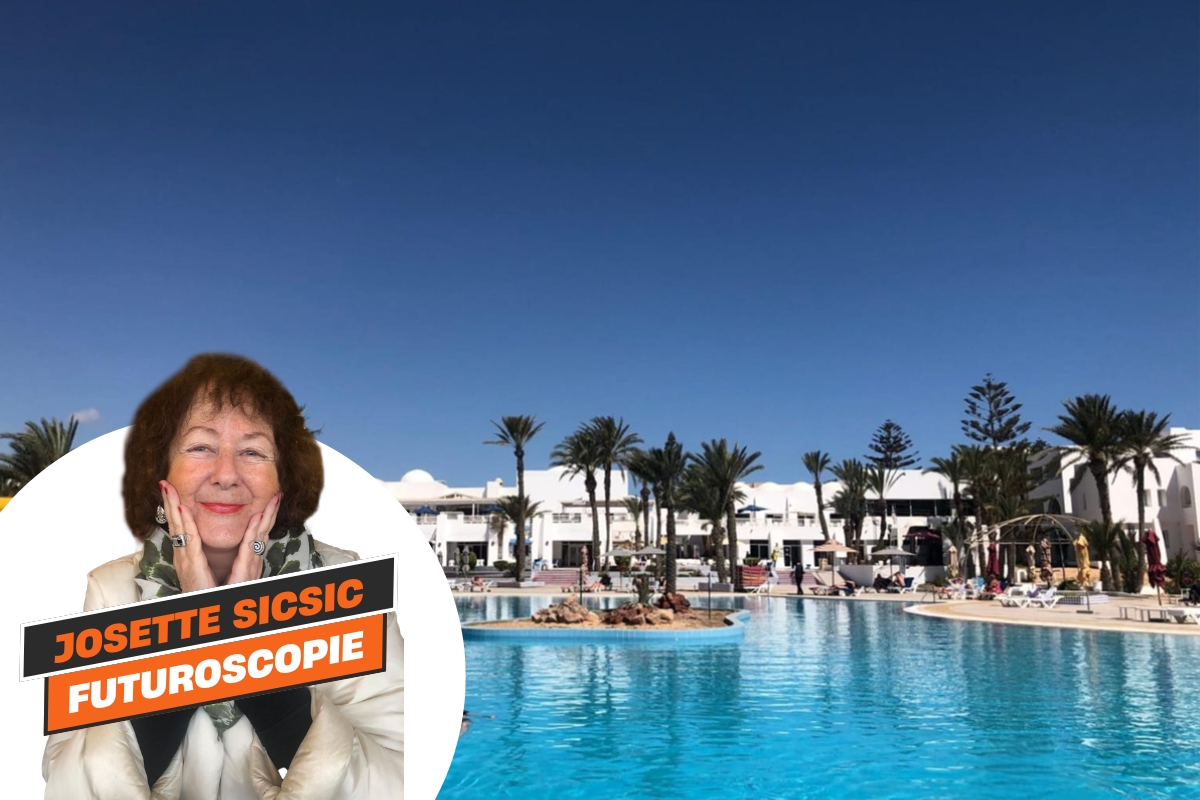
Why so much optimism? Besides the quality of the accommodation stretched along a white beach, the hotel offers seven swimming pools with a stunning panorama, and all the sports and leisure facilities sought by children and parents.

Certainly, El Mouradi is not particularly original in its approach to entertainment delivered by a majority of young Tunisians, entering the tourism world through this door. For more than three-quarters of a century, holiday clubs have offered roughly the same model of entertainment.

For the simple reason that this model works rather well.

But, cherry on top: this four-star offers Djerba’s flagship activity, a spa and a thalassotherapy center. Managed by the Arcadia brand, this center, which also has a saltwater pool, is at the forefront in therapeutic aquatic treatments as well as massages and other aesthetic services.

All at a particularly affordable price!


Excellent value for money

In these times, it goes without saying that the price factor is far from negligible.

By stacking promotions, the Djerba hotel is especially competitive. A rate of around fifty euros per person per day in a double room with all-inclusive…

This is what the island of Djerba and its numerous four-star hotels can offer in the pre-season. For quintuple rooms designed for families, prices collapse: barely 128 dinars per person per day, or roughly forty euros!

And when you consider that the service is particularly courteous and smiling, it is clear that the tourism offered by the island is accessible. Especially when the climate (as on May 24/25/26, 2026) is breezy and cool! A kind of miracle!


Luxury: an unbeatable lineup


Les habitations d’El Mouradi, respectueuses de la tradition architecturale locale (le menzel) sont suffisamment distantes pour préserver le charme et le calme d’un hôtel - Photo JS

If since the seventies, Djerba has witnessed the opening of large establishments capable of hosting several thousand people in an exceptional atmosphere for the era and already at attractive rates, the current trend leans toward upgrading the range.

While officially there are about 80 four-star hotels, there are around ten five-star ones and their number is set to rise in the years to come.

Thus beside a Radisson Blu, an Iberostar Eolia, an Hadur sbal Prestige (only suites), the construction of a future Marriott is underway on the former Les Sirènes site in the Sidi Mahrez tourist zone.

Although delayed, at its next opening it should count around 500 sea-front rooms. And like many others, 18 exactly, it should offer a spa and a high-end thalassotherapy facility as renowned as those that truly attract wellness enthusiasts.

In search of efficiency, aesthetics, and pleasure, this clientele is growing all the more as the island excels in this activity as well. For proof, Kais Nabli, the director of the Athénée Thalasso et Spa, the Ferrari of thalassotherapy centers at the Radisson Blu (www.atheneethalassa.com), says: “We attract loyal clients, especially among the affluent elderly, who sometimes return twice a year, mostly in the off-season.”

Indeed, while prices are higher than elsewhere, 35 to 200 euros per massage are well within reason compared to rates in France. They give Tunisia a highly competitive and legitimate positioning that we already highlighted in a previous feature and which we confirm through an initial 2040 horizon scenario.


The threats to Djerba’s tourism


Live from Djerba/ Josette Sicsic

– El Mouradi is a Tunisian group owning 16 hotels including the one in Djerba, Sunshine travel agency and a transport company. The agency offers guided excursions across the island.

https://www.elmouradi.com/

– Sunshine Vacances: Tel. 01 48 17 01 15

www.sunshinevacances.fr/

– Nouvelair. The first private airline founded in 1989. Member of the Tunisian Travel Service group, serves Djerba from Paris, Lille, Nice, Nantes

www.nouvelair.com


Josette Sicsic - DR

Journalist, consultant, speaker, Josette Sicsic has been observing, for more than 25 years, the changes shaping the world in order to analyze their consequences for the tourism sector.

After over 20 years of developing the Touriscopie journal, she remains at the forefront of current events where she decodes the present to forecast the future. On the site www.tourmag.com, in the Futuroscopie section, she publishes several times a week forward-looking and analytical articles.

Contact: 06 14 47 99 04

Mail: [email protected]