
A recent article in Le Figaro forewarns. Tourism in Djerba, Tunisia is in a difficult state: “50 bookings per day instead of a hundred,” summarizes the director of the Royal Garden Palace, a five-star hotel. That figure is low and is, of course, alarming.
Moreover, this year there was hope for a 7 to 8% increase compared to 2025, which had performed notably well: “1.23 million tourists were hosted there, representing a 5% rise from the previous year and a 1.1% increase over the 2019 record,” explains to our colleague the regional delegate of the ONTT, the National Tourism Office.
For a destination whose tourism GDP hovers around 10% and where the sector employs roughly 400,000 to 500,000 people at all levels, it is true that a downturn in clientele, however modest, can be worrying.
Yet, for the lodging director of the 4-star El Mouradi Djerba Menzel, the mood is considerably different: “I am not optimistic,” confides the lively Tarek Afdhal: “I am very optimistic”!
And yet the hoteliers have a lot to do to fill the approximately 600 rooms of an establishment that was a pioneer in the 1970s on an island nearly devoid of any tourist development but which was chosen to become one of the jewels of the Maghreb.
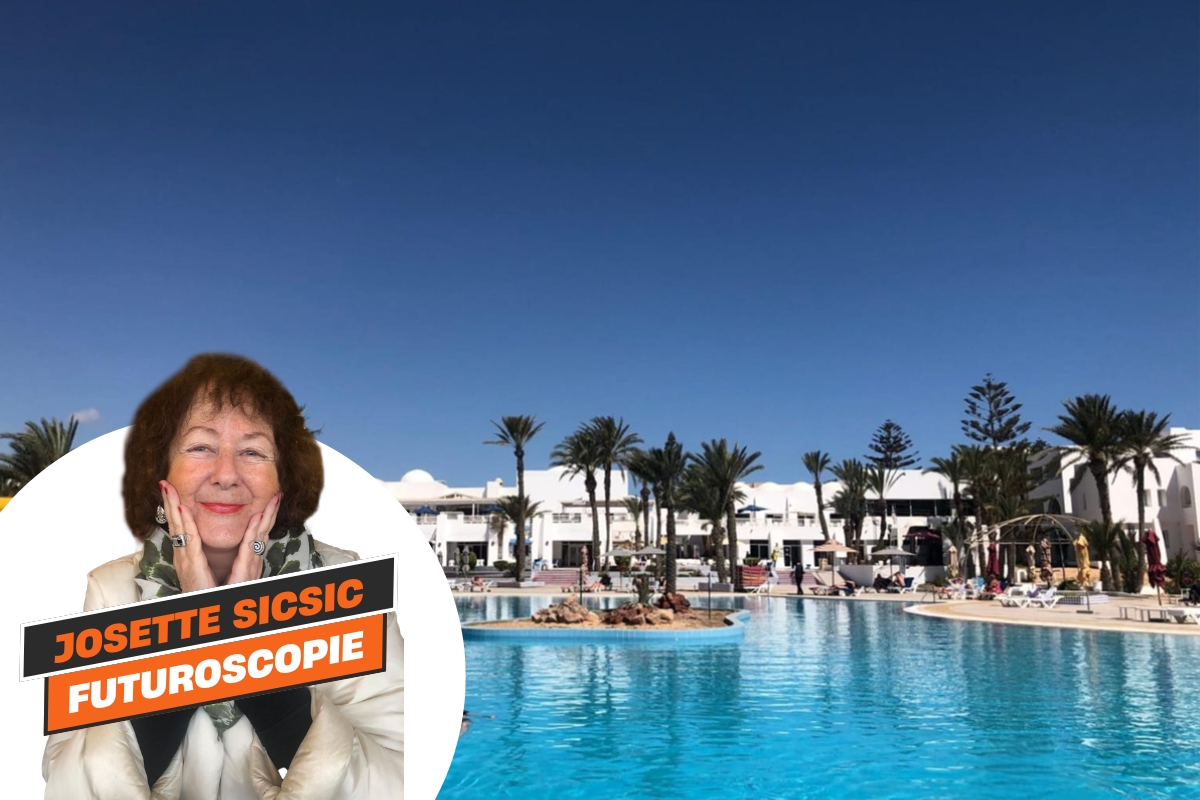
Sprawled across 33 hectares, the El Mouradi residences, respectful of the local architectural tradition (the menzel) are spaced enough to preserve the charm and calm of a hotel which, in high season, welcomes around 1500 vacationers, among whom the French account for about 30%.
Britons, Germans, Belgians but also Scandinavians or Poles complete another third, while the domestic Tunisian market seems fully thriving.
According to Tarek Afdhal, it makes up roughly 27% of the clientele. Within this group there are also many Libyans (often coming for treatment) and neighboring Algerians seeking the hotel quality that Algeria is far from providing.
Moreover, this year there was hope for a 7 to 8% increase compared to 2025, which had performed notably well: “1.23 million tourists were hosted there, representing a 5% rise from the previous year and a 1.1% increase over the 2019 record,” explains to our colleague the regional delegate of the ONTT, the National Tourism Office.
For a destination whose tourism GDP hovers around 10% and where the sector employs roughly 400,000 to 500,000 people at all levels, it is true that a downturn in clientele, however modest, can be worrying.
Yet, for the lodging director of the 4-star El Mouradi Djerba Menzel, the mood is considerably different: “I am not optimistic,” confides the lively Tarek Afdhal: “I am very optimistic”!
And yet the hoteliers have a lot to do to fill the approximately 600 rooms of an establishment that was a pioneer in the 1970s on an island nearly devoid of any tourist development but which was chosen to become one of the jewels of the Maghreb.
Sprawled across 33 hectares, the El Mouradi residences, respectful of the local architectural tradition (the menzel) are spaced enough to preserve the charm and calm of a hotel which, in high season, welcomes around 1500 vacationers, among whom the French account for about 30%.
Britons, Germans, Belgians but also Scandinavians or Poles complete another third, while the domestic Tunisian market seems fully thriving.
According to Tarek Afdhal, it makes up roughly 27% of the clientele. Within this group there are also many Libyans (often coming for treatment) and neighboring Algerians seeking the hotel quality that Algeria is far from providing.
An increasingly diverse offering
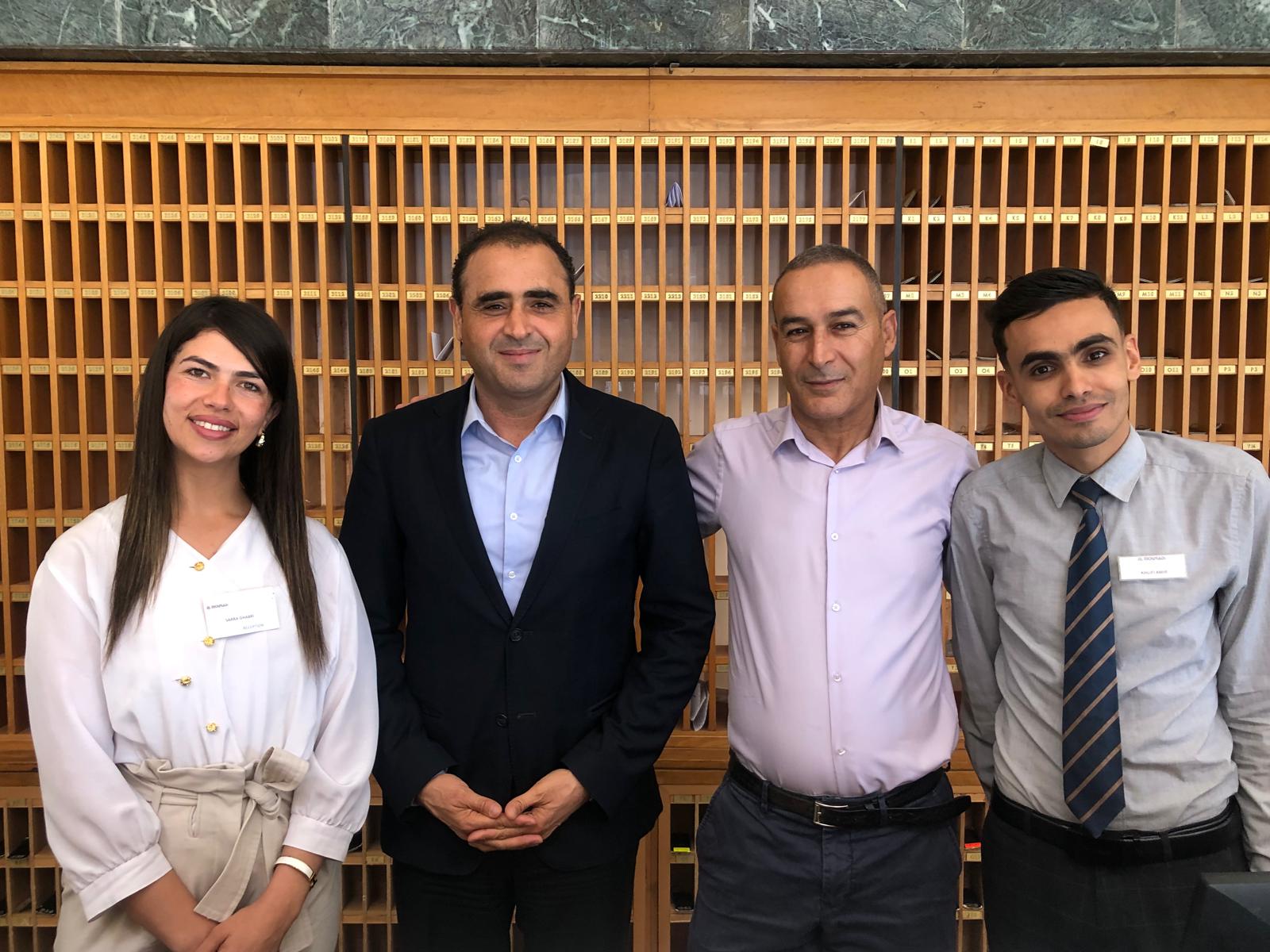
 Why so much optimism? Besides the quality of the accommodation stretched along a white beach, the hotel offers seven swimming pools with a stunning panorama, and all the sports and leisure facilities sought by children and parents.
Certainly, El Mouradi is not particularly original in its approach to entertainment delivered by a majority of young Tunisians, entering the tourism world through this door. For more than three-quarters of a century, holiday clubs have offered roughly the same model of entertainment.
For the simple reason that this model works rather well.
But, cherry on top: this four-star offers Djerba’s flagship activity, a spa and a thalassotherapy center. Managed by the Arcadia brand, this center, which also has a saltwater pool, is at the forefront in therapeutic aquatic treatments as well as massages and other aesthetic services.
All at a particularly affordable price!
Excellent value for money
In these times, it goes without saying that the price factor is far from negligible.
By stacking promotions, the Djerba hotel is especially competitive. A rate of around fifty euros per person per day in a double room with all-inclusive…
This is what the island of Djerba and its numerous four-star hotels can offer in the pre-season. For quintuple rooms designed for families, prices collapse: barely 128 dinars per person per day, or roughly forty euros!
And when you consider that the service is particularly courteous and smiling, it is clear that the tourism offered by the island is accessible. Especially when the climate (as on May 24/25/26, 2026) is breezy and cool! A kind of miracle!
By stacking promotions, the Djerba hotel is especially competitive. A rate of around fifty euros per person per day in a double room with all-inclusive…
This is what the island of Djerba and its numerous four-star hotels can offer in the pre-season. For quintuple rooms designed for families, prices collapse: barely 128 dinars per person per day, or roughly forty euros!
And when you consider that the service is particularly courteous and smiling, it is clear that the tourism offered by the island is accessible. Especially when the climate (as on May 24/25/26, 2026) is breezy and cool! A kind of miracle!
Luxury: an unbeatable lineup
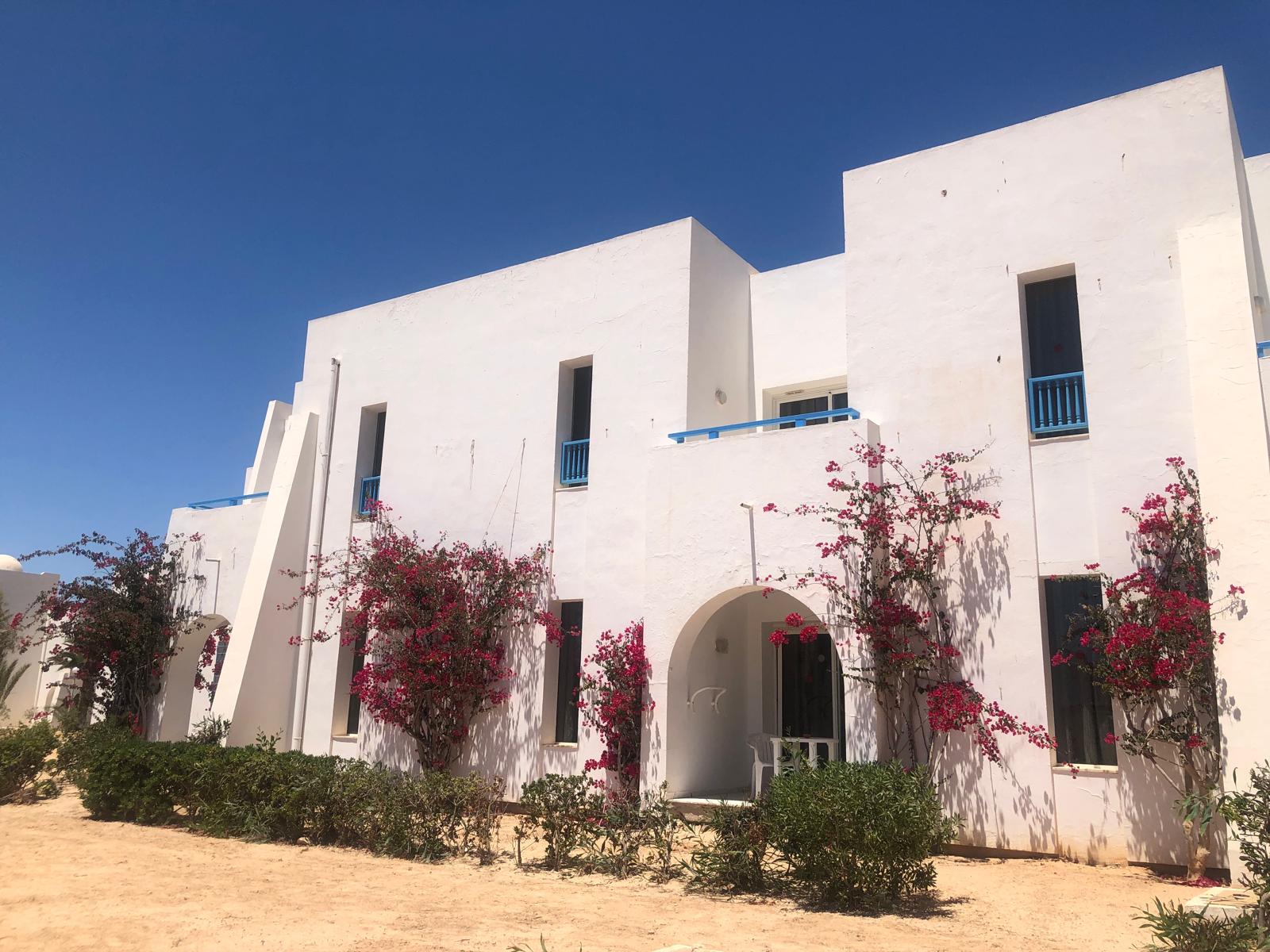
If since the seventies, Djerba has witnessed the opening of large establishments capable of hosting several thousand people in an exceptional atmosphere for the era and already at attractive rates, the current trend leans toward upgrading the range.
While officially there are about 80 four-star hotels, there are around ten five-star ones and their number is set to rise in the years to come.
Thus beside a Radisson Blu, an Iberostar Eolia, an Hadur sbal Prestige (only suites), the construction of a future Marriott is underway on the former Les Sirènes site in the Sidi Mahrez tourist zone.
Although delayed, at its next opening it should count around 500 sea-front rooms. And like many others, 18 exactly, it should offer a spa and a high-end thalassotherapy facility as renowned as those that truly attract wellness enthusiasts.
In search of efficiency, aesthetics, and pleasure, this clientele is growing all the more as the island excels in this activity as well. For proof, Kais Nabli, the director of the Athénée Thalasso et Spa, the Ferrari of thalassotherapy centers at the Radisson Blu (www.atheneethalassa.com), says: “We attract loyal clients, especially among the affluent elderly, who sometimes return twice a year, mostly in the off-season.”
Indeed, while prices are higher than elsewhere, 35 to 200 euros per massage are well within reason compared to rates in France. They give Tunisia a highly competitive and legitimate positioning that we already highlighted in a previous feature and which we confirm through an initial 2040 horizon scenario.
While officially there are about 80 four-star hotels, there are around ten five-star ones and their number is set to rise in the years to come.
Thus beside a Radisson Blu, an Iberostar Eolia, an Hadur sbal Prestige (only suites), the construction of a future Marriott is underway on the former Les Sirènes site in the Sidi Mahrez tourist zone.
Although delayed, at its next opening it should count around 500 sea-front rooms. And like many others, 18 exactly, it should offer a spa and a high-end thalassotherapy facility as renowned as those that truly attract wellness enthusiasts.
In search of efficiency, aesthetics, and pleasure, this clientele is growing all the more as the island excels in this activity as well. For proof, Kais Nabli, the director of the Athénée Thalasso et Spa, the Ferrari of thalassotherapy centers at the Radisson Blu (www.atheneethalassa.com), says: “We attract loyal clients, especially among the affluent elderly, who sometimes return twice a year, mostly in the off-season.”
Indeed, while prices are higher than elsewhere, 35 to 200 euros per massage are well within reason compared to rates in France. They give Tunisia a highly competitive and legitimate positioning that we already highlighted in a previous feature and which we confirm through an initial 2040 horizon scenario.
The threats to Djerba’s tourism
Live from Djerba/ Josette Sicsic
– El Mouradi is a Tunisian group owning 16 hotels including the one in Djerba, Sunshine travel agency and a transport company. The agency offers guided excursions across the island.
https://www.elmouradi.com/
– Sunshine Vacances: Tel. 01 48 17 01 15
www.sunshinevacances.fr/
– Nouvelair. The first private airline founded in 1989. Member of the Tunisian Travel Service group, serves Djerba from Paris, Lille, Nice, Nantes
www.nouvelair.com
https://www.elmouradi.com/
– Sunshine Vacances: Tel. 01 48 17 01 15
www.sunshinevacances.fr/
– Nouvelair. The first private airline founded in 1989. Member of the Tunisian Travel Service group, serves Djerba from Paris, Lille, Nice, Nantes
www.nouvelair.com


Journalist, consultant, speaker, Josette Sicsic has been observing, for more than 25 years, the changes shaping the world in order to analyze their consequences for the tourism sector.
After over 20 years of developing the Touriscopie journal, she remains at the forefront of current events where she decodes the present to forecast the future. On the site www.tourmag.com, in the Futuroscopie section, she publishes several times a week forward-looking and analytical articles.
Contact: 06 14 47 99 04
Mail: [email protected]
After over 20 years of developing the Touriscopie journal, she remains at the forefront of current events where she decodes the present to forecast the future. On the site www.tourmag.com, in the Futuroscopie section, she publishes several times a week forward-looking and analytical articles.
Contact: 06 14 47 99 04
Mail: [email protected]