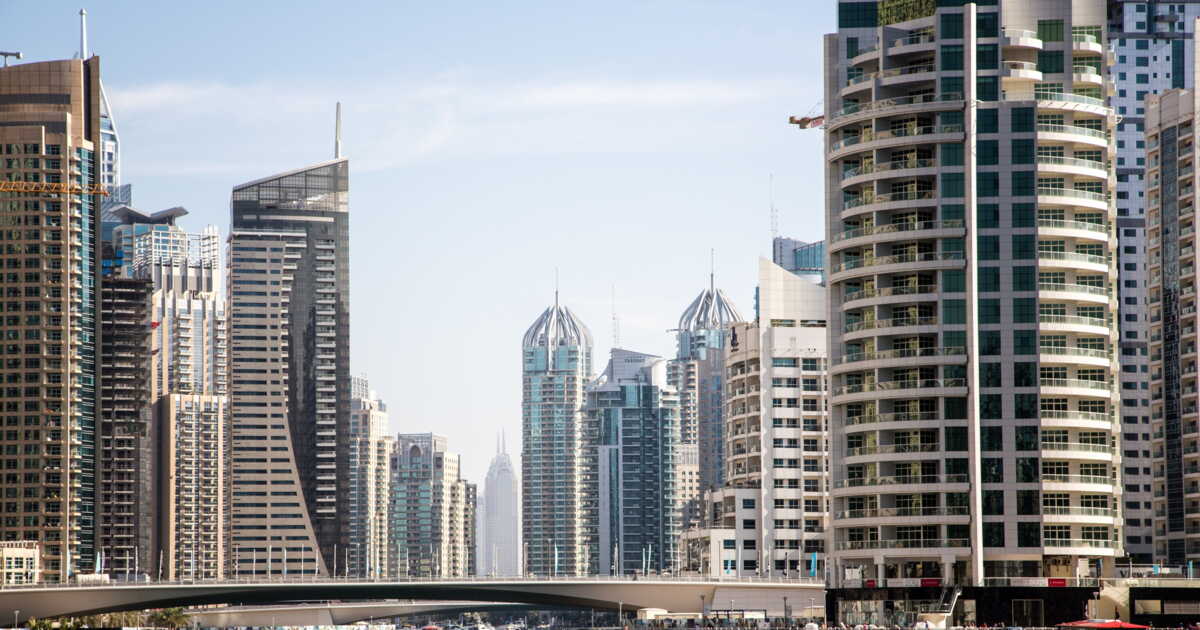
Nestled along the coast of the Persian Gulf, Dubai is a city of contrasts, sometimes modern, sometimes traditional. Renowned for its futuristic architecture, luxurious attractions, and dynamic culture, the city draws millions of visitors each year. After stepping onto this land of contrasts, a question quickly arises for travelers: what to do in Dubai to fully enjoy all it has to offer?
Before any international trip, we remind you that it is useful to consult the travel advice provided by the Ministry of Foreign Affairs to know the security and health risks specific to certain areas, and the administrative steps to take before your journey.
1. Admire the view from the Burj Khalifa
Admiring the city from the top of the Burj Khalifa is a must-see for anyone who wants to gauge Dubai’s development. Standing at 828 meters tall, this iconic world tower offers, from its observation deck, a view of the skyline that encompasses Downtown Dubai, the Dubai Marina, the desert, and the sea.
The experience becomes even more striking depending on the temperatures and the time of day, especially at sunset, when the lighting contrasts highlight the urban density. Open daily, this very popular place blends technical modernity with symbolic ambition. The ascent to the upper floors, including the famous 52nd floor, also recalls the history of Dubai, which transformed from a modest fishing port into a global metropolis of the United Arab Emirates, marked by a bold verticality.
2. Discover the opulence of The Dubai Mall
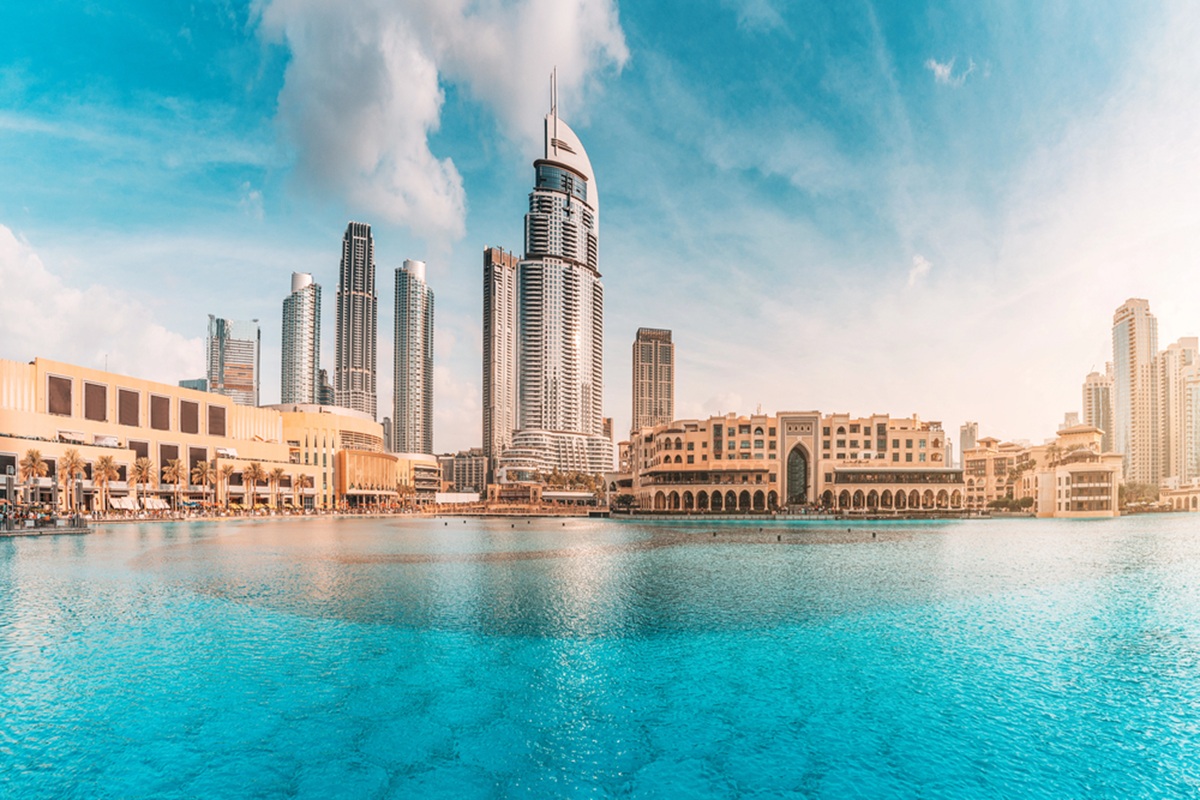
Located in the heart of Downtown Dubai, The Dubai Mall stands out as an to combine shopping, culture, and leisure. This complex, one of the largest in the world, goes beyond the traditional shopping experience by incorporating attractions such as the Dubai Aquarium & Underwater Zoo, which showcases aquatic life in a spectacular glass tunnel, or the fountain show, synchronized with international soundtracks.
Just steps from the Burj Khalifa observation deck, the mall completes a guided tour of the New Dubai, while remaining accessible according to internal temperatures, regulated to ensure comfort in all seasons. This venue is part of an urban dynamic where a multisensory experience enhances the functional dimension of the center, becoming a major meeting point in the UAE’s tourism offer.
3. Go on a desert adventure in the Dubai Desert
Exploring the Dubai desert offers a complementary perspective to the urban landscapes of the Palm Jumeirah or Downtown Dubai. A guided excursion lets you discover the dunes through a series of typical activities, including 4×4 driving, sandboarding, and camel rides. These experiences, arranged according to the temperatures, are usually scheduled at times that ensure visitors’ comfort.
Far from the amusement parks and the verticality of the New Dubai, the desert reconnects with the region’s origins and enriches the understanding of the history of Dubai. The Bedouin camp, with traditional meals and cultural performances, also allows visitors to appreciate the social and festive dimension of local life in the United Arab Emirates.
4. Explore the Al Fahidi District
Al Fahidi, located near the Deira quarters, is a precious witness to the history of Dubai, predating its contemporary economic boom. Composed of narrow lanes, coral-stone buildings, and wind towers, this area embodies another era, distinct from the modern lines of the Dubai Marina or the proportions of the world’s tallest tower.
A guided tour in this district reveals the Dubai Museum and offers an abra ride, a traditional boat that navigates the Creek’s harbor. This excursion through old Dubai is also an opportunity to visit the Gold Souk, a true historic trading hub, still active today. Accessible depending on the temperatures, this place open every day offers a full cultural immersion into the heritage of the United Arab Emirates.
5. Enjoy beaches such as JBR Beach
Near the Dubai Marina, JBR Beach stands out as an to combine swimming, relaxation, and water activities in a fully developed setting. A supervised public beach, comfortable facilities and a variety of dining options combine with leisure activities including jet skiing, paddleboarding, or kayaking. Its easy access from Downtown Dubai and the quality of its infrastructure make it a family-friendly destination as well as a hotspot for visitors seeking animation.
The pedestrian promenade The Walk, lined with shops, makes this beach a lively, everyday spot, to visit depending on the temperatures, particularly pleasant during the winter months. The coastline, fully developed on an artificial island, also showcases the city’s ability to shape its shores to meet international standards.
6. Have fun in theme parks
Dubai has established itself as a premier destination for theme parks, integrating several complexes spread between the New Dubai and peripheral areas. The Dubai Parks and Resorts site brings together multiple thematic worlds, from LEGOLAND to Motiongate, and is a perfect spot for a day of activities aimed at families.
Each space is designed to meet the expectations of visitors of all ages, in infrastructures comparable to real football fields in size. These everyday-accessible places include shows, rides, dining zones, and shops, all in a climate-controlled or shaded environment designed according to local temperatures. This leisure offering complements other hubs such as the Palm Jumeirah or the Mall of the Emirates, for a balanced stay between discovery and entertainment.
7. Visit the Global Village in season
The Global Village, active from October to April, is a space for intercultural exchange. On a single site, this amusement park brings together more than 75 cultures represented in 27 to 30 pavilions, organized around commercial, gastronomic, and artistic axes. Located away from the center, it remains accessible from Downtown Dubai or Dubai Marina, and offers an immersive experience in a festive atmosphere, designed to suit the mild winter temperatures.
This annual meeting also offers an opportunity to discover artisanal products, attend cultural performances, and travel the world in a few hours. The Global Village thus complements a tourism offer that, from the Gold Souk to the Burj Khalifa, reflects the plurality of Dubai’s contemporary identity.
8. Explore the spectacular nature of Dubai Miracle Garden
The Dubai Miracle Garden stands out as an ideal place to discover another facet of the United Arab Emirates, away from the skyscrapers and urban hustle. Located near the New Dubai, this floral garden, open depending on the temperatures, offers an astonishing plant composition in a desert environment. It is a must-see for anyone looking to explore a daily-accessible venue where landscape creativity meets technical prowess.
The floral sculptures, some reaching several meters in height, evoke the history of Dubai through spectacular installations. Easily accessible from Downtown Dubai, this garden perfectly complements a day of sightseeing that might include a stop at the Mall of the Emirates or in the Deira districts, where the Gold Souk recalls the city’s trading heritage. Designed as a botanical pause, the Dubai Miracle Garden embodies the Emirates’ ambition to create immersive experiences, even within the high desert temperatures.
9. Take to the heights at the Aura Skypool
Located on the 52nd floor of a tower on the Palm Jumeirah, the Aura Skypool is the world’s highest 360-degree infinity pool, offering a breathtaking panorama of Dubai’s skyline. From this world’s tallest tower, built on a palm-shaped artificial island, one can observe the Dubai Marina, Downtown Dubai, and the arms of the Gulf’s palm-shaped reach. This venue, accessible depending on the temperatures, blends architectural experience with well-being in a controlled atmosphere.
If you’re planning a guided tour, the history of Dubai can be narrated from this strategic vantage point, revealing urban evolutions between the New Dubai and older areas like the Deira districts. The Aura Skypool perfectly illustrates the fusion of luxury and engineering, becoming a coveted destination for travelers seeking high-altitude urban experiences while not compromising on comfort and facilities.
10. Experience Atlantis Aquaventure Waterpark in full
The Atlantis Aquaventure Waterpark, located on the Palm Jumeirah, is one of the largest water theme parks in the United Arab Emirates, combining leisure, relaxation, and water activities for all ages. A true ideal spot depending on the temperatures, the park offers a wide range of experiences, from thrilling slides to children’s play zones and marine life encounters.
Located near the Dubai Marina and Downtown Dubai, the site fits into a comprehensive tourist offering, which can include a guided walk, jet-ski sessions on the seawalls, or a visit to the Mall of the Emirates. This complex is designed to accommodate large crowds, with modern infrastructures worthy of real football fields in size. The Aquaventure Waterpark, through its association with the Atlantis hotel, marks a major milestone in Dubai’s tourism offering on the palm-shaped footprint, reinforcing Dubai’s status as a global leisure capital for water-based attractions.
In conclusion, whether you seek modern adventures, cultural experiences, or moments of relaxation, Dubai will meet all your expectations. From camel races to gastronomic experiences, to paradisiacal beaches, the city offers a wealth of possibilities for every taste. Next step: dive deeper into the lesser-known wonders of this fascinating city.
What budget should you plan for a week in Dubai?
A week in Dubai involves anticipating varying costs depending on the season, the type of hotel, and the activities chosen. In this city, access to major attractions like the Burj Khalifa, the Dubai Frame, or a cruise on the Dubai Creek often depends on tickets that should be booked in advance, especially during a Dubai weekend. To optimize your experience, it helps to compare ticket prices, identify neighborhoods where the hotel offers the best value for money, and factor in a possible excursion to Abu Dhabi, whose price varies by the type of visit.
What to do in Dubai for free? Enjoy the City, Fountains, and Dubai Creek without Tickets
Exploring Dubai for free offers an authentic glimpse of the city, notably around the Dubai Creek, where the quays let you observe local life without a ticket. Watching the fountains remains one of the most spectacular experiences, adding genuine cultural value without impacting price.
A stroll around the Dubai Frame or through the historic districts also offers a memorable experience, as do the city panoramas dominated by the Burj Khalifa. Even without a luxury hotel or paid activities, the city highlights a unique charm, ideal for enriching a stay or weekend without budget constraints.
What to do in Dubai in the evening? A Visual Experience between Burj Khalifa, Fountains and the Illuminated City
At night, Dubai reveals an atmosphere where the city transforms under the modern lights of the Burj Khalifa and the fountains. The nocturnal scenography offers a unique experience, whether you stay in a central hotel or near the Dubai Creek. Evenings may include panoramic visits requiring tickets, such as the Aura Skypool, or cruises on the Dubai Creek, with price depending on the level of service. The Dubai Frame, spectacular at night, adds to the must-see places, while the proximity to Abu Dhabi also makes possible a rich nocturnal excursion.
What to do in Dubai with family or children? A family-friendly city, balancing cultural experiences and iconic sites
With family, Dubai offers a diverse experience where each neighborhood provides activities suitable for kids. The Burj Khalifa, the Dubai Frame, and the fountains provide captivating discoveries, as does a stroll along the Dubai Creek, easily accessible with reasonably priced tickets. Families choosing a hotel near the attractions gain extra comfort, especially on excursions to Abu Dhabi, appreciated for its educational dimension. Venues like the Global Village or Miracle Garden also add an immersive and visual touch to the family experience.
What to do in Dubai in 1 day? Prioritize the must-sees for a complete experience
In one day, efficiency means focusing the itinerary around the city’s icons. Riding up the Burj Khalifa with advance ticket booking ensures optimal management of price and time. The Dubai Frame, the fountains, and a quick stop at the Dubai Creek complete this express experience, without neglecting the possibility of a swift return to your hotel. Ambitious travelers might even consider a quick excursion to Abu Dhabi, though price and travel time require good planning. This condensed day provides a structured and comprehensive view of the essentials.
What to do in Dubai when it rains? Explore the city indoors, between immersive experiences and iconic places
When rain arrives in Dubai, the city offers a wide range of indoor activities. Going up the Burj Khalifa, exploring the Dubai Frame, or visiting museums becomes a rewarding experience independent of weather. The fountains can still be enjoyed from covered areas while a well-located hotel facilitates getting around. Tickets, often with stable prices during low crowds, help maximize the discovery of places. A trip to Abu Dhabi can also become an alternative, especially to explore its cultural sites while extending a stay rich in urban diversity.
This article was written with the help of artificial intelligence, then corrected, expanded, and validated by the editors of the newsroom.





 American travel professionals warmly welcome the partnership between Royal Caribbean Group and Sandals Resorts, which is expected to strengthen the synergies between ocean cruises and land-based stays.