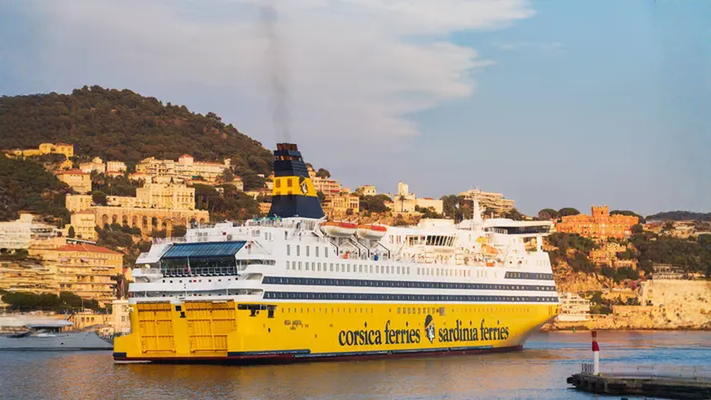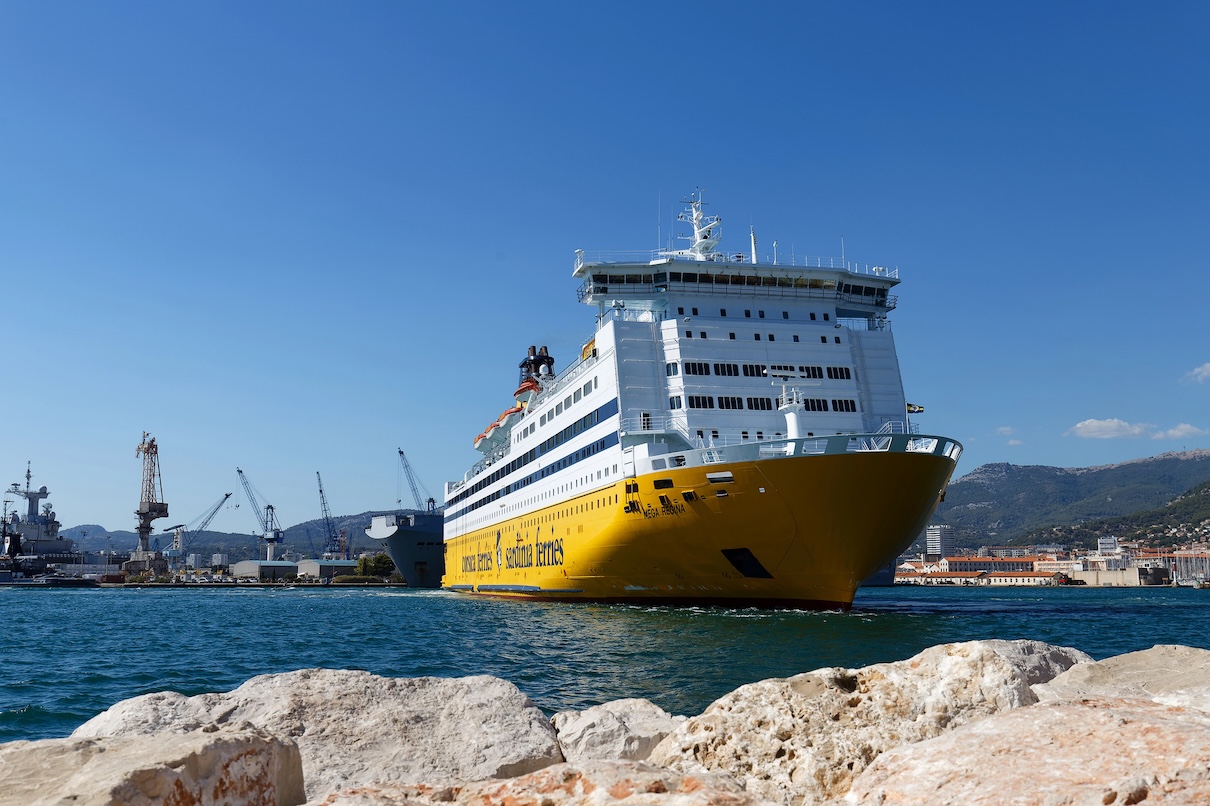


As spring-summer 2026 approaches, Corsica Ferries announces a strengthening of its links in the Mediterranean, while betting on digital innovation to improve the customer experience.
“We continually adapt our offering to meet our customers’ expectations: more flexibility, varied destinations, and a strong focus on both the onboard experience and digital services“, says Fabien Agostini, Chief Operations Officer of the company.
Faithful to its historical markets, the shipping line consolidates its routes to the main Mediterranean destinations.
Since April, sailings to Mallorca and Menorca have resumed from Toulon and Sète. Two weekly rotations are scheduled from Toulon, complemented by a weekly crossing from Sète.
“We continually adapt our offering to meet our customers’ expectations: more flexibility, varied destinations, and a strong focus on both the onboard experience and digital services“, says Fabien Agostini, Chief Operations Officer of the company.
Faithful to its historical markets, the shipping line consolidates its routes to the main Mediterranean destinations.
Since April, sailings to Mallorca and Menorca have resumed from Toulon and Sète. Two weekly rotations are scheduled from Toulon, complemented by a weekly crossing from Sète.
A Stronger Presence on Key Destinations
Faced with sustained demand, Sardinia is seeing its offering expanded. From Toulon, the frequency rises to two crossings per week.
In addition, a new connection was inaugurated on April 18 between Sète and Porto Torres, with one crossing per week (excluding August).
A central destination for the company, Corsica remains accessible year-round from Toulon, Nice, Sète, Savona and Livorno.
The increase in rotations aims to guarantee greater flexibility for travelers. A new weekly link between Sète and Ajaccio was also launched on April 18 (excluding August).
In addition, a new connection was inaugurated on April 18 between Sète and Porto Torres, with one crossing per week (excluding August).
A central destination for the company, Corsica remains accessible year-round from Toulon, Nice, Sète, Savona and Livorno.
The increase in rotations aims to guarantee greater flexibility for travelers. A new weekly link between Sète and Ajaccio was also launched on April 18 (excluding August).
A Customer Experience Oriented Toward “Contactless”
In keeping with its modernization strategy, Corsica Ferries is rolling out several digital features through its mobile application.
Among the main developments, dematerialized cabin access allows passengers to use their smartphone as a key, without stopping at the reception.
The app also centralizes boarding passes, makes it easier to modify sailings, and provides direct access to the Corsica Club loyalty program, accompanied by real-time notifications.
Another novelty is the option to pay for bookings in multiple installments (2, 3, or 4 installments) for online purchases.
The company is also launching a thematic mini-cruise from May 7 to May 10, 2026, combining cultural discovery and sporting activities. Departing from Bastia, passengers will head to Civitavecchia, the gateway to Rome, before reaching Portoferraio on the island of Elba.
The program includes free time to explore the Italian capital, as well as on-board activities, notably in partnership with Fitness Park. The trip also offers possible participation in the Marathon of Elba Island for the most energetic travelers.
Among the main developments, dematerialized cabin access allows passengers to use their smartphone as a key, without stopping at the reception.
The app also centralizes boarding passes, makes it easier to modify sailings, and provides direct access to the Corsica Club loyalty program, accompanied by real-time notifications.
Another novelty is the option to pay for bookings in multiple installments (2, 3, or 4 installments) for online purchases.
The company is also launching a thematic mini-cruise from May 7 to May 10, 2026, combining cultural discovery and sporting activities. Departing from Bastia, passengers will head to Civitavecchia, the gateway to Rome, before reaching Portoferraio on the island of Elba.
The program includes free time to explore the Italian capital, as well as on-board activities, notably in partnership with Fitness Park. The trip also offers possible participation in the Marathon of Elba Island for the most energetic travelers.
 Published by Amelia Brille TourMaG.com Journalist
 View all articles by Amelia Brille


Add TourMaG to your Google News feed