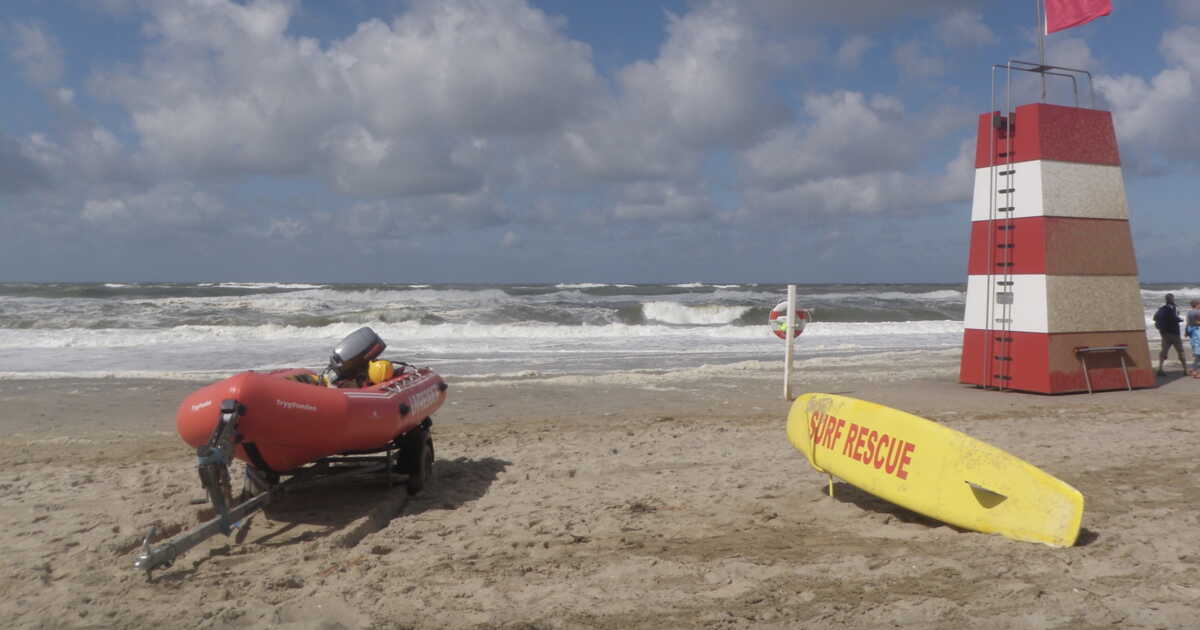
At first glance, there is nothing about this coast that sets it apart from any other North Sea shoreline battered by wind. Yet, for about thirty years, it has built a solid reputation among surfing enthusiasts. Today, this region is undergoing a new metamorphosis: alongside wind-surfing schools and wild beaches, there are now Michelin-starred restaurants, contemporary art galleries, and even an outpost of the National Gallery of Denmark.
An evolution that makes “Cold Hawaii,” in Denmark’s Jutland, one of the most remarkable destinations in Northern Europe.
Waves That Changed the Destiny of This Danish Coast
The name may provoke a smile, but it has become a true hallmark. The expression “Cold Hawaii” appeared in the 1990s within the international surfing community, before being popularized by windsurfing world champion Josh Stone. This Danish coast owes its nickname to the contrast between its renowned waves, likened to those of Hawaii, and the frigid North Sea climate, and it designates nearly 50 kilometers of coastline between Hanstholm and Agger, where 31 official surf spots line the shore.
Here, there are no palm trees or turquoise water. The beaches stretch at the foot of the dunes, heathlands, and the forests of Thy National Park, the first national park in Denmark. The sea temperatures also necessitate wearing a wetsuit for much of the year, but that does not deter surfers, windsurfers, or stand-up paddle enthusiasts from enjoying the conditions offered by the North Sea.
The village of Klitmøller has become the nerve center of this scene. Each year, it hosts an international surfing competition and sees practitioners from all over Europe pass through. Surrounding this activity a new economy has developed: specialty shops, surf schools, coworking spaces, spas, and even a wine bar have gradually replaced the image of a simple coastal village. Several artists have also chosen to settle there, including the Danish visual artist Jeppe Hein.
The transformation is also evident in Vorupør. Once almost exclusively fishing-oriented, the village now attracts Danish, German, and Belgian visitors. New accommodations, restaurants, and shops are multiplying, without the sector losing its peaceful atmosphere, especially outside the summer season.
A Destination That Now Bets on Gastronomy and Contemporary Art
While Cold Hawaii remains a favored destination for water-sports enthusiasts, the region is now seeking to appeal to culture and gastronomy lovers. In 2022, chef Nicolas Min Jørgensen opened the Tri restaurant, awarded a Michelin star just one year later. His cuisine relies almost exclusively on local resources: North Sea fish and seafood, products from the nearby Limfjord, and ingredients gathered in Thy National Park.
The cultural development is equally spectacular. In 2025, the National Gallery of Denmark opened SMK Thy, an outpost installed in Doverodde, about a thirty-minute drive from Vorupør. The venue occupies a 42-meter-high grain silo dating from the 1960s, completely refurbished to host exhibitions. Visitors can notably discover the Living Landscapes exhibition, shown until October 18, which brings together works by Claude Lorrain, Edvard Munch, and the Danish artist Rasmus Myrup.
This surprising installation in a rural region has nevertheless quickly found its audience. “It’s hard to understand how the National Gallery of Denmark ended up in this peaceful region of Jutland, but it is already enjoying real success”, writes journalist Alice Godwin in The Guardian.
Just a few kilometers away, on the other side of the Limfjord, another project confirms this momentum. Opened in 2023 in an old barn on the medieval Boddum Bisgaard estate, the Kunsthal Thy gallery presents works by Danish and international artists specializing in sculpture, video, or contemporary installations.
For a long time regarded as a discreet destination reserved for surfing enthusiasts, Cold Hawaii is thus establishing itself as a territory where nature, gastronomy, and contemporary creation now progress in concert. A distinctive identity that allows this stretch of the Danish coastline to stand out from the country’s more frequented seaside resorts.
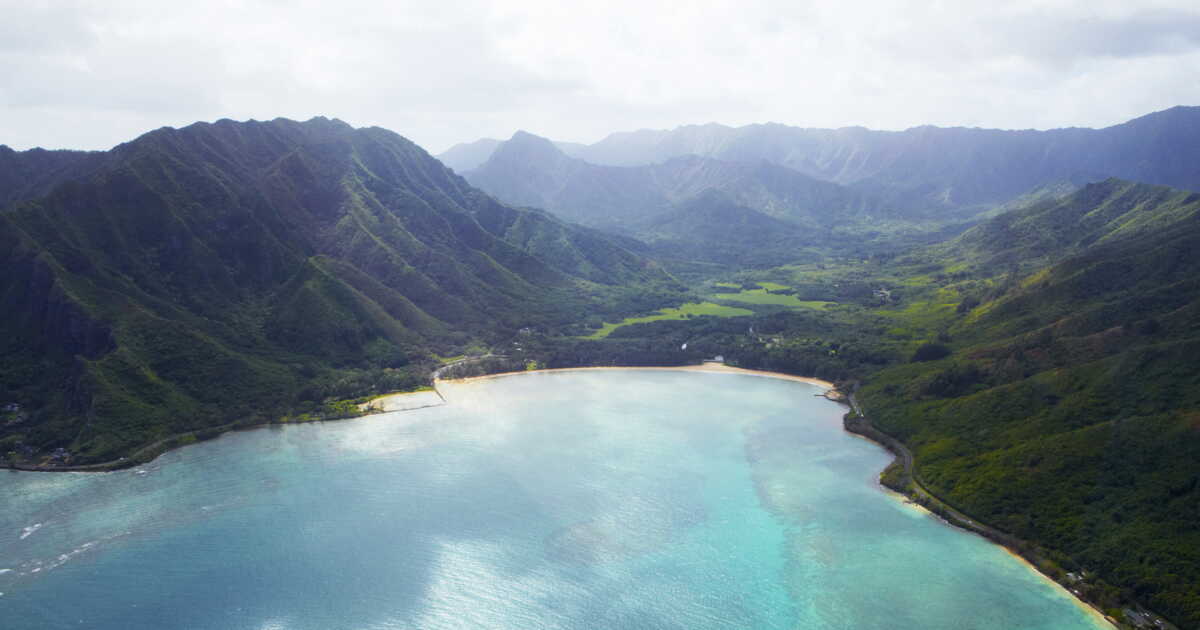
Hawaii, this enchanting archipelago in the Pacific Ocean, is one of the fifty states of the United States. Made up of several volcanic islands, Hawaii is known for its tropical climate, its rich blend of Polynesian and American cultures, and its diverse landscapes ranging from powdery white-sand beaches to active volcanoes. For those planning a trip to Hawaii, the central question is often: what to do once you arrive? This article offers a detailed panorama of the must-see activities to discover at the heart of this archipelago.
1. Explore Oahu and Its Iconic Attractions
Oahu, often considered Hawaii’s gateway, presents a unique blend of urban life and idyllic beaches. Begin your day in Honolulu, the lively capital, by visiting the historic site of Pearl Harbor. Then head to Waikiki Beach for a surfing session or simply to soak up the sun. Do not miss the ascent of Diamond Head, a volcanic crater that offers a panoramic view of the island. For surfing enthusiasts, the North Shore is famed for its impressive waves, especially during the winter season.
2. Discover the Natural Beauty of Maui
The island of Maui, nicknamed the “Valley Isle,” is renowned for its breathtaking scenery. A must-see is the Hana Highway, winding along the island’s eastern coast and offering spectacular views of the ocean, waterfalls, and tropical forests. The sunrise from the summit of Haleakalā, a dormant volcano rising over 3,000 meters, is an unforgettable experience. Maui’s beaches are ideal for snorkeling, especially at Molokini Crater, a crescent-shaped diving site. During the winter months, don’t miss whale watching as humpback whales migrate through these waters.
3. Trek Kauai’s Trails
Kauai, often called the “Garden Isle,” dazzles with lush vegetation and preserved landscapes. Hiking enthusiasts will appreciate the trails along the Na Pali Coast, accessible only by foot, boat, or helicopter, offering jaw-dropping views of the towering cliffs. The Waimea Canyon, nicknamed the “Grand Canyon of the Pacific,” is another must for its striking panoramas. For a full immersion in nature, explore the island’s dense forests and hidden waterfalls.
4. Discover Hawaii Island’s Volcanoes and Diverse Landscapes
Big Island, or the Island of Hawaii, is famous for its active volcanoes. Visit the Hawaii Volcanoes National Park to observe Kilauea, one of the most active volcanoes in the world. Mauna Kea, a dormant volcano, is the island’s highest point and offers a unique opportunity to observe the stars thanks to the numerous observatories perched at its summit. For a different experience, explore the black-sand or green-sand beaches born from volcanic activity. Also enjoy the Kona region to taste the local coffee, renowned for its exceptional quality.
5. Immerse Yourself in Hawaiian Culture and History
Hawaii is not limited to its stunning landscapes; the archipelago also boasts a rich culture and history. Join a Luau, a traditional Hawaiian celebration, to discover local customs through dance, music, and cuisine. Visit traditional villages to better understand the Polynesian way of life. In Honolulu, the Bishop Museum and the Iolani Palace offer fascinating insights into the state’s history. Finally, take time to sample local specialties such as poke, a marinated raw fish dish, or tropical fruits.
In conclusion, Hawaii offers a multitude of varied activities that will satisfy all types of travelers, whether they are adventurers, beach lovers, culture enthusiasts, or nature lovers. Each island of the archipelago has its own identity and deserves to be explored. For visitors, it is an invitation to discover a place where the diversity of landscapes and experiences forms a harmonious and rich tableau.
Is Hawaii an Expensive Destination? Understanding the Cost of a Hawaii Stay
Hawaii is often perceived as a luxury destination, but with smart planning it is possible to fully enjoy its Waikiki beaches, sailing excursions, or hiking trails on Kauai’s stunning landscapes without breaking the bank. Key tips include booking in advance helicopter flights, accommodations in Hawaii, and boat excursions to explore the Napali Coast.
Fans of hiking and refreshing swimming can discover waterfalls, verdant cliffs, and protected areas such as the Honaunau National Historical Park at lower costs. Even incredible experiences like meeting a green sea turtle or discovering marine flora are accessible with a well-planned road trip in Hawaii. By following these budgeting tips and travel-smart advice, it is possible to enjoy the must-see places of Oahu and the Big Island without overspending.
Is Hawaii Worth It? An Unforgettable Experience in the Heart of the Pacific
Visiting Hawaii proves worthwhile at every moment thanks to its rich Hawaiian culture and its breathtaking landscapes. Between the Waikiki Beach, the green cliffs of the Napali Coast, and the Ho‘omaluhia Botanical Gardens on Oahu, travelers can combine trail hikes, short day trips, and half-day water activities.
The hula dance, flower leis, and visits to the official sites of the Hawaiian Island provide a total immersion in the local culture. Protected areas, viewpoints, and waterfalls guarantee an incredible experience, while hikers can enjoy accessible and safe trails. Hawaii blends perfect relaxation with adventure, making this American destination a place where every moment becomes memorable.
What is the Best Time to Visit Hawaii? Enjoy Ideal Weather for Your Activities
For an optimal stay in Hawaii, the best period depends on the activities you choose. The dry season, from April to October, is perfect for swimming, windsurfing, and sailing trips along the Napali Coast. The hiking areas on Kauai or Oahu are especially pleasant, and the marine life and green cliffs reveal themselves in all their splendor. Even during the rainy season, waterfalls and viewpoints remain accessible, and activities such as the hula dance or a visit to the Ho‘omaluhia Botanical Gardens offer rich experiences sheltered from the rain. Planning your road trip in Hawaii according to the weather conditions helps maximize the incredible experience of this island of Hawaii and enjoy all the must-see areas.
How Long Does It Take to Visit Hawaii? Optimize Your Stay to See It All
A stay in Hawaii can range from a few days to several weeks, depending on your pace and interests. To explore Oahu with the possibility of discovering Waikiki Beach, the Ho‘omaluhia Botanical Gardens, and the Honaunau National Historical Park, it is recommended to set aside at least five to seven days. Adding Kauai for its green cliffs and the Napali Coast, or the Big Island for its volcanic and cultural zones, requires several more days. Boat excursions, Hawaii road trips, and refreshing swimming activities should be planned to fully enjoy viewpoints, waterfalls, and marine life. Following these recommendations allows you to experience an incredible trip without rushing and to visit all the must-see spots of Oahu, Kauai, and the Big Island.
What to Do in Hawaii with Family? Activities for All Ages
Hawaii is ideal for a family getaway, offering activities for all ages. Children and adults can enjoy the refreshing swim at Waikiki Beach, the hiking trails across Kauai’s fascinating landscapes, or boat excursions along the Napali Coast.
The waterfalls, protected areas, and encounters with the green sea turtle are perfect for sparking the curiosity of younger travelers. Hawaiian culture unfolds through hula dancing, making flower leis, and visiting sites like the Honaunau National Historical Park. Even sailing excursions and helicopter tours are family-friendly, ensuring a safe and memorable road trip in Hawaii for everyone.
What to Do in Hawaii When It Rains? Indoor Activities and Rainy-Day Discoveries
Even in the rain, Hawaii offers numerous activities to make the most of your stay. The Ho‘omaluhia Botanical Gardens on Oahu allow you to explore tropical flora indoors, while cultural zones and museums provide a glimpse into Hawaiian culture. Short excursions to protected areas or visits to historic sites such as the Honaunau National Historical Park remain possible despite the weather. The hula dance, flower leis, and viewpoints accessible even in rain guarantee an incredible experience. By following essential tips and adapting activities, the rain in Hawaii becomes an opportunity to discover the Island of Hawaii from a different angle.
This article was drafted with the help of artificial intelligence, then corrected, expanded and validated by the journalists of the editorial staff.