
Exclusive: Accor Invests Heavily in the Dominican Republic


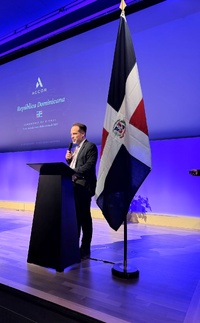
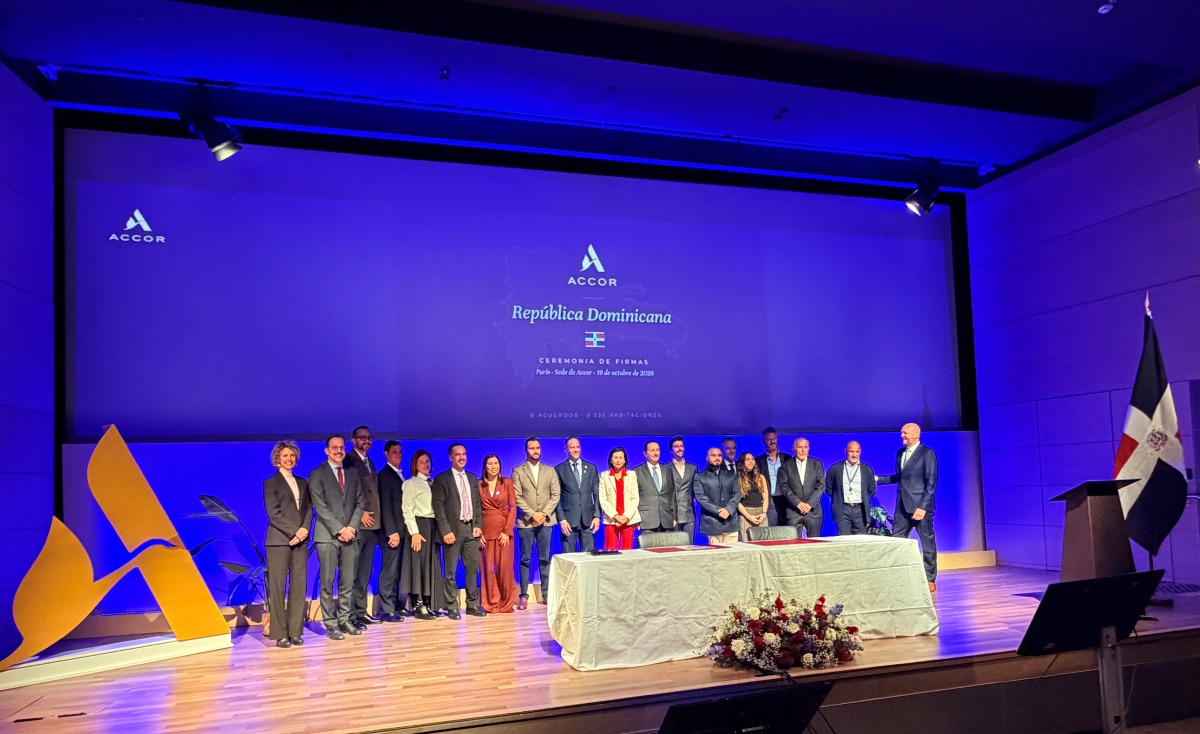
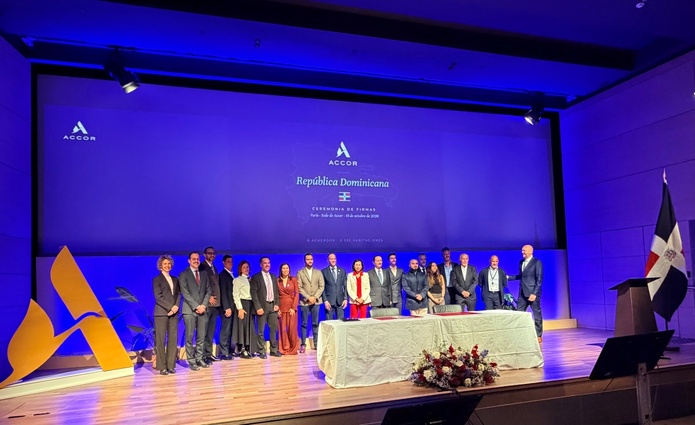
Les officiels du groupe Accor et les représentants de la République Dominicaine hier à Paris, au siège d'Accor - Photo : C. Hardin

PONANT


On the occasion of Dominican Republic Week in Paris, in the presence of Minister Eduardo Sanz Lovatón, Deputy Minister of Foreign Trade Daniel Peña and the Ambassador of the Dominican Republic to France, David Puig, Accor signed on Monday, October 19, 2026, at its headquarters, an impressive series of agreements that mark its large-scale expansion in the Caribbean’s leading tourist destination.

The arrival in the Dominican Republic of the French hotel group – the leading one in Europe and the sixth worldwide – had been anticipated. It is the logical consequence of the island’s dynamism for many years.

Finally! could be said, because, in the view of several participants at the ceremony and given the island’s very strong tourism momentum for several years, it was logical that a major French group could be present.


Indeed, France ranks in the top 10 source countries for visitors and plays a strategic role.

In 2025, the Dominican Republic welcomed 132,747 foreign tourists residing in France and, for 2026, the market shows positive growth. Between January and August, the country registered 112,056 tourists from France, i.e. a growth of 14.3% compared with the same period in 2025, representing 14,039 additional visitors.


More than 5,000 rooms

The investment by Accor signed this Monday at the group’s headquarters, which TourMaG attended, is truly massive and involves no fewer than eight agreements that plan to open over 5,000 rooms: a foray into all segments at once, signed in a single day.

This therefore concerns budget airport hotels, business hotels, distinctive addresses, and grand resorts in the East.

In total, ten brands of the group, from Ibis Budget to Swissôtel, will support the diversification of Dominican tourism, beyond the purely coastal tourism. A diversification desired by the Dominican authorities, as highlighted by Jennifer Elias Franjul, Director of International Marketing at the Ministry of Tourism, in an interview with TourMaG at the recent IFTM show.

Relative to the more than 90,000 rooms that the Dominican Republic counts according to Asonahores – the main tourism sector organization in the Dominican Republic – the whole represents the equivalent of 5% of the national hotel stock.

On the morning of October 19, the owners of these projects presented their plans to international and Dominican financial institutions gathered at Accor’s headquarters in order to accelerate financing and execution.

In detail, these contracts and memoranda of understanding concern deployments in cities, near airports, or dedicated to the art of living:

• Ibis Budget at Santo Domingo Airport with 700 rooms

• Ibis hotel at Punta Cana airport, with 500 rooms

• Ibis Styles near Panaca Park in Punta Cana with 90 rooms

• Miches Grand Resort with 2,500 rooms

• Cabocoa, Cabo Engaño with 1,300 rooms.


These memoranda set the framework for an exclusive partnership between Accor and landowners. They will be followed by hotel contracts on a per-property basis, according to studies and authorizations. Franchise and management contracts, or when a partner takes a brand, Accor will assist in the building’s design, construction, and management.


Satisfaction expressed by Accor and the Dominican Republic
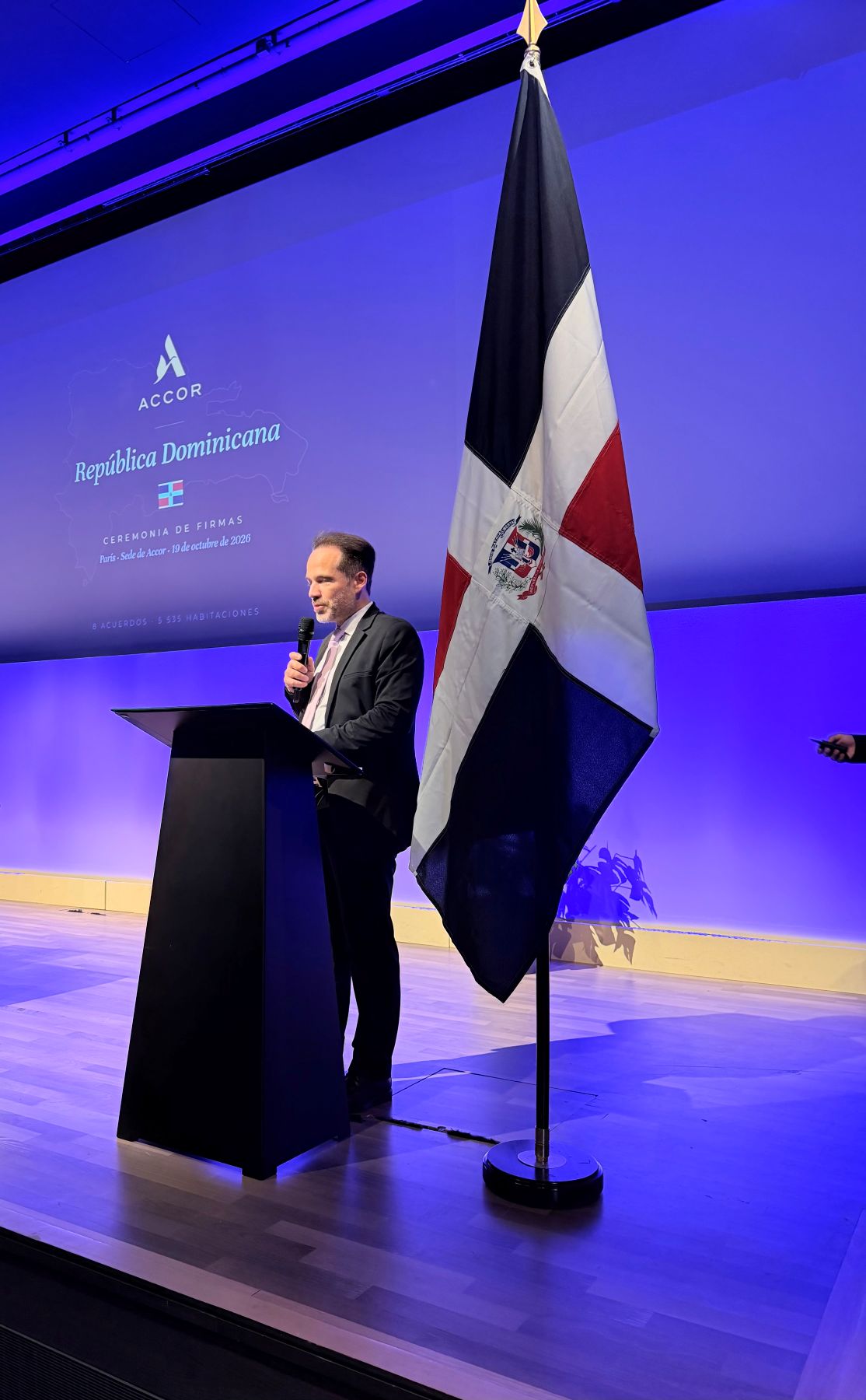

Fabrice Carré, le directeur général Stratégie d’Accor - Photo : CH

The Deputy Minister of Foreign Trade, Daniel Peña, in his remarks, stated: “I think what we celebrate today goes beyond a mere signature. It is a celebration of trust, which plays a crucial role in building shared value.

In the Dominican Republic, they say: ‘the good son returns home.’ That is why the Dominican government celebrates and thanks; I am profoundly proud to be here for this announcement of a brand so renowned, of such great prestige, which is once again joining the Dominican Republic, and, so to speak, its family.”


Fabrice Carré, the Chief Strategy Officer at Accor, also welcomes the announcement. “In hospitality, you must always have the right partner at the right time. It’s true, it took us some time, but we are moving forward with more than 5,000 rooms to be opened in the next five years, across a range of our brands. So yes, if we’re going to go for it, we’re going in very strong and across all segments.

We have 120 million members, and they will be very happy to have this destination offered to them.”


Finally, the Ambassador of the Dominican Republic, David Puig, also shared his satisfaction: “This is very big news for the Dominican Republic and for the relations between our two countries. An announcement that comes at a fitting moment during Dominican Republic Week in France.

We have excellent relations, with French companies present in many sectors – energy, transportation, and large-scale distribution – and the question has always been: why were French hospitality companies not more present?

We have numbers that speak for themselves and above all a government and a minister who take tourism very seriously and invest heavily in its growth.

Everything is in place for this major announcement to be a success with projects that will bring more rooms and a diversity of brands across different segments.

This is something the Dominican Republic needs. We want to grow and need hotels all over the country and for all budgets.

The challenge is also to stimulate domestic tourism. We talk a lot about foreign visitors, but we also need hotels for Dominican tourists.”

Dominican Republic: Sublime Samana Reopening October 8, 2026 After Renovation


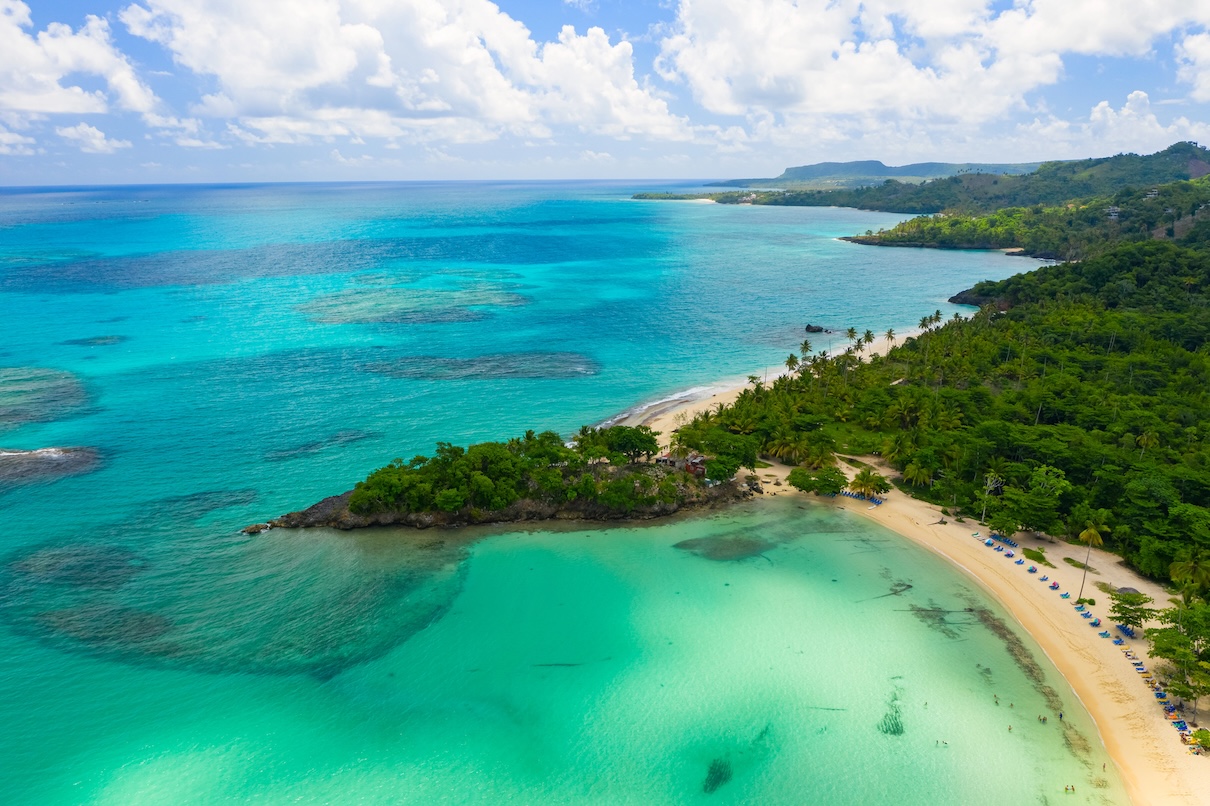
Le Sublime Samana Hotel & Residences, en République dominicaine, ferme temporairement ses portes - Depositphotos.com @Robertobintti70

CroisiEurope


The Sublime Samana Hotel & Residences 4*, a member of Small Luxury Hotels of the World, is evolving its offering as part of a renovation and enhancement program.

Located on the Samaná Peninsula in the Dominican Republic, the property with 40 suites and casitas will be closed from September 1 to October 7, 2026.

Its reopening is planned for October 8, 2026, with several novelties aimed notably at expanding its guest base.

Executive Chef Patricio Mardones, who has previously worked at Mandarin Oriental in Santiago, New York and Miami, will lead the kitchen at the property. He will be accompanied by Chef Luis Maier.

The two chefs will develop a cuisine built on the “producer-to-table” principle in the La Palapa and Le Bistro restaurants, relying in particular on local fishing and the hotel’s organic garden.


Sublime Samana: a new offering for families

The Sublime Samana also launches Nido Azul, a program for children inspired by the local ecosystem.

The program includes treasure hunts, nature-oriented activities, kayaking, paddleboarding, creative workshops, and cooking classes using local products. The hotel thus aims to strengthen its positioning in the family segment, in addition to its offering for groups.

The wellness offering will also be developed with the Coconut Whisper Spa, which provides treatments inspired by local traditions. Weeks dedicated to wellness and nutrition are also planned for 2027.

The destination also represents an experience axis with several activities accessible from the hotel, including humpback whale watching from mid-January to the end of March, exploring Los Haitises National Park, and the Salto del Limón waterfall.


Distribution through French tour operators

In France, the property is distributed by several tour operators, including Soléa, Alma Latina, Turquoise TO, Secrets de Voyages, Elux Travel, Makila Voyages, NG Travel Boomerang Directours, Ultra Marina, Spots Évasion, FRAM Signature and Privilèges Voyages.

This distribution enables travel agencies to offer the establishment to their clients through various marketing channels.


Amelia Brille Written by Amelia Brille TourMaG.com editor
See all articles by Amelia Brille

  • picto Linkedin
  • picto email
Add TourMaG to your Google News feed Google News icon  

Dominican Republic Improves Air Connectivity to Europe


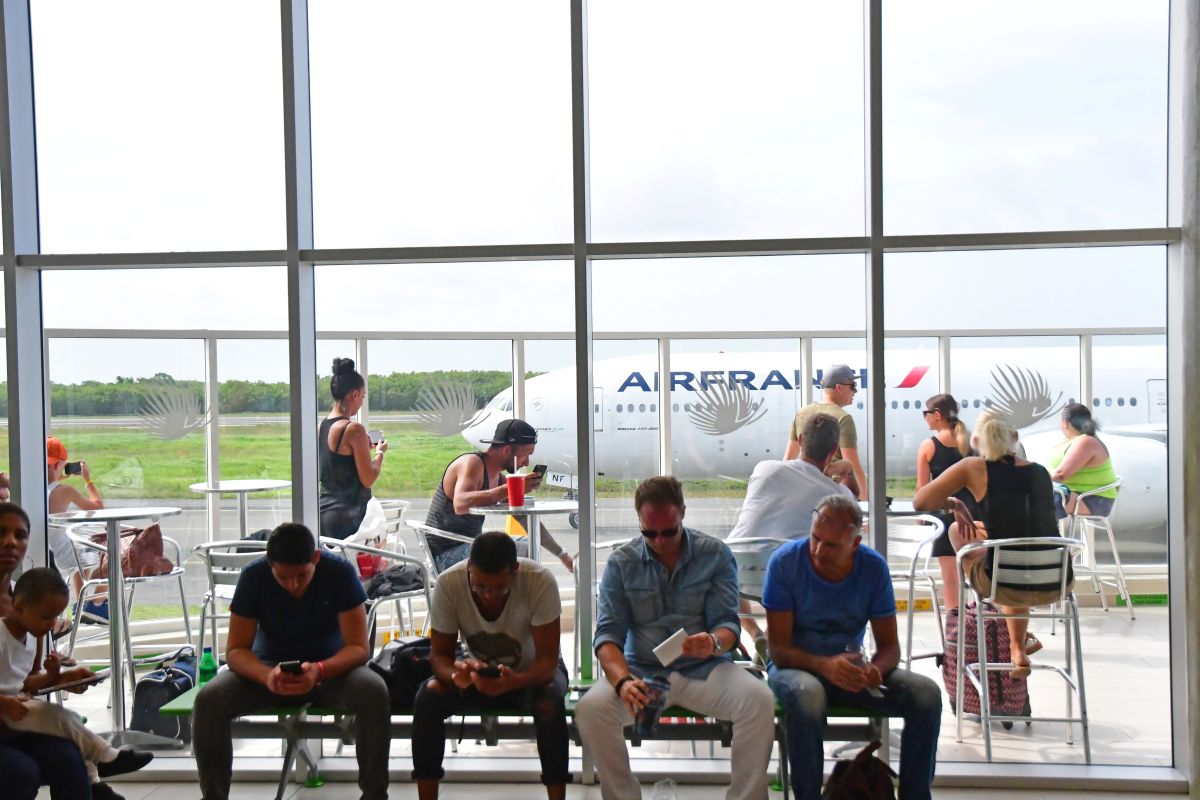
Un avion d'Air France à l'aéroport de Punta Cana.La compagnie fait son grand retour en République Dominicaine à partir du 30 novembre prochain. Credit : Depositphotos. Packshot

CroisiEurope


It wasn’t the country of honor this year, but it once again did honor to the IFTM fair with an impressive stand, a tangible sign of a substantial investment to win over an even wider audience of European travel professionals.

The Dominican Republic went all out. A multi-level stand, if you please, paired with the traditional gala dinner for tourism players in one of Paris’s most beautiful hotels.

It is David Collado, the Minister of Tourism himself, who, during this dinner, and as in previous years, hosted the evening with vibrant energy and the power of blue sea imagery and sunsets projected on a large screen and set to music.

The minister has finely honed his narrative of the country’s story, a tale somewhat romanticized, of this small nation that believed in its resources and gradually built a success, a solid tourism industry.

The images roll by, in pastel, faded tones of the first propeller-driven twin engine at Punta Cana airport, as well as a few small hotels, up to the large carriers arriving from around the world to let travelers enjoy the colorful landscapes and the most modern hotel infrastructures.

For several years, David Collado has ridden this flamboyant dynamic, this success of which he is one of the architects, turning him into a popular figure in his country and beyond.

The idea that, buoyed by this popularity, he could run in the next presidential elections in 2028 is increasingly taking shape.

When, in the course of a sentence in his speech during the dinner, he seemed to say that it was one of his final “performances,” some in the audience saw the beginning of a new adventure for this 50-year-old politician.


Dominican Republic: Air France Returns, ITA Arrives

For now, the minister and the Dominican tourism officials are campaigning to further strengthen the country’s positioning on the European market.

France, which remains among the top 10 source countries of visitors, plays a strategic role. In 2025, the Dominican Republic welcomed 132,747 foreign tourists residing in France.

In 2026, the market shows positive growth: from January to August, the country recorded 112,056 tourists from France, a rise of 14.3% compared with the same period in 2025, representing 14,039 additional visitors.

One of the main axes of the Dominican Republic’s participation in IFTM is the presentation of major innovations in air connectivity, which ease European travelers’ access to the country’s various destinations.

Air Caraïbes continues to strengthen its commitment by serving three Dominican airports: Punta Cana, Santo Domingo, and Samaná.

Added to this offering is Air France, which will reinforce the direct link between Paris-Charles de Gaulle and Punta Cana starting November 30, 2026, at a rate of three flights per week.

Air France’s return, confirmed last year at this same IFTM fair, is crucial for the country and resulted from intense negotiations between the French carrier, the Dominican government, and a private Dominican business conglomerate “ Grupo Puntacana S.A ”, represented by its CEO Frank Elias Rainieri.

Significant concessions on fuel prices were reportedly offered to enable this return, allowing an effective reconnection of the island with Northern European markets.

To the south, Italy will also reconnect, enabling another significant step forward in the diversification strategy and strengthening the destination’s connectivity with Europe.

ITA Airways will launch on November 30, 2026 its new direct Rome-Fiumicino–Santo Domingo route, marking the arrival of the Italian carrier in the Caribbean.

The service will begin with a weekly flight, then increase to two flights per week from mid-December. These connections represent a meaningful advance in the strategy to diversify and strengthen the destination’s connectivity with Europe.

“We are also well connected in Spain to Madrid thanks to Iberia and Air Europa as well as in Germany to Frankfurt with Condor,” explained Jennifer Elias Franjul, Director of International Marketing at the Ministry of Tourism, who was at the fair.


Unblocking and Decentralizing Tourism


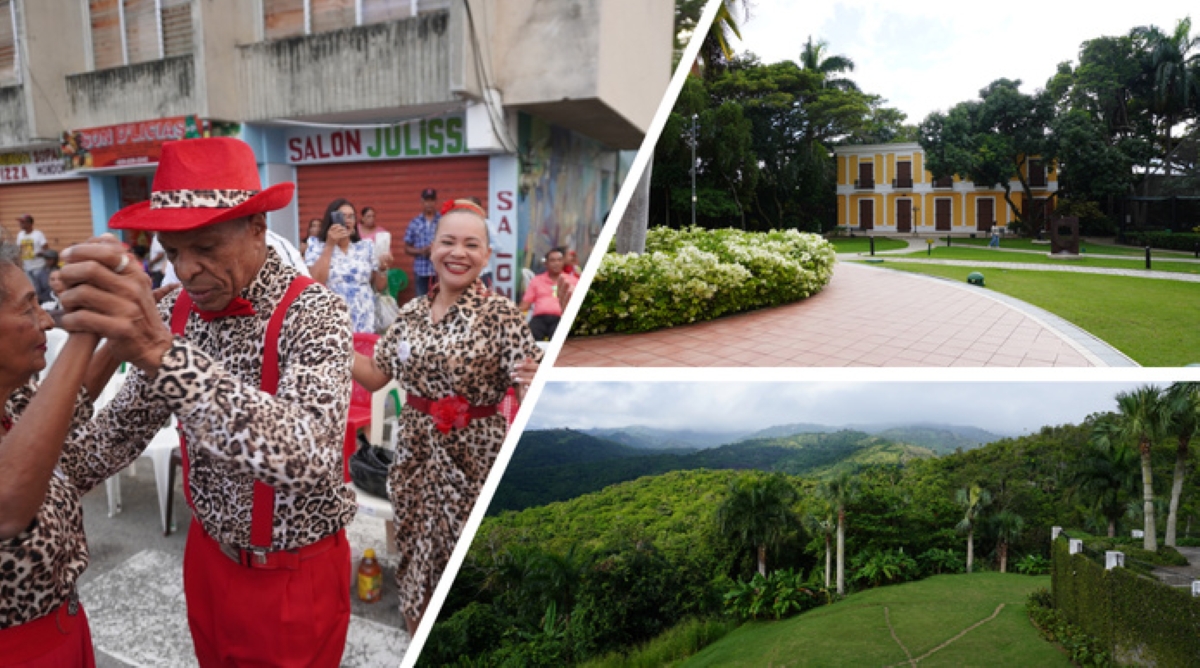
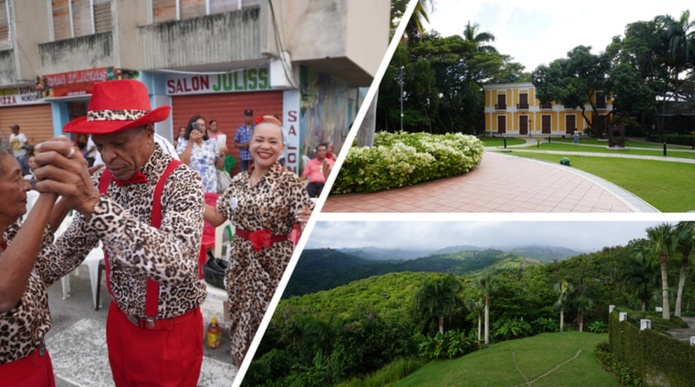
A Santiago de los Caballeros : la danse, le centre culturel León et les montagnes avoisinantes - Photo : C.Hardin

Beyond solid air connections, another challenge for “La Isla Bonita” is to diversify its tourism offerings and decentralize them.

Punta Cana, at the eastern tip of the Dominican Republic, initially powered the destination’s success and has become one of the world’s most powerful beach hubs, with its stunning beaches and large resorts.

“The goal now is to value other parts of the island and other forms of tourism,” explains Jennifer Elias Franjul.

By establishing a presence in Santo Domingo and on the northern coast in Samaná, Air Caraïbes promotes a tourism focused on culture, gastronomy, and nature, with unique experiences such as whale watching in Samaná Bay.

Air Europa, which launched in 2024 service from Madrid to Santiago de los Caballeros, the country’s second city, renowned for its cultural identity, local life, and, among other things, the remarkable León Cultural Center, the largest in the Dominican Republic.

From this charming city, one can then access the slopes of the island’s northern range of mountains with lush greenery, agricultural lands offering numerous ecotourism opportunities and outdoor activities, and on the sea side, magnificent beaches with colorful and authentic seaside towns.


Roads, Airports: Major Works

To facilitate travel and land connectivity, the government has launched a massive program to develop road networks.

Unblocking, for example, the Southwest to open up the long-isolated region is one of the national goals. Thus, at the island’s opposite end, the beautiful Cabo Rojo region is getting a port that, in time, could accommodate 1 million cruise passengers per year. Roads are being improved and by 2027 a brand-new airport is expected to rise in Oviedo, located 15 minutes from the port.

Another diversification project that Jennifer Elias Franjul presented: to valorize the Miches region on the eastern coast, north of Punta Cana, and close to the airport, facing Samaná Bay.

A zone with enormous natural potential, beaches, mountains, and lagoons. A strategic region that will undoubtedly benefit from the arrival of the Air France flight in November and where Dominican authorities are investing heavily.

In December, they invited the tourism journalists association to discover Miches.


Christophe Hardin Published by Christophe Hardin Journalist AirMaG – TourMaG.com
See all articles by Christophe Hardin

  • picto Twitter
  • picto Linkedin
  • picto email
Add TourMaG to your Google News feed Google Actualités icône

Dominican Republic with Air Europa: From Santo Domingo to Punta Cana – More Than Just the Caribbean


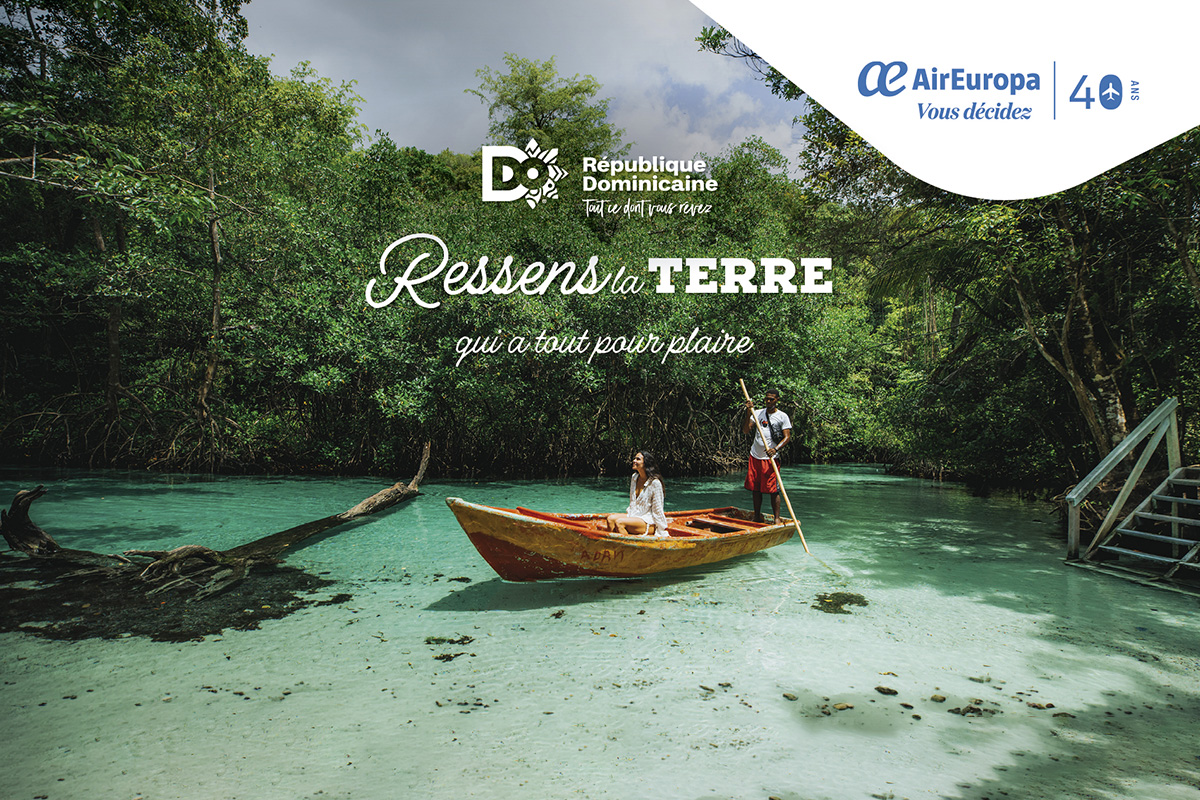
© Air Europa © OT République Dominicaine

Aer Lingus


Saint-Domingue, cinq siècles d’histoire face à la mer des Caraïbes

Avant les plages, il y a l’Histoire.

Fondée à la fin du XVe siècle sur les rives de la mer des Caraïbes, Saint-Domingue est la plus ancienne capitale européenne permanente des Amériques. Son cœur historique, la Ciudad Colonial, classée au patrimoine mondial de l’UNESCO, raconte encore aujourd’hui les premières pages de la présence espagnole sur le continent américain.

Dans ses rues pavées se succèdent demeures coloniales, patios ombragés et monuments emblématiques. La Calle Las Damas conduit vers l’Alcázar de Colón, tandis que la Catedral Primada de América rappelle le rôle historique majeur joué par la ville dans le Nouveau Monde.

Mais Saint-Domingue ne se résume pas à son passé. Le long du Malecón, face à la mer des Caraïbes, restaurants, terrasses et lieux de vie dessinent le visage d’une capitale contemporaine, vivante et profondément caribéenne.

Saint-Domingue est ainsi bien davantage qu’une porte d’entrée : c’est une destination à part entière et une formidable introduction à l’identité dominicaine.


Punta Cana, quand le bleu des Caraïbes devient horizon

À l’est du pays, changement de décor.

Ici, le bleu semble décliner toutes ses nuances. Punta Cana et Bávaro déroulent des kilomètres de plages bordées de cocotiers, entre mer des Caraïbes et océan Atlantique.

La région est devenue l’une des grandes destinations balnéaires internationales grâce à une offre hôtelière particulièrement développée : resorts, golf, spas, activités nautiques et excursions permettent d’imaginer aussi bien un séjour entièrement consacré au repos qu’un voyage beaucoup plus actif.

Mais Punta Cana ne s’arrête pas aux portes de ses hôtels.

Une excursion vers l’intérieur des terres, la découverte des villages dominicains ou une journée en mer permettent rapidement de changer de perspective. Plus au sud, l’île de Saona, intégrée au parc national de Cotubanamá, offre l’une des images les plus emblématiques du pays : plages immaculées, eaux translucides et végétation tropicale.

Punta Cana incarne la République dominicaine rêvée, celle où les Caraïbes semblent avoir été dessinées pour les vacances.


Santiago de los Caballeros, la République dominicaine côté confidentiel

Et si le luxe était aussi de découvrir une République dominicaine que l’on n’attend pas ?

Au cœur de la vallée du Cibao, Santiago de los Caballeros ouvre les portes d’une région encore largement méconnue des voyageurs européens. Loin des grands complexes balnéaires de l’est, le décor change : montagnes verdoyantes, plantations, petites villes et adresses de charme composent une République dominicaine plus intime.

Deuxième grande ville du pays, Santiago est profondément liée à l’histoire économique et culturelle dominicaine. Le tabac et la tradition du cigare y occupent une place particulière, tout comme le café, le cacao et le rhum dans l’ensemble de la région.

C’est aussi un territoire qui se prête à une autre façon de voyager.

Boutique-hôtels, petites structures de caractère, anciennes demeures et hébergements intégrés à la nature permettent d’imaginer des séjours plus personnalisés, loin de l’image traditionnelle du grand resort caribéen.

Et Santiago possède un autre atout : sa situation privilégiée pour partir à la découverte du nord de la République dominicaine.

En poursuivant vers la côte Atlantique, le voyage conduit notamment vers Puerto Plata, dominée par le mont Isabel de Torres. Centre historique aux maisons victoriennes, Malecón ouvert sur l’océan, plages de la côte nord et nombreuses activités de plein air offrent encore un autre visage du pays.

Plus largement, toute cette façade nord permet d’associer montagnes, culture dominicaine, hébergements de charme et plaisirs balnéaires au cours d’un même voyage.

Avec Santiago comme porte d’entrée, la République dominicaine change ainsi de rythme.

Plus confidentielle, plus itinérante et parfois plus exclusive, elle devient une destination à explorer autant qu’un lieu où séjourner.


Bachata, cacao et saveurs créoles : la République dominicaine se vit aussi de l’intérieur

Pour véritablement découvrir le pays, il faut également prendre le temps de rencontrer ceux qui le font vivre.

Dans les villes et les villages, sur les marchés ou au détour d’une terrasse, la République dominicaine révèle une identité forgée par plusieurs siècles de métissages et d’influences.

La musique en est probablement l’expression la plus universelle. Merengue et bachata, nés sur l’île, accompagnent la vie quotidienne et ont depuis longtemps franchi les frontières dominicaines.

La découverte passe aussi par les saveurs.

Plantain, riz, haricots, poissons, fruits tropicaux et produits locaux composent une cuisine généreuse. Le cacao et le café rappellent également la richesse agricole de l’intérieur du pays, tandis que le rhum demeure indissociable de l’imaginaire caribéen.

De Saint-Domingue aux terres du Cibao, voyager en République dominicaine, c’est aussi prendre le temps de découvrir un art de vivre qui fait pleinement partie du voyage.


Avec Air Europa, trois portes d’entrée et trois façons de vivre la République dominicaine

Santo Domingo, Punta Cana et Santiago de los Caballeros : Air Europa dessert trois destinations complémentaires en République dominicaine via son hub de Madrid.

Trois aéroports, mais surtout trois façons très différentes d’aborder la destination.

Santo Domingo (SDQ) pour l’histoire, la culture, la capitale et le sud du pays.

Punta Cana (PUJ) pour les grandes plages, les resorts et l’univers balnéaire qui a fait la renommée internationale de la destination.

Et Santiago de los Caballeros (STI) pour sortir des sentiers battus : découvrir le Cibao, ses paysages, ses traditions et ses hébergements de caractère, avant de poursuivre vers Puerto Plata et la côte Atlantique.

Cette complémentarité ouvre également la voie à des itinéraires plus originaux, combinant plusieurs régions et plusieurs expériences au cours d’un même voyage.

Car derrière l’image universelle de ses plages, la République dominicaine possède plusieurs visages.

Avec Air Europa, trois portes d’entrée pour découvrir trois visages de la République dominicaine… et inventer son propre voyage.


INFOS PRATIQUES…


Contacter Air Europa


La République dominicaine avec Air Europa : de Saint-Domingue à Punta Cana - bien plus que les Caraïbes !
Helpdesk :

+33 (0) 142650800

Réservations Email :

Email: [email protected]

Service commercial :

Email : [email protected]

Service groupe :

Email : [email protected]

Réservations :

58-A Rue du Dessous des Berges

Heures d’ouverture réservations

9h00/17h00

Site web :

www.aireuropa.com