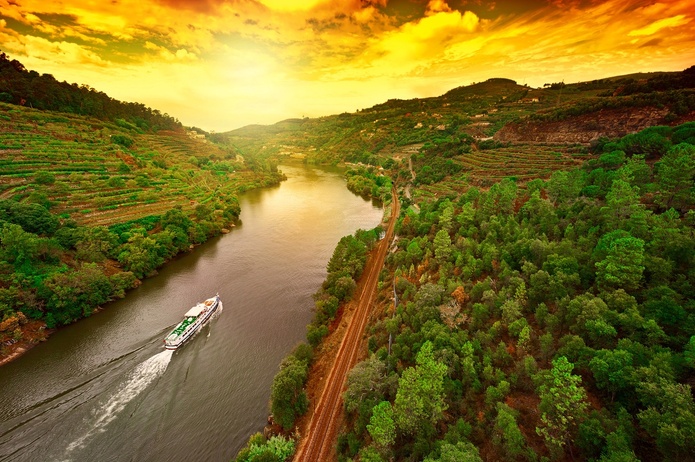


If a cruise immediately evokes the sea, the world’s rivers are not to be overlooked, notes the Cruise Lines International Association (CLIA) in a recent release.
In 2027, 21 new ships are slated to enter service, notably on the Rhine, the Danube, the Douro, the Seine, the Mekong, the Amazon, as well as in North America.
“Among the additions planned for 2027 are AmaWaterways’ three ships – the AmaRudi, the AmaFiora and the AmaMaya – while Celebrity Cruises will introduce the Celebrity Compass and the Celebrity Seeker, thereby marking its entry into this market“, states the CLIA in a press release.
De son côté, Emerald Cruises ajoutera l’Emerald Lumi sur la Seine et l’Emerald Nova sur le Douro, tandis qu’Uniworld lancera le S.S. Audrey, le S.S. Marlene et le S.S. São Rafael.
D’autres navires viendront également enrichir l’offre :
– l’AMADEUS Mira d’Amadeus River Cruises,
– le RV Brasilian Dream de CroisiEurope,
– le Century Diamond de Century Cruises,
– le Riviera Reflection et le Riviera Alba de Riviera Travel,
– le Spirit of the Lorelei de Saga,
– le Scenic Aria de Scenic,
– le TUI Luzia de TUI River Cruises
– le VIVA UNIQUE de VIVA Cruises.
À cette liste, s’ajouteront les nouveaux navires de la compagnie American Cruise Lines.
“Encore plus d’opportunités pour les agents de voyages”
For Andy Harmer, the CLIA’s chief executive for the United Kingdom and Ireland, “River cruises continue to offer a wide range of choices, and the investments we are seeing for 2027 testify to the incredible diversity of the sector. […] For travel agents, this means even more opportunities to offer their clients the river cruise that best suits them“, he added.
To support this trend, CLIA is expanding training and exchange opportunities dedicated to river cruising.
In October, it organized in Manchester the “River Cruise Forum”, bringing together travel agents, river cruise operators and industry partners for a full day dedicated to working sessions, networking and product training.
From March 5 to 8, 2027, the association will also host a conference called “RiverView”, whose seats were fully booked shortly after registrations opened in September.
“Participants will take part in a two-night cruise from Budapest to Vienna, with a stop in Bratislava. The stay will continue with an extra night in Vienna, where working sessions and guided ship tours will take place“, states the CLIA.
Find our feature on river cruises by clicking here.
What trends for river cruises?
In a press release, CLIA highlights several trends—emerging and established—for river cruising:
– an increasing demand for far-off destinations : travelers no longer limit themselves to traditional European rivers; they are now exploring destinations in Asia and South America, seeking immersive cultural experiences and the serenity that comes with traveling with a reputable operator.
– a demand for shorter cruises : itineraries of three, four or five nights offer an alternative to traditional urban stays. They attract travelers who wish to explore multiple destinations without taking a full week off.
– an appeal for immersive journeys : passengers seek experiences that go beyond standard sightseeing, prioritizing local culture, cuisine, traditions and opportunities to interact with local communities.
– more off-season travel : interest in departures in the off-season or winter continues to grow. Travelers are drawn to quieter destinations, fewer crowds, and the possibility of discovering European waterways at different times of the year.
– a surge in solo river cruises : demand from solo travelers is rising, aided by the sociable nature of river cruises, the smaller size of ships, included excursions, and a broader range of departures and accommodations specifically designed for solo travelers.
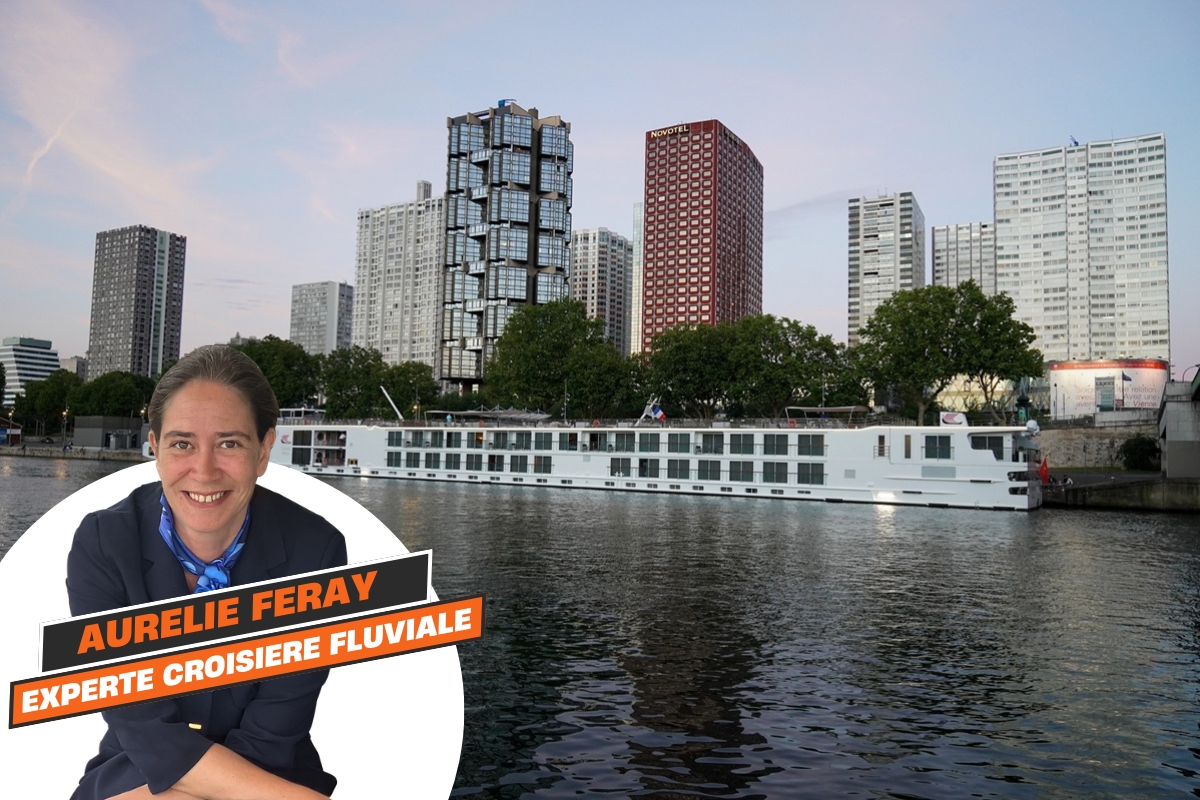

 I had the chance to lead a stopover that was the first in France to be equipped with electric charging stations allowing boats to cut their engines during their mooring.