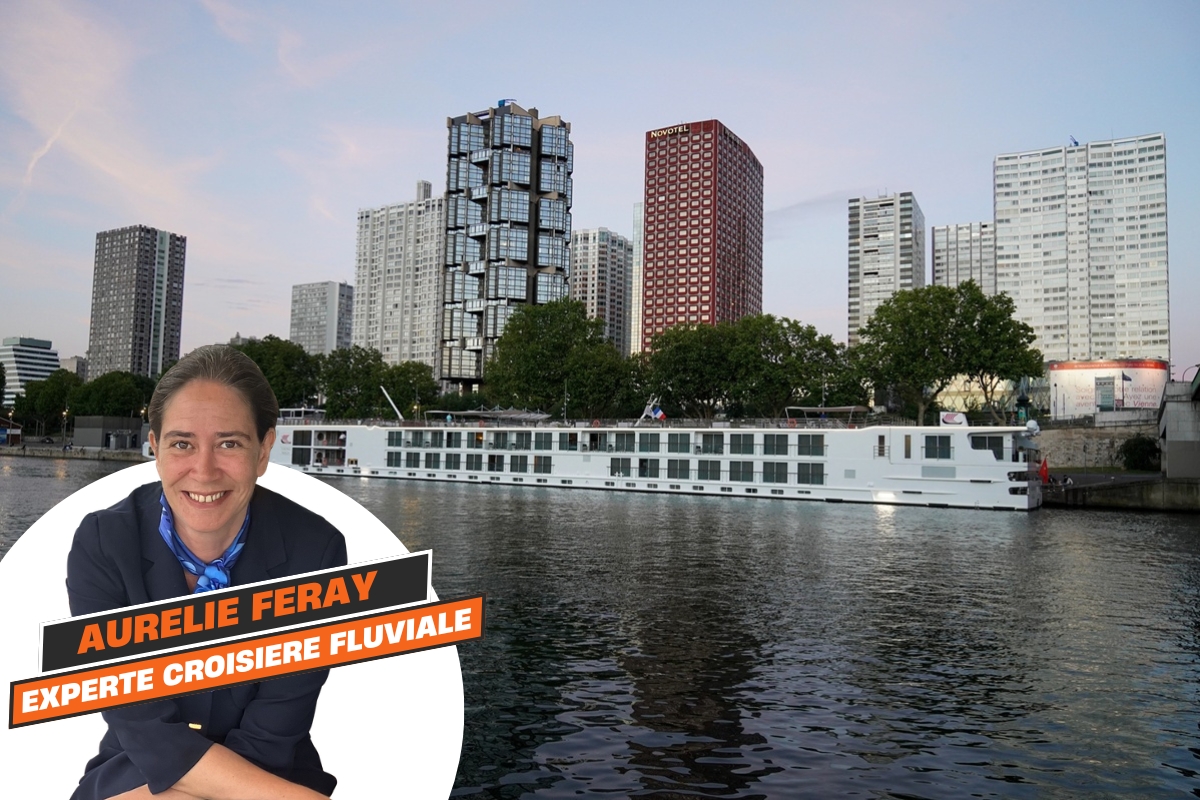
Will River Cruising Be Greener If Ports of Call Provide the Means?


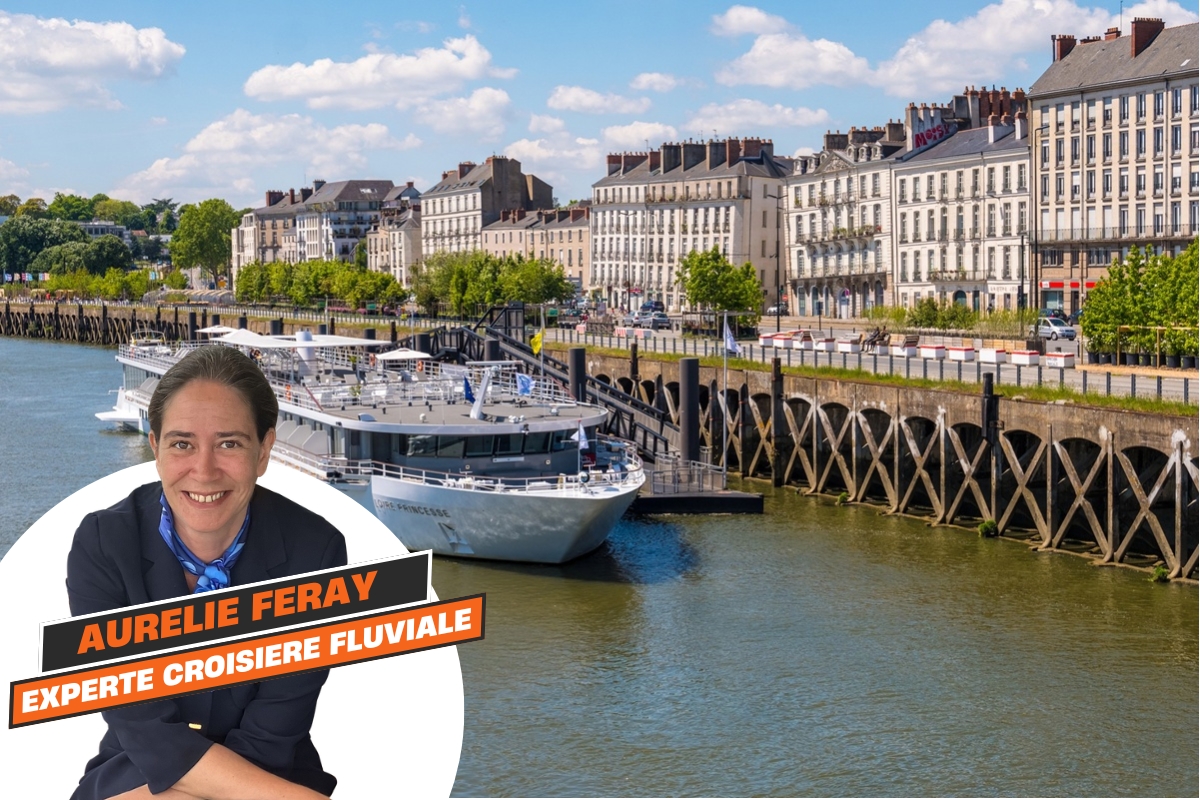
Et si la prochaine révolution environnementale du tourisme fluvial ne se jouait pas uniquement sur l'eau… mais aussi sur les quais ? - DepositPhotos.com, zhukovsky

MSC Croisières


« Ships pollute. » How many times have I heard this remark at the edge of a quay or during a meeting with elected representatives?

Environmental issues are now at the heart of all reflections, and river tourism is no exception to this rule.

Companies are investing in more efficient ships, working on new propulsion systems, reducing their consumption, improving the management of water and waste. This is an indispensable evolution.

But over my years spent alongside companies, crews and territories, I have gained a conviction: the environmental transition of river tourism is not only played out aboard ships. It also happens… on the quays.

And before asking companies to go further, we must first ask whether the stopovers truly give them the means to do so.

Also read: River tourism: a good stopover is when everything flows smoothly


Cutting the engines… but you also need to be able to plug in

I had the chance to lead a stopover that was the first in France to be equipped with electric charging stations allowing boats to cut their engines during their mooring.

I remember that at first, some crew members welcomed this novelty with measured enthusiasm. It required pulling heavy cables, transporting them, and connecting them… It demanded a little more time and new habits.

Then things evolved.

The crews quickly realized the benefits. Passengers enjoyed a quieter environment. The local residents appreciated the disappearance of engine noise. Everyone’s comfort improved.

As is often the case, it simply required a bit of pedagogy and an adaptation period.

This experience taught me one key lesson: you can ask boats to cut their engines, but if there is no electric outlet, what alternative can you offer them?

Ecology cannot rely solely on obligations. It also requires proper infrastructures.


Passenger waste: is the problem really the bin… or its size?

One day, an elected official shared his irritation with me. Passengers returned from their excursions and quickly filled the small bins placed near the quay, and municipal services had to intervene more often.

His remark was understandable. But another question deserves to be asked: were these facilities sized to accommodate several hundred visitors arriving at once?

Travelers who use a bin are not committing an incivility. On the contrary, they are adopting the behavior we expect of them.

The real issue may lie elsewhere.

A cruise stopover does not generate the same needs as daily attendance. Planning larger containers, temporarily boosting collections, or installing additional drop-off points during the season is often a far more effective response than blaming visitors… for using the bins provided to them.


Waste at the edge: a reality we know little about

A boat is not merely a means of transport; it is also a hotel, a restaurant and a living space.

Dozens of people work there and sometimes several hundred travelers stay aboard. Waste is therefore inevitable.

Yet storage capacities remain limited and health constraints are significant.

Especially during the summer period, some waste cannot be kept for long without causing nuisances. It happens that the crews use the stopovers to deposit glass in the town’s sorting columns.

Some see this as a problem. I see more of a question of organization.

Why not imagine a genuine collection service dedicated to boats?

Like water, electricity or other port services, this collection could be organized by the community or a contractor and billed to the companies.

Everyone would benefit: the crews would have a clear solution, the municipality would master the organization, and the waste would be collected in proper conditions.


Buses also have their constraints


Understand before judging

In the end, everyone is already making efforts. Companies invest. Crews adapt their practices. Local authorities look for solutions. Territories develop gentler mobility.

But we sometimes tend to analyze each difficulty in isolation.

Sustainable development rests above all on a global vision: understanding the constraints of the shore, understanding those of the territories, then building together appropriate responses.

We often speak of the transition of ships. It is essential. But perhaps it is time to also talk about the transition of stopovers?

For a vessel does not become more sustainable solely thanks to the technologies it carries. It becomes so also thanks to the infrastructures, services and organization it finds when it docks.


A genuinely shared responsibility

It is not about opposing companies to communities, nor about designating a single responsible party.

The environmental transition of river tourism is a collective responsibility.

Companies must continue their investments, territories must adapt their equipment, stopover managers must anticipate needs, ports, service providers and communities must work together.

It is precisely this cooperation that will bring forth concrete solutions. For sustainable development is not decreed: it is organized. It is built thanks to the innovations of the companies, but also thanks to the engagement of the territories that host them.

Ultimately, a sustainable stopover is not merely a port where a boat consumes less; it is a stopover that gives all actors the means to act.

And if the next environmental revolution of river tourism did not play out solely on the water… but also on the quays?

Also read: Our special dossier dedicated to river cruising


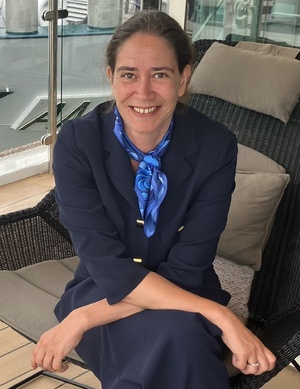
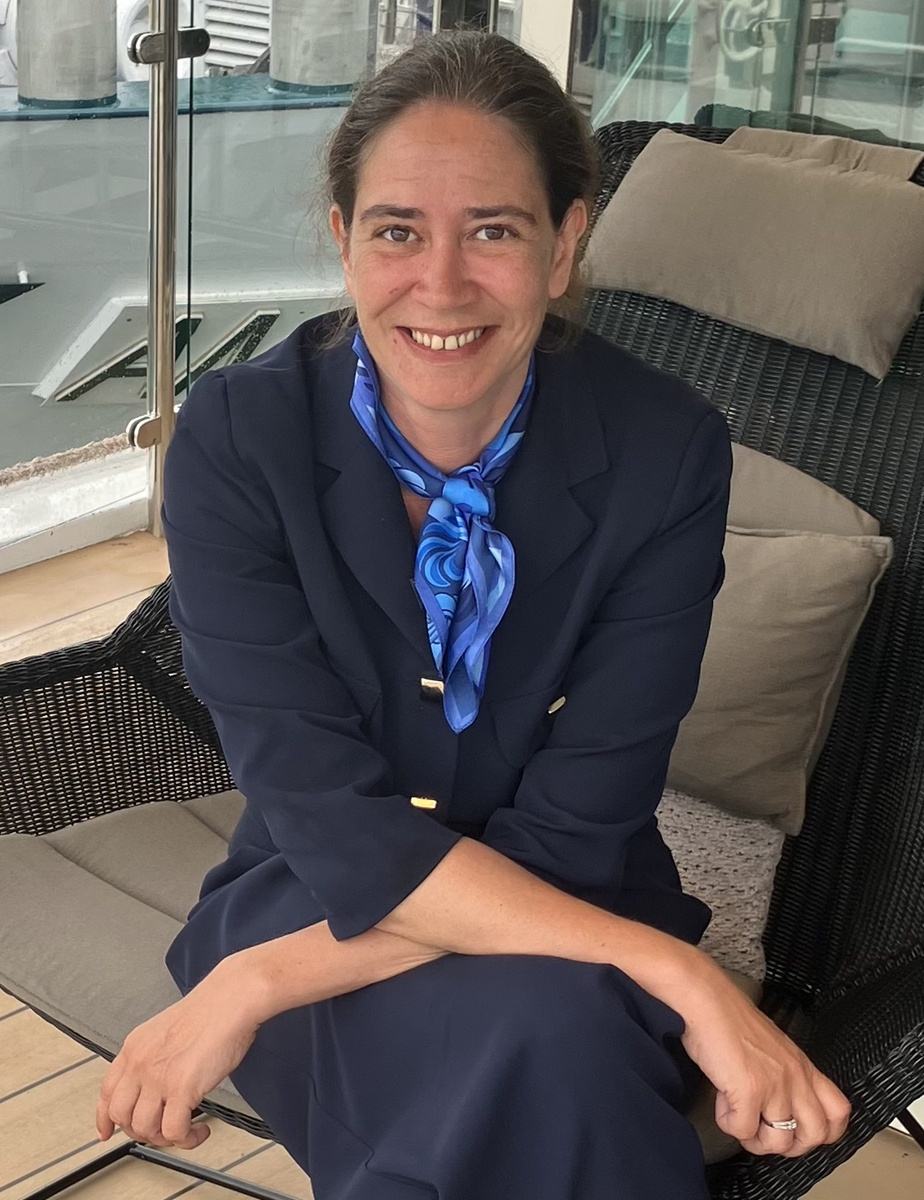
A propos d’Aurélie Feray
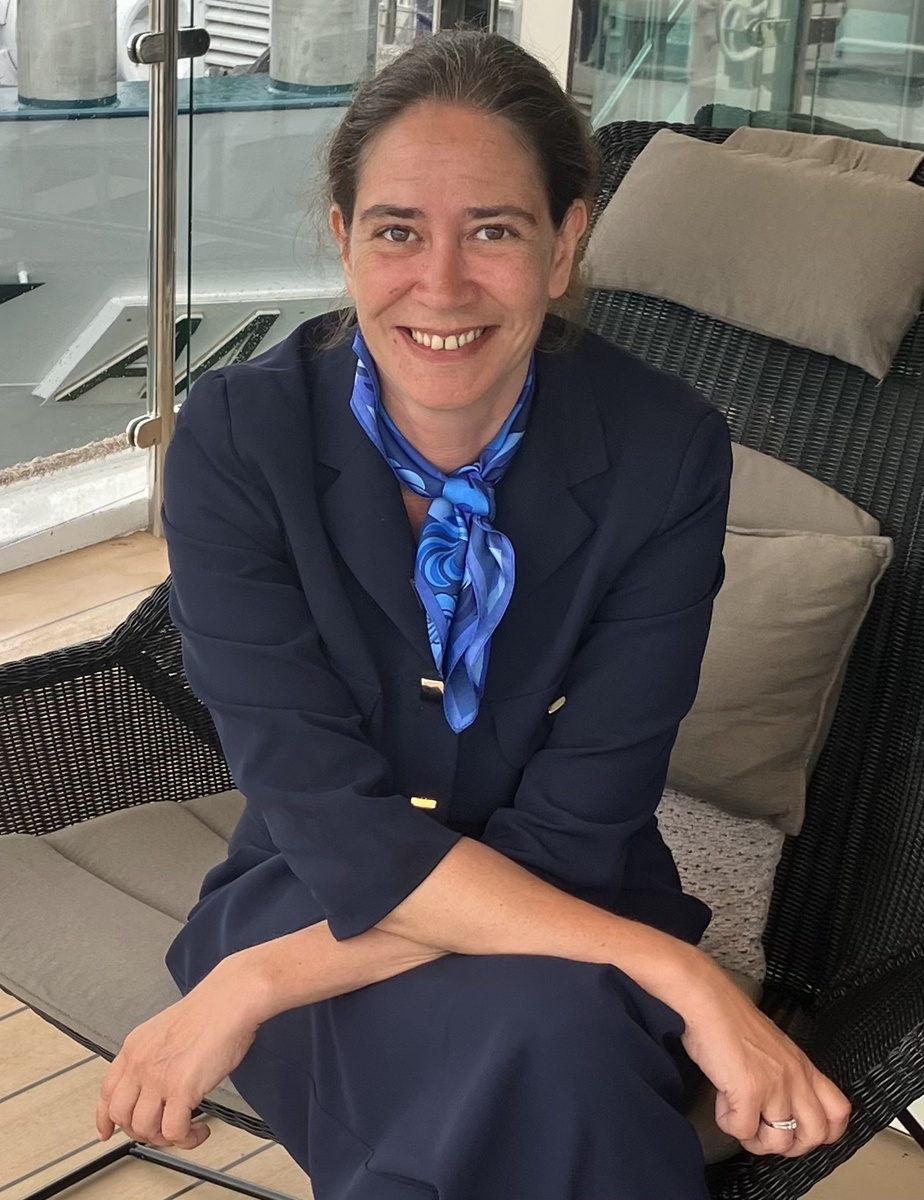

Aurélie Feray - Photo : AF Fluvial Conseil

Founder of AF Fluvial Conseil, Aurélie Feray accompanies territories and stakeholders in river tourism on issues of stopovers, passenger experience and tourism development.

Through her columns, she shares a ground-level view of the behind-the-scenes of river tourism, how stopovers operate and the links between boats, crews, destinations and travelers.

Contact : [email protected]

How River Cruises Adapt to Dry Rivers


Le Danube est tombé cet été à son plus bas niveau jamais enregistré - DepositPhotos.com, Mario Kprn

Hurtigruten


The drought affecting parts of Europe has seriously complicated this summer’s river tourism season.

From the Danube to the Rhine, via the Main and several French canals, low water levels are making certain stretches difficult, even impossible, to navigate.

Nevertheless, cruise operators are avoiding cancellations as much as possible. They have developed a whole range of solutions: changing boats, reversing itineraries, relocating port calls, overnight stays in hotels, or coach transfers.

An adaptability that allows departures to be saved, but which can also significantly alter the trip purchased by the client.


VNF : the small-draft network far more affected

In France, Voies navigables de France (VNF) wants to avoid generalizations.

In a note published on August 13, the institution notes that 97.5% of the large-draft network remains operational despite the drought.

The situation is markedly different on the small-draft network, particularly important for river tourism : only 71.5% of the network remains operational.

This difference directly concerns pleasure boating, the rental of boats without a license, or some houseboats-hotels.

The situation deteriorated over the summer. By August 15, the reservoir-dams monitored by VNF displayed an average fill rate of 35%, versus 42% at the start of the month and 58% on average over the last ten years on the same date.

The Canal de Bourgogne and the Canal latéral à la Loire were notably closed to navigation as part of restrictions affecting North-South connections. Other incidents were reported on the canal between Champagne and Bourgogne, the Yonne, the Seille or the Ardennes Canal.

Asked, Riverly told us they do not wish to speak on this subject.


The “ship swap” technique

The French difficulties are part of a much broader phenomenon.

AmaWaterways describes a summer “exceptionally dry” in Europe. According to the company, the Danube in Romania fell to its lowest level in around thirty years, while the Rhine, the Main and the upper Danube are operating below seasonal levels.

When certain thresholds are crossed, ships can no longer navigate safely.

Viking has also confirmed exceptionally low levels on parts of the Rhine and Danube and warned that several of its itineraries may be modified.

To avoid cancellations, operators have developed a now well-honed technique: the “ship swap”.

AmaWaterways positions two ships on the same river, on opposite sides of the now-inaccessible sector. During a land excursion, passengers move from one vessel to the other. On arrival, their luggage awaits them in a corresponding cabin. The impassable stretch is thus bypassed without interrupting the voyage.

Viking applies a comparable strategy thanks to identical sister ships navigating in opposite directions. Passengers can switch ships while retaining the same cabin category on the other side of the affected zone.

This arrangement, however, requires a sufficiently large fleet and ships positioned in the right place.


AmaWaterways claims zero cancellations

When changing ships isn’t enough, operators go further.

AmaWaterways explains it can reverse the direction of a cruise, add a night in a city, arrange a coach journey to an inaccessible port of call, or even rebuild the itinerary entirely.

The company thus claims to have not cancelled any departure this summer due to the low water levels.

Rather than dropping a trip when the river becomes impracticable, the aim is to preserve as much of the touring program around the navigation as possible, even if it means completing part of the journey by road.


When the cruise continues on the road

In Budapest, some boats had to stop at Komárom, about 120 kilometers from the Hungarian capital, forcing their passengers to continue by road.

In Bulgaria, near Vidin, 186 tourists had to be evacuated from a vessel that had run aground.

In Spain, El País reported the case of 120 travelers who set out on a Danube cruise. Facing navigation difficulties, a large portion of the itinerary had to be completed by road. The passengers estimated they would cover nearly 1,500 kilometers by coach.


CruiseMAP: The Interactive Map for River Cruises


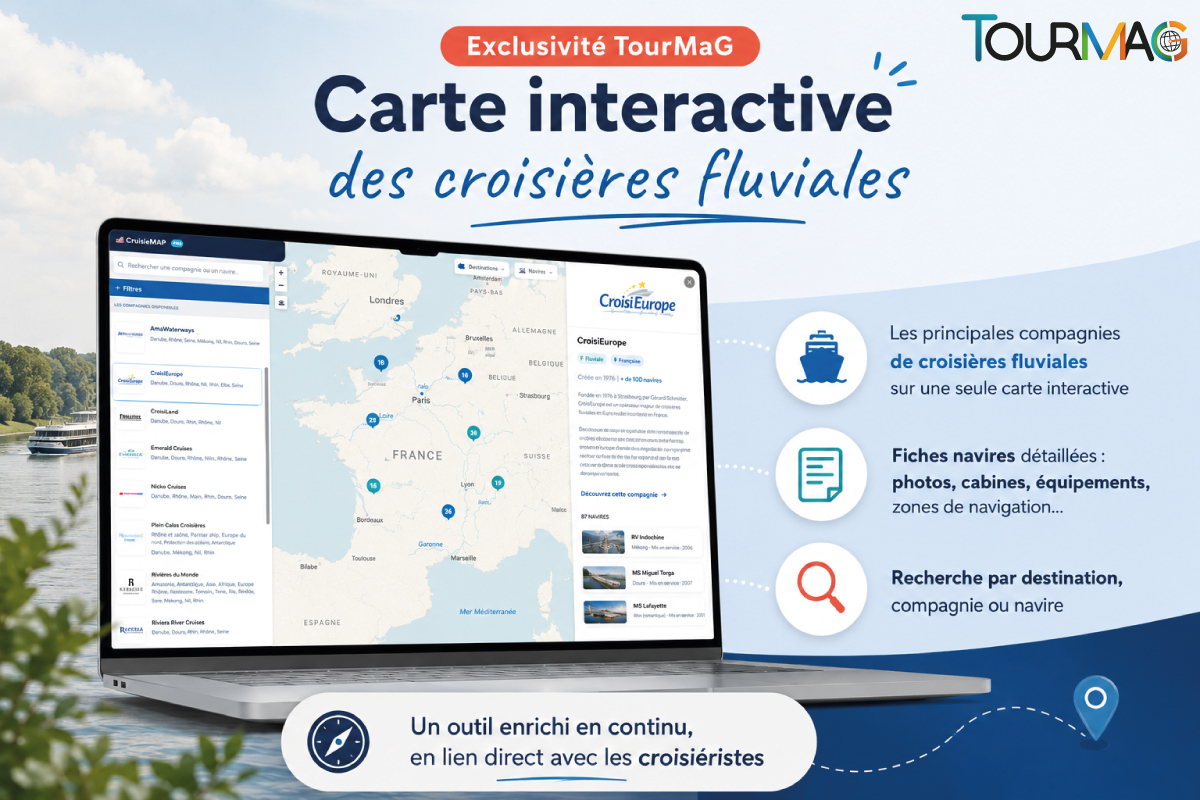
18 cruise companies, more than 300 ships and 29 rivers

Thinking to complement our feature on River Cruising, launched in mid-June, CruiseMAP now references 18 river cruise companies and more than 300 ships, spread across 29 rivers and waterways around the world: Rhine, Danube, Seine, Rhône, Douro, Nile, Mekong, Mississippi, Garonne, Loire, Volga, Amazon and many others.

For each company, the tool provides access to a detailed profile presenting its full fleet.

For each vessel, a technical data sheet gathers all essential information: passenger capacity, number of cabins, year of service, length, crew, as well as a description of the ship and its navigation zones.

When available, the profiles are enriched with photo galleries (exterior views, cabins, public spaces) and deck plans.


Filters to Find the Right Vessel

The tool offers an advanced filtering system to refine the search: river, range (from Economy to Ultra-luxury), onboard amenities (spa, pool, restaurant, fitness, jacuzzi, wifi, etc.).

A search engine also lets you instantly locate a company or vessel by name.


A Living Tool, Continuously Enhanced

CruiseMAP is continually expanding: new companies referenced, ship profiles updated, photos added.

The objective is to build the French-speaking reference database on river cruising, serving tourism professionals.


River Cruises: Exceptional Journeys with Music at the Heart of the Journey


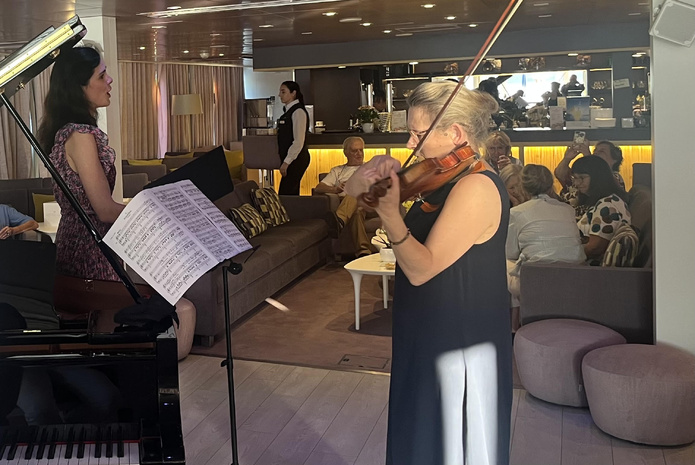
La violoniste Sophie Lemonnier-Wallez assure la direction artistique des croisières musicales de Voyages d'Exception depuis presque dix ans @LG

CroisiEurope


Since 2017, Voyages d’Exception has been developing a distinctive offering on European rivers: cruises where music is not merely a soul-soothing addition, but the guiding thread of the journey.

The idea came from Lionel Rabiet, founder of the tour operator. «At the time, musical cruises were mainly designed for the sea. He quickly perceived the potential of river cruising», explains Mathieu Ramus, Voyages d’Exception’s marketing director.

This potential first lies in geography. The Danube, the Rhine, the Moselle, or the Rhône cross cities and regions where a portion of European musical history has been written.

« Performing a work as close as possible to the region where it originated gives it a particular resonance. The river was not a backdrop, but a thread », he continues.


A Renowned Violinist as Conductor


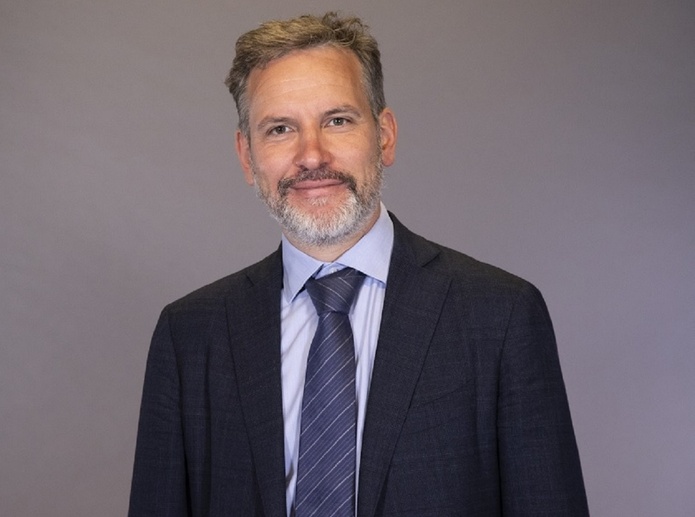
« Jouer une œuvre au plus près de la région qui l’a vue naître lui donne une résonance particulière. Le fleuve n’était pas un décor, mais un fil » explique Lionel Rabiet - Photo Voyages d'Exception

To give substance to this ambition, Voyages d’Exception has relied for nearly ten years on Sophie Lemonnier-Wallez, a violinist and the artistic director of these programs.

Her role is central: she designs the line-ups, brings together the artists, imagines the ensembles and selects concert venues, from Baroque churches to historic theatres.

On board, the size of riverboats also enables an unusually close proximity between passengers and performers. Travelers attend concerts, and sometimes even rehearsals. They interact with the musicians, discover the works through talks, and extend the experience during stops.


Tested and Approved by TourMag

TourMaG had the opportunity to observe this in June 2025, aboard CroisiEurope’s Douce France, chartered by Voyages d’Exception on the Danube.

From Vienna to Budapest, via Bratislava, the concerts by pianist Paul Beynet, mezzo-soprano Maria Mirante, and Sophie Lemonnier-Wallez offered a different perspective on the regions traversed.

Among the highlights: a concert in the Baroque church of Dürnstein, or a recital in Franz Liszt’s apartment in Budapest.

“The river offers above all what no other format truly allows: a slow pace that gives time to listening, and a human scale. Our ships host about a hundred travelers, recreating the conditions of a chamber music salon.”, sums up Mathieu Ramus.

The product naturally attracts seasoned music lovers, but not only. Voyages d’Exception also appeals to curious travelers who are sensitive to music without being specialists. The Francophone guidance, talks and contextualization of the works help make the program accessible. “You don’t need to be a connoisseur to enjoy them.”, insists Mathieu Ramus.


An Ambitious 2027 Season

In 2027, Voyages d’Exception unveils its most ambitious musical program to date, featuring five river cruises, including three new ones: Symphonies Along the Flanders and the Netherlands in June, The Danube Musical: from Budapest to the Black Sea, also in June, and Cruise Art & Music on the Rhône from Lyon to Arles in October.

The season will also include two engagements already identified by the tour operator’s clientele: Romantic Rhine Cruise with Franck Ferrand in September, and a Musical New Year’s Eve on the Seine in December.

Across all departures, Voyages d’Exception keeps the same signature: programs crafted specifically for each voyage, blending seasoned soloists and rising talents, under the artistic direction of Sophie Lemonnier-Wallez.

The musical cruise also helps to build a loyal following among discerning, cultured travelers, often seniors, but not closed to first-time cruisers. For river travel has another advantage: it provides reassurance. No rolling seas, no overnight at sea, stops in the heart of cities, and a gentler pace. For a traveler drawn to music but still hesitant about the cruise world, this is an ideal entry.


River Port Operations Manager: The Hidden Job That Makes All the Difference


Un responsable d'escale n'est pas là pour accueillir un bateau, il est là pour préparer son arrivée - DepositPhotos.com, kateafter

CroisiEurope


I didn’t wear the stripes, but I was in charge of my destination. For nearly twenty years, that sentence summed up my daily life as a port-of-call manager.

Over the seasons, some captains even greeted me with a smile: “The Pitbull of Caudebec has arrived!”

A nickname given with much affection, because they knew that, if I could help them, I would always do so. But they also knew that when it was time to remind a safety rule, enforce a procedure or settle a delicate situation, I would not yield.

At the time, this sometimes led to some lively discussions. Today, when I meet some of these captains, they tell me again about those little frictions, laughing. It just shows that they mostly gave way to a genuine relationship of trust.

I wasn’t a captain. I wore no insignia. Yet I was responsible for everything that awaited the ship on land. And that is perhaps the most beautiful definition of the job of a port-of-call manager.


A profession that goes unnoticed… until it does not exist

Contrary to common belief, a port-of-call manager isn’t there to greet a ship. They are there to prepare its arrival.

Well before the vessel docks, they coordinate local stakeholders, anticipate difficulties, share useful information and ensure that everyone has the elements they need to work calmly.

The captain is responsible for his ship, his crew, his passengers and on-board safety.

The port-of-call manager is responsible for onshore reception conditions.

Two different responsibilities, one common goal: to offer a smooth, safe and enjoyable call. And above all, to entice companies to come back!


Anticipate rather than repair

We often imagine that our job consists of solving problems. In reality, our greatest achievement is precisely preventing them.

I recall the commissioning of a new pontoon. The first vessel was due to arrive around four in the morning. I was on the quay. The Seine pilot, surprised to see me at that hour, said: “What are you doing here?” I simply replied: “It’s the first use of this pontoon. I want to see how the maneuver and the docking unfold.”

Once the boat was moored, I felt reassured. I knew I could tell the following captains that everything worked perfectly.

This scene perfectly sums up this profession: being present before a problem arises, checking before reassuring, observing before asserting.

A demonstration, works, a change in circulation, a power outlet out of service or important information for the crews… nothing should be discovered at the last minute.

And when an unforeseen event occurs despite everything, of course we must find a solution, but above all understand why it happened so it does not recur.

A procedure to clarify, information to convey earlier, an organization to adjust: every difficulty should help improve the next call.


The bridge between the shore and the sea

The port-of-call manager is above all a facilitator.

They understand the constraints of captains and crews, but also those of local authorities, tourism offices, merchants, sightseeing sites, technical services, quay managers and security services.

They must know how to speak all languages: the language of the shore, that of elected officials, that of tourism, and that of economic partners.

Their role is to circulate information, foster understanding and build a relationship of trust, because a successful call does not rest solely on a quay or infrastructures: it rests above all on the women and men who make it possible.


A deeply human adventure

For nearly twenty years, the captains taught me as much as I offered them. They knew their vessel inside out; I knew my territory inside out.

As the seasons passed, a genuine relationship of trust was built.

Some captains would simply call me on arrival: “Hello Aurélie, we’re arriving soon!”

Of course, we spoke about the call. But I also had the chance to share with them the major moments of their lives. I was invited to weddings, to baptisms, I shared their joys as well as their worries. I even received a photo of a newborn before the company was informed.

Sometimes, a simple glance or a simple call was enough to understand that we needed to adjust an organization or to convey information before it became a problem.

This trust, built call after call, is surely the most beautiful reward of this job. Because beyond the quays, the procedures and the schedules, there are above all women and men who pursue the same objective.


A responsibility in service of an entire destination

The port-of-call manager is probably one of the few professionals who works for cruise lines, crews, local authorities, tourism offices, merchants, sightseeing sites and, of course, passengers, all at once.

Their role is to bring together all these interests toward a common goal: a successful call.

When crews are well welcomed, they work in better conditions.

When local actors are informed and coordinated, visitors fully enjoy the destination.

When companies find reliable interlocutors, they naturally want to return.

Cruise passengers, for their part, generally will never meet the port-of-call manager. And that is rather good news. Because when a call is perfectly prepared, everyone can simply enjoy their day without imagining all that happened behind the scenes.

Passengers will carry memories of a wonderful discovery; companies will remember a destination where it is easy to work; and crews will run into, call after call, familiar faces.

Because at heart, a successful call is not only the one where no one noticed any difficulties. It is also the one where you want to return, as much for the destination as for the women and men who bring it to life.

Read also: Our special dossier dedicated to river cruising


About Aurélie Feray


Aurélie Feray - Photo : AF Fluvial Conseil

Founder of’AF Fluvial Conseil, Aurélie Feray supports territories and actors in river tourism on the challenges of port calls, passenger experience and tourism development.

Through her chroniques, she shares a ground-level view of the backstage of river tourism, the functioning of port calls and the links between boats, crews, destinations and travelers.

Contact : [email protected]

A Blue World: Connecting River Cruise Operators with French Ports of Call


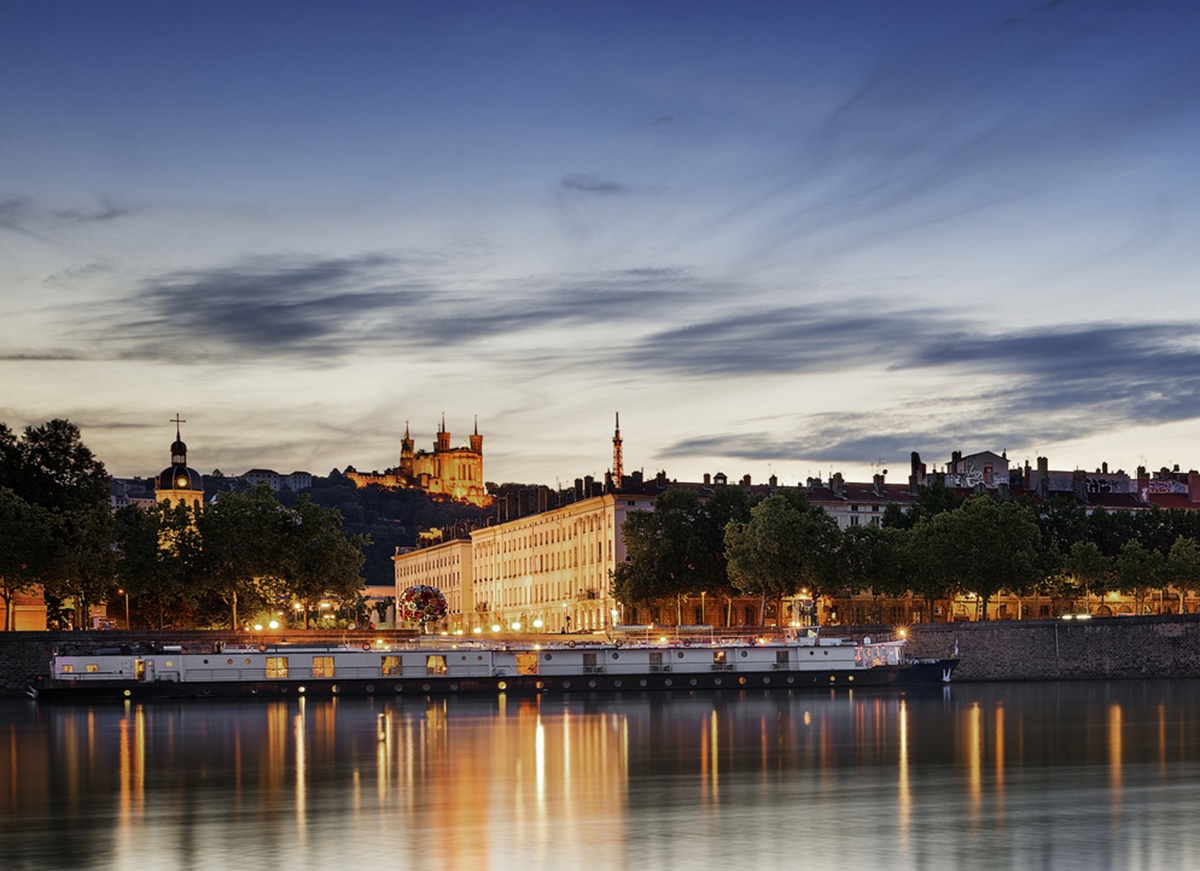
Lyon est l'une des principales escales des croisières fluviales françaises. Un Monde Bleu y organise les excursions et coordonne les prestations terrestres pour le compte de tour-opérateurs internationaux - DepositPhotos.com, Panther Media Seller

CroisiEurope


Pour le passager, tout paraît simple. Le bateau accoste, un autocar attend sur le quai et, quelques minutes plus tard, le groupe prend la direction d’un domaine viticole, d’un village ou d’un grand site touristique.

Derrière cette apparente fluidité se cache pourtant une organisation complexe.

Guides, transporteurs, restaurateurs, musées, domaines viticoles, hôtels : une croisière fluviale mobilise à chaque escale de nombreux prestataires.

C’est précisément le rôle d’une agence réceptive comme Un Monde Bleu, qui fête cette année ses trente ans. Son métier : prendre en charge toute la partie terrestre des programmes proposés en France par ses clients, principalement des tour-opérateurs étrangers.

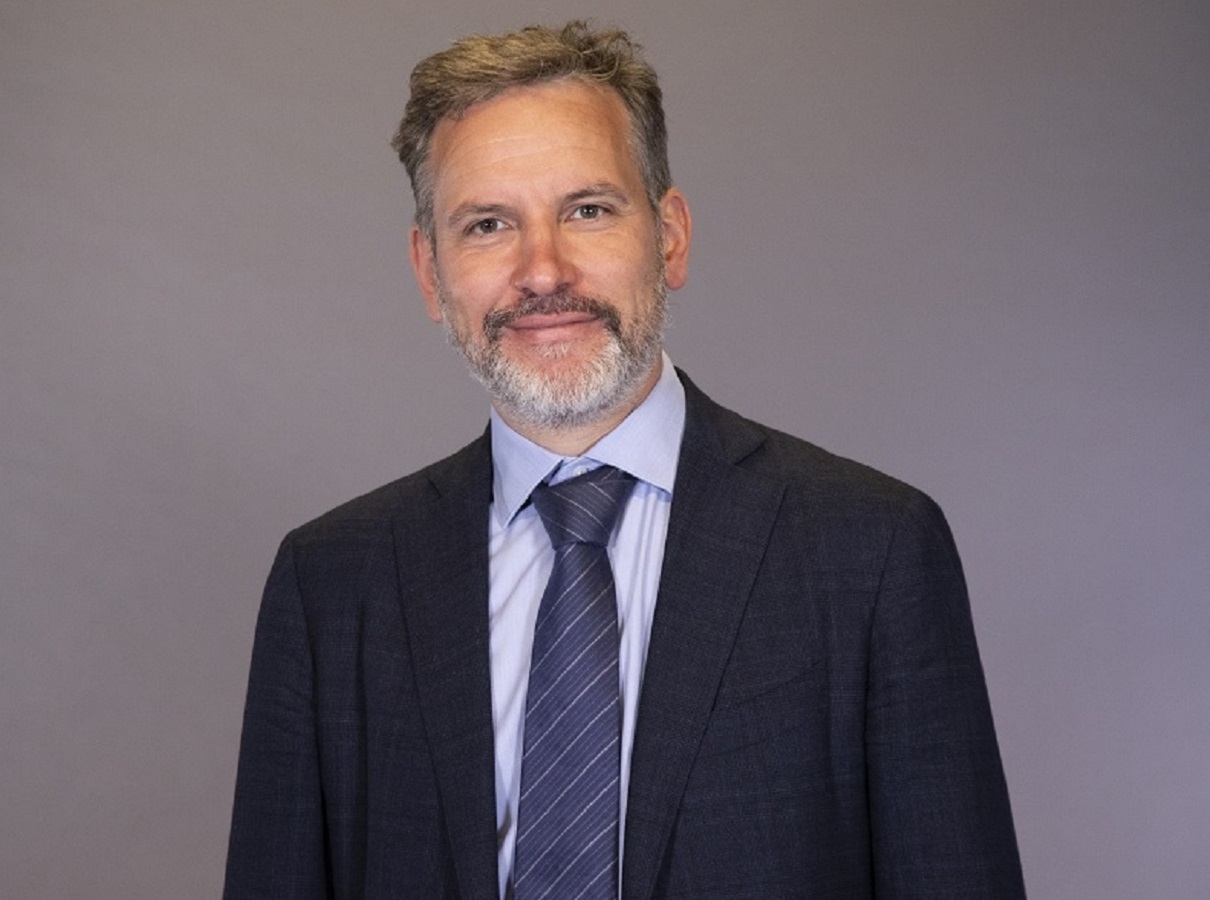
« Nous pouvons nous occuper de toute la gestion touristique à partir du moment où le client pose le pied sur le territoire français », résume Loïck Andamaye, directeur produits et développements du DMC.


From the airport to the ship

The agency’s history is closely linked to the development of river cruising in France.

In its early days, under the name Route Marine, the organization accompanied the first operations of a German-speaking shipping company that aimed to position a vessel on the Rhône.

Its role already consisted of organizing the land portion: excursions, transportation, seeking sightseeing sites or wine estates capable of welcoming passengers.

Thirty years later, the principle remains the same, but the scope has expanded considerably. Today the agency operates across the various French river basins and can also organize pre- or post-cruise stays. Paris, Geneva, Champagne, Brittany or the Côte d’Azur can thus be integrated into multi-day programs.

For a cruise on the Rhône, for example, American passengers can begin their journey with three days in Paris. Un Monde Bleu then arranges airport reception, transfers, the hotel and excursions, before guiding the group to Lyon by TGV.

The agency can even handle luggage separately to the ship and organize an activity between the train’s arrival and embarkation time.


A single point of contact for foreign tour operators


Loïck Andamaye, directeur Produits et Développements d'Un Monde Bleu - Photo : UMB

Une fois la croisière commencée, elle est en mesure d’orchestrer les excursions à chaque escale, mais également certaines animations à bord : démonstrations, spectacles ou interventions d’artistes locaux.

Pour les tour-opérateurs, l’intérêt est de disposer d’un interlocuteur unique capable d’organiser les prestations sur l’ensemble du territoire français.

Cette position fait également de l’agence une porte d’entrée pour les acteurs locaux souhaitant travailler avec la croisière fluviale.

« Une petite cave du Beaujolais peut difficilement entrer directement en contact avec une grande compagnie internationale. Son message risque de se perdre. Notre rôle est justement de faire l’interface entre le local et le tour-opérateur », explique Loïck Andamaye.

Encore faut-il pouvoir répondre aux contraintes de l’accueil des groupes. Capacité, sanitaires, horaires d’ouverture, accessibilité des autocars ou capacité à réagir à une modification d’itinéraire : l’agence accompagne également les prestataires dans leur adaptation aux exigences de cette clientèle.


The advisory role is growing

Car les imprévus font partie du quotidien. Une écluse en panne ou une modification de navigation peut décaler une escale de plusieurs jours. Le tour-opérateur prévient alors son agence réceptive, qui réorganise l’ensemble de la chaîne : guides, autocars, restaurants et sites de visite.

Le métier évolue cependant. Pendant longtemps, les compagnies demandaient essentiellement des excursions classiques : visite de Lyon, découverte du Beaujolais ou grands incontournables parisiens. La concurrence entre les opérateurs et la volonté de rajeunir la clientèle changent désormais la donne.

« Les compagnies nous demandent davantage de produits actifs, des excursions à vélo ou des randonnées. Certaines réfléchissent aussi aux croisières familiales », souligne Loïck Andamaye.

Cette évolution a conduit Un Monde Bleu à créer un département Produits et Développements. Son travail commence désormais très en amont de l’exploitation. L’agence travaille déjà sur des programmes pour 2028.

Elle doit aussi éviter que les compagnies, pourtant concurrentes, ne proposent toutes les mêmes visites au même moment.

Lorsqu’une dizaine de bateaux sont présents simultanément dans une destination, il faut répartir les départs des autocars, décaler les horaires et diversifier les excursions. Une manière de préserver l’expérience des passagers, mais aussi de limiter la pression sur les territoires et leurs habitants.

Lire aussi : Responsable d’escale fluviale : ce métier de l’ombre qui fait toute la différence


Climat, nouvelles destinations et saisons plus longues


A strong demand for France

For Loïck Andamaye, the French potential remains substantial. If the Rhine and the Danube still concentrate most of the European fleet, demand for France remains strong.

The main constraint today would be less commercial than capacity-related: tour operators sometimes struggle to find available ships, and transferring a ship from one river basin to another represents a significant investment.

But prospects remain favorable. « Clients love France and want to include it in their programs. There are ships leaving the market, especially when they are replaced, but there are more arrivals than departures », estimates Loïck Andamaye.

These prospects should further strengthen the role of these discreet intermediaries.


Laurent Guéna Published by Laurent Guéna Journalist – TourMaG.com
See all articles by Laurent Guéna

  • picto Linkedin
  • picto email
Add TourMaG to your Google News feed Google Actualités icône

Sioule River: Between Auvergne Volcanoes and Hidden Gorges

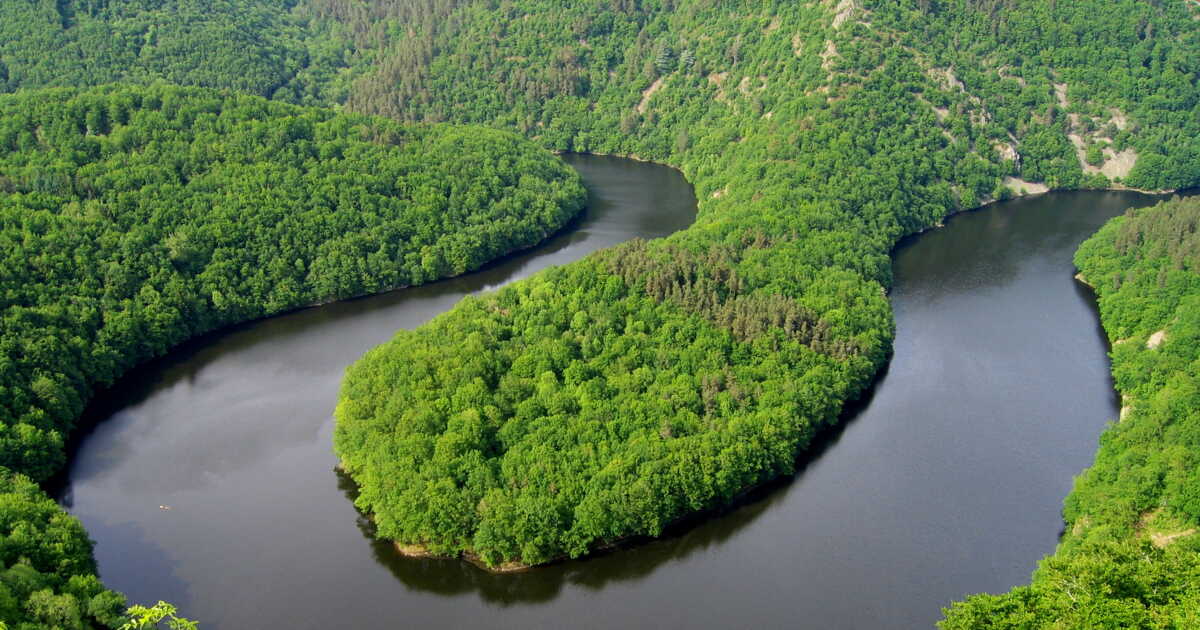
Up there, the Sioule is still little more than a slender thread of clear water, bending gently between cow-dotted grasses and the blossoms of spring. In a high-altitude meadow at the foot of the Dore mountains, not far from Servières lake, in austere landscapes dotted with beech forests and moors, one can easily make a path to its source, at 1100 meters above sea level. Or rather its sources, for it is several tiny streams, born of melting snow and precipitation, that eventually join to form this brook with its divine splashing, a place where it feels good to splash your face for a refreshment.

Enchanting landscapes