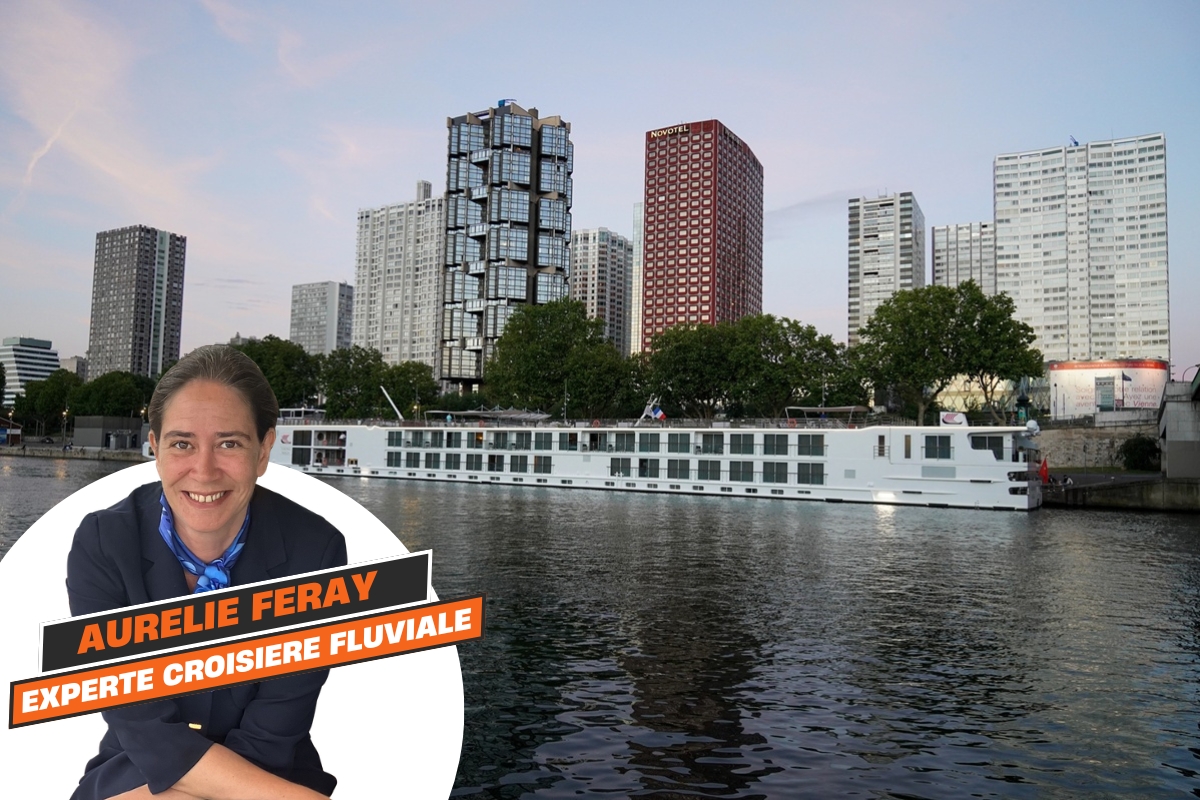

« Ships pollute. » How many times have I heard this remark at the edge of a quay or during a meeting with elected representatives?
Environmental issues are now at the heart of all reflections, and river tourism is no exception to this rule.
Companies are investing in more efficient ships, working on new propulsion systems, reducing their consumption, improving the management of water and waste. This is an indispensable evolution.
But over my years spent alongside companies, crews and territories, I have gained a conviction: the environmental transition of river tourism is not only played out aboard ships. It also happens… on the quays.
And before asking companies to go further, we must first ask whether the stopovers truly give them the means to do so.
Also read: River tourism: a good stopover is when everything flows smoothly
Environmental issues are now at the heart of all reflections, and river tourism is no exception to this rule.
Companies are investing in more efficient ships, working on new propulsion systems, reducing their consumption, improving the management of water and waste. This is an indispensable evolution.
But over my years spent alongside companies, crews and territories, I have gained a conviction: the environmental transition of river tourism is not only played out aboard ships. It also happens… on the quays.
And before asking companies to go further, we must first ask whether the stopovers truly give them the means to do so.
Also read: River tourism: a good stopover is when everything flows smoothly
Cutting the engines… but you also need to be able to plug in
 I had the chance to lead a stopover that was the first in France to be equipped with electric charging stations allowing boats to cut their engines during their mooring.
I remember that at first, some crew members welcomed this novelty with measured enthusiasm. It required pulling heavy cables, transporting them, and connecting them… It demanded a little more time and new habits.
Then things evolved.
The crews quickly realized the benefits. Passengers enjoyed a quieter environment. The local residents appreciated the disappearance of engine noise. Everyone’s comfort improved.
As is often the case, it simply required a bit of pedagogy and an adaptation period.
This experience taught me one key lesson: you can ask boats to cut their engines, but if there is no electric outlet, what alternative can you offer them?
Ecology cannot rely solely on obligations. It also requires proper infrastructures.
Passenger waste: is the problem really the bin… or its size?
One day, an elected official shared his irritation with me. Passengers returned from their excursions and quickly filled the small bins placed near the quay, and municipal services had to intervene more often.
His remark was understandable. But another question deserves to be asked: were these facilities sized to accommodate several hundred visitors arriving at once?
Travelers who use a bin are not committing an incivility. On the contrary, they are adopting the behavior we expect of them.
The real issue may lie elsewhere.
A cruise stopover does not generate the same needs as daily attendance. Planning larger containers, temporarily boosting collections, or installing additional drop-off points during the season is often a far more effective response than blaming visitors… for using the bins provided to them.
His remark was understandable. But another question deserves to be asked: were these facilities sized to accommodate several hundred visitors arriving at once?
Travelers who use a bin are not committing an incivility. On the contrary, they are adopting the behavior we expect of them.
The real issue may lie elsewhere.
A cruise stopover does not generate the same needs as daily attendance. Planning larger containers, temporarily boosting collections, or installing additional drop-off points during the season is often a far more effective response than blaming visitors… for using the bins provided to them.
Waste at the edge: a reality we know little about
A boat is not merely a means of transport; it is also a hotel, a restaurant and a living space.
Dozens of people work there and sometimes several hundred travelers stay aboard. Waste is therefore inevitable.
Yet storage capacities remain limited and health constraints are significant.
Especially during the summer period, some waste cannot be kept for long without causing nuisances. It happens that the crews use the stopovers to deposit glass in the town’s sorting columns.
Some see this as a problem. I see more of a question of organization.
Why not imagine a genuine collection service dedicated to boats?
Like water, electricity or other port services, this collection could be organized by the community or a contractor and billed to the companies.
Everyone would benefit: the crews would have a clear solution, the municipality would master the organization, and the waste would be collected in proper conditions.
Dozens of people work there and sometimes several hundred travelers stay aboard. Waste is therefore inevitable.
Yet storage capacities remain limited and health constraints are significant.
Especially during the summer period, some waste cannot be kept for long without causing nuisances. It happens that the crews use the stopovers to deposit glass in the town’s sorting columns.
Some see this as a problem. I see more of a question of organization.
Why not imagine a genuine collection service dedicated to boats?
Like water, electricity or other port services, this collection could be organized by the community or a contractor and billed to the companies.
Everyone would benefit: the crews would have a clear solution, the municipality would master the organization, and the waste would be collected in proper conditions.
Buses also have their constraints
Understand before judging
In the end, everyone is already making efforts. Companies invest. Crews adapt their practices. Local authorities look for solutions. Territories develop gentler mobility.
But we sometimes tend to analyze each difficulty in isolation.
Sustainable development rests above all on a global vision: understanding the constraints of the shore, understanding those of the territories, then building together appropriate responses.
We often speak of the transition of ships. It is essential. But perhaps it is time to also talk about the transition of stopovers?
For a vessel does not become more sustainable solely thanks to the technologies it carries. It becomes so also thanks to the infrastructures, services and organization it finds when it docks.
But we sometimes tend to analyze each difficulty in isolation.
Sustainable development rests above all on a global vision: understanding the constraints of the shore, understanding those of the territories, then building together appropriate responses.
We often speak of the transition of ships. It is essential. But perhaps it is time to also talk about the transition of stopovers?
For a vessel does not become more sustainable solely thanks to the technologies it carries. It becomes so also thanks to the infrastructures, services and organization it finds when it docks.
A genuinely shared responsibility
It is not about opposing companies to communities, nor about designating a single responsible party.
The environmental transition of river tourism is a collective responsibility.
Companies must continue their investments, territories must adapt their equipment, stopover managers must anticipate needs, ports, service providers and communities must work together.
It is precisely this cooperation that will bring forth concrete solutions. For sustainable development is not decreed: it is organized. It is built thanks to the innovations of the companies, but also thanks to the engagement of the territories that host them.
Ultimately, a sustainable stopover is not merely a port where a boat consumes less; it is a stopover that gives all actors the means to act.
And if the next environmental revolution of river tourism did not play out solely on the water… but also on the quays?
Also read: Our special dossier dedicated to river cruising
The environmental transition of river tourism is a collective responsibility.
Companies must continue their investments, territories must adapt their equipment, stopover managers must anticipate needs, ports, service providers and communities must work together.
It is precisely this cooperation that will bring forth concrete solutions. For sustainable development is not decreed: it is organized. It is built thanks to the innovations of the companies, but also thanks to the engagement of the territories that host them.
Ultimately, a sustainable stopover is not merely a port where a boat consumes less; it is a stopover that gives all actors the means to act.
And if the next environmental revolution of river tourism did not play out solely on the water… but also on the quays?
Also read: Our special dossier dedicated to river cruising
A propos d’Aurélie Feray
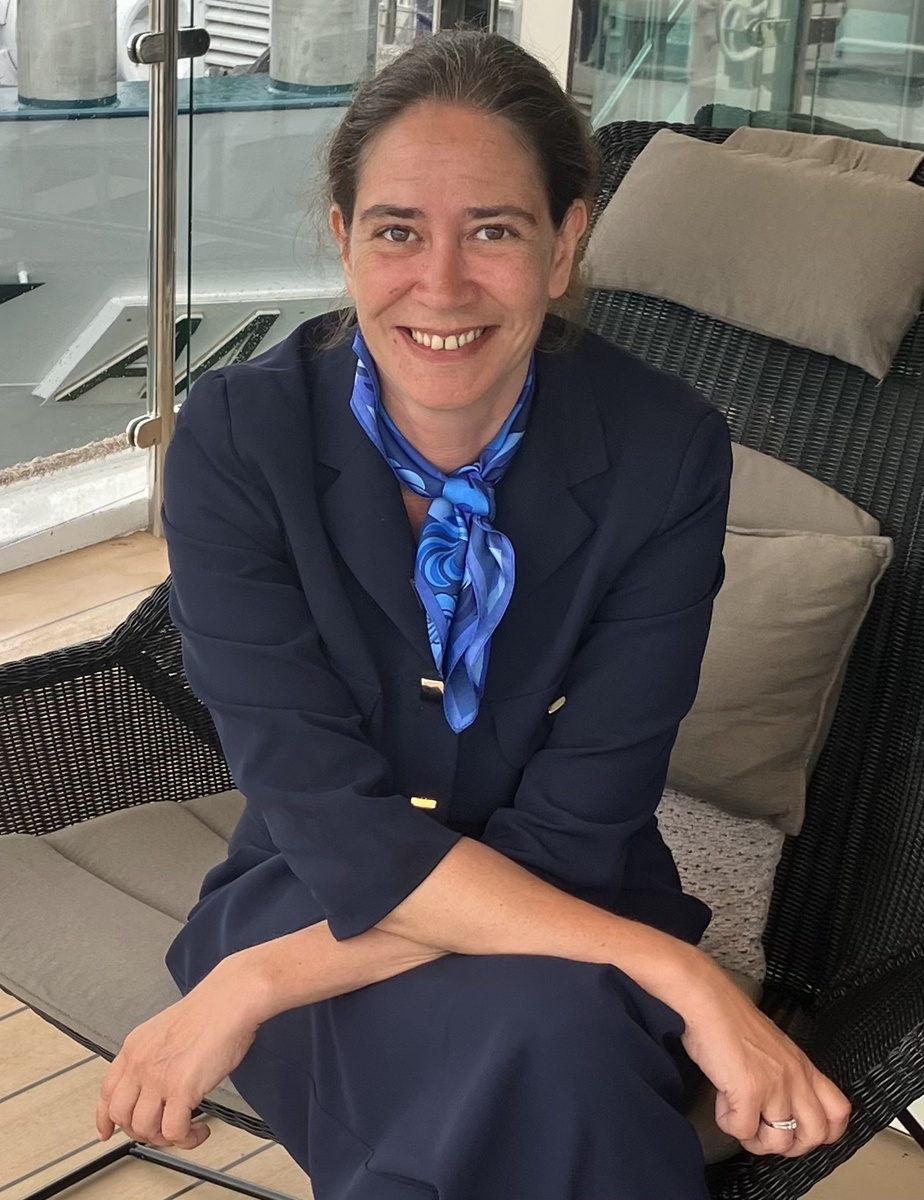
Founder of AF Fluvial Conseil, Aurélie Feray accompanies territories and stakeholders in river tourism on issues of stopovers, passenger experience and tourism development.
Through her columns, she shares a ground-level view of the behind-the-scenes of river tourism, how stopovers operate and the links between boats, crews, destinations and travelers.
Contact : [email protected]
Through her columns, she shares a ground-level view of the behind-the-scenes of river tourism, how stopovers operate and the links between boats, crews, destinations and travelers.
Contact : [email protected]