On Tourmag, a promotional banner for Hurtigruten opens the page, immediately catching the eye with a distinct visual pull. The banner features a 350 by 345-pixel image that captures attention and sets the tone for a travel feature centered around exploration and sea journeys. Beside the banner, a nearly invisible tracking pixel operates in the background, silently counting impressions and helping the publication measure reader engagement without interrupting the user experience.
The layout of the article reflects a careful balance between striking visuals and readable typography. The design leans into a bold, legible aesthetic: a strong, high-contrast title sits atop a dark band, drawing the reader’s gaze with its white lettering against a black backdrop. The lead paragraph area—often described in layout notes as the chapeau—employs a warm gradient wash, transitioning from a soft, light amber to a deeper gold, and presents the opening ideas in a concise, centered block. This combination of font choices and color treatment lends the page a classic, travel-magazine feel while keeping the content accessible across devices.
Behind the scenes, a number of layout adjustments work together to ensure the article remains centered and readable on a variety of screens. The right-hand column is intentionally hidden on larger displays, a choice that prioritizes the main narrative and visuals. The main content region is stretched to occupy the available width, with a maximum width that provides ample room for imagery and text without sacrificing readability. On wider screens, the container is tuned so that the content remains visually balanced, avoiding overly wide lines and preserving comfortable line length for readers.
Within the body of the article, a separate element—the live Tourmag widget—appears as an embedded feature. This is delivered via an iframe that stretches across the available width, inviting readers to engage with live content hosted elsewhere. The embedded frame is designed to be responsive and unobtrusive, with a minimum height to ensure the feed is readable regardless of the device. The presence of this live feed adds an interactive dimension to the page, allowing readers to experience real-time updates alongside the static article content.
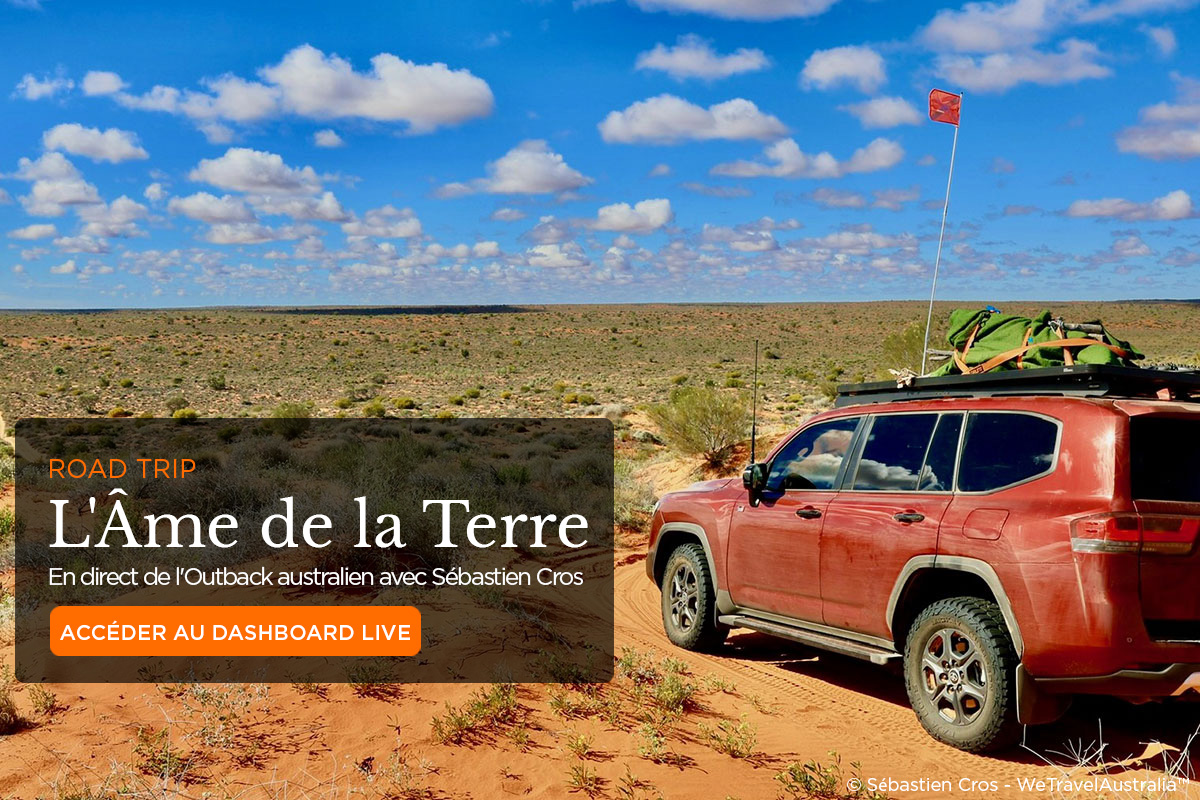
Towards the bottom of the structure, a prominent image anchors the visual story: a large photograph credited to Sébastien Cros for WeTravelAustralia. The image serves as a powerful visual punctuation mark, grounding the article’s narrative in a tangible moment captured by a seasoned photographer. The credit line—“© Sébastien Cros – WeTravelAustralia™”—appears in clear, respectful typography, acknowledging the photographer’s contribution and the source of the image.
Throughout the page, the design emphasizes clean typography and a restrained color palette, with deliberate decisions about spacing, margins, and image prominence to guide the reader’s eye. The result is a polished, magazine-like experience in which promotional content and editorial elements coexist harmoniously. The Hurtigruten banner opens the journey, the gradient chapeau draws the reader into the introduction, the live feed injects immediacy, and the concluding photograph leaves a lasting impression, all within a layout that remains accessible and aesthetically cohesive across devices.