Cruise Tourism: Marseille Aims to Better Manage Passenger Flows


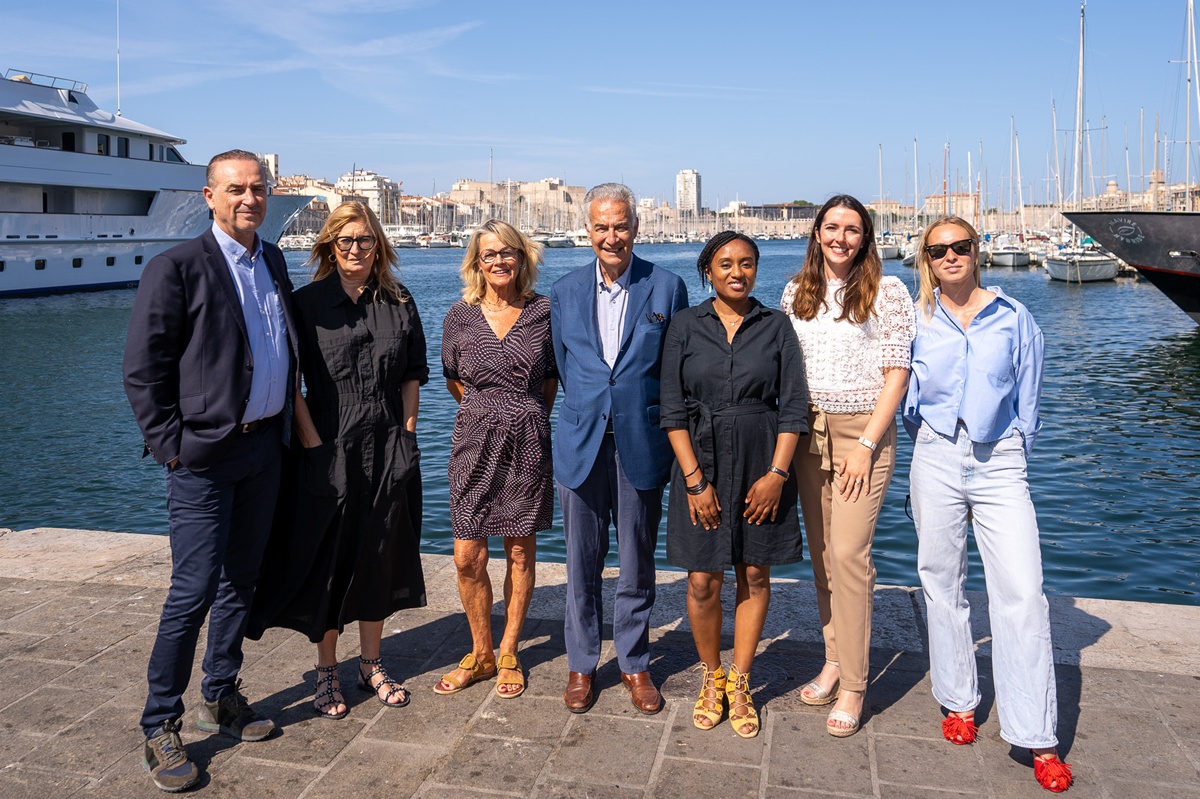
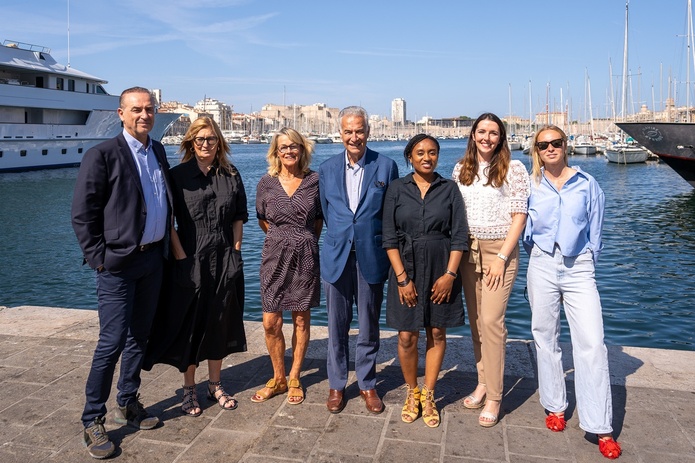
L'équipe de Marseille Provence Croisière fêtera les 30 ans de l'association à la fin de l'année - Photo : MPC

CroisiEurope


“Our aim is not to run more cruises, but to do better.”

One year after his election as president of Marseille Provence Croisière (MPC), Jacques Hardelay reiterates the direction he intends to give the association: to better integrate cruise activity into the region and maximize its local economic impact.

This strategy notably involves a better understanding of the passengers.

MPC has strengthened its statistical observatory to analyze nationalities, maritime and riverine flows as well as the itineraries of cruise passengers in the city.

The objective is in particular to anticipate saturation risks in certain neighborhoods.


Targeting the Mainline Passengers

These data should also feed a joint strategy with Marseille Provence Airport to develop direct air links and attract more passengers boarding or disembarking in Marseille.

A clientele known as the ‘head of line’, deemed more beneficial for the local economy since they are likely to stay in the city before or after their cruise.

In the same spirit, Marseille Provence Croisière is preparing the promotion of the future J4 maritime terminal, which should allow the destination to strengthen its positioning in the luxury small-cruise market.

On the environmental front, the on-quay electrical power supply installations, officially inaugurated in April 2026, are now operational. A commissioning phase is nonetheless necessary: each vessel must carry out its own tests and adjustments before regularly using the equipment.

According to MPC, several shipowners are choosing Marseille to carry out these technical tests.


Marseille Provence Croisière Will Celebrate Its 30th Anniversary

The association is also working on developing short provisioning circuits for ships, with initial direct contracts between inland shipowners and regional wine producers, and similar efforts undertaken for maritime cruising as well.

The association also plans to strengthen dialogue with local stakeholders. Working groups bringing together hoteliers, merchants and tourist sites have been created, while a strengthening of territorial governance is scheduled for July.

This new phase comes a few months before Marseille Provence Croisière’s 30th anniversary. Created in 1996 under the name Club de la Croisière Marseille Provence, the association adopted its current name in 2023.
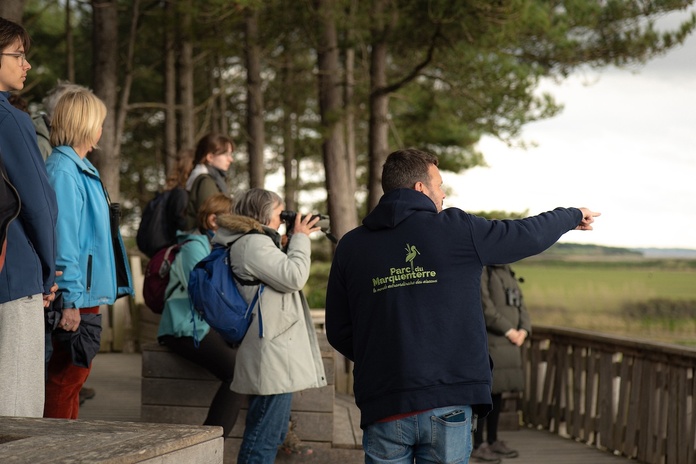
Marquenterre Park Plans to Forecast Tourist Flows


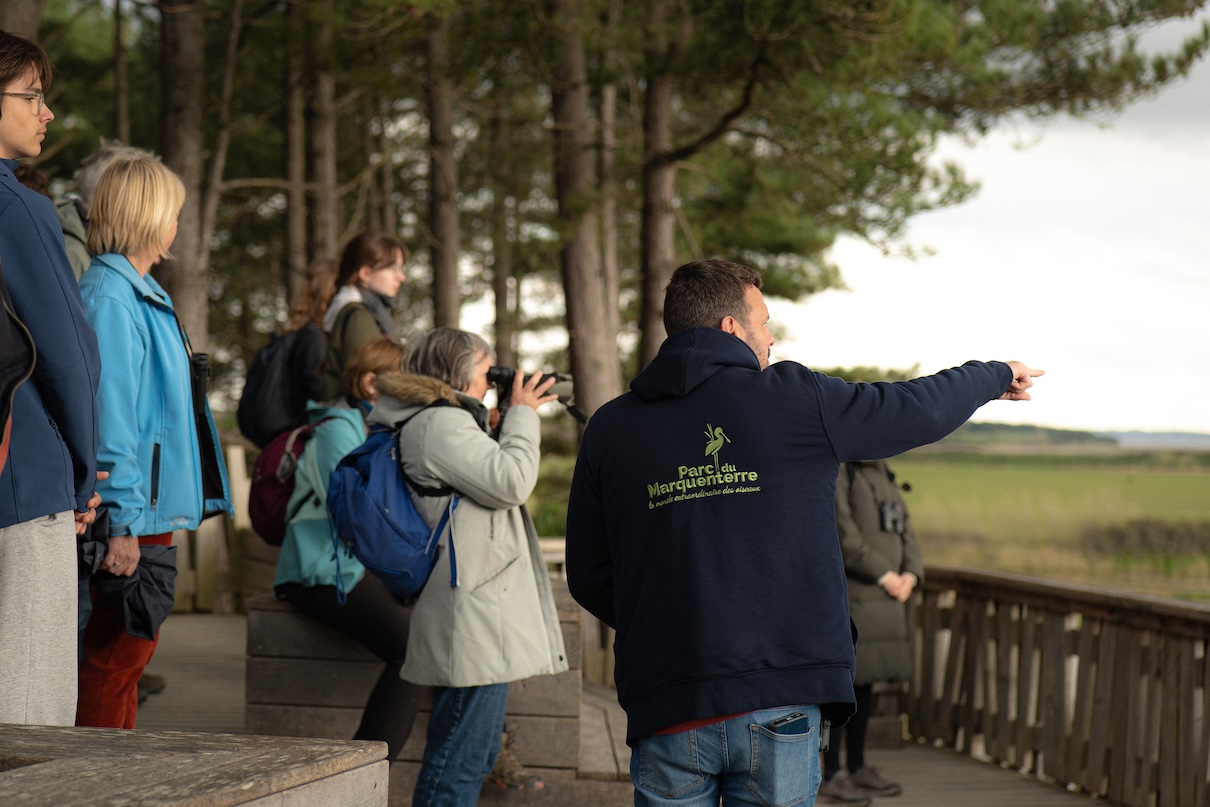
Le Parc du Marquenterre expérimente l’intelligence artificielle pour anticiper les flux touristiques - Photo : Parc du Marquenterre

CroisiEurope


The Marquenterre Park, in the Somme Bay, is testing an artificial intelligence tool capable of forecasting its attendance up to six months in advance.

The objective is to better anticipate peak crowds and optimize the site’s organization, while preserving this protected natural space.


With nearly 160,000 visitors welcomed each year, the Marquenterre Park is among the most visited natural sites in Hauts-de-France.

This appeal is nonetheless accompanied by peaks in attendance concentrated on certain days and time slots.

In this protected natural area, where the welcome is limited to 300 visitors per hour, these periods of high traffic can strain the conditions of reception, the teams and the various visitor services offered.

Until now, managing these peaks relied mainly on the observation and experience of the on-site teams.


Parc du Marquenterre: AI provides forecasts up to six months in advance

Developed as part of an experiment supported by the Destination France plan, the model is able to forecast attendance levels up to six months ahead, with forecasts broken down by hourly intervals.

To establish these projections, the tool crosses several types of data likely to influence tourist behavior: French and Belgian school holidays, public holidays, weather conditions, events held in the area or even snowfall in the mountain ranges, which can influence destination choices.


These data are then gathered into a dashboard for the park teams. This “pilot cockpit” allows visualizing expected crowd levels and their evolution over time.

The artificial intelligence does not directly make operational decisions. It provides teams with a forward-looking view of attendance to help them adjust their organization.

To read : Weekend of disconnect in the Bay of Somme

This can help better organize human resources, prepare the dining services and mobilize more resources during peaks of attendance.

For as long as the Marquenterre Park has sought to find the right balance between tourist attractiveness and the preservation of its natural heritage, with this experiment we are taking a new step.

AI becomes a tool for the territory, able to help managers better understand visitor flows and anticipate their needs
“, explains Emmanuel Maquet, president of the Destination Baie de Somme management.

The Marquenterre Park currently serves as the testing ground for this system. But the stated ambition goes beyond the site’s boundaries.

The project is among the 13 initiatives selected from 75 applications under the Destination France plan.

In the long term, the model could be enriched with new data to better understand visitors’ movements at the scale of the Bay of Somme.


Amelia Brille Published by Amelia Brille TourMaG.com Editor
View all articles by Amelia Brille

  • picto Linkedin
  • picto email
Add TourMaG to your Google News feed Google Actualités icône  

Hyper-regionalization: Evaneos to Redistribute Tourism Flows Across Europe


Hyper-régionalisation : Evaneos veut redistribuer les flux touristiques en Europe - Photo Evaneos

CroisiEurope


Evaneos poursuit sa stratégie de décarbonation à horizon 2030 et accélère sa transformation de l’offre européenne. L’entreprise ambitionne de passer d’une trentaine de pays référencés à 150 sous-régions afin de sortir des itinéraires classiques concentrés sur quelques grandes destinations touristiques.

« Depuis le démarrage d’Evaneos, nous avons un objectif de lutte contre le surtourisme, notamment à travers une meilleure répartition des flux, explique Aurélie Sandler, co-CEO d’Evaneos. Notre conviction, c’est qu’il y a matière à créer du désir pour des régions qui ne sont pas forcément top of mind. »

L’Italie illustre cette stratégie. Alors que Florence accueille près de 13 millions de visiteurs par an, Evaneos souhaite davantage valoriser des régions comme l’Ombrie ou l’Émilie-Romagne.

« Juste à côté de la Toscane, il y a l’Ombrie, qui est une région sublime mais encore assez méconnue », souligne Aurélie Sandler.

Pour la plateforme, le défi consiste à encourager les voyages en Europe sans renforcer les phénomènes de saturation déjà observés dans certaines destinations.


Recréer le désir autour des destinations proches

Au-delà du référencement de nouvelles régions, Evaneos veut aussi transformer les imaginaires du voyage. La plateforme estime que les voyageurs associent encore trop souvent le dépaysement aux destinations lointaines.

« On a tendance à imaginer la découverte et la surprise dans le voyage uniquement sur du lointain. Pourtant, les expériences totalement inattendues près de chez soi », estime Aurélie Sandler.

L’entreprise mise donc sur des itinéraires plus immersifs. Le slow travel devient un axe fort de développement, avec des séjours plus longs et une exploration plus approfondie des territoires.

« On a souvent tendance à vouloir voir beaucoup de choses. Mais en réalité, les expériences les plus fortes naissent quand on reste plus longtemps dans un même endroit », poursuit-elle.

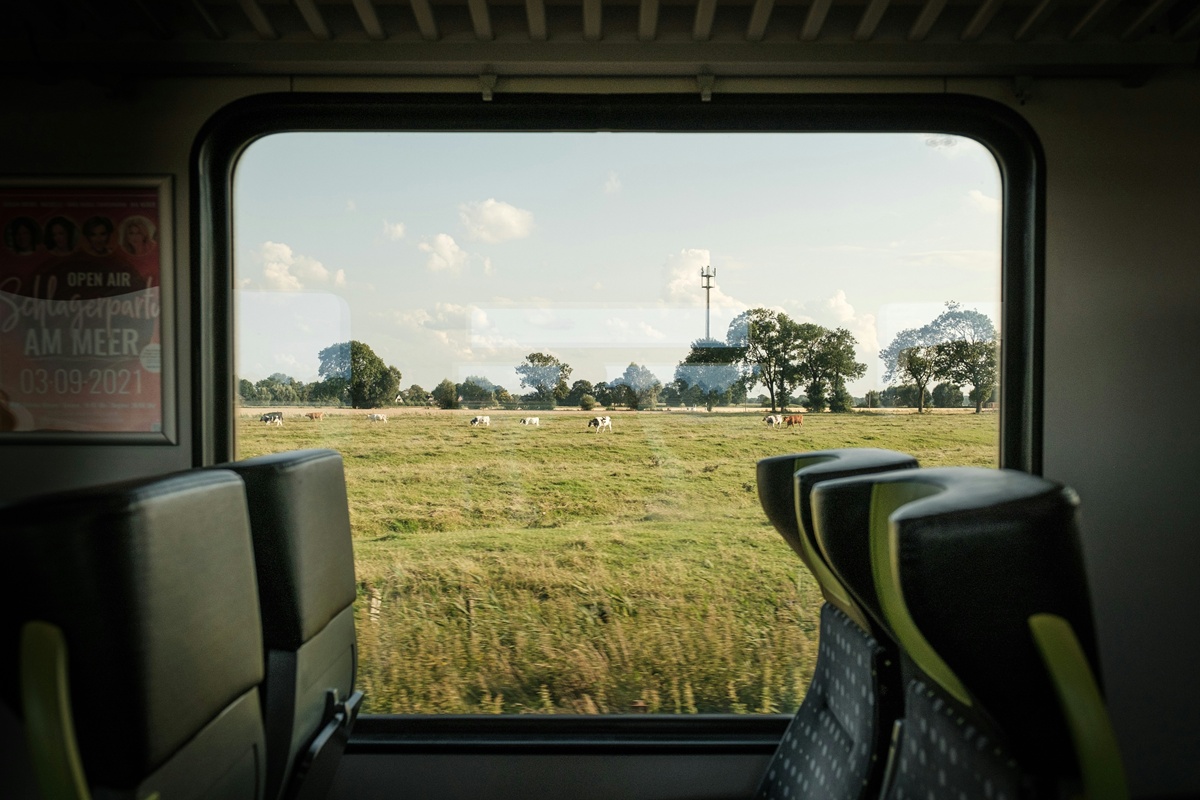
Parmi les exemples mis en avant par Evaneos figurent des itinéraires en train dans les pays nordiques ou encore des séjours dans des régions moins fréquentées comme les Asturies en Espagne ou l’Alentejo au Portugal.


Une stratégie alignée avec les objectifs carbone

Cette hyper-régionalisation s’inscrit dans la stratégie de décarbonation d’Evaneos à horizon 2030. La plateforme travaille sur plusieurs leviers : développer les voyages de proximité, favoriser les mobilités douces et encourager l’allongement des séjours.

Le train prend déjà une place croissante dans l’offre du groupe. « Les voyages ferroviaires représentent aujourd’hui près de 10 % des ventes européennes et ont triplé en moins de trois ans », souligne Aurélie Sandler.

L’entreprise a également décidé d’arrêter les city breaks.

« On ne prend pas l’avion pour moins de cinq jours, ajoute-t-elle. Quand on fait un voyage lointain, il doit y avoir une cohérence entre le trajet effectué et le temps passé sur place. »

A lire : Evaneos impose des durées minimales de séjour pour les voyages en avion


Un important chantier opérationnel

Cette évolution implique aussi une transformation du réseau de partenaires de la plateforme. Evaneos compte aujourd’hui plus de 600 agences locales partenaires et souhaite renforcer la place d’acteurs très spécialisés sur certaines régions.

« L’idée, c’est aussi d’aller chercher de petites agences ultra-locales, capables de raconter leur région autrement et de créer des expériences plus immersives », explique Aurélie Sandler.

Le projet de référencement des 150 régions est déjà en cours. Une première phase doit être visible en France d’ici la fin de l’année avant un déploiement progressif sur d’autres marchés européens comme l’Allemagne, l’Italie ou l’Espagne.

À terme, Evaneos prévoit de développer près de 300 itinéraires régionalisés à travers l’Europe.


Caroline Lelievre Publié par Caroline Lelievre Journaliste – TourMaG.com
Voir tous les articles de Caroline Lelievre

  • picto Twitter
  • picto Linkedin
  • picto email
Ajoutez TourMaG à votre flux Google Actualités Google Actualités icône