

For their summer holidays, the French now apply the “four-hour drive rule” and prefer cooler destinations.
According to data published by VVF and IFOP, the cost and duration of travel, as well as climate comfort, have become decisive criteria, directly benefiting regions such as Brittany or the Hautes-Alpes.
The tight economic context and rising fuel prices are forcing families to reassess their entire vacation budget.
Transportation costs push them to limit the distance traveled, while stays within a four-hour drive from home are drawing a growing share of bookings.
To read: Tourism: Serge Papin expresses confidence for the summer season
According to the IFOP study, budget is the main obstacle to departure for 57% of 18-40-year-olds, prompting vacationers to prioritize proximity rather than forgoing their getaways.
According to data published by VVF and IFOP, the cost and duration of travel, as well as climate comfort, have become decisive criteria, directly benefiting regions such as Brittany or the Hautes-Alpes.
The tight economic context and rising fuel prices are forcing families to reassess their entire vacation budget.
Transportation costs push them to limit the distance traveled, while stays within a four-hour drive from home are drawing a growing share of bookings.
To read: Tourism: Serge Papin expresses confidence for the summer season
According to the IFOP study, budget is the main obstacle to departure for 57% of 18-40-year-olds, prompting vacationers to prioritize proximity rather than forgoing their getaways.
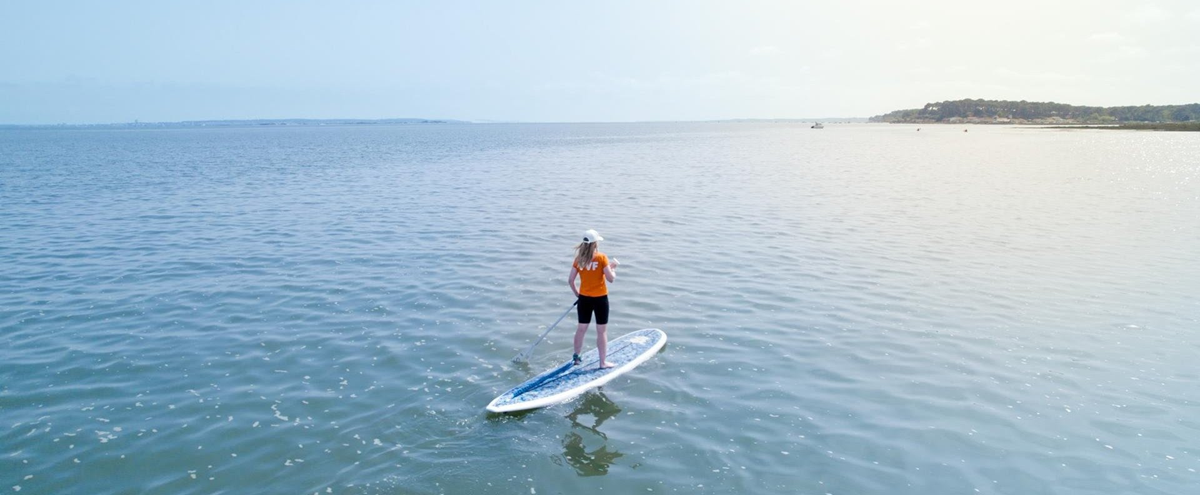
Holidays: seeking cooler weather and nature
Comme le souligne Stéphane Le Bihan, directeur général de VVF : “les arbitrages ne portent plus uniquement sur le prix de l’hébergement.
Parallèlement aux enjeux financiers, le facteur climatique transforme les critères de sélection. Les territoires offrant des températures plus clémentes ou des environnements naturels adaptés enregistrent une hausse nette d’attractivité.
Pour l’été 2026, les données de réservation de VVF font état d’une progression de 5 points pour la Bretagne et de 8 points pour les Hautes-Alpes par rapport à l’année précédente, portée par la recherche de moyenne montagne, de lacs ou de littoraux tempérés.
A lire : VVF takes a new direction and will open a holiday village right in the middle of… the city!
Pour répondre à cette demande d’adaptation aux fortes chaleurs, VVF propose une garantie de flexibilité permettant de modifier sans frais le lieu de séjour jusqu’à deux jours avant le départ en cas d’épisode caniculaire.
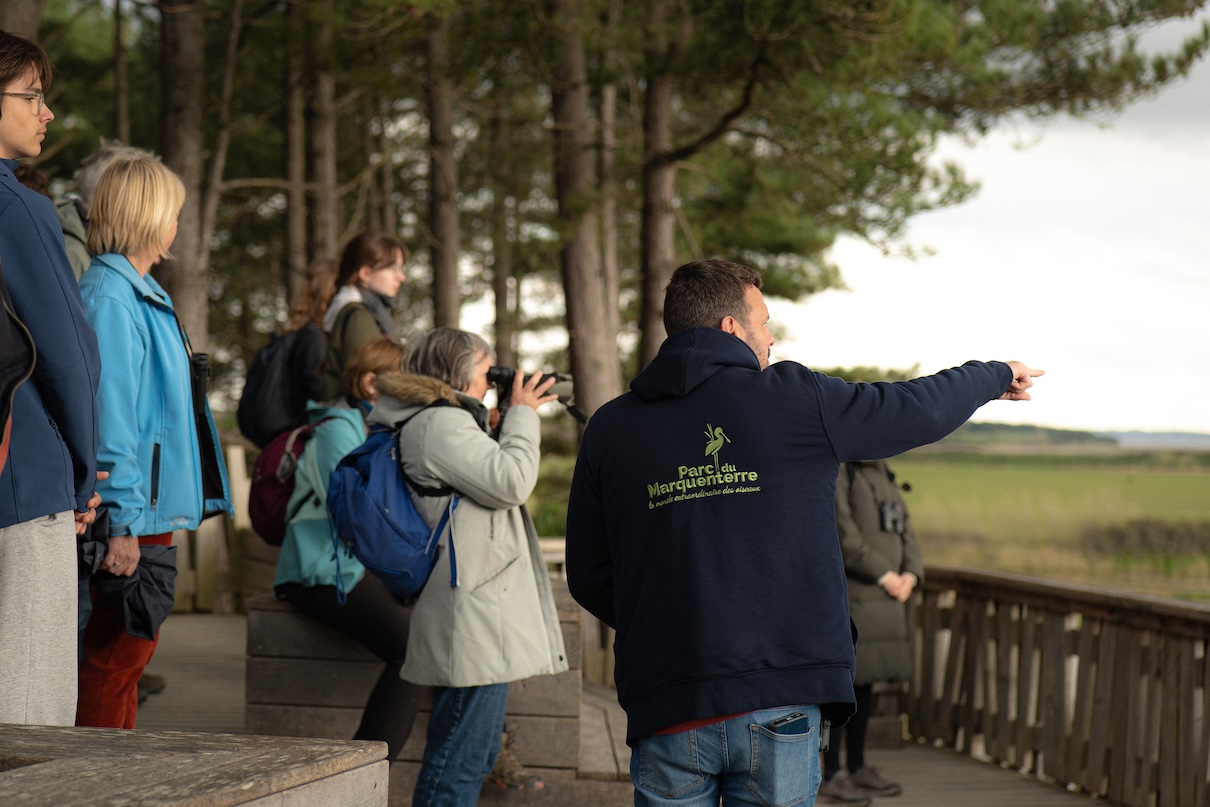
L’étude souligne également qu’au-delà de l’aspect financier, 62 % des jeunes actifs et familles aspirent à des vacances davantage tournées vers la nature et le bien-être.
Le coût du trajet devient un critère de choix à part entière. Les destinations accessibles rapidement, offrant un environnement plus tempéré, gagnent en attractivité.
Cette évolution traduit une nouvelle manière de choisir ses vacances d’été.
Parallèlement aux enjeux financiers, le facteur climatique transforme les critères de sélection. Les territoires offrant des températures plus clémentes ou des environnements naturels adaptés enregistrent une hausse nette d’attractivité.
Pour l’été 2026, les données de réservation de VVF font état d’une progression de 5 points pour la Bretagne et de 8 points pour les Hautes-Alpes par rapport à l’année précédente, portée par la recherche de moyenne montagne, de lacs ou de littoraux tempérés.
A lire : VVF takes a new direction and will open a holiday village right in the middle of… the city!
Pour répondre à cette demande d’adaptation aux fortes chaleurs, VVF propose une garantie de flexibilité permettant de modifier sans frais le lieu de séjour jusqu’à deux jours avant le départ en cas d’épisode caniculaire.
L’étude souligne également qu’au-delà de l’aspect financier, 62 % des jeunes actifs et familles aspirent à des vacances davantage tournées vers la nature et le bien-être.


 Published by Amelia Brille