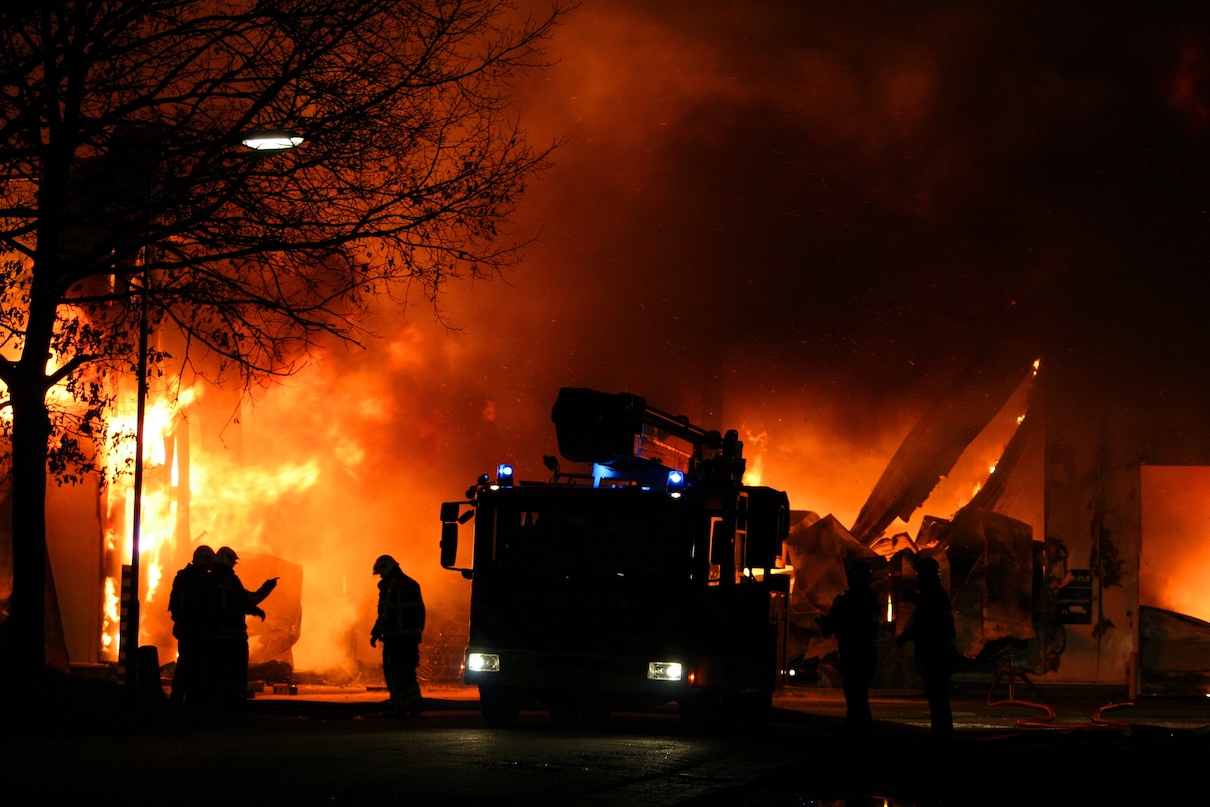


It rapidly spread through a dense, dry pine forest, before advancing toward Le Porge and then toward the Lège-Cap-Ferret peninsula.
The meteorological situation complicated the work of the rescue services. Winds, which blew from the north and northeast in the sector, helped promote the fire’s spread toward the southwest and then toward areas heading in the direction of Le Porge and the north of the Basin.
Conditions remained unfavorable, with the fire described by responders as particularly violent and difficult to control.
In response to the fire’s progression, authorities carried out numerous preventive evacuations. In total, eight campsites and vacation centers were affected, among which La Grigne, La Jenny, Le Truc Vert, La Prairie, La Pinède, Camping aux Couleurs du Ferret, Le Grand Crohot and Brémontier.
These establishments are mainly situated between Le Porge, the ocean coastline and the Cap-Ferret peninsula, in the heart of a zone heavily visited by tourists during the summer.
Close to 20,000 people were evacuated. This includes both residents living on the forest fringes and tourists.
Several municipalities, including Lège-Cap-Ferret, Le Porge, Lacanau, Biganos, Marcheprime, Mios, Carcans, Audenge and Bordeaux, opened reception sites.
More than 2,500 people were housed or temporarily accommodated there, according to the Gironde Prefecture.
In the late morning, Thursday, July 23, new preventive evacuations were carried out to ease the work of the emergency forces and to manage evacuations progressively.
With the fire currently located near the village of Lège and not having crossed the Grand Crohot road, the prefecture ordered preventive evacuations for the following establishments located in Claouey, near the forest: the VVF, the Embruns campsite and the Ferret domain.
Fire in the Arcachon Basin: holidays interrupted in the middle of the season
Furthermore, the Cap Ferret lighthouse is also closed, while residents of the Cap Ferret peninsula must evacuate the area as quickly as possible.
For tourism professionals as well as holidaymakers, the fire arrives at the heart of the year’s most important period. Thousands of tourists had to leave their accommodations in a hurry, sometimes with little time to retrieve their possessions.
At La Grigne campsite in Le Porge, nearly 3,500 people were evacuated on Wednesday evening.
Some of the holidaymakers were directed to Lège-Cap-Ferret, where several hundred people found refuge in municipal halls and various reception sites.
The priority remains, however, the protection of people and the fight against the fire. At this stage, no victims have been recorded. About 500 firefighters are mobilized, supported by extensive ground and air resources.
The emergency services have notably deployed Dash, Canadairs, and Air Tractor planes, while several roads and access routes to the massifs have been closed.
For tourism professionals, the immediate impact is primarily logistical: evacuations, cancellations, movement of holidaymakers, and disruption of activity in several establishments.
The economic consequences will, however, depend on the duration of the fire and whether access restrictions continue in the coming days.
Fire in the Arcachon Basin: four years after the 2022 fires
More than 30,000 hectares of forest had been destroyed, and five campsites located at the foot of the Dune du Pilat were ravaged by the flames.
Among them was the famous campsite of Flots Bleus, made famous by the TV series “Camping,” which had been destroyed by about 90%. The establishment eventually reopened only partially in spring 2023, after several months of reconstruction.
In July 2022, the impact on outdoor lodging had been particularly significant. Five campsites destroyed in the La Teste-de-Buch area represented a substantial portion of the Arcachon Basin’s tourist accommodation capacity.
The sector then faced a double crisis: the destruction of several establishments and the broader impact on the image and the destination’s attendance.
Four years later, the fire does not affect exactly the same areas, but the situation once again highlights the vulnerability of tourist destinations located in the heart of forested massifs.
Le Porge, Lège-Cap-Ferret and nearby municipalities indeed host numerous campsites, holiday villages and outdoor centers, often situated in close proximity to the forest and the coastline.
 Publié par Amelia Brille Rédactrice TourMaG.com
 Voir tous les articles d’Amélia Brille



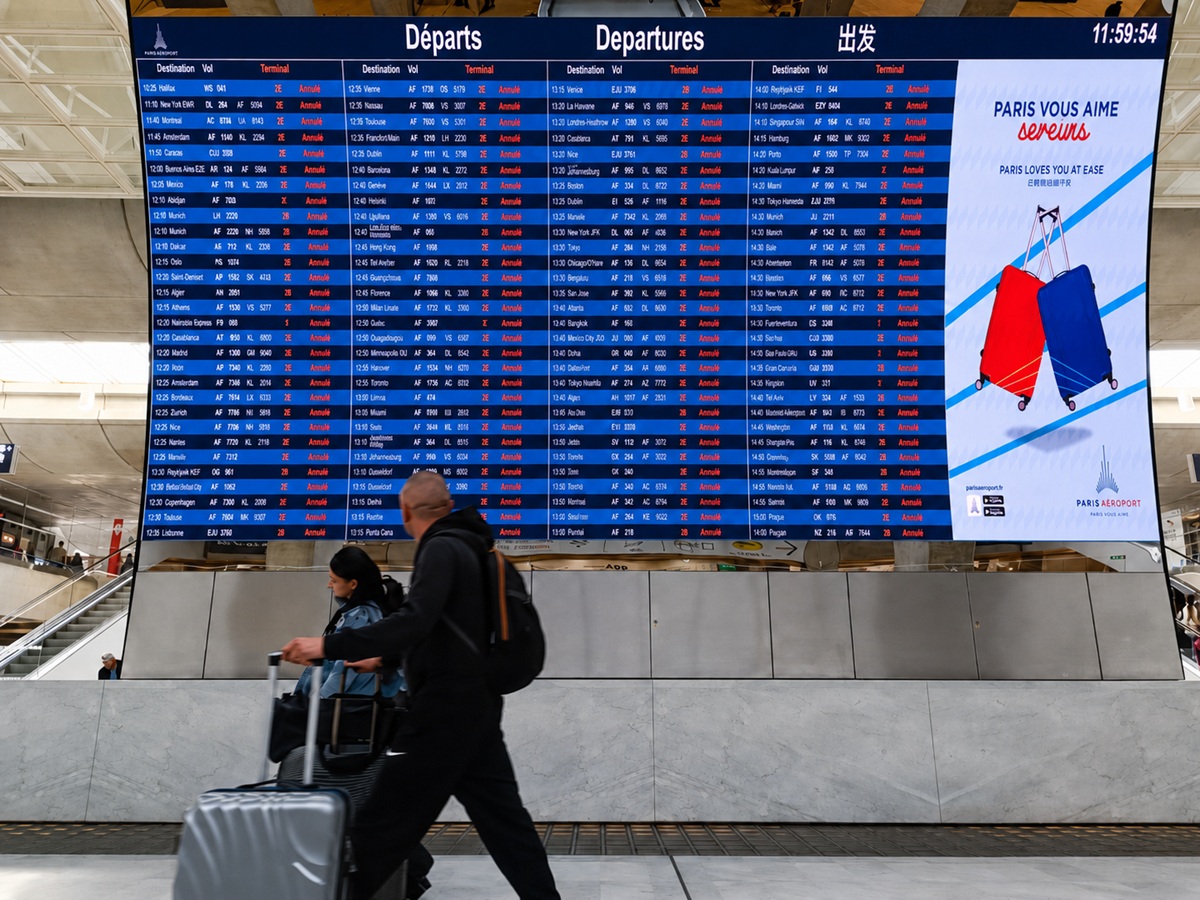

 Published by Romain Pommier




 Published by Caroline Lelievre




 EUR/USD hovers around 1.1625 this Monday after a 1.4% pullback over the week, well off the peak of 1.1784 touched ten days ago. The 1.15–1.17 zone should cap trading this week.