The Golden Stones of Beaujolais: An Astonishing Journey Through Vineyards and Geology

It is a refrain we chant on the third Thursday of every November: “Beaujolais nouveau has arrived!” From the cafés of Montmartre to Tokyo’s wine bars, glasses are raised as we discuss its aromas with a grave air of banana notes or hints of English candy. If the Beaujolais name is celebrated beyond French borders, it is indeed thanks to its primeur wine.

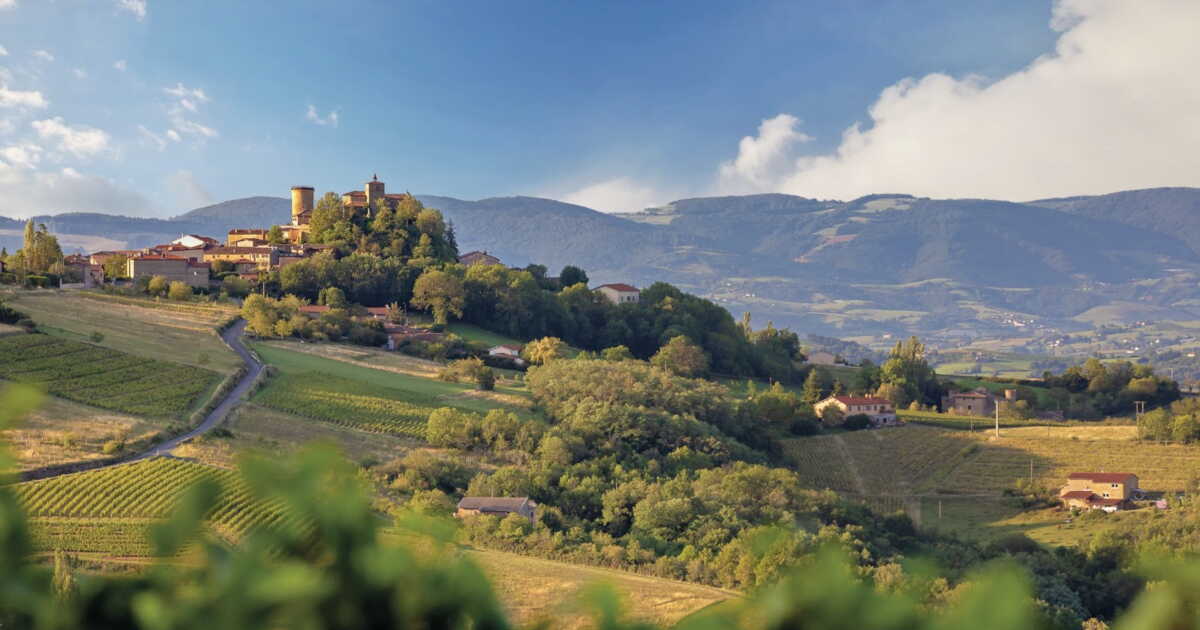
But this territory roughly 60 kilometers long by 20 wide, tucked against the right bank of the Saône and stretching from Solutré Rock in the north to the foothills of the Lyonnais in the south, offers surprises beyond wine! In addition to twelve renowned appellations and bold winemakers, it houses one of the richest geologies in France, hailed by the UNESCO Global Geopark label. A spread of mineral treasures whose most luminous expression can be seen in its southern part, punctuated by honey-colored villages: the land of the Golden Stones.

Top European Beaches for Golden Hour Photography This Summer

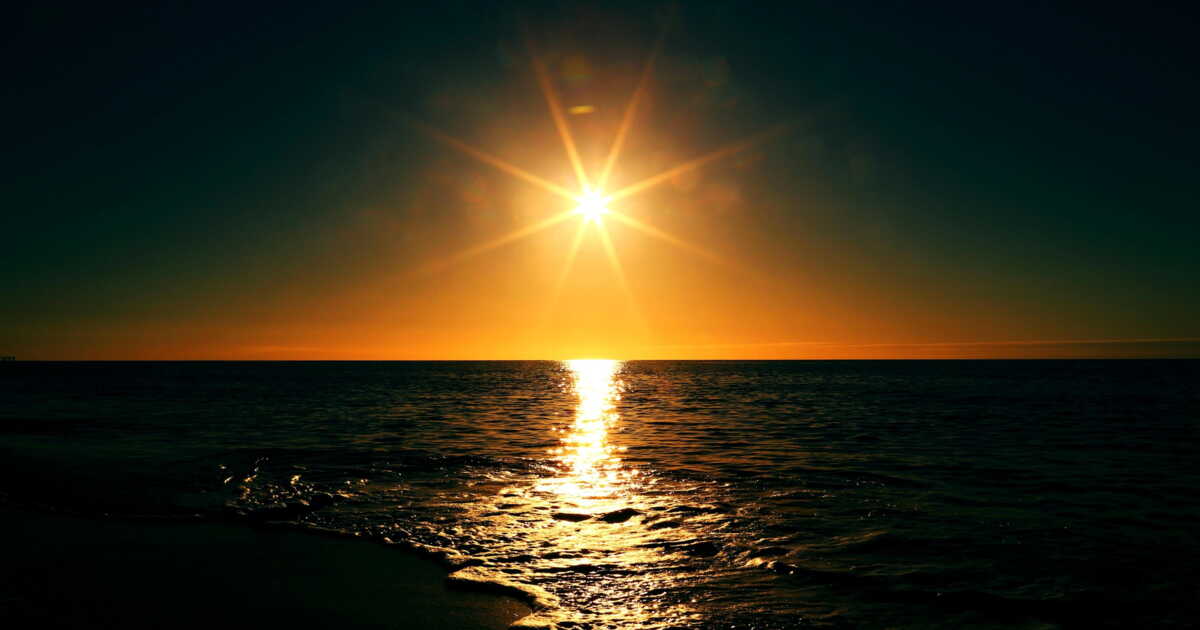
Each summer, thousands of travelers seek the perfect moment to capture coastal landscapes. Among them, the “golden hour”, that brief period after sunrise or before sunset when light is soft and warm, turns beaches into particularly photogenic settings. A study conducted by photography specialists reveals which European beaches offer the best conditions to capture these moments between July and August. And several French sites are among the destinations listed in this ranking.

Germany Dominates the Rankings

To establish this ranking, MPB experts, a platform specializing in second-hand photo and video equipment, analyzed 40 renowned European beaches. They relied on data from the National Oceanic and Atmospheric Administration (NOAA) regarding the sun’s position during July and August, examining in particular the average duration of the golden hour, the orientation of the beaches relative to sunrise and sunset, and the variation of the sun’s position over the summer.

The beach of Timmendorfer Strand, located in Lübeck Bay in Germany, takes first place with an overall score of 63.7 out of 100. It offers an average golden hour of 53.1 minutes and stands out especially for its exceptional sunrise alignment, rated at 87.5 out of 100. The sun thus appears almost in line with the axis of the beach, an ideal setup for photographers who want to shoot facing the sea.

Continuing in Germany, Warnemünde Beach near Rostock ranks second in the ranking. It shows the longest golden hour in the study, with an average of 53.4 minutes. Unlike Timmendorfer Strand, it does not stand out for an exceptionally well-aligned sunrise, but rather for a more balanced profile, with identical scores of 42.7 out of 100 for sunrise and sunset. Its wide sandy beach and its lighthouse thus offer shooting opportunities at various times of the day.

Mediterranean Beaches Do Not Fall Behind

The Italian beach of La Pelosa, in Sardinia, completes the podium with a score of 60 out of 100. Although it has a shorter golden hour, estimated at 39.1 minutes, it benefits from a low variation in the sun’s position during the summer (19.7 degrees). This stability makes it easier to plan shoots and allows photographers to reproduce similar light from one day to the next.

Other beaches also feature among the study’s top-ranked. La Concha, in San Sebastián, Spain, places fourth thanks in particular to a good alignment of the sunset (65.4 out of 100). In Spain as well, Playa de las Canteras, in the Canary Islands, and Playa de Muro, in Mallorca, appear in the top 10. Several Greek beaches also stand out, such as Navagio in Zakynthos and Paleokastritsa in Corfu, particularly favorable for sunsets with respective alignment scores of 81.8 and 81.1 out of 100.

Fig Tree Bay in Cyprus, as well as Cala Goloritzé in Sardinia, complete this group of well-positioned Mediterranean destinations. In the Netherlands, Scheveningen and Zandvoort offer some of the longest golden hours in the ranking, with averages of 50.2 and 50.5 minutes respectively, and prove especially suitable for late-afternoon photography.

Three French Beaches Among the Top-Ranked

In France, conditions vary significantly across the coastlines. Étretat Beach, in Normandy, ranks fifth in the European standings with an overall score of 52 out of 100. It notably has the best sunset alignment of the entire study, with a score of 90.1 out of 100. The famous Norman cliffs thus provide a setting particularly well-suited for images taken as the sun sinks toward the horizon.

With an average golden hour of 47 minutes, photographers also have a relatively long window to play with contrasts between the rocks, the sea, and light variations. This kind of landscape enables images where the relief gradually turns into silhouettes while the final glimmers of the day color the sky. On the Mediterranean coast, Palombaggia Beach in Corsica ranks twelfth ex aequo with a score of 49.5 out of 100. It stands out for its sunrise alignment, rated at 75.4 out of 100, but is not suitable for sunset photographs according to the study’s criteria.

The Pampelonne Beach, near Saint-Tropez, shows a similar profile with a sunrise score of 74.6 but a zero for sunset. It ties for fourteenth ex aequo with a score of 48.9 out of 100. Stretching about 4.5 kilometers, this famed beach in the Var department is known for its vast expanse of fine sand and turquoise waters. Its golden hour lasts on average 40.8 minutes, allowing photographers to enjoy morning light that enhances both the coastline and the renowned beach clubs and the pine trees that line part of the shore.

A Few Tips for Capturing Great Photos

MPB specialists also remind a few simple rules to succeed with your shots during this period. They especially recommend using a tripod to stabilize the camera when light drops quickly, as well as paying close attention to exposure to avoid losing the details of the sky around the sun. They finally suggest choosing an aperture between f/8 and f/11. This setting helps keep the foreground and the horizon sharp and can produce a starburst effect when the sun is partially hidden by an element of the landscape.

What to Do in California: 6 Outings and Activities in the Golden State

Whether you dream of cruising the Pacific Coast Highway, exploring the national parks, strolling in San Francisco, or enjoying the beaches along the Pacific coast, California offers a diversity of activities and landscapes that make it one of the most iconic destinations in the United States.

1. San Francisco, Los Angeles… Exploring California’s major cities

California, a vast land with many faces, stands as a major North American destination for any trip in the state seeking breathtaking landscapes and cultural diversity. In San Francisco, a city iconic both historically and technologically, the must-see Golden Gate Bridge towers over the bay while the Alcatraz Island offers a striking glimpse into the country’s prison past. Nearby, the Fisherman’s Wharf reveals a lively harbor world, ideal for sampling local specialties, before a dive into Chinatown, one of the oldest Chinese quarters in the United States.

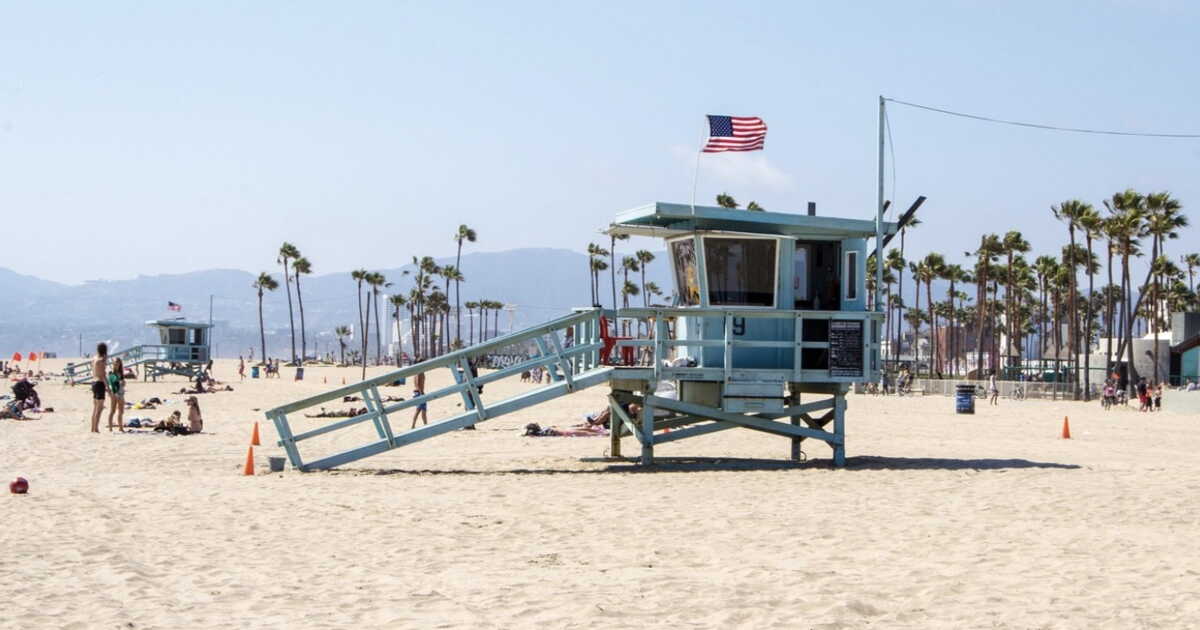
Further south, Los Angeles unveils its icons: the Walk of Fame, the green hills of Beverly Hills, the street artists of Venice Beach, or the vintage shops of Melrose Avenue, blending glamour with urban buzz. Not far away, Santa Monica and its palm-lined beaches invite relaxation.

Continuing southeast, San Diego captivates with its Balboa Park, a true cultural and botanical hub, as well as its world-renowned zoo. Further off the coast, the Channel Islands archipelago and Santa Catalina reveal an intact natural beauty, cherished by nature lovers for its wild trails and protected wildlife.

Finally, to the north of the region, Sonoma Valley, the heart of California’s wine country, completes this journey with a touch of elegance and authenticity, confirming that every stop on a California trip promises an experience as enriching as it is diverse.

2. Roaming the National Parks

California stands out for the richness of its wild nature and the extraordinary diversity of its national parks, true jewels of North America. Yosemite National Park, a world heritage site, draws nature lovers with its grand panoramas, spectacular waterfalls, legendary granite cliffs, and giant sequoias.

At the far southeast of the state, Death Valley National Park reveals another facet of California’s natural beauty: vast aridity, gold dunes, and time-worn reliefs, in an atmosphere both rugged and fascinating. Not far away, Joshua Tree National Park captivates with its twisted trees, desert symbols, and distinctive rock formations that attract hikers and photographers alike.

These sites, among the region’s most spectacular, offer an unforgettable California journey, a blend of breathtaking landscapes and immersion in a preserved natural heritage where you can truly feel the spirit of wild California.

3. Traveling along the Pacific Coast

To take the Pacific Coast Highway is to offer oneself a California journey at the pace of the ocean, between rugged cliffs and exceptional panoramas, along one of the North American coastlines that’s among the most spectacular. The route from Los Angeles to San Francisco via Highway 1 is an essential experience, especially in the Big Sur region, where the breathtaking coast landscapes reveal themselves in all their natural beauty. There are numerous viewpoints, perfect for nature lovers seeking calm and wide open spaces.

Along the way, a stop in Monterey is worth it: its world-renowned aquarium captivates young and old, while the piers provide great spots to savor freshly caught seafood. Not far away, the beaches of Santa Catalina or the lively promenades of Venice Beach, with their street artists and vintage shops, further enrich the Californian coastal experience.

4. Discover Culture and History

California, beyond its breathtaking landscapes, stands out for the richness of its cultural heritage, embodied by a multitude of museums and major historical sites that dot the entire state. In Los Angeles, the Getty Center is an essential reference: its bold architecture and collections of European art offer a fascinating dive into the history of art, set on a site overlooking the city.

Further north, San Francisco celebrates innovation and contemporary creation through major institutions such as the Museum of Technology and Innovation or the Museum of Modern Art, which position the city as a leading intellectual and artistic hub in North America.

Close to the coast, the Mission San Juan Capistrano, located southeast of Los Angeles, recalls the Spanish colonial era, with adobe buildings and carefully kept gardens. This emblematic building, nestled in a setting of natural beauty, makes for a rewarding stop for any nature and history enthusiast traveling in California. These places, combining culture, memory and innovation, confirm California’s ability to blend modernity and heritage with balance.

5. Sample California Flavors

In the heart of California, the Napa Valley wine region stands out as a premier destination for wine tourism, worldwide for its picturesque vineyards and exceptional estates. A day trip into this valley lets you discover the elegance of Californian grape varieties while enjoying breathtaking landscapes where green hills and natural beauty blend harmoniously.

Not far away, Sonoma Valley, less crowded but equally high-quality, offers an authentic alternative to traditional circuits, ideal for a California journey focused on terroir. For gastronomy enthusiasts, the farmers markets of San Francisco are prime discovery spots, pairing fresh produce with a local vibe, while Los Angeles reveals the wealth of its cultural heritage through its Mexican neighborhoods, where one can savor traditional, characterful cuisine. These experiences, balancing refined tastings and tasty street food, reflect the culinary diversity of a city or state where every plate tells a story, enriching the California adventure in all its forms.

6. Go on Outdoor Adventures

California stands out as a vast playground for nature lovers and outdoor enthusiasts, offering a diversity of sports activities tied to its natural beauty and breathtaking landscapes. Along the Pacific coast, the beaches of Malibu and La Jolla are popular spots to learn or improve surfing, a quintessential regional activity.

Further north, the Tahoe mountains, straddling the California–Nevada border, provide wooded trails for summer hikers and renowned slopes for winter skiers, in a preserved alpine setting.

For those seeking thrills, paragliding at Torrey Pines, overlooking the coastal cliffs near San Diego, offers a view of the coastline from a unique angle.

These activities, spread across sea, mountains, and sky, illustrate the breadth of possibilities offered during a California trip, where each city, each park, and every corner from the southeast to the central coast becomes the setting for an accessible and memorable outdoor adventure in the heart of North America.

In conclusion, California offers a multitude of activities that will satisfy all travelers. Whether you are fascinated by natural landscapes, the dynamic culture of cities, or culinary experiences, this state has something to offer. The options are endless and depend only on your travel style and interests. Make your stay in California an unforgettable and enriching journey.

What budget should you plan for 15 days in California?

Planning a two-week trip to California requires a precise estimate of major expense items. For a 15-day stay, the average budget can vary between 2,500 and 4,500 euros per person depending on the season, accommodation choices, and the pace of activities. Between major cities like San Francisco, Los Angeles, or San Diego, distances are substantial, which implies renting a car or using internal flights. Accommodation can range from affordable hostels to charming hotels, including quirky lodgings in national parks or along the coast. You should also budget for must-do activities: a visit to Venice Beach, exploring Sonoma Valley, a crossing to Santa Catalina, or excursions to the Channel Islands archipelago. Gas, meals, park and museum entry fees add to the total. Costs can vary significantly if you explore Southern California or the wilder Southeast.

What to do in California with kids for an enriching and fun trip?

California is full of family-friendly activities. Theme parks like Universal Studios Hollywood or the San Diego Zoo offer full days of entertainment, blending education and spectacle. Balboa Park in San Diego presents a unique combination of museums, gardens, and playgrounds. Beaches like Venice Beach allow younger visitors to ride the waves in a relaxed atmosphere, while street artists captivate attention. Nature lovers will enjoy walks in coastal reserves or boat trips to Santa Catalina. With its breathtaking landscapes and diversity, California is an ideal destination for family vacations, combining natural beauty, discovery, and relaxation.

What to do in California when it rains without losing the essence of the trip?

Even in the rain, California offers a wealth of sheltered activities. Major museums like the Getty Center in Los Angeles or the Exploratorium in San Francisco allow hours of exploring art, science, or history. In Hollywood, families and cinema enthusiasts can discover behind-the-scenes aspects of the 7th art through studios and covered exhibits. For culture lovers, historic neighborhoods also offer vintage shops and cozy cafés to take shelter in. Finally, in northern cities like Sacramento, the capital of California, galleries and museums provide a rewarding alternative for rainy days.

What to do in California in the evening to extend the experience?

California evenings are as rich as they are varied. In Los Angeles, the Hollywood Walk of Fame comes alive after dark, as do cultural districts offering concerts, performances, or outdoor cinema. In San Francisco, the Griffith Observatory provides a striking view of the city and its lights. For a relaxed evening, seaside strolls along Venice Beach let you enjoy a bohemian vibe fueled by street artists. Finally, in the Sonoma Valley, evening wine tastings appeal to terroir enthusiasts. Whether one is fond of culture, nature, or nightlife, California meets all nocturnal desires.

Explore Southern California: what not to miss?

Southern California is full of iconic sites, balancing natural beauty with urban buzz. From Venice Beach to Santa Catalina, coastal landscapes provide an ideal playground for outdoor enthusiasts. Los Angeles, a sprawling city, offers immersion in cinema and alternative culture, while San Diego blends beaches, historic neighborhoods, and family attractions. The southeastern part of California, drier, reveals striking deserts and national parks, perfect for nature lovers.

What is the capital of California and what can be discovered there?

The capital of California, Sacramento, often sits off the usual itineraries, yet it deserves a visit for its historical and cultural richness. The city is notable for its Gold Rush heritage, its renovated downtown, and its museums, such as the California State Railroad Museum. Located between Napa Valley and the Sierra Nevada, it also serves as an excellent gateway to the stunning interior landscapes of California.

This article was written with the help of artificial intelligence, then corrected, expanded, and validated by the editors.