Two hours’ drive north of San Francisco, the landscapes along the California coast take on unexpectedly striking features. Between vineyards, cliffs, towering redwoods, and Pacific-beaten beaches, an old fort reminds us that a portion of California was once under Russian rule. Perched on a promontory in Sonoma County, Fort Ross today stands as a singular stop along the coastal road. A detour that invites visitors to discover a largely little-known facet of California’s history and heritage.
A Remarkable Slice of Russia on the Pacific Edge
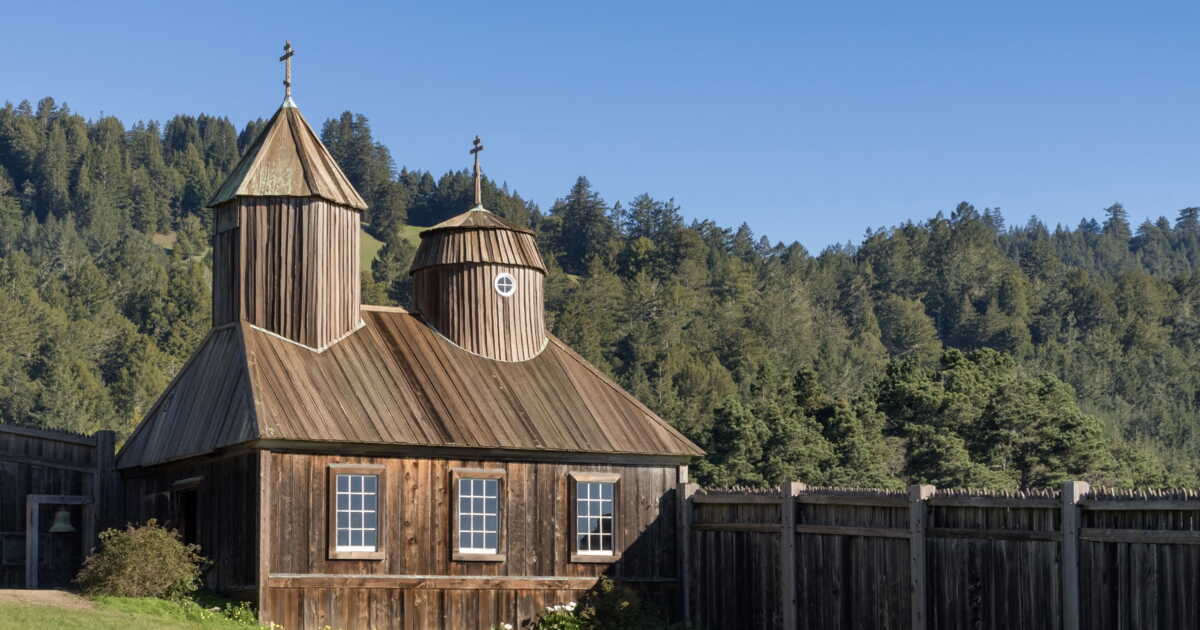
Fort Ross sits roughly 145 kilometers north of San Francisco, within Fort Ross State Historic Park. For travelers taking the famous Pacific Coast Highway, the site offers a pause quite different from the major parks and seaside towns that dot the coast. From the fort’s ruins, the view opens wide to the ocean, while a small Orthodox chapel topped with a cross recalls the Russian origin of the site.
The colony was founded in 1812 by the Russian-American Company, which administered the Russian territories in America at the time. Its goal was largely practical: to establish a southern base to supply the Russian colonies in Alaska, where climate conditions made farming particularly challenging.
The Russians had already developed activities in the northern Pacific, notably in the fur trade. In California, they found a more favorable climate and abundant resources. The site chosen along the Sonoma coast was also near territories under Spanish control, such as San Diego, Santa Barbara, Monterey, and San Francisco, with whom the newcomers would quickly trade.
“A prosperous and pluralistic trading village”
“Welcome to Fort Ross, the southern limit of the Russian Empire”, explains Chris Kimsey, archaeologist for California State Parks, to the BBC. At its peak, the colony gathered nearly 400 people. The fort, surrounded by a palisade 3.6 meters high, housed notably the military and company representatives. But most of life occurred outside: workshops, warehouses, dwellings and agricultural facilities formed a much larger village.
The place also possessed an astonishing multicultural dimension. Russians, Europeans, workers from Finland or Hawaii, indigenous Alaska hunters and members of local Native American communities lived and worked there together. “It was a prosperous and pluralistic trading village, with many languages and people from different origins living side by side”, says anthropologist Kent Lightfoot of the University of California, Berkeley.
A Stop That Tells Another California
Today, Fort Ross mainly offers a chance to measure the imprint left by this Russian presence on the land. The fort has been partly reconstructed and several buildings can be visited. Saint Nicholas Chapel is one of the most remarkable elements of the site, while the former locations of the village, cemetery and workshops allow continued exploration on foot.
The landscape itself is a draw. The park spans approximately 1,376 hectares and overlooks a spectacular stretch of the California coast. Trails lead to the coastline to observe the ocean from the cliffs. The region is also well suited to exploring Sonoma County’s landscapes, now famous for its vineyards.
For the Russian heritage also lives in wine. In 1817, the settlers introduced grapevines into what is today Sonoma County and notably cultivated the Mission grape. “It was the Russians who planted the first vines in what is today Sonoma County in 1817”, notes Megan Jones, head of Sonoma’s Wine Library.
The experience can thus extend far beyond the fort, through wine routes, rugged coastline, and Sonoma’s villages. The Russian River, which traverses the region, also preserves a trace of this history, which the Russians called Slavyanka.
And the Russian Adventure Came to an End
Nevertheless, the Russian venture did not endure. The overharvesting of sea otters contributed to exhausting local resources, while agricultural harvests remained insufficient to feed the Alaska colonies. In 1839, the Russian-American Company began to rely more on supplies provided by the Hudson’s Bay Company.
In 1841, it finally sold the buildings, livestock, and equipment of Fort Ross to John Augustus Sutter, a Swiss entrepreneur based near present-day Sacramento, for $30,000 (about €26,000). The land itself was not included in the sale and remained claimed by Mexico. Today, Fort Ross is freely accessible, allowing visitors to discover the fort, the Orthodox chapel, the cemetery, and the various sites of the former colony.
The Visitor Center and its museum complement the stroll with objects and information about the Russian, Alaskan, and Kashaya peoples who lived here. To deepen the visit, California State Parks also offers free one-hour presentations with its interpretive guides, usually on weekends, while private tours can be arranged by reservation.
For travelers tracing the coast between San Francisco and Sonoma, the site thus makes for an easy stop to fit into an itinerary. One can dedicate a few hours to explore the ruins and trails of the park before continuing toward Sonoma’s vineyards. A way to discover, along the road, a California less well known.
A land of plenty where the hippies made their home
Morro Bay, Sacred Nature
From desert to Sequoias, the spirit of Indigenous peoples lingers
Spring has taken up residence in Sacramento, about a 90‑minute drive north of San Francisco. Along brick buildings covered with colorful murals, people stroll with iced coffee in hand, in the cool river air and the scent of honeysuckle. At 1215 19th Street, in the artsy Midtown district, Patrick Mulvaney goes from table to table on the terrace of the restaurant bearing his name. Local caviar, house‑made smoked salmon, crackling pork with miso and apple butter, all washed down with sparkling wines… For more than twenty years, this jovial sixty‑something in his eternal Hawaiian shirt has been the local face of the Slow Food movement, born in 1986 in Italy to counter the threat of fast foods. “Our valley is America’s pantry,” he boasts. “Tomatoes, grapes, rice, apricots… I can cook in the evening with fruits and vegetables picked that morning!” Several times a week, the chef stocks up about 20 km away, at the Soil Born urban farm on the banks of the American River. This 22‑hectare operation on public land has been cultivated since 2001 by an association that runs weekly markets and feeds the surrounding schools and restaurants with organic, seasonal vegetables.
From “flower power” to “farmers markets”
Delicious, healthy, locally sourced products, in California, the land of technology, glitter, and intensive agriculture (like the tomato, a staple of ketchup)? The wealthiest state in the United States still manages to surprise! In Sacramento, the stronghold of horticulture in the United States, locavorian logic has boldly been enshrined as a principle by the authorities. In 2012, the city proclaimed itself the capital of the Farm-to-Fork movement (“from the farm to the plate”), which advocates sourcing from local growers. Hospital kitchens, for example, source 90% of their supplies within a 240‑km radius, ensuring steady income for producers and aiding their transition to organic. A move that contrasts with the consumerism and competitive spirit that prevail elsewhere in the Golden State. And it invites even tourists to break away from clichés. San Francisco, Los Angeles, Yosemite, Death Valley: these destinations remain essential. But to truly taste the California dolce vita, you must venture to off‑radar spots, where the joy is in good eating, slow time, and preserved nature. A California still steeped in the animism of Indigenous peoples, the pastoral frugality of ranchers, and the ideals of the hippies, many of whom returned to the land here.
The Local Flavor
It is precisely during the flower-power years, in 1974, that Randii MacNear arrived in Davis, a city of 65,000 adjacent to Sacramento, whose university is renowned for its agriculture department. Born near New York, this woman passionate about local produce helped establish here in 1977 the first Certified Farmers’ Market in California, a label guaranteeing the local origin of products. On this bright March Saturday, she welcomes customers who head toward about forty stalls lined under wrought‑iron canopies. To Balkan tunes played by an accordionist, families, retirees, and green‑haired youths fill their baskets with early vegetables, goat cheeses, and loaves of bread sold directly and at fair prices by regional growers, some of whom have run their stalls since the market’s founding. An almost rural vibe that Randii says was inspired… by the Old Continent!
“In Europe, the market square sits at the center of villages, and you know those who feed you by their first names,” she says. “That’s what we wanted to reproduce here.”
All around, the heart of Davis radiates the same relaxed atmosphere. Along broad sidewalks flecked with oaks, maples, and ginkgo trees, a whole spectrum of cafés, bakeries, second‑hand bookstores, art galleries… and even a bike‑friendly network, a rarity in the United States, letting you pedal to explore historic Davis (Davis Bike Loop, 19 km) or local craft breweries (Davis Brewery Bike Loop, 16 km).
Old Objects, New Life
Along the country roads that traverse the Yolo County saline plains, where large farms coexist with small organic growers, you can also reach Park Winters, a Victorian estate dating from 1865, tucked among pistachio and sunflower fields. In 2010, Rafael Galiano and John Martin traded the hustle of San Francisco for this four‑hectare property, converting it into a chic country bed & breakfast that appeals to urban, well‑off locals. The place, though upscale, cultivates a sense of conviviality and rustic simplicity.
“What we love is giving old objects a new life”, notes Rafael, as cats purr on cushions and blackbirds flit through the garden trees. Almost everything here is upcycled: the piano that belonged to the previous owner, the chairs, the sideboard, the counter… Every weekend, the hosts serve guests a seasonal brunch, set out under a vast covered veranda. Opposite, fields of flowers invite visitors to pick their own bouquet of carnations, ranunculus, or sweet peas, for 38 dollars the two hours. “Believe me, it’s more effective than thirty minutes with a shrink!” laughs the host.
3 Hidden Delicacies of California Terroir
Ollalieberry : a cousin of the blackberry and raspberry, this very sweet and tangy fruit grows only in Oregon and California. In the coastal town of Cambria, Linn’s Easy as Pie café sells it as syrups, jams, jellies, and luscious tarts.
Dates : in Indio, near Palm Springs, the Shields Date Garden palm grove produces common varieties (Medjool, Barhi) and others unique in the world, like the Brunettes, less sweet, with a honey and caramel aroma.
Pacific Gold Oysters : these small Pacific oysters with firm flesh and very salty taste are raised, for example, by the Morro Bay Oyster Company. You can buy them on site and enjoy them perched facing the bay, watching the otters.
Lodi, the Wine Differently
Further south, in the little town of Lodi, Jeremy and Choral Trettevik have set out to develop a more sustainable and accessible alternative to California’s dazzling yet often exclusive wines. Unlike the posh valleys of nearby Napa and Sonoma, the Lodi wine region is known for producing everyday table wine. It has also recently welcomed vintners eager for virtuous practices, such as limiting irrigation in a California prone to severe droughts. The couple Trettevik are part of this movement. On their operation along Route 88, in an anthracite‑colored barn that starkly contrasts with the blue sky, they strive to offer free tastings and wine‑education lessons in a country where such practices are viewed as elitist. They also host local events. This Saturday, a producer market set up at the foot of the century‑old Zinfandel plant. Glasses in hand, to the backdrop of a small concert, locals trade plants, take cuttings of vines… and bottles. “Modern life is obsessed with money and success,” laments Jeremy Trettevik. “If people have money to spend on wine, let them put it in a bottle to share with friends!”
From Lodi you can reach Interstate 5 within a few miles, which heads toward Los Angeles across the endless Central Valley agricultural basin. In the distance to the left, the first foothills of the Sierra Nevada, with peaks still snow‑covered at the end of March. To the right, the heights of the Diablo Mountains, which hide access to the Paso Robles region and San Luis Obispo County, a bastion of La Dolce Vita often overlooked by tourists, where Pacific breezes kiss green pastures ideal for grazing.
“Life is too beautiful to hurry”
In the hamlet of Parkfield, the Varian family has been keeping the V6 Ranch running since the 1960s, an 8,000‑hectare estate populated by beef cattle where the simple cowboy lifestyle—centered on family, land, and livestock—persists. Today, John and Barbara Varian also welcome outsiders. They host guests in cottages converted from old village buildings and offer a Western‑tinged program: barbecue (sitting on saddles repurposed as stools!), horseback rides, and lasso lessons… Each year their bluegrass music festival echoes through the mountains with fiddles, harmonicas, and banjos. “Here, the land is like a member of the family: that is the message we want to share,” explains Barbara, recalling the slogan of San Luis Obispo County: “Life is too beautiful to hurry.”
A land of plenty where hippies made their home
This motto seems to permeate this utopia half‑way between San Francisco and Los Angeles, even along the coast where briny air blends with scents of eucalyptus and maritime pines. No surprise that hippies once settled in the coastal villages of Cambria and Cayucos to pursue pottery and body painting away from the city. Although they long ago ceded space to retirees and surfers, a relaxed, timeless spirit still lingers. Shops close at 5 p.m., wine bar terraces populate the lawns, and people greet one another without knowing each other. Nature, too, remains fully present. In Morro Bay’s small fishing harbor, at the mouth of the Chorro and Los Osos creeks, nets are hauled in and fish are sold right on the pier. On the beach, children paddle a few strokes from the sea otters, which linger in these shallow waters to avoid shark jaws.
Morro Bay, Sacred Nature
At the foot of the natural history museum, Virginia Flaherty, an ornithologist and kayak guide, waits by her craft, life jacket in hand. With a few paddle strokes, the sixty‑somethings leads in a monastery‑like silence to the heart of the Morro Estuary Natural Preserve, a protected estuary where grebes, herons, turnstones, and other shorebirds thrive… But also remarkable bat rays, whose broad imprints can be seen in the sand where they bury themselves. In this expanse of water separated from the ocean by a dune, enormous red and yellow starfish sprawl across the rocks, pelicans bow their chests, and otter families drift off to sleep, their paws tangled.
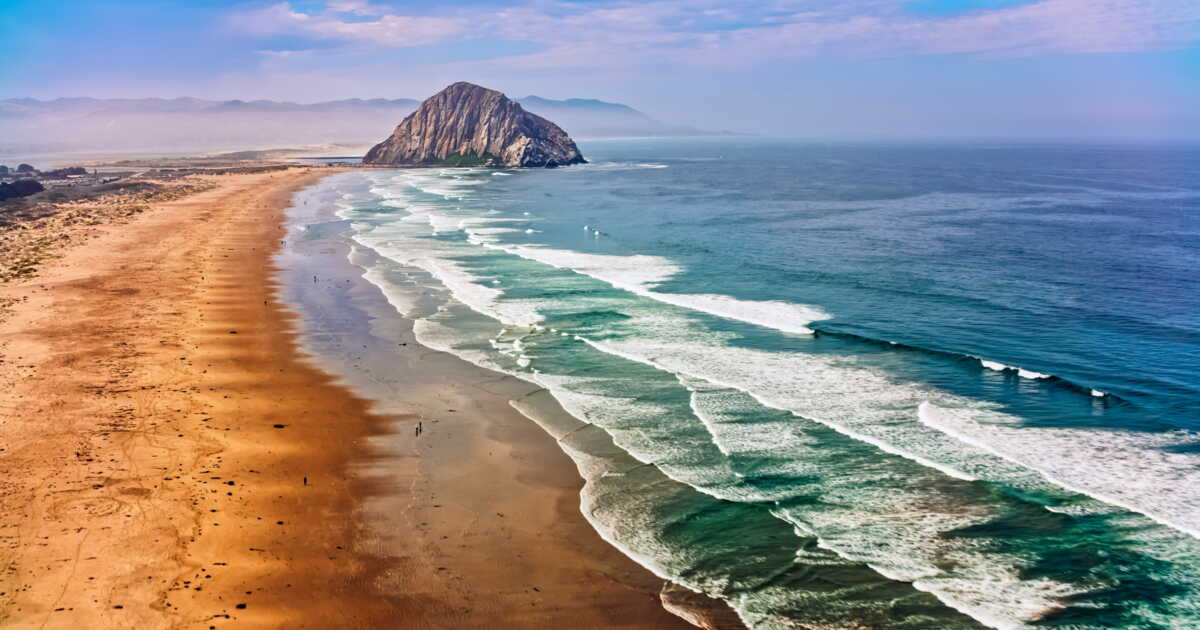
Morro Bay is also famous for Morro Rock, a volcanic‑origin rock that towers above the bay at 176 meters. This landmark is sacred to the Salinan and Chumash tribes, the Indigenous peoples of the region. It’s a different story that surfaces throughout rural California: that of Indigenous peoples, present here for at least 19,000 years. Away from the metropolises and their sprawling suburbs, the names of rivers, mountains, and villages often derive from their heritage.
From Desert to Sequoias, the Spirit of Indigenous Peoples Floats
Even in Palm Springs, an artificial oasis in the desert east of the City of Angels, a resource long exploited by Indigenous peoples lies beneath the surface: a mineral spring at 40°C, slightly sulfurous, used to ease stress, muscle pains, and skin issues. The Agua Caliente Band of Cahuilla Indians, descended from the Cahuilla people, has managed to keep the operation going. To immerse yourself, you must visit the Spa at Séc‑he (“the sound of bubbling water”), a sacred cultural site adorned with mosaics of deities, such as Grandmother Spider, creator of the world. “Indigenous peoples have shaped the landscapes of this region for millennia,” explains Kate Anderson, spokesperson for the tribe. From desert to redwood forests, traces of our ancestral culture are everywhere. Even in these rough stone bathtubs where one now lounges, water bubbling up to the neck provides a pleasant way to reconnect with California’s deep soul!
Tracing a route in “Cool California”
Prefer regional airports
To avoid gridlock in big cities and dive straight into rural California. Car rentals are also cheaper there. Example itinerary: Paris–Sacramento via San Francisco on the way out, Palm Springs–Paris via Los Angeles on the return.
Stroll through farmers markets
Many small towns have their own. You can grab a bite, meet the local farmers… For market days: ecologycenter.org/food-farming/farmers-market-finder
Learn about Indigenous heritage
The Visit Native California site is full of information for discovering Indigenous California: places to visit, experiences… visitcalifornia.com/native
Try train + bike
Driving remains king, but there are alternatives! Amtrak operates five lines across the Golden State, with the option to bring your bike aboard. amtrak.com
Follow on Instagram
The Visit California tourism board’s account offers ideas for off‑the‑beaten‑path escapes.
➤ Article appeared in GEO HS magazine no. 134, “Grandes évasions à petite vitesse,” August–September 2026.
➤ If you love GEO, discover our subscription options to receive GEO at home every month.
Whether you dream of cruising the Pacific Coast Highway, exploring the national parks, strolling in San Francisco, or enjoying the beaches along the Pacific coast, California offers a diversity of activities and landscapes that make it one of the most iconic destinations in the United States.
1. San Francisco, Los Angeles… Exploring California’s major cities
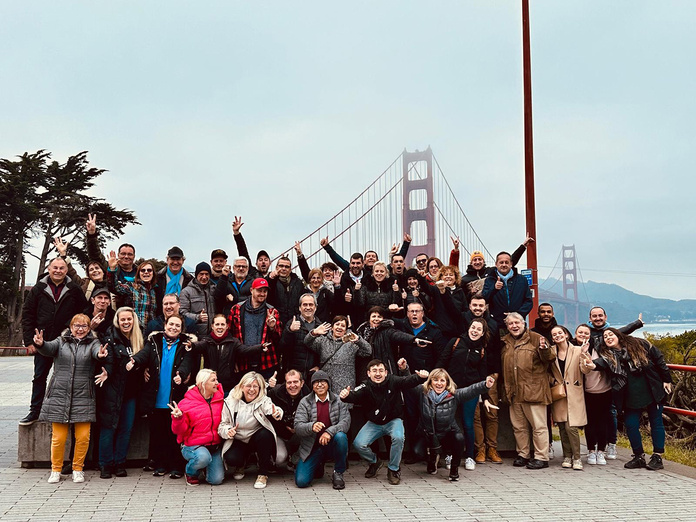
California, a vast land with many faces, stands as a major North American destination for any trip in the state seeking breathtaking landscapes and cultural diversity. In San Francisco, a city iconic both historically and technologically, the must-see Golden Gate Bridge towers over the bay while the Alcatraz Island offers a striking glimpse into the country’s prison past. Nearby, the Fisherman’s Wharf reveals a lively harbor world, ideal for sampling local specialties, before a dive into Chinatown, one of the oldest Chinese quarters in the United States.
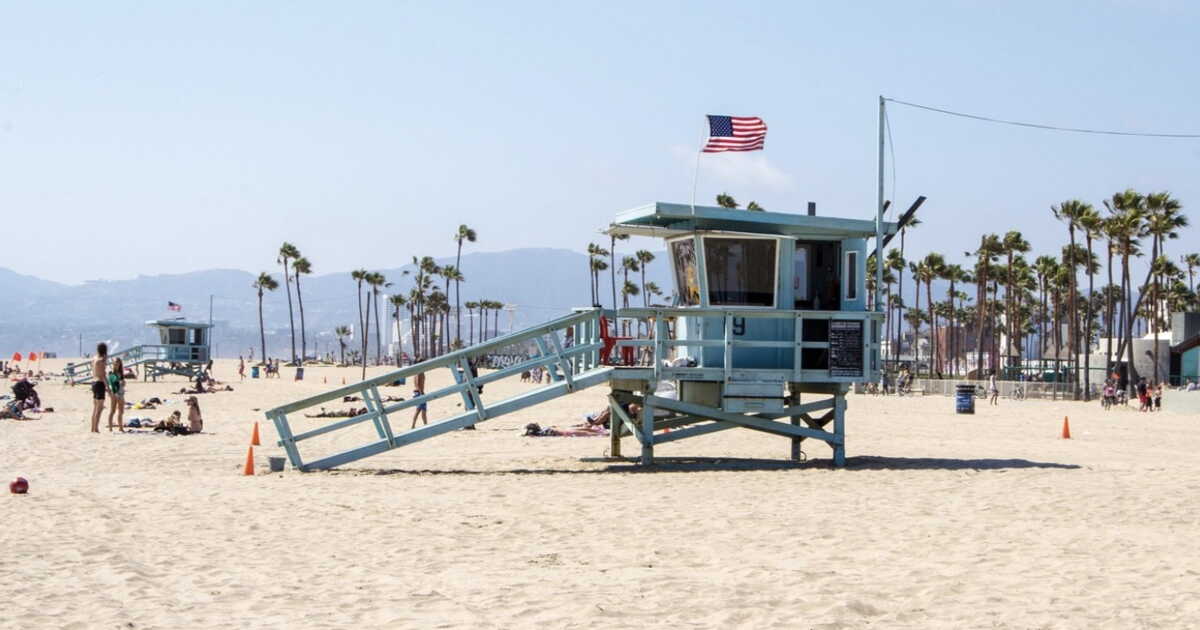
Further south, Los Angeles unveils its icons: the Walk of Fame, the green hills of Beverly Hills, the street artists of Venice Beach, or the vintage shops of Melrose Avenue, blending glamour with urban buzz. Not far away, Santa Monica and its palm-lined beaches invite relaxation.
Continuing southeast, San Diego captivates with its Balboa Park, a true cultural and botanical hub, as well as its world-renowned zoo. Further off the coast, the Channel Islands archipelago and Santa Catalina reveal an intact natural beauty, cherished by nature lovers for its wild trails and protected wildlife.
Finally, to the north of the region, Sonoma Valley, the heart of California’s wine country, completes this journey with a touch of elegance and authenticity, confirming that every stop on a California trip promises an experience as enriching as it is diverse.
2. Roaming the National Parks
California stands out for the richness of its wild nature and the extraordinary diversity of its national parks, true jewels of North America. Yosemite National Park, a world heritage site, draws nature lovers with its grand panoramas, spectacular waterfalls, legendary granite cliffs, and giant sequoias.
At the far southeast of the state, Death Valley National Park reveals another facet of California’s natural beauty: vast aridity, gold dunes, and time-worn reliefs, in an atmosphere both rugged and fascinating. Not far away, Joshua Tree National Park captivates with its twisted trees, desert symbols, and distinctive rock formations that attract hikers and photographers alike.
These sites, among the region’s most spectacular, offer an unforgettable California journey, a blend of breathtaking landscapes and immersion in a preserved natural heritage where you can truly feel the spirit of wild California.
3. Traveling along the Pacific Coast
To take the Pacific Coast Highway is to offer oneself a California journey at the pace of the ocean, between rugged cliffs and exceptional panoramas, along one of the North American coastlines that’s among the most spectacular. The route from Los Angeles to San Francisco via Highway 1 is an essential experience, especially in the Big Sur region, where the breathtaking coast landscapes reveal themselves in all their natural beauty. There are numerous viewpoints, perfect for nature lovers seeking calm and wide open spaces.
Along the way, a stop in Monterey is worth it: its world-renowned aquarium captivates young and old, while the piers provide great spots to savor freshly caught seafood. Not far away, the beaches of Santa Catalina or the lively promenades of Venice Beach, with their street artists and vintage shops, further enrich the Californian coastal experience.
4. Discover Culture and History
California, beyond its breathtaking landscapes, stands out for the richness of its cultural heritage, embodied by a multitude of museums and major historical sites that dot the entire state. In Los Angeles, the Getty Center is an essential reference: its bold architecture and collections of European art offer a fascinating dive into the history of art, set on a site overlooking the city.
Further north, San Francisco celebrates innovation and contemporary creation through major institutions such as the Museum of Technology and Innovation or the Museum of Modern Art, which position the city as a leading intellectual and artistic hub in North America.
Close to the coast, the Mission San Juan Capistrano, located southeast of Los Angeles, recalls the Spanish colonial era, with adobe buildings and carefully kept gardens. This emblematic building, nestled in a setting of natural beauty, makes for a rewarding stop for any nature and history enthusiast traveling in California. These places, combining culture, memory and innovation, confirm California’s ability to blend modernity and heritage with balance.
5. Sample California Flavors
In the heart of California, the Napa Valley wine region stands out as a premier destination for wine tourism, worldwide for its picturesque vineyards and exceptional estates. A day trip into this valley lets you discover the elegance of Californian grape varieties while enjoying breathtaking landscapes where green hills and natural beauty blend harmoniously.
Not far away, Sonoma Valley, less crowded but equally high-quality, offers an authentic alternative to traditional circuits, ideal for a California journey focused on terroir. For gastronomy enthusiasts, the farmers markets of San Francisco are prime discovery spots, pairing fresh produce with a local vibe, while Los Angeles reveals the wealth of its cultural heritage through its Mexican neighborhoods, where one can savor traditional, characterful cuisine. These experiences, balancing refined tastings and tasty street food, reflect the culinary diversity of a city or state where every plate tells a story, enriching the California adventure in all its forms.
6. Go on Outdoor Adventures
California stands out as a vast playground for nature lovers and outdoor enthusiasts, offering a diversity of sports activities tied to its natural beauty and breathtaking landscapes. Along the Pacific coast, the beaches of Malibu and La Jolla are popular spots to learn or improve surfing, a quintessential regional activity.
Further north, the Tahoe mountains, straddling the California–Nevada border, provide wooded trails for summer hikers and renowned slopes for winter skiers, in a preserved alpine setting.
For those seeking thrills, paragliding at Torrey Pines, overlooking the coastal cliffs near San Diego, offers a view of the coastline from a unique angle.
These activities, spread across sea, mountains, and sky, illustrate the breadth of possibilities offered during a California trip, where each city, each park, and every corner from the southeast to the central coast becomes the setting for an accessible and memorable outdoor adventure in the heart of North America.
In conclusion, California offers a multitude of activities that will satisfy all travelers. Whether you are fascinated by natural landscapes, the dynamic culture of cities, or culinary experiences, this state has something to offer. The options are endless and depend only on your travel style and interests. Make your stay in California an unforgettable and enriching journey.
What budget should you plan for 15 days in California?
Planning a two-week trip to California requires a precise estimate of major expense items. For a 15-day stay, the average budget can vary between 2,500 and 4,500 euros per person depending on the season, accommodation choices, and the pace of activities. Between major cities like San Francisco, Los Angeles, or San Diego, distances are substantial, which implies renting a car or using internal flights. Accommodation can range from affordable hostels to charming hotels, including quirky lodgings in national parks or along the coast. You should also budget for must-do activities: a visit to Venice Beach, exploring Sonoma Valley, a crossing to Santa Catalina, or excursions to the Channel Islands archipelago. Gas, meals, park and museum entry fees add to the total. Costs can vary significantly if you explore Southern California or the wilder Southeast.
What to do in California with kids for an enriching and fun trip?
California is full of family-friendly activities. Theme parks like Universal Studios Hollywood or the San Diego Zoo offer full days of entertainment, blending education and spectacle. Balboa Park in San Diego presents a unique combination of museums, gardens, and playgrounds. Beaches like Venice Beach allow younger visitors to ride the waves in a relaxed atmosphere, while street artists captivate attention. Nature lovers will enjoy walks in coastal reserves or boat trips to Santa Catalina. With its breathtaking landscapes and diversity, California is an ideal destination for family vacations, combining natural beauty, discovery, and relaxation.
What to do in California when it rains without losing the essence of the trip?
Even in the rain, California offers a wealth of sheltered activities. Major museums like the Getty Center in Los Angeles or the Exploratorium in San Francisco allow hours of exploring art, science, or history. In Hollywood, families and cinema enthusiasts can discover behind-the-scenes aspects of the 7th art through studios and covered exhibits. For culture lovers, historic neighborhoods also offer vintage shops and cozy cafés to take shelter in. Finally, in northern cities like Sacramento, the capital of California, galleries and museums provide a rewarding alternative for rainy days.
What to do in California in the evening to extend the experience?
California evenings are as rich as they are varied. In Los Angeles, the Hollywood Walk of Fame comes alive after dark, as do cultural districts offering concerts, performances, or outdoor cinema. In San Francisco, the Griffith Observatory provides a striking view of the city and its lights. For a relaxed evening, seaside strolls along Venice Beach let you enjoy a bohemian vibe fueled by street artists. Finally, in the Sonoma Valley, evening wine tastings appeal to terroir enthusiasts. Whether one is fond of culture, nature, or nightlife, California meets all nocturnal desires.
Explore Southern California: what not to miss?
Southern California is full of iconic sites, balancing natural beauty with urban buzz. From Venice Beach to Santa Catalina, coastal landscapes provide an ideal playground for outdoor enthusiasts. Los Angeles, a sprawling city, offers immersion in cinema and alternative culture, while San Diego blends beaches, historic neighborhoods, and family attractions. The southeastern part of California, drier, reveals striking deserts and national parks, perfect for nature lovers.
What is the capital of California and what can be discovered there?
The capital of California, Sacramento, often sits off the usual itineraries, yet it deserves a visit for its historical and cultural richness. The city is notable for its Gold Rush heritage, its renovated downtown, and its museums, such as the California State Railroad Museum. Located between Napa Valley and the Sierra Nevada, it also serves as an excellent gateway to the stunning interior landscapes of California.
This article was written with the help of artificial intelligence, then corrected, expanded, and validated by the editors.
At RevAmerica Tours, a California-based DMC, we have specialized in tailor-made journeys to the United States for nearly twenty years.
Our on-the-ground expertise allows us to build stays: transfers, accommodations, visits, exclusive access — we manage every detail so that your clients experience an adventure they will remember for a long time.
And this year, California offers a unique opportunity: hosting the FIFA World Cup 2026™.
Two California stadiums are at the heart of the event. In Los Angeles, the SoFi Stadium in Inglewood will host no fewer than eight matches, including the highly anticipated opening match of the United States against Paraguay on June 12, followed by USA vs. Turkey on June 25, two Round of 16 games and a Quarterfinal on July 10.
In the Bay Area, the Levi’s Stadium in Santa Clara (renamed the San Francisco Bay Area Stadium for the occasion) will host six matches from June 13 to July 1, including Qatar vs. Switzerland, Austria vs. Jordan, and Paraguay vs. Australia.
For the first time in the 94-year history of the tournament, the competition is taking place across three host countries — the United States, Canada and Mexico — with a record 48 participating nations and 104 matches on the schedule. California is therefore far more than a stopover: it is one of the epicenters of the competition.
Our programs combine the stadium experience with exploring the region: strolls along Venice Beach, a visit to the Golden Gate, a road trip along Route 1, an evening in Napa Valley’s wineries, or immersion in San Francisco’s iconic neighborhoods. The World Cup is the perfect pretext for an unforgettable California trip.
Contact us to build together the ideal itinerary for your clients:
Revamerica Tours, a US-based incoming DMC, is committed to meeting the needs of agencies and tour operators by offering high-quality products at accessible prices to reveal to travelers the positive emotions and the finest travel memories.