The Major Highlights of the Show

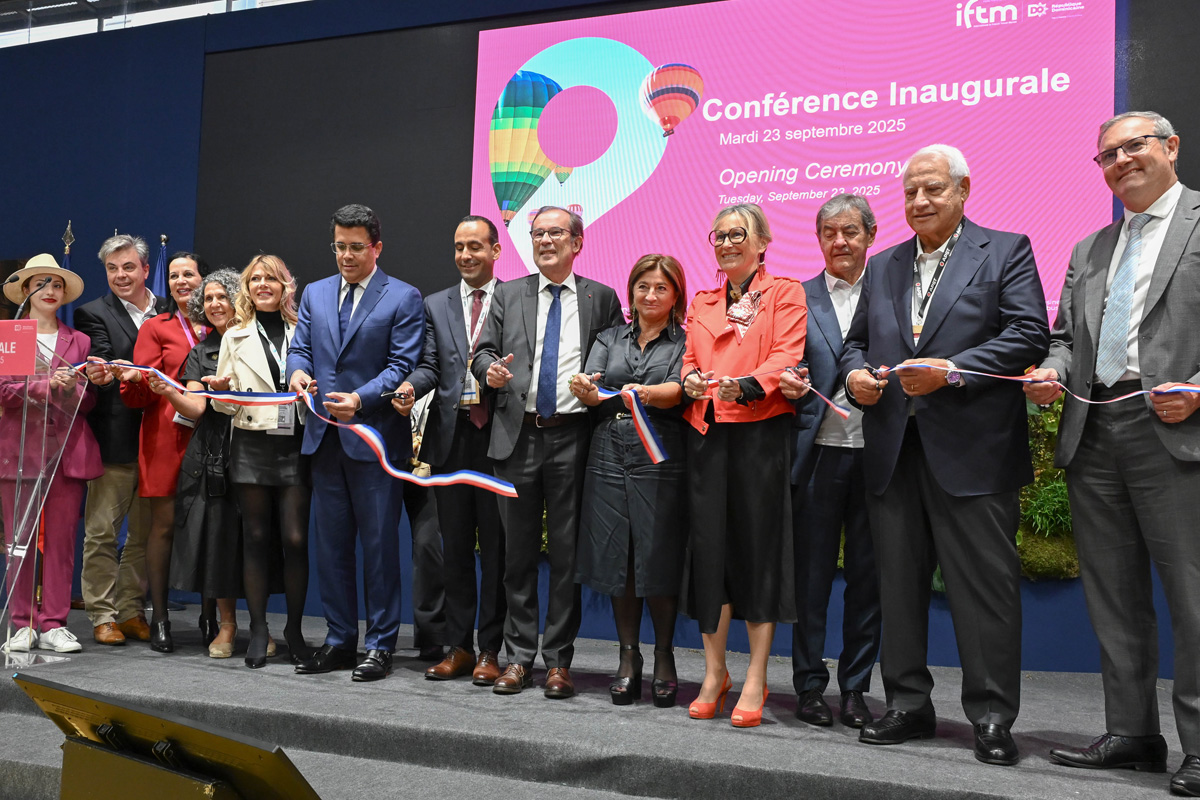
From Tuesday, September 15, the Inaugural Conference will kick off the three days at 9:45 a.m. in the Arena hall, offering an initial debrief of the edition’s thread. It will be an opportunity to analyze the sector’s transformations and to place in perspective the value created by all players in tourism. At 12 p.m., the Inaugural Cocktail will bring professionals together for a first moment of networking and connections.
In the afternoon, the International Panorama will present in the Arena by Uzbekistan an overview of concrete initiatives from around the world, illustrating the diversity and richness of international tourism.
On the trend front, the benchmarking sessions will once again be on the program on Wednesday, September 16
● The IFTM x EPSA 2026/2027 Benchmark will review business travel trends – Arena by Uzbekistan
● The Benchmark for Meetings & Events by Kactus will dissect the major dynamics of the MICE sector – Arena by Uzbekistan
● The AI Benchmark by the Club Tourisme Technologique will explore the growing impact of artificial intelligence in the industry – Agora
The “What’s New to Sell” sessions will also return every afternoon in Agora, where destinations and exhibiting brands will present their major novelties to travel agents.
A New Matchmaking Program for the Business Club
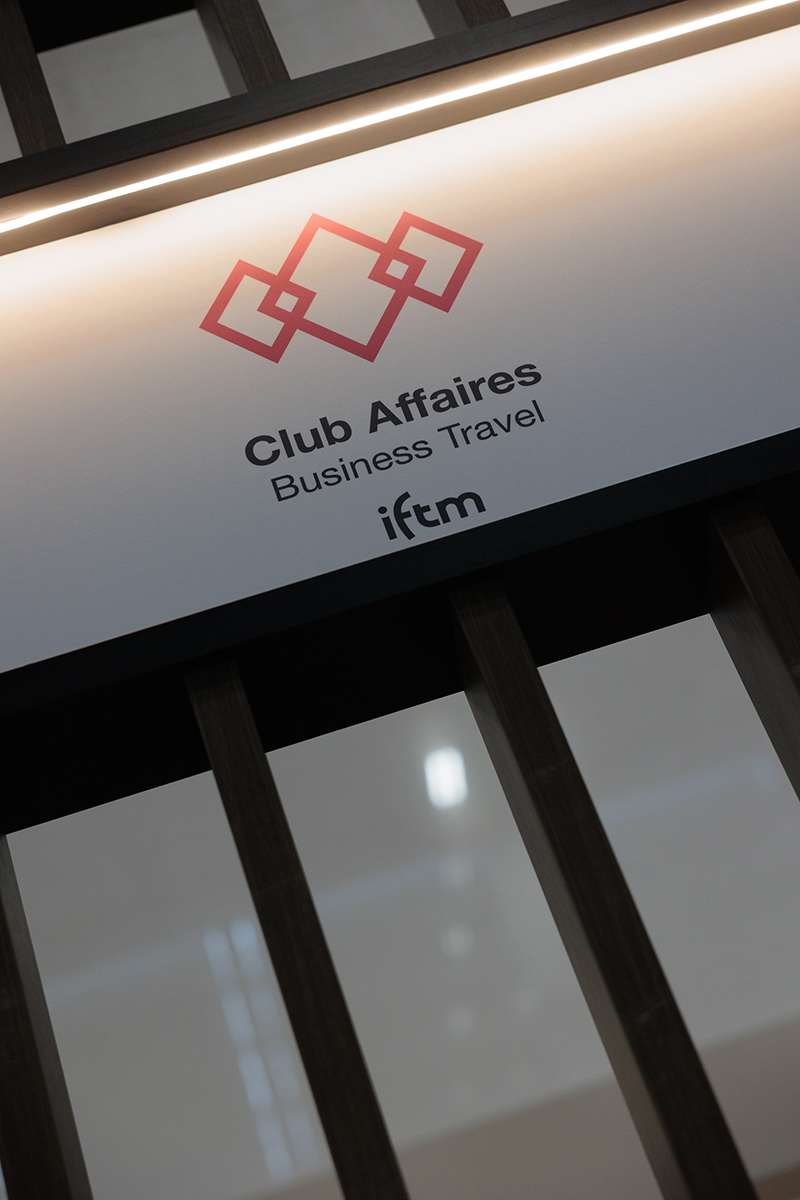
For this 2026 edition, IFTM innovates on the business travel front by launching a pre-qualified 1:1 meeting program between Business Club exhibitors and corporate buyers.
Through the Everywhere platform, each participant selects their interlocutors in advance for targeted and relevant conversations.
On Thursday, September 17, starting at 8:30 a.m., i.e. before the official opening of the show, participants will gather in a dedicated and privileged space at the heart of the Business Club for five to six one-on-one interviews lasting fifteen to twenty minutes each.
A format designed to maximize business opportunities, without wasting time.
Competitions to Spotlight Tourism Talents
IFTM is also the hub for competitions that celebrate talent, excellence, and innovation within the sector. This year’s program includes:
● The 3rd edition of the Orchestra Start-Up Contest, part of the event’s 10th anniversary, will give tourism startups the opportunity to pitch their solution before a panel of experts. This year, emphasis is placed on the community dimension: Village alumni will take the stage to share lessons learned and create a real value chain among entrepreneurs. The winning startup will receive personalized support from Orchestra, which could take the form of financial support, mentoring, or introductions. The grand final will take place on Tuesday, September 15 at 5:00 p.m. in Arena by Uzbekistan.
● The 2nd edition of Plume Verte by IFTM x ADONET rewards journalists who put their ink to work for responsible tourism. New for 2026: a Special ADONET Destinations Prize joins the roster, alongside the Plume Verte prize awarded by the jury and the Village’s Coup de Cœur chosen by exhibitors. The three prizes will be handed out on Wednesday, September 16 within the Village des Initiatives Durables by mN’O.
● The 9th edition of the Travel Agents Cup Junior, organized in partnership with FFTST, invites tourism students to put themselves in a real-world situation: persuade and sell France as a destination based on a client scenario drawn at random. The five finalists will compete on stage on Thursday, September 17 at 1:30 p.m. in Arena by Uzbekistan, before a jury drawn from all tourism fields.
● Finally, the Travel Agents Cup returns to reward the best travel agent in France. Contestants first submit a short video introduction, then compete in a three-stage final: discovery of the travel project, preparation of the proposal, and a live presentation on stage before a panel of experts. The event takes place in Arena by Uzbekistan on Thursday, September 17 at 3:30 p.m.
The Show’s Evenings
IFTM also features iconic evenings that pace the show and extend the conversations in a friendly atmosphere:
● The Digitrips x IFTM evening, the festive rendezvous for industry professionals, will take place at Pavillon Dauphine on Tuesday, September 15.
● The ceremony of the Business Travel Laureates organized by Eventiz will honor the sector’s standout players on Wednesday evening.
● The IFTM TourMaG Party will be held on Thursday, September 17 to close the show, at Club Haussmann in Paris’s 9th arrondissement. Open this year to all tourism professionals, available by registration, it promises to bring together more than 700 attendees for a moment of conviviality and exchange.
With a dense program and a theme closely aligned with industry realities, IFTM 2026 is shaping up to be a demonstrative and impactful edition. Three days to reveal together what creates value in tourism.
The IFTM Team Is at Your Disposal and Eager to Welcome You from 15 to 17 September 2026
Want more information to visit the show? Reach out to our team!
• IFTM Top Resa website
• On social networks
• IFTM Top Resa website
• On social networks
 |
 |
 |
 |
 |