Things to Do in England: 10 Must-See Outings and Activities

From the bustling streets of London to the landscapes of the Lake District, passing by Stonehenge, Bath, or the White Cliffs of Dover, England offers a rich diversity of discoveries. Here are 10 must-do ideas for activities to explore the country, whether for a weekend or a longer stay.

1. Explore London

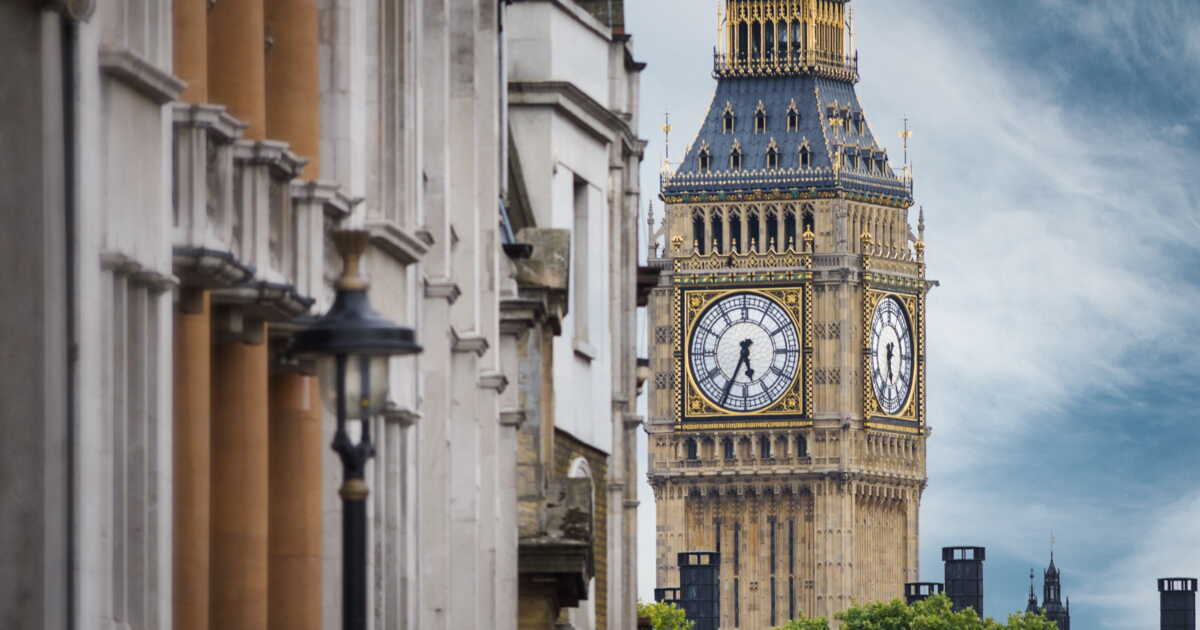
No exploration of England would be complete without an immersion in London, the dynamic capital with unparalleled heritage, culture, and commercial vitality. The city concentrates an exceptional density of iconic monuments, among which the Tower of London, the British Museum, and Buckingham Palace, each offering a structured glimpse into the country’s political, artistic, and royal history. For a contemporary perspective, experiences such as ascending the Shard or a ride on the London Eye allow one to grasp London’s urban expanse as a whole.

The neighborhoods of Camden Market and Soho, meanwhile, embody the most eclectic and vibrant face of the city, mixing alternative music scenes, street food, and underground culture. Finally, shopping enthusiasts will find their anchor on Oxford Street, a major commercial artery, or in the galleries and boutiques of Covent Garden, where craft, fashion, and street performance come together.

2. Admire the Roman Baths of Bath

Just a few hours from the capital, the city of stands out as an essential destination for anyone wishing to explore outstanding historical and architectural heritage. Renowned for its remarkably well-preserved Roman baths, it offers an immersion into ancient Rome through accessible and well-documented ruins that testify to the ingenuity of the period’s thermal infrastructure.

The Georgian-era influence shines brightly in the residential ensemble of the Royal Crescent, whose arc-shaped layout embodies the canons of English Classical aesthetics, extended by the landscaped views of the Crescent Garden. In addition, the Jane Austen Centre offers a literary and biographical reading of the writer’s stay in the city, linking local history to 19th-century British culture. Bath thus stands as a well-realized example of the articulation between antique heritage, Georgian urbanism, and major cultural references, in a setting accessible for both study and strolls.

3. Uncover the Mystery of Stonehenge

The prehistoric site of Stonehenge, located at the heart of the Salisbury Plain, remains one of the most iconic and enigmatic archaeological ensembles of Britain’s prehistoric heritage. Comprising a circle of monumental standing stones erected more than 4,000 years ago, this place continues to fascinate researchers and visitors alike because of the mysteries surrounding its function, whether as a ceremonial center, an astronomical observatory, or a ritual site.

Listed as a UNESCO World Heritage Site, Stonehenge is a must for anyone curious about the Neolithic civilization and the evolution of ancient spiritual practices. The visitor center, modern and well documented, helps place the monument in its historical context with interactive exhibitions and immersive reconstructions.

4. Relax in the Lake District

The Lake District National Park, located in the northwest of England, is one of the country’s most cherished natural spaces, celebrated for the beauty of its glacial lakes, the majesty of its mountains, and the preserved charm of its traditional villages. A UNESCO World Heritage Site, the park provides a structured setting for many outdoor activities, including hiking, cycling, and canoeing, appealing to casual visitors as well as seasoned athletes.

The Lake District is also linked to a rich literary and artistic heritage, having inspired major figures such as William Wordsworth. A stop in the village of Grasmere offers not only the chance to explore this cultural link but also to discover the gingerbread, a local iconic specialty.

5. Discover the Countryside of the Cotswolds

The Cotswolds are one of England’s most iconic rural regions, renowned for their rolling landscapes, golden-hued limestone villages, and well-preserved architecture dating mainly from medieval and Georgian times.

Designated an Area of Outstanding Natural Beauty (AONB), this region provides a structured setting for pedestrian discovery, with a dense network of marked trails enabling a methodical exploration of its built heritage and traditional agricultural spaces. Places such as Bourton-on-the-Water or Stow-on-the-Wold perfectly illustrate the region’s picturesque charm, with quaint bridges, half-timbered houses, and flowery lanes.

6. Sail along the Jurassic Coast

The Jurassic Coast, a UNESCO World Heritage Site, stretches for over 150 kilometers between Dorset and the eastern edge of Devon, and stands as a premier geological site in Europe. This fossil-rich coastline reveals, through its spectacular cliffs, a succession of rock strata spanning 185 million years of Earth’s history, making it a reference point for lovers of paleontology, geomorphology, and landscape reading.

The southwest coastal path, perfectly laid out, offers a structured walking route, delivering both breathtaking sea views and access to beaches where you can observe, or even collect, fossils in compliance with local regulations.

7. Experience the English Pub

No stay in England would be fully representative without a stop at a traditional pub, a true institution at the heart of British social life. Far from being merely a place to drink, the pub serves an essential community function as a space for intergenerational encounters, everyday conviviality, and informal cultural transmission.

Here you will discover a broad selection of , local ciders, and emblematic dishes of English cuisine such as fish and chips or pie and mash, served in an atmosphere often punctuated by weekly quizzes, lively discussions, and sometimes live music. Visiting an English pub not only helps you grasp a fundamental aspect of local life but also invites you to participate in a lively social experience, set within an architectural and cultural framework that centuries of tradition have shaped.

8. Take Part in an Afternoon Tea

Afternoon Tea, an iconic institution of the British lifestyle, embodies a codified culinary tradition that blends refinement, hospitality, and gastronomic heritage. Served typically between 3:00 p.m. and 5:00 p.m., this sipping moment centers around a structured assortment of savory sandwiches, warm scones with clotted cream and jam, and a variety of pastries, all accompanied by a carefully selected English black tea.

Whether in a prestigious hotel like the Ritz in London or in a regional tea room in the Kent, Bath, or the Cotswolds, Afternoon Tea follows the core principles of the Victorian tradition while allowing for local nuances.

9. Discover the Beatles’ History in Liverpool

Liverpool, renowned worldwide as the birthplace of the Beatles, is a must-visit for fans of popular music and contemporary cultural history. The The Beatles Story museum, located at Albert Dock, offers an immersive journey tracing the band’s career through original artifacts, recreations of iconic spaces, and archival sound. A stroll through Mathew Street reveals the places associated with their beginnings, notably the Cavern Club, contributing to an urban narrative of their ascent.

Beyond this musical heritage, Liverpool also distinguishes itself by its artistic dynamism, illustrated by major institutions such as Tate Liverpool, dedicated to modern and contemporary art, or the Museum of Liverpool, which contextualizes the city’s social and maritime development.

10. Hiking the Cliffs of Dover

The White Cliffs of Dover, recognizable by their calcite whiteness, stand as one of the most emblematic natural landmarks of England’s southern coast, both geographically and symbolically. Overlooking the Channel, they offer, via well-maintained trails, expansive seascapes with the possibility, on clear days, of catching sight of the French coast.

This protected area, managed by the National Trust, provides an accessible experience thanks to a network of marked trails suitable for varying levels of practice. The Visitor Centre offers educational resources on the local biodiversity, including seabird species and coastal vegetation. In short, this site embodies the fusion of natural heritage, tourism accessibility, and scenic value.

Which is England’s most beautiful region? Between natural charm and cultural heritage

For landscape lovers, the Lake District, a UNESCO World Heritage Site, stands out with its peaceful lakes, green mountains, and stone villages. For those seeking literary and architectural elegance, the Cotswolds reveal a refined and preserved rural lifestyle.

The Jurassic coastline of Dorset, with its chalk cliffs and fossil beaches, appeals to geology and nature enthusiasts. Each of these regions embodies a distinct facet of English identity, between history, scenery, and restrained emotion.

Why the British Museum remains essential to understanding world history

Among London’s major cultural institutions, the British Museum stands as a global reference for the preservation and transmission of heritage. Founded in 1753, it houses over eight million objects tracing the arcs of civilizations—from Mesopotamia to Egypt, from ancient Greece to Asia, and not forgetting African and Indigenous American cultures.

Its impressive collection, including the Rosetta Stone or the Parthenon sculptures, makes it a unique educational tool for understanding humanity’s evolution. Beyond its historical importance, the museum also embodies the United Kingdom’s central role in the story of global exchanges. Free to visit, it reflects a commitment to cultural openness, while raising contemporary questions about the provenance of artworks.

Which city to visit first in England?

England offers remarkable urban diversity, and choosing a city to visit depends first on your interests. London remains an obvious choice for a first immersion: a cultural, economic, and historical capital, it concentrates world-renowned museums, contrasting architectures, and a gastronomy scene constantly evolving.

For a less dense but equally rich alternative, York charms with its preserved medieval heritage and history-laden alleyways. Art lovers may prefer Manchester or Liverpool, cities undergoing a cultural revival. And Oxford and Cambridge offer a prestigious setting where university heritage meets tranquil elegance. Exploring a single English city is always stepping into a unique narrative, balancing tradition and modernity.

Family-friendly England: which destinations to prioritize for discovery and serenity?

Planning a family trip to England means balancing practicality, safety, and a rich array of activities. London offers numerous experiences suited for children: interactive museums like the Science Museum, urban parks such as Hyde Park, or playful exploration of the Harry Potter studios.

For a slower pace, the Cotswolds region, with its picturesque villages and marked trails, offers an ideal alternative to reconnect with nature. Brighton, a friendly seaside resort, also attracts families with its coastlines and relaxed atmosphere. England is thus well-suited to family trips that are instructive, accessible, and enriching within a controlled and diverse setting.

Weekend in England: which cultural getaways provide a memorable immersive experience?

Heading to England for a weekend means selecting the essentials in a brief time. For a first discovery, London offers a density of experiences unmatched anywhere, with a fluid transport network and must-see places accessible within a few hours: the British Museum, Tower Bridge, Tate Modern.

But other English cities also lend themselves perfectly to a short stay. Bath, with its Roman heritage and Georgian architecture, offers a calming cultural pause. Bristol or Oxford likewise allow weekends rich in discoveries without leaving the south of England.

This article was written with the help of artificial intelligence, then edited, expanded, and validated by the newsroom journalists.

What to Do in Romania: 5 Must-See Outings and Activities

When one thinks of Eastern Europe, it is hard not to include the fascinating Romania on the list. This country, at the crossroads of tradition and modernity, will surprise even the most seasoned travelers with its centuries‑old stories and eloquent landscapes. Here are some suggestions for exploring the diversity of Romanian experiences.

1. Explore Bucharest, the capital

Bucharest, nicknamed “The Little Paris”, offers a structured immersion between historic heritage and contemporary dynamics. The visit often begins with the Palace of the Parliament, an imposing building embodying the architectural heritage of the communist era, whose size rivals the largest administrative structures in the world.

Not far away, the Lipscani district, the nerve center of the old town, comes alive day and night with its traditional restaurants, bars and cultural galleries. To deepen understanding of the Romanian culture, a stop at the Dimitrie Gusti Village Museum, located in Herăstrău Park, is a must: this open-air museum showcases traditional habitats from different regions of the country, offering a tangible glimpse into the ways of life of yesteryear.

2. Visit Bran Castle, linked to Dracula

Bran Castle, situated in the heart of Transylvania, remains one of Romania’s most emblematic sites, largely thanks to its association with the famous Dracula legend, though the historical link with Vlad the Impaler remains tenuous. This medieval monument, built for defensive purposes at the end of the 14th century, draws visitors with its Gothic architecture, its narrow staircases, and its period rooms, where antique furniture and museum exhibits mingle.

Perched on a rocky promontory, it offers an impressive panorama over the Carpathians, reinforcing the enduring sense of mystery that the castle sustains. An on-site visit allows exploring the historical layers of the site, between defensive reality, royal functions and literary imagination.

3. Discover the Saxon citadels of Transylvania

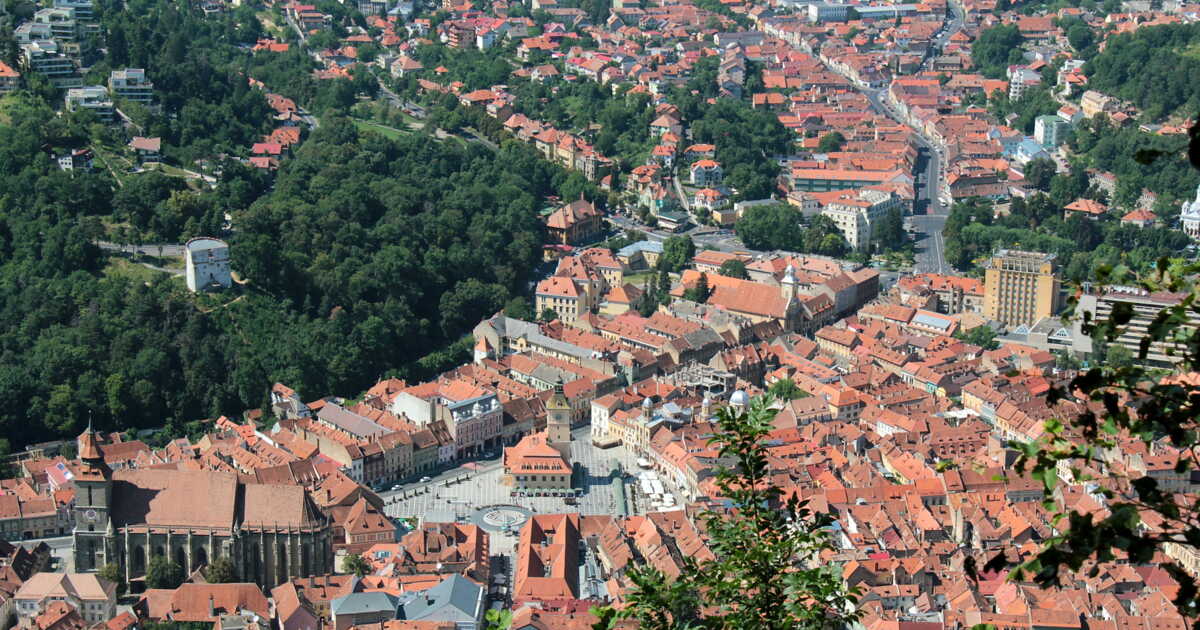
Exploring the Saxon citadels of Transylvania, such as Brașov, Sighișoara and Sibiu, means venturing into the heart of the Romanian Middle Ages through cobbled lanes, imposing ramparts and watchtowers that punctuate the urban landscape. Testimonies to German influence in Romania since the 12th century, these urban strongholds have preserved remarkable medieval architecture, blending Gothic, Baroque and Renaissance influences.

Sighișoara, in particular, a UNESCO World Heritage Site, illustrates the exceptional conservation of this living heritage, with its colorful houses, its monumental clock and its perched citadel. These fortified towns, while firmly rooted in contemporary Romania, allow a direct reading of the historical and cultural dynamics that have shaped this region.

4. Explore the wild Danube Delta

Located at the mouth of the Black Sea, the Danube Delta is one of Europe’s richest and best-preserved ecosystems. This UNESCO World Heritage site is a true natural sanctuary, where an exceptional biodiversity unfolds, harboring more than 300 bird species and around a hundred fish types.

Between infinite reeds, winding channels and floodplain marshes, the landscape evolves with the seasons, painting a living tableau that attracts both birdwatchers and wildlife photographers. Opting for a cruise in the Danube Delta means undertaking a methodical exploration of a fragile and fascinating territory, a refuge for ecological balance and a prime observation space where nature dictates the pace and invites contemplation, far from conventional tourist routes.

5. Traverse the magnificent Transfăgărășan Road

The Transfăgărășan Road, a triumph of engineering carved along the mountainside, crosses the Carpathians for nearly 90 kilometers, revealing at every bend dramatic panoramas of Central Romania’s rugged landscapes. Often regarded as one of Europe’s most beautiful roads, it offers a striking immersion in an alpine environment still preserved.

This route affords views of emblematic sites such as the Bâlea glacier lake and Bâlea Falls or the Poenari Fortress. Accessible from June to September depending on the year, this crossing offers a rare combination of natural heritage, history and a sense of wonder, making it a preferred destination for travelers seeking extraordinary landscapes and authenticity.

Is Romania an expensive destination? Understanding the cost of a accessible and enriching trip

Compared to many European destinations, Romania is not an expensive destination. The cost of living remains moderate, whether for accommodation, meals or transportation. In major cities like Bucharest, a comfortable hotel night remains affordable, as does a meal at a local cuisine restaurant. Cultural visits — castles, museums, monasteries — are not costly, and many natural sites are freely accessible.

Budget travelers can thus enjoy a high-quality stay without compromise. Romania stands out as a destination where the cost/experience ratio is particularly favorable, especially for lovers of heritage, nature and authentic culture.

What to do in Romania when it rains? Cultural alternatives and indoor heritage away from the elements

Even on rainy days, Romania still holds a wealth of attractions. Its major cities abound with museums of history, art or ethnography, such as the National Museum of Art of Romania in Bucharest or the Museum of the History of Transylvania in Cluj.

Castles, such as Peleș or Bran, can be visited indoors, as can the many fortified churches of Transylvania. Literary cafés, bookshops, cultural centers and baths complete the possibilities for sheltered days. Far from interrupting the travel experience, rain in Romania invites a slower immersion, focused on the history and traditions that shape the country’s identity.

What to do in Romania in the evening? A local cultural life between theatre, gastronomy and music

Romania in the evening offers far more than lit alleyways or lively terraces. In the major cities, the cultural calendar runs rich: operas, ballets, classical concerts or plays are offered at prices often accessible. Historic centers, such as Sibiu or Timișoara, invite you to extend the discovery in a peaceful and authentic atmosphere.

Local gastronomy, served in restaurants with intimate ambiance or in traditional inns, becomes a highlight of the evening. Wine bars, café-concerts or jazz venues complete this offer for those who enjoy a relaxed vibe. Nightlife in Romania, though not exuberant, reflects a culture of conviviality and sharing deeply rooted in urban habits.

Is Romania dangerous for tourists? Safety, hospitality and common sense to adopt

The question of tourist safety in Romania is often raised, though it does not reflect the country’s current reality. Romania is generally safe for travelers, with a crime level low compared with the European average. The main risks relate more to petty urban crime (pickpocketing in transit or crowded areas) and can be avoided by taking the usual precautions.

Transport infrastructure is reliable, tourist staff is often English-speaking, and visitors are warmly welcomed. Tourism in Romania is developing gradually, supported by a culture of hospitality still rooted in both rural and urban areas. There is therefore no structural danger associated with visiting the country, but basic vigilance is still advised, as it is anywhere else.

Visiting Romania in 15 days: a rich itinerary between the Carpathians, monasteries and historic towns

A 15-day stay in Romania allows exploring its many facets without rushing. A balanced itinerary can combine a discovery of the capital Bucharest, an immersion in the Carpathians, and stops in major cultural towns such as Sibiu, Cluj-Napoca, or Brașov. Transylvania, with its medieval castles, Saxon villages and deep forests, offers an exceptional field for exploration.

The monasteries of Bukovina, in the northeast, UNESCO-listed, constitute also a must‑stop. Along the coast, the Black Sea region, with Constanța and the littoral beaches, can be added at the end of the trip. Two weeks thus allow you to grasp the complex history, natural wealth and regional diversity of a country still largely unfamiliar to mass tourism.

This article was drafted with the help of artificial intelligence, then corrected, supplemented and validated by the editors of the newsroom.

Things to Do in Los Angeles: 9 Must-See Outings and Activities

Los Angeles, often nicknamed “the City of Angels”, is one of the most iconic cities in the United States. Located on the West Coast of California, it is world-renowned for its film industry, its famous beaches, and its vibrant lifestyle. With its legendary neighborhoods such as Hollywood, Beverly Hills, or Santa Monica, Los Angeles attracts millions of visitors every year.

1. Strolling along Hollywood Boulevard and its Walk of Fame

Strolling along Hollywood Boulevard, in the heart of the historic Hollywood district, is an essential first step for any trip to Los Angeles. The famous Walk of Fame, with its thousands of names from music, film and television engraved in the sidewalk, illustrates the power of the entertainment industry in the United States. As you walk this iconic artery, visitors encounter the façades of movie studios, shops dedicated to famous films, and entertainment spaces punctuated by film screenings or cultural events. Well served by public transportation, especially from Downtown Los Angeles, this vibrant neighborhood blends mythical past with current buzz.

Nearby, Hollywood Boulevard gives access to popular spots such as Runyon Canyon Park, with its hiking trails and spectacular views over Los Angeles, or attractions like blockbuster movie maps that extend the cinematic experience on site.

2. Climb to the Griffith Observatory for an unparalleled view of the Hollywood Sign

From the heights of Griffith Park, access to the Griffith Observatory allows you to gaze upon the expansive urban landscape of Los Angeles, with the iconic Mount Lee and its letters forming the famous Hollywood Sign in the background. This urban park is one of the most accessible places for a walk that is both cultural and panoramic.

Inside the observatory, the visit revolves around scientific exhibitions, a planetarium, and interactive displays that explain astronomy to all audiences. Ideal for families as well as the curious, this free venue offers an educational approach within a valued natural setting. Located not far from Beverly Hills and connected by public transportation or accessible by rental car, the observatory ranks among the city’s iconic places to visit when passing through the northeast business district. The spectacular views of Los Angeles, especially at sunset, amplify the appeal of a site that combines scientific culture with contemplation.

3. Immersing in the Universal Studios Hollywood universe

In Universal City, the theme park Universal Studios Hollywood offers a spectacular immersion into the behind-the-scenes of cinema. This amusement park, located near the historic Hollywood district, spans several hectares of the site, combining thrill rides, film-set recreations and a guided tour of the movie studios. The experience is designed for all visitor profiles, with themed zones inspired by famous films, live shows, and interactive zones such as Harry Potter, Jurassic World or Fast & Furious. For smooth access, online tickets are highly recommended, often including reduced-price tickets for children.

The site is accessible by rental car, from the major routes connecting the San Fernando Valley to Downtown Los Angeles, or by public transport. This park is a place where the boundaries between fiction and reality blur, in a format that blends leisure, spectacle and discovery of the Hollywood entertainment universe.

4. Relax on Venice Beach and Santa Monica’s beaches

The beaches of Santa Monica and Venice Beach, located along the coastline of the Pacific Ocean, embody two complementary faces of the Californian shoreline. Venice Beach, known for its lively Third Street Promenade, street performers, playgrounds, fitness spaces and artisanal markets, offers an eclectic and creative vibe rooted in the everyday life of Los Angeles’ trendy neighborhood.

A few miles away, Santa Monica stands out with its historic pier and the Pacific Park roller coasters, perfect for a family stroll or a playful break. These beachside spots are easily accessible by rental car or public transport, and offer a range of services from attraction tickets to shaded relaxation areas ideal for picnics. In summer as well as winter, they remain iconic anchors of the Californian lifestyle.

5. Exploring the Getty Center, a haven of artistic serenity

Perched in the hills northwest of Los Angeles, the Getty Center stands out for its contemporary art collections, its extensive European art holdings and its modernist architecture designed by Richard Meier. This cultural center, surrounded by landscaped gardens and free to enter, houses a permanent collection of paintings, sculptures and manuscripts spanning from the Middle Ages to modern art. Located near the business districts of Beverly Hills and served by shuttles from the parking area, the Getty offers a structured stroll through the history of art, with temporary exhibitions regularly refreshed, including works by Van Gogh or other renowned names.

The elevated location also provides spectacular views of Los Angeles, reinforcing the appeal of this cultural-guided visit. The site can easily be integrated into an itinerary starting from S Grand Ave, the Walt Disney Concert Hall or the galleries of the Arts District, forming a coherent route through the city’s major artistic institutions.

6. Attending an Arena-Filling NBA Game at Crypto.com Arena

The Crypto.com Arena, formerly Staples Center, stands as one of the major hubs of Los Angeles’ sporting scene, especially for NBA fans. This modern venue hosts games for the Lakers and the Clippers, and is part of a high-traffic dynamic during peak season, with sporting events, concerts and shows tied to international music stars. Easily reachable by public transit, the arena attracts a diverse audience from across the city, including from the San Fernando Valley or the coastal beaches, often by rental car.

To enjoy this experience in optimal conditions, it is advisable to purchase tickets online and plan your visit in the off-season, such as spring or autumn, periods more favorable in terms of crowds and climate. This central part of the city illustrates the strong link between show business and urban life in Los Angeles, in a setting that is both functional and iconic.

7. The Grove: An iconic place between shopping, relaxation, and popular culture

Located near North La Brea Avenue and just a few minutes from Hollywood’s historic district, The Grove stands as an emblematic spot in Los Angeles, blending shopping, leisure and urban heritage in a refined atmosphere. This open-air center, designed as a playground for all generations, regularly hosts outdoor film screenings, seasonal animations, and cultural events inspired by famous films shot in the region.

Two steps from Beverly Hills and Rodeo Drive, The Grove benefits from a strategic location, well served by public transport or reachable by rental car from downtown or the San Fernando Valley. Its shaded spaces, fountains, green areas and seating zones make it a popular spot for picnics, in a trendy Los Angeles neighborhood spirit, while also offering a gateway to the Arts District’s major collections or the Walt Disney Concert Hall on S Grand Ave.

8. Petersen Automotive Museum : a spectacular museum dedicated to automotive culture

On South La Brea Avenue, at the junction of North La Brea, the Petersen Automotive Museum stands as a global reference in the field of automotive museums. Its bold, corrugated-steel façade catches the eye in the urban landscape, signaling a place decidedly oriented toward design, technology and the history of mobility.

Inside, the museum features a permanent collection of exceptional vehicles: luxury cars, innovative prototypes, and iconic models arising from famous films, such as those seen in the blockbuster maps of Hollywood studios. With more than 100 cars on display across several floors, spread over thousands of square meters, the site ranks among the most significant collections of its kind in the United States. Online tickets are available, with family-friendly pricing, sometimes including reduced-price tickets for children.

A true guided tour of mechanical and cinematic culture, the Petersen offers a complete immersion into a key aspect of Los Angeles’ identity, at the crossroads of the business district, Hollywood’s historic district and the major shopping avenues.

9. California Science Center : learning science at the heart of Los Angeles

The California Science Center, located in Exposition Park a few steps from Downtown Los Angeles, offers a full educational experience in an accessible and stimulating environment. Designed as a scientific theme park, the center presents interactive exhibitions around physics, life sciences, space, and technology, suitable for all ages. The flagship attraction remains the Endeavour space shuttle, installed on several hectares of the site, which attracts aerospace enthusiasts as well as casual visitors. Online tickets, often offered at a reasonable price, allow easy planning, with tickets for children available for families.

With a rotating program every Tuesday of the month, the center positions itself as an essential part of any California trip, especially for those coming from Brea, downtown, or as a day trip from Runyon Canyon Park’s hiking trails. Ideally connected by public transport, the California Science Center integrates into an itinerary mixing science, education and discovery, in the heart of Los Angeles’ business districts.

What to do in Los Angeles in one day? An express immersion between beaches, iconic neighborhoods and panoramic views

Spending a day in Los Angeles is about chasing the essentials without losing the enchantment. Start with a sunrise at Santa Monica Pier, continue with a bike ride to Venice Beach, then dive into the glamour of Hollywood Boulevard. Treat yourself to lunch on Melrose Avenue, California, where mural art sits beside vintage shops. In the afternoon, head to the Griffith Observatory to admire the iconic Hollywood sign and enjoy a breathtaking view of the city. End with a sunset dinner on Sunset Boulevard. One day isn’t enough, but it can offer a taste of eternity in Los Angeles.

What is the most beautiful neighborhood in Los Angeles? A dive into Californian elegance

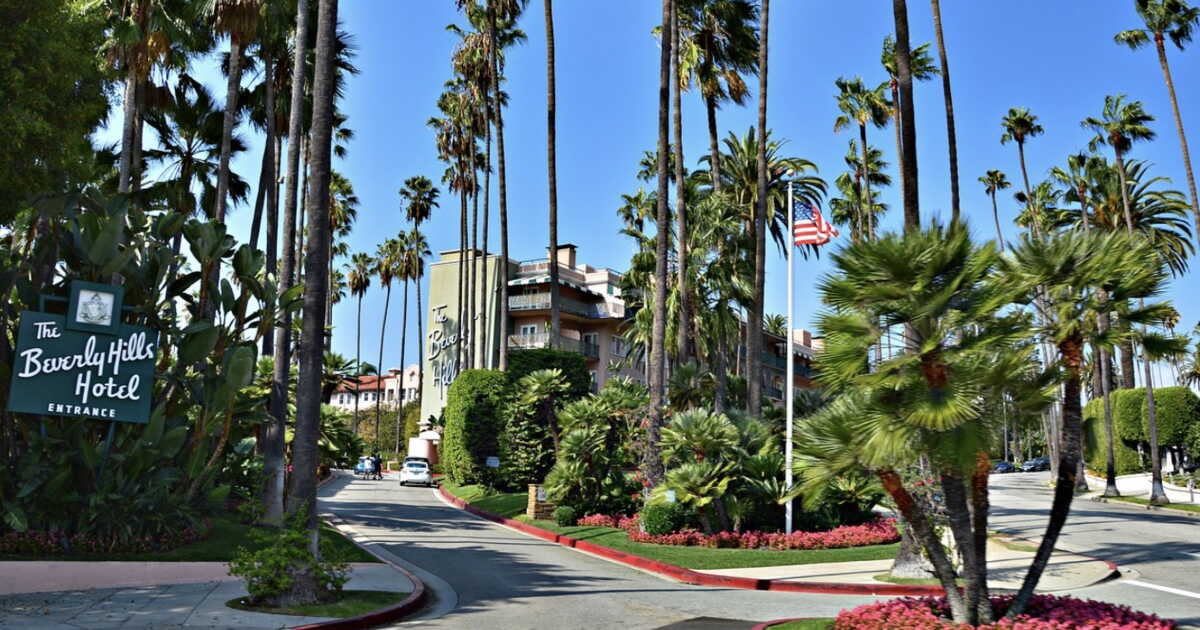
Among the many faces of the city, the most beautiful neighborhoods could well be Los Feliz or Silver Lake, with palm-lined streets, hillside homes and a bohemian-chic vibe. But it’s hard not to mention Beverly Hills, a jewel box of luxury and impeccably kept gardens, or Venice, more artistic and vibrant. Each neighborhood has its own energy, but all bear witness to that California attitude that blends laid-back charm, creativity and beauty. Los Angeles cannot be reduced to a single image; it is a mosaic of worlds to explore.

Quelles sont les activités insolites à faire à Los Angeles ?

Visit the Neon Museum or the Museum of Death, go on an architectural treasure hunt to the secret staircase of Bunker Hill, or glide along the Skyslide, a glass pane suspended 300 meters above the ground. Wander along Melrose Avenue, California to photograph the city’s most creative murals, or book a sunrise yoga session on the roof of a building. The soul of Los Angeles is precisely this ability to surprise, to invent, to re-enchant daily life.

What to do in Los Angeles at night? When the city lights up and reveals itself differently

As night falls, Los Angeles reinvents itself. Head to a Downtown rooftop to admire the city lights, attend a concert at the iconic Hollywood Bowl, or groove to the jazz clubs in Silver Lake. In Santa Monica, the boardwalk comes alive with musicians and food trucks, while Venice Beach takes on a bohemian vibe under the moonlight. In the evening, the city becomes more intimate, more vibrant, and Los Angeles’ attractions take on another dimension: more secretive, more sensual, always captivating.

Quelle est la meilleure période pour aller à Los Angeles ? Saisonnalité, climat et fréquentation à prendre en compte

The city benefits from a Mediterranean climate, with mild winters and dry summers. The months of May, June, September and October are particularly recommended: pleasant temperatures, long days and lower tourist density. Summer attracts more visitors, which can extend wait times at popular places and push up lodging prices. Winter, while quieter, can experience rainy spells, but does not significantly alter the possibilities for visiting.

Combien de jours faut-il pour visiter Los Angeles ? Adapter la durée du séjour à une ville étendue et multi-site

Three to five days allow you to cover the most emblematic sites: Hollywood, Santa Monica, Downtown, the film studios, as well as a few major museums like the Getty Center or the LACMA. However, to explore peripheral neighborhoods, beaches, parks or to undertake nearby excursions (Malibu, Pasadena, Griffith Park), a full week offers more flexibility. The transportation network is only partially developed, so travel logistics directly affect the pace of the visit.

Que faire à Los Angeles quand il pleut ? Activités culturelles et alternatives urbaines par temps couvert

Several major institutions welcome visitors in optimal conditions: the Getty Center, the Broad Museum or the California Science Center offer immersive and accessible experiences. Iconic cinemas such as the TCL Chinese Theatre or the independent cinemas of Westwood also allow you to discover the latest in cinema in its historic cradle. Additionally, many neighborhoods like Downtown, with its art galleries and arcades, or covered shopping centers such as The Grove or Westfield Century City, offer weather-protected itineraries.

This article was written with the help of artificial intelligence, then edited, expanded and validated by the newsroom’s journalists.

What to Do in Washington: 7 Must-See Outings and Activities

Washington, D.C., the capital of the United States, is a city rich in history, culture, and politics. Nestled between the states of Virginia and Maryland, Washington hosts an impressive array of museums, memorials, and historic sites. With its blend of majestic architecture, dynamic neighborhoods, and green spaces, it offers countless activities to discover. If you’re wondering what to do in Washington, here is a guide to help optimize your stay.

1. Explore the National Mall

The National Mall forms the institutional and symbolic heart of Washington, D.C., and extends over three kilometers from the Capitol to the Lincoln Memorial, creating a major axis for the capital. This vast open space houses some of the United States’ most iconic monuments, including the Washington Monument, a nearly 170-meter-tall obelisk honoring George Washington.

At the opposite end, the Lincoln Memorial commemorates the presidency of Abraham Lincoln in a monumental setting, offering a structured perspective on American history. The Jefferson Memorial, dedicated to the author of the Declaration of Independence, and the WWII Memorial, dedicated to World War II veterans, complete this national memory circuit, making the National Mall a must-see route for any visit to Washington DC, accessible and rich in historical content.

2. Discover the Smithsonian Museums

Exploring Washington DC would be incomplete without diving into the collections of the Smithsonian Institution, a network of seventeen museums and galleries, and the National Zoo, freely accessible to the public. The National Museum of Natural History, with its exhibits on dinosaurs, ecosystems, and gemstones, attracts a diverse audience, from families to researchers.

Meanwhile, the National Air and Space Museum offers a structured reading of American aviation and space history through an impressive collection of aircraft, satellites, and space modules. These institutions, integrated into a coherent museum itinerary, reinforce the educational mission of Washington, D.C., as a cultural destination with high added value for visitors of all ages.

3. Visit Key Political Sites

As the federal capital, Washington DC houses the major American political institutions, including the United States Capitol, seat of Congress, accessible to the public through documented guided tours. This historic building, whose dome dominates the city’s skyline, provides a concrete introduction to how the legislative power operates. A few streets away, the White House, though partially open to the public on request, remains a central anchor in any structured itinerary in Washington DC.

Completing this ensemble are the building of the Supreme Court, whose sessions are open to observation according to the court’s schedule, and the Library of Congress, the largest library in the world, accessible for its exhibitions and archival collections. These visits ground the stay in an institutional understanding of American democracy.

4. Strolling through Georgetown

The Georgetown district, one of the oldest in Washington DC, offers a stark contrast to the city’s monumental axes, thanks to its cobblestone streets, historic façades, and a small-town vibe woven into the metropolitan fabric. Renowned for its independent shops, cafés, and varied restaurants, Georgetown attracts architecture lovers, strollers, and visitors seeking local life. The Chesapeake and Ohio Canal, which cuts through the neighborhood, provides a walking or biking route, especially appreciated on sunny days. In the evening, the area becomes a hub of cultural activity, with bars, concerts, and a lively culinary scene, reinforcing its role in the city’s urban diversity.

5. Explore Redeveloped Neighborhoods

The recently redeveloped areas of Navy Yard and The Wharf illustrate the contemporary transformation of Washington, D.C. along its waterfronts. The Navy Yard district, once industrial, has become a mixed-use hub gathering restaurants, microbreweries, public spaces, and family-friendly recreation, notably around Nationals Park. Not far away, The Wharf, on the banks of the Potomac River, offers a more tourist-oriented setting, with outdoor concerts, temporary markets, and river cruises organized throughout the year. These neighborhoods complement the capital’s more traditional circuits, providing a contemporary and dynamic reading of the urban fabric.

6. Visit Arlington National Cemetery

The Arlington National Cemetery, located just across the Potomac River, though outside the administrative boundaries of Washington, DC, is integrated into the region’s major memory-tour itineraries. Renowned for housing the Tomb of the Unknown Soldier, this military site hosts a ceremonial changing of the guard with impressive protocol, especially on national holidays. The site also includes graves of major figures in American history, including John F. Kennedy, marked by the eternal flame. This site, managed by the military, provides a structured moment of reflection for visitors seeking to understand military sacrifice and national memory.

7. Venture Outside Washington

For those with a few days to spare, the surrounding areas of Washington, D.C. offer accessible excursions that enrich the travel experience. A few miles to the south, Old Town Alexandria in Virginia charms with its colonial architecture, bustling shopping streets, and a lively riverfront. Further south, Mount Vernon, the historic residence of George Washington, provides an immersion into the daily life of the nation’s first president, with exhibits focused on his house, his farms, and his political legacy. Eastward, Annapolis, the capital of Maryland and home to the Naval Academy, offers a maritime setting, historic buildings, and a tranquil atmosphere, ideal for a day trip outside the capital.

In conclusion, Washington, D.C. stands out for the richness of its cultural content, the accessibility of its national institutions, and the diversity of its urban neighborhoods. Whether for a short stay or a full week, the city offers a density of sites and activities suited to all traveler profiles. From the Washington Monument to the Capitol, through the Smithsonian museums, neighborhood markets, and redeveloped waterfront spaces, each visitor can build a personalized itinerary according to their interests. Washington DC is not limited to a political function: it is a living territory, at the crossroads of history, innovation and everyday life.

How long does it take to visit Washington DC? A 3- to 5-day stay to explore the essentials

To thoroughly visit Washington DC, a stay of 3 to 5 days is recommended to discover its emblematic sites without rushing. The Capitol, the Lincoln Memorial, the Supreme Court, the Library of Congress, or the Washington Monument all require time to be fully appreciated, both for their historical dimension and for the scale of the buildings. Many museums in Washington, especially those of the Smithsonian, such as the National Museum of Natural History, deserve several hours each. By concentrating visits by geographic area, you optimize travel and improve comfort. Two days can be enough for a quick overview, but that requires making choices.

What to do in Washington DC in 2 days? A focused itinerary between institutions and historic monuments

In 2 days in Washington DC, it is entirely possible to build a coherent itinerary by selecting the must-sees. The first day can be devoted to discovering the iconic monuments: Lincoln Memorial, Washington Monument, Capitol, and, time permitting, a quick visit to the Supreme Court or the Library of Congress, all within reasonable walking distance. The second day can be dedicated to the city’s museums, particularly the National Museum of Natural History, which is very accessible and educational. In the evening, neighborhoods like Georgetown or The Wharf offer a lively atmosphere to close the day. Two days are enough for a first structured approach, provided you have a well-defined program.

This article was written with the help of artificial intelligence, then corrected, expanded, and validated by the newsroom’s journalists.

IFTM 2026: Must-See Conferences and Highlights


The Major Highlights of the Show

© Alexandre Lescure

Dream Yacht


From Tuesday, September 15, the Inaugural Conference will kick off the three days at 9:45 a.m. in the Arena hall, offering an initial debrief of the edition’s thread. It will be an opportunity to analyze the sector’s transformations and to place in perspective the value created by all players in tourism. At 12 p.m., the Inaugural Cocktail will bring professionals together for a first moment of networking and connections.

In the afternoon, the International Panorama will present in the Arena by Uzbekistan an overview of concrete initiatives from around the world, illustrating the diversity and richness of international tourism.

On the trend front, the benchmarking sessions will once again be on the program on Wednesday, September 16

● The IFTM x EPSA 2026/2027 Benchmark will review business travel trends – Arena by Uzbekistan

● The Benchmark for Meetings & Events by Kactus will dissect the major dynamics of the MICE sector – Arena by Uzbekistan

● The AI Benchmark by the Club Tourisme Technologique will explore the growing impact of artificial intelligence in the industry – Agora

The “What’s New to Sell” sessions will also return every afternoon in Agora, where destinations and exhibiting brands will present their major novelties to travel agents.


A New Matchmaking Program for the Business Club


© Stéphane Laure

For this 2026 edition, IFTM innovates on the business travel front by launching a pre-qualified 1:1 meeting program between Business Club exhibitors and corporate buyers.

Through the Everywhere platform, each participant selects their interlocutors in advance for targeted and relevant conversations.

On Thursday, September 17, starting at 8:30 a.m., i.e. before the official opening of the show, participants will gather in a dedicated and privileged space at the heart of the Business Club for five to six one-on-one interviews lasting fifteen to twenty minutes each.

A format designed to maximize business opportunities, without wasting time.


Competitions to Spotlight Tourism Talents

IFTM is also the hub for competitions that celebrate talent, excellence, and innovation within the sector. This year’s program includes:

● The 3rd edition of the Orchestra Start-Up Contest, part of the event’s 10th anniversary, will give tourism startups the opportunity to pitch their solution before a panel of experts. This year, emphasis is placed on the community dimension: Village alumni will take the stage to share lessons learned and create a real value chain among entrepreneurs. The winning startup will receive personalized support from Orchestra, which could take the form of financial support, mentoring, or introductions. The grand final will take place on Tuesday, September 15 at 5:00 p.m. in Arena by Uzbekistan.

● The 2nd edition of Plume Verte by IFTM x ADONET rewards journalists who put their ink to work for responsible tourism. New for 2026: a Special ADONET Destinations Prize joins the roster, alongside the Plume Verte prize awarded by the jury and the Village’s Coup de Cœur chosen by exhibitors. The three prizes will be handed out on Wednesday, September 16 within the Village des Initiatives Durables by mN’O.

● The 9th edition of the Travel Agents Cup Junior, organized in partnership with FFTST, invites tourism students to put themselves in a real-world situation: persuade and sell France as a destination based on a client scenario drawn at random. The five finalists will compete on stage on Thursday, September 17 at 1:30 p.m. in Arena by Uzbekistan, before a jury drawn from all tourism fields.

● Finally, the Travel Agents Cup returns to reward the best travel agent in France. Contestants first submit a short video introduction, then compete in a three-stage final: discovery of the travel project, preparation of the proposal, and a live presentation on stage before a panel of experts. The event takes place in Arena by Uzbekistan on Thursday, September 17 at 3:30 p.m.


The Show’s Evenings

IFTM also features iconic evenings that pace the show and extend the conversations in a friendly atmosphere:

● The Digitrips x IFTM evening, the festive rendezvous for industry professionals, will take place at Pavillon Dauphine on Tuesday, September 15.

● The ceremony of the Business Travel Laureates organized by Eventiz will honor the sector’s standout players on Wednesday evening.

● The IFTM TourMaG Party will be held on Thursday, September 17 to close the show, at Club Haussmann in Paris’s 9th arrondissement. Open this year to all tourism professionals, available by registration, it promises to bring together more than 700 attendees for a moment of conviviality and exchange.

With a dense program and a theme closely aligned with industry realities, IFTM 2026 is shaping up to be a demonstrative and impactful edition. Three days to reveal together what creates value in tourism.


The IFTM Team Is at Your Disposal and Eager to Welcome You from 15 to 17 September 2026


IFTM 2026 : les conférences et temps forts à ne pas manquer
Want more information to visit the show? Reach out to our team!

• IFTM Top Resa website

• On social networks

facebook linkedin twitter instagram youtube


Hiking: 5 Must-See Itineraries to Discover Italy on Foot

They say all roads lead to Rome, and for these five, that’s precisely true. At a moment when hiking is gaining popularity — nearly 30 million French people report having practiced it in the last 12 months, making it the most widespread physical activity — here are five itineraries rich in history and culture, to walk in order to discover Italy differently. From nature trails to villages, the “Antichi cammini d’Italia” (Ancient Paths of Italy) unfold several hundred kilometers across the country, and even beyond to the heart of Europe. All converge on Latium and Rome, and all share the common aim of revealing a preserved Italy.

1/ The Via Francigena, one of the oldest medieval pilgrimage routes

A thousand kilometers through some of the most beautiful landscapes in Italy: a dream come true! The Via Francigena is one of Europe’s most attractive cultural routes. While it links Canterbury to Rome, it is its Italian section that enchants walkers from all over the world the most. From the Grand-St-Bernard Pass to the Eternal City, the Italian stretch, about 1,000 kilometers long in 45 stages, reaches its experiential heart in Latium, through the Tuscia of Viterbo. In Bolsena, on the shores of the eponymous lake, the Eucharistic miracle of 1263 inspired the feast of Corpus Domini; Montefiascone houses the Rocca dei Papi, the papal fortress; Viterbo, an ancient papal city, preserves one of the largest medieval districts in Italy; Sutri offers its Roman amphitheater entirely carved in tuff. At the end of the path, La Storta, the final stop before Saint Peter.

Basilica di Santa Margherita a Montefiascone

2/ The Saint Francis Way: between forests, villages and sanctuaries

This route, both athletic and spiritually infused, connects the most emblematic places of Saint Francis of Assisi’s life. It consists of two branches that converge on Assisi: the North Way, about 190 kilometers from La Verna where Francis received the stigmata in 1224, and the South Way, about 300 kilometers in 13 stages, which traverses Latium entirely from Rome to Assisi. In the heart of Latium, in the Valle Santa of Rieti, four Franciscan sanctuaries concentrate the memory of decisive moments in the Saint’s life: Greccio, where in 1223 Francis made the first crib in history; Fonte Colombo, where the Rule of the Order was dictated; La Foresta, the site of the grape miracle; and Poggio Bustone, where he received the revelation of the forgiveness of sins. Upon arrival in Assisi, pilgrims receive the Testimonium.

3/ The Benedictine Way: on foot, by horse or by bike through the villages of Umbria and Latium

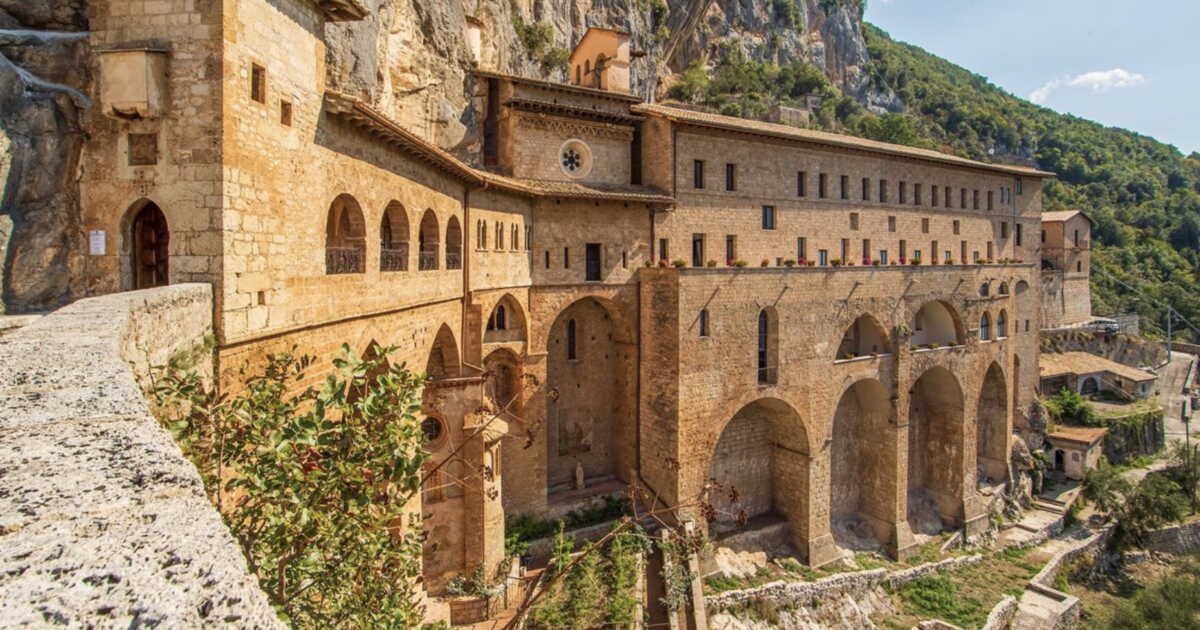
From Norcia in Umbria to Montecassino in Latium, this route exudes a singular spiritual and cultural depth. The itinerary runs about 300 kilometers in 16 stages — and it is in Latium that the longest stretch unfolds, across the Aniene Valley and the central valleys of the Apennines. In Subiaco, the Sacro Speco houses the cave where Saint Benedict lived as a hermit for more than thirty years, while the Abbey of Santa Scolastica hosted in 1465 the first active printing press in Italy. From there the path continues via Trevi nel Lazio, Casamari with its Cistercian abbey, Arpino (birthplace of Cicero), Roccasecca (linked to Thomas Aquinas) and the Melfa Gorges, before culminating at Montecassino, where around 529 Benedict founded the abbey that remains the heart of the Order. Patron of Europe since 1964.

Ponte di San Francesco,Subiaco

4/ The Romea Strata: on the traces of pilgrims from Central and Eastern Europe

The complete route follows the tracks of medieval pilgrims for over 4,700 kilometers across seven countries, from the Baltic and Central-Eastern Europe to Rome. Recognized as a Council of Europe Cultural Route on June 17, 2025, the Romea Strata comprises 245 stages and more than fifty UNESCO sites along its journey. Its Italian section spans about 1,000 kilometers in 47 stages and touches, in Latium, Bolsena, Montefiascone, Viterbo and San Martino al Cimino before reaching Rome as the culmination of the voyage. Since 2024, thanks to mapping work by a network of volunteers, the final stretch no longer joins the Via Francigena: the Romea Strata now has an autonomous entry into Rome, which defines its identity.

5/ The Via Romea Germanica: from Germany to Saint Peter in Rome, following the path of a 13th-century abbot

The Via Romea Germanica retraces the route of Abbot Albert of Stade, who walked in the 13th century from Lower Saxony to Rome. The Italian section measures about 1,050 kilometers from the Brenner Pass to Rome and joins, in Latium, the Via Francigena at Montefiascone. From that point, the two paths merge and together cross the Tuscia of Viterbo: Bolsena, Viterbo — where every September 3 the Macchina di Santa Rosa takes place, recognized by UNESCO as intangible cultural heritage of humanity —, Vetralla, Sutri and the Veio Regional Park, up to La Storta. A northern variant in Latium also passes through Civita di Bagnoregio, the famous “dying city” perched on a tufaceous spur in the heart of the Tuscia.

Along the Antichi Cammini d’Italia, each stage offers a plunge into an Italy still preserved, where history, nature and contemplation blend harmoniously. At the end of these long marches, in Rome and in Latium, it is the living heart of the country that speaks.

Mausoleo di Romolo, Roma

To learn more

Projet financé par l’Union européenne – Next Generation EU « Antichi cammini d’Italia »,
PNRR – Mission M1C3 Investissement 4.3 Intervention 274 – maître d’ouvrage MINISTÈRE DU TOURISME ITALIEN, Agence d’exécution ENIT SpA

Sponsored article by ENIT S.p.A.