
It was upon returning from an inspection in southern Thailand that we had the chance to sit down with Bram.
With a head full of ideas and still fresh, he was able to share a few impressions and lessons drawn from the field, while reflecting on his experience and how it now informs the journeys thoughtfully crafted every day at Easia Travel.
You spent several years on the ground as a tour leader in Southeast Asia, while based in Thailand. What did this experience teach you about travelers’ expectations and their way of discovering a destination?
Bram Van den Bossche: « I’ve learned that travelers are no longer looking merely to check off the must-see sites, which they often already know from social networks or the Internet. Of course, they still want to experience them in person, but it’s frequently the experiences around those sites that truly make the difference. Authentic encounters, unexpected moments, and lesser-known discoveries are often what they remember most. »
Today, when you evaluate or build an itinerary in Thailand, how does this hands-on field experience influence your way of working?
Bram Van den Bossche : « Many itineraries look excellent on paper but can be a nightmare in reality. Changing hotels every day, with long transfers between stops, lets you see a lot in a short time, but it can also be very tiring.
I’ve led trips like that in the past, but I’ve also run tours with a slower pace, and I’ve seen a real difference. On fast-paced journeys, travelers often finished tired, feeling they would have liked more time. On slower trips, they left more satisfied, with the sense that they had built a true connection with the destination. »
I’ve led trips like that in the past, but I’ve also run tours with a slower pace, and I’ve seen a real difference. On fast-paced journeys, travelers often finished tired, feeling they would have liked more time. On slower trips, they left more satisfied, with the sense that they had built a true connection with the destination. »
After almost 18 years in Thailand, are you still surprised by the destination?
Bram Van den Bossche : « Absolutely. I would say most travelers only see the country’s best-known sites. But once you stray a little from the classic routes, there is a lot to explore and discover.
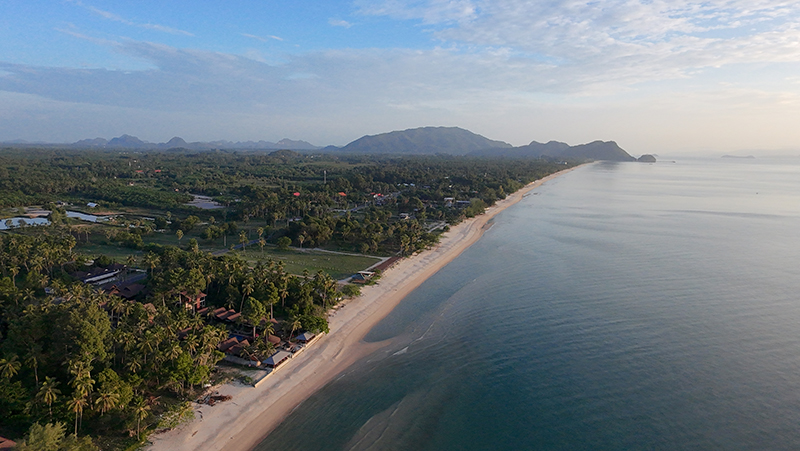
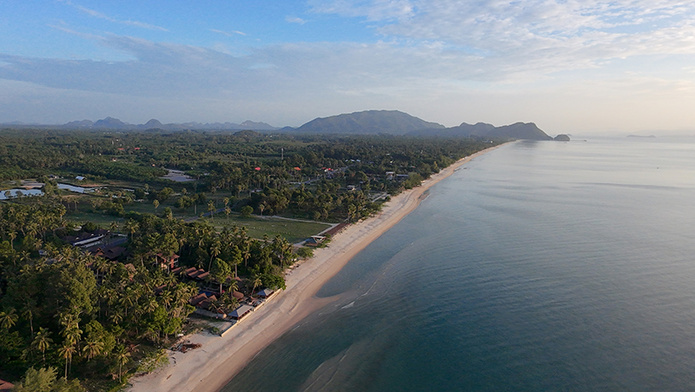
In the South, for instance, regions like Khanom, Phatthalung, or Trang offer a completely different facet of the destination, with well-preserved landscapes, local communities, and experiences still seldom visited. Thale Noi Lake in Phatthalung, or certain small communities around Surat Thani, are excellent examples.
And even in more well-known places like Bangkok, Phuket, or Chiang Mai, there are still many local neighborhoods, restaurants, and experiences that you only uncover if you know where to look. »
You recently explored several regions of Southern Thailand. What stood out the most during this inspection?
Bram Van den Bossche : « Precisely what I was mentioning earlier. The whole region and the trip were stunning, but as soon as we moved away from the well-trodden itineraries and famous sites, we found ourselves in local communities, in very peaceful and authentic environments. For example, our very first meal took place within a local community in Surat Thani. It was simple, yet truly delicious, featuring dishes you would never find on a hotel menu.
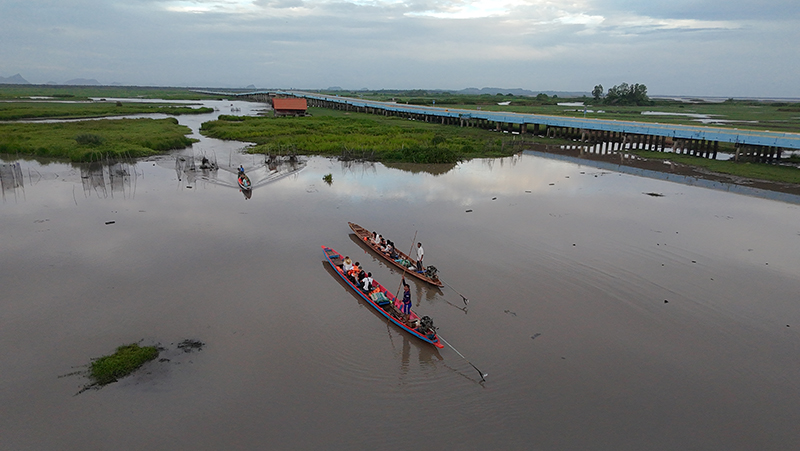
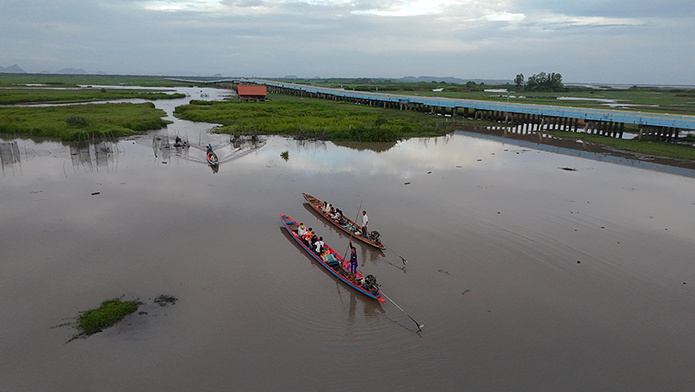
I also greatly enjoyed Thale Noi Lake, in Phatthalung. We set out early in the morning by boat, in a very calm atmosphere among lotus, birds, water buffalo, and small scenes of life around the lake. It’s the kind of simple, but highly memorable moment that reveals another facet of Southern Thailand. »
I also greatly enjoyed Thale Noi Lake, in Phatthalung. We set out early in the morning by boat, in a very calm atmosphere among lotus, birds, water buffalo, and small scenes of life around the lake. It’s the kind of simple, but highly memorable moment that reveals another facet of Southern Thailand. »
In a destination as competitive as Thailand, what do you see as the added value of having a DMC team on the ground?
If you had to offer a piece of advice to a travel professional who wants to present a more intimate Thailand to their clients, what would it be?
Bram Van den Bossche : « I would especially urge not to pit the must-see attractions against more intimate experiences. It’s all about balance and the client profile.
For curious, flexible travelers who welcome a bit of unpredictability, you can easily complement the big classics with less-visited regions, more local experiences, or unexpected stops.
The goal is to find the right balance to offer a trip that is smooth, original, and truly tailored to each person’s expectations. »
It is with these few tips that our conversation with Bram ends. After nearly 18 years in Thailand, his perspective remains deeply rooted in the field, curiosity, and the search for new experiences. An expertise he now brings to the journeys developed by Easia Travel, with a commitment to offering itineraries that are increasingly fair, original, and attuned to each traveler’s expectations.
If this vision of the destination inspires you, contact our Easia Travel team in Thailand now to discuss your upcoming projects.


Alex Lodola
[email protected]
www.easia-travel.com
[email protected]
www.easia-travel.com
 |
 |
 |
>> Easia Travel Cambodia in the DESTIMAG Directory
>> Easia Travel Laos in the DESTIMAG Directory
>> Easia Travel Thailand in the DESTIMAG Directory
>> Easia Travel Vietnam in the DESTIMAG Directory