Loire by Bike: From Angers Vineyards to the Estuary’s Sea Spray

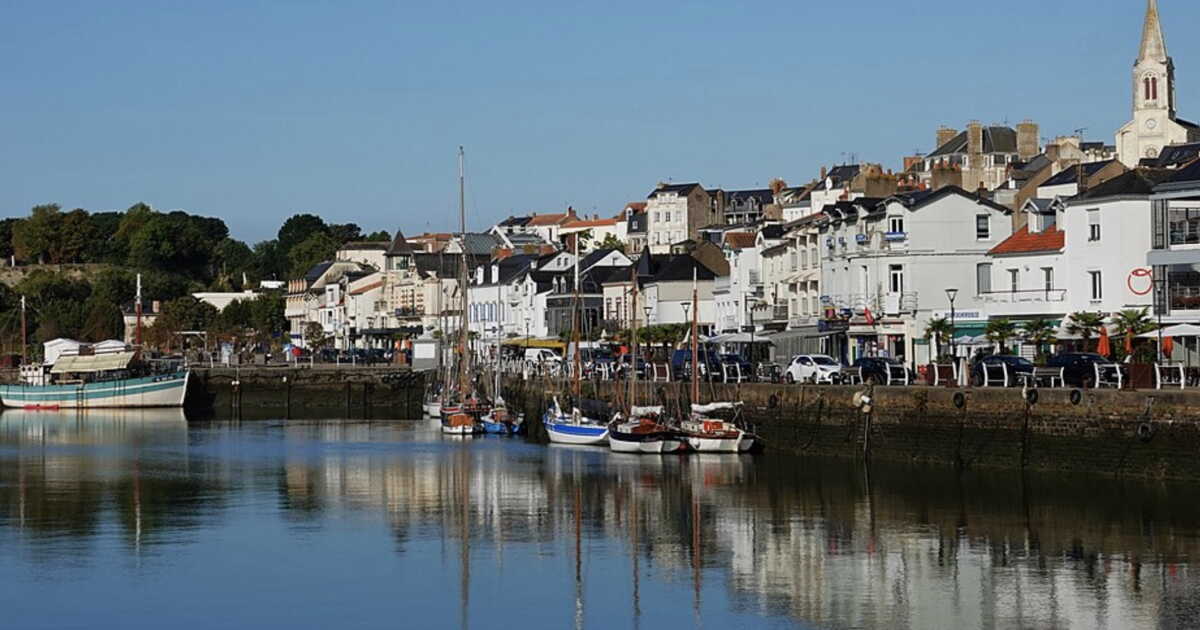
Starting from Nantes or Angers, the Loire by bike unfolds into two getaways with distinctly different atmospheres. To the west, the river broadens and heads out toward the Atlantic, weaving through ports, canals, marshes and villages of the Pays de Retz. To the east, around Angers, it winds between wine slopes, islands and characterful villages, up to the hilly landscapes of the Layon. Two loops of a few days each to discover the Loire in a different light, taking the time to depart from the main route and venture into the countryside.

Italy: 5 Off-the-Beaten-Path Getaways by the Sea, Lakes, and Mountains

Italy is not limited to its star destinations: here are five places to head out to sea, far from the most traveled routes.

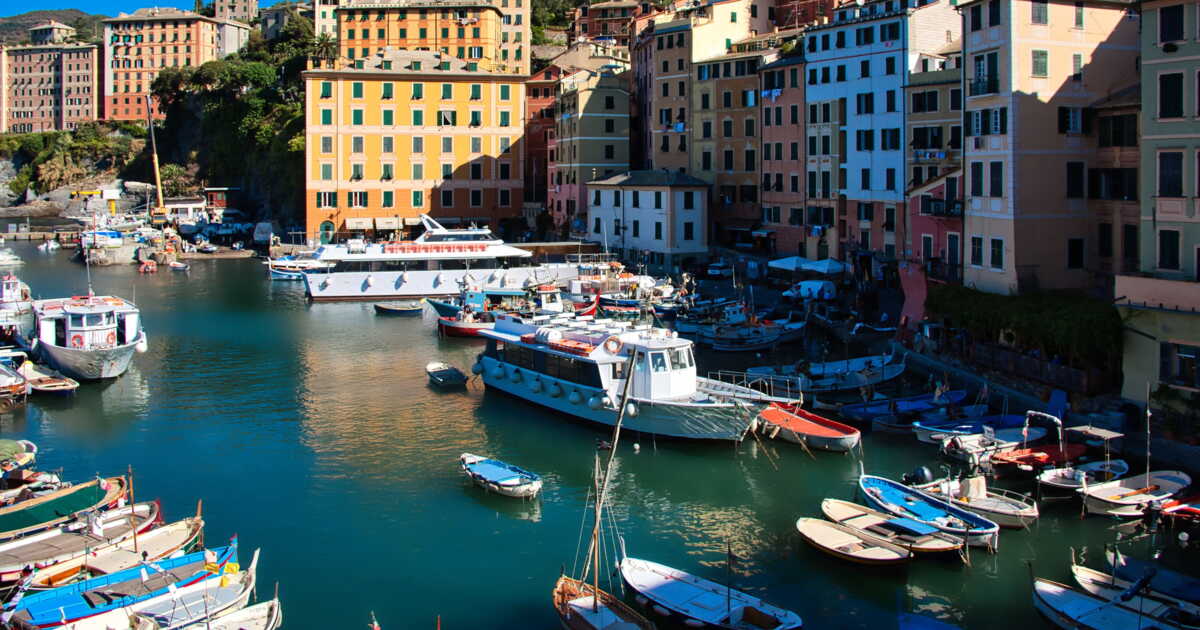
Camogli, serenity a stone’s throw from Portofino

Life with your feet in the water. On the Ligurian coast, at the edge of the Gulf of Paradise, the town of Camogli unfurls its trompe-l’oeil façades, brightly painted, along a pebble beach bathed by the Ligurian Sea. It’s hard to believe that this haven sits fifteen kilometers northwest of the bustling Portofino, the area’s most frequented destination, with jet-set vibes and luxury yachts. Camogli, for its part, preserves a calmer atmosphere, animated by the ballet of its small community of artisanal fishermen.

Herculaneum, the other Pompeii

The site of Pompeii impresses with its enormity, but Herculaneum, a little farther north, also swallowed by the Vesuvian eruption in 79 CE, strikes visitors with its exceptionally well-preserved state. This is evidenced by the monumental fresco in the College of the Augustales (the priests of the Imperial cult), which depicts the duel between Hercules and Acheloüs to win the hand of the beautiful Deianira. A seaside town, it sheltered wealthy patrician houses, many of which, along with refined objects and mosaics, survived the catastrophe.

Orta, the Cinderella of the great lakes

In the shadow of its famous elder siblings, Lake Como and Lake Maggiore, which are grand and cosmopolitan, Lake Orta is small, modest, discreet… yet it possesses breathtaking beauty. This is why it is nicknamed Cenerentola, the Cinderella of the lakes. Just 400 meters from the shore of this Piedmont jewel rises the San Giulio Island (isola San Giulio), a rocky islet crowned with a millennial basilica and a Benedictine abbey. A path, the Via del Silenzio (“the Way of Silence”), winds across the island, lined with signs inviting meditation.

Porto Pino, Sardinia, but on the southern side

Forget the crowds of Costa Smeralda in northern Sardinia. Point your compass instead to the island’s southwest, where, about an hour and a half drive from Cagliari, Porto Pino reveals an astonishing tableau: wind-sculpted, monumental dunes of white sand, pale as powdered sugar, rising up to 20 meters, and drifting into turquoise waters. Here there is no flashy hotel complex, but ancient junipers and unspoiled wild nature. The Sardinian version of the edge of the world.

Abruzzo, a giant in the shadow of the Dolomites

The landscapes, spectacular, evoke those of the Dolomites’ hiking trails… minus the crowds. In the wild Abruzzo region (central Italy), flocks graze peacefully on vast high-altitude plateaus, dominated by the colossal silhouette of Gran Sasso, a massif of the Apennines with sheer limestone faces rising to 2,912 meters. The ultimate frontier of a mountainous and pastoral Italy.

Article published in GEO magazine no. 571, “Hidden Italy, from Marche to Calabria”, September 2026.

➤ Do you love GEO? Then, to miss nothing, discover our subscription plans to receive GEO every month at your home with ease.

Luxury Cruises: A New Clientele Follows Hotel Brands Out to Sea


Croisières de luxe : les marques hôtelières séduisent une nouvelle clientèle - Photo CE

CroisiEurope


According to the latest data published by Global Travel Collection (GTC), cruises operated under hotel brands now account for 5% of upcoming bookings made by its network of luxury travel advisors.

A segment still limited in volume, but it carries a very high-end positioning, with an average price of $40,000 per booking.

For French professionals, Global Travel Collection (GTC) remains a relatively little-known player. A subsidiary of the American Internova Travel Group, it is nevertheless one of the world’s largest networks of advisers specializing in luxury travel. The company unites more than 1,500 advisors who serve a high-end clientele.


“A customer who has been loyal to a hotel brand for fifteen years now boards the ship of that same brand”

One of the main lessons from this study concerns the traveler profile. According to GTC, this new clientele is not made up of seasoned cruisers climbing up the ladder, but of customers loyal to prestigious hotel brands who are taking their first cruise.

It is about creating a category, not changing one,” explains Angie Licea, president of Global Travel Collection, in the press release.

A customer loyal to a hotel brand for fifteen years now boards the ship of that same brand, with the same expectations as on land. He does not compare offers with other cruises. He finds the familiar and reassuring experience in a new environment,” she adds.

The average price of these cruises stands at $40,000, roughly four times the average price of a traditional ocean cruise, according to GTC.


The American cruise market is expected to continue growing in 2026

Beyond branded cruises, GTC notes a strong uptick in the yacht segment. Sales would have increased by around $3 million in a year.

According to the data disclosed, the American cruise market is expected to keep growing in 2026, with: an overall 5% growth; 25% growth for river cruises; 40% for yacht cruises.

Global Travel Collection, for its part, says it has recorded a 14% rise in its sales across all cruise segments, nearly three times the market’s expected growth.

The cruise sector has lost its former reputation faster than almost any other category we track. The ceiling on luxury sea travelers’ spending has risen substantially, and the brands investing in this market are the main reason,” concludes Angie Licea.

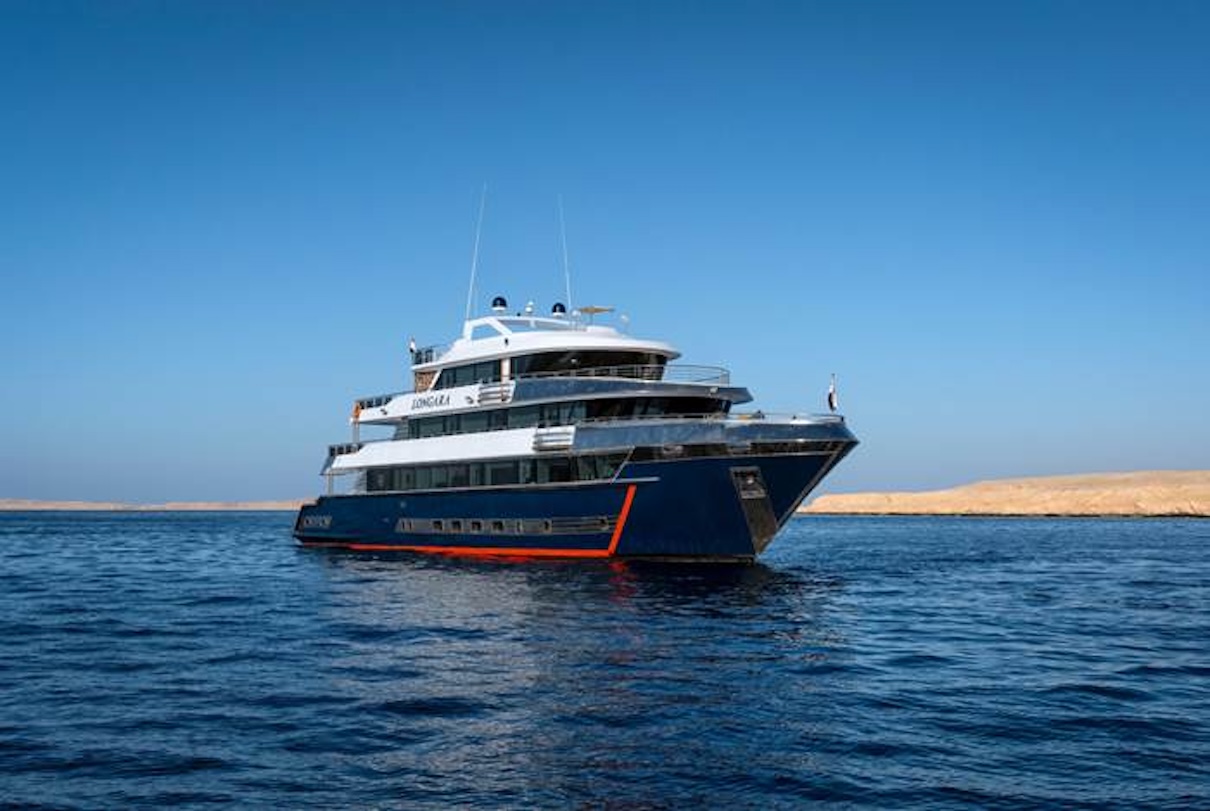
DUNE Debuts Longara, a Luxury Red Sea Diving Yacht


DUNE franchit un nouveau cap avec Longara - Photo DUNE

CroisiEurope


After more than thirty years of activity in the diving sector, DUNE continues to raise the bar of its offer.

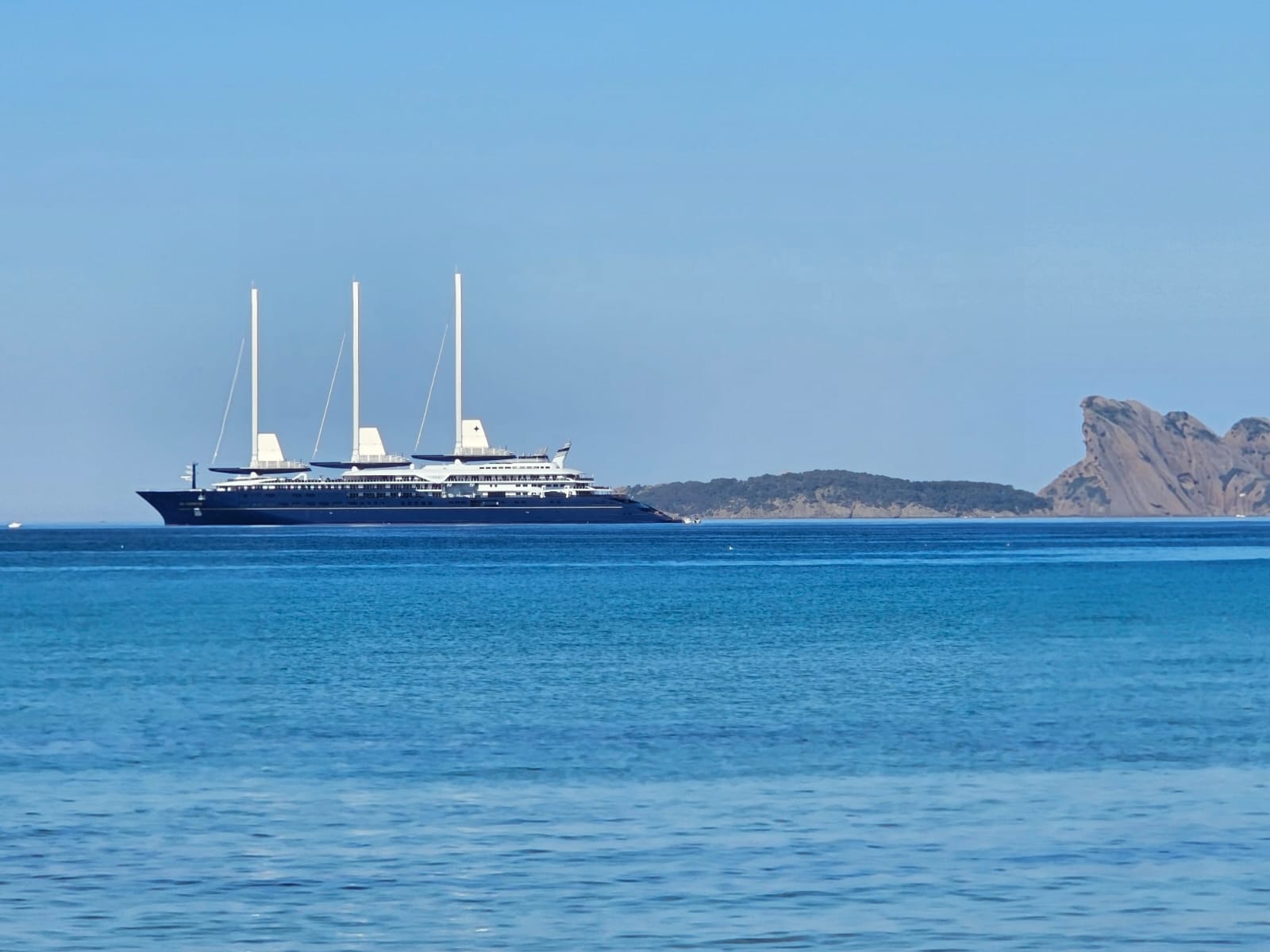
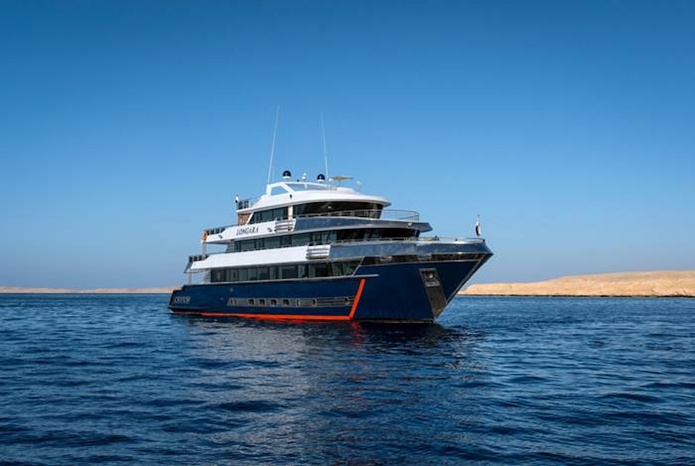
The Marseille-based company has just launched Longara, a 43-meter yacht designed for diving cruises in the Red Sea.

Starting from the 2026 season, three itineraries will also offer a gastronomic experience conceived with the two-Michelin-starred chef Michel Portos.

The project fits within a broader trend of upscaling sea experiences, where comfort, gastronomy and service become integral components of the journey.


A 43-meter yacht dedicated to diving

Inaugurated in April 2026, Longara constitutes the new showcase for DUNE.

The yacht features 15 cabins and hosts a crew of 13 members, including three chefs and two dive guides.

With Longara, we want to offer an exceptional experience in the Red Sea: sites among the most spectacular in the world, attentive service and an atmosphere that is both friendly and refined, as well as wellbeing or leisure activities for accompanying guests“, explains Steeve Hans, CEO of DUNE.

The offering is thus aimed at divers, but also at companions who do not necessarily practise this activity. The yacht must provide them with alternative activities, in a shared-stay logic.


A collaboration with Chef Michel Portos

From autumn 2026, DUNE will add a gastronomic dimension to the Longara experience. Chef Michel Portos, a two-star Michelin chef, will design a specific culinary offer for three cruises scheduled between 2026 and 2027.

A passionate scuba diver since his adolescence, the chef will combine this personal experience with cuisine focused on local products and short supply chains. Menus will be prepared using seasonal ingredients, in an eco-responsible approach.


Three departures planned between 2026 and 2027

Three gastronomic cruises guided by Michel Portos are planned aboard Longara :

from November 28 to December 5, 2026;

from December 26, 2026 to January 2, 2027;
>

from May 29 to June 5, 2027.


Amelia Brille Publié par Amelia Brille Rédactrice TourMaG.com
Voir tous les articles d’Amélia Brille

  • picto Linkedin
  • picto email
Ajoutez TourMaG à votre flux Google Actualités Google Actualités icône  

AI-Powered Drone Could Revolutionize Sea Rescue in France by Summer 2027

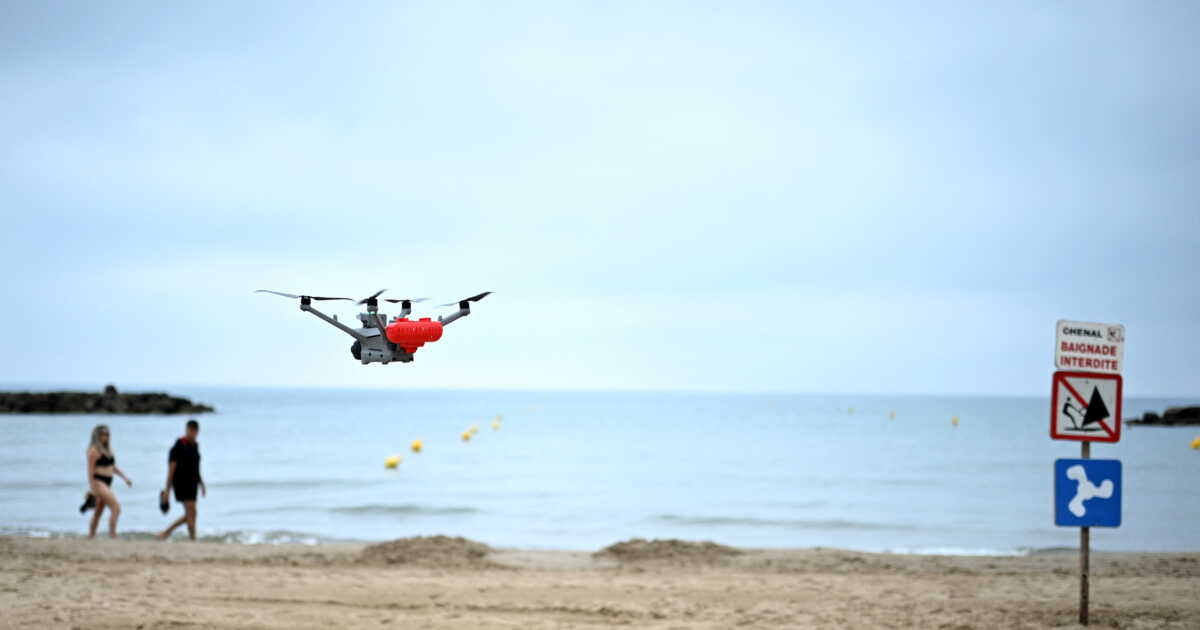
“If you’re in trouble, we will drop a buoy,” proclaims from the air an AI-powered drone, hovering a few arm’s lengths off the shore at Valras-Plage (Hérault) in southern France, where this device designed to detect drowning risks is currently being tested. The three heatwaves that have swept France since May have driven up drowning figures. In two and a half months, 274 people have died in the sea, in rivers, or in private pools, not counting non-fatal drownings that could leave serious after-effects.

Near Béziers, along the Mediterranean coast, Instadrone, a company specializing in the use of drones in industrial settings, aims to broaden its activity to monitoring bathing areas. It has thus received backing from the intercommunal authority and from the Valras station, which are financing the ongoing tests. Those tests should pave the way for the necessary authorizations within about a month, with a view to a full rollout by the summer of 2027.

An autonomous drone to detect the early signs of distress

“Dropping lifebuoys with a drone has been done for five years in the Landes region. But it was always in manual mode. We are bringing full automation,” explained to AFP by Instadrone’s founder, Cédric Botella, at the foot of the main lifeguard post, just steps from the station’s casino. The device appears as a large metal box, inside which a drone is ready to take off at any moment, day or night, notably thanks to its thermal camera.

In patrol mode, its mission is to “cover the 2.5 km stretch of beach by flying behind the breakwater, flying along the shoreline, without flying over swimmers but directing its cameras toward them, while avoiding filming people on the beach”, adds Mr. Botella, a former judicial police officer who has turned to entrepreneurship.

“If it detects erratic behavior, such as someone who ‘blocks the flow’, it will approach and send them an audio message saying that help is on the way. If needed, it will drop a buoy that inflates automatically on contact with water”, continues Botella.

Other scenario: a lifeguard spots someone in difficulty, or someone alerts them. In that case, the lifeguard, who will be trained in this new technique, will take control of the drone and send it to the exact location to assess the situation. Finally, “if during a midnight swim there is an incident, there will be an emergency number that will allow us to trigger the drone immediately and locate the person”, he also notes.

A reinforcement for lifeguards, including off-season

In cruising mode, the system costs around 2,000 euros per month for the community that adopts it, according to the entrepreneur, who hopes for its generalization. “Life has no price”, remarks the mayor of Valras-Plage, Daniel Ballester, who strongly backs the initiative and came to observe the latest tests.

“It won’t replace humans, but it opens up new ways to stay operational,” adds the official, who hopes to extend coastal monitoring to morning and evening hours and to times of the year when beaches are not watched by rescuers.

In May, the early arrival of a heat wave in France had drawn an unusual influx of visitors to the Mediterranean and Atlantic shores while beaches were not yet monitored, posing safety challenges.