Phuket: DMC Golf & Thailand Aims to Attract French Travel Agencies

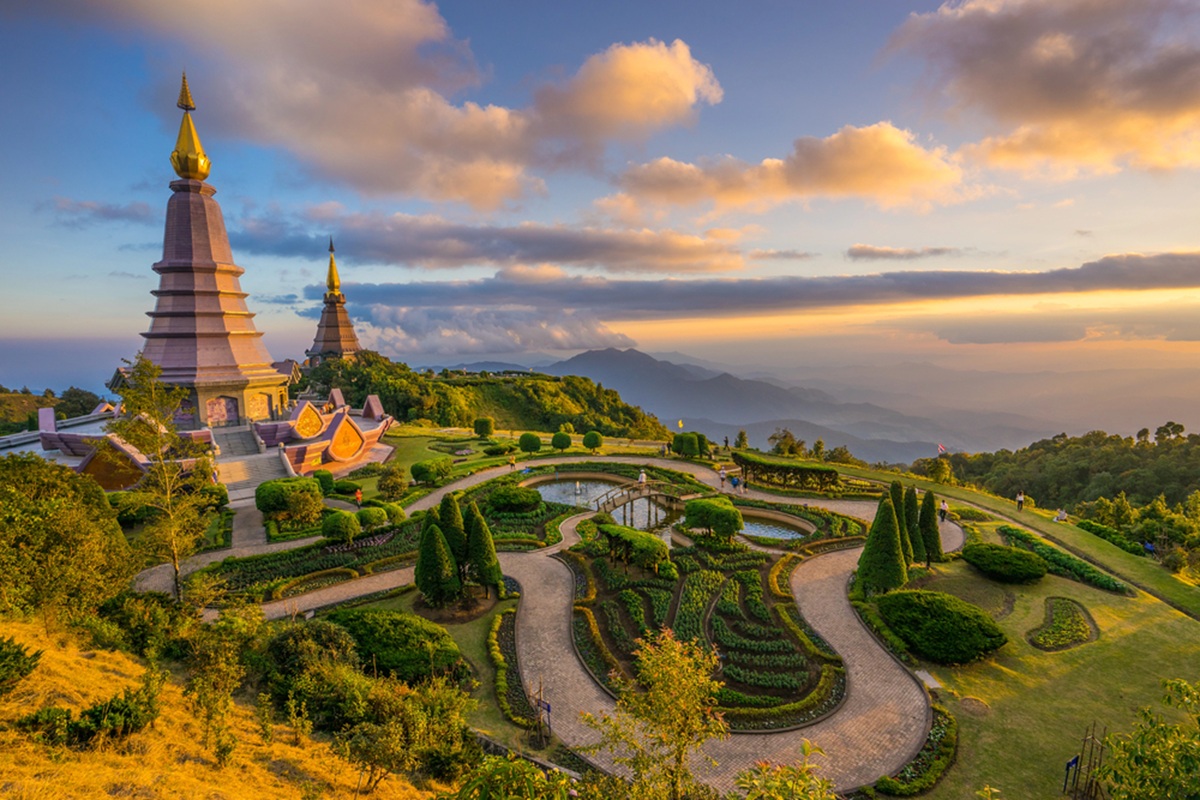
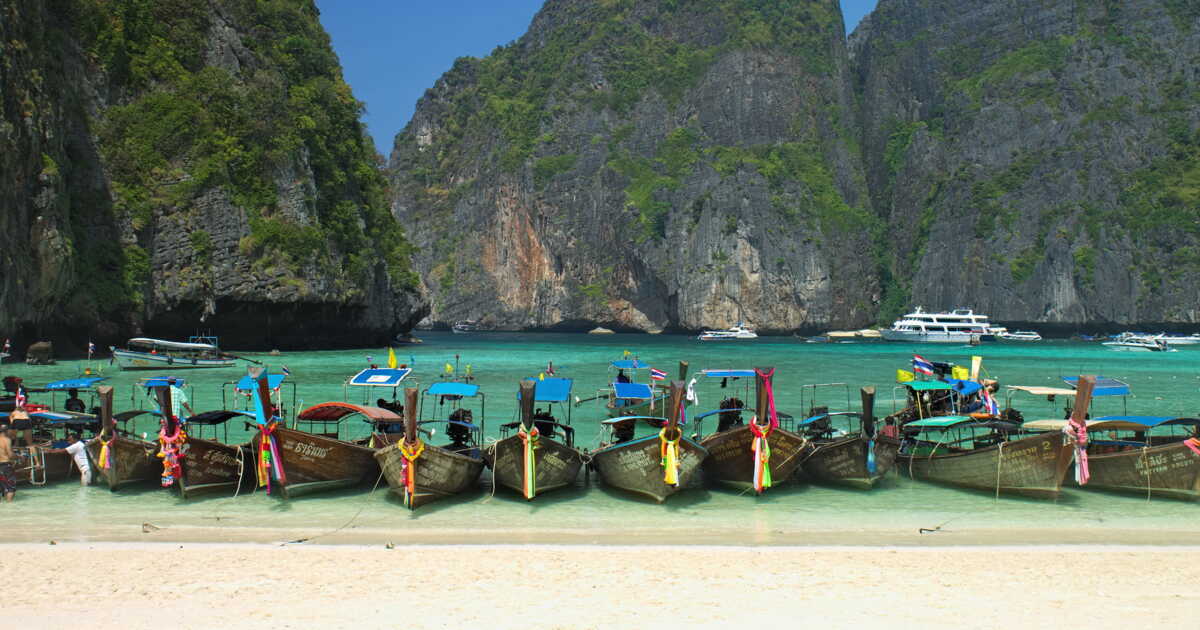
Golf and Thailand est un DMC spécialisé dans les séjours de golf à destination de la Thaïlande, et tout particulièrement Phuket et sa région - DepositPhotos.com, mersu999

CroisiEurope


It acts as the underdog in the field of golf travel.

Born from the passion of a Canadian golfer living in Thailand, the inbound agency Golf and Thailand was founded in Phuket and has largely specialized in this region.

Initially open to local and regional clients, it has in recent months been working to raise its international profile.

To achieve this, its leader appointed a French agency, registered with Atout France, to manage its sales and representation in France and Europe, but also on North American markets.

The objective? Target golf travel specialists and partner agencies of the various professional golfers associations (PGA), in Europe, North America and Australia, with a priority given to France, Switzerland, Belgium, Canada, England, Ireland and Scotland, in order to forge lasting partnerships as an expert in a unique destination.


A turnkey service, from planning to the travelers’ return

Its advantage? The local team counts six people, in addition to the director. A reassuring presence for agencies that will easily find a point of contact.

Golf and Thailand offers both varied packages (7, 10, 14 or 21 days) and a bespoke offering (e.g., 2/3 extra days or additional overnight stays), with a turnkey service, from planning through the travelers’ return.

The packages include accommodation, golf courses and transfers, with optional excursions and meals. Note that the inbound operator has its own fleet of vehicles with drivers (capacities of 6, 8, 12, 16 and 24 people).

Golf and Thailand is a trade name owned by the Golf and Travel Link Co. Ltd. Group, registered in Phuket with local insurance and a tourist permit. By 2026, it already counts more than 150 clients.

Its teams will be present this week at the IGTM Cannes trade show, from October 20 to 22, as well as at the IAGTO conventions next spring (Asia, Spain, Dominican Republic) to meet clients and partners.

Contact: [email protected]

Barceló Hotel Group Opens Second Property in Thailand


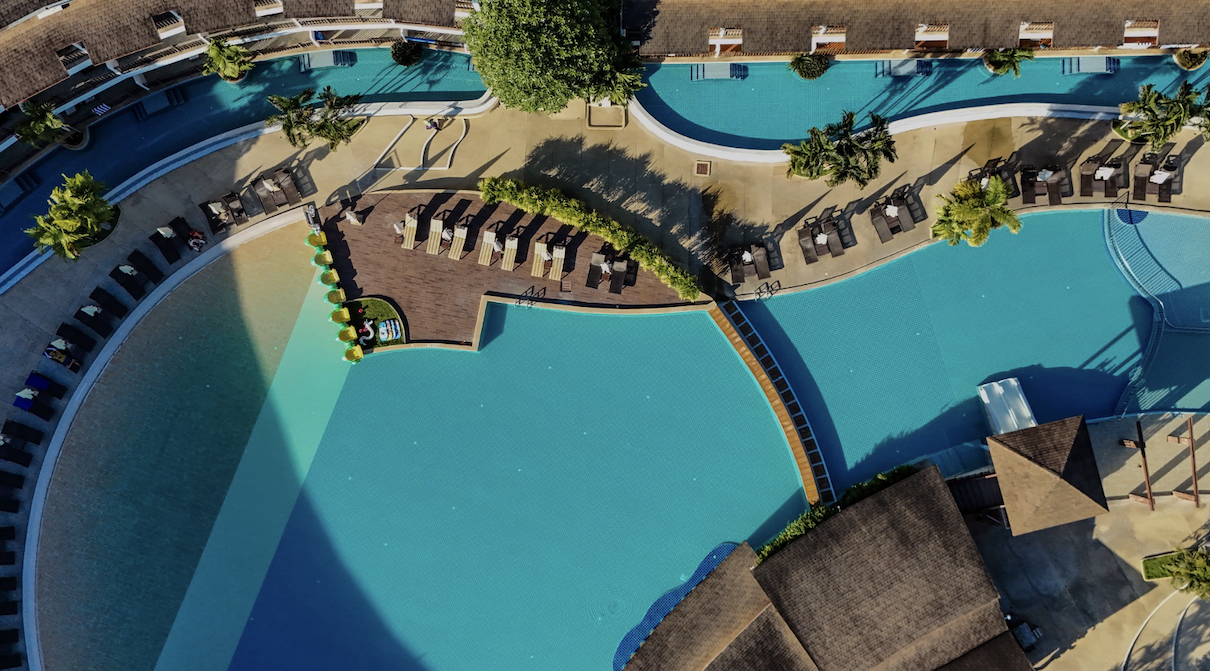
Barceló Hotel Group poursuit son développement en Asie avec l’ouverture de l’Occidental Bangtao Beach Resort à Phuket - Photo : Barceló Hotel Group

CroisiEurope


Avec cette nouvelle adresse, Barceló Hotel Group renforce sa présence sur le marché touristique d’Asie du Sud-Est.

Installé sur Bang Tao Beach, l’Occidental Bangtao Beach Resort propose 202 chambres et suites réparties en 15 catégories.

Parmi elles, 86 disposent d’un accès direct à une piscine swim-up depuis leur terrasse.

L’établissement bénéficie également d’un accès direct à la plage et d’une grande piscine extérieure.

Son offre comprend plusieurs restaurants et bars, dont le Beach Club Restaurant & Bar, ainsi qu’un restaurant buffet, un pool snack & bar et un café face à la mer.


Two properties in Phuket

The hotel offers various leisure and wellness activities, including sports, yoga, massages and cooking classes. A kids club is also planned for families.

The property moreover features four spaces dedicated to meetings and events, including a ballroom capable of hosting over 200 guests. This layout also targets groups, conferences and incentive trips.

Occidental Bangtao Beach Resort becomes Barceló Hotel Group’s second property in Thailand, after Barceló Coconut Island.

This opening is part of a management agreement and forms part of the group’s international expansion strategy in Asia.


Amelia Brille Publié par Amelia Brille Rédactrice TourMaG.com
Voir tous les articles d’Amélia Brille

  • picto Linkedin
  • picto email
Ajoutez TourMaG à votre flux Google Actualités Google Actualités icône  

What to Do in Thailand: 10 Best Outings and Activities to Discover

Table of Contents


  • 1. Discover Bangkok’s Temples


  • 2. Exploring Bangkok’s Nightlife


  • 3. Visiting Floating and Night Markets


  • 4. Taking a Cooking Class in Chiang Mai


  • 5. Trekking and Nature in Northern Thailand


  • 6. Enjoying Phuket and Krabi’s Beaches


  • 7. Visiting Ayutthaya and Sukhothai’s Historic Ruins


  • 8. Experiencing Traditional Wellness


  • 9. Discovering Wildlife in Ethical Elephant Sanctuaries


  • 10. Exploring National Parks, Between Jungle and Waterfalls


  • Where to Go in Thailand as a Couple for an Unforgettable Getaway?


  • Which Island to Choose in Thailand for a Successful Stay?


  • What to Do in Thailand as a Family for Relaxation and Discovery?


  • What Colors and Places to Avoid in Thailand for a Respectful and Serene Stay?

Nestled in the heart of Southeast Asia, Thailand is a destination rich with discoveries for travelers. From the vibrant Bangkok to the idyllic southern beaches, and through the northern mountains, the country promises a blend of cultures, natural landscapes, and unique culinary experiences. Whether you are planning a one-week or a month-long trip, the question “what to do in Thailand?” calls for thorough exploration to truly savor the riches of this land.

1. Discover Bangkok’s Temples

Bangkok, the capital, is a must-see for its Buddhist temples. Visit Wat Arun, the Temple of Dawn, and Wat Pho, famed for its enormous reclining Buddha statue (46 meters long). The Grand Palace is also worth seeing for its lavish architecture and its historical significance.

2. Exploring Bangkok’s Nightlife

Bangkok’s nightlife is an experience in itself. Take a stroll along Khao San Road for an immersion in the buzz and culinary diversity. Night markets, such as Chatuchak, offer authentic discoveries to savor Thai street food.

3. Visiting Floating and Night Markets

Floating markets, such as Damnoen Saduak, illustrate the traditional Thai lifestyle. Likewise, night markets are perfect for tasting typical dishes and purchasing local crafts while soaking up the festive atmosphere.

4. Taking a Cooking Class in Chiang Mai

In the north, Chiang Mai is a prime destination to discover the Lanna cultural heritage. Take the opportunity to join a Thai cooking class. This activity will reveal the secrets of local dishes such as Khao Soi and Pad Thai.

5. Trekking and Nature in Northern Thailand

The mountains surrounding Chiang Mai offer excellent hiking opportunities. Discover ethnic villages and breathtaking landscapes on organized treks, with local guides to ensure an environmentally respectful experience.

6. Enjoying the Beaches of Phuket and Krabi

The south of Thailand is renowned for its pristine beaches. Phuket and Krabi offer activities such as snorkeling, scuba diving, and boat trips to neighboring islands like Koh Phi Phi.

7. Visiting Ayutthaya and Sukhothai’s Historic Ruins

For a journey into history, visit Sukhothai (the first capital of Siam, 13th–14th centuries) and Ayutthaya (the second capital, 1350–1767), two ancient capitals of the Siamese kingdom. The ruins of their temples and palaces reveal the importance of these cities in ancient times.

8. Experiencing Traditional Wellness

Thailand is also the land of traditional massage. Treat yourself to a relaxing session in a spa in Chiang Mai or Bangkok for a complete sense of ease and rejuvenation.

9. Discovering Wildlife in Ethical Elephant Sanctuaries

For a respectful encounter with elephants, opt for ethical sanctuaries such as Elephant Nature Park near Chiang Mai. These places provide an environment where the animals live in harmony, without exploitation.

10. Exploring National Parks, Between Jungle and Waterfalls

The Khao Sok National Park, with its Cheow Lan Lake and dense jungle, is ideal for those who want to reconnect with nature. Hiking and kayaking trips are particularly popular there.

Thailand is a land of contrasts and discoveries, offering every traveler a palette of rich and varied experiences. Whether you are drawn to culture, gastronomy, history, or simply relaxing on a beach, the country will meet your expectations. For those who wish to deepen their knowledge of local customs, explore lesser-known destinations, or better understand responsible tourism in Thailand, these adventures provide a multitude of opportunities to consider.

Where to Go in Thailand as a Couple for an Unforgettable Getaway?

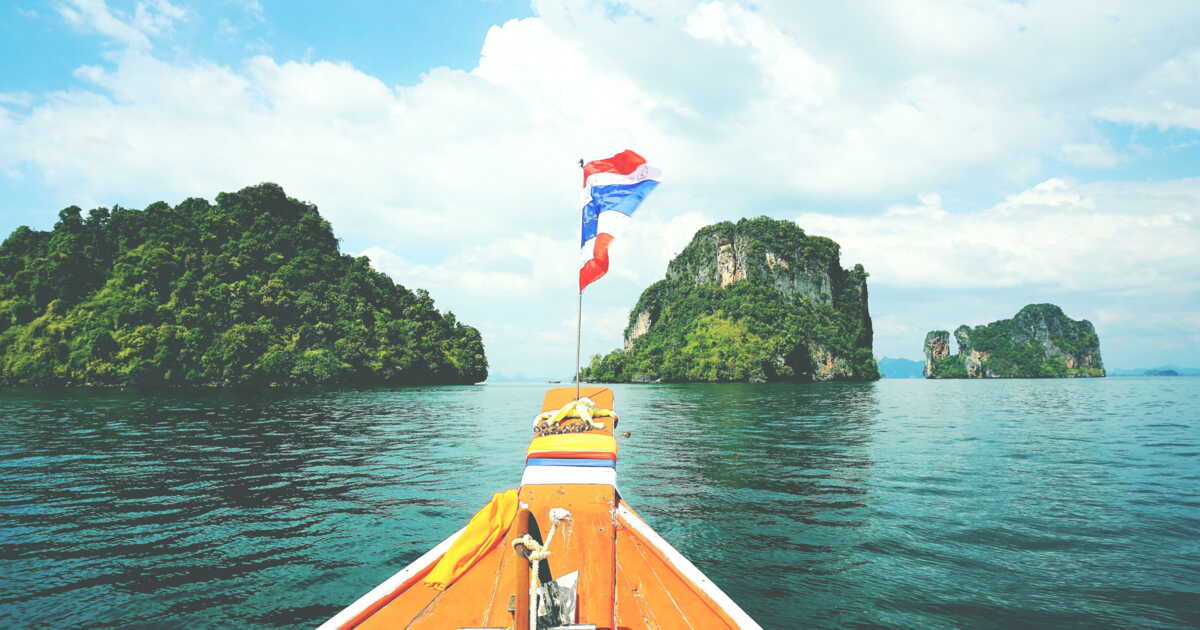
For a romantic stay, Thailand offers diverse landscapes conducive to couple escapes. From the sandy white beaches of the Andaman Sea to boats gliding peacefully across the Phang Nga Bay, the country provides refined experiences, blending discreet luxury with natural immersion.

Nature lovers will favor the north of Thailand, as with Chiang Mai, with its majestic temples and hiking trails through tropical forests, while those seeking seaside intimacy will head to pristine islets such as Koh Tao, a paradise for divers.

The city center of Bangkok, the capital of Thailand, can be a fascinating cultural stop, especially for discovering the art of local cuisine or taking a romantic tuk-tuk ride at sunset. These moments together become meaningful when integrated into a Thai travel focused on calm, natural beauty, and warm hospitality.

Which Island to Choose in Thailand for a Successful Stay?

The choice of an island in Thailand depends on the traveler’s expectations. Those seeking crystalline waters, rich seabeds, and multicolored coral reefs will favor islands in the Gulf of Thailand such as Koh Tao, nicknamed the Turtle Island, or those in the Andaman Sea like Koh Lanta or Koh Phi Phi.

For a calmer approach, away from the tourist buzz, visitors to secluded beaches will find happiness on top destinations described as hidden gems, notably certain islands near Railay in the south, accessible only by boat ride.

Each island also offers its own pace: some places emphasize wellness and relaxation, while others highlight boat excursions, explorations of karst cliffs, or hikes to breathtaking viewpoints. Thus, choosing a Thai island means aligning your desires with the exceptional diversity of Thailand’s coastline.

What to Do in Thailand with Family to Combine Relaxation and Discovery?

A family trip to Thailand enables a blend of relaxation and cultural awakening, in an environment often tailored for children. The country offers weekend-friendly spots popular with locals, as well as natural gems accessible to families, such as the northern Thailand’s waterfalls or boat rides on the Cheow Lan Lake, nestled in a lush jungle in the south of the country.

For an educational aspect, Thai culture can be explored through visits to unique temples, including the famous White Temple in Chiang Rai (Wat Rong Khun), or by discovering locals’ daily life at markets such as Khlong Lat Mayom in Bangkok.

Families can also try local cuisine, venture into tropical forests, or simply enjoy the warmth of the locals in provinces like Lopburi, where monkeys are hosts at certain temples. Extra care is advised when traveling, particularly to favor short trips and well-connected areas.

Which Colors and Places to Avoid in Thailand for a Respectful and Serene Stay?

When traveling in Thailand, certain etiquette rules help respect Thai culture and local traditions. For example, wearing yellow or pink is associated with particular days or royal figures; therefore, it is best to avoid inappropriate clothing in certain contexts, especially when visiting grand temples.

Geographically, a few areas to avoid in Thailand are more about safety common sense than cultural prohibition. Border zones, some remote provinces, or regions affected by tensions are sometimes advised against, particularly during the monsoon season when earthquakes and landslides can affect accessibility.

Likewise, heavily trafficked areas can disappoint in terms of authentic experience, especially if one is seeking serenity. Plan your itinerary carefully, seek out safe spots, and adapt your attire to fully enjoy the natural and cultural riches of this complex and welcoming country.

This article was written with the help of artificial intelligence, then corrected, expanded, and validated by the newsroom’s journalists.


Exchange Rate: Yen Strengthens as Thailand Comes Out Ahead


Economic Situation

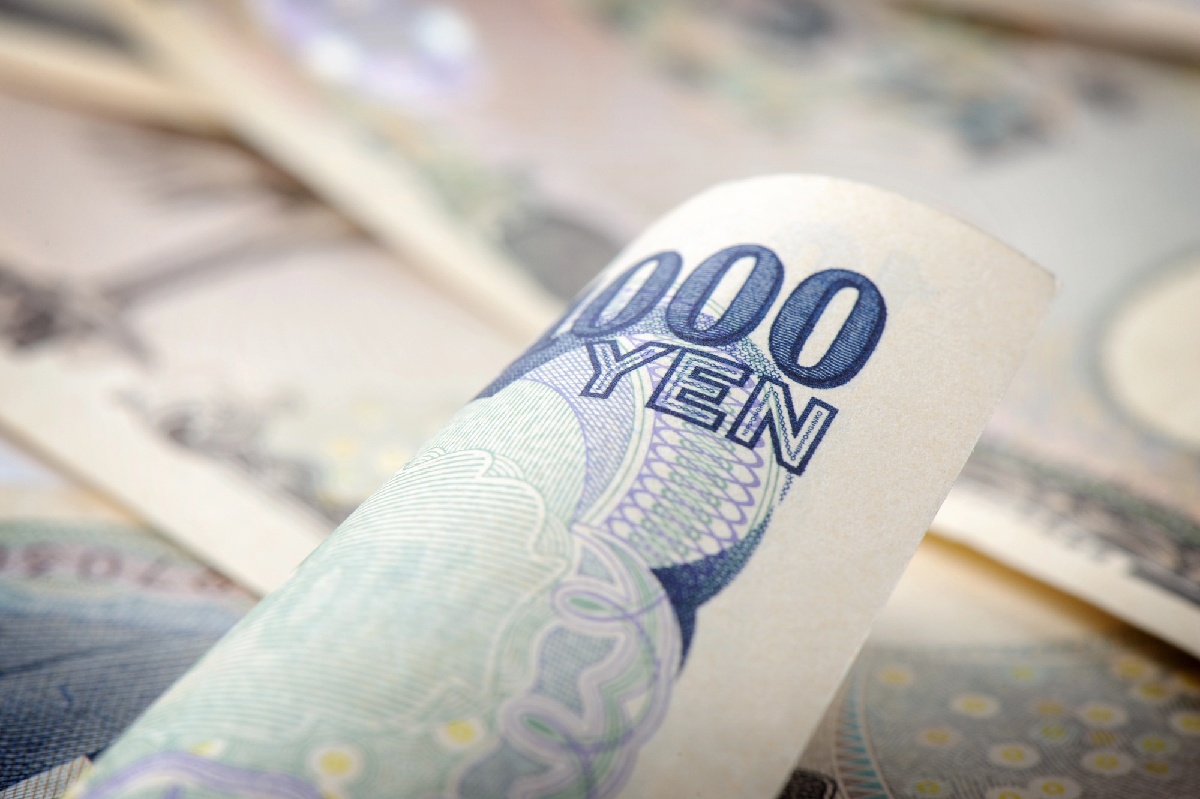
Taux de change : le yen se renforce, la Thaïlande tire son épingle du jeu - Depositphotos.com  Auteur norgallery

CroisiEurope


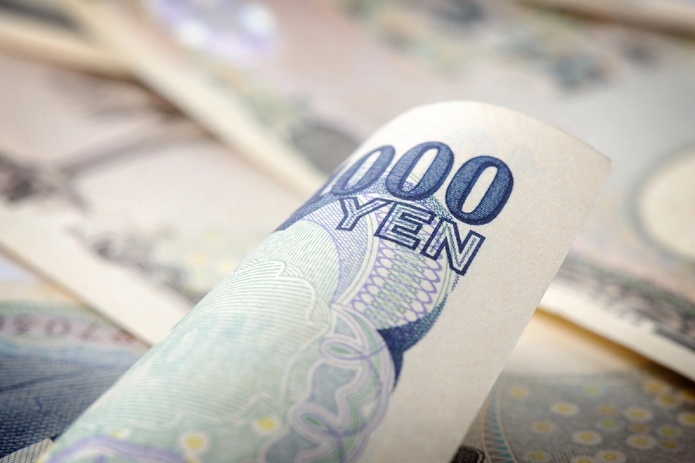
The yen dominated the week. It takes 178.56 yen to buy one euro, versus 185.22 on August 31: the Japanese currency has gained 3.6% in two weeks, mainly during the past week. Japan is therefore paying noticeably more for trips than two weeks ago, on departures already booked.

The explanation lies not in the foreign exchange market but in the cost of money. For twenty years, borrowing in Japan cost almost nothing. The Bank of Japan has closed this chapter: on June 17 it raised its rate to 1.00%, and its governor Kazuo Ueda warned on September 2 that every meeting could lead to a new hike. Investors assign about a 79% chance of lifting it to 1.25% by Friday. Japanese capital is returning home, and borrowing costs rise elsewhere.


Japan is not alone in raising its rates, and the motive is the same everywhere: energy.
In the euro area, prices rose 3.3% in August over twelve months, with energy alone up 14.3%. Hormuz remains closed since late February and the barrel price has advanced by nearly 9% in a week, to $104.61. On September 10, the European Central Bank raised its rate to 2.50%; the Fed, its American counterpart, is expected to follow suit on Wednesday.

Japan remains the most vulnerable, since it buys almost all of its energy from abroad: every dollar added to the price of crude feeds into the prices paid by Japanese households and leaves room for its central bank at Friday’s meeting. As long as Hormuz remains blocked, fuel and credit will stay expensive together. Winter budgets are therefore built on these two items, and on a yen that has ceased to be cheap.


Exchange Rates: The Technical Update

The Swiss franc and the yen usually play the same role on the market. This week, they moved in opposite directions. Against the yen, the euro fell from 181.59 to 178.56 in five sessions, a decline of 1.67%, while it rose 0.95% against the franc, with the rate moving from 0.9364 at the end of August to 0.9451 on Friday. Only one of the two central banks is active: Switzerland leaves its rate at 0% and repeats that it would intervene if its currency rose too much. Switzerland thus costs a bit less for the European buyer, while Japan is considerably more expensive.
Elsewhere, nothing moves. The euro is worth 1.1592 dollars, down 0.26% from 1.1622 a week earlier. Both central banks raise rates together and neither takes the lead. The British pound follows, at 0.85815, with the Bank of England expected to keep rates unchanged at 3.75% on Thursday. Dollar and pound buying budgets remain calm.


One destination benefits from this rate race: Thailand.
About 38.23 bahts per euro, nearly 3% higher than a year ago and at the top of its twelve-month range, between 36.21 and 38.72. The Thai central bank keeps its rate at 1% to support consumption, while almost all others are raising theirs: the baht therefore attracts little investor interest. A tour bought in Bangkok costs a little less than a year earlier, which is the exact opposite of Japan.


WEEKLY SUPPORTS WEEKLY RESISTANCES
S2 S1 R1 R2
EUR/USD 1.1450 1.1520 1.1660 1.1740
EUR/GBP 0.8490 0.8540 0.8630 0.8680
EUR/CHF 0.9360 0.9405 0.9490 0.9540
EUR/CAD 1.5900 1.5980 1.6140 1.6220
EUR/JPY 175.00 177.00 180.50 182.50


The supports and resistances shown below indicate respectively the lower and upper levels within which prices are expected to move over the course of the week.


The information presented in this publication is provided for purely informational purposes and does not constitute investment advice, a selling offer, nor a solicitation to buy, and should in no case be used as a basis or considered as an invitation to engage in any investment.


Mondial Change is a French financial institution, founded in 2015, specializing in managing international payments and exchange rate risk.

Mondial Change also supports many players in tourism, including travel agencies, tour-operators, group organizers, and receptive partners…

www.mondialchange.com

Contact: [email protected]


From Fieldwork to Travel Design: Bram Van den Bossche’s View on a More Off-the-Beaten-Path Thailand


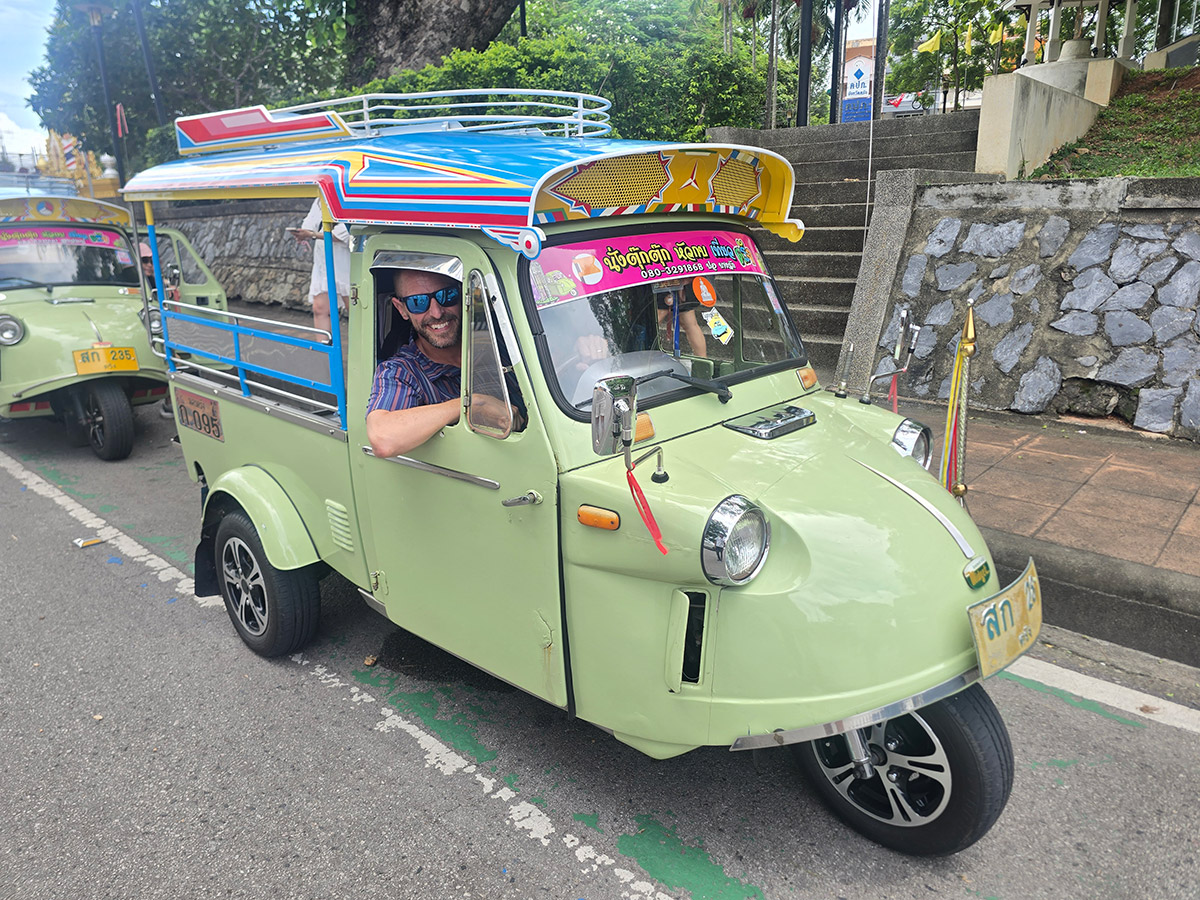
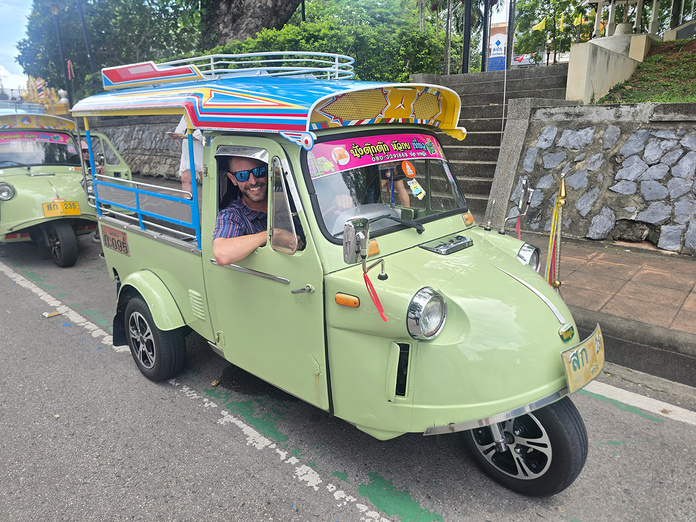
Bram Van den Bossche, Production Manager chez Easia Travel, à bord d’un « frog tuk-tuk » à Trang, dans le sud de la Thaïlande. © Easia Travel
Climats du Monde


It was upon returning from an inspection in southern Thailand that we had the chance to sit down with Bram.
With a head full of ideas and still fresh, he was able to share a few impressions and lessons drawn from the field, while reflecting on his experience and how it now informs the journeys thoughtfully crafted every day at Easia Travel.


You spent several years on the ground as a tour leader in Southeast Asia, while based in Thailand. What did this experience teach you about travelers’ expectations and their way of discovering a destination?

Bram Van den Bossche: « I’ve learned that travelers are no longer looking merely to check off the must-see sites, which they often already know from social networks or the Internet. Of course, they still want to experience them in person, but it’s frequently the experiences around those sites that truly make the difference. Authentic encounters, unexpected moments, and lesser-known discoveries are often what they remember most. »


Today, when you evaluate or build an itinerary in Thailand, how does this hands-on field experience influence your way of working?

Bram Van den Bossche : « Many itineraries look excellent on paper but can be a nightmare in reality. Changing hotels every day, with long transfers between stops, lets you see a lot in a short time, but it can also be very tiring.

I’ve led trips like that in the past, but I’ve also run tours with a slower pace, and I’ve seen a real difference. On fast-paced journeys, travelers often finished tired, feeling they would have liked more time. On slower trips, they left more satisfied, with the sense that they had built a true connection with the destination. »


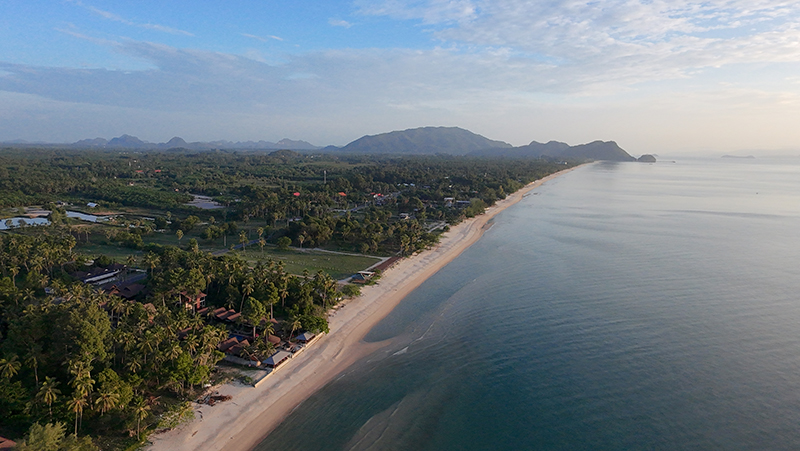
Khanom Beach – Une côte encore préservée, loin des sentiers battus. © Easia Travel


After almost 18 years in Thailand, are you still surprised by the destination?

Bram Van den Bossche : « Absolutely. I would say most travelers only see the country’s best-known sites. But once you stray a little from the classic routes, there is a lot to explore and discover.

In the South, for instance, regions like Khanom, Phatthalung, or Trang offer a completely different facet of the destination, with well-preserved landscapes, local communities, and experiences still seldom visited. Thale Noi Lake in Phatthalung, or certain small communities around Surat Thani, are excellent examples.

And even in more well-known places like Bangkok, Phuket, or Chiang Mai, there are still many local neighborhoods, restaurants, and experiences that you only uncover if you know where to look. »


You recently explored several regions of Southern Thailand. What stood out the most during this inspection?

Bram Van den Bossche : « Precisely what I was mentioning earlier. The whole region and the trip were stunning, but as soon as we moved away from the well-trodden itineraries and famous sites, we found ourselves in local communities, in very peaceful and authentic environments. For example, our very first meal took place within a local community in Surat Thani. It was simple, yet truly delicious, featuring dishes you would never find on a hotel menu.

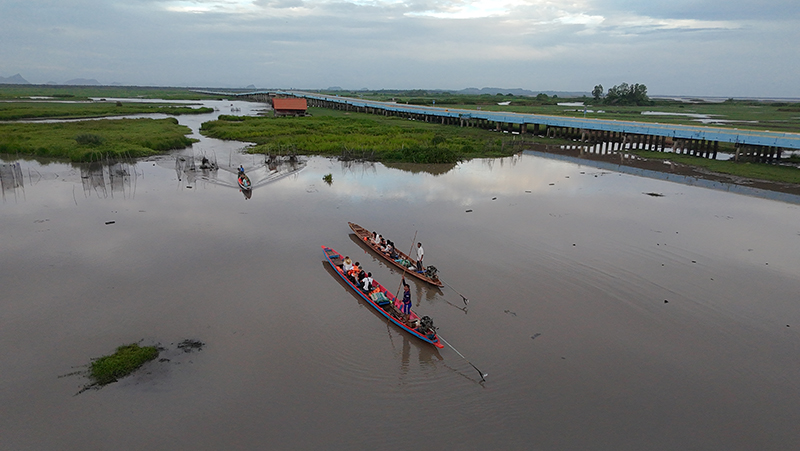
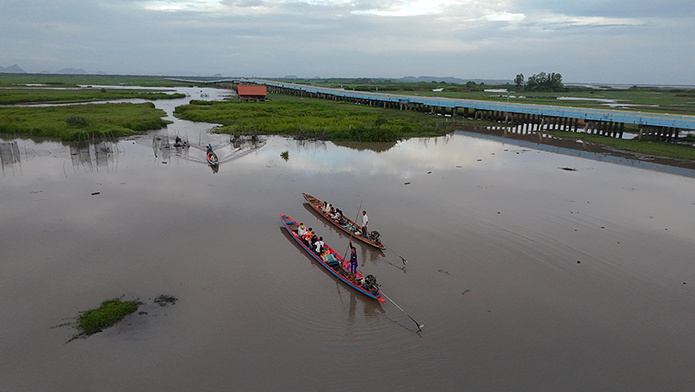
I also greatly enjoyed Thale Noi Lake, in Phatthalung. We set out early in the morning by boat, in a very calm atmosphere among lotus, birds, water buffalo, and small scenes of life around the lake. It’s the kind of simple, but highly memorable moment that reveals another facet of Southern Thailand. »


Les deux embarcations des équipes d’inspection d’Easia Travel sur le lac Thale Noi. © Easia Travel


In a destination as competitive as Thailand, what do you see as the added value of having a DMC team on the ground?


If you had to offer a piece of advice to a travel professional who wants to present a more intimate Thailand to their clients, what would it be?

Bram Van den Bossche : « I would especially urge not to pit the must-see attractions against more intimate experiences. It’s all about balance and the client profile.

For curious, flexible travelers who welcome a bit of unpredictability, you can easily complement the big classics with less-visited regions, more local experiences, or unexpected stops.

The goal is to find the right balance to offer a trip that is smooth, original, and truly tailored to each person’s expectations. »

It is with these few tips that our conversation with Bram ends. After nearly 18 years in Thailand, his perspective remains deeply rooted in the field, curiosity, and the search for new experiences. An expertise he now brings to the journeys developed by Easia Travel, with a commitment to offering itineraries that are increasingly fair, original, and attuned to each traveler’s expectations.

If this vision of the destination inspires you, contact our Easia Travel team in Thailand now to discuss your upcoming projects.


Du terrain à la conception des voyages : le regard de Bram Van den Bossche sur une Thaïlande plus confidentielle
Alex Lodola

[email protected]

www.easia-travel.com

facebook linkedin youtube

>> Easia Travel Cambodia in the DESTIMAG Directory

>> Easia Travel Laos in the DESTIMAG Directory

>> Easia Travel Thailand in the DESTIMAG Directory

>> Easia Travel Vietnam in the DESTIMAG Directory


Indochina and Thailand 2027: Resources for Promoting These Countries


© Aurora Travel & DMC

Hurtigruten


Aurora Travel & DMC: Stability, Expertise, and Commitment

Founded in 2003 by Mrs. Mai Anh, a passionate Vietnamese entrepreneur, Aurora has shown solid growth, doubling its staff after the pandemic to today reach 120 employees spread across four destinations.

Our core strength lies in human investment: we boast the industry’s lowest staff turnover. This loyalty of our senior experts guarantees partners invaluable stability and meticulous follow-up on their files. This expertise rests on exclusive products, a fleet of private vehicles, and a direct commitment to sustainable tourism, exemplified by a community-run restaurant co-managed with locals in the Mekong Delta.


Meet Us at IFTM Top Resa 2026

Come discuss your future projects directly with our experts. For the very first time, the founder and owner of Aurora will travel to Paris for this essential fair:

● Stand B024

● Book a meeting now via our Calendly link.


© Aurora Travel & DMC


Ready-to-Sell Production Solutions for 2027

To meet standard demands while ensuring controlled profitability, we have developed several tools:

1. 2027 GIR Programming (Guaranteed Groups)

A curated selection of circuits with guaranteed departures in small groups (2 to 12 people maximum), led by French-speaking guides for highly immersive experiences:

○ 2 Vietnam programs

○ 1 Cambodia program

○ 1 Thailand program

○ 1 combined program (Vietnam – Cambodia – Thailand)

Operational flexibility: Sales are secured with a fixed rebate set at J-31, giving you smooth and confident stock management.

2. Thematic Catalogs for 2027

From eco-friendly travel to ultra-luxury experiences, access a wide range of customizable itineraries tailored to your clients’ wishes:

○ Classic circuits

○ Thematic circuits

○ Signature Tours (High End)

Don’t hesitate to contact us at [email protected] to receive full details of the programs, dates, and our pricing.


Ultra-Personalized B2B Support

One of Aurora’s pillars is direct training of sales teams to equip you with all the tools to reassure your clients:

● Tailor-made Exclusive Webinars: Want to train your teams on a specific region or theme (coastal, luxury, rail)? Aurora organizes private sessions to meet your precise needs.

● Dedicated Agent Space: A professional space to autonomously consult our image banks, destination presentations, restaurant lists, and MICE venue recommendations.

● Open-Access Training Modules: Several replays are available on topics as varied as coastal Vietnam (Quy Nhon, Cam Ranh) or the Ultra-Luxury segment.

● Introduction to Vietnam: Discover the general presentation webinar recently led by Olivier Garessus on our YouTube channel.


Infrastructure and Field: Prepare for the Future with Our FAM Trip

The year 2027 will mark a major logistical turning point for the region with the highly anticipated opening of the new Long Thành International Airport near Ho Chi Minh City and the arrival of new direct connections from Europe.

To help you anticipate these on-the-ground developments, Aurora is once again partnering with the Ho Chi Minh City Tourism Authority and Vietnam Airlines. We are organizing an exclusive FAM Trip for a selected group of French travel agencies and tour operators, alongside the ITE HCMC 2027 exhibition which will commence in late August.

● Pre-registrations: You can already express your interest by writing to [email protected]

● Do not hesitate to consult our articles from previous editions to gauge the scale of this event.


© Aurora Travel & DMC


Thailand: France’s Foreign Ministry Advises Against Visiting Certain Provinces


Thaïlande : le Quai d’Orsay déconseille plusieurs provinces du sud - Depositphotos @tom.griger

Hurtigruten


The year 2025 was marked by a renewed conflict between Cambodia and Thailand.

Violent clashes occurred along the border between the two countries, resulting in several dozen deaths and nearly 800,000 displaced people.

For seven months now, the conflict has been at a standstill and Thailand has begun erecting a concrete wall to seal off the route of a disputed border.

The situation seems to be easing at this level, but a new zone of tension has opened up, this time farther south.

And this time, at the border with Malaysia, incidents have occurred, not directly with the Malaysian neighbor, but in provinces where the Malay language is predominant.

Thus, on the night of August 22–23, 2026, around fifty incidents were recorded.


Thaïlande : le Quai d’Orsay déconseille plusieurs provinces du sud

As reported by Courrier International, these attacks take the form of shootings, arson and explosions, aimed at creating chaos in the Muslim-majority regions of Narathiwat, Pattani and Yala.

The attacks have not been claimed, although the Quai d’Orsay notes that armed separatist movements are active in these provinces. Since 2004, in southern Thailand, these movements have carried out several attacks.

Thus, the French Ministry of Foreign Affairs formally advises against traveling to the southern provinces of Narathiwat, Pattani, Yala and Songkhla.

Going forward, the eastern, western and southern borders of the country have been placed in red, the highest vigilance level of France Diplomatie.


Thaïlande : les raisons de l’insurrection ?

The insurgent groups are demanding new rights and greater autonomy, or even the creation of an independent Muslim-majority state, according to Amnesty International in an article devoted to this little-known conflict.

These regions are also marked by economic underdevelopment.

To trace the origins of the tensions, one must go back to 1909, when Bangkok annexed an independent sultanate. The kingdom then imposes forced linguistic, religious and cultural assimilation on its inhabitants.

In response to this, opposition rose and organized itself in the 1960s. In 2004, the conflict entered a new phase, with attacks against police stations, resulting in several dozen deaths.

Over the past twenty years, the conflict has claimed more than 7,700 lives and left 15,000 injured.

Towards a Tourist Tax in Thailand?


Vers une taxe touristique en Thaïlande ? - Depositphotos.com ViktoriiaDyachenko

Hurtigruten


The tourism tax proposal, discussed for several years, takes a new step forward in Thailand. The National Tourism Policy Committee (NTPC) convened on August 14, 2026 to examine the principles of the scheme and the draft regulation, ahead of its public consultation, according to the Thai Ministry of Tourism and Sports.

In a statement published on August 17, the Thai government specifies that the proposed amount is now set at 450 baht per person (about 12 euros), regardless of arrival mode: by air, land, or sea (Thailand.go.th).

The implementation of the tax would be phased in. For travelers arriving by plane, it would begin 180 days after the text is published in the Royal Gazette. Land and sea arrivals would be affected roughly 360 days after the launch of the first phase, according to the Thai government.

This timeline aims, in particular, to avoid difficulties at the most frequented border crossings, especially at the border with Malaysia.


Thailand: the tourist tax could be introduced early 2027 for air travel

Several payment options are currently being considered: integration into the airline ticket, online payment, mobile app, or self-service kiosks.

The Thailand Digital Arrival Card (TDAC) could also be linked to the system. VisaNews notes, however, that the modalities of this potential integration remain to be defined: the TDAC is currently a free formality, and its possible connection to the payment system does not necessarily mean it would itself become payable.

At this stage, travelers do not yet have to pay the 450 baht to enter Thailand. The project must still pass several steps before its final adoption.

According to VisaNews, the start of 2027 is now the horizon envisaged for the first charges levied on travelers arriving by plane, but no firm effective date has yet been set.

Spain, Thailand, AI, Mexico: Global Tourism News Roundup [ABO]


La revue de presse internationale de la semaine - Depositphotos.com Auteur serezniy

TAP Air Portugal


From the week’s press review dated August 31, 2026:

Spain: Europe’s leading destination for overnight stays in the first half of the year

Thailand: visa-free stays reduced to 30 days

The battle for Chinese tourists now unfolds in AI responses

Istanbul: hair transplant tourism is now focusing on the experience

Mexico accelerates its hotel expansion

Ryanair trims its ambitions amid soaring fuel prices

Southwest Airlines accelerates its premium shift

Odd! Cruises: long-haul travel scales up


Spain: Europe’s leading destination for overnight stays in the first half of 2026


L’Espagne, première destination d’Europe en terme de nuitées sur les six premiers mois de 2026. @depositphotos/halfpoint

Spain tops the European ranking for tourist overnight stays in the first six months of 2026, just ahead of Italy, according to Eurostat data.

The European Union logged 1.321 billion overnight stays between January and June. The data also measure the dynamics of domestic and international visitors by country.

A note: hosteltur.com


Thailand: visa-free stays reduced to 30 days


À compter du 15 septembre 2026, la Thaïlande réduira à 30 jours la durée des séjours sans visa pour les ressortissants de 60 pays, dont la France. @depositphotos/empty_vectorist

From September 15, 2026, Thailand will cut visa-free stays from 60 days to 30 days for nationals of 60 countries, including France.

The measure aims to curb abuses of the scheme and visa runs. Land entries will also be limited to two per year for most of the affected countries.

Source: bangkokpost.com


The battle for Chinese tourists now plays out in AI responses


Le référencement dans les réponses de l’IA, nouveau défi des acteurs du tourisme pour séduire la clientèle chinoise. @depositphotos/encrier

A study conducted on five major Chinese chatbots shows that AI could profoundly reshape the competition between destinations. The challenge is no longer merely to be chosen by the traveler, but to be cited by AI in its initial selection.

For tourism offices, airlines, hotels and agencies, a new challenge thus emerges: to optimize their visibility with AI so as not to disappear from the “shortlists” generated before the traveler even starts their search.

More information on the site skift.com


Mexico accelerates its hotel expansion


Ryanair trims its ambitions amid soaring fuel prices


Ryanais revoit ses objectifs de trafic 2027 à la baisse. @depositphotos/route66

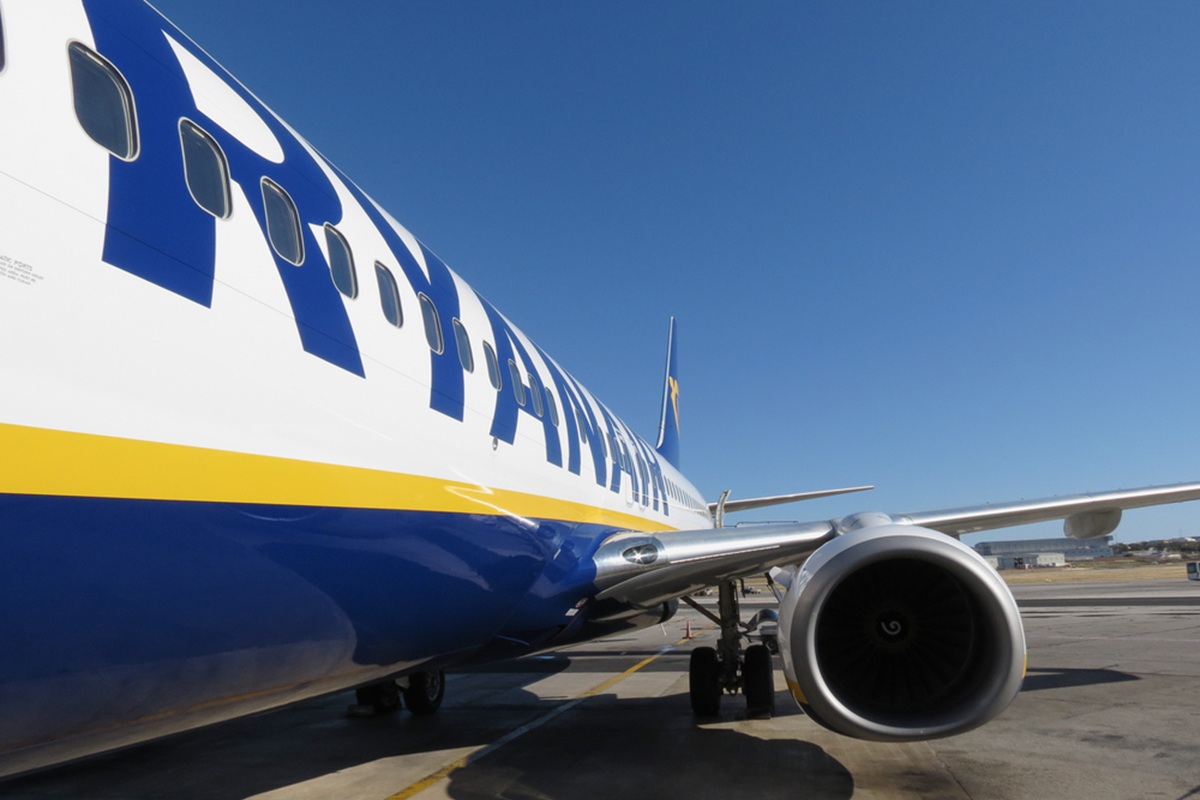
Ryanair lowers its 2027 traffic target from 216 million passengers to 214 million and will broadly maintain capacity this winter to limit losses.

The airline, whose 80% of fuel needs are hedged through March 2027, warns that the sustained rise in oil could weaken less-protected competitors and lead to a noticeable increase in European fares.

More information can be found on the Reuters website


Southwest Airlines accelerates its premium shift


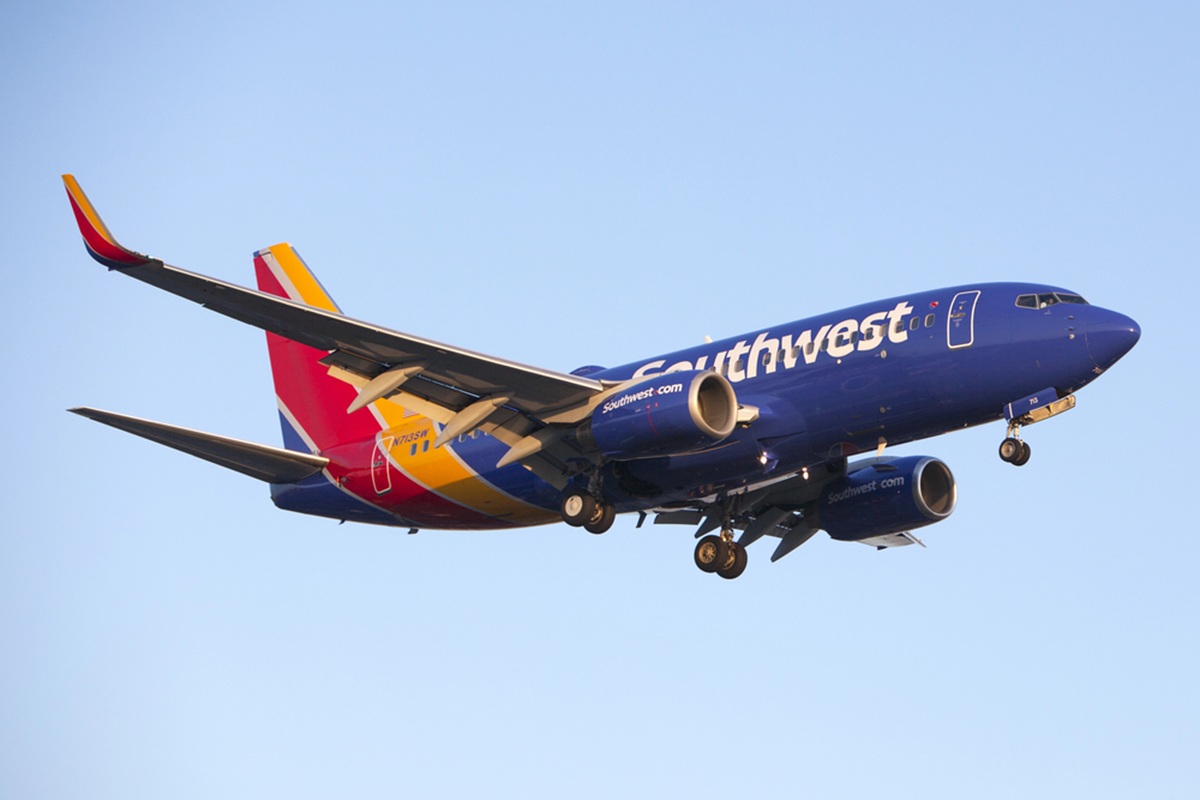
Southwest Airlines inaugurera ses premiers salons premium fin 2027. @depositphotos/jhansen2

Southwest Airlines will open its first premium lounges by the end of 2027, with at least 11 deployments planned.

Linked to a new premium credit card, these lounges illustrate the carrier’s pivot as it seeks to attract a more affluent clientele and gradually distance itself from its historic low-cost model.

Read on nytimes.com


Odd! Cruises: long-haul travel scales up


371 jours, 220 ports, 62 pays : la plus longue croisière du monde part de Rome. @depositphotos/NANCYPAUWELSPHOTO

The Regatta kicks off a record-breaking 371-day cruise, with 220 port calls in 62 countries, offered at around €65,700 per person.

An ultra-premium product offered by Explorations by Norwegian that illustrates the growth of long-duration cruises and new offerings targeting a high-spending clientele.

An article from euronews.com

Thailand: Problematic Tourists Now Face Expulsion

The Thai government has warned that “problematic” tourists could be expelled from the country, as new rules targeting foreigners convicted of illegal activities came into force on Friday.

“Problematic tourists or foreign workers who violate the law must leave”, wrote on Thursday evening on social media the Tourism Minister Surasak Phancharoenworakul.

New rules governing the expulsion of foreigners who have completed their sentences were published on Friday in the Royal Gazette, the Thai official journal. They cover offenses such as visa overstay, illegal work, fraudulent business operations, the use of forged documents, or offenses punishable by at least five years in prison.

Incivilities that Are Increasingly Exasperating the Authorities

“The Thailand has a policy of welcoming foreigners who wish to travel, work, or do business. However, it has been observed that some foreigners do not act in accordance with the law or the customs of our people”, the text states.

Approved in July by the government of Conservative Prime Minister Anutin Charnvirakul, these measures aim to “preserve Thai cultural values”, according to authorities.

Thailand had already decided in May to reduce visa-free stays for tourists from more than 90 countries from 60 to 30 days, in the announced bid to fight crime after a string of incidents. Altercations with tuk-tuk drivers, wild two-wheeled roadrides, public sexual escapades or illegal exploitation of businesses: incidents involving foreigners have fed local media nearly every week. A Spanish man and a Peruvian woman were expelled in May after being caught engaging in public sexual activity.

Separately, a controversy recently erupted after the French manager of a small wildlife park on the island of Koh Samui refused entry to Israelis, amid death threats and antisemitic statements.

The repeated incivilities have fueled public debate and pushed authorities to harden their tone, even as the Southeast Asian kingdom remains economically heavily dependent on tourism, which accounts for more than 10% of its gross domestic product (GDP).

Thailand expects around 33.5 million foreign tourists in 2026, compared with nearly 33 million last year.