The seatbelt sign blinking repeatedly, sudden jolts, and objects sliding around the cabin: many travelers feel flights are bumpier today than in the past. And this impression is far from unfounded. Several scientific studies show that certain forms of turbulence are increasing noticeably, a phenomenon that experts partly attribute to climate change. However, experts remind that these episodes are rarely dangerous for travelers who follow safety guidelines.
Climate Change Fuels Certain Turbulences
Recent data indicate a measurable shift in atmospheric conditions. A study from the University of Reading finds that wind shear in the jet stream — the fast-moving high-altitude air current circling the globe from west to east, a factor that fosters turbulence — has risen 15% since 1979. At the same time, clear-air turbulence (CAT), which is particularly difficult to detect — and especially dangerous — has grown by 55% across major airways.
For Emma Henderson, a former captain, the main cause is clearly identified. “Whether we like it or not, the main reason is climate change”, she tells the Daily Mail. According to her, warming in the atmosphere strengthens, in certain regions, the temperature differences between air masses, which intensifies the jet streams.
The pilot also notes that “a stronger wind shear in the jet stream and around it creates more turbulence in clear air, which is particularly difficult to manage because they cannot be seen on weather radar”.
These clear-air turbulences occur mainly at cruising altitude and occur without thunderstorm clouds, which makes them hard to anticipate. The former pilot notes, however, that not all forms of turbulence increase at the same pace. She also observes a recent rise in storms in the United Kingdom, a phenomenon that also contributes to making some flights bumpier.
Climate models suggest that this trend could continue. “Models indicate that if global temperatures keep rising, clear-air turbulence could become more frequent and intense on certain major routes, particularly over the North Atlantic and North America”, says the former captain to the British media.
Why Passengers Should Not Give In To Worry
Despite this rising trend, airlines today have far more powerful tools than a few years ago. Pilots benefit from more precise forecasts and real-time information about turbulence zones, which allows them to adjust their course.
“Pilots have today access to many more pieces of information than we had fifteen years ago,” notes Emma Henderson. When possible, they can slightly modify their route or altitude. “Sometimes climbing or descending by as little as 2,000 feet can yield much calmer air,” she tells the same outlet.
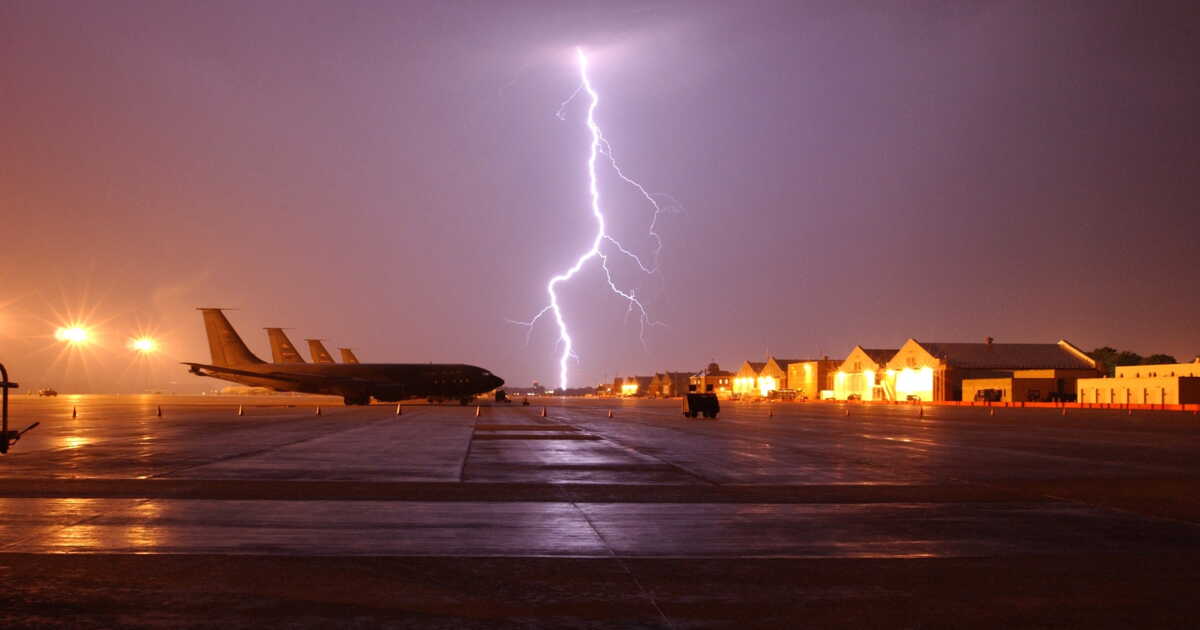
Thunderstorms, on the other hand, are generally avoided. “Thunderstorms are normally completely circumvented because they contain strong turbulence, hail, lightning and powerful vertical currents. Pilots do not hesitate to make a long detour to avoid them” explains the former captain. Clear-air turbulence, however, remains harder to dodge since it is invisible.
Emma Henderson also emphasizes a key point: “The biggest risk linked to turbulence is not the airplane. It is the people inside the cabin who are not strapped in”, she notes. She adds: “Almost all serious injuries related to turbulence involve passengers or crew members being thrown around because they were not belted in”.
Her advice is simple: keep your seat belt fastened even when the sign is off. Modern aircraft are designed to withstand forces far beyond the turbulence typically encountered. In the end, she concludes, turbulence is mainly “uncomfortable” rather than “dangerous”.