Air Turbulence: Why Flight Turbulence Is Increasing

The seatbelt sign blinking repeatedly, sudden jolts, and objects sliding around the cabin: many travelers feel flights are bumpier today than in the past. And this impression is far from unfounded. Several scientific studies show that certain forms of turbulence are increasing noticeably, a phenomenon that experts partly attribute to climate change. However, experts remind that these episodes are rarely dangerous for travelers who follow safety guidelines.

Climate Change Fuels Certain Turbulences

Recent data indicate a measurable shift in atmospheric conditions. A study from the University of Reading finds that wind shear in the jet stream — the fast-moving high-altitude air current circling the globe from west to east, a factor that fosters turbulence — has risen 15% since 1979. At the same time, clear-air turbulence (CAT), which is particularly difficult to detect — and especially dangerous — has grown by 55% across major airways.

For Emma Henderson, a former captain, the main cause is clearly identified. “Whether we like it or not, the main reason is climate change”, she tells the Daily Mail. According to her, warming in the atmosphere strengthens, in certain regions, the temperature differences between air masses, which intensifies the jet streams.

The pilot also notes that “a stronger wind shear in the jet stream and around it creates more turbulence in clear air, which is particularly difficult to manage because they cannot be seen on weather radar”.

These clear-air turbulences occur mainly at cruising altitude and occur without thunderstorm clouds, which makes them hard to anticipate. The former pilot notes, however, that not all forms of turbulence increase at the same pace. She also observes a recent rise in storms in the United Kingdom, a phenomenon that also contributes to making some flights bumpier.

Climate models suggest that this trend could continue. “Models indicate that if global temperatures keep rising, clear-air turbulence could become more frequent and intense on certain major routes, particularly over the North Atlantic and North America”, says the former captain to the British media.

Why Passengers Should Not Give In To Worry

Despite this rising trend, airlines today have far more powerful tools than a few years ago. Pilots benefit from more precise forecasts and real-time information about turbulence zones, which allows them to adjust their course.

“Pilots have today access to many more pieces of information than we had fifteen years ago,” notes Emma Henderson. When possible, they can slightly modify their route or altitude. “Sometimes climbing or descending by as little as 2,000 feet can yield much calmer air,” she tells the same outlet.

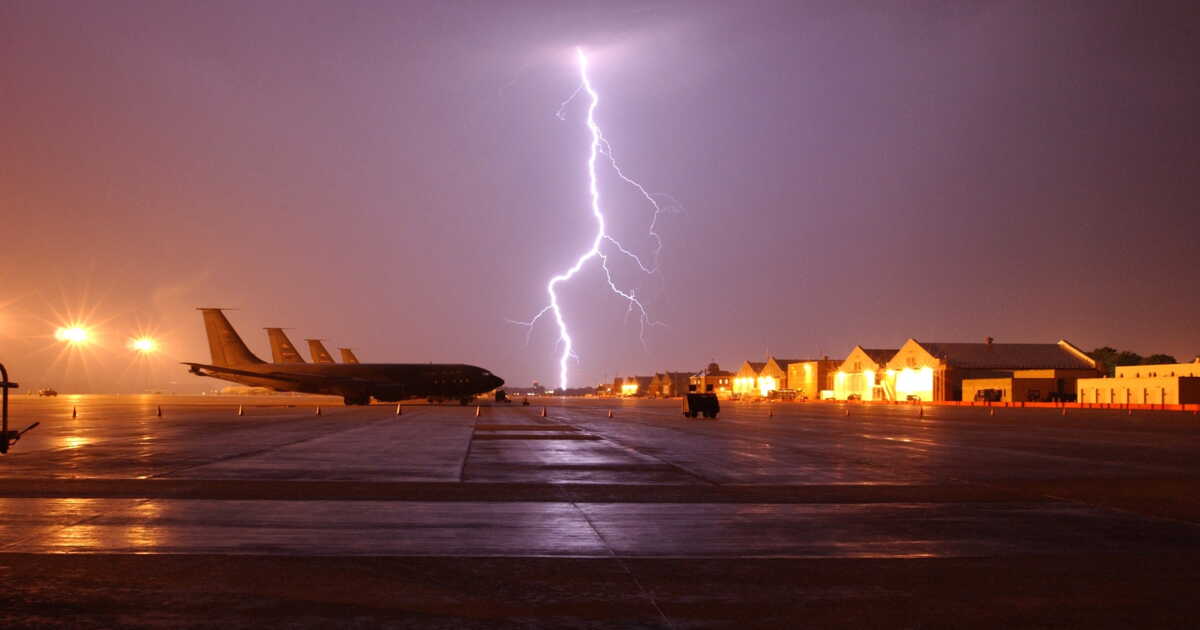
Thunderstorms, on the other hand, are generally avoided. “Thunderstorms are normally completely circumvented because they contain strong turbulence, hail, lightning and powerful vertical currents. Pilots do not hesitate to make a long detour to avoid them” explains the former captain. Clear-air turbulence, however, remains harder to dodge since it is invisible.

Emma Henderson also emphasizes a key point: “The biggest risk linked to turbulence is not the airplane. It is the people inside the cabin who are not strapped in”, she notes. She adds: “Almost all serious injuries related to turbulence involve passengers or crew members being thrown around because they were not belted in”.

Her advice is simple: keep your seat belt fastened even when the sign is off. Modern aircraft are designed to withstand forces far beyond the turbulence typically encountered. In the end, she concludes, turbulence is mainly “uncomfortable” rather than “dangerous”.

Flight Centre Travel Group: Profit Rises in H1 FY2026


Flight Centre Travel Group : bénéfice en hausse au premier semestre 2026 - Depositphotos.com Auteur Maridav

IFTM TourMaG Party


Flight Centre Travel Group (FLT) unveiled on February 26 solid financial results for the half-year ended December 31, 2025. Underlying profit before tax (UPBT) stood at AUD 124.6 million (EUR 75.07 million), up 4% from the prior year (AUD 119.7 million or EUR 72.11 million).

The group’s Corporate division, led by the FCM Travel and Corporate Traveller brands, continues to set records in terms of business volume (TTV = Total Transaction Value=), according to a group press release.

In Europe, the momentum is particularly striking, notably thanks to the Meetings, Incentives, Conferences, and Exhibitions (MICE) sector.

Steve Norris, Chief Executive of FLT for the EMEA region, notes: « The solid expansion of FCM Meetings and Events has paved the way, the United Kingdom posting a year-on-year increase of 46 %. This success reflects the stability and reliability of FCM’s service delivery, underscored by its strongest post-COVID performance in terms of SLA (Service Level Agreement). »


“There are opportunities for well-positioned players”

These results are driven notably by artificial intelligence and innovation. « This is not about making people work harder. It is about working smarter through AI-based tools and streamlined processes that free up our consultants to focus on complex and high-value client engagements », explains Chris Galanty, Global Head of Corporate at Flight Centre Travel Group.

The group is betting on its proprietary technology platforms, notably Melon and FCM Booking (backed by the Whereto technology), to streamline the client experience.

Today, 10 % of FCM’s global revenue comes from events, payment solutions and advisory services.

As the corporate travel sector enters a period of intense consolidation, Chris Galanty is taking an offensive stance:

« New players disrupt traditional models. (…) This creates opportunities for well-positioned players – and we are seizing them with a strong portfolio of new accounts and high retention. »

With Asia back in profitability and a 13 % growth in the SME segment in the United States, Flight Centre Travel Group, the company approaches the second half of 2026 with clearly expressed confidence.

Ebola: Air France Flight Crews Barred from Entering the United States


Les PNC d'Air France demandent l’obtention d’un droit de retrait sur la ligne vers Kinshasa - Depositphotos @RLGUESSAZ

CroisiEurope


After being shaken by hantavirus, the world watches with concern what is happening in the Democratic Republic of the Congo.

Since the beginning of May, the Central African country has been hit by a resurgence of the Ebola virus. On May 15, the government officially declared the 17th outbreak of Ebola virus disease to strike the country.

And unfortunately, the virus is spreading quite rapidly to neighboring nations. To date, more than 1,100 suspected Ebola virus cases have been recorded in Africa, including 263 confirmed cases and 43 deaths.

The strain behind this outbreak currently has neither a vaccine nor a treatment.

And the virus exhibits a case fatality rate between 30% and 50%. Under these conditions, the World Health Organization has declared the situation an international public health emergency.


Several countries have imposed restrictions on travelers heading to the Democratic Republic of the Congo and its neighboring countries, starting with the United States.

These decisions, taken to prevent the virus’s importation, are now causing difficulties in the aviation sector, starting with Air France.


Democratic Republic of the Congo: travelers barred from entering the USA…

Since May 22, 2026, the Centers for Disease Control and Prevention has issued a decree limiting entries into the United States.

Thus, the Donald Trump administration “suspends entry to the United States for foreign nationals who have stayed in the Democratic Republic of the Congo, in Uganda, or in South Sudan within the last 21 days“.

However, whereas commercial flight crews had previously been exempt, with the stricter rule now in place, Air France cabin crew cannot travel to the USA after completing a rotation between Paris and the DRC.

The UNAC, a union counting 2,500 members within the company, fears after having “learned today, Thursday, May 28, 2026, that the cabin crew are now affected by the ban on re-entering the US territory.

Shipments are being rebuilt
“.

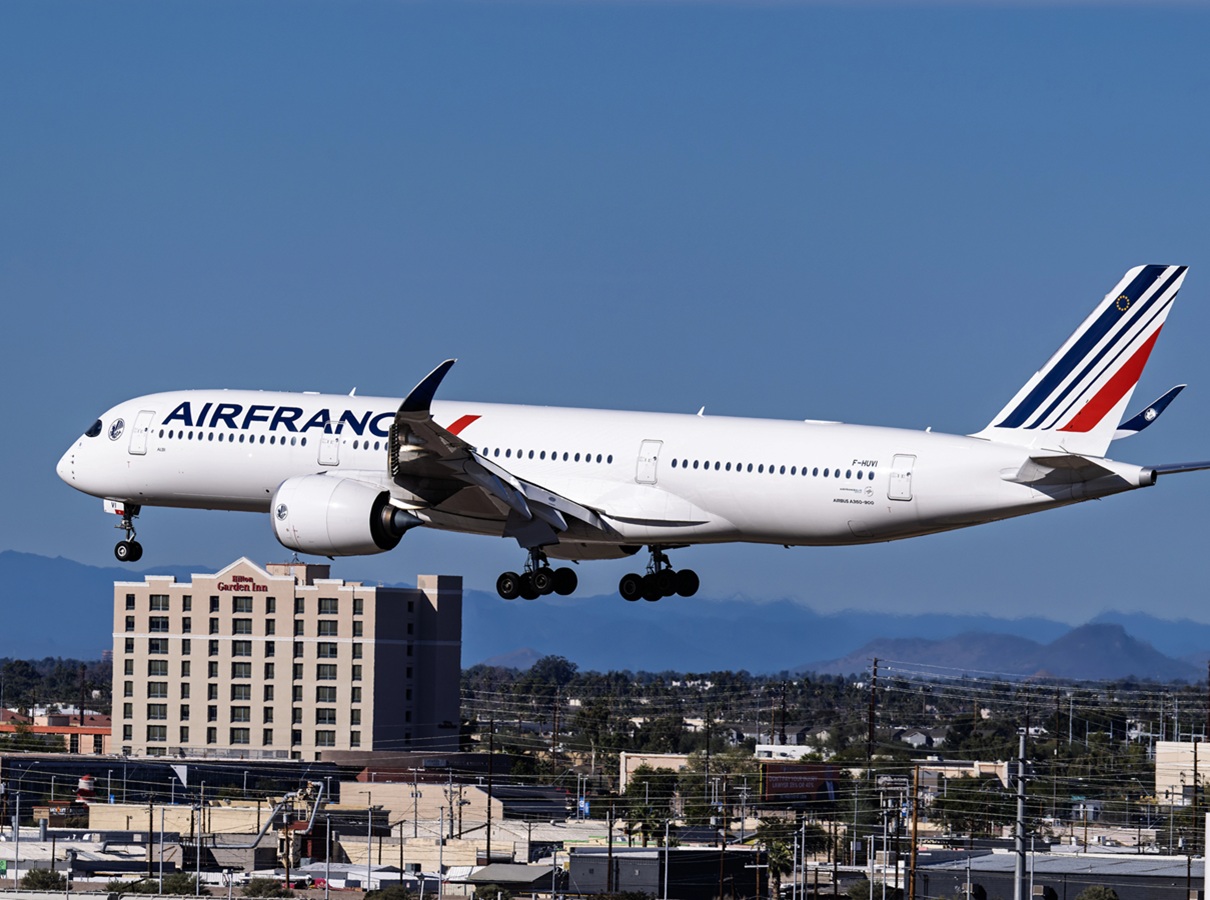
Kinshasa is served from Paris at four flights per week. The flight is operated with an Airbus A350-900. Air France has 41 aircraft of this type in its fleet.

Discussions have begun between the unions and Air France management to establish a right of withdrawal for crew members who no longer wish to operate on the France–Democratic Republic of the Congo route.


Flight Attendants Not Spared by Ebola Restrictions

They could thereby avoid being barred from staying in the United States, and also sidestep the risk of contracting the virus.

An extraordinary CSSCT meeting has, however, been requested by the UNAC to management more than a week ago.

We have renewed our request to organize an extraordinary CSSCT meeting and invite representative trade unions to join us
“, the union specifies.

On its side, the airline has acknowledged receipt of the American decision.

It recalls that French and foreign passengers can no longer travel to the USA after staying in one of the countries affected by the outbreak within the last 21 days.

To read: Dominican Republic, Maldives: Air France redeploys its aircraft for the next winter

American citizens or residents affected by this measure are still allowed to enter the United States, but only via certain specific airports.

As with all airlines, Air France is required to comply with the entry conditions imposed by the countries it serves.

Customers affected by these new rules will be informed, and commercial measures have been put in place to allow them to modify their trip without charges
“, the national carrier told us.

For now, while the DRC is the source of the outbreak, Uganda has recorded several cases, but all neighboring countries of the giant African nation are now considered at risk.

According to Africa CDC, the African Center for Disease Control and Prevention, the countries that could be affected are: South Sudan, Rwanda, Kenya, Tanzania, Ethiopia, the Congo, Burundi, Angola, the Central African Republic, and Zambia.


Romain Pommier Published by Romain Pommier Journalist – TourMaG.com
See all articles by Romain Pommier

  • picto Facebook
  • picto Linkedin
  • picto email
Add TourMaG to your Google News feed Google Actualités icône

Airbus: 22-Hour Nonstop Flight Aircraft Takes Off


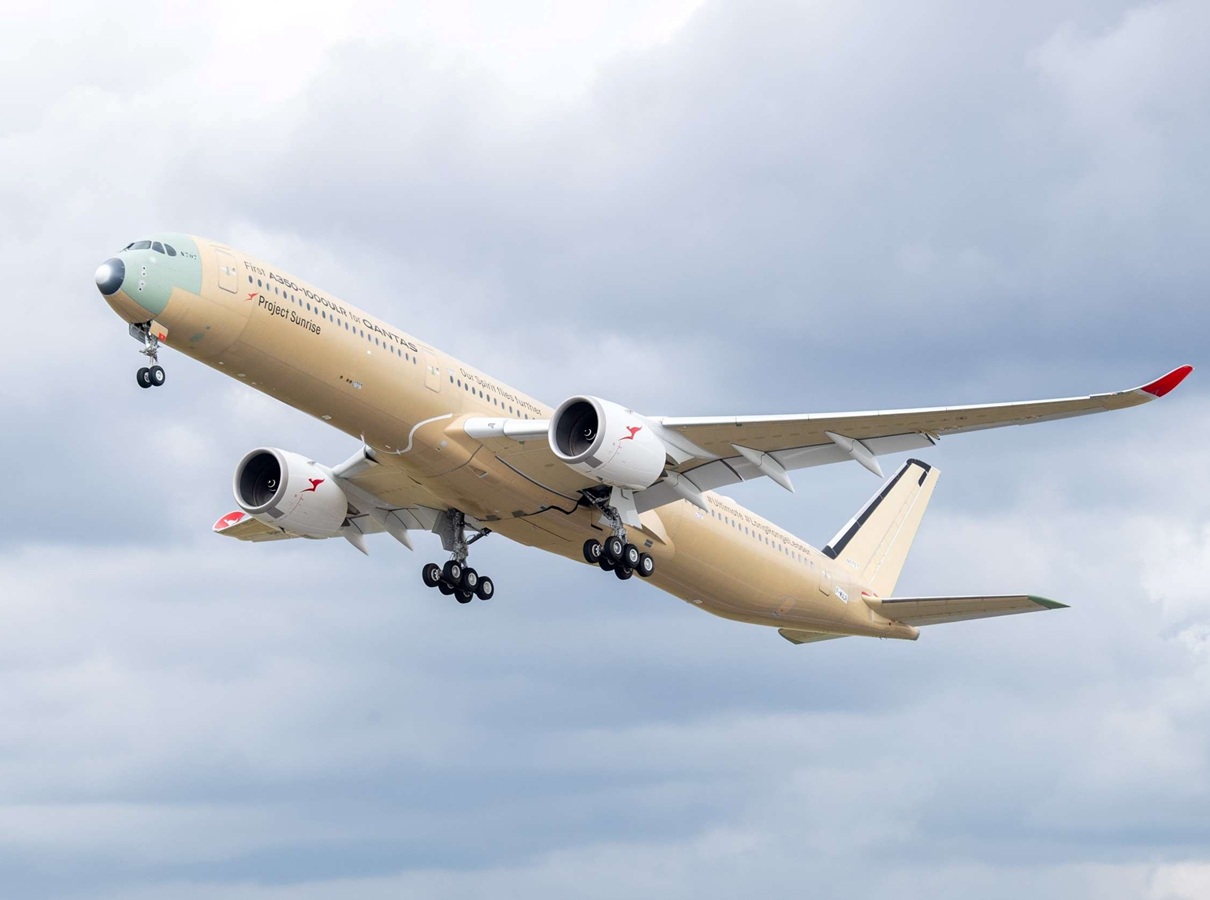
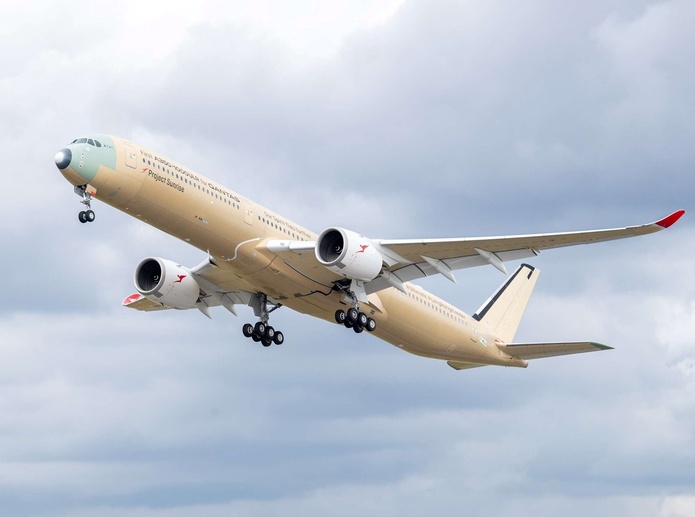
L’A350-1000ULR a effectué son premier vol à Toulouse - Crédit photo : © Airbus SAS 2026

CroisiEurope


This is a first that bodes well for the future.

After two years of delay, the A350-1000ULR carried out its first flight in Toulouse. The aircraft flew for 3 hours and 43 minutes, reaching an altitude of over 12,496 meters.

The crew consisted entirely of personnel dedicated to test flights.

They conducted general performance checks of the aircraft and tested the new fuel-system architecture. The test campaign is expected to last two months.


A350-1000ULR: a range of 18,520 kilometers

At the end of this period, the aircraft named AIB01LR will be outfitted according to Qantas’ commercial specifications.

For reference, the aircraft was developed for the Australian airline and will feature four cabin classes.

It is expected to enable, in 2027, non-stop flights between Sydney and London, spanning a distance of 18,520 kilometers, and to fly 22 hours without a technical stop.

To read: Ultra long-haul: technical feat or future model for commercial aviation?

This performance is made possible mainly by integrating, into the aircraft’s structure, an additional aft center tank (RCT), which further enhances the aircraft’s performance and increases its range by 1,000 nautical miles (1,852 kilometers, editor’s note),” explains the manufacturer’s press release.

The delivery of this first aircraft is scheduled for April 2027. The second A350-1000ULR is under assembly and is due to roll out of the paint shop in the coming days.

Qantas has ordered 12 A350-1000ULR as part of the Sunrise project.

How to Make the Most of Long-Haul Flights: Secrets from a Flight Attendant

Twelve hours cooped up in an airplane, meals served in the middle of the night, and the sense of arriving exhausted before one’s vacation has even begun: long-haul flights remain a challenge for many travelers. Yet, certain habits can reduce fatigue and help cope better with these endless journeys. After 25 years spent in the skies, British flight attendant Kris Major shared with CNN his tips for traveling in better conditions. From seat selection to mistakes to avoid before boarding, he outlines the practices that truly make a difference.

Sleeping first and foremost, even if that means turning down a meal

For travelers boarding a night flight, Kris Major believes the priority should be to get some sleep. He says that eating before boarding helps prevent losing valuable rest once in the cabin. The issue is particularly significant on the comparatively “short” legs of long-haul journeys, such as a New York–London route, where passengers sometimes have only five or six hours to actually sleep.

In his interview with CNN, the cabin crew member explains that regulars in business travel have already embraced this logic. “Experienced travelers, after takeoff, when you walk through the cabin, you see they’ve disappeared: they’ve pulled the covers up and they’re sleeping”, he says.

The flight staff also advises not forcing yourself to eat when meals are served amid a large time shift. “Most airlines do not plan their meal service particularly around the passenger, the acclimatization and the time zones crossed”, he explains. In short, if the body wants sleep rather than a dinner served at roughly 3 a.m., it’s better to close your eyes.

The steward also recommends bringing your own comfort accessories, even when the airline provides cushions and blankets. An eye mask, a travel pillow, or a personal throw can markedly improve cabin rest. Especially since some gear can be missing on very crowded flights. “That happens, he admits. So I’d say: do as much as possible to ensure your own comfort and your own needs.”

When sleep simply won’t come, it’s nevertheless pointless to push it. Kris Major notes that the body may just not be ready to sleep due to jet lag. However, if a long journey or a meeting awaits the passenger on arrival, he nevertheless recommends trying to rest as much as possible during the flight.

Move around, choose the right seat, and don’t hesitate to take off your shoes

Staying immobile for more than ten hours isn’t harmless for the body. To limit discomfort and promote blood circulation, the steward advises moving regularly, even without leaving your seat. “Move around in your seat, move your legs, do whatever comes naturally: wiggle, move, get the blood circulating if that’s what you need”, he explains.

Regarding comfort, Kris Major also defends a practice that often divides passengers: removing your shoes during the flight. According to him, it helps circulation and improves well-being during long journeys. “We do it ourselves. I think most people do it. It’s the right thing to do if you’re on a long-haul flight”, he asserts. The steward does caution, however, that a minimum of courtesy remains essential, particularly with clean socks.

The seat selection also plays a significant role. For travelers sensitive to turbulence, Kris Major recommends seats toward the front of the aircraft, where movements are less noticeable. Taller passengers may prefer seats near the emergency exits to gain more legroom.

He himself always favors the window. “It’s purely a personal preference; I can lean against the wall, drop my head, and sleep”, he explains. Conversely, he believes the middle seat remains the worst possible choice on a long flight, especially for those hoping to sleep a few hours.

Finally, the steward advises always to plan entertainment and snacks for the journey. A tablet, noise-cancelling headphones, a power bank, and snacks help avoid many annoyances when the in-flight screen offering films and series malfunctions or when the first meal is late.

In the same series “Our Travel Tips”:

Travel scams: traps that could cost you thousands of euros

Here’s why you should never recharge your phone in an airport

Where and what are the dirtiest places in a hotel room

3 Flight Attendant Tips to Travel Like a Pro

Even before the plane leaves the tarmac, flight attendants have already analyzed a multitude of elements that most passengers are completely unaware of. These reflexes are part of their daily routine and address very real safety and comfort concerns. Two former crew members detailed their pre-flight habits to Travel + Leisure. Simple tips, but ones that could truly alter your manner of traveling.

Spotting the emergency exits before takeoff

The vast majority of travelers settle into their seat, stow their luggage, and wait for departure without paying attention to the rest of the cabin. Yet, for cabin crew, the location of the emergency exits is a top priority from the moment boarding begins. This vigilance can become essential in an evacuation carried out in the dark or in a smoky environment.