Things to Do in Cappadocia: 6 Must-Do Outings and Activities

Summary


  • 1. Hot air balloon ride over Cappadocia


  • 2. Visit to Göreme Open Air Museum and its village


  • 3. Exploration of the underground cities of Derinkuyu and Kaymakli


  • 4. Hiking in the valleys: Love Valley, Rose Valley and Pigeon Valley


  • 5. Visit to Uchisar Castle


  • Discovering crafts in Avanos


  • Cappadocia landscape: a land sculpted by nature and inhabited by history


  • Is Cappadocia worth it? A unique region in the heart of Turkey worthy of its reputation


  • How many days to visit Cappadocia: crafting a balanced itinerary according to your priorities


  • Getting around Cappadocia: choosing the right means to explore a dispersed territory


  • What to do in Cappadocia when it rains: cultural activities and underground visits to favor


  • Cappadocia travel: how to organize a coherent and enriching discovery?

Nestled in the heart of Turkey, Cappadocia is a region that evokes surreal landscapes and a millennial history. Renowned for its intriguing rock formations called fairy chimneys, its mysterious underground cities, and its spectacular panoramas, Cappadocia attracts thousands of visitors each year in search of exploration. If you wonder “what to do in Cappadocia?”, this article provides a detailed guide to magnify your experience through the activities and sites it offers.

1. Hot air balloon ride over Cappadocia

Discovering Cappadocia from the air on a hot-air balloon ride is one of the highlights of a trip to Turkey, both for reading the landscapes and for understanding how the region is geologically organized.

At dawn, the open sky over Göreme and that over Zelve reveal themselves in a gradually brightening light that highlights the Göreme Valley, the Love Valley, the Rose Valley, and the mushroom-shaped rock formations. This experience, included in many Turkish stay itineraries, requires a ticket, sometimes separate from the valley entrance pass, with prices varying by season.

Easily accessible thanks to internal domestic flights in Turkey to Kayseri Airport, then by rental car or car from the airport, this activity stands as a true appointment to observe major points of interest from a beautiful panoramic view, revealing the coherence between troglodyte villages, valleys, and plateaus.

2. Visit to Göreme Open Air Museum and its village

The Göreme Open Air Museum visit allows a structured approach to the religious and architectural history of the region, in a classified and protected environment. This open-air museum, located in the heart of the Göreme Valley, brings together rock-cut buildings dating from the late Roman Empire and the Byzantine period, accessible thanks to a specific entry ticket and to cathedral access reserved for certain chapels.

The site is set in a Göreme open-air environment that is particularly readable, where frescoes dialogue with the volcanic rock. Access for visitors is arranged, although some portions require special attention. This visit fits easily into an itinerary including Ürgüp, Mustafapaşa, or Zelve, offering a comprehensive reading of the troglodyte village and its evolution over time.

3. Exploration of the underground cities of Derinkuyu and Kaymakli

Exploring the underground cities of Derinkuyu and Kaymakli completes the understanding of the region by revealing a Cappadocia carved meters underground, designed for collective protection. These impressive complexes unveil an organized network of rooms, corridors, deep wells, and storage areas, illustrating a remarkable adaptation to historical and climatic constraints.

Connected to the main roads by car, these visits are often included in tours with a guide, helping interpret the defensive and domestic functions of these spaces. They naturally fit into Cappadocian housing plans and itineraries, where one also discovers the logic of rock-cut rooms and the troglodyte chamber at Jerveni, still used today as remarkable lodging for travelers.

4. Hiking in the valleys: Love Valley, Rose Valley and Pigeon Valley

Hiking in Cappadocia offers a complementary and accessible approach to exploring the region’s landscape diversity, especially in Love Valley, Rose Valley, and Pigeon Valley, whose names often reflect a natural or historical feature, sometimes linked to the era of pigeons.

These itineraries, usually free or requiring a simple valley pass, provide direct valley access from Göreme, Ürgüp, or the town of Mustafapaşa. The marked paths allow you to observe cliffs, former dwellings, and open panoramas, sometimes linking Zelve, its Open-Air Zelve, and the Pasabag crossing.

These routes are suitable for all levels and rank among the best ways to explore the region without logistical constraints.

5. Visit to Uchisar Castle

Visiting Uchisar Castle offers a strategic reading of the territory from one of the region’s highest points, overlooking the valleys and surrounding villages. Accessible by town car or local transport, this site provides a structured panorama of the Göreme Valley, Zelve, and the surrounding plateaus.

The ascent gradually reveals defensive caverns, storage areas, and rochedwelling integrated into the rock, testifying to a continuous occupation. This high point makes an excellent reference for understanding the spatial organization of Cappadocia and naturally fits into a route linking Ürgüp, the Ürgüp Hammam, or a night in Ürgüp, often sought for its good addresses and troglodyte accommodations.

6. Discovery of crafts in Avanos

The discovery of crafts in Avanos adds a human and economic dimension to a stay in Turkey, highlighting skills handed down since antiquity. Located along the Kızılırmak River, the town is renowned for its pottery workshops, accessible freely or through organized demonstrations. This stop harmoniously complements an itinerary including Göreme, Mustafapasa — and its Mustafapasa options often cited among the best Mustafapasa deals — or Ürgüp. Avanos accommodations, often more traditional, offer comfortable rooms, sometimes a private room with a bathroom, ideal for a quieter pause. Integrated into a coherent circuit, Avanos illustrates the balance between heritage, local life, and tourism organization in this emblematic region of Turkey.

This survey of Cappadocia’s activities and sites plunges us into a universe where nature, history, and culture intertwine. The region offers a myriad of experiences for every traveler, whether history enthusiasts, outdoor lovers, or those curious about art and tradition. It is a destination to visit and revisit, with each season presenting a unique show on its memorable landscapes. One thing is certain: Cappadocia will astonish you with its richness and extraordinary diversity.

Cappadocia landscape: a land sculpted by nature and inhabited by history

A journey to Turkey takes on a distinctive dimension in Cappadocia, where erosion-sculpted landscapes offer an open-air reading of human and natural history. This territory, shaped by the Roman Empire, presents a mosaic of troglodyte villages, iconic valleys such as Love Valley, Göreme Valley, and Rose Valley, and remarkable formations like mushroom-shaped fairy chimneys.

Beyond the postcard image, these landscapes tell of a constant adaptation of habitation to the constraints of the terrain, visible in rock-cut rooms, Cappadocian dwellings, and cities dug meters underground. Cappadocia is worth it for the richness of its open-air museum, for the experience of a flight over Göreme Open Air, but also for its subterranean points of interest, its hikes, its good addresses in Ürgüp or Mustafapaşa, and the stunning view from Uçhisar.

This region of Turkey, accessible via domestic Turkish flights to Kayseri Airport, delights with the density of its cultural and natural offerings.

Is Cappadocia worth it? A unique region in the heart of Turkey worthy of its reputation

Asking whether Cappadocia is worth it means questioning the relevance of a place that has become emblematic of travel in Turkey. Located in central Anatolia, this region stands out for its unique geological formations, rock-cut churches, and underground cities, witnesses to ancient human occupation. The Cappadocia landscapes, shaped by erosion, offer a rare visual experience, especially in the Göreme Valley or the Üçhisar region.

In addition to the postcard image, there are singular experiences such as a dawn hot-air balloon flight. For travelers seeking history, nature, and unusual perspectives, Cappadocia is a destination that fully justifies the detour.

How many days to visit Cappadocia: crafting a balanced itinerary according to your priorities

The number of days to visit Cappadocia depends on the level of immersion you seek. A three to five-day stay in this region allows you to cover the must-see sites, from the Zelve Valley to the Göreme Open Air Museum, while taking time to stop in the town of Mustafapaşa or enjoy a hammam in Ürgüp on a Saturday.

It makes sense to plan for fantastical accommodations spread across different villages to facilitate excursions. The housing plans often include private rooms with a bathroom, sometimes troglodyte, such as the cave room at Jerveni, and they allow you to live a local experience. Structuring the itinerary with realistic travel times, whether by rental car or shuttle, is essential to keep sight of the region’s diversity.

Getting around Cappadocia: choosing the right means to explore a dispersed territory

Getting around Cappadocia requires some foresight, given the extent of the territory and the dispersion of points of interest. The car from the airport or a hotel-based car remains the most flexible means, especially to reach places like Zelve, the Zelve Open Air, or more remote villages such as Ortahisar.

Some travelers opt for a guide or a local driver, particularly for tours linking the valleys, the deep wells, or the troglodyte accommodations. The Göreme Open Air area can also be explored on foot via marked Cappadocia hikes. Transportation becomes a genuine element of exploration here, revealing the alternation of landscapes and the variation in scale between towns, valleys, and troglodyte villages.

What to do in Cappadocia when it rains: cultural activities and underground visits to prioritize

When the weather is uncertain, knowing what to do in Cappadocia when it rains allows turning constraints into cultural opportunities. The underground cities, dug several meters underground, provide shelter while giving access to a crucial part of the territory’s history. The museums, troglodyte houses, or Avanos craft workshops welcome visitors in covered and informative settings.

Exploring these spaces, often accessible with an entry ticket or included in a valley pass, reveals how residents used stone to build a protected everyday life. In Cappadocia, the subterranean heritage offers a millennia-old response to the whims of the weather.

Cappadocia travel: how to organize a coherent and enriching discovery?

Organizing a coherent Cappadocia trip means balancing a program between landscapes, culture, and lodging. The valley name, the village, or the troglodyte site often provides the key to understanding the place. Travelers can set their starting point in Göreme, easily connected by domestic Turkish flights via Kayseri Airport, before radiating to places like Mustafapaşa, known for its best Mustafapaşa options, or Ürgüp, appreciated for its overnights and its local atmosphere.

A well-prepared stay in Cappadocia relies as much on logistics — car, access tickets, accommodations — as on the ability to grasp the multiple layers of this territory: an open-air museum, a land inhabited since the era of pigeons, a living architecture, between sky, rock, and memory.

This article was drafted with the help of artificial intelligence, then corrected, expanded, and validated by the newsroom journalists.
What to Do in Dakar: 13 Activities and Outings to Discover

Table of Contents


  • 1. Visit Gorée Island and the House of Slaves


  • 2. Discover the African Renaissance Monument


  • 3. Explore the Museum of Black Civilizations


  • 4. Relax on the beaches of Ngor Island and Yoff


  • 5. Stroll around Rose Lake (Lac Retba)


  • 6. Immerse yourself in the atmosphere at Kermel Market and Sandaga Market


  • 7. Explore the Mamelles Lighthouse


  • 8. Observe the biodiversity of the Madeleines Islands


  • 9. Discover the Soumbédioune Artisan Village


  • 10. Join an organized excursion


  • 11. HLM Market: an authentic immersion in the heart of local life


  • 12. Village des Arts: a haven of contemporary creation


  • 13. Explore the Lompoul Desert from Dakar: a natural escape within easy reach by road

In Dakar, each day can take on a different hue: cultural in the morning, seaside in the afternoon, festive as night falls. Between iconic sites, natural getaways, and immersion in local life, the Senegalese capital offers a multitude of experiences to discover Senegal in a different way.

1. Visit Gorée Island and the House of Slaves

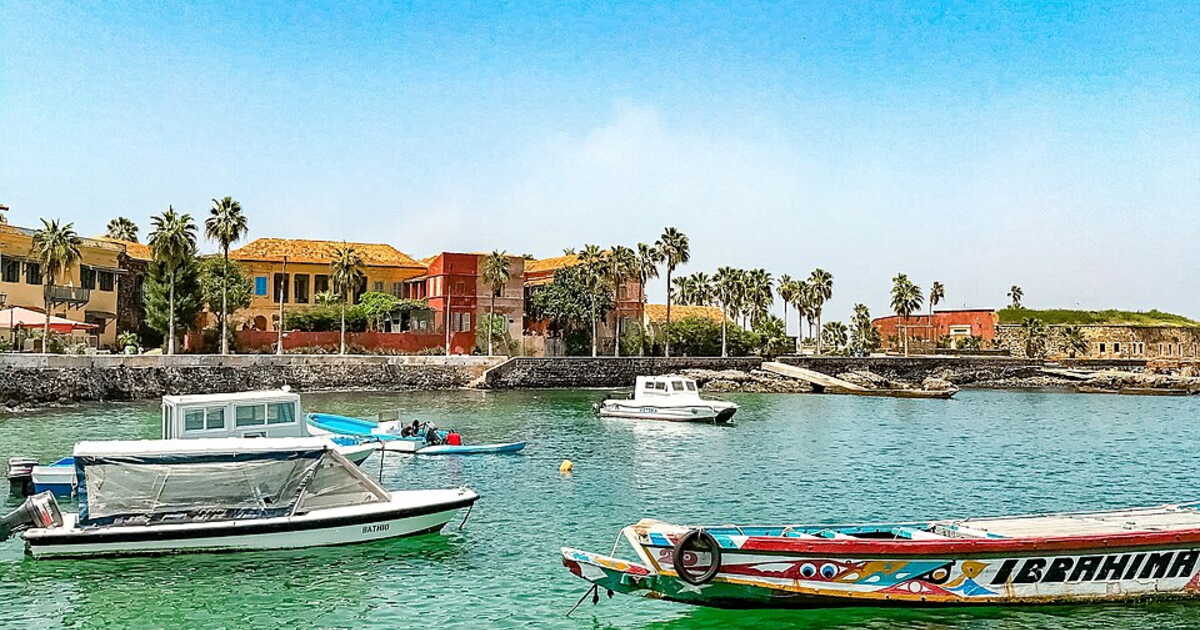
Classified as a UNESCO World Heritage Site, Gorée Island is a crucial stop to understand the history of the slave trade in Africa. Accessible by a short ferry ride from the Port of Dakar, the island houses the famous House of Slaves, a poignant museum that recounts the suffering and resilience of a dark era. Beyond its historical past, Gorée captivates with cobbled streets, colorful houses, and panoramic views of the Atlantic Ocean.

2. Discover the African Renaissance Monument

The African Renaissance Monument is one of the most striking sculptures on the African continent. Standing 49 meters tall, it overlooks the city and offers a breathtaking panorama over Dakar and its surroundings. Inaugurated in 2010, this modern monument symbolizes Africa’s renewal, and the ascent to the summit includes a small exhibition about Senegal and its future aspirations.

3. Explore the Museum of Black Civilizations

Inaugurated in 2018, the Museum of Black Civilizations marks a turning point in the preservation and diffusion of African culture. This museum offers a range of permanent and temporary exhibitions, illustrating African heritage in all its forms. It is essential for anyone wishing to understand the richness and diversity of African civilizations throughout history.

4. Relax on the beaches of Ngor and Yoff

Dakar is home to several beaches ideal for relaxing or water activities. The Ngor and Yoff beaches are among the locals’ and visitors’ favorites. Whether you simply want to soak up the sun, go surfing, or enjoy a fresh seafood meal with an ocean view, these beaches offer multiple possibilities.

5. Stroll around the Rose Lake (Lac Retba)

The Rose Lake, officially named Lac Retba, is famous for its spectacular pink color, caused by microalgae that produce a red pigment. This natural phenomenon draws many tourists and is particularly photogenic at sunset. Pair your visit with a tour to discover traditional salt-extraction methods, a pillar of the region’s economy.

6. Immerse yourself in the atmosphere at the Kermel Market and the Sandaga Market

For a total immersion into Dakar life, a visit to the local markets is a must. The Kermel Market, renowned for its colonial architecture, offers a wide range of local products, from spices to seafood. The Sandaga Market, meanwhile, is the ideal place to find artisanal souvenirs and admire Senegalese crafts.

7. Explore the Mamelles Lighthouse

Located on the second of the two twin hills that form the Mamelles, the Dakar Lighthouse is an iconic spot to admire the sunset. Once at the summit, you’ll have a breathtaking view of the city, the ocean, and the surrounding area. It is also a good spot for hikers of easy to moderate difficulty.

8. Observe the biodiversity of the Madeleines Islands

Just a short boat ride from Dakar, the Madeleines Islands is a national park where nature reigns. You’ll find spectacular rocky landscapes and diverse birdlife. It’s an ideal day trip for nature lovers looking to explore a still-wild and pristine environment.

9. Discover the Soumbédioune Artisan Village

For a plunge into Senegalese craftsmanship, head to the Soumbédioune Artisan Village. You can watch artisans at work and discover a wide range of handcrafted creations, from jewelry to wooden sculptures. Interacting with the artisans will also offer a deeper glimpse into local culture and know-how.

10. Join an organized excursion

To visit distant sites or combine several activities in a day, consider booking an excursion with a local guide. There are many options to explore the Rose Lake, Gorée Island, and other attractions, while easing logistical travel around the region.

11. HLM Market: an authentic immersion in the heart of local life

The HLM Market is one of the most iconic places to understand Dakar’s daily life. Located in a lively district of Dakar, it stands out for the variety of its stalls, colorful fabrics, and its organized vibe. This market is a perfect spot for crafts and direct exchanges with vendors, often recommended by any comprehensive travel guide. Easily reachable by yellow taxis, it complements an urban exploration focused on authenticity and the experiences of this journey.

12. Village des Arts: a haven of contemporary creation

The Village des Arts stands as a haven for peace dedicated to contemporary creation in Dakar. This site brings together studios, exhibitions, and artist residencies, offering a current view of Senegal’s cultural scene. Located away from the busiest routes, it allows a more intimate experience, often included in recommendations from any travel guide. This visit nicely complements the more institutional circuits of the city center, revealing another facet of the capital.

13. Explore the Lompoul Desert from Dakar: a natural escape within easy reach by road

About 140 km from Dakar (a little over two hours by car), the Lompoul Desert offers a striking contrast to urban bustle. Accessible via the Dakar road, this natural site features dunes, campsites, and quiet, making it an ideal extension to an urban stay. Often included in the experiences of this trip, Lompoul charms with its isolated character and immersive ambiance. This excursion, frequently mentioned in any comprehensive travel guide, helps broaden Senegal’s discovery beyond the capital.

In conclusion, Dakar is a city with many facets that offers visitors a compelling blend of historical, cultural, and natural discoveries. Whether you have one day, a weekend, or several days to spend there, there is always something to explore. To deepen your experience, consider related topics such as Senegalese cuisine or the local music scene, which add yet another unique dimension to this unforgettable destination.

Is Dakar an expensive city? Understanding prices and the cost of living in the Senegalese capital

Asking whether Dakar is an expensive city comes down to analyzing a contrasted reality common to any major metropolis in West Africa. Prices vary widely depending on the district of the city of Dakar, the type of accommodation chosen — hotel room, guesthouse room, or room in a house — and the time of stay.

The city center and the Plateau, near the presidential residence, generally show higher prices than other Dakar districts. The best rates are often found by booking in advance or by venturing away from the most frequented Dakar road.

On transport, yellow taxis remain affordable for short trips across a few kilometers of Dakar, while the air travel options, notably via Air France on the Paris-Dakar route, help plan the overall budget. Dakar thus offers an experience adaptable to different spending levels, without compromising the richness of the experiences of this journey.

What to do in Dakar at night? Restaurants, the Corniche, and nightlife experiences

In the evening, Dakar reveals a lively and welcoming atmosphere, especially along Dakar’s Western Corniche, now a must-visit gathering spot. Here you’ll find numerous seaside restaurants, seafood joints, and restaurant-bars offering views of the Dakar skyline.

The Pointe des Almadies, loved by surf enthusiasts, hosts a vibrant nightlife, while the Mamelles Lighthouse is a popular vantage point at sunset. Getting around is easy with taxis, typically yellow taxis, quickly linking the different centers of the downtown. These evenings contribute to a colorful experience, perfectly integrated with the experiences on this page, blending relaxation, gastronomy, and urban discovery.

What to do in Dakar this weekend? Must-see itineraries and experiences

A weekend in Dakar allows you to combine heritage, nature, and culture within a compact area. On Saturday, exploring the IFAN Museum, the Independence Square, and the Notre-Dame Cathedral provides an essential introduction to the city’s history, marked by the slave trade and the legacy of Léopold Sédar Senghor.

On Sunday, a trip to the Western Corniche or the Pointe des Almadies provides a breath of sea air, while nearby nature reserves offer a tranquil haven. These routes, outlined in any comprehensive travel guide, let you fully experience the trip’s highlights in a concise but rich timeframe.

What to do in Dakar with family or children? Accessible and educational activities

Traveling to Dakar with children is particularly fitting thanks to a varied range of cultural and outdoor activities. Walks along the Western Corniche, the beaches at the Pointe des Almadies, or spaces set up for outdoor fitness trails provide relaxing moments accessible to all.

Educational visits such as the IFAN Museum or the Dakar Cathedral of the African Memorial allow for a structured approach to the country’s history. Getting around by yellow taxis makes short trips easy, and the availability of family rooms in guesthouses or in hotel rooms ensures a comfortable stay.

Dakar thus stands as a perfect destination for a rewarding multi-generational trip.

What to do in Dakar in the Plateau neighborhood? Exploring the institutional and historical heart

The Plateau, located in the very heart of the downtown, concentrates Dakar’s institutional and historical symbols. Here you’ll find the presidential residence, buildings related to the Governor of Dakar, and Independence Square, the city’s nerve center.

The stroll continues toward the Notre-Dame Cathedral, the colonial-era buildings, and the major administrative arteries. This neighborhood, easily reachable by taxis, is a key stop in any travel guide, offering a clear understanding of Dakar’s political and urban organization.

What to do in Dakar when it rains? Museums, markets, and culture indoors

When weather limits outdoor activities, Dakar still offers a wide range of cultural options. Museums, notably the IFAN Museum, allow you to discover West African art and history indoors. The HLM Market also provides a sheltered immersion into the local experience, ideal for purchasing crafts. Cafés, restaurants, and restaurant-bars in the city center offer warm venues to extend the discovery. These alternatives are an integral part of the experiences on this page, illustrating Dakar’s versatility in any weather.

This article was written with the help of artificial intelligence, then corrected, expanded, and validated by the editors of the desk.

Ceetiz Announces Permanent Closure of All Activities


Ceetiz est une start-up française fondée en 2012, elle ferme ses portes en 2026 - Capture écran

Dream Yacht


It was a thunderbolt in the hushed world of travel tech.

After 14 years of development and activity, Ceetiz announces it will permanently cease all its operations in the coming weeks. The company, acquired in 2021 by the Japanese group HIS/Miki Travel, had hoped to pull itself out of the downturn caused by the health crisis.


“We will honor all payments for bookings whose travel dates are scheduled through August 31, 2026. All bookings from September 1 will be cancelled. If you have any questions, your point of contact will be happy to assist you.“, explain Ceetiz teams in a statement.

Our team will remain available in the coming weeks to accompany you and meet all your needs“, explained the Ceetiz teams in a statement.

New bookings have been halted since June 3, 2026.


Ceetiz: a 2021 acquisition to gain some air

Founded in 2012, after two years of maturation, the startup was launched by Éric Blanc, the former CEO of Havas Voyages and Pierre & Vacances, and Damien Bellon.

Very disruptive at the time, it was then “the only online platform allowing the purchase of tourist activities worldwide“, as we wrote in 2013, when it opened to resale in travel agencies.

Two years later, the young company raised €3 million to conquer a sector undergoing rapid change.

To read: Tourist activities, a new growth lever for agencies?

At that time, it had managed to achieve the feat of rising “to the ranks of the world’s leading operators“. This windfall was expected to allow it to solidify an even stronger competitive position.

It offered 8,000 activities in more than 220 destinations.

Unfortunately, the arrival of international challengers undermined the travel tech player. Added to this was the health crisis. In 2021, the startup was acquired by the Japanese group HIS/Miki Travel.


Ceetiz: a final recapitalization in 2024

Three years later, it makes a strong comeback at IFTM Top Resa.

It was reselling tickets for major museums, monuments and amusement parks, city passes, guided tours, excursions… all across more than 400 destinations.

Ceetiz employed nearly 40 people and developed its own technological solutions, all in France.

Nevertheless, losses accumulated, rising from €581,000 in 2021 to €2.27 million in 2024. In the same year, the shareholder carried out a capital increase to clean up the accounts, amounting to €2.050 million.


In the income statement for that year, “the parent company committed to providing financial support and enabling CEETIZ to meet its financial obligations and maturities for the 12 months following the signing of its annual accounts“, we could read.

The 2025 financial year seems to have been one too many.

Things to Do in Egypt: 10 Unmissable Activities and Outings

Summary


  • 1. Visit the Pyramids of Giza


  • 2. Explore the Egyptian Museum in Cairo


  • 3. Discover the Valley of the Kings in Luxor


  • 4. Enjoy a Nile cruise


  • 5. Dive into the waters of the Red Sea


  • 6. Explore the local markets


  • 7. Stroll in the White Desert


  • 8. Visit the Nubian village near Aswan


  • 9. Discover Cairo’s Coptic Quarter


  • 10. Family trip to Egypt: relaxation at Siwa Oasis


  • What budget to plan for 15 days in Egypt?


  • What to do in Egypt in 15 days?


  • How long does it take to visit Egypt?


  • What to do in Egypt with children?


  • What are the things not to do in Egypt during a trip?


  • What you should know before leaving for Egypt

As the cradle of one of the greatest civilizations in history, Egypt is not limited to its iconic monuments. Between Nile cruises, desert getaways, and encounters with preserved local cultures, the country invites you to multiply experiences beyond clichés.

1. Visit the Pyramids of Giza

Visiting the Giza plateau remains a cornerstone of a successful journey to Egypt. At this iconic site, you will encounter the famed Pyramid of Khufu, a monumental relic of a fascinating past, and one of the ancient world’s Wonders still standing today. The surrounding desert silence accentuates the grandeur of these stone giants, while the legendary Sphinx keeps watch, enigmatic and imposing. A guided tour offers the ideal option to deepen the historical scope — dynasties, construction techniques, religious symbolism — and to grasp the cultural dimension of the site. As you wander the sandy avenues, you hold in your hands a fragment of Egypt’s millennial history.

2. Explore the Egyptian Museum in Cairo

In the heart of the capital, the Egyptian Museum in Cairo is a must for anyone curious about archaeology and ancient art during a stay in Egypt. This institution houses an unparalleled wealth: ornate sarcophagi, statues, jewelry and funerary items, among which the pharaoh’s treasure stands out. Pushing open its doors, visitors dive into the daily life of the ancient Egyptians, their beliefs and their funerary rituals. Each case tells a story, each artifact bears the mark of ancient civilizations. It is the most comprehensive option to appreciate the country’s cultural evolution, from the old kingdoms through the Greco-Roman era.

3. Discover the Valley of the Kings in Luxor

In Luxor, the tomb of the ancient royalty awaits in the famous Valley of the Kings, a true archaeological treasure of Egypt. Carved into rock, these funerary chambers reveal colorful frescoes, hieroglyphs, and sacred objects intended to accompany the pharaohs in the afterlife. Exploring these tombs, visitors gain insight into the ancient rulers’ vision of death and eternity. Luxor offers a bridge between past and present, combining history, architecture, and spirituality, and allows one to grasp the continuity of a millennial heritage through time.

4. Enjoy a Nile cruise

Sailing along the sacred river is an incomparable way to discover Egypt from a different angle: a Nile cruise between Luxor and Aswan reveals varied landscapes, lush shores, peaceful villages and ancient temples perched by the water. For a more authentic immersion, a felucca ride — the traditional Egyptian sailboat — offers a more intimate setting, paced by the wind and the lapping of the water. This historic mode of transport combines comfort, calm, and history, and represents an ideal option to blend relaxation with cultural exploration. You literally sail through centuries of Egyptian history.

5. Dive into the waters of the Red Sea

For sea and marine life enthusiasts, the Red Sea is an indispensable natural jewel during a stay in Egypt. The crystal-clear waters of the coast, especially near Hurghada, offer spectacular coral reefs hosting a rich and colorful marine fauna. Whether you are a beginner or an experienced diver, underwater spots guarantee fascinating observations — multiform corals, tropical fish, and sometimes explorable wrecks — all bathed in exceptional underwater light. After the temples and ruins, this is the perfect option to discover a different face of Egypt, more aquatic and relaxing. A detour to Hurghada can be ideal to combine leisure, diving, and local immersion.

6. Explore the local markets

Strolling through the souks and markets of a city in Egypt, such as the center of Cairo, offers an immersive plunge into the daily life of Egyptians. Each stall overflows with artisanal treasures: spices, fabrics, jewelry, carved objects — authentic souvenirs from a country with millennia of history. Narrow streets, fragrant alleyways, and a lively atmosphere create a vibrant backdrop for feeling the local vibe. From Hurghada or the downtown, this exploration is an essential option for anyone looking to soak up popular culture and traditional commerce, away from the usual tourist circuits.

7. Stroll in the White Desert

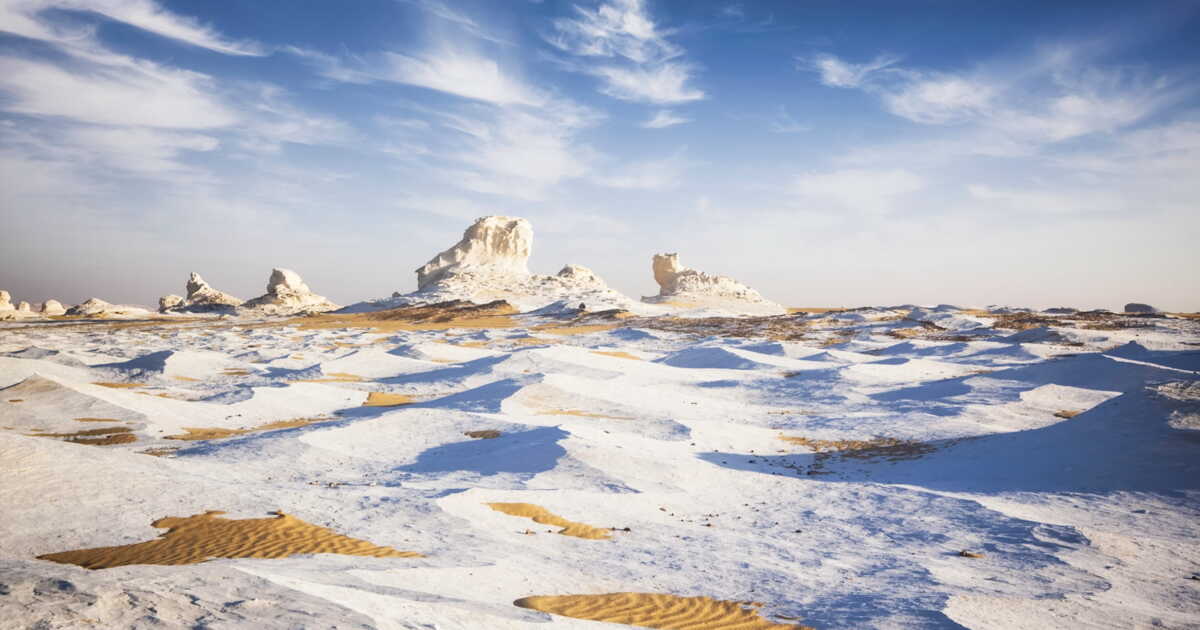
For travelers seeking a striking contrast to ancient cities, the White Desert offers a unique experience across the Egyptian landscape. Its whitish rock formations, sculpted by wind and time, create a nearly lunar panorama, a source of calm and solitude. Walking in this desert, under a starry sky or at dawn, is to discover the wild, raw, timeless Egypt. It is the ideal option for those who want to combine historical heritage with natural adventure, far from the bustle of major towns. This kind of excursion perfectly complements a journey through Egypt that blends monuments, sea, and desert.

8. Visit the Nubian village near Aswan

Near Aswan, a Nubian village makes a rewarding stop on a family trip to Egypt. Colorful houses, distinctive architecture, and a peaceful atmosphere contrast with urban frenzy. Boarding a Nile cruise gives access to this tranquil village, where residents, Egyptians of Nubian heritage, uphold ancient traditions of music, crafts and community life. This immersion fosters cultural sharing and respect for local roots, offering children and adults alike the chance to discover an authentic way of life, far from conventional tourist routes.

9. Discover Cairo’s Coptic Quarter

The Coptic Quarter of Cairo represents a pivotal chapter in the Christian history of Egypt. Wandering its ancient streets, you will discover historic churches, heritage buildings and a museum rich in liturgical objects and icons. This urban walk through the city of Cairo allows understanding the country’s religious and cultural diversity, a key measure of its multi-faceted identity. The Coptic Quarter reveals another facet of Egyptian heritage, less known but equally precious, and it constitutes a relevant option for history, architecture, and spirituality enthusiasts.

10. Family trip to Egypt: relaxation at Siwa Oasis

To end a stay in Egypt on a gentle note, the Siwa Oasis offers a peaceful haven away from the crowds. Nestled in the heart of the desert, this oasis provides freshwater springs, lush palm groves and a serene atmosphere — perfect for recharging after intensive visits to monuments or museums. Whether you want to stroll, savor the desert’s calm, or enjoy a pristine natural setting, Siwa embodies an ideal refuge for families and travelers seeking tranquility. You will find a harmonious balance between nature, local history and rest, in a distinct environment.

In conclusion, Egypt is a destination with multiple facets that captivates through the diversity of its landscapes and the richness of its history. Whether you come for monuments, adventure, or simply relaxation, every traveler will find something to suit them. For your next trip, consider delving deeper into local and historical cultures to further enrich your journey.

What budget to plan for 15 days in Egypt?

Planning a 15-day stay in Egypt requires careful budgeting, taking into account international flights, accommodation, meals, transport, and sightseeing. Accommodation can range from simple rooms to comfortable hotels, with costs varying by choice. Local transport (taxis, trains, cruises) and meals are generally affordable, making tourism in Egypt accessible. The tourist sites, excursions, and organized activities should also be included in the calculation. A balanced budget allows you to enjoy the stay fully without excess.

What to do in Egypt in 15 days?

A 15-day trip to Egypt allows combining sightseeing, historic heritage, and cultural cities. From Luxor to Aswan, including a Nile cruise, the itinerary can incorporate the Pyramids of Giza, the Cairo, or moments of relaxation in Hurghada. The route can also vary based on priorities: culture, nature, or beaches. This duration provides a good overview of the country and fits well for travelers looking to optimize their visit to Egypt.

How long does it take to visit Egypt?

The time needed to visit Egypt depends on expectations. A week allows seeing the highlights like the pyramids, Luxor, or a Nile cruise. But for a complete experience, 15 days remain ideal to explore the tourist towns, discover the desert, or spend a few days on the Red Sea. It’s a perfect balance to combine historical sites and relaxation while covering the country’s major classics of Egyptian tourism.

What to do in Egypt with children?

Traveling in Egypt with family is entirely feasible with a few adjustments. Children can enjoy the pyramids, felucca rides on the Nile, or visits tailored to their pace. Cities like Cairo, Luxor, or seaside resorts offer suitable options. To ensure family safety, it’s best to plan transportation in advance, choose reliable accommodations, and avoid certain less-touristy areas. It’s an enriching destination, both culturally and for shared adventure.

What are things not to do in Egypt during a trip?

During a trip to Egypt, some practices should be avoided to respect local customs and ensure a smooth experience. It is advised not to wear overly short or tight clothing, especially in public and religious places, out of respect for Egyptian culture. Public displays of affection are also better avoided.

Photographing military sites, police stations or people without permission can lead to penalties. Finally, it is advisable to negotiate prices tactfully, without aggression, especially in souks or with certain tour operators. Knowing these things not to do in Egypt helps you travel under good conditions, while avoiding cultural misunderstandings.

What you need to know before traveling to Egypt

Before planning a visit to Egypt, it is important to be well prepared. Entry formalities typically require a visa, easily obtained online or upon arrival. Given the often hot climate, it is recommended to pack light, covering clothing and to stay well hydrated. It is also essential to check peak tourist periods to tailor your itinerary accordingly.

The local currency is the Egyptian pound, and it’s advisable to have cash on hand for small purchases. Finally, since security is a concern for some, especially for family trips, consult official recommendations and favor well-organized tourist cities. These elements are key to a successful, calm, and enriching trip to Egypt.

This article was written with the help of artificial intelligence, then corrected, expanded, and validated by the editors of the staff.

What to Do in Luxor: 8 Ideas for Outings and Activities to Explore

Contents


  • 1. Explore the Karnak Temple


  • 2. Visit the Luxor Temple


  • 3. Discover the Valley of the Kings


  • 4. Admire the Temple of Hatshepsut at Deir el-Bahari


  • 5. Take a felucca ride on the Nile


  • 6. Enjoy a hot air balloon ride


  • 7. Stroll through the Luxor souk


  • 8. Explore the Luxor Museum


  • Is Luxor worth it? An essential immersion into the history of ancient Egypt


  • Is it possible to visit Luxor in one day? What you need to know to optimize a express visit


  • Are there pyramids in Luxor? What the sacred geography of ancient Egypt reveals


  • What to do in Luxor in the evening? Enjoy a lively city between history and local atmosphere

Luxor, the pharaonic city perched along the banks of the Nile, is renowned for its astonishing concentration of monuments from ancient Egypt. This destination offers a unique blend of archaeological treasures and captivating cultural experiences that draw every year many visitors seeking history and adventure. If you’re planning a trip to Luxor, you may wonder what the best activities to explore are. This guide offers a selection of activities to maximize your stay in Luxor, whether you have one day or several days.

1. Explore the Karnak Temple

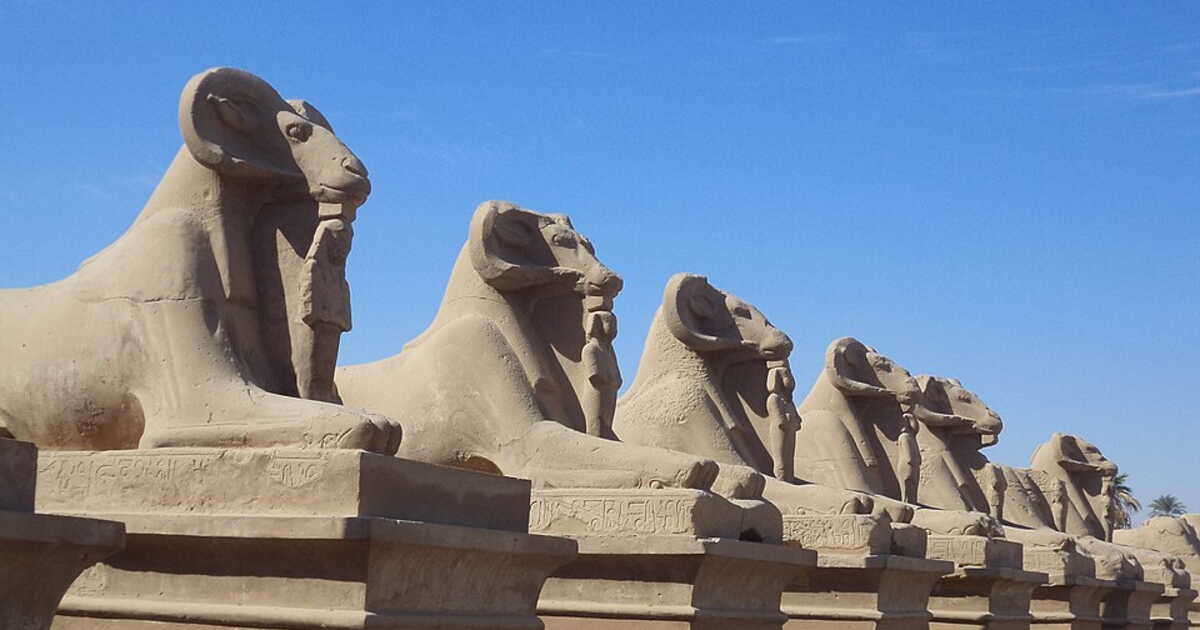
Explore the Karnak Temple, a true masterpiece of the temple construction of ancient Egypt, located in the ancient Thebes, today the city of Luxor, along the Nile. This monumental-building site, among the largest tourist sites in the country, reveals the symbolic power of the priests of the era and of the faith in Amun-Ra, through spectacular pharaonic works such as the hypostyle hall, its 134 columns, and the Avenue of the Sphinxes. This site of the final resting place of stone statues illustrates the construction of Egypt with striking ornamental richness. A visit of Luxor would not be complete without this essential stop, especially since its overall ticket often integrates into a multi-site ticketing system covering several palace ruins.

2. Visit the Luxor Temple

The Luxor Temple, in the heart of the city of Luxor, embodies the very essence of the ancient city thanks to its ritual origins dedicated to Amun-Ra. It used to be linked to Karnak by the Avenue of the Sphinxes, and this site comes alive each evening with lighting effects during the night show that reveals the carved details of its stone colossi and ancient religious scenes. This tourist site, located in the old town, preserves precious testimonies of Egyptian history, including the imposing obelisk of Ramesses II. To optimize the discovery, be sure to check the required ticket and follow practical tips, notably a temple tip: arrive in the afternoon, when temperatures become more pleasant.

3. Discover the Valley of the Kings

The Valley of the Kings, tucked on the west bank of the Nile, is a highpoint of the archaeological wealth of ancient Egypt, housing the funerary chambers of rulers such as Tutankhamun and the tombs of Ramesses. This final resting place fascinates with its stone surprises, funerary frescoes and rock-cut corridors. A visit to Luxor must include this , where every tomb tells the grandeur of the pharaonic works. The global ticket or required ticket varies depending on which tombs are open, so it is useful to follow a valley tip: plan several days in Luxor, wear good shoes, and enlist the help of a local guide to fully appreciate this treasure of Egyptian history.

4. Admire the Temple of Hatshepsut at Deir el-Bahari

Architectural masterpiece of the second half of the New Kingdom, the Temple of Hatshepsut at Deir el-Bahari, located on the west bank, testifies to the-power of a female pharaoh and the ingenuity of the pharaonic building efforts. Built into a cliff with remarkable symmetry, this site of construction offers an immersion into the pyramid-building and the royal funerary rituals. Overlooking the valley villages, it also reveals an unobstructed view of the villages with scenes of agricultural life painted in neighboring tombs. The Luxor visit gains intensity with this site, accessible with a global ticket at a reasonable price.

5. Take a felucca ride on the Nile

Navigating the Nile by felucca is a unique way to discover the contours of the city of Luxor, while enjoying a moment of calm after the peak temperatures of the day. This stroll allows you to glimpse major sites, from the west bank to the old town, and to feel the grandeur of the river that was the heart of the construction of Egypt. It is also an opportunity to behold the Memnon Colossi in the distance, silent witnesses to the Egyptian history, in an atmosphere conducive to contemplation. This experience, ideal in the afternoon, fits perfectly into a multi-day exploration with the balloon flight included.

6. Enjoy a hot air balloon ride

A hot air balloon ride at sunrise allows you to take in at a glance the extent of the temple constructions and the village-scapes of the valley, at the heart of Luxor’s archaeological riches. Up there, the stone colossi, the fertile fields along the Nile, and the palace ruins take on a completely different dimension. The ancient city unfolds before you in all its splendor, illuminated by the colors of dawn. This activity, available at a reasonable price, is among the practical tips to follow for a full immersion into ancient Egypt, especially if you plan several days by the river.

7. Flânez dans le souk de Luxor

Luxor’s souk, in the heart of the old city, is a place where the past and the present meet. Here you’ll find objects drawn from millennia-old traditions, true cornerstones of local culture. Between the colorful stalls and the scents of spices, this timeless village offers a living glimpse into everyday Egyptian life. Exploring this market also yields valuable tips from locals about places to visit, including the valley villages or the best times to discover the Valley of the Kings. Ideal in the afternoon, when temperatures become more comfortable.

8. Explore the Luxor Museum

The Luxor Museum, or Luxor Museum, complements the experience by offering a didactic look at objects and statues found during the excavations of pharaonic sites. Located in the city of Luxor, this well-organized tourist site helps understand Egyptian history through a carefully curated selection of masterpieces, some drawn from the Temple of Luxor or the Valley of the Kings. Thanks to lighting effects and a sober scenography, this venue highlights the stone surprises found in tombs or temples. A stop not to be missed, especially late in the day in Luxor, to enrich your understanding of the heritage.

In conclusion, Luxor is full of historical and cultural treasures to discover. Whether you choose temple visits, a Nile boat ride, or exploring the local souk, each activity brings you a little closer to the ancient Egyptian empire. If you have time, consider also exploring nearby areas, such as Aswan, to enrich your Egyptian experience. In any case, Luxor promises a fascinating adventure around every corner.

Is Luxor Worth It? An Essential Immersion in the History of Ancient Egypt

Asking whether Luxor is worth it comes down to evaluating the value of encountering the essence of ancient Egypt. The city of Luxor, built on the ruins of ancient Thebes, offers an unparalleled archaeological wealth, split between its west bank — the realm of the dead — and its east bank, the heart of living temple constructions. Between the Louxor Temple, the Luxor Museum, the Valley of the Kings, the Colossi of Memnon, or even Medinet Habu, every visit to Luxor becomes a journey through the pharaonic building sites, mythological tales, and practical tips to understand the Egyptian history. At each site, another stone is laid in the memory-building edifice, making each day on site dense, structured, and memorable. Even in a few days in Luxor, the historical and symbolic depth of this ancient city of Luxor makes it a essential destination.

Is it possible to visit Luxor in one day? What to know to optimize a express visit

Visiting Luxor in one day is feasible, but requires careful planning. For this, it is recommended to rely on a local guide and to favor a clear ticketing system, such as the Global Ticket, allowing access to the main sites. A well-thought-out route would include the Louxor Temple in the morning, followed by a quick visit to the Luxor Museum, then crossing the Nile to the west bank to explore the Colossi of Memnon, the Valley of the Kings, and if time allows, a stop at Medinet Habu. It is essential to wear good shoes, have pre-purchased admission tickets, and factor in the midday temperatures, which are often high. Even in a tight schedule, the archaeological experience remains dense, especially if guided and structured. Luxor, even in a well-filled afternoon, offers unforgettable stone surprises.

Are there pyramids in Luxor? What the sacred geography of ancient Egypt reveals

No, there are no pyramids in Luxor; those are located in the Giza region, in the north of the country. In Luxor, one explores a completely different facet of the construction of Egypt, focused on temples, rock-cut tombs, and the funerary chambers decorated with meticulous detail. The Valley of the Kings, which houses the tombs of Ramesses, the tomb of Ramesses VI, that of Tutankhamun, or the queen Nefertari’s tomb in the Valley of the Queens, represents the apex of this underground architecture, where every detail reflects beliefs tied to the place of final rest. These tombs bear witness to the evolution of funerary rituals and to the influence of the priests of the era, in a more intimate and symbolic context than the pyramids of Giza. Luxor thus offers no pyramids, but a dive into another form of grandeur, just as fundamental.

What to do in Luxor in the evening? Enjoy a lively city between history and local atmosphere

What to do in Luxor in the evening goes far beyond simply visiting the historic sites. As the day ends, temperatures become more comfortable, offering a good time to stroll through the old town, along the Nile, or discover the Luxor Temple, enhanced by the lighting effects that illuminate the site every evening. Many hotels and restaurants offer evenings with views of the river, while evening cruises on small boats allow you to rediscover the city from the water. For those who wish to extend the cultural experience, sound-and-light shows or guided nighttime tours offer another reading of the ruins. Evening is also the ideal time to chat with locals, discover timeless villages, or simply soak in the atmosphere of a city where the past and the present coexist harmoniously.

This article was written with the help of artificial intelligence, then corrected, expanded, and validated by the editorial team.

What to Do in Senegal: 5 Must-Do Outings and Activities

Senegal, a country located at the westernmost tip of Africa, is notable for its cultural richness and natural diversity. Bordered by the Atlantic Ocean, it offers a range of activities from tranquil beaches to wildlife reserves, as well as historic towns. If you are planning to visit Senegal, you’re surely wondering which activities and sites should not be missed. This guide is designed to give you an overview of the essential experiences to have during your stay.

1. Discover Dakar and its surroundings

Dakar, the capital of Senegal, is the ideal starting point for a successful trip to Senegal. From Dakar, you can reach Gorée Island, a UNESCO World Heritage site — and visit the famous House of Slaves. The immersion continues in Dakar’s lively districts, among markets, crafts, textiles and urban atmosphere. Do not miss the African Renaissance Monument as well, a strong symbol of cultural identity. This stay in the capital of Senegal evokes the very essence of a modern Senegal journey, blending history, memory and urban dynamism.

2. Explore the Petite Côte

Leaving Dakar, the road leads to the Petite Côte, a region ideal for vacations blending relaxation and discovery. In Saly Portudal or Toubab Dialaw, the fine sand and idyllic beaches invite swimming, water sports or simply gazing at the Atlantic Ocean. In Toubab Dialaw, an artists’ village, the creative atmosphere offers a charming contrast with urban life. For families with children, the proximity to an accessible natural setting adds a valuable asset. The Bandia Reserve, nearby, opens the possibility to observe African animals in their habitat — a strong nature experience within the framework of a family trip to Senegal.

3. Discover the North of Senegal

The North reveals a calmer horizon and is rich in heritage. The historic town of Saint-Louis, former colonial capital, charms with its architecture, colonial lanes and gentle ambiance. Venturing toward the Djoudj Bird Park, ornithology, wildlife watching and biodiversity enthusiasts will enjoy spotting pelicans, herons and other migratory species — a meeting with the preserved nature of West Africa. One might even include a detour to the emblematic Lake Retba, whose brackish water offers a unique spectacle to cap this northern journey.

4. Navigate the Saloum Delta

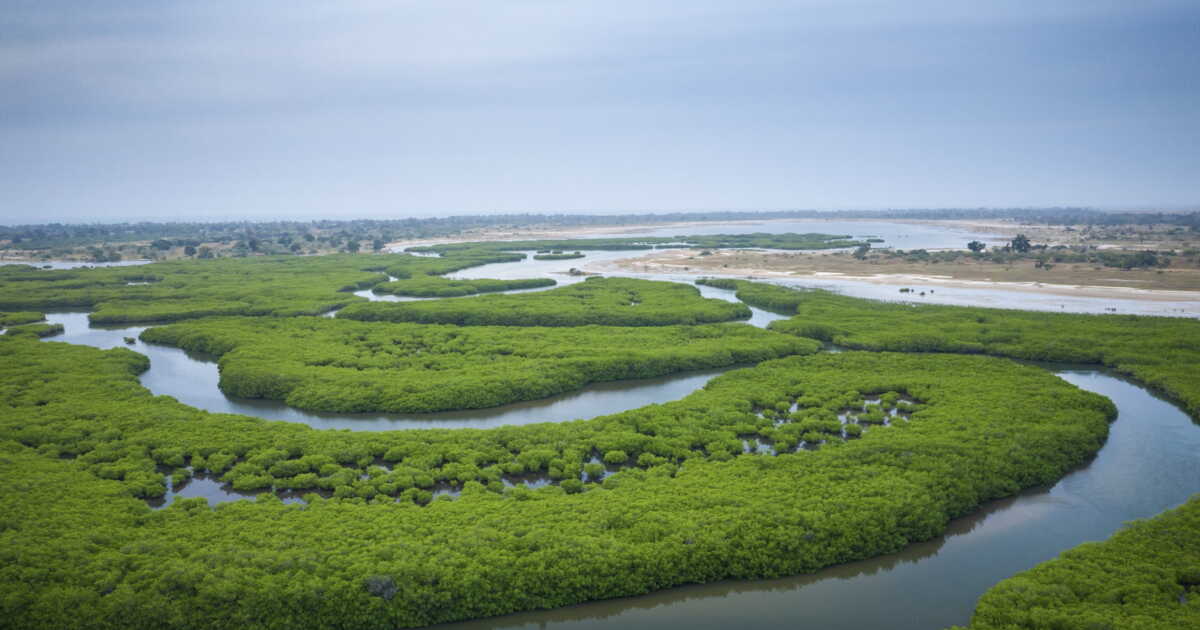
The Saloum Delta is a hidden gem of Senegal: a vast labyrinth of mangroves, bolongs (water channels), islands and canals. Navigating by pirogue or kayak through this aquatic mosaic provides a deep immersion into lush and serene nature. For a different trip to Senegal, away from crowds, the delta offers tranquil landscapes, a sense of remoteness, and a close connection with the environment. It is an opportunity to experience a slow, authentic stay in Senegal, deeply connected to the land.

5. Immersion in Casamance

The Casamance region combines tropical forest, rice fields, traditional villages and preserved beaches — an invitation to relaxation, calm and encountering a unique culture. Toward Cap Skirring or Diembering, beaches along the Atlantic Ocean provide the perfect setting for unforgettable holidays in Senegal. Families, even with children, will appreciate the laid-back lifestyle, the warmth of the people and the richness of a welcoming culture. This corner of Casamance illustrates the balance between nature, local culture and a laid-back living — a major asset for anyone seeking to discover Senegal differently.

The Senegal offers a palette of unique activities and places, from Dakar’s historic sites to the lush landscapes of Casamance. Whether you are passionate about history, nature or culture, this country will meet your expectations and offer you a rich and versatile experience. You can also explore other themes such as local gastronomy or responsible tourism itineraries to enrich your trip.

What is the best time to go to Senegal?

The best time for a stay in Senegal remains November to March, when the climate is milder, the air cooler and humidity reduced. This season is particularly suitable for a trip to Senegal with family or friends: the beaches of the Atlantic Ocean are pleasant, and city visits — whether in Dakar or other areas — are comfortable without intense heat. Thus, one can make the most of the lush nature, the coastline, and the heritage sites in comfortable conditions.

What budget should you plan for visiting Senegal in 10 days?

For a 10-day stay, a moderate budget — simple to mid-range accommodations, local meals, internal transportation — is more than enough to discover the essentials: city, beaches, a detour to the Bandia Reserve or the Saloum Delta, and a visit along the coast. For higher comfort — more comfortable accommodations, excursions, activities — the cost remains reasonable compared to European standards, especially if you favor local services. You can thus tailor the budget according to the desired Senegal travel style.

What to do in Senegal in December?

In December, mild weather and ideal light: it’s the perfect opportunity to combine beach, nature and heritage. You can explore coastal zones along the Atlantic, walk through mangroves or nature reserves, discover the lush nature of the country, or observe the Djoudj birds if you venture north. It’s also a good time to enjoy the unique blend of relaxation, sea, and cultural immersion in a pleasant and serene setting.

What to do on a family trip to Senegal?

A family trip to Senegal can blend history, nature, beach and cultural encounters: visiting Gorée Island or the House of Slaves for a heritage dimension, going on a gentle safari at Bandia Reserve to observe wildlife, or enjoying welcoming beaches for relaxing moments. By combining these elements, you offer both children and adults a rich, varied and accessible stay, balancing safety, discoveries and enjoyment for everyone.

This article was drafted with the help of artificial intelligence, then corrected, expanded and validated by the newsroom journalists.

What to Do in Laos: 5 Must-Do Activities and Outings

In Laos, travel often unfolds as a slow exploration guided by rivers, traditions and nature. Each region unveils a different face of the country, between remarkable heritage, outdoor adventures and untouched sites. A survey of five experiences not to be missed during a Lao stay.

1. Getting Lost in Luang Prabang

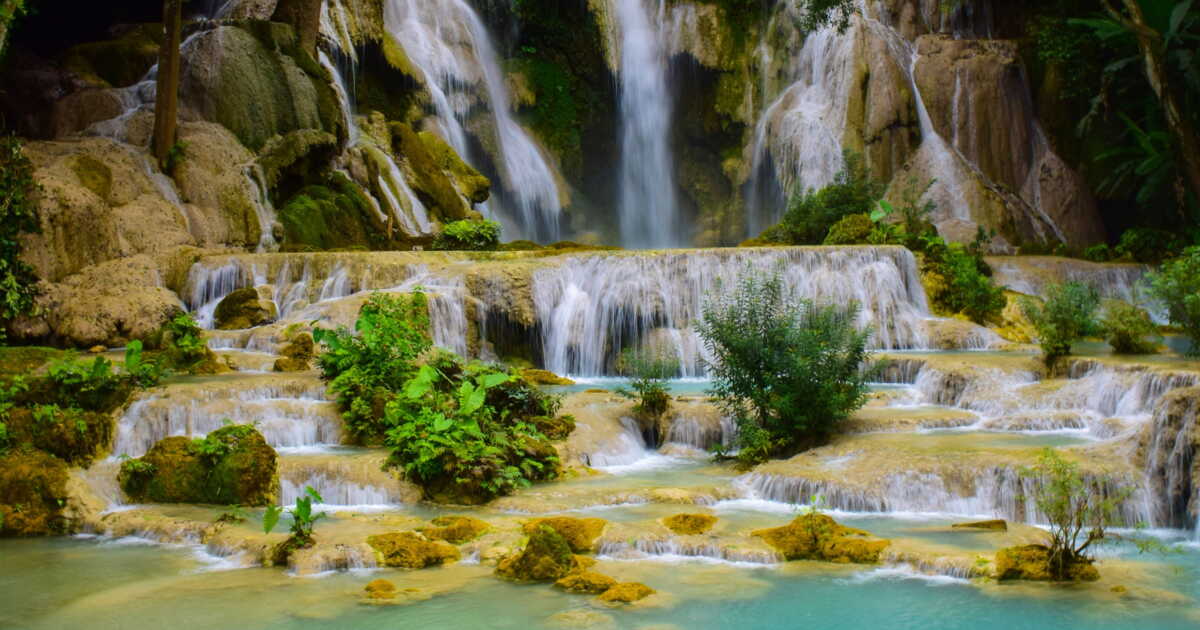
Getting lost in Luang Prabang invites you to dive into the local Lao life, in a UNESCO World Heritage city renowned for its temples, colonial architecture, and scenes of life imbued with spirituality. Watching the Tak Bat, the dawn ceremony of local offerings, is a powerful moment, revealing the relationship between the city’s residents and Buddhist traditions. This silent ritual embodies a way of life defined by simplicity and respect, shared with nearby Lao people who come to observe or participate. A multitude of activities in Luang Prabang allow for deeper immersion: cooking classes, cycling tours, or a visit to the Kuang Si Falls, located near a small village tucked away in a lush jungle. For a richer experience, it is advisable to book certain activities in advance, especially those tied to traditional arts or cultural excursions. All in all, Luang Prabang remains an ideal place to understand the Laotian way of life and to feel the harmony between spirituality, nature and locals.

2. Cruising the Mekong

Cruising the Mekong offers a smooth, immersive experience in a riverine archipelago where living traditions, pristine landscapes and waterways of strategic importance mingle. This river runs across the country, marking the border with Thailand on several stretches and guiding local life for centuries. A river cruise toward the Pak Ou caves provides a look into the country’s religious practices, while a stop in villages such as Ban Xang Hai introduces the artisanal production of rice wine, handed down among communities along the river. This gentle navigation reminds us that Laos is best discovered at its own pace, with respect for traditions and rhythms. The Mekong, stage for traditional boat races during the Lao New Year, also plays a central role in exchanges between the Lao government and its neighbors, such as Vietnam, in a spirit of regional cooperation. It remains a key axis for outdoor activities, including river expeditions, explorations of wild banks and encounters with inhabitants.

3. Adventure in Vang Vieng

Vang Vieng, in the country’s north, has become a coveted spot for outdoor adventures, set against a backdrop of impressive karst cliffs and the Nam Song river winding through green valleys. This singular landscape allows for a mix of gentle outdoor activities like bicycle rides to limestone caves, and more vigorous pursuits such as kayaking, rock climbing or hiking. Once a haven for travelers seeking adrenaline, Vang Vieng now attracts those who want to combine raw nature with a glimpse of rural life, in a setting spared from mass urbanization. The presence of small villages on the outskirts illustrates the coexistence of sustainable tourism and local residents keen to preserve their farming practices. This beautiful corner of lush jungle, bearing subtle traces of the Vietnam War, represents an ideal place to explore active Laos at the crossroads of nature and living culture.

4. Strolling through Vientiane

As the administrative capital of the country, Vientiane presents a peaceful urban face, conducive to discovering the Laotian government and its institutions, while retaining a human scale that favors everyday life scenes. The Pha That Luang, a premier Buddhist site of the nation, sits beside buildings inherited from French colonization and bustling markets where Laotians come to shop. In this mini-Pakse city, urban dwellers share their daily life at the slow pace of the Mekong, within a context where spirituality still strongly structures social relations. The Buddha Park, with sculptures that fuse Hindu and Buddhist symbols, illustrates this rich iconography. If the activities in Vientiane are fewer than in rural areas, they deserve to be planned in advance to visit archaeological sites or to partake in events such as the Lao New Year festivities. Through its apparent calm, the capital reveals another form of dynamism, more institutional, yet deeply rooted in the local life.

5. Quest on the Bolaven Plateau

The Bolaven Plateau, located in the Champasak Province, embodies a rural and pristine territory where outdoor activities occupy a central place in discovering authentic Laos. This high plateau with a temperate climate is famed for its coffee plantations, Kuang Si and Tad Fane waterfalls, and hiking routes linking small villages inhabited by ethnic minorities. The lush jungle and open landscapes offer a panoramic view of the surroundings, making this space ideal for trekking, cycling and eco-tourist stays. Marked by the traces of the Vietnam War, this region has rehabilitated its natural potential to become an ideal place for recharging and environmental education. Its proximity to the city of Pakse makes it possible to organize these activities in advance, in a framework of responsible tourism and respect for the inhabitants living along the trails. The Laotian government promotes controlled development there, balancing local life and preservation.

Laos Travel: a off-the-beaten-path itinerary in the heart of Southeast Asia

A trip to Laos invites you to slow down, to breathe differently, to discover a country still preserved, far from the hustle of major tourist routes in Asia. Here, the Mekong sets the tempo, temples rise in silence, and villages live to the rhythm of the seasons. From Luang Prabang, the spiritual jewel of the north, to the wild nature of the Bolaven Plateau, via the karst formations of Vang Vieng and the tropical gentleness of the 4,000 Islands, Laos offers a rare balance between natural beauty, cultural heritage and human encounters. It is a destination for curious travelers, those who seek to marvel without rushing, to understand rather than to consume. A trip to Laos is less an escape than a revelation.

What to do in Laos in 15 days and how long does it take to visit the country? A gentle adventure at the Mekong’s pace

Visiting Laos requires time, not to tick off a list, but to soak in its slowness, its spirituality and its grand landscapes. Fifteen days represent the ideal duration to discover the essentials, while respecting the country’s tranquil tempo. From Luang Prabang, the UNESCO-listed colonial jewel, to the mystical Plain of Jars, via Kuang Si Falls and the sacred Pak Ou caves, the north reveals a deeply spiritual Laos. Then head south to Vang Vieng, surrounded by karst peaks, down to the tranquil capital Vientiane, and the 4,000 islands where the Mekong broadens into a mosaic of water.

What is the most beautiful place in Laos? Discovering the most inspiring landscapes

If Laos overflows with natural and cultural wonders, Luang Prabang remains for many the most beautiful place in the country. Perched at the confluence of the Mekong and Nam Khan rivers, this former royal capital charms with its golden temples, colonial houses, and morning rituals where monks walk by in silence. Beyond the town, Laos’s landscapes take on a nearly spiritual dimension: crystal-clear waterfalls, mysterious caves, and misty mountains. Farther south, the Si Phan Don islands, the Champassak rice fields, or the Bolaven plateaus offer another form of beauty—raw, green, boundless. The most beautiful place in Laos might be the one that invites you to slow down, to observe, to feel.

What to see in Laos? Hidden treasures between mountains, temples and the Mekong

Laos is a country of quiet beauty that reveals itself to those who take time to observe it. In Luang Prabang, shimmering temples stand beside colonial houses and artisan markets. Nearby, the Kuang Si Falls and the Pak Ou caves invite contemplation. Further south, Vientiane, a tranquil capital on the bank of the Mekong, blends Buddhism and French architecture. The journey continues to Vang Vieng, between rivers and karst mountains, before ending on the 4,000 Islands in the south, where the river fades into the horizon. Between spirituality, nature and a laid-back way of life, each place in Laos is a meeting with authenticity.

Is it worth going to Laos? A rare destination for travelers seeking the essentials

Yes, Laos is worth more than a detour: it deserves to be lived. In this country still spared by mass tourism, time seems suspended. One discovers a calm Asia where the kindness of the inhabitants, the slow pace of the Mekong and the serenity of the temples form a rare harmony. The landscapes, often grand but never flashy, offer a raw and meditative beauty. Traveling in Laos is about re-learning the meaning of simplicity, reconnecting with nature, with oneself, and with others.

This article was written with the help of artificial intelligence, then revised, supplemented, and validated by the editors of the desk.

What to Do in Tanzania: 5 Outings and Activities to Try

Watching wildlife in their natural habitats, climbing Africa’s highest peak, or strolling through Zanzibar’s history-steeped streets: Tanzania offers a multitude of ways to explore. This East African destination unfolds as a mosaic of experiences as varied as they are unforgettable.

1. Explore Serengeti National Park

Exploring Serengeti National Park allows you to witness one of the most impressive wildlife phenomena on the African continent. This exceptional terrain, situated in the northeast of Tanzania on the border with Kenya, offers a deep immersion into the endless savannas populated by wildlife.

During the dry season, especially from July to October, herds of zebras and wildebeests traverse the plains in search of water points and grazing grounds, closely followed by big cats and other predators. Being accompanied by a driver-guide or a local Tanzanian guide, often among the top guides, helps provide a precise understanding of this natural dynamic.

This unforgettable safari also reveals places of interest with landscapes ranging from open plains to dense tropical forests, making Serengeti a must-see for any nature-loving traveler.

2. Discover Ngorongoro Crater

Discovering the Ngorongoro Crater is like stepping into a closed world, shaped by millennia of geological history. This spectacular formation, whose floor lies hundreds of meters deep, houses an exceptional concentration of wildlife.

During a half-day or a full-day visit, travelers can observe herds of elephants, big cats, and numerous rare species within a protected ecosystem. With experienced guides, the excursion takes on a scientific and cultural dimension. The environment is particularly conducive to wildlife photography, with a breathtaking view of the green-cliffed rims surrounding the site.

The best time to explore this area remains the dry season, when temperature fluctuations are moderate and visibility is optimal. Each visit to this unique site deepens the understanding of the outstanding quality of Tanzania’s natural habitats.

3. Relax on Zanzibar’s Beaches

Relaxing on Zanzibar’s beaches offers a balanced pause between cultural exploration and seaside rest. A visit to the island of Unguja reveals the southeast white-sand beaches, the crystal-clear waters ideal for boat trips, and hidden spots lining the coast.

In the heart of the archipelago, Stone Town, with its Darajani Market, its coral houses and its Swahili, Arab and European influences, constitutes a world heritage site that cannot be missed. A visit to a spice farm is also recommended to better understand Zanzibar’s role on the spice route. Shopping for handmade souvenirs, often done during calmer afternoons, extends the local experience. The island represents an idyllic place to end a trip, thanks to its pleasant climate, the stability of its daily temperatures, and the warm hospitality of its people.

4. Climb Mount Kilimanjaro

Climbing Mount Kilimanjaro is a demanding undertaking, yet attainable with solid support and proper preparation. The summit, also known as Kibo, rises to 5,895 meters and represents a personal challenge for many hikers. The various routes available allow tailoring the ascent to visitors’ physical condition, guided by a local guide in Tanzania or a driver-guide.

The trek traverses successively through dense tropical forests, high-altitude moorlands, and residual glaciers, offering remarkable ecological diversity. Depending on the temperatures from day to night, equipment must be adjusted, particularly with warm clothing for the final days of ascent. From the heights, the breathtaking view over the northeast plains and the endless Serengeti savannas gives full meaning to this experience. Kilimanjaro thus remains one of Tanzania’s most iconic destinations for tourism.

5. Visit Tarangire National Park

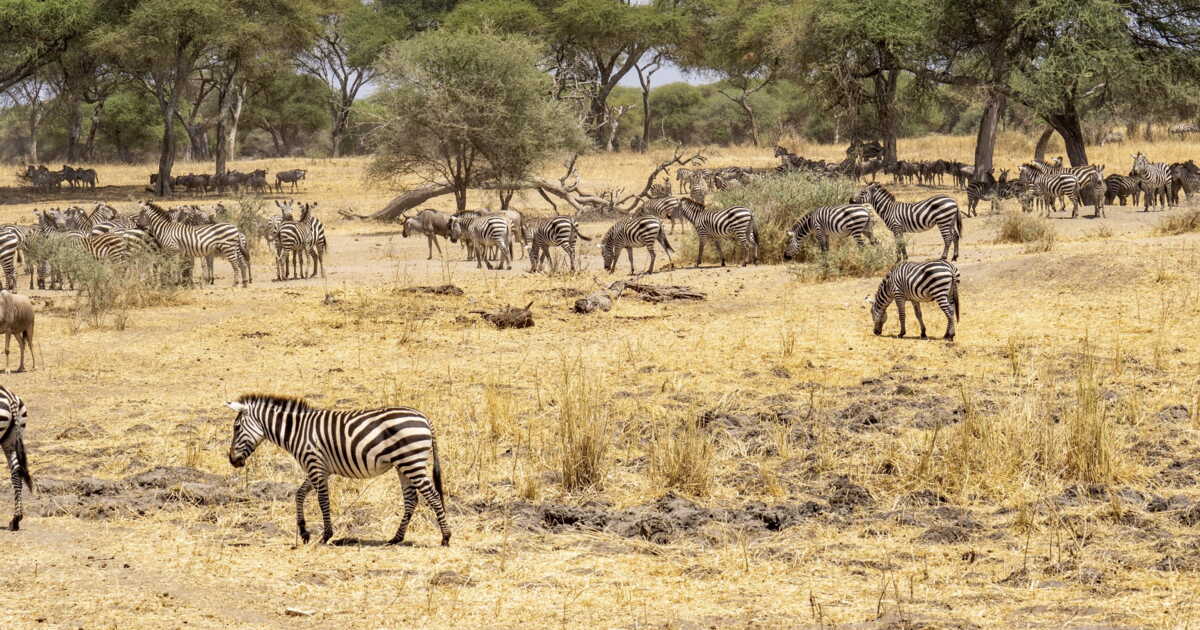
A visit to Tarangire National Park reveals a lesser-known yet equally captivating facet of Tanzanian wildlife. This northeast destination stands out for its particularly large elephant herds, especially noticeable during the dry season when they congregate around the Tarangire River.

The park is also home to numerous species of antelopes, giraffes and carnivores, and offers essential water points for wildlife during arid periods. The landscape, punctuated by imposing baobabs, lends a distinctive identity to the site.

Local guides, renowned for their expertise, accompany visitors through the areas richest in wildlife sightings. This unforgettable safari, often combined with itineraries that include Lake Manyara or the Ngorongoro, is particularly recommended from July to October, when temperatures are mild and travel is easier.

Is it prudent to travel to Tanzania? Understanding the safety of an East Africa must-visit destination

Asking whether it is prudent to travel to Tanzania is a question about the country’s stability and hospitality, where tourism constitutes a major economic pillar. Overall, Tanzania is regarded as a safe destination for travelers, provided you follow the usual vigilance guidelines and heed travel advice issued by authorities.

Tourist zones such as Serengeti National Park, Ngorongoro Crater, or the island of Zanzibar benefit from well-structured infrastructure and staff trained in visitor management. As with any Tanzania trip, basic prudence applies: avoid unnecessary night travel, favor official tours, and inquire about health conditions. The travel experience remains deeply positive, marked by the kindness and hospitality of the locals.

What budget should you plan for 10 days in Tanzania? A balance between preserved nature and tourist comfort

Planning the budget for a ten-day trip to Tanzania requires integrating the variety of experiences on offer: safaris in national parks, relaxation on Zanzibar’s beaches, or cultural discoveries in Maasai villages. On average, a balanced stay ranges from about €2,000 to €3,500 per person, international flights included. Safaris represent the most substantial portion of the cost, due to park entry fees and guide services. Accommodations, from charming lodges to more authentic camps, allow you to tailor the budget to your expectations. Traveling ten days in Tanzania is an investment in a rare experience, grounded in encounters with wildlife and the country’s cultural diversity.

What to Do in Tanzania with Family? Between Nature, Culture and Shared Wonder

A family trip to Tanzania is a richly educational and sensory experience. Children discover animal life in the heart of the Serengeti or Tarangire, observe elephants, lions and giraffes in their natural habitat, and learn to respect biodiversity. Zanzibar’s beaches then provide an ideal setting for relaxation, swimming, and exploration of Swahili culture. Families can also visit Maasai villages to understand local traditions, or tour spice plantations. With appropriate infrastructure and experienced guides, Tanzania positions itself as a safe, educational, and unforgettable destination for families.

Traveling in Tanzania: essential tips for a successful and environmentally respectful stay

Preparing a trip to Tanzania requires thoughtful planning and careful attention to local realities. It is advised to travel during the dry season, from June to October, to take advantage of optimal conditions for safaris. The travel tips include checking mandatory vaccines, notably yellow fever, and obtaining insurance that covers activities in natural settings. Travelers are also encouraged to support local operators engaged in sustainable tourism, contributing to ecosystem preservation and community development. Traveling in Tanzania means adopting a responsible approach: learning about the country before you go, respecting its rhythms, and appreciating its beauty in full truth.

This article was written with the help of artificial intelligence, then corrected, augmented and validated by the newsroom’s journalists.

What to Do in Poland: 7 Must-Do Activities and Outings

For a long time kept off the main European tourist routes, Poland reveals a remarkable heritage and landscapes of surprising diversity. From history-soaked cities to the wide natural expanses of the northeast, the country lends itself to both cultural getaways and refreshing outdoor breaks.

1. A Dive into Kraków’s History

Exploring Kraków allows you to trace the foundations of Polish history through its monuments, its medieval atmosphere, and its role as the country’s historic capital. The Old Town houses an exceptionally dense concentration of must-see monuments, including the Wawel Royal Castle and the emblematic Gothic cathedrals of the medieval era, making it a central segment of any culturally oriented trip to Poland.

Nearby, the Wieliczka Salt Mine represents another facet of this heritage, as does the former Jewish ghetto—a landmark to pair with a visit to Auschwitz. All of this forms an essential part of Poland holidays, enriched by approachable local cuisine and often affordable prices. Kraków thus embodies a coherent destination, built around memory, architecture, and the country’s diverse monuments.

2. Warsaw, a Capital with a Thousand Faces

Warsaw, a modern and resilient capital, houses monuments from different eras, symbols of a troubled yet rebuilt history. The Old Town, UNESCO-listed, faithfully mirrors the medieval atmosphere, even though it was rebuilt after the war. Among the buildings to visit are the Wilanów Palace and the visible remnants of the former Jewish ghetto, key elements for grasping the city’s memory.

Incorporating a stroll through the beautiful Łazienki Park botanical gardens or following a guided route through the museums of Wrocław or Warsaw helps structure a substantial portion of the stay. Taken together, these create a core segment of the many essential historical sites on a Poland trip, blending urban discovery, memory transmission, and cultural practices. With reasonable prices for transport or accommodation, Warsaw remains accessible even in peak season.

3. Getting Lost in the Białowieża Forest

The Białowieża Forest, designated a biosphere reserve, represents a unique part of Poland’s natural heritage. A true relic of Europe’s primeval forest, it offers a rare ambiance for guided strolls within an intact ecosystem. This protected area, spanning several square kilometers, is home to the last European bison and provides an unforgettable experience for visitors attentive to conservation.

Accessible on foot and guided by professionals, the forest walk doubles as an educational experience on conservation, endemic species, and contemporary threats. Integrated into a personalized itinerary focused on natural areas, this destination complements other cultural sites, enabling a Poland trip that balances heritage and biodiversity.

4. Gdańsk and Its Medieval Charms

Gdańsk, located on the Baltic Sea, is a city with a rich commercial and political past, home to many must-see monuments in Gdańsk and part of a structured Polish holiday circuit. The royal castle, Gothic-style buildings, the narrow streets of the Old Town, and museums tied to the Solidarity movement reflect a dense urban history.

On the outskirts, the towns of Sopot and Gdynia offer coastal extensions, with nautical activities and nature experiences in a kid-friendly atmosphere during the summer. Linked to the country’s monuments, the region allows for pairing seaside relaxation with historical exploration. Gdańsk thus stands as a coherent part of a northern cultural and seaside itinerary, enriched by a sea stroll, attractive prices and a strong sense of memory.

5. The Wieliczka Salt Mines, a World Beneath Our Feet

The Wieliczka Salt Mines, famed for their impressive salt monuments, form part of the many underground sites listed as world heritage. A few kilometers from Kraków, this subterranean network welcomes visitors in a unique atmosphere, blending history, engineering, and spirituality. Among the most iconic spaces are chapels and sculptures carved from salt, illustrating the miners’ craftsmanship.

With reasonable prices for guided tours, the site is aimed at families or school groups, with a well-supervised kids-friendly ambiance. Accessible for a multi-hour underground stroll, Wieliczka offers an unforgettable experience that fits perfectly into any Poland itinerary focused on the country’s industrial and artisanal heritage.

6. The Charms of Masuria

The Masuria, in the northeast, embodies a major lake region, often named the “land of a thousand majestic lakes,” ideal for boating or walks in the surrounding massif. Perfect for Poland holidays centered on nature and relaxation, it enables gentle activities such as fishing, sailing, or birdwatching in a tranquil atmosphere.

Thanks to a network of villages, the cost of a bus trip or a car rental stays affordable, facilitating exploration of a part of the country that remains relatively lightly urbanized. The calm of its rivers, the reflections on its waters, and the diversity of its fauna make Masuria an ideal area for respectful tourism, away from crowds, especially outside the peak season.

7. The Trails of Zakopane and the Tatras

Nestled at the foot of the Tatras, the town of offers an immersion into Polish highland traditions, combining mountain walks, local folklore, and active Poland holidays. Nearby, the Morskie Oko Lake, at an altitude of over 1,300 meters, stands as a major site for a walk to Morskie Lake, highly frequented in high season for its panoramas.

The Tatra National Park, an integral part of the region, offers regulated access to alpine landscapes and protected wildlife. The local cuisine, artisan markets, and the mountain ambiance give Zakopane a strong identity, ideal for days of real downtime.

Is Poland a Good Idea? A European Destination Between History, Accessibility and Cultural Vitality

Asking whether it makes sense to visit Poland means weighing the advantages of a country that remains underestimated in the European tourism scene. A member of the European Union, with a modern transport network and a dense cultural offering, the country attracts with the richness of its cities—from Kraków to Gdańsk—and the variety of its landscapes. It is also an economically accessible destination, with excellent value for money in lodging, dining, and activities.

In terms of tourism, Poland is still perceived as safe, stable, and well-structured to welcome international visitors. Far from the clichés, it offers a modern experience rooted in its heritage, driven by a strong identity and a growing openness.

What Do People in Poland Like to Do? Daily Life Anchored in Sociability, Nature, and Traditions

Understanding what Poles enjoy doing helps approach a culture deeply attached to communal life and seasonal rhythms. Forest walks, very common, reflect a constant tie to nature, ever-present in the country’s geography.

In urban areas, people frequent cafes, markets, and parks, especially in Warsaw or Wrocław, where public spaces play a central role in sociability. Regular hiking, cycling, or winter sports in the Carpathians also show an active relationship with the land.

Alongside this, there is a strong attachment to religious fêtes, culinary traditions, and family gatherings. Observing daily life here means grasping a culture that is both understated and profoundly vibrant.

What to Do in Poland in Winter? A Country to Rediscover Under Snow and Seasonal Lights

Visiting Poland in winter reveals a lesser-known facet of the country, marked by a hushed atmosphere and striking seasonal aesthetics. Christmas markets, especially in Kraków or Wrocław, offer a warm immersion into local traditions.

In the south, the Tatra Mountains near Zakopane allow skiing, snowshoeing, and thermal baths, with infrastructure suited to all levels. The major cities maintain a rich cultural life: museums, concerts, literary cafés, all within an intimate atmosphere. Polish winter, far from deterring, gives a new sense to discovery, blending heritage, indoor comfort, and stillness in nature.

Poland Travel Safety: What You Need to Know to Travel with Peace of Mind

The question of tourism-related danger in Poland rarely arises, given the country’s recognized political, social, and health stability on a European scale. Safety levels are high in tourist zones such as Warsaw, Kraków, and Gdańsk, with a visible police presence and a low crime rate.

Incidents involving travelers are rare and typically relate to minor acts such as opportunistic theft on public transport. Medical facilities are modern, food standards are high, and tour operators are well trained.

In short, Poland is a safe destination, provided you follow the elementary precautions applicable to any major Central European city.

This article was written with the help of artificial intelligence, then corrected, expanded, and validated by the editors.