It’s pleasant to visit Angkor’s main temples and must-see sites at a relaxed pace, letting the atmosphere soak in. But why not explore them differently? Here are five distinct ways to discover the site.
Wandering Through the Museum
Museums here are often neglected. Yet lingering there is far from superfluous if you want to fully experience the grand voyage through time that is Angkor. Numerous masterworks are on display, and a visit helps you navigate six centuries of the site’s history.
Models and Statues
White Palace with a modern layout, the Angkor National Museum offers a very well-designed audio guide. Skip the introductory room to focus on the eight galleries, truly spectacular, especially the magnificent Hall of a Thousand Buddhas and the large model of Angkor Wat. angkornationalmuseum.com
Beautiful Finds
Nestled in a building with traditional architecture, the Preah Norodom Sihanouk Museum has a notably intimate vibe. Dedicated to archaeological discoveries, it features objects unearthed in recent digs, such as these 274 Buddha statues found in 2001 at the Banteay Kdei temple. Also worth seeing: a unique collection of Khmer ceramics recovered from the artificial lakes, ritual instruments (ablution vases, betel boxes, etc.) and tools (weights for fishing nets, mortars…) that tell the daily life of Angkor’s common people. apsaraauthority.gov.kh
Cycling
The Little Queen Among the Khmer Kings
Bike riding in Angkor? We love it! Even when it’s hot: 90% of the 23 km of bike paths run under the shade of tall trees, on flat terrain, and are well signposted. The ideal route? Follow Angkor Wat, pass under the South Gate of Angkor Thom, and then weave through lesser-known monuments like Ta Keo’s pyramid and Ta Nei, a gem left in its natural state, hidden beneath the forest. Many rental options in town; electric bikes recommended (from about $20 per day).
On Foot
Along the Ramparts of Angkor Thom
Eight meters high, the enclosure of the royal city, where 100,000 people lived at its peak, forms a perfect 3-km square. Start around 4 p.m. for a rather secret but fairly easy hike: climb over the South Gate to follow the parapet, with a view of the vast moat (about 100 meters wide) and the forest that cloaks the ruins. After about 1.5 km, a magical break at Prasat Chrung Southwest, a sandstone corner temple, one of Angkor’s most poetic spots.
By Boat
Crossing with a Boatman on the Western Baray
The Western Baray, this giant reservoir built in the 11th century, forms an inland sea measuring 8 km by 2 km. Departing from the Wat Svay Romeat temple on the southern dike, you board a wooden dugout for a idyllic voyage to the exact center of the artificial lake, where lies the contemplative island-temple of the Western Mebon. In 1936, monumental fragments of a bronze reclining Vishnu were found there—an important piece now on display in Phnom Penh.
Hot-Air Balloon
Aim Higher Over Angkor!
During the dry season (December–March), at sunrise (our preferred time) and at sunset, you can glide at a low altitude over villages and rice fields, then over the Roluos temples, and finally over the vast water mirrors of the barays, where the most famous monuments emerge from the jungle, revealing their perfect geometric plan. A magical three-hour adventure (about forty minutes of actual flight). Book early (125 dollars, adult rate). angkorhab.com
They Helped Us Tell This Story
Specialists in Cambodia, Les Maisons du Voyage invite you to follow in the footsteps of our reporters, with a thirteen-day, ten-night circuit starting at 2835 euros (airfare, accommodations, visits and a French-speaking guide included). From Kampot to Siem Reap, far from the well-trodden routes, this journey recounts the glorious hours of Angkor’s god-kings. The program includes lesser-known archaeological sites, isolated villages with ancient traditions, and encounters with the Khmer people, who are reconnecting with their priceless heritage. Committed to responsible tourism, the local partner ensures that every trip benefits Cambodian communities and the preservation of the heritage. maisonsduvoyage.com
➤ Article published in GEO magazine no. 570, “Cambodia,” August 2026.
➤ Do you love GEO? Then, to miss nothing, discover our subscription options to receive GEO each month at home with ease.
Is it worth going to Northern Ireland? A cultural and natural journey that deserves your attention
When is the best time to visit Northern Ireland? Tailoring your trip to changing weather
What is the most beautiful part of Northern Ireland? A journey from County Antrim to Derry
What is the capital of Northern Ireland? Belfast, between industrial heritage and cultural renaissance
Do you need a visa to go to Northern Ireland? Entry requirements to know before your trip
Nestled in the northeast part of the island of Ireland, Northern Ireland offers a rich blend of cultural heritage, breathtaking natural landscapes, and fascinating historical sites.
1. Discover the Giant’s Causeway (Giant‘s Causeway)
Listed as a UNESCO World Heritage site, the Giant’s Causeway stands as one of Northern Ireland’s most remarkable wonders, notable both for its geological formation and the symbolic weight it carries in the collective imagination. Made up of nearly 40,000 hexagonal basalt columns formed millions of years ago, this spectacular stretch of the Irish coast, located in County Antrim, evokes a strange sensation, especially when sunlight pierces the mist to illuminate the causeway.
A visit to Northern Ireland would not be complete without experiencing this spectacular panorama, accessible via a prepared walking trail. The Visitor Centre offers deeper insight into the site’s volcanic origins, while highlighting the legendary narratives that surround it. A place of open nature, blending wild landscapes with accessibility, the Causeway is a highlight of a coastal road trip along the north coast, often complemented by a stop at the Carrick-a-Rede Rope Bridge or the Temple of Mussenden to prolong the experience.
2. Delve into Belfast’s history
Belfast, the capital of Northern Ireland, is a place of historical memory and dynamic culture. Titanic Belfast is a must-see during your visit, a complex commemorating the construction of the famous liner and its tragic history. For fans of modern history, the Peace Walls and the mural graffiti offer a glimpse into the Troubles era. End your visit at Crumlin Road Gaol, a former prison now open to the public to better understand the region’s often intricate past.
Exploring Titanic Belfast: a historical immersion in the heart of the Titanic Quarter
Located to the east of Belfast’s city center, in the Titanic Quarter, stands one of the United Kingdom’s most emblematic museums: Titanic Belfast. Built on the very site of the old shipyards, this Titanic Belfast museum meticulously and powerfully recounts the history of the iconic liner, from its design to its tragic sinking. The museum experience blends interactive archives, life-sized recreations, and technical documentation, drawing visitors from around the world.
This visit to Northern Ireland serves as an excellent starting point for understanding the region’s industrial footprint. A few minutes on foot, the port, the Titanic sculpture, and the historic docks extend the experience into a setting steeped in memory. On a road trip around Belfast, this site stands among the highlights for those interested in maritime history as well as the city’s modern transformations.
Botanic Gardens and Ulster Museum: nature and culture at the heart of Belfast
The Botanic Gardens, located south of Belfast, offer a natural interlude within an urban frame, ideal for a few hours of strolling among Victorian glasshouses and manicured lawns. This relaxing space also serves as a gateway to culture, housing the Ulster Museum, a must-visit institution for anyone looking to deepen their understanding of Northern Ireland through art, archaeology, natural history, and contemporary events related to the Northern Irish conflict.
At the crossroads of the United Kingdom and the Republic of Ireland, this museum sheds light on the historical and identity nuances of a complex territory. The pairing of the botanical garden and the museum makes for a meaningful stop on any Belfast cultural road trip, alternating city days with intellectual immersion into the island’s past and present.
Cathedral Quarter and St. George’s Market: a living glimpse of contemporary Belfast
The Cathedral Quarter represents the cultural and artistic heart of Belfast, known for its cobbled lanes, mural art, and creative venues. Further southeast, near Lanyon Place and the River Lagan, St. George’s Market, active since the 19th century, hosts artisans, local producers, and musicians, creating a vibrant weekend atmosphere.
For a Northern Ireland visit that goes beyond clichés, this area showcases Belfast’s modernity without losing touch with its roots. These places also reflect the current dynamism of a United Kingdom undergoing change, where traditions and renewal coexist in a shared space.
Crumlin Road Gaol: the memory of imprisonment in a conflicted past
Once a prison, now a museum, Crumlin Road Gaol offers a striking lens on Northern Ireland’s recent political history. Located in Belfast, this 19th-century building housed both common prisoners and political detainees, becoming a major site of memory for the Troubles. The visit, often guided, traverses cells, corridors, and courtroom spaces in a silence heavy with meaning.
This step naturally fits into an exploration of Northern Ireland rooted in contemporary reality, pairing with nature-focused itineraries. It complements urban routes featuring Titanic Belfast or the Cathedral Quarter, providing a fuller picture of the city and its role in the history of the United Kingdom.
3. Take the Causeway Coastal Route
The Causeway Coastal Route, regarded as one of Europe’s most beautiful scenic drives, links Belfast to Derry and traces the scenery of Northern Ireland along the coast with rare intensity. This coastal road winds between rugged cliffs and seaside towns, offering excellent opportunities for short inland detours to glimpse Game of Thrones filming locations like the Dark Hedges and the dramatic coastal trails of the Gobbins, a must-see attraction.
Designed for a multi-stop exploration, this route blends the chance to discover with immersion in an authentic Ireland, ideal for contemplation, especially at sunrise on the solstice or during clear spells that reveal striking contrasts across the Atlantic Ocean.
4. Explore Derry/Londonderry
Situated on the northwest edge of Northern Ireland, the city of Derry (also known as Londonderry) stands at the crossroads of history, memory, and contemporary creation. Famous for its 17th-century walls, it remains marked by the Troubles and the Bloody Sunday events, whose memory resonates around every corner, notably near the iconic Free Derry Corner in the Bogside district, a hotspot of political and artistic engagement. This city has also gained international visibility thanks to the series Derry Girls, which poignantly highlights the paradoxes and resilience of this community.
Today, Derry in Northern Ireland hosts numerous festivals, exhibitions, and cultural initiatives, making this stop a good place to grasp the complexity of Northern Ireland beyond its landscapes. In a road trip combining an Ireland visit with a historical route, it serves as a vital stop to understand the past while observing current social dynamics, just a few hours from the north’s major natural sites.
5. Participate in outdoor activities
Renowned for its lush nature, Northern Ireland offers numerous possibilities for outdoor activities, especially for hiking enthusiasts, water sports lovers, or gentle explorers. The Mourne Mountains, with their spectacular summits, provide hiking trails suitable for all levels, revealing dramatic panoramas over wooded valleys and distant coastlines.
Further west, the Fermanagh Lakelands offer a wonderful setting for paddling, birdwatching, or simply enjoying the quiet of inland lakes, nestled in the heart of the rural interior. For sea-based activities, the beautiful Irish beaches along the Irish coast allow for surfing, sailing, or coastal walking, especially around White Rocks Strand. This variety of experiences can be easily woven into a multi-day road trip along the coast, providing a balanced mix of active exploration and peaceful contemplation.
In conclusion, whether you’re passionate about history, nature, or cultural experiences, Northern Ireland offers something to satisfy every curiosity. Visiting this region reveals a country where past and present intertwine within a natural setting of rare beauty. To deepen your experience, consider exploring not only the well-known tourist sites but also the hidden treasures that make it a unique and memorable destination.
Is Northern Ireland worth visiting? A cultural and natural journey that deserves your attention
A visit to Northern Ireland promises a richly contrasted experience, between spectacular landscapes, recent history, and accessible great outdoors. This portion of the United Kingdom, distinct from the Republic of Ireland, captivates with its marvellous places such as the coastline of County Antrim, the wild terrain of the Mourne Mountains, or the striking settings of the Gobbins, frequently cited in guides as a must-see attraction.
Couple these with iconic sites like the Titanic Belfast museum, the Mussenden Temple, or the Dark Hedges, some of which gained fame thanks to the TV series Game of Thrones, and you have a complete destination—historical, natural, and cinematic all at once. Whether you’re planning a few days in a van, a full road trip, or a broader discovery of Ireland, Northern Ireland proves to be an excellent starting point and a rare opportunity to encounter Atlantic winds, ruined castles, and vibrant culture.
What is the best time to visit Northern Ireland? Adapting your trip to the changing climate
The best time to visit Northern Ireland runs from May to September, when the sun is more present and temperatures are milder, offering favorable conditions to fully enjoy the landscapes of Ireland, its lovely Irish beaches like White Rocks Strand, or cliff-top hiking trails such as those found at Fair Head. The oceanic climate remains unpredictable, so it’s wise to pack clothing for wind and showers even in summer.
The sun over the Giant’s Causeway, when it breaks through the clouds, can transform this iconic place into a scene of intense beauty. For light-lovers, the solstice sunrise reveals remarkable hues along the Irish coast, especially in June. Around these times, you can combine long walks, local festivals, and cultural visits while minimizing weather-related constraints.
What is the prettiest part of Northern Ireland? A journey from County Antrim to Derry
Among Northern Ireland’s most beloved spots, County Antrim stands out for the density of its natural and cultural sites. The Port of Ballintoy, the Fair Head cliffs, the Dunluce Castle ruins, and the geological formations of the Giant’s Causeway compose a route that blends dramatic scenery with outdoor nature. This region is also traversed by the Gobbins, a cliff-top path carved into the rock, a true favorite for walkers.
Venturing westward to the city of Derry (also known as Derry-Londonderry), immortalized thanks to the series Derry Girls, adds a historical and contemporary dimension to Northern Ireland exploration. These regions combine heritage, varied landscapes, and well-preserved inland scenery, making the northern part a great place to slow down and view the island from another angle.
What is the capital of Northern Ireland? Belfast, between industrial heritage and cultural renaissance
Belfast, capital of Northern Ireland, is today a city undergoing transformation, anchored in its industrial past yet clearly oriented toward cultural tourism. The Titanic Quarter, with the Titanic Belfast museum, offers an immersive chronicle of the liner’s history from its shipyards at Harland & Wolff. A few minutes on foot, the St. George’s Market, one of the oldest covered markets in the United Kingdom, provides a dive into local gastronomy.
Art and architecture enthusiasts will also discover the Cathedral Quarter, the city’s creative core, dotted with galleries, murals, and historic pubs. Additionally, a visit to the Crumlin Road Gaol helps illuminate the tensions that marked recent political history. Belfast serves as an excellent starting point for exploring the region, while offering in itself a representative spectrum of Northern Ireland’s past and present.
Do you need a visa for Northern Ireland? Entry requirements to know before your stay
For European Union nationals (excluding Irish citizens protected under the Common Travel Area), a tourist visa is not required, but a valid passport and a British Electronic Travel Authorization (EVA / ETA) are mandatory. For those combining both territories on a road trip, it’s important to anticipate administrative, currency, and mobile-network differences.
There is no systematic border check between the two jurisdictions, but authorities may perform occasional verifications. Before you depart, it’s wise to consult official British sources on current formalities and to anticipate possible adjustments according to the political situation. These practical tips are essential to ensure a smooth visit to Ireland, especially when staying across multiple regions.
This article was drafted with the help of artificial intelligence, then corrected, supplemented, and validated by the editorial team.
Quieter, sometimes forgotten by traditional circuits, Banteay Srei, Neak Pean, Banteay Samrè, or Phnom Kulen reveal another grandeur of Khmer civilization: refined architecture, centuries-old places of devotion, and landscapes steeped in mystery.
Banteay Srei, a jewel of pink sandstone
Guardians with monkey heads (photo) or lions, graceful dancers, garlands of delicate flowers… Located far from the beaten tracks, 30 km from the main site, Banteay Srei is one of the rare temples that was not commissioned by a king, but by a high dignitary, in the year 967. It is nonetheless legendary in more ways than one. First, because it was built in pink sandstone, and secondly… because André Malraux once borrowed its bas-reliefs, in 1923! Go at opening (7:30 a.m.), when Cambodians come to burn incense.
Neak Pean, the island of waters that heal
On the Grand Circuit, do not miss a stop on the northern bank of Jayatataka Baray, an artificial reservoir. From there, a wooden footbridge spans the water to lead to Neak Pean, a XIIth-century Buddhist complex. This island-sanctuary remains sacred in the eyes of Cambodians. Its basins, designed to recreate on Earth the mythical lake Anavatapta, located in the Himalayas, house waters with healing properties, into which pilgrims would splash themselves to ward off diseases.
Banteay Samrè, the little brother of Angkor Wat
It’s one of the best-kept secrets of the archaeological park. No one goes there, and yet this XIIth-century temple is exceptional. Moreover, Banteay Samrè will remind you of something: here is the miniature copy of the most famous Khmer temple, Angkor Wat! The same elegance, the same play of symmetry, the same lotus-bud shaped sanctuary tower. Combine its visit with that of Banteay Srei, and take the opportunity to stop in a village along the roadside to taste artisanal palm sugar.
The Roluos Complex, the cradle of Khmer art
Any visit to the archaeological park should always begin with this fabulous site of the first Angkorian art from the 9th century, located near the village of Roluos, 15 km east of Siem Reap. This complex indeed tells the crucial transition from brick-and-wood constructions to those in stone (gray sandstone). Three temples to explore: Lolei, Preah Ko, and Bakong. The latter, in remarkable condition, is flanked by a modern monastery. The monks’ psalms are a delight…
Phnom Kulen, the Mount Olympus of Cambodia
At 487 m in height and 50 km from Siem Reap, Phnom Kulen is more than a mountain dominating the virgin forest. The country’s independence as an empire was proclaimed here in 802. On this spiritual mountain, one meets monks in saffron robes, families in festive attire, and hermits seeking to meditate. A “river of a thousand lingams” (phallic symbols) and waterfalls flow here, where one enjoys bathing. Do not miss the grand reclining Buddha, in the small temple at the summit.
The most beautiful spots to admire sunrises and sunsets
After living the euphoria of a dawn at Angkor Wat, experience another early wake-up call, this time away from the crowds, at the mount temple of Phnom Bakheng, a site that opens at 5 a.m. We climb in the dark on this natural hill where a gray stone pyramid sits. An exceptional view of the sun rising from the foliage, with Angkor Wat in the distance, seen in silhouette. In the evening, around 5 p.m., head to Pre Rup, dedicated to Shiva, with its imposing towers that rise above the forest.
They helped us produce this report
Specialists in Cambodia, Les Maisons du Voyage invite you to trace the footsteps of our reporters, with a thirteen-day and ten-night circuit, from 2835 euros (flights, accommodations, visits and a French-speaking guide included). From Kampot to Siem Reap, far from the mapped routes, this journey tells the glorious hours of the gods-king of Angkor. The program includes little-known archaeological sites, isolated villages with ancestral traditions, and encounters with the Khmer people, who are reconnecting with their invaluable heritage. Committed to responsible tourism, the local partner ensures that each journey benefits Cambodian communities and the preservation of the heritage. maisonsduvoyage.com
➤ Article published in GEO magazine no. 570, “Cambodia,” August 2026.
➤ Do you love GEO? Then to miss nothing, discover our subscription options to receive GEO monthly at home with ease.
It’s a journey that leaves a lasting imprint. For no one escapes the enchantment of the world’s greatest archaeological site, with its hundreds of temples spread across 402 square kilometers (four times the area of inner Paris). Angkor denotes above all a megacity—the religious, economic, and political heart of an empire of builders that shone from the 9th to the 14th century through its refinement and its audacity. To erect the single temple of Angkor Wat, five million tons of sandstone were required—a mass comparable to the Great Pyramid of Khufu in Egypt. Between olive-hued lakes, colossal carved faces, bas-reliefs of dancers and mythical animals, every detail responds to cosmic codes where the influences of Hinduism and Buddhism intertwine…
The Secrets of Angkor
And this sanctuary is nothing like a museum. The Cambodians practice prayers and rituals there; everywhere in the corridors monks light incense—a continuity that gives these places their soul. When you go there early in the morning, aboard a tuk-tuk, you feel like Henri Mouhot, the man who introduced the site to Europe in the 19th century. Then you wander along the two circuits of the archaeological park, classified in 1925, to admire the most famous edifices. You should stay here for at least three days, ideally five, to stroll through the less-known temples, sometimes nearly deserted, and to experience unprecedented moments. And to enjoy a pleasant surprise: Siem Reap, a friendly and creative city with a living craft heritage inherited from Angkor’s golden age. Enjoy your discovery!
Our tips for a serene visit
Entrance Pass: how does it work?
Nominal with photo, the pass, valid for one, three or seven days, is often purchased online or via the Angkor Pass app. But the paper pass, adorned with a beautiful image of the site and written in Khmer, makes for a far nicer souvenir! To obtain it, head to the central gate of the archaeological park, 4 km from Siem Reap. Preferably the day before, after 16:45, to enjoy an extra evening: with the pass dated for the next day, you can enter Angkor the same evening without it counting as a day! angkorenterprise.gov.kh
The time needed to explore without stressing
Plan for three days to cover the two main routes (the Small Circuit, 17 km, and the Grand Circuit, 26 km), plus a few outlying sites. Four to five days is better! And abandon the idea of seeing everything. Even Angkor Wat alone deserves three to four hours to wander the galleries with their 800 metres of carved reliefs.
Crowd-busting tips
To visit Bayon, in Angkor Thom, go at 7:30 am. For an hour you’ll be one-on-one with nearly 200 faces with enigmatic smiles. For Angkor Wat, have an early lunch, then head there from noon, in a relaxed mood. As for Ta Prohm, temple built in 1186 by Jayavarman VII in memory of his mother, and entangled by the roots of giant fig trees, aim for late afternoon. Best entry: the East Gate, often neglected.
Tuk-tuk, user guide
For 20 to 30 dollars per day, and a maximum of four passengers, it’s the most practical way to explore the site. The tuk-tuk picks you up at the hotel in the morning, waits in front of each temple, and brings you back in the evening. To choose your driver, nothing beats a little interview on the sidewalks of Siem Reap. To verify that he speaks a bit of English, or even French—there are some! A 5-dollar supplement for very early departures.
Interactive maps to see everything without getting lost
The official Angkor Pass app is very well made, with its interactive map showing all the temples, the hours, and explanatory notes (in English). Another essential: The Map, a very clear paper plan, equipped with a useful chronological timeline, distributed free of charge in hotels, cafés, etc. On the map, a QR code links to a digital version, which is full of “good tips.” themapcambodia.com
They helped us produce this report
Specialists in Cambodia, Les Maisons du Voyage invite you to follow in the footsteps of our reporters, with a thirteen-day and ten-night itinerary, from 2835 euros (flights, accommodations, visits and a French-speaking guide included). From Kampot to Siem Reap, far from the beaten paths, this journey recounts the glorious hours of the gods-king of Angkor. On the program: lesser-known archaeological sites, isolated villages with ancestral traditions, and encounters with the Khmer people, who are reconnecting with their priceless heritage. Committed to responsible tourism, the local partner ensures that each trip benefits Cambodian communities and the preservation of the heritage. maisonsduvoyage.com
➤ Article published in GEO magazine No. 570, “Cambodia,” August 2026.
➤ Do you love GEO? Then to miss nothing, discover our subscription plans to receive GEO at your home every month with ease.
4. Dive into the Heart of Ranomafana National Park
5. Venture into the Bemaraha Tsingy Strict Nature Reserve
6. Experience a Cultural Immersion in Antananarivo
7. Discover Nosy Sakatia Island
8. Visit Lemurs’ Park
9. Hike in Mantadia National Park
10. Marvel at Tsingy Rouge Park
Is Madagascar Worth Visiting? A Destination with Unique Biodiversity to Discover with Preparation
What Budget to Plan for 15 Days in Madagascar? Between Local Realities and Logistical Costs
How Much Time Does It Take to Visit Madagascar? The Scope of a Trip on an Island Continent
What to Do in Madagascar with Children? A Pedagogical Adventure at the Heart of Accessible Nature
Off the African coast, Madagascar unfolds as a land where each region reveals a different face. From hikes in spectacular ranges, to paradisiacal islands and encounters with wildlife found nowhere else, the island offers a multitude of experiences that captivate both nature enthusiasts and travelers in search of authenticity.
1. Lose Yourself in Isalo National Park
Located in the southwest of Madagascar, the Isalo National Park is one of the island’s most iconic natural sites, renowned for its spectacular rock formations, its deep canyons and its semi-desert landscapes with western-style scenery.
Spanning over more than 80,000 hectares, this eroded sandstone massif houses a remarkable biodiversity, at the crossroads of , offering a privileged viewing framework for numerous endemic species, notably lemurs, chameleons or rare birds.
By combining geological advantages, ecological richness and accessibility, the Isalo Park meets the expectations of travelers keen to discover the diversity of Malagasy landscapes while engaging in responsible and guided tourism.
2. Walk the Fine White Sands of Nosy Be
Nosy Be, an island located northwest of Madagascar, stands as one of the major seaside destinations in the Indian Ocean, famed for its white-sand beaches, its turquoise waters and its atmosphere conducive to relaxation as well as marine exploration.
The conditions are ideal for snorkeling or scuba diving, with pristine coral bottoms hosting a diverse fauna, ranging from tropical fish to sea turtles. The island, however, is not limited to its coast: a trip to the Lokobe Nature Reserve allows observing endemic species in a protected forest ecosystem.
This site complements the experience by offering a broader view of Malagasy biodiversity, accessible from a territory that is welcoming, preserved and well-structured for nature tourism. Nosy Be thus meets the expectations of travelers seeking a balance between seaside leisure, wildlife observation and ecological discovery in a safe setting.
3. Be Enchanted by the Avenue of the Baobabs
Near Morondava, on Madagascar’s west coast, the Avenue of the Baobabs stands as one of the island’s most iconic natural sites, designated a natural monument. Lined along a red dirt track, these Grandidier’s baobabs, reaching up to 30 meters tall, form a striking perspective, especially at sunset, when the tall trunks cast oversized shadows on an almost motionless landscape.
True place of contemplation, this avenue is loved by photographers and nature lovers, for both its aesthetics and symbolic significance. These trees, remnants of a once-dense forest now vanished, form Madagascar’s living heritage, carrying myths, oral traditions and major ecological concerns. A visit there offers more than a visual moment: it is a silent encounter with the island’s natural and cultural history, a must for those seeking to understand the soul of Malagasy scenery.
4. Dive into the Heart of Ranomafana National Park
Listed as a UNESCO World Heritage site, the Ranomafana National Park, located in the central-eastern region of Madagascar, represents one of the island’s green lungs richest in biodiversity. Its humid tropical forest, typical of the eastern region, hosts an exceptional concentration of endemic species, including several lemur species. The marked trails, winding between waterfalls, tree ferns and giant bamboos, offer a full sensory immersion at the heart of an ecosystem still largely preserved.
The rare birds, the chameleons and the lush tropical flora compose an ecological environment of great complexity, conducive to naturalist observation as well as scientific research. By combining biological richness, scenic beauty and educational dimension, the Ranomafana Park stands out as an essential destination for travelers seeking ecotourism, enabling a direct connection with Madagascar’s wild and authentic nature.
5. Venture into the Bemaraha Tsingy Strict Nature Reserve
Listed as a UNESCO World Heritage site, the Bemaraha Tsingy National Park, located in western Madagascar, hosts an exceptional karst relief shaped by limestone erosion over millions of years. These sharp formations, known as “tsingy”, draw a spectacular mineral landscape, characterized by jagged peaks, deep crevasses and suspended bridges offering dizzying viewpoints.
Accessible via marked and guided circuits, the site is particularly enjoyed by fans of technical hiking and light climbing, within a safe yet demanding setting. This geological labyrinth also houses remarkable endemic biodiversity, with lemurs, bats, and numerous nesting bird species that have adapted to this inhospitable environment. By blending geomorphological interest, athletic challenge and ecological richness, the Bemaraha Tsingy become a top destination for travelers curious about rare landscapes, where nature expresses itself with a raw and unique force.
6. Experience a Cultural Immersion in Antananarivo
Antananarivo, Madagascar’s capital, concentrates the historical, cultural and social layers of a country with many faces. Built on a series of hills, the city unfolds through its steep alleys, its red-brick traditional houses and its colonial buildings, witness to a plural past.
A visit to the Queen’s Palace, an iconic monument perched on the heights, helps illuminate the Malagasy monarchy’s organization and its role in national history. Local markets, such as Analakely, offer a sensory immersion, between fragrant spices, colorful crafts and lively urban life.
On the flavor side, Malagasy cuisine blends African, Asian and European influences, and is discovered through lively street food and more traditional establishments. By combining historical heritage, bustling everyday life and access to local culture, Antananarivo stands as an essential gateway to understanding Madagascar, which as a whole is a complete destination, rich in diverse landscapes, unique ecosystems and authentic encounters.
7. Discover Nosy Sakatia Island
Nosy Sakatia, a small confidential island off Nosy Be, presents itself as a perfect spot for travelers seeking authenticity. Far from the tourist bustle, this charming place hosts wild beaches, intact coral reefs and exceptional underwater biodiversity.
Accommodations on Madagascar’s island are few but carefully chosen, some boasting the comfort of a chic hotel facing the lagoon. It’s a paradise for lovers, ideal for a rendezvous with the sea, sea turtles, or peaceful sunsets. With a hotel comparison tool, organizing a stay on this large island becomes easy, where understated luxury blends with pristine nature, in one of the favorite spots for couples seeking tranquility.
8. Visit Lemurs’ Park
Lemurs’ Park, located about 22–25 km southwest of Antananarivo on the RN1 toward Imerintsiatosika, is an accessible and educational place, perfect for travelers wishing to discover Madagascar’s flora and emblematic species in a semi-natural setting. This private park, home to several lemur varieties, including the Coquerel’s sifaka, offers an easy stroll through a wooded area where species roam freely.
The site, well equipped, provides an excellent introduction to Madagascar’s biodiversity for young and old. It also offers an opportunity to raise awareness about species preservation, while enjoying the warm hospitality of the surrounding hotels.
9. Hike in Mantadia National Park
The Mantadia National Park, not far from Andasibe, is a preferred hiking spot at the heart of Malagasy flora, where humid and dense forests shelter endangered endemic species. This wild territory attracts naturalists, photographers and hikers seeking an immersion in an environment evoking a tropical Jurassic Park.
The richness of the ecosystems there is striking, from crystal-clear rivers to shaded trails dotted with rare orchids, chameleons and the mythical crowned ibis. The park is known for housing the largest living lemur: the indri indri. Away from the standard circuits, it is an ideal place to combine beautiful natural discoveries with an immersion in Madagascar’s unique landscapes.
10. Marvel at Tsingy Rouge Park
The Tsingy Rouge Park, located near Diego-Suarez, stands out for its spectacular geological formations: red clay peaks sculpted by erosion, in a canyon with Martian-like scenery. This place steeped in natural history makes a great discovery for fans of unusual landscapes. The park fits well into a route connecting the Amber Mountain, the northern beaches and traditional villages. It is also a perfect spot for photographers seeking striking contrasts, especially at dawn.
Is Madagascar Worth Visiting? A Destination with Unique Biodiversity to Discover with Preparation
Asking whether it is advisable to go to Madagascar essentially asks about the conditions for traveling in a country that is both fascinating and demanding. The island offers exceptional biodiversity, contrasting landscapes and a distinctive culture, but it requires careful planning. Tourism infrastructure varies by region, and travel can be long. However, well-visited areas such as Nosy Be, Sainte-Marie or the highlands remain accessible and relatively well supervised.
Regarding whether visiting Madagascar is dangerous, the answer is nuanced: the country is generally safe for informed travelers, provided health advice is followed, certain isolated night routes are avoided, and travel is conducted with reputable operators. Travel there becomes a rare, meaningful and authentic experience.
What Budget to Plan for 15 Days in Madagascar? Between Local Realities and Logistical Costs
The budget for 15 days in Madagascar largely depends on the level of comfort sought and the chosen itinerary. For an independent traveler combining mid-range accommodations, internal transfers and a few organized excursions, a budget of roughly 1,500 to 2,200 euros per person (excluding flights) provides a realistic baseline. Domestic flights, needed to connect major regions (such as Antananarivo, Nosy Be or Sainte-Marie), weigh on the overall budget.
Food, ground transport and mid-range accommodations remain affordable. It is advisable to book certain services in advance, especially in peak season, and to allow a margin for logistical surprises, common on the island. Madagascar remains a destination with a favorable cost-to-discovery ratio, if its particularities are anticipated.
How Much Time Does It Take to Visit Madagascar? The Scope of a Trip on an Island Continent
For a first structured discovery, combining the highlands, a coastal zone (East or Northwest) and one or two nature reserves, it is advisable to plan at least three weeks. In two weeks, a more targeted itinerary can be considered, notably by focusing on the northwest (Nosy Be, Nosy Sakatia) or the east (Sainte-Marie, Canal des Pangalanes). Traveling in Madagascar means accepting long travel times, logistical hiccups, but also the reward of access to exceptionally pristine natural environments.
What to Do in Madagascar with Children? A Pedagogical Adventure at the Heart of Accessible Nature
Exploring Madagascar with children can be an enriching yet demanding experience. Some regions, well served and safe, are suitable for family tourism. The Lemurs’ Park, about thirty kilometers from Antananarivo, allows discovering several lemur species in a semi-natural environment, with trails suitable for the younger ones.
On the coast, the tranquil beaches of Nosy Be or Sainte-Marie offer safe settings for relaxation. Many guided excursions let children discover wildlife, botany and local ways of life. Traveling with children in Madagascar requires preparation, but yields concrete and formative discoveries in a living, immersive and often welcoming environment.
This article was written with the aid of artificial intelligence, then corrected, expanded and validated by the editors of the editorial team.
4. Discover the Abderrahman-Slaoui Foundation Museum
5. Stroll through Casablanca’s Medina
6. Enjoy a day at Ain Diab Beach
7. Take part in a Moroccan cooking class
What to do in Casablanca in 3 days? A weekend between modernity, heritage and the ocean
What to see in Casablanca? The essentials not to miss in the economic capital
What to do in Casablanca with family? A city to discover with kids and adults
What to do in Casablanca in the evening? A city that comes alive at sunset
Ah, Casablanca! The largest city in Morocco, it blends modernity and tradition with a certain charm. On the Atlantic coast, it unfolds like the country’s economic lung. Architecture enthusiasts, culture seekers, or those simply looking for peaceful moments will find plenty to enjoy.
1. Visit the Hassan II Mosque
Towering over the skyline of Casablanca, the Hassan II Mosque is a must-see monument that captivates both for its spiritual dimension and its stunning architecture. With its minaret rising to 200 meters, one of the tallest in the world, it stands majestically along the edge of the Atlantic Ocean.
Ranked among the largest mosques in the world, it embodies a harmony between tradition and modernity, blending Moroccan artisanal craftsmanship with technical prowess. The interior, adorned with zellij tiles, fine marble, and carved wood, invites contemplation. For a pleasant visit, choose seasons when temperatures in Casablanca stay mild, so you can fully enjoy the experience, whether during the day or at sunset, when the golden reflections illuminate its monumental façades.
2. Explore the Habous Quarter
Strolling through the Habous Quarter is to immerse yourself in a unique atmosphere, where neo-Moorish architecture subtly dialogues with Moroccan artisanal traditions. Designed during the French protectorate as a “new medina,” this human-scale neighborhood charms with its orderly lanes, elegant arcades, and shaded squares.
Here, traditional markets buzz with activity, revealing refined craftsmanship — pottery, leather, and calligraphy — while Moroccan pastry shops diffuse the irresistible scent of gazelle horns and anis-flavored feqqas. A Casablanca outing that blends authenticity and tranquility, perfect for discovering unique souvenirs and savoring a slice of Morocco’s urban history.
3. Walk along the Corniche
For a bracing seafront interlude in the heart of Casablanca, nothing beats a walk along the Corniche, this iconic promenade along the Atlantic. Here, palm trees sway to the rhythm of the sea breeze, terrace restaurants serve grilled fish and mint tea with views of the waves, and lively beach clubs promise festive moments as dusk settles.
In the golden hour, as the sun slowly sinks beyond the horizon, the sky colors set the sea ablaze and the atmosphere becomes suspended, almost magical. It’s the perfect place to capture Casablanca’s seaside essence, blending relaxation, elegance, and coastal buzz.
4. Discover the Museum of the Abderrahman-Slaoui Foundation
For culture and history enthusiasts in Morocco, a stop at the Museum of the Abderrahman-Slaoui Foundation is a natural choice. This refined venue, nestled in the heart of Casablanca, reveals an intimate collection where vintage posters, Berber jewelry, and paintings by Mohamed Ben Ali R’bati weave a poignant narrative between tradition and modernity.
Each gallery offers a delicate immersion in Moroccan aesthetics, revealing an artistic heritage that is little known but deeply evocative. It is an inspiring interlude, ideal for those who wish to explore the soul of Morocco through its most precious objects.
5. Stroll through Casablanca’s Medina
Less famous than its renowned cousins in Fez or Marrakech, Casablanca’s medina nonetheless deserves a closer look. Here, authenticity takes precedence over opulence: between traditional shops, lime-whitewashed koubbas, and stalls overflowing with local goods, every turn yields a surprise. It’s a living labyrinth where narrow alleys tighten, widen, and then open onto a lively square or a slice of daily life. Strolling through this maze is to gift yourself a timeless interlude, a sincere encounter with Casablanca’s popular soul.
6. Enjoy a day at Ain Diab Beach
For fans of sunny beaches and sea breezes, Ain Diab Beach in Casablanca is a must-stop. Lined with restaurants, cafés, and beach clubs, this stretch of golden sand is perfect for relaxing after a day of urban exploration.
Easily accessible by taxi or tram, it attracts both families and surfers eager to ride the Atlantic waves. Between sunbathing, a refreshing dip, and a plate of grilled fish with your feet in the sand, the Moroccan beach experience here takes on its full meaning.
7. Take part in a Moroccan cooking class
Take time to experience an authentic culinary adventure by joining a Moroccan cooking class in Casablanca. In the intimacy of a home or within a welcoming workshop, you’ll learn to prepare a fragrant tagine, a fluffy couscous, or a crispy pastilla, while discovering techniques passed down through generations. Cooking alongside passionate hosts is also about exchanging, laughing, tasting… and leaving with a piece of local culture in your travel journal. A privileged moment that will delight all lovers of traditional gastronomy.
What to do in Casablanca in 3 days? A weekend between modernity, heritage and the ocean
A weekend in Casablanca or a three-day stay is enough to discover the many faces of this Moroccan metropolis oriented toward the Atlantic. Begin with the majestic Hassan II Mosque, one of the largest in the world, which seems to float above the ocean. Then stroll through the elegant Art Deco district in the city center, a reminder of the colonial era, and pause at the Villa des Arts.
On the second day, explore the winding lanes of the Habous Quarter, between bookstores, shops, and traditional workshops. Finally, take time to wander along the Corniche of Ain Diab, between beaches, restaurants, and sunsets. Casablanca is discovered at the crossroads of worlds, between preserved traditions and cosmopolitan energy, offering a rich and vibrant urban pause. It is an ideal city for tourism in Casablanca, whether for a short getaway or to soak in a moving Morocco.
What to see in Casablanca? The essentials not to miss in the economic capital
Casablanca is full of places to explore that tell its past and shape its future. Beyond the indispensable Hassan II Mosque, a true masterpiece of modern architecture, don’t miss the Central Market, the city’s vibrant heart. The Habous Quarter blends Andalusian charm with local craftsmanship, while the royal palace, though closed to the public, impresses with its stateliness.
Architecture enthusiasts will appreciate the Art Deco façades lining Mohammed V Boulevard. Casablanca isn’t just a city of transit; it’s a place where every detail deserves attention, between iconic monuments and neighborhood atmospheres.
What to do in Casablanca with family? A city to discover with kids and adults
Casablanca for families holds delightful surprises. Children will be impressed by the grandeur of the Hassan II Mosque, as well as the playgrounds and gardens of the Arab League Park. For a playful and educational touch, head to Morocco Mall, which houses a giant aquarium, a playground, and even an ice rink.
Casablanca’s beaches along the Corniche, accessible and well-kept, offer relaxing moments between swimming, ice cream, and strolls. A tram tour around the city can also become a small urban adventure. Casablanca is often seen as a business city, but it reveals a welcoming family-friendly side, perfect for a trip across generations.
What to do in Casablanca at night? A city that comes alive at sunset
When the sun sinks over the Atlantic, Casablanca lights up with a different energy. Start the evening with a dinner facing the ocean on the Corniche, where restaurants and lounges offer stunning views. In the city center, lively terraces provide a more local vibe, with live music and reinterpretations of Moroccan cuisine.
For a more upscale night out, several rooftops or nightlife venues welcome revelers in an elegant atmosphere. Casablanca by night is a city that pulses to the rhythm of its residents, where modernity and festive traditions coexist with grace.
This article was written with the help of artificial intelligence, then corrected, supplemented, and validated by the journalists of the editorial team.
The Louisiana sits at the crossroads of American, French, and Spanish influences, presenting a unique mosaic of traditions and landscapes. This southern state of the United States is renowned for its rich history, lively festivals, and distinctive cuisine. Whether you are drawn to culture, nature, or music, Louisiana has something to offer every visitor. As you arrive, a pressing question often comes to mind: which activities should you prioritize? Let’s explore together some of the most captivating experiences this state has to offer.
1. Discover the French Quarter of New Orleans
The French Quarter, the historic heart of the city of New Orleans, is a must-visit stop for any Louisiana journey, both for its heritage value and for the diversity of outdoor activities it allows you to observe or engage in. This iconic district enchants visitors with its colonial architecture, featuring wrought-iron balconies, colorful façades, and a density of streets that testifies to the French and Spanish influences. As you stroll along its bustling avenues, you will encounter Jackson Square, a central gathering place where musicians, street performers, and passersby mingle in a lively atmosphere that perpetuates the region’s cultural legacy.
Nearby, Frenchmen Street provides an authentic glimpse into the local jazz scene, with intimate clubs and live performances embedded in the African American Heritage Trail. This historic neighborhood also offers a culinary scene defined by regional specialties such as gumbo and beignets, emblematic of Creole cuisine.
Extending the exploration toward the bayous or the surrounding natural areas, you can deepen this immersion with a nature trail or a wildlife-focused visit, especially within institutions like the House of Cultures or the National Museum. This territory thus blends cultural richness, social memory, and natural environment into a coherent and structured discovery.
2. Visit the Historic Plantations
The Louisiana hosts a remarkable collection of historic plantations, whose preservation today helps illuminate the economic, social, and human dynamics that shaped the region. Among them, , famed for its centuries-old rows of towering oaks, embodies the Southern architectural aesthetic, while Laura Plantation stands out for its documentary approach, focusing on daily life and the histories of the enslaved people who built these estates. Guided tours, spread across rural parish neighborhoods often situated near the bayous, go beyond mere architectural exploration to present a critical reading of plantation narratives—linking memory, testimonies, and historical interpretation.
For travelers deeply engaged in a Louisiana journey, these sites also fit within heritage-enrichment routes such as the African American Heritage Trail, contributing to a deeper understanding of slavery’s past and the region’s cultural legacies. In addition, some estates incorporate nature trails that reveal local wildlife, adding an environmental dimension to the outdoor activities offered.
3. Explore the Bayous and Swamps
The bayous and swamps of Louisiana stand as emblematic ecosystems of the southern United States’ wild nature, forming an essential component of any Louisiana trip aimed at environmental and cultural discovery. These wetlands, accessible via boat tours, give visitors chances to observe local wildlife, with particular attention to alligators, herons, turtles, and a host of other species that define these habitats. Exploring these landscapes is often accompanied by commentary on Cajun culture, conveyed through guides’ tales, traditional ways of life, and visits to isolated villages.
For those seeking a more immersive approach, an airboat ride offers a dynamic option that blends speed with access to more remote areas, while still providing a structured reading of these environments. Some excursions also include nature trails, linking ecological discovery to outdoor activities in an organized setting. This enhanced experience can be extended by visits to museums or the House of Cultures, enriching understanding of these spaces—natural and human—situated often between New Orleans and Baton Rouge, where biodiversity meets living memory in the Louisiana landscape.
4. Immerse Yourself in Baton Rouge’s Atmosphere
Baton Rouge, the administrative capital of Louisiana, offers visitors a structured array of cultural and patrimonial attractions illustrating the state’s political and military evolution. The State Capitol, an iconic building and the tallest capitol in the United States, provides a striking vantage point via its panoramic platform for grasping the city’s layout and its surroundings.
Nearby, the USS Kidd, a World War II destroyer turned naval museum, offers an immersive guided tour that highlights the region’s strategic role in 20th-century conflicts. The Old State Capitol, repurposed as a museum dedicated to Louisiana’s political history, rounds out this ensemble by providing a thorough reading of local institutions through a collection of documents, artifacts, and multimedia installations.
These sites, accessible at different price points, anchor a Louisiana trip in a rigorous historical approach, which can be enriched through complementary routes such as the African American Heritage Trail, or excursions to the nearby bayous and surrounding nature trails. Taken together, these visits contribute to a comprehensive understanding of Louisiana’s identity, balancing institutional memory, military heritage, and territorial rooting.
5. Discover Cajun Culture in Lafayette
Lafayette and the Acadian region form a major cultural hub for visitors seeking to deepen their understanding of Cajun culture, at the heart of any Louisiana journey focused on regional identities. The zydeco music, emblematic of this Francophone heritage, sets the rhythm of local evenings and testifies to a living legacy transmitted through dances, festivals, and musical performances across various neighborhoods in the region.
Venues like Vermilionville, an ecogarden museum dedicated to Acadian and Creole traditions, allow a tangible approach to 19th-century daily life through reenactments, craft demonstrations, and guided tours. The Acadian Cultural Center completes this immersion with detailed exhibits on the Acadian deportation, their migration to Louisiana’s bayous, and the adaptation of their culture to Southern realities.
These experiences, enhanced by outdoor activities and nature trails around the bayous, offer a nuanced reading of the land where local fauna, oral traditions, and vernacular architecture resonate with one another. Located between New Orleans and Baton Rouge, this region stands out for its central role in the African American Heritage Trail and the promotion of a Francophone memory rooted in Louisiana’s complex history.
6. Attend a Local Festival
Louisiana shines with a dense festival calendar that reflects the vitality of its traditions and the diversity of its cultural influences, making these events a structural complement to any Louisiana journey. The Mardi Gras in New Orleans is perhaps the most iconic, featuring spectacular parades, elaborately decorated floats, and ornate costumes that mobilize the city’s neighborhoods in a collective celebration with strong symbolic resonance.
Another major rendezvous is the Jazz Fest, which gathers globally renowned musicians each year and highlights the local musical heritage—jazz, blues, zydeco, and Afro-Caribbean sounds—within the framework of the broader African American Heritage Trail. Farther west, the Louisiana International Festival, held in Lafayette, provides a platform for Francophone artistic expressions and global cultures, featuring live performances, workshops, and outdoor activities.
These events, spread across the state from Baton Rouge to rural bayous, also offer opportunities to discover local wildlife, culinary arts, and regional crafts in affordable settings. They fit squarely within a cultural-promotion strategy that links museums, nature trails, and heritage sites such as the House of Cultures, underscoring how festivals are deeply woven into Louisiana’s identity.
7. Relish Local Culinary Delights
Louisiana cuisine, a reflection of a complex history and a fusion of cultures, forms a core component of any Louisiana journey, weaving together Creole traditions and Cajun influences into a rich, structured gastronomic landscape. Among the iconic dishes, jambalaya stands out as a quintessential preparation: a spicy rice dish with smoked sausage and shrimp, showcasing the region’s diverse flavors and emphasis on ecosystem-derived ingredients. Seafood, abundant in coastal areas and bayous, also occupies a central place, appearing in a wide array of recipes across establishments—from upscale restaurants in New Orleans to family-style tables in Baton Rouge or small inland towns.
For visitors seeking authenticity, local markets provide direct access to fresh produce—spices, fish, vegetables—representative of local wildlife and regional culinary know-how. These venues are often integrated into broader cultural circuits, in connection with the African American Heritage Trail, nature trails, or cultural houses, linking the food experience to a broader understanding of the Louisiana landscape—its environment, memory, and identity.
In conclusion, Louisiana offers a diverse array of landscapes, histories, and cultures to explore. Whether you are drawn to historical exploration, nature immersion, or culinary experiences, this southern state is sure to captivate travelers seeking authenticity. For those who wish to deepen their experience, delving into the details of each city and activity can reveal even more hidden riches that Louisiana has to offer.
What Budget to Plan for a Louisiana Trip: An Accessible Immersion into the Bayou World
Planning a budget for a Louisiana trip depends on several factors, including trip duration, type of lodging, and the variety of activities chosen. On average, a daily budget of $100 to $150 per person affords a comfortable experience, covering accommodation, meals, and admissions. Cities like Baton Rouge or New Orleans offer a wide range of prices—from historic inns to contemporary hotels. Free or low-cost cultural activities, such as visiting the House of Cultures or certain local museums, can enrich the experience without straining the wallet. For travelers who love nature, a nature trail or wildlife watching in the bayous often requires only a modest entry fee.
How Long to Spend in Louisiana: A Balance of City Exploration and Preserved Nature
Ideally, exploring Louisiana requires about 7 to 10 days to truly embrace the richness of this Southern state. This window allows you to combine stops in major cities such as Baton Rouge, New Orleans, and Lafayette with excursions into the heart of the bayous or natural parks. A week also provides the chance to visit iconic sites like the World War II National Museum, Creole houses, or to follow a stretch of the African American Heritage Trail, while leaving room for leisure and immersion in local culture. For travelers with tighter schedules, an itinerary focused on one big city and its immediate surroundings remains meaningful.
What to Do in Louisiana with Kids: A Family-Friendly Destination Blending Culture and Nature
Louisiana lends itself well to family trips thanks to a wide range of activities suitable for children. The houses of cultures, educational farms, and interactive museums provide playful yet educational experiences that illuminate local history and traditions. Boat tours through the bayous let younger visitors spot local wildlife, including alligators and migratory birds. In towns, well-designed parks and nature trails offer safe, engaging spaces for families.
What to Do in Louisiana in the Evening: Living Culture and Musical Heritage
Louisiana’s nightlife is distinctive, emphasizing culture over conventional entertainment. Evenings typically begin with jazz or blues concerts in the historic neighborhoods of major cities. In Baton Rouge and New Orleans, many venues celebrate Afro-American musical traditions, a natural extension of the African American Heritage Trail. Some museums or historic houses host nocturnal tours, offering a different perspective on the heritage. Finally, Mississippi River cruises provide a serene way to admire the city lights after dark.
What to Do in Louisiana When It’s Raining: Museums, Heritage, and Indoor Discoveries
Even in rainy weather, Louisiana offers a wealth of enriching activities. Museums, including those dedicated to wars or local history, serve as superb cultural refuges. Touring historic houses, some of which form part of the House of Cultures, allows exploration of architecture and past narratives without worrying about the weather. In Baton Rouge, interactive exhibitions captivate both adults and children. Cultural centers, especially those tied to the African American Heritage Trail, invite a deeper understanding of the multiple identities that compose this state.
This article was written with the help of artificial intelligence, then corrected, supplemented, and validated by the newsroom’s journalists.
À moins de trois heures de vol de la France, l’Albanie poursuit sa montée en puissance sur le marché touristique européen.
Longtemps restée à l’écart des grands flux touristiques, la destination séduit désormais par la diversité de son offre, combinant stations balnéaires, patrimoine historique, gastronomie locale et expériences authentiques dans l’arrière-pays.
À l’occasion d’un éductour organisé par Fram avec ses Ambassadeurs, TourMaG a parcouru plusieurs régions du pays afin de découvrir les infrastructures touristiques, les nouveautés hôtelières et les principaux atouts de cette destination en pleine transformation.
Dès l’arrivée à Tirana, la capitale albanaise, les participants ont pu mesurer les investissements réalisés ces dernières années dans le développement touristique du pays.
L’aéroport international constitue aujourd’hui une porte d’entrée efficace vers la côte adriatique, principal bassin touristique du pays. La capitale albanaise illustre les profondes mutations du pays depuis la fin du régime communiste.
Capitale depuis 1920, la ville mêle aujourd’hui héritage historique et modernité. Les visiteurs y découvrent notamment les nombreux bunkers construits sous la dictature d’Enver Hoxha, témoins d’une période marquante de l’histoire albanaise.
Golem and Durres: the heart of Albania’s seaside tourism
Située à une quarantaine de minutes de l’aéroport de Tirana, la zone touristique de Golem concentre une grande partie de l’offre hôtelière internationale du pays.
Parmi les établissements visités figure le Perandor Beach Hotel. Situé entre Durres et Golem, cet hôtel dispose de 96 chambres réparties entre un bâtiment principal de huit étages et une annexe familiale située à 350 mètres du bâtiment principal.
Autre établissement emblématique de l’offre Fram : le Framissima Henry Resort & Spa. Avec ses 108 chambres réparties dans deux bâtiments, son rooftop, ses piscines, son espace bien-être et son parc aquatique, l’hôtel cible principalement une clientèle recherchant une formule tout compris associée à des animations francophones.
Plus récemment intégré à la programmation Fram, l’Amber Village mise sur un positionnement plus intimiste. Cet établissement de seulement 64 chambres séduit par son environnement paisible, sa plage préservée et son éloignement relatif des zones urbaines les plus fréquentées.
Le Bonita Luxury Resort & Spa, où résidait le groupe durant l’éductour, compte 350 chambres réparties dans deux bâtiments, plusieurs espaces aquatiques ainsi qu’un accès à la plage et à un beach club.
Enfin, le Signature Epidamn, futur produit de la gamme Signature de Fram, témoigne des investissements en cours sur le littoral albanais. L’hôtel dispose actuellement de 120 chambres et prévoit une extension de 80 chambres supplémentaires. Son architecture contemporaine, ses espaces bien-être et sa situation en bord de mer visent une clientèle à la recherche d’une expérience plus premium.
The hinterland, a still relatively untapped potential
Si le littoral reste la principale porte d’entrée touristique du pays, l’Albanie possède également de nombreux atouts dans ses régions intérieures.
À Berat, classée au patrimoine mondial de l’UNESCO, les visiteurs découvrent l’une des villes les plus emblématiques du pays. Surnommée la “ville aux mille fenêtres”, elle séduit par ses ruelles pavées, son architecture ottomane et sa citadelle dominant la vallée.
Plus au sud, la ville de Gjirokastër, également inscrite au patrimoine mondial de l’UNESCO, constitue l’un des joyaux culturels du pays. Connue sous le nom de “ville de pierre”, elle conserve un remarquable ensemble de maisons ottomanes et une imposante forteresse offrant une vue panoramique sur les montagnes environnantes.
Le parcours a également conduit le groupe à Tepelena, porte d’entrée de la vallée de la Vjosa. Ce fleuve, considéré comme l’un des derniers grands cours d’eau sauvages d’Europe, constitue un argument fort pour le développement d’un tourisme de nature et d’aventure.
Impossible de découvrir l’Albanie sans faire étape à Kruja. Cette ville historique est intimement liée à la figure de Skanderbeg, héros national ayant résisté à l’Empire ottoman pendant près de vingt-cinq ans.
Son vieux bazar, ses artisans perpétuant les savoir-faire traditionnels et son musée consacré à Skanderbeg permettent aux visiteurs de mieux comprendre l’histoire et l’identité du pays. L’étape constitue aujourd’hui l’une des excursions culturelles les plus populaires au départ de la côte adriatique.
Find the other educational tour videos on our YouTube channel
Jour 3 avec Apolline Iltis conseillère voyage à l’agence La Rochelle Voyages
Jour 4 avec Marylin Thibault conseillère voyage chez Fitour Voyages
Jour 5 avec Stéphanie Renard conseillère voyage chez Josy Tourisme
Publié par Amelia Brille Rédactrice TourMaG.com Voir tous les articles d’Amélia Brille
Nestled in Southeast Asia, between India, China, and Thailand, Myanmar is a country rich in cultural and natural heritage. Despite recent political challenges, Myanmar continues to attract travelers with its breathtaking landscapes and cultural diversity. Whether it’s the splendid temples of Bagan, the tranquil life around Inle Lake, or the beaches of Ngapali, Myanmar hides wonders waiting to be explored.
However, traveling in this country requires preparation and caution, offering us the opportunity to review 10 must-do activities while addressing the crucial question of safety to make the most of your trip to Myanmar. Before any international journey, we remind you that it is useful to consult the Travel Advice from the Ministry of Foreign Affairs to learn about security and health risks specific to certain areas, and the administrative steps to take before your trip.
1. Explore the temples of Bagan
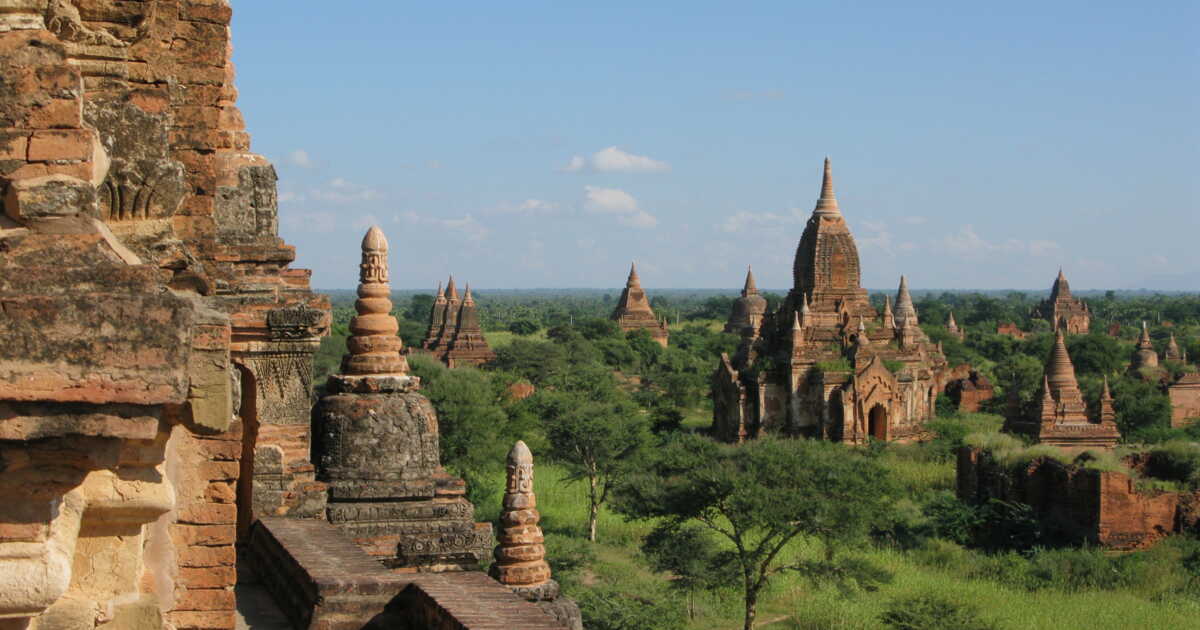
Exploring the temples of Bagan is like tracing time within one of the world’s largest archaeological sites. Located in a vast central plain, this region alone encapsulates Myanmar’s religious heritage, with more than 2,000 Buddhist monuments rising across the landscape. Among the key sites, the Ananda Temple, the Shwesandaw Pagoda, and Thatbyinnyu attest to ancient architectural genius, often enhanced by the first light of day.
The experience becomes even more striking when viewed from the air, aboard a flight with Oriental Ballooning, offering a unique perspective on the scenery. For a structured trip, using a rental car from Pindaya or an electric scooter can be wise, while ensuring to respect local norms, notably the traditional attire required at these unique sites.
2. Discover life around Inle Lake
Around Inle Lake, life unfolds between traditions and lake landscapes. In this mountainous region, local families sustain an ancestral way of life, with local markets, tea plantations, and floating gardens. Traversing the stilts and meeting Intha fishermen balancing on their boats is an authentic favorite for travelers attentive to the kindness of the locals.
A beautiful day of hiking can begin in Kalaw to reach the lake on foot, passing through villages of the country inhabited by mountain tribes. These routes are popular, but should be approached with caution, taking into account weather conditions and possible earthquakes in certain areas.
3. Admire the majesty of the Shwedagon Pagoda in Yangon
In the heart of Yangon, Shwedagon Pagoda stands as a major Buddhist archaeological site in Myanmar, often surrounded by a respectful and solemn atmosphere. Visiting this place helps to understand the importance of Buddhism in the local culture, while observing traditional dress, young monks, tribal women, and carefree children who move around in this sacred space.
Alongside, exploring the streets of Yangon and the People’s Park offers an intriguing transition to a city marked by its colonial past and its openness to the wider world. The city also reveals Burmese culinary specialties and crafts, in a lively yet composed atmosphere.
4. Trek to Mandalay Hill and U Bein Bridge
Around Mandalay, Myanmar’s second city and former capital, exploration ideally starts at Mandalay Hill. The panorama it provides, within a network of pagodas, helps to better understand the historical and religious layout of this area.
Organized itineraries, often offered by local companies, also allow reaching Mandalay-Sagaing in Myanmar, another substantial monastic center. Further south, the U Bein Bridge—rising above a shallow lake—offers immersion into local life. It’s best to visit at dawn or dusk to savor the changing atmosphere.
5. Relax at Ngapali Beach
Ngapali Beach, also known as Ngapali Beach, lies in a preserved coastal dimension of Myanmar. Located on the western coast facing the Bay of Bengal, it is ideal for a restful pause after the intensity of cultural circuits.
This setting, relatively untouched by mass tourism, nevertheless requires some preparation. For example? Checking accessibility, selecting reliable Gulf-area tour operators, and staying aware of health guidelines. This unique place, rooted in the Ngapali Arakan region, can also foster meaningful exchanges with locals about fishing, seafood, or coastal traditions.
6. Explore the caves of Hpa-An
The caves of Hpa-An, notably Saddan Sacred Cave and Kaw Ka Thawng Cave, are emblematic of the natural and religious heritage of southeastern Myanmar. These limestone formations, sprinkled with Buddha statues, stelae, and ancient inscriptions, are visited in a reflective ambiance.
Access to these caves typically starts from the town of Hpa An, via hiking-friendly paths or using suitable local transport. They are sometimes included in less-touristed circuits, combined with villages where one can discover rice wine, long-necked women, and other facets of Burmese diversity.
7. Join a Kalaw to Inle Lake trek
The Kalaw to Inle Lake trek is one of Myanmar’s most renowned hiking routes. It winds through rolling hills, tea plantations, hamlets inhabited by hillside tribes, and fields cultivated by traditional methods.
This experience often includes homestays with local families, direct contact with residents, and demands serious preparation to adapt to the climate. The route also reveals the geographical contrasts of this mountainous region, between the cool highlands and the humid valleys, before reaching the shores of Inle Lake.
8. Metropolitan experience in Naypyidaw
Naypyidaw, the city of the same name and administrative capital since 2005, embodies another facet of contemporary Myanmar. With its empty avenues and oversized urban planning, it often confounds the visitor, yet offers a unique glimpse into the Burmese state project.
From official institutions to sites like Uppatasanti Pagoda or the Zoological Garden, the capital reveals itself in a spirit of observation. Due to the strong presence of the military, movements should be planned with caution, particularly via authorized companies.
9. Discover the Golden Rock at Kyaiktiyo
The Golden Rock of Kyaiktiyo, perched on a rocky peak, is a unique pilgrimage site in southeastern Myanmar. Its structure seems to defy gravity, balanced atop over a thousand meters high, gilded in gold and crowned with a pagoda. The site attracts tourists as well as devotees from across the country.
The ascent can be done on foot or via a local shuttle, though one must remain mindful of crowds, seasons, and strict cultural rules. The Golden Rock sits within a spirituality that is often shared with women, young monks, or children, in accordance with traditions.
10. Savor Burmese cuisine
Burmese cuisine provides a fundamental gateway to understanding Myanmar through its flavors and customs. From Mohinga, a fish soup often enjoyed for breakfast, to Laphet Thoke, the tea-leaf salad, the cuisine stands out for its use of simple yet aromatic ingredients.
Rice wine, artisanal in certain regions, sometimes accompanies meals. These dishes are discovered in local markets, at homestays, or in eateries frequented by locals, far from mass tourism. Gastronomy thus becomes a vehicle for meeting people and understanding the country.
11. Ngapali Beach
Ngapali Beach, on Myanmar’s western coast, embodies a rare seaside space still preserved from mass tourism, nestled between turquoise sea and fishing villages. Located in the Ngapali Arakan region, this Ngapali Beach enchants with its calm, palm trees, and direct access to the Bay of Bengal, making it a unique place to rest after a dense cultural itinerary. Despite its appeal, access remains conditioned by the availability of regional operators, often modest, and the need to verify up-to-date information about the area, which is subject to occasional restrictions.
In a Myanmar on a journey of discovery, this seaside stop can be integrated as a complement to a structured itinerary, linking the streets of Yangon, Mandalay’s historic sites, or the caves of Hpa An, providing a balance between heritage exploration and relaxation. In a setting more detached from the bustle of the country’s major cities, interactions with locals, sampling rice wine or culinary specialties, and strolls along Ngapali Beach offer travelers a measured immersion, provided you approach this coastline with the necessary logistical precautions.
12. Explore Mandalay Hill
Finally, Mandalay Hill, integrated into any visit to Mandalay in Myanmar, is a key vantage point. At the top of this hill lies a pagoda from which there is an unobstructed view over the city and the surrounding countryside. Access, sometimes steep, is by foot or by motorized means, depending on the condition of the trails. The site is also frequented by young monks, adding a lively and educational dimension to the visit.
By pairing this step with Mandalay Sagaing in Myanmar, travellers discover two important spiritual centers, reinforcing the appeal of a structured circuit in this central region. In conclusion, Myanmar invites exploration and discovery while demanding careful preparation and constant vigilance regarding the security situation. Choosing an ethical journey, planning itineraries with current conditions in mind, and strictly respecting local customs will ensure a rewarding and safe experience.
What is the current situation in Myanmar?
The situation in Myanmar remains fragile and complex. The country is on a high security alert… The military regime exercises strict control; border areas and certain interior regions are the theater of armed violence, unexploded landmines, and poorly maintained infrastructure.
Official warnings advise avoiding non-essential travel, given both the risks of conflict and the limited access to medical care and emergency assistance. For a traveler, this requires extreme vigilance: stay informed in real time, avoid gatherings, avoid remote rural areas, and favor well-marked and recognized routes.
Is it advisable to go to Myanmar?
From a purely tourist perspective, Myanmar offers an exceptional array of cultural and natural riches, but in terms of safety and accessibility, the situation warrants strong cautions… Foreign authorities have all, without exception, issued advisories urging postponement of trips or strict limitation of the areas visited.
Thus, a traveler might consider an exceptional stay, with rigorous organization, an itinerary focused on safe zones as previously noted, and professional guidance. It is also recommended to obtain comprehensive insurance, prepare a contingency plan, and strictly respect local rules (no photos of soldiers, precautions in sensitive areas). The trip should be conceived as an expert journey, not merely a beach holiday.
When to visit Myanmar?
What is the right time to travel to Myanmar? The best climatic period for a stay in Myanmar is during the dry season, from November to February, when visiting conditions are more comfortable: clear skies, access to Ngapali’s beaches, and passable roads. Conversely, the rainy season runs from June to October, making some accesses difficult, particularly the coastal regions, and heavy rainfall can sometimes disrupt travel. Seasonal planning thus allows combining the best weather with better accessibility—a crucial criterion in Myanmar’s particular context.
This article was written with the help of artificial intelligence, then revised, extended, and validated by the editors of the desk.
4. Admire the Temple of Hatshepsut at Deir el-Bahari
5. Take a felucca ride on the Nile
6. Enjoy a hot air balloon ride
7. Stroll through the Luxor souk
8. Explore the Luxor Museum
Is Luxor worth it? An essential immersion into the history of ancient Egypt
Is it possible to visit Luxor in one day? What you need to know to optimize a express visit
Are there pyramids in Luxor? What the sacred geography of ancient Egypt reveals
What to do in Luxor in the evening? Enjoy a lively city between history and local atmosphere
Luxor, the pharaonic city perched along the banks of the Nile, is renowned for its astonishing concentration of monuments from ancient Egypt. This destination offers a unique blend of archaeological treasures and captivating cultural experiences that draw every year many visitors seeking history and adventure. If you’re planning a trip to Luxor, you may wonder what the best activities to explore are. This guide offers a selection of activities to maximize your stay in Luxor, whether you have one day or several days.
1. Explore the Karnak Temple
Explore the Karnak Temple, a true masterpiece of the temple construction of ancient Egypt, located in the ancient Thebes, today the city of Luxor, along the Nile. This monumental-building site, among the largest tourist sites in the country, reveals the symbolic power of the priests of the era and of the faith in Amun-Ra, through spectacular pharaonic works such as the hypostyle hall, its 134 columns, and the Avenue of the Sphinxes. This site of the final resting place of stone statues illustrates the construction of Egypt with striking ornamental richness. A visit of Luxor would not be complete without this essential stop, especially since its overall ticket often integrates into a multi-site ticketing system covering several palace ruins.
2. Visit the Luxor Temple
The Luxor Temple, in the heart of the city of Luxor, embodies the very essence of the ancient city thanks to its ritual origins dedicated to Amun-Ra. It used to be linked to Karnak by the Avenue of the Sphinxes, and this site comes alive each evening with lighting effects during the night show that reveals the carved details of its stone colossi and ancient religious scenes. This tourist site, located in the old town, preserves precious testimonies of Egyptian history, including the imposing obelisk of Ramesses II. To optimize the discovery, be sure to check the required ticket and follow practical tips, notably a temple tip: arrive in the afternoon, when temperatures become more pleasant.
3. Discover the Valley of the Kings
The Valley of the Kings, tucked on the west bank of the Nile, is a highpoint of the archaeological wealth of ancient Egypt, housing the funerary chambers of rulers such as Tutankhamun and the tombs of Ramesses. This final resting place fascinates with its stone surprises, funerary frescoes and rock-cut corridors. A visit to Luxor must include this , where every tomb tells the grandeur of the pharaonic works. The global ticket or required ticket varies depending on which tombs are open, so it is useful to follow a valley tip: plan several days in Luxor, wear good shoes, and enlist the help of a local guide to fully appreciate this treasure of Egyptian history.
4. Admire the Temple of Hatshepsut at Deir el-Bahari
Architectural masterpiece of the second half of the New Kingdom, the Temple of Hatshepsut at Deir el-Bahari, located on the west bank, testifies to the-power of a female pharaoh and the ingenuity of the pharaonic building efforts. Built into a cliff with remarkable symmetry, this site of construction offers an immersion into the pyramid-building and the royal funerary rituals. Overlooking the valley villages, it also reveals an unobstructed view of the villages with scenes of agricultural life painted in neighboring tombs. The Luxor visit gains intensity with this site, accessible with a global ticket at a reasonable price.
5. Take a felucca ride on the Nile
Navigating the Nile by felucca is a unique way to discover the contours of the city of Luxor, while enjoying a moment of calm after the peak temperatures of the day. This stroll allows you to glimpse major sites, from the west bank to the old town, and to feel the grandeur of the river that was the heart of the construction of Egypt. It is also an opportunity to behold the Memnon Colossi in the distance, silent witnesses to the Egyptian history, in an atmosphere conducive to contemplation. This experience, ideal in the afternoon, fits perfectly into a multi-day exploration with the balloon flight included.
6. Enjoy a hot air balloon ride
A hot air balloon ride at sunrise allows you to take in at a glance the extent of the temple constructions and the village-scapes of the valley, at the heart of Luxor’s archaeological riches. Up there, the stone colossi, the fertile fields along the Nile, and the palace ruins take on a completely different dimension. The ancient city unfolds before you in all its splendor, illuminated by the colors of dawn. This activity, available at a reasonable price, is among the practical tips to follow for a full immersion into ancient Egypt, especially if you plan several days by the river.
7. Flânez dans le souk de Luxor
Luxor’s souk, in the heart of the old city, is a place where the past and the present meet. Here you’ll find objects drawn from millennia-old traditions, true cornerstones of local culture. Between the colorful stalls and the scents of spices, this timeless village offers a living glimpse into everyday Egyptian life. Exploring this market also yields valuable tips from locals about places to visit, including the valley villages or the best times to discover the Valley of the Kings. Ideal in the afternoon, when temperatures become more comfortable.
8. Explore the Luxor Museum
The Luxor Museum, or Luxor Museum, complements the experience by offering a didactic look at objects and statues found during the excavations of pharaonic sites. Located in the city of Luxor, this well-organized tourist site helps understand Egyptian history through a carefully curated selection of masterpieces, some drawn from the Temple of Luxor or the Valley of the Kings. Thanks to lighting effects and a sober scenography, this venue highlights the stone surprises found in tombs or temples. A stop not to be missed, especially late in the day in Luxor, to enrich your understanding of the heritage.
In conclusion, Luxor is full of historical and cultural treasures to discover. Whether you choose temple visits, a Nile boat ride, or exploring the local souk, each activity brings you a little closer to the ancient Egyptian empire. If you have time, consider also exploring nearby areas, such as Aswan, to enrich your Egyptian experience. In any case, Luxor promises a fascinating adventure around every corner.
Is Luxor Worth It? An Essential Immersion in the History of Ancient Egypt
Asking whether Luxor is worth it comes down to evaluating the value of encountering the essence of ancient Egypt. The city of Luxor, built on the ruins of ancient Thebes, offers an unparalleled archaeological wealth, split between its west bank — the realm of the dead — and its east bank, the heart of living temple constructions. Between the Louxor Temple, the Luxor Museum, the Valley of the Kings, the Colossi of Memnon, or even Medinet Habu, every visit to Luxor becomes a journey through the pharaonic building sites, mythological tales, and practical tips to understand the Egyptian history. At each site, another stone is laid in the memory-building edifice, making each day on site dense, structured, and memorable. Even in a few days in Luxor, the historical and symbolic depth of this ancient city of Luxor makes it a essential destination.
Is it possible to visit Luxor in one day? What to know to optimize a express visit
Visiting Luxor in one day is feasible, but requires careful planning. For this, it is recommended to rely on a local guide and to favor a clear ticketing system, such as the Global Ticket, allowing access to the main sites. A well-thought-out route would include the Louxor Temple in the morning, followed by a quick visit to the Luxor Museum, then crossing the Nile to the west bank to explore the Colossi of Memnon, the Valley of the Kings, and if time allows, a stop at Medinet Habu. It is essential to wear good shoes, have pre-purchased admission tickets, and factor in the midday temperatures, which are often high. Even in a tight schedule, the archaeological experience remains dense, especially if guided and structured. Luxor, even in a well-filled afternoon, offers unforgettable stone surprises.
Are there pyramids in Luxor? What the sacred geography of ancient Egypt reveals
No, there are no pyramids in Luxor; those are located in the Giza region, in the north of the country. In Luxor, one explores a completely different facet of the construction of Egypt, focused on temples, rock-cut tombs, and the funerary chambers decorated with meticulous detail. The Valley of the Kings, which houses the tombs of Ramesses, the tomb of Ramesses VI, that of Tutankhamun, or the queen Nefertari’s tomb in the Valley of the Queens, represents the apex of this underground architecture, where every detail reflects beliefs tied to the place of final rest. These tombs bear witness to the evolution of funerary rituals and to the influence of the priests of the era, in a more intimate and symbolic context than the pyramids of Giza. Luxor thus offers no pyramids, but a dive into another form of grandeur, just as fundamental.
What to do in Luxor in the evening? Enjoy a lively city between history and local atmosphere
What to do in Luxor in the evening goes far beyond simply visiting the historic sites. As the day ends, temperatures become more comfortable, offering a good time to stroll through the old town, along the Nile, or discover the Luxor Temple, enhanced by the lighting effects that illuminate the site every evening. Many hotels and restaurants offer evenings with views of the river, while evening cruises on small boats allow you to rediscover the city from the water. For those who wish to extend the cultural experience, sound-and-light shows or guided nighttime tours offer another reading of the ruins. Evening is also the ideal time to chat with locals, discover timeless villages, or simply soak in the atmosphere of a city where the past and the present coexist harmoniously.
This article was written with the help of artificial intelligence, then corrected, expanded, and validated by the editorial team.
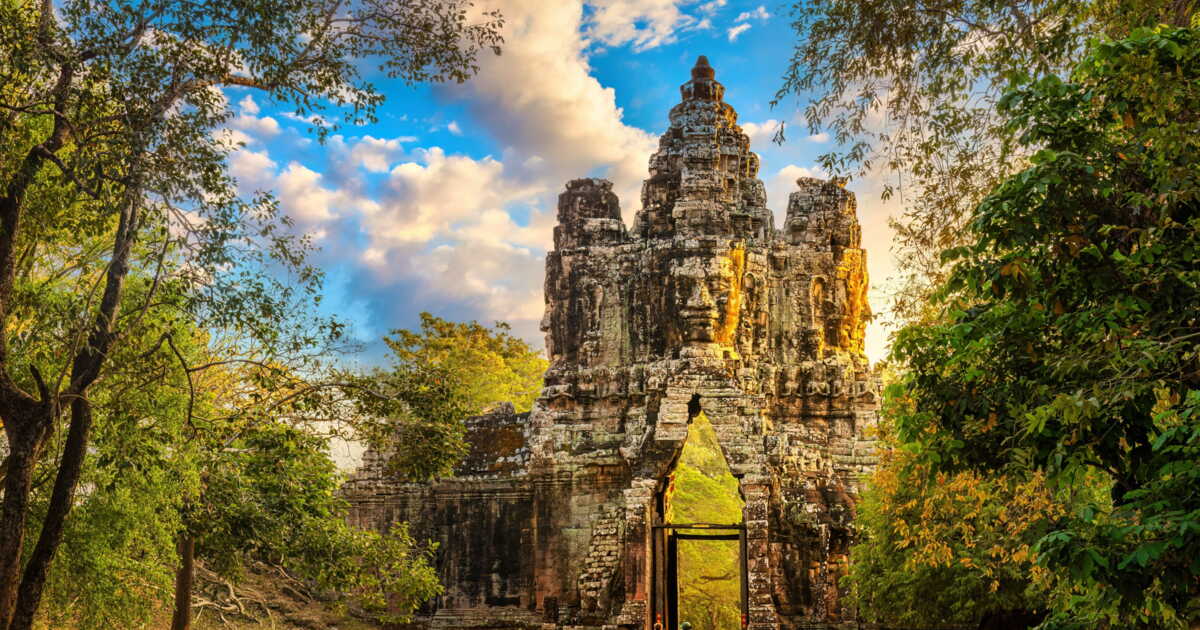
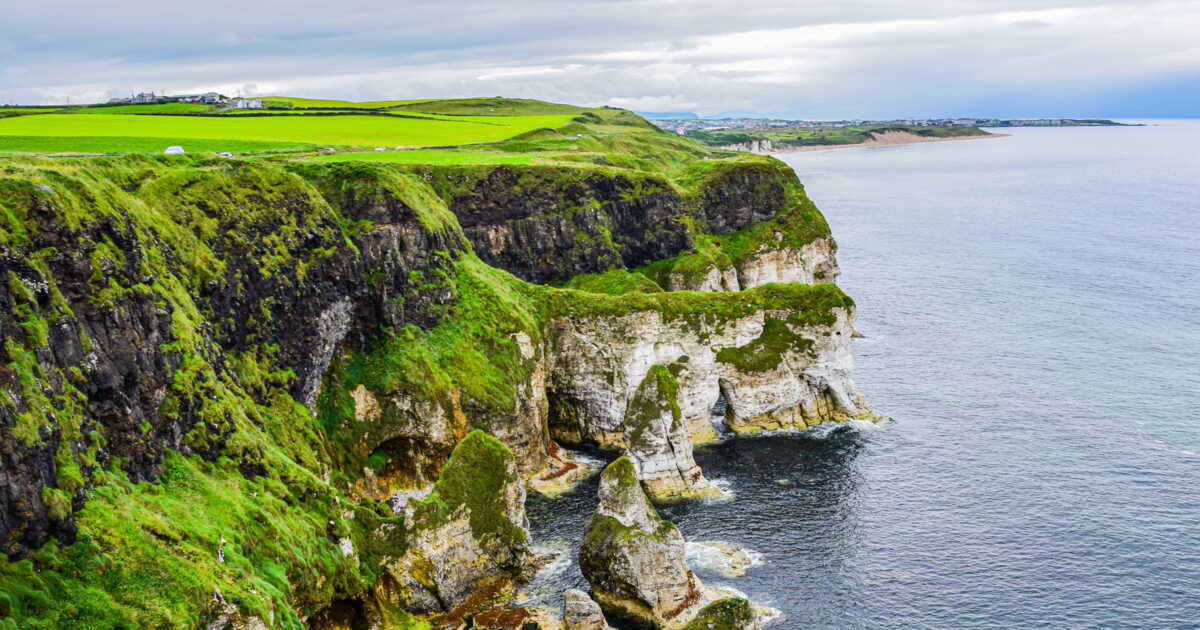
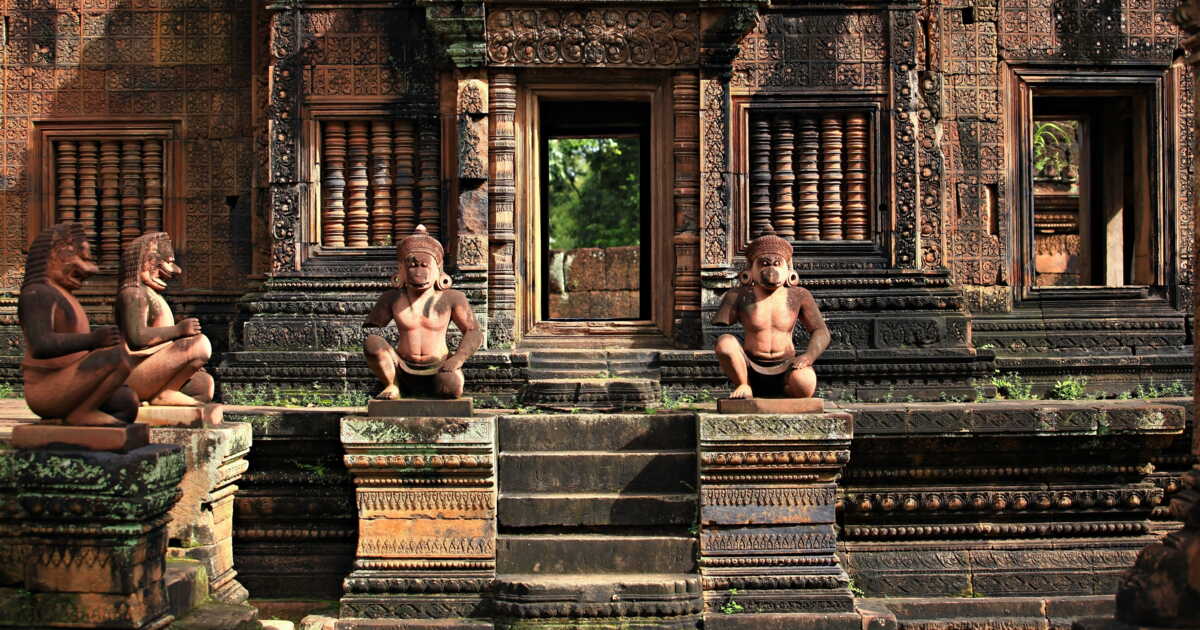
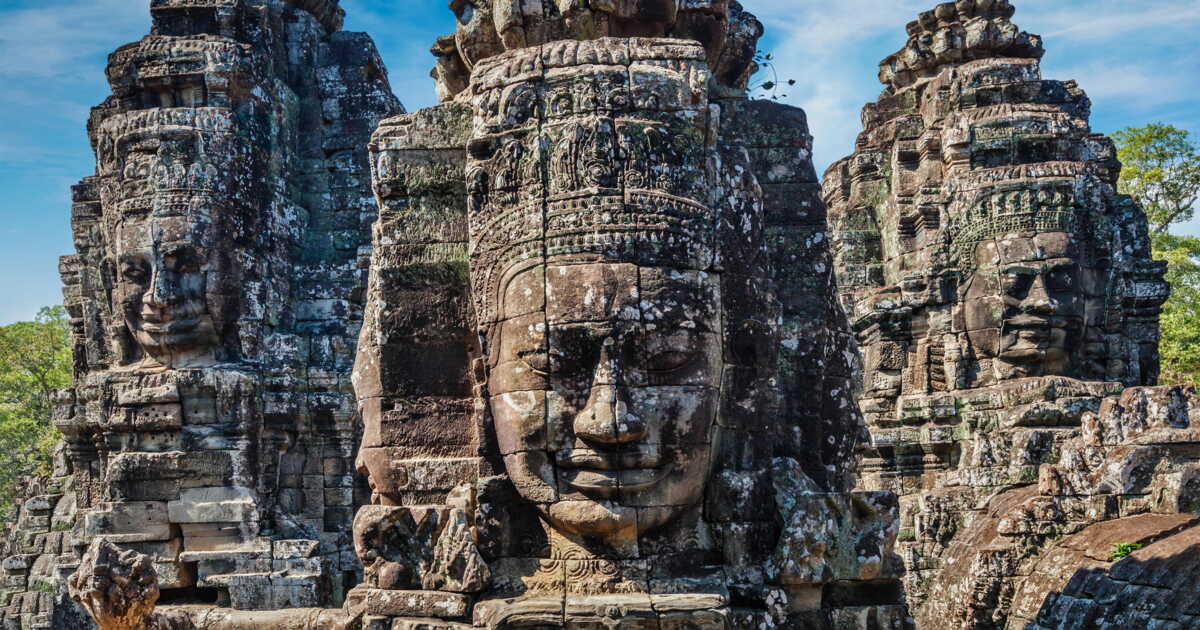
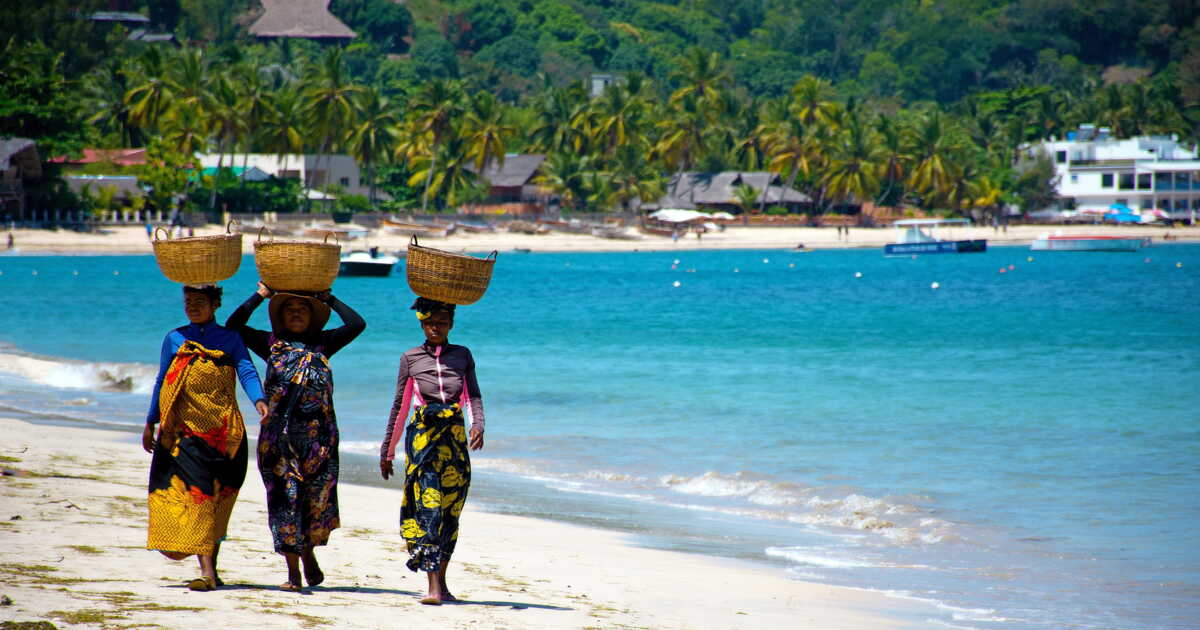
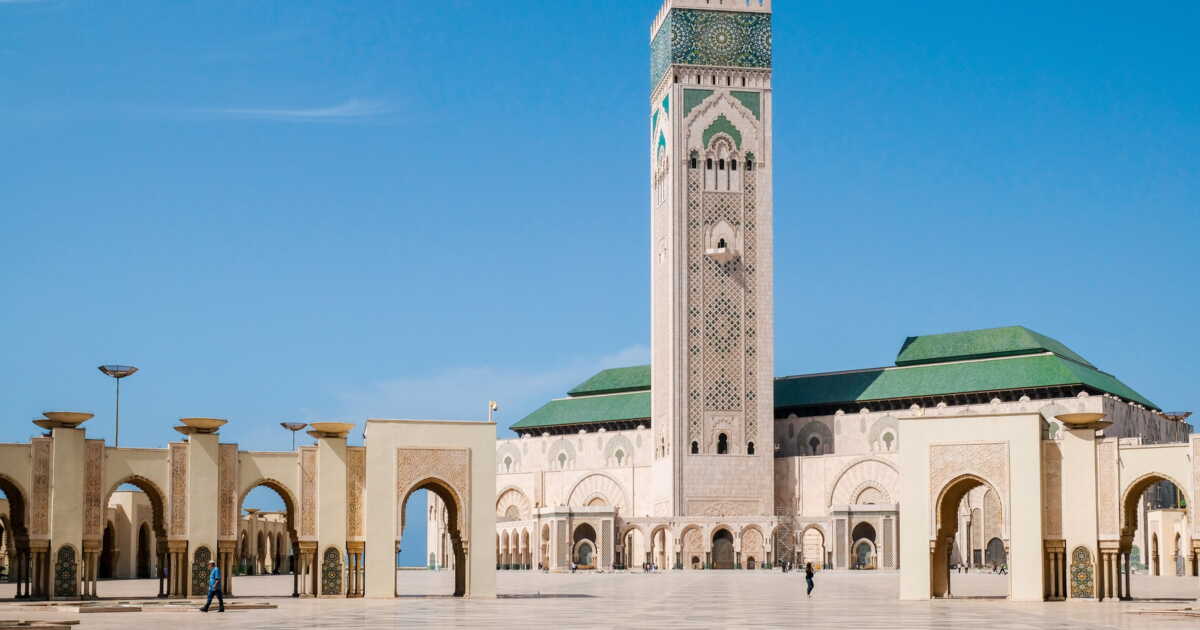



 Publié par Amelia Brille