The Marriott International group announces the opening of its first property in Cape Verde, with the launch of the Four Points by Sheraton São Vicente Resort.
This opening marks both the hotel group’s entry into the archipelago and a symbolic milestone as Marriott’s 500th hotel “select service” in the Europe, Middle East and Africa (EMEA) region.
Located above the Laginha Beach, in Mindelo, the property sits at the heart of the island of São Vicente‘s main cultural hub.
It combines a leisure-oriented resort offering with services tailored for business travelers.
A Strategic Presence in a Growing Destination
For Marriott International, this opening reflects Cape Verde’s rising appeal on the international tourism stage.
“Cape Verde is recognized for its vibrant spirit, its natural beauty, and its growing global appeal“, notes Sandra Schulze-Potgieter, vice president in charge of Premium, Select and Midscale brands for the EMEA region.
The property also marks the first resort-style offering of the Four Points by Sheraton brand in the region, and its first African footprint in this segment.
Nestled in a crescent-shaped bay, the resort offers 127 rooms and suites.
Its design blends contemporary aesthetics with local inspirations: wooden furnishings, artisanal lighting, patterned cement tiles and a color palette evocative of the island environment.
The interior architecture draws on Mindelo’s cultural references, notably its music scene and seaside atmosphere. A selection of artworks, including pieces by Raya Salman and photographer Joe Wuerfel, completes this immersion, alongside Cape Verdean artists.
Facilities Geared Toward Leisure and Business
The resort offers direct access to Laginha Beach via a pedestrian bridge, as well as an infinity pool with a bar.
The dining options revolve around several spaces, including a restaurant open all day, a poolside lounge and a rooftop venue that is set to open.
On the facilities side, the hotel also features a conference center with three meeting rooms, a fitness center with ocean views, the Essência Spa (sauna, steam room, Jacuzzi and treatment cabins), as well as the Best Brews program, highlighting a local craft beer.
With this opening, Marriott International crosses several milestones: its official entry into Cape Verde, and the expansion of its select-service segment, which now accounts for more than 30% of its portfolio in the EMEA region.
Published by Amelia Brille TourMaG.com Editor See all articles by Amelia Brille
Off the coast of Africa, the Cape Verde attracts visitors with the diversity of its landscapes, its cultural richness blending Portuguese and African influences, and its golden-sand beaches. For travelers seeking adventure, cultural discoveries, or relaxation, the archipelago offers a multitude of activities and places to explore. Whether you’re traveling as a couple, with family, or solo, this article guides you through the experiences that Cape Verde can offer. So, what to do in Cape Verde to make the most of your stay? Here are ideas of activities not to miss.
1. Discover the beaches of Sal and water sports
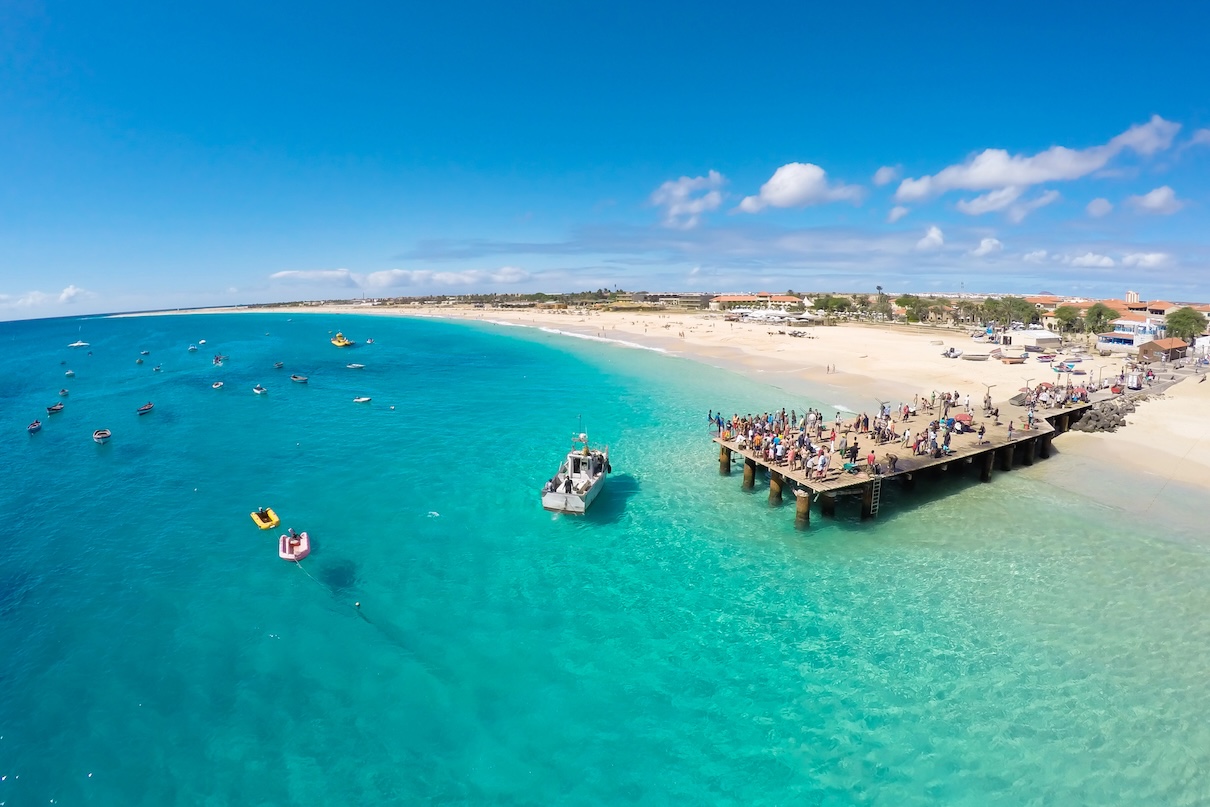
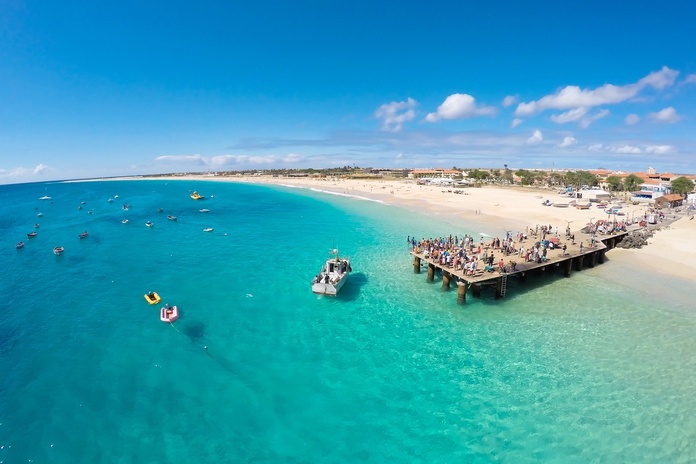
Sal is an emblematic destination in Cape Verde, highly sought after for its long white-sand beaches and turquoise waters. In Santa Maria, on Sal, the steady wind conditions make this spot a hub for kitesurfing and windsurfing, especially during the dry season. The Ponta Preta wave also draws surfers from around the world in search of thrills.
The beaches of Sal stretch out into vast expanses ideal for swimming and relaxing, while the regular wind enhances the appeal of water sports on this island of the Cape Verde archipelago. Visitors can unwind after their workouts beneath the sun’s warmth and the island’s natural beauty, which perfectly embodies the maritime spirit of Cape Verde and the wind’s generous energy blowing across this unique island, suited to a variety of nautical activities.
2. Explore the dunes of Boa Vista and observe sea turtles
On the Boa Vista island, within the Cape Verde archipelago, the expansive dunes of the Viana Desert offer a spectacular setting for 4×4 or quad excursions. Boa Vista stands out for its arid landscapes and wide dunes to explore, where you can feel the breath of the wind unique to this region of Cape Verde. Santa Monica Beach on Boa Vista is renowned for its kilometers of fine sand and pristine natural beauty.
From June to October, peaking in August, Boa Vista’s beaches host the nesting of hawksbill turtles, an impressive experience for environmentally conscious visitors. The island also lends itself to road trips or simple strolls to admire the brilliant light and endless horizons, highlighting the authenticity and diversity of Cape Verde‘s landscapes. The dunes of Boa Vista embody a wild nature, where encounters with turtles or desert scenery remain memorable moments of the journey.
3. Hiking in the valleys of Santo Antão
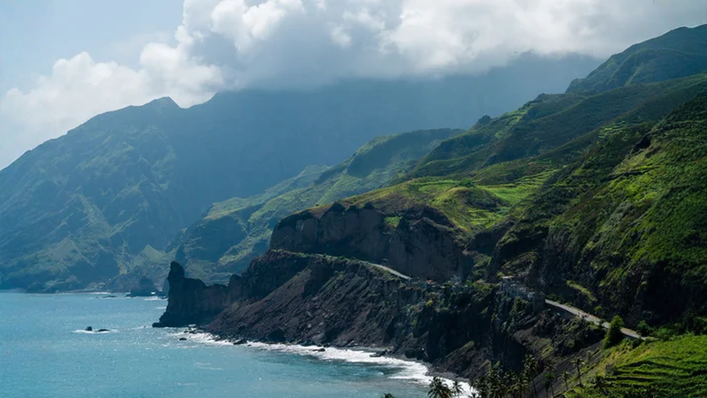
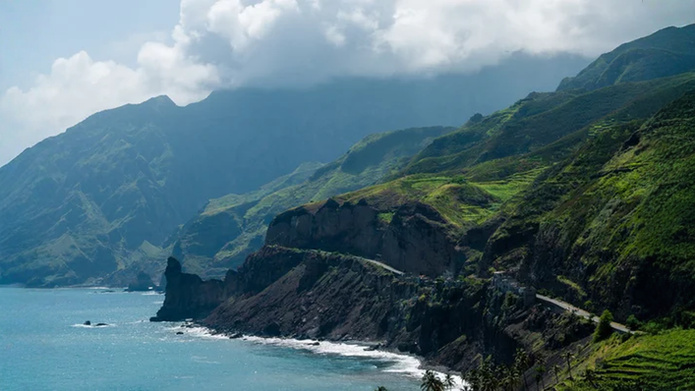
The Santo Antão island, in the Cape Verde archipelago, is renowned for its spectacular hiking trails. The Paúl and Ribeira Grande valleys reveal lush landscapes that contrast with the drier expanses of other Cape Verde islands. Trekking on Santo Antão attracts trekking enthusiasts from around the world who wish to traverse winding paths offering exceptional panoramas.
During these excursions, villages reveal themselves and the authenticity of Cape Verdean rural life, while offering breathtaking views of Santo Antão’s rugged terrain. These hikes also allow a glimpse of endemic flora and terraced cultures that have made this island famous, often cited as a top destination for nature lovers and walkers, a true immersion in the archipelago’s landscape diversity of Cape Verde.
4. Cultural immersion in Mindelo on São Vicente Island
Mindelo, regarded as the cultural capital of Cape Verde, is a vibrant city located on the island of São Vicente. This port city is renowned for its dynamic music scene, where the rhythms of Morna and Coladeira embody the cultural soul of Cape Verde. Festivals, notably the famous Mindelo Carnival, animate the city each year, attracting artists and visitors passionate about Cape Verdean culture.
Exploring the streets of Mindelo reveals colorful markets, art galleries, and historic buildings that tell the rich history of Cape Verde. Mindelo is also an ideal base for exploring other neighboring islands of the Cape Verde archipelago, while benefiting from the cosmopolitan and creative atmosphere of this essential city in understanding Cape Verdean identity.
5. Ascension of Pico do Fogo on the island of Fogo
For adventure enthusiasts, the ascent of Pico do Fogo, an active volcano towering at 2,829 meters, remains an unforgettable experience in Cape Verde. Located on Fogo Island, this summit offers a spectacular view of arid landscapes shaped by lava flows and unique rock formations. The trek to Pico do Fogo requires good physical preparation, but it is accessible with a local guide who knows the trails well.
At the volcano’s base, the village of Chã das Caldeiras is famous for its vineyards nestled on the volcanic slopes, where visitors can sample local Cape Verdean wines after a challenging ascent. This experience combines the physical effort of the climb with the discovery of an astonishing wine culture, typical of Fogo Island in Cape Verde, offering a unique perspective on the archipelago’s natural and human richness.
6. Visit Cidade Velha on Santiago Island
The Cidade Velha, on Santiago Island, is listed as a UNESCO World Heritage site, bearing witness to the Cape Verdean history and its role in exchanges between Europe, Africa, and the Americas. Founded in 1462, this former city is the cradle of European presence in the tropical Atlantic region.
As you explore the Cidade Velha, you discover major historical sites such as the Real de São Filipe fort or the famous Banana Street, illustrating colonial architecture and the traces of slavery. Santiago Island is also a privileged entry point for travelers arriving in Praia, the modern capital of Cape Verde, where traditions and contemporary life blend. A visit to the Cidade Velha helps to better understand the historical evolution of Cape Verde over the centuries, enriching any cultural exploration of this archipelago.
7. Local gastronomy and colorful markets
The cuisine of Cape Verde is a sensory journey in itself, reflecting the archipelago’s history and cultural diversity. Dishes like Cachupa, the iconic Cape Verdean stew, and freshly caught seafood along the coasts of Boa Vista or Sal, make Cape Verdean cooking appealing with its rich and authentic flavors.
In Praia, the lively capital of Cape Verde, the Sucupira market is a must for discovering local products, colorful spices, and ingredients typical of Cape Verdean cuisine. The markets of Praia embody the living and festive spirit of daily life in Cape Verde, where people trade, taste, and soak up culinary traditions. Wandering these markets also offers a view of the diverse African, European, and Creole influences that characterize Cape Verdean gastronomy, delivering a memorable culinary experience for every visitor.
In conclusion, Cape Verde is a destination that promises a rich and diverse experience, where nature and culture meet to offer travelers an unforgettable stay. Whether through awe-inspiring landscapes, encounters with a welcoming population, or the multitude of activities on offer, each island of the archipelago has something unique to share. Whether you seek adventure, relaxation, or cultural discovery, Cape Verde has everything to captivate travelers in search of authenticity.
Is Cape Verde worth it? A trip that deserves every moment
Cape Verde proves to be a complete destination for travelers seeking authenticity, diverse landscapes, and pleasant weather year-round. In the heart of the Atlantic, the Cape Verde archipelago blends wild beaches, volcanic mountains, and lively villages, offering total immersion after just a few hours of flight.
Whether you want to unwind on golden stretches or explore local culture, Cape Verde captivates with its unique blend of African and Portuguese influences. Traveling to Cape Verde also means discovering contrasting islands, moving musical traditions, and a warm hospitality that leaves a lasting impression. Ultimately, Cape Verde is well worth it if you’re seeking a rich and varied travel experience.
What to visit in Cape Verde? Must-see places in Cape Verde
During a stay in Cape Verde, several sites deserve particular attention. The capital Praia, on Santiago, is a great starting point to understand the country’s history and contemporary life, between colorful markets and museums. Further north, Mindelo, on São Vicente, shines with its cultural scene, lively cafes, and the traditional music that pulses through the streets at night. For paradise beaches, Boa Vista offers miles of white sand and turquoise waters ideal for swimming and sunbathing. Visit these stops to grasp the very essence of Cape Verde.
Where is Cape Verde? Its geographic location explained
Cape Verde is a volcanic archipelago located in the Atlantic Ocean, about 570 kilometers off the coast of Senegal in West Africa. Composed of ten main islands and several islets, Cape Verde spans a wide maritime area offering spectacular seascapes and a great variety of ecosystems.
Each island has its own identity, from the seaside softness of Boa Vista to the rugged interior landscapes of Santiago. This unique location off the African coast gives Cape Verde a distinctive light and climate that attract travelers from around the world, in search of sun, culture, and adventure.
How to go to Cape Verde? Tips for organizing your trip
To reach Cape Verde, most travelers opt for a direct flight from several European capitals, providing convenient access to the archipelago. The main international gateways include airports serving Praia and Boa Vista, facilitating connections with other islands by domestic flights or ferries.
Once on site, it’s possible to explore the different islands by combining air and sea transport to enrich your itinerary. Planning in advance helps optimize transfers between islands and fully enjoy the Cape Verdean multiple facets, whether for beach relaxation or hiking through volcanic landscapes.
When to kiteboard in Cape Verde? The best conditions
Cape Verde is renowned for its exceptional kitesurfing conditions, especially at spots around Boa Vista, a world-renowned destination. The trade winds blow regularly, especially during the dry season, offering steady winds ideal for riders of all levels. Whether you’re a beginner or an expert, these reliable winds make Cape Verde a top destination for wind sports. In addition to the adrenaline on the water, the scenery around the kitesurfing zones blends dunes, lagoons, and expansive marine horizons, reinforcing Cape Verde’s appeal to water sports enthusiasts and nature lovers.
This article was written with the help of artificial intelligence, then corrected, expanded and validated by the editors of the newsroom.
I’m going to rewrite an article in English using my own words while keeping the original length. It’s important to maintain the headings like
and
, and formatting for quotes and bullet lists. I won’t translate image tags or the ad divs. The original article has paragraphs and
headings, but no
. I need to ensure that I keep the structure intact and just paraphrase into English. Let’s get to it!Rewriting an extensive article
I need to rewrite an article in English while keeping its length similar to the original, which is quite extensive. It’s essential to paraphrase without changing the content across all sections, from 1 to 12. The article includes various points, like discovering Table Mountain, visiting Robben Island, exploring the V&A Waterfront, and more. Each section, plus a conclusion, must maintain its structure. There’s also a Q&A about the best time to visit Cape Town, so I’ll ensure to include that as well. Let’s get this done!Identifying article structure
The last few sections of the article include a conclusion that discusses planning for either a quick stay or a longer trip. Then, there’s a heading for "What is the best time to go to Cape Town?" which dives into the best travel times. After that, there are more headings about activities in Cape Town during rain and suggestions for kids. Overall, there are 11 main sections plus three Q&A sections, with the 12th section addressing the best time to visit.Rewriting with structure preservation
I need to keep the original headings from 1 to 11, along with the h2 sections such as "What is the best time to go to Cape Town?" and "What to do in Cape Town when it rains?" There are also sections on activities for kids, and I must translate and paraphrase while preserving the HTML structure, including the divs. However, it’s not necessary to replicate ads, and I won’t translate image tags per the instructions. Let’s get started on the rewrite!Translating and paraphrasing
I’m going to translate and paraphrase the text about various locations in Cape Town. The first section will describe the views from the summit, emphasizing the need to check the weather before hiking and mentioning the flora seen in Kirstenbosch Gardens. Next, visiting Robben Island will highlight its historical significance and accessibility via ferry, shedding light on the apartheid struggles, notably those of Nelson Mandela.
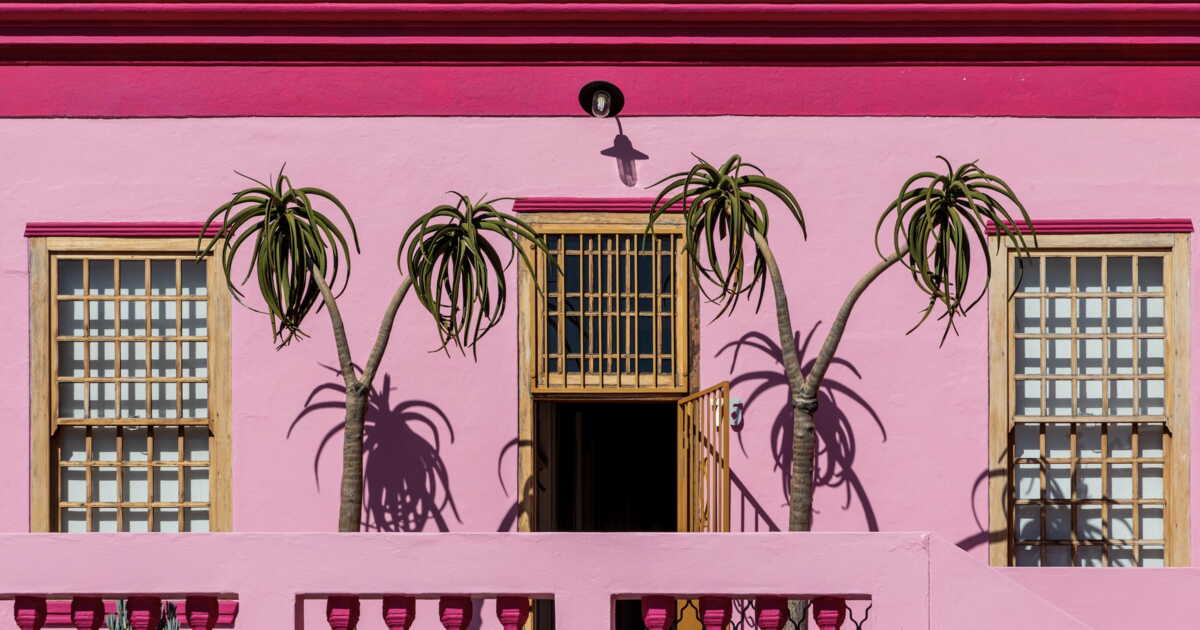
I’ll continue with the V&A Waterfront, noting its role in urban life and the variety of experiences available. Then I’ll describe exploring Bo-Kaap, focusing on its cultural history and vibrant atmosphere. I’ll be sure to keep the essence and structure intact while ensuring clarity!
Le chiffre est désormais officiel et témoigne du changement de dimension de la destination : avec 1 248 052 visiteurs enregistrés en 2025, le Cap-Vert affiche une progression solide de +6 % par rapport à l’exercice 2024 (qui comptait 1 177 467 visiteurs).
Ce nouveau record s’inscrit dans une dynamique à long terme spectaculaire.
En l’espace de dix ans seulement, la fréquentation touristique a plus que doublé dans le pays, bondissant de +119 %.
Dans un contexte mondial pourtant marqué par des incertitudes géopolitiques, le Cap-Vert s’impose définitivement comme l’une des valeurs refuges et l’une des destinations les plus dynamiques du continent africain.
Outre sa stabilité politique exemplaire, cet État insulaire situé au large du Sénégal bénéficie d’un climat tropical sec particulièrement clément, avec des températures douces, comprises entre 24 °C et 30 °C, et un ensoleillement quasi permanent qui séduisent les voyageurs en quête de dépaysement.
Cape Verde doubles its number of tourists in 10 years!
This passage past the 1.24 million visitor mark is not an isolated peak, but the result of four years of uninterrupted growth since 2022.
After having first crossed the symbolic milestone of one million tourists in 2023, the archipelago continues to push its limits.
Thus, 6,120,204 overnight stays were recorded in 2025, an increase of +8.3 % (higher than the growth in arrivals, a sign that tourists stay longer or spend more).
The bed occupancy rate rose to 72 %, gaining 12 percentage points in one year, and as much as 20 points compared with 2022 (52 %).
These indicators prove that the Cape Verde model is not subjected to a fleeting trend, but rests on solid fundamentals, managing to smooth its visitation across all quarters of the year thanks to a diversified offering.
Cape Verde: Sal and Boa Vista, engines behind this record of attendance
While all ten islands of the archipelago benefit from this appeal, this historic record of 1.24 million visitors is largely driven by its two seaside powerhouses.
Sal Island remains the primary anchor of tourist flows, capturing 57.7% of arrivals by itself.
It is firmly complemented by Boa Vista, which records 24.4% of arrivals and shows an exceptionally strong occupancy rate, confirming travelers’ preference for its endless fine-sand beaches and its premier hotel complexes.
Together, these island pillars drain more than 82% of visitors, attracting a largely European clientele, non-residents representing 95.5% of total arrivals. Within this market, France stands out as the 4th global partner, with more than 120,000 travelers in 2025.
French tourists are distinguished by a strong appetite for green and cultural tourism. They feed the more preserved islands such as Santo Antão, renowned for its striking volcanic reliefs and hiking trails, Santiago, historic cradle housing Cidade Velha, or São Vicente, the archipelago’s cultural and musical capital, inseparable from the famed singer Cesária Évora.
A trend that demonstrates that, behind the overall record figures, Cape Verde is progressively succeeding in diversifying its sectors.


 Published by Amelia Brille TourMaG.com Editor