LATAM Airlines: Personalized Service, Comfort, and Exclusivity on the Paris to São Paulo Route


A Daily Frequency: Scheduling and Connectivity in South America
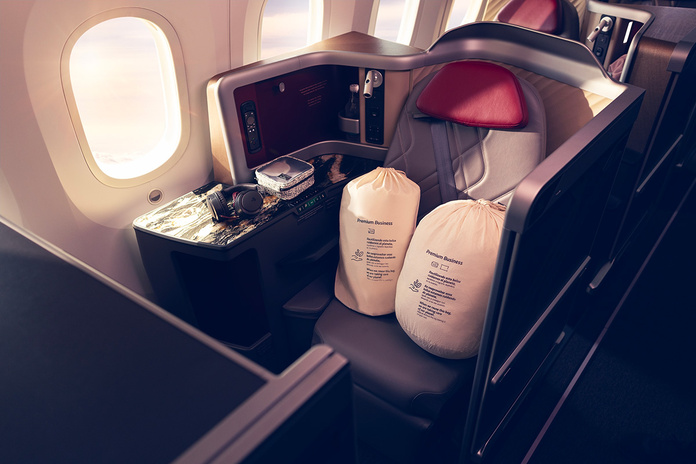
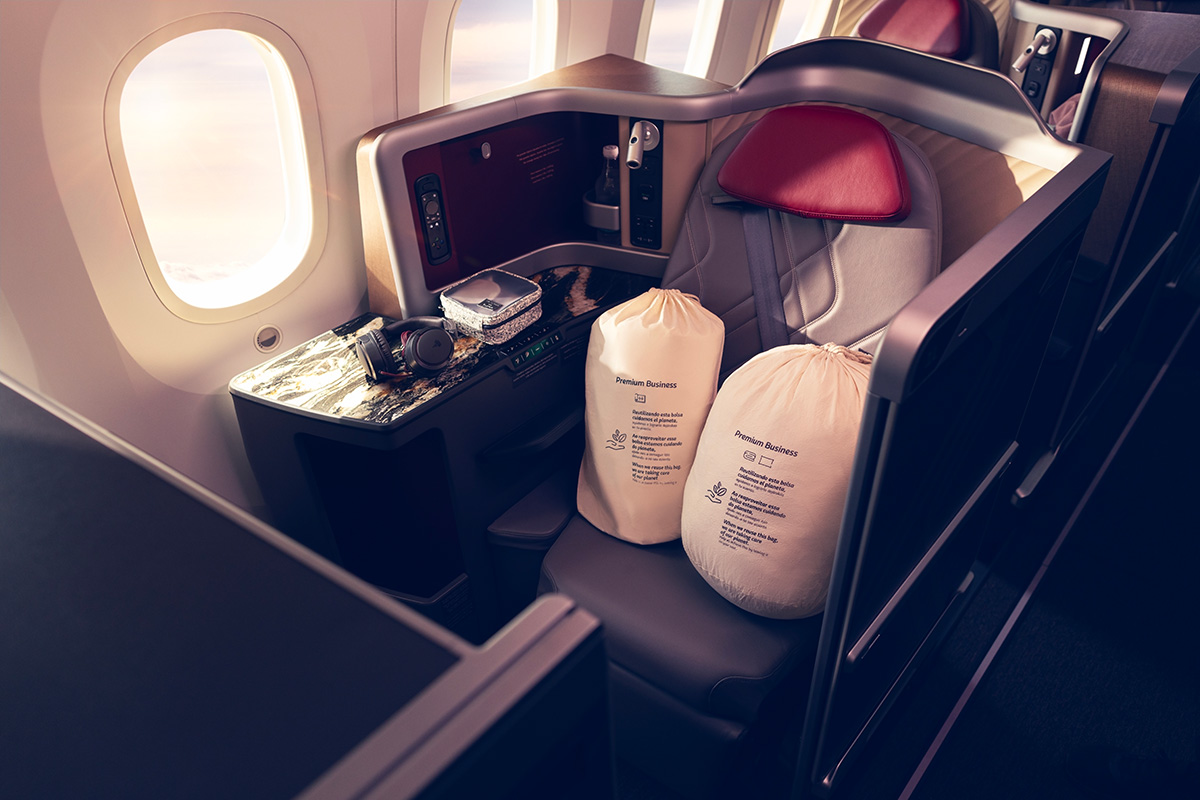
Cabine Premium Business © LATAM Airlines

MSC Croisières


The regular daily operation schedule offers agencies complete flexibility for their clients, with structured times that maximize work and rest periods:

Flight LA8067 (Paris – São Paulo): Daily departure at 13:00 and arrival at 20:00 on the same day. This daytime timetable facilitates morning connections in Europe and lets passengers work comfortably onboard in daylight or unwind before a late-evening arrival in Brazil.

Flight LA8068 (São Paulo – Paris): Daily departure at 18:20 and arrival at 10:35 the following day (+1). This red-eye flight maximizes onboard rest and allows a full day upon landing in France.

The strategic advantage of the São Paulo Hub (GRU): The real appeal of this route for tourism professionals lies in the Guarulhos transfer hub. Upon touchdown, passengers gain direct access to LATAM Airlines’ network:

Domestic network: Smooth connections to dozens of Brazilian airports (including major corporate and tourist centers such as Rio de Janeiro, Salvador de Bahia, and Brasilia).

Regional network: Direct links to the leading capitals of South America (Santiago, Buenos Aires, Montevideo, and Lima), reinforcing LATAM Airlines as the most efficient operator in the market.


Airport Management: Priority Services and VIP Lounges

LATAM Airlines’ personalized service begins the moment the passenger arrives at the airport, thanks to streamlined processes designed to cut waiting times:

Ground Priority Path: Passengers traveling in the Premium Business cabin enjoy exclusive check-in counters, access to expedited security lanes (Fast Track), and priority boarding.

Baggage Handling: Luggage receives preferential treatment with priority labeling, ensuring it is among the first to be delivered on the belt at the destination.

LATAM Lounge in São Paulo: At Guarulhos, premium clients have access to a corporate space featuring quiet rest zones, private showers, a high-end buffet (hot and cold options), coworking areas with high-speed connectivity, and a carefully curated menu of international beverages.


Boeing 787-9 Dreamliner Fleet: Technology in the Service of Corporate Wellbeing

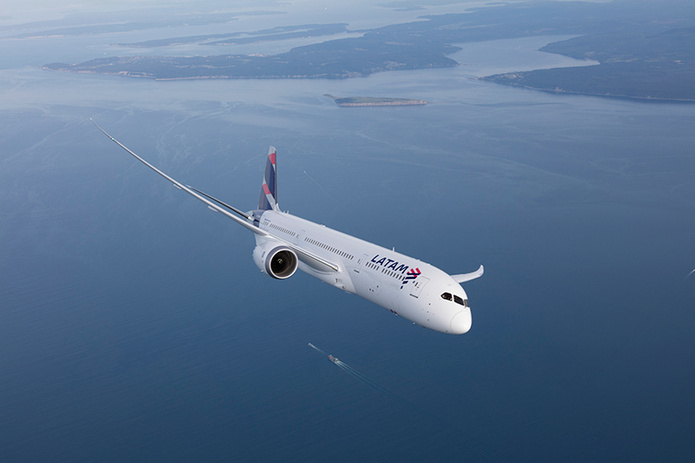
© LATAM Airlines

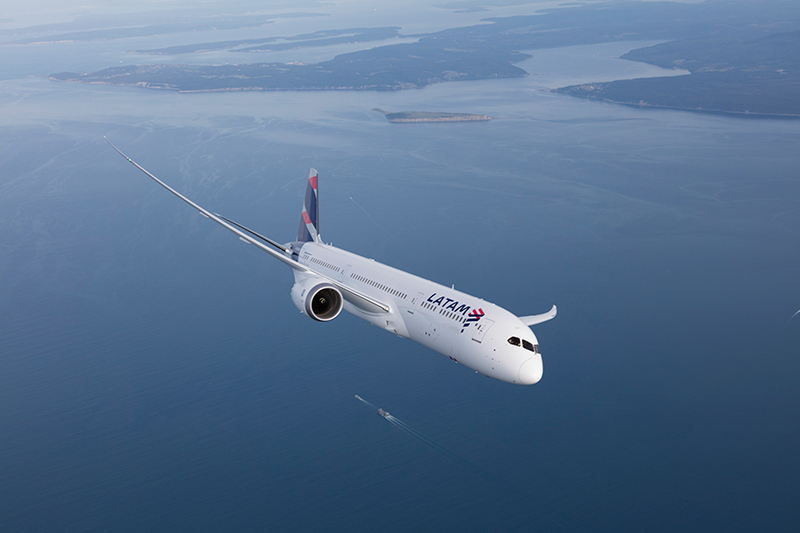
The Paris – São Paulo connection is exclusively operated by the Boeing 787-9 Dreamliner. The design and engineering of this next-generation aircraft aim to reduce physical fatigue and jet lag on long-haul journeys:

Advanced cabin pressurization: With a composite-material fuselage, the aircraft is pressurized at an altitude lower than conventional models, enabling better passenger oxygenation and a reduction in fatigue and headaches.

Controlled ambient humidity: An automatic system maintains higher humidity levels in the cabin, preventing dryness of the skin, eyes, and throat during the twelve-hour flight.

Dynamic LED lighting (Mood Lighting): The cabin lights are programmed to reproduce natural day-night cycles according to the destination time, smoothing the time zone transition and supporting restorative sleep on nocturnal legs.


Premium Business Cabin: Privacy, Ergonomics, and Onboard Flexibility

The 30-seat configuration inside LATAM’s Premium Business cabin creates an ideal environment for both productivity and rest:

Direct aisle access: The cabin layout ensures passenger independence, allowing movement without disturbing others.

Full Flat seat: Each seat electronically reclines to 180 degrees, transforming into a fully flat bed longer than two meters, complemented by ergonomic cushions and soft bedding.

Technical equipment: Every seat provides a large personal HD screen, a remote control, universal power outlets, and USB ports for professional devices.

Flexible “As you wish” service: The crew adapts the service pace to the passenger’s preferences. Guests can individually choose the timing of meals or rest, optimizing either productivity or sleep.


Personalized Regional Cuisine and Sustainability

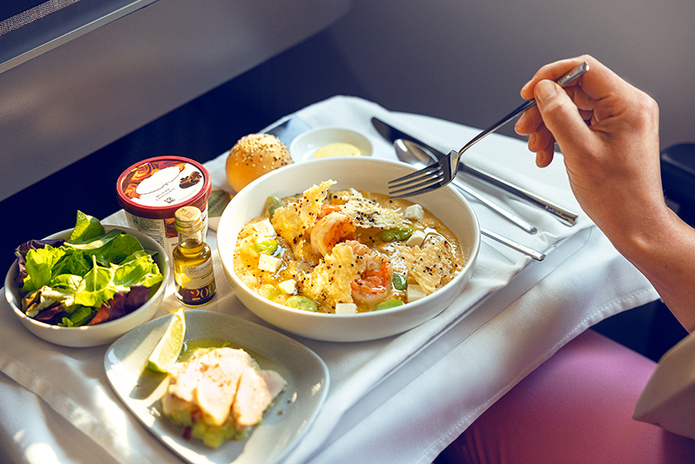
© LATAM Airlines

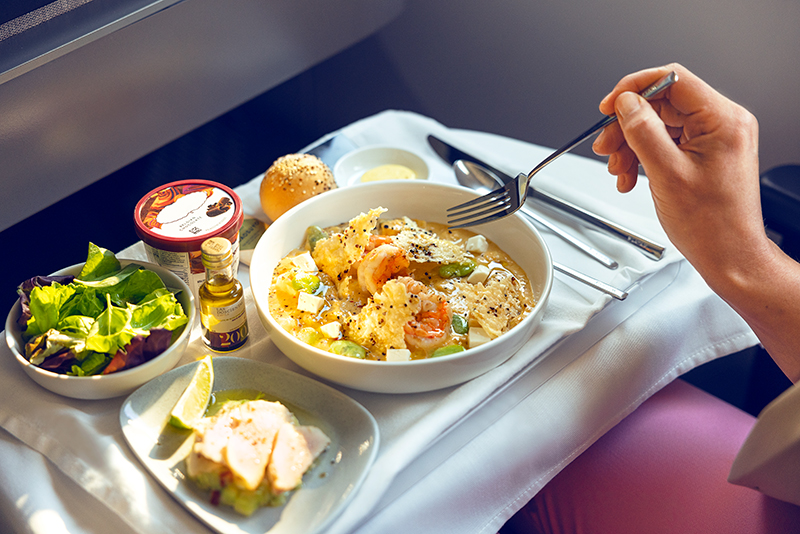
The onboard culinary proposition blends regional South American identity with strict sustainability standards, a key factor for the CSR policies of business clients:

Chef’s menu and pre-selection: Crafted by international chefs for the Premium Business cabin, it highlights fresh locally sourced ingredients paired with wines selected by sommeliers. For optimal personalization, LATAM Airlines enables passengers to choose their main course on the website or app from 5 days to 26 hours before departure.

Eco Travel Kits: Provided in the Premium Business cabin to replace disposable plastic kits, these cases are designed by regional artists using recycled, organic materials and durable fabrics, in line with fair-trade criteria.

Reduction of environmental footprint: LATAM Airlines has eliminated 100% of single-use plastics in the premium cabin, substituting them with reusable, compostable, or recyclable utensils.

For travel agencies in France, recommending LATAM’s daily service on the Paris – São Paulo route ensures premium business and leisure clients a competitive product, time-efficient connections, and high comfort standards across the entire itinerary.
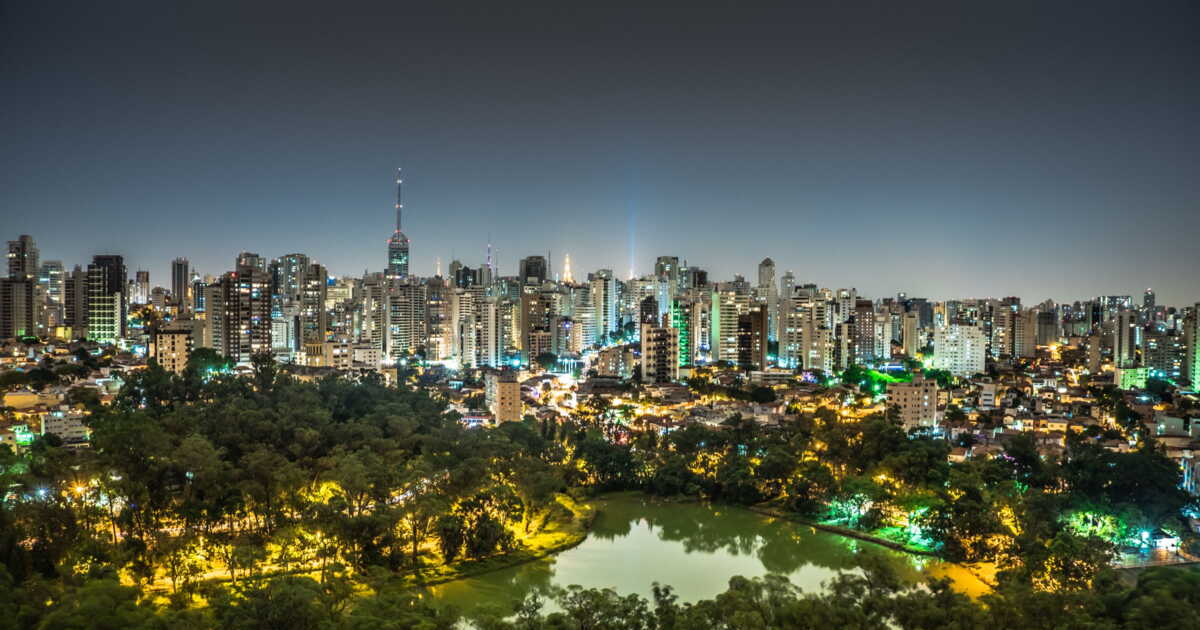

What to Do in São Paulo: 10 Ideas for Outings and Activities

Summary


  • 1. Explore MASP (São Paulo Museum of Art)


  • 2. Relaxation at Ibirapuera Park


  • 3. Discovery of Vila Madalena


  • 4. Panoramic view from Farol Santander


  • 5. Culinary experience at Mercado Municipal


  • 6. Cultural immersion at Banco do Brasil Cultural Center


  • 7. Discovery of Avenida Paulista


  • 8. Exploration of the Botanical Garden


  • 9. Lively evening on Rua Augusta


  • 10. Visit to Cathedral da Sé


  • Is São Paulo really worth a detour on a trip to Brazil?


  • What is the typical São Paulo dish not to miss?


  • How many days are needed to visit São Paulo properly?


  • What to do in São Paulo with kids or as a family?


  • What to do in São Paulo on Sunday to discover the city differently?


  • What to do in São Paulo in the evening or when it rains?

In São Paulo, discovery happens as much through its grand cultural spaces as through the vibe of its streets. A bustling market, a stroll along Avenida Paulista, an afternoon in a park, or a night on Rua Augusta gradually reveal the scale of this extraordinary city.

1. Explore the MASP (São Paulo Museum of Art)

The São Paulo Museum of Art (MASP) is a major cultural anchor in the vast Brazilian metropolis of São Paulo. Located on Avenida Paulista, this internationally renowned museum houses an exceptional collection of European, Asian, and African works, with pieces that testify to the evolution of world art. This complex, often regarded as one of the city’s most iconic buildings, rests on bold red stilts that create the impression that the structure floats above its wide public square, the Vão Livre.

A visit to MASP offers a fascinating plunge into the history of world art, enriching your urban sojourn. The museum regularly hosts temporary exhibitions that energize São Paulo’s museum scene, reinforcing its role as a vital hub for lovers of museums.

2. Relaxation at Ibirapuera Park

At the heart of São Paulo, the Ibirapuera Park is recognized as the city’s green lungs, offering expansive spaces ideal for relaxation, walking, and discovering gardens and lakes. It is a place where nature and culture mingle, with major museums located within, such as the Museum of Modern Art (MAM) or the fascinating Afro Brasil Museum, which deserve an in-depth visit to appreciate Brazilian and international art.

Wander along shaded paths and enjoy a calming environment far from the urban buzz. The park also hosts cultural events, concerts, and exhibitions, making each visit a unique experience. In this green setting, Ibirapuera Park perfectly illustrates the balance between natural escape and intense cultural life within this great Brazilian city.

3. Discovery of Vila Madalena

The Vila Madalena neighborhood is a dynamic center of Brazilian culture and urban expression in São Paulo. It is particularly renowned for its street art, with vibrant and colorful murals that line the streets, including the famous Beco do Batman, an iconic alley decorated by local and international artists. This bohemian district embodies the creative energy of the metropolis and offers a multitude of galleries, craft shops, and trendy cafés. Strolling through Vila Madalena not only immerses visitors in street art but also showcases how contemporary art integrates into the daily life of Paulistanos. It’s a crucial stop for anyone looking to explore the artistic diversity that gives São Paulo and Latin America its reputation.

4. Panoramic view from the Farol Santander

Located in the center of São Paulo, the Farol Santander is a historic building that offers a spectacular panoramic view over the city. Formerly known as the Edifício Altino Arantes, this iconic skyscraper allows visitors to appreciate the immensity of São Paulo, the economic capital of Brazil.

Beyond panoramic observation decks, the Farol Santander also hosts art, history, and design exhibitions, making it a rewarding cultural stop. From its upper floors, the view of the weave of streets, avenues, and rooftops illustrates the scale of this great Brazilian city. Its architectural significance and its role in the urban fabric make this experience a must-do step when exploring the downtown area.

5. Culinary experience at the Mercado Municipal

The Mercado Municipal of São Paulo, often called Mercadão, is a landmark of street food and local gastronomy. As you wander its colorful aisles, you’ll discover a profusion of fresh produce, including a variety of exotic fruits typical of Brazil, spices, and regional specialties. Tasting the famous mortadella sandwich or other traditional local fare is an adventure in itself, embodying the essence of the Paulistano culinary experience.

This historic market, frequented by locals and visitors alike, is also the ideal place to purchase gastronomic souvenirs or simply soak up the daily buzz. The vibrant atmosphere of the Mercado Municipal perfectly illustrates the cultural and gastronomic richness of São Paulo.

6. Cultural immersion at the Banco do Brasil Cultural Center

The Banco do Brasil Cultural Center, housed in a historic building in the downtown São Paulo, is an institution that promotes contemporary art, theater, music, and other forms of artistic expression. It is a meeting place for art enthusiasts and discussions about culture, featuring performances, plays, and varied exhibitions.

This immersion in Brazilian culture is enriching for curious visitors as well as residents seeking to deepen their understanding of the local art scene. The Center helps to make downtown a lively space where heritage and modern creativity intertwine, underscoring the importance of art in the urban dynamics of São Paulo.

7. Discovery of Avenida Paulista

Avenida Paulista is the emblematic artery of São Paulo, blending art, commerce, culture, and a vibrant urban life. This iconic boulevard houses several important museums, shopping centers, libraries, and green spaces, providing a comprehensive panorama of what makes this great Brazilian city so dynamic.

Every Sunday, automobile traffic is halted, transforming the street into a vast pedestrian zone where cyclists, street performers, and visitors come together. This unique setup allows you to fully appreciate the energy of Avenida Paulista while discovering street performances that reflect the city’s cultural buzz.

8. Exploration of the Botanical Garden

The Botanical Garden of São Paulo is a peaceful haven on the edge of urban bustle. Here you’ll encounter a diversity of plant species, serene paths, and shaded areas ideal for relaxation and nature observation. A true green gem, this garden represents an invaluable natural retreat in the heart of the metropolis. It’s an ideal experience for families, nature lovers, or anyone seeking to recharge after exploring the city’s many facets.

9. Lively evening on Rua Augusta

Rua Augusta is a lively and cosmopolitan artery of São Paulo, renowned for its dense and varied nightlife. Bars, clubs, and restaurants follow one another along the street, offering a range of atmospheres from relaxed to highly energetic. It’s a meeting place and a hub of street food, where you can savor quick bites, local specialties, and typical drinks while soaking up the city’s nocturnal energy. This neighborhood is a striking example of the diversity of urban experiences available in this great Brazilian city, where each evening can become a new unforgettable experience.

10. Visit to Cathedral da Sé

The Cathedral da Sé, located in the center of São Paulo, is a masterpiece of religious and architectural heritage. This imposing neo-Gothic cathedral, inaugurated in the mid-20th century, is one of the largest in the country and stands majestically at the heart of the historic center.

Its forecourt and scale make it a place for contemplation and admiration, inviting reflection on the various cultural influences that shape the city’s identity. A visit to Cathedral da Sé nicely rounds out your exploration of the center of São Paulo, offering a striking contrast to the modern energy of the surrounding districts.

In conclusion, São Paulo is a city with many facets offering experiences ranging from culture to nature, from gastronomy to nightlife. For more adventures, consider exploring the surroundings to discover beaches and cultural escapades that will add to your discovery of this dynamic metropolis.

Is São Paulo really worth a detour on a trip to Brazil?

As Brazil’s economic capital, São Paulo certainly deserves the attention of travelers seeking authentic urban immersion. This megacity with many faces combines cultural vitality, architectural richness, and economic dynamism.

Far from the beach-centric clichés of the country, it offers a dense urban experience revealing another face of the Brazil, more contemporary. For those who want to understand the country beyond beaches and forests, visiting São Paulo is essential. It isn’t a city that is “easy,” but it rewards those who take the time to get to know it.

What is the typical São Paulo dish not to miss?

The Paulistano gastronomy, a reflection of its cultural melting pot, is distinguished by the Virado à Paulista, a dish that combines rice, beans, cassava flour, fried plantains, and meat. This dish, historically linked to rural workers, has risen to become an indispensable local specialty.

It is enjoyed in its most authentic and generous form in the city’s traditional botecos, where it often constitutes the daily special on Mondays, or in regional cuisine establishments. The city is also known for its exceptional culinary scene, including starred restaurants and fusion cuisine that highlight the diversity of migrant influences.

How many days are needed to visit São Paulo in good conditions?

To gain a structured and enriching overview of São Paulo, a stay of 3 to 4 days is recommended. This timeframe allows you to discover the main points of interest without rushing: museums, cultural districts, markets, and one or two major parks such as Ibirapuera. This format also accommodates a culinary experience, a few urban strolls, and some rest time. With less than two days, the visit risks being too superficial to grasp the city’s complexity and wealth.

What to do in São Paulo with kids or as a family?

Exploring São Paulo with family is entirely feasible thanks to infrastructure tailored for young audiences. Parque da Mônica, inspired by famous Brazilian comic characters, appeals to younger visitors. The São Paulo Zoo, one of the largest in South America, and the Aquário de São Paulo offer playful and educational alternatives. For calmer activities, Parque Ibirapuera provides green spaces, kid-friendly museums, and playgrounds. These places allow you to discover the city while meeting the needs of children.

What to do in São Paulo on Sundays to discover the city differently?

On Sundays, São Paulo slows down and reveals a more relaxed face. The Avenida Paulista, closed to traffic, becomes pedestrian and hosts street artists, cyclists, and families. It’s the perfect time to stroll, visit the MASP, or enjoy outdoor events. The Ibirapuera Park offers concerts, exhibitions, and relaxation in a green setting. Some markets, such as the Feira da Liberdade, remain open and provide a glimpse of the city’s culinary diversity.

What to do in São Paulo in the evening or when it rains?

At night, São Paulo offers an eclectic nightlife: concerts, theater, wine bars, rooftops, and gourmet restaurants. The neighborhoods of Vila Madalena, Pinheiros, or Baixo Augusta host varied offerings to suit all tastes. When it rains, the city provides numerous indoor options: museums, cultural centers, art galleries, bookstores, or specialty cafés. The Banco do Brasil Cultural Center or the Instituto Tomie Ohtake are among the popular places to seek shelter while still exploring the local culture.

This article was written with the help of artificial intelligence, then corrected, supplemented, and validated by the editorial team.

Marriott International Expands to Cape Verde with New São Vicente Resort


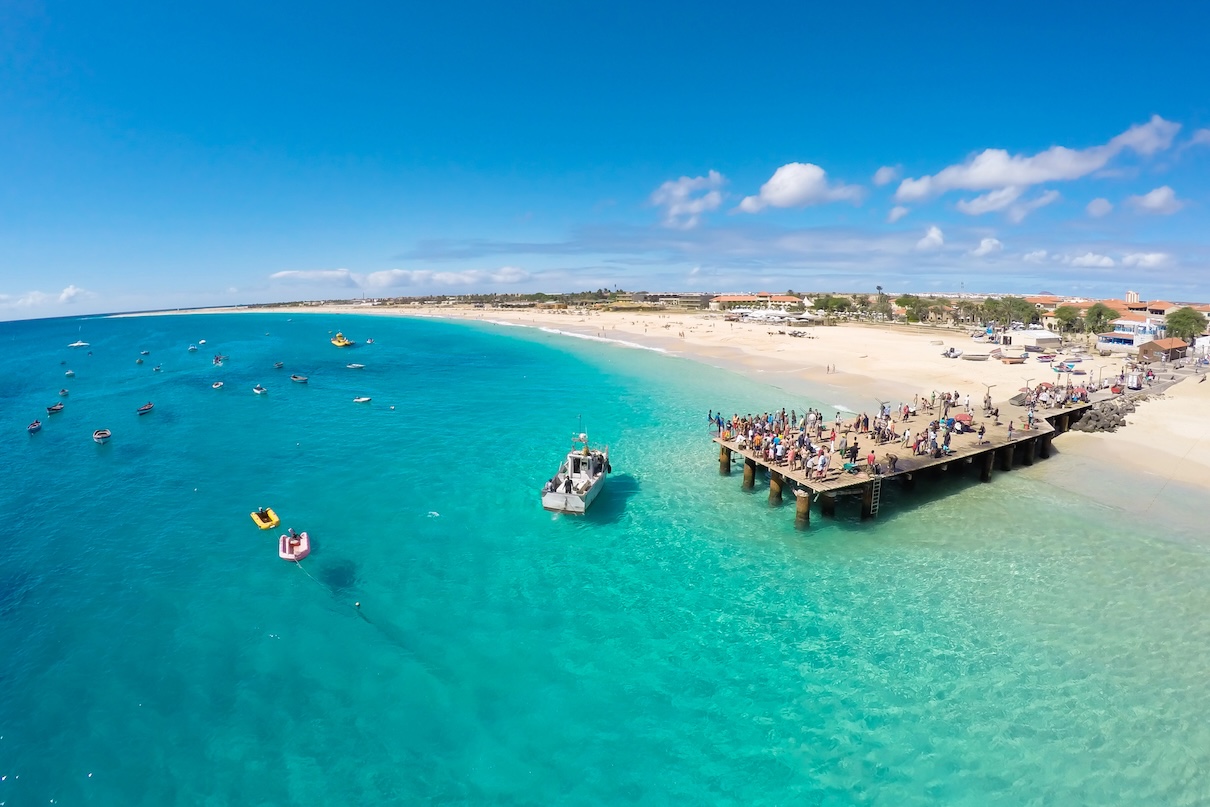
Marriott International fait son entrée au Cap-Vert - Depositphotos.com @sam741002

IFTM prenez RDV avec TourMaG


The Marriott International group announces the opening of its first property in Cape Verde, with the launch of the Four Points by Sheraton São Vicente Resort.

This opening marks both the hotel group’s entry into the archipelago and a symbolic milestone as Marriott’s 500th hotel “select service” in the Europe, Middle East and Africa (EMEA) region.

Located above the Laginha Beach, in Mindelo, the property sits at the heart of the island of São Vicente‘s main cultural hub.

It combines a leisure-oriented resort offering with services tailored for business travelers.


A Strategic Presence in a Growing Destination

For Marriott International, this opening reflects Cape Verde’s rising appeal on the international tourism stage.

Cape Verde is recognized for its vibrant spirit, its natural beauty, and its growing global appeal“, notes Sandra Schulze-Potgieter, vice president in charge of Premium, Select and Midscale brands for the EMEA region.

The property also marks the first resort-style offering of the Four Points by Sheraton brand in the region, and its first African footprint in this segment.

Nestled in a crescent-shaped bay, the resort offers 127 rooms and suites.

Its design blends contemporary aesthetics with local inspirations: wooden furnishings, artisanal lighting, patterned cement tiles and a color palette evocative of the island environment.

The interior architecture draws on Mindelo’s cultural references, notably its music scene and seaside atmosphere. A selection of artworks, including pieces by Raya Salman and photographer Joe Wuerfel, completes this immersion, alongside Cape Verdean artists.


Facilities Geared Toward Leisure and Business

The resort offers direct access to Laginha Beach via a pedestrian bridge, as well as an infinity pool with a bar.

The dining options revolve around several spaces, including a restaurant open all day, a poolside lounge and a rooftop venue that is set to open.

On the facilities side, the hotel also features a conference center with three meeting rooms, a fitness center with ocean views, the Essência Spa (sauna, steam room, Jacuzzi and treatment cabins), as well as the Best Brews program, highlighting a local craft beer.

With this opening, Marriott International crosses several milestones: its official entry into Cape Verde, and the expansion of its select-service segment, which now accounts for more than 30% of its portfolio in the EMEA region.


Amelia Brille Published by Amelia Brille TourMaG.com Editor
See all articles by Amelia Brille

  • picto Linkedin
  • picto email
Add TourMaG to your Google News feed Google Actualités icône  

Chocolate, Slavery, and Luxury Tourism in São Tomé and Príncipe: 5 Things to Know

Voters in São Tomé and Príncipe, a small island state in central Africa, are set to head to the polls on Sunday, July 19, 2026 to elect their president. A former Portuguese colony that became an independent state in 1975, São Tomé and Príncipe is a Lusophone archipelago located in the Gulf of Guinea with around 200,000 inhabitants, renowned for its cocoa and coffee production. Here are five things to know about the country.

1. “The Chocolate Island”

Cocoa is deeply rooted in the history of São Tomé and Príncipe, and the island of São Tomé earned the nickname “The Chocolate Island”. By the end of the 19th century, the archipelago was the world’s leading producer with nearly 35,000 tonnes per year. On the slopes of an extinct volcano overlooking the Atlantic, the cocoa, derived from plants imported by the Portuguese in the 18th century, grows in a lush landscape. The fertile soils of São Tomé do not require fertilisers or pesticides.

But after independence in 1975, “the Portuguese left with their know-how, epidemics struck the cocoa and the State redistributed land to former workers without any oversight. Production collapsed,” explained to AFP Maria Nazaré Ceita, a historian at the University of São Tomé. Likewise, São Tomé and Príncipe has long been a hub of coffee culture and remains so, with production smaller but oriented towards high quality. The production of vanilla and pepper has recently developed.

2. Slavery and Colonization

“Who has shown this long path? This path to São Tomé ?”, asked the famous Cape Verdean singer Cesária Évora in her 1992 song Sodade, in memory of her Cape Verdean compatriots forcibly brought to work on the São Toméan plantations. The islands of São Tomé and Príncipe were colonized by the Portuguese from the late 15th century. They were the scene of a violently brutal slave trade, initially aimed at the intensive cultivation of sugar cane and then cocoa and coffee.

Thousands of men and women from Central Africa were forced into servitude to work on the plantations. According to historians, São Tomé and Príncipe was a hub of the transatlantic slave trade: around six million people are believed to have been deported from the island at that time. With the abolition of slavery in 1876, “contractual workers” were then brought—often by force—from Angola, Mozambique, Cape Verde, Gabon or Congo.

3. Paradise Beaches and Luxury Tourism

With luxuriant nature and paradisiacal beaches on these volcanic islands where nearly 600 species of plants have been catalogued, the country has all the makings of a small paradise. Yet underdeveloped infrastructure, challenges in investing in the tourist sector, and the cost of travel hinder the development of tourism in the archipelago. Visiting during the dry season is a luxury: a round trip from Lisbon costs around 1,500 euros. Tourism aimed at a wealthy clientele has therefore grown, with several luxury hotels in the archipelago, including three five‑star properties.

4. The Oil Hope

Launched in the early 2000s, oil exploration has given rise to many hopes in the country. Several international companies, including the French group TotalEnergies in 2024 or Brazilian Petrobras in 2023, have secured offshore exploration licenses. “Commercial production is expected after 2030,” according to the energy sector lobbying group African Energy Chamber, “subject to fruitful discoveries and a sustained influx of investments.”

5. A Model of Democracy in Africa

After attempts at coups in 2003 and 2009, the parliamentary regime has stabilized, and the country has established itself as a model of parliamentary democracy in Africa. One coup attempt, quickly foiled by the army, did nevertheless occur in November 2022. Since the introduction of multi-partyism in 1991 after 15 years of a Marxist one-party regime, two parties have dominated São Toméan political life and jostle for power, the Independent Democratic Alternative (ADI, centre-right), and the Movement for the Liberation of São Tomé and Príncipe – Social Democratic Party (MLSTP-PSD, centre-left), born from the former single party.